




Pitsunda: 10th-Century Temple and Besleti Bridge — History, Route
Pitsunda is located 80 km from Sukhumi and 22 km from Gagra, in Abkhazia, currently occupied by Russia.
An urban settlement existed here as early as antiquity. The name "Pitsunda" is a translation of the Greek name "Pitios" (Pitios meaning "pine needles"). A hoard of bronze axes and ceramics discovered on Cape Pitsunda indicates that ancient Colchian settlements already existed here between the 11th and 1st millennia. Archaeologists have discovered red-glazed ceramics, numismatic material (coins from the Roman Empire and the city of Trebizond), and objects with Latin and Greek inscriptions.
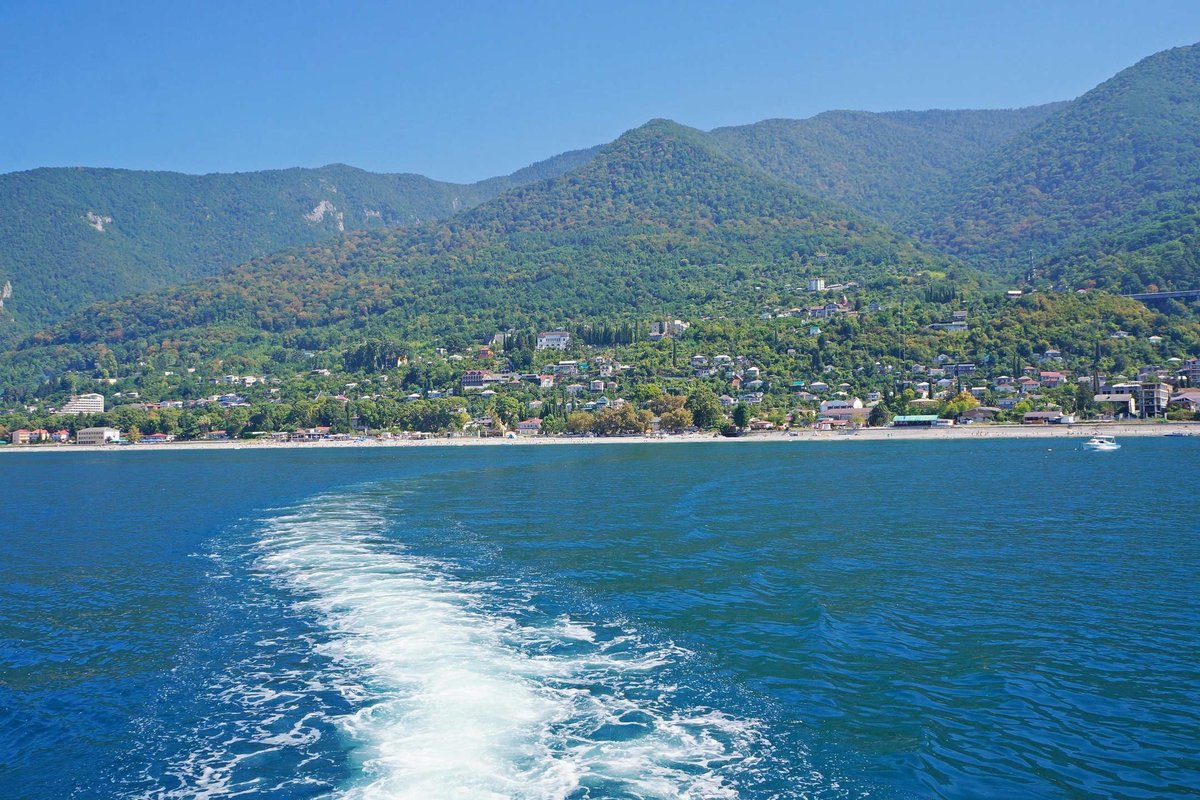
Pitsunda was first mentioned in the works of the ancient Greek geographer Strabo (1st century BC) under the name "Great Pitiunt." In the 2nd and 3rd centuries, a Roman garrison was stationed here, protecting the empire from invasions by northern nomadic tribes. Archaeological excavations on the territory of the Pitsunda fortress have uncovered baths, a wine cellar (marani), the remains of jewelry and pottery workshops, and a sewage system. A richly decorated three-aisled basilica from the 4th century also stands here. Its mosaic floor has been preserved to this day.
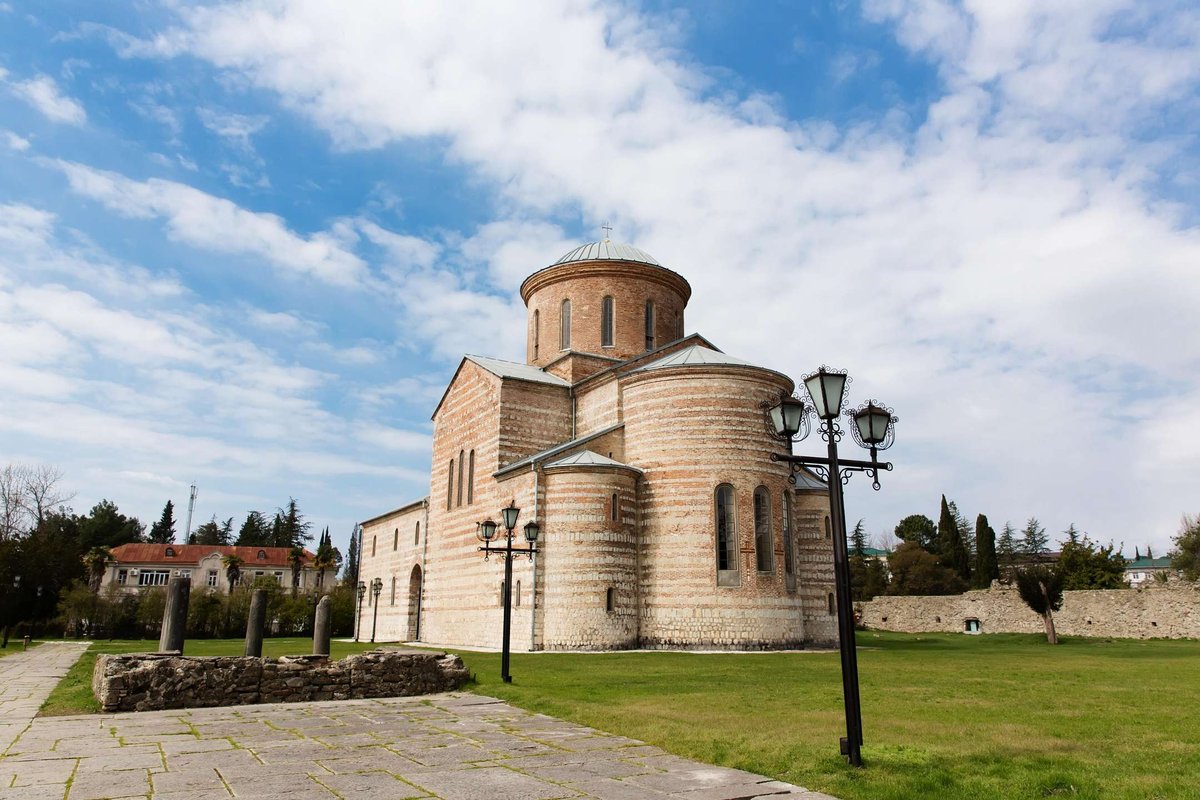
Pitsunda was the most important center of Christianity in the Caucasus. In the 4th century, it housed a bishop's see, and Bishop Stratophilos was a participant in the First Ecumenical Council (325). From the 9th to 16th centuries, Pitsunda housed the head of the Eastern Georgian Church, the Catholicos. In the center of Pitsunda stands a large 10th-century cross-domed church. After the Abkhazian Patriarchate's seat was relocated in the 1550s, the Pitsunda monastery became deserted. In the 19th century, the church walls were whitewashed, although fragments of 16th-century murals remain. According to legend, John Chrysostom is buried in this cathedral, as are Andrew the First-Called and Svimon the Zealot, whose symbolic tombs are located inside the building.
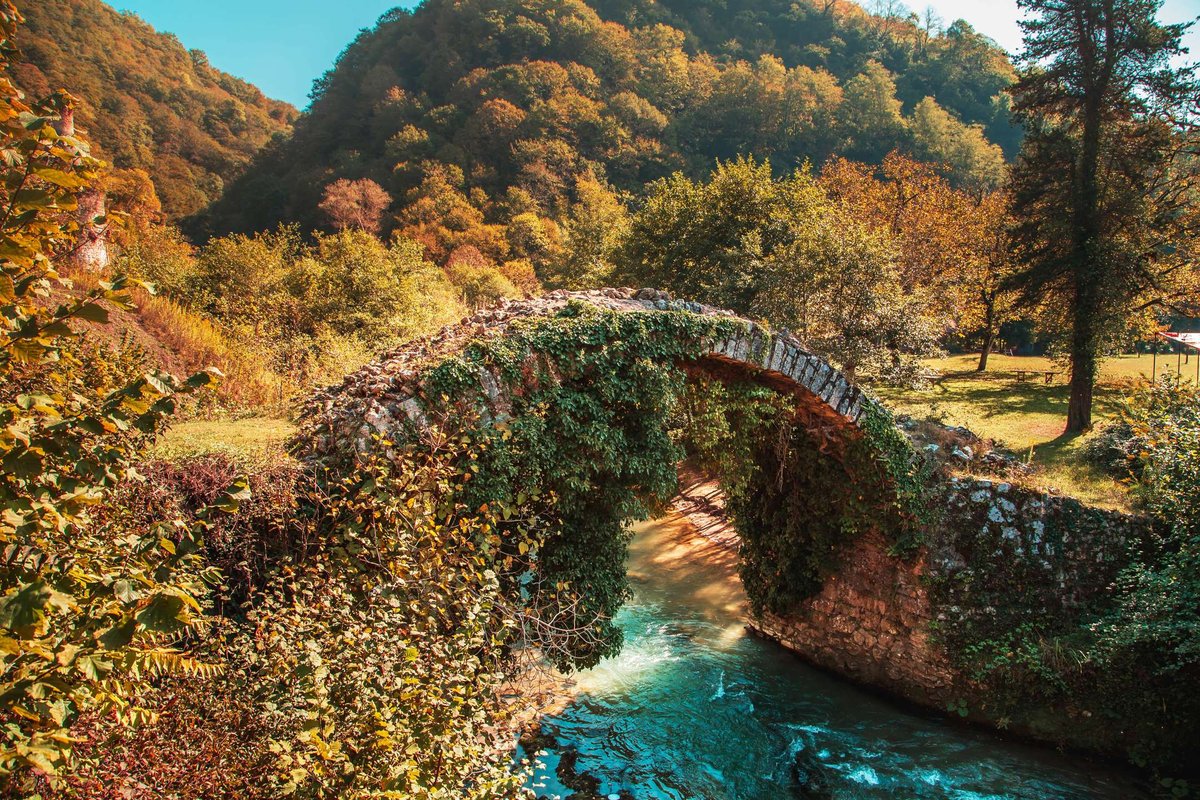
An arched bridge measuring 13 m by 4.7 m and 6 m high has been preserved on the Besletka River near Sukhumi. The facing stones of the arched bridge are inscribed with inscriptions in the ancient Georgian alphabet, "asomtavruli." In medieval Georgia, to facilitate trade, royal rulers ordered the construction of single- or double-span arched bridges across rivers, over which caravans transported cargo. These bridges were constructed of limestone slabs and faced with hewn blocks. The bridge arch rests on piles embedded on both banks. To allow access to the elevated portion of the arch, the bridge is covered with an earthen embankment on both sides. Such arched bridges are often popularly referred to as "Queen Tamar's bridges."
A particularly large number of single- and double-span bridges have survived in southern Georgia, particularly in Adjara. Most of the stone arched bridges have survived on the Adjaristskali, Machakhela, and Kintrishi rivers. There are dozens of such bridges in Adjara: Furtio, Tskhemlari, Makhuntseti, Dandalo, Tskhemovani, Kobalauri, and other arched bridges. A large number of these bridge piles have also survived outside of Georgia, in the territories of Shavshet-i-Merkhevi and Lazeti.

50 comments
Log in to leave a comment
А вот Беслетский мост — это не просто архитектурный памятник, а настоящее произведение искусства. Надписи на древнем грузинском алфавите, сохранившиеся на его камнях, добавляют мосту особую атмосферу, словно он рассказывает свою историю. Мне кажется, такие места заставляют задуматься о том, как важно сохранять нашу историю и культуру для будущих поколений.
✅ Положительный момент статьи: Положительным моментом статьи является то, что она рассказывает о богатой истории Пицунды и ее окрестностей. Статья описывает древние поселения, археологические раскопки, римский гарнизон, христианскую историю и архитектуру, включая крестово-купольный храм Х века и арочный мост на реке Беслетка. Это позволяет читателям познакомиться с богатым наследием этого региона и узнать больше о его культурной и исторической значимости. Кроме того, статья напоминает о том, что сохранение и защита культурного наследия являются важными задачами, которые должны быть решены в интересах будущих поколений.
✅ Отрицательный момент статьи: Отрицательным моментом статьи может быть то, что она не упоминает о современном состоянии Пицунды. Также, статья не упоминает о туристическом потенциале Пицунды и возможностях для развития туризма в этом регионе.
Несмотря на положительные и отрицательные моменты статьи, я благодарю автора на каталоге Мадлоба за интересную и полезную статью!!
каждый город наполнен древней историей,интересно узнавать много нового.Статья увлекательная и много информации.Меня не перестает
удивлять тот факт, что в Грузии сохранилось очень много памятников старины.Это похвально, грузинский народ бережно хранит исторические
ценности своей страны. С удовольствием прочитала эту статью и узнала много интересных фактов. Спасибо.
В статье написано, что в результате раскопок, были обнаружены винные погреба, бани, мастерские и даже канализационные системы. Всё это тоже хочется посмотреть. Всегда удивительны и интересны труды человека в древнии времена.