




The fortified town of Nokalakevi
Nokalakevi was the political center of Colchis (Egrisi) in ancient and early Christian times, and the capital of Lazika (4th-8th centuries). It is located on the left bank of the Tekhura River, 17 kilometers northeast of the town of Senaki (the river borders the town on three sides).
According to historical sources, the fortified town was built by the eristavi (governor of the province), Egrisi Guji (4th-3rd centuries BC). It is from his name that the ancient name of the town, Tsikhegoji (Fortress-Guji), is associated. Later Greek sources call this town Archeopolis (meaning "old town"; "Nokalakevi" in Georgian). Some historians claim that the mythical city of Aya, from where Jason, Medea, and the Argonauts stole the Golden Fleece, stood on the site of modern-day Nokalakevi.
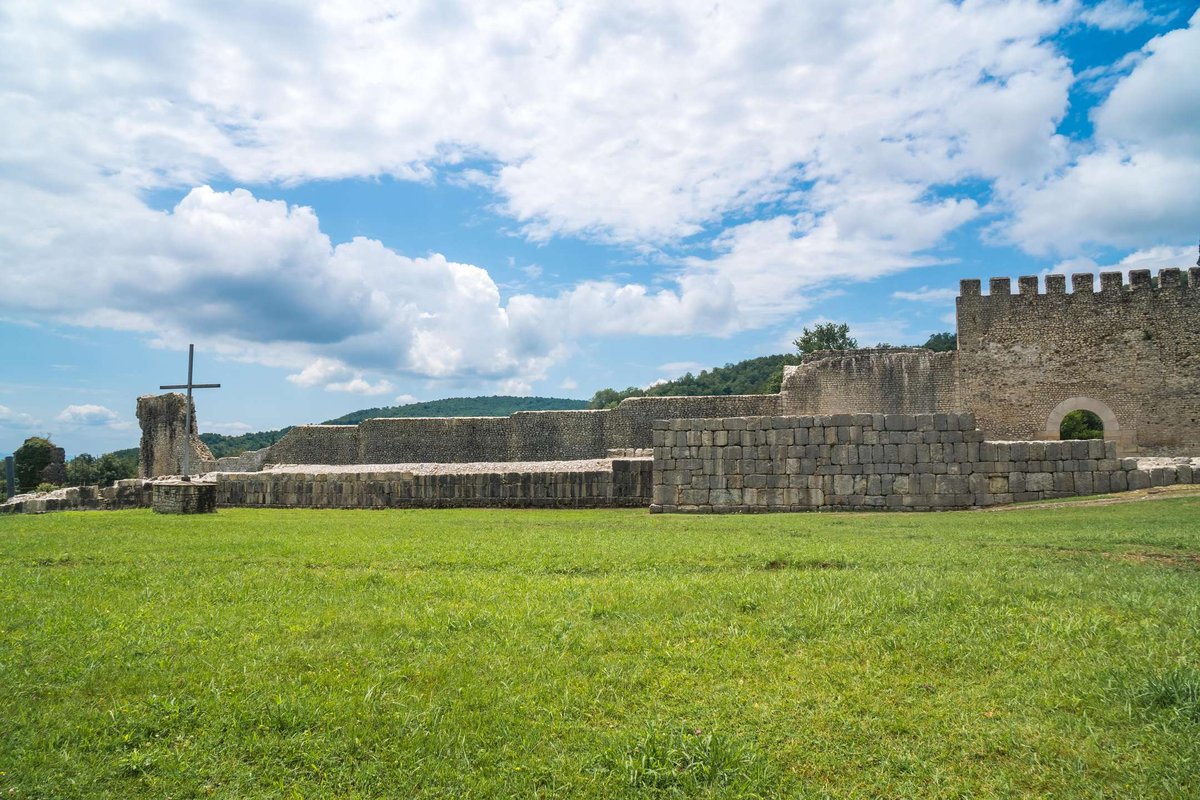
The construction of a fortified town on this site was dictated by military and strategic necessity and the large population. The archaeopolis proved an impenetrable stronghold during the Iranian-Byzantine "Great War of Egrisi" (542-562). In 736, the town was captured and razed by the Arab commander Murwan ibn Muhammad (Murwan the Deaf). After this, Tsikhegoji lost its strategic importance. From the 16th to the 19th centuries, Nokalakevi served as the residence of the rulers of Odishi.
Nokalakevi is surrounded by a 3-kilometer-long wall, covers an area of 19 hectares, and consists of three parts: the lower town, the central fortress, and the citadel. The townspeople's settlement was located on the riverbank, the garrison was fortified on the slope, and the citadel of the fortress was on a mountain (4 hectares). The lower town included the royal residence (4th century), a three-aisled basilica (4th century) converted into a domed church, a three-aisled basilica (6th century), a three-story palace (6th century), a gate with a tower, and baths. A hall church (6th-7th centuries) stands in the citadel.
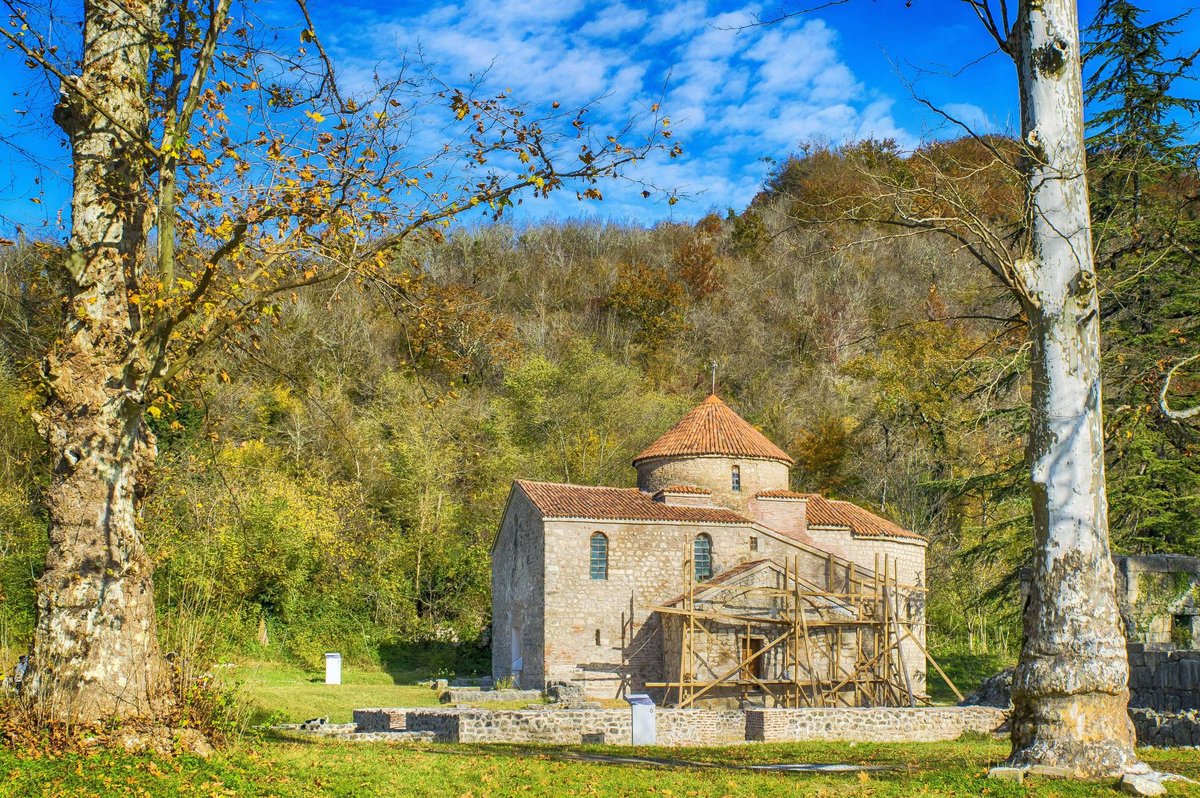
The city's fortification system was designed in accordance with its geographic environment. The city was protected on three sides by a river and steep cliffs, while on the eastern side, which was "unprotected" by nature, three walls were built. The northern side was guarded by a tower-like "castle" built into the wall.
Ceramic and bronze items, jewelry, and copper and gold coins, both locally produced and imported, were discovered within the fortress. Pagan-era crypts were discovered within Nokalakevi. Those buried in these tombs had a coin—a Colchian tetri—in their mouths. Two baths were also discovered in Nokalakevi. One was intended for rulers and nobles, and the other for townspeople and garrison soldiers. It is noteworthy that the baths were heated by a central heating system.

43 comments
Log in to leave a comment
ძალიან საინტერესოა, როგორ აღმოაჩინეს იქ კერამიკული ნივთები და გუნდური საჩუქრები. ისე მგონია, რომ იმ ადამიანების ჩრდილები კვლავ გარემოში ტრიალებენ. საზღვრები და მდინარეები თითქოს ისევ მორიდებით გვჩუქნიან ისტორიას.
და რა თქმა უნდა, მაინტერესებს, არის თუ არა რაიმე სპეციალური ღონისძება, რაც ტურისტების დაუდგება იმ ადგილებში?