


⛪ The Church of 100,000 Martyrs in Kutaisi: a memorial to the tragedy of 1226
📋 What to know before your visit
| 📍 Address | Kharebava Street, Kutaisi |
| 🕐 Opening hours | Mon–Fri 08:00 AM–7:00 PM, Sat–Sun 08:00 AM–6:30 PM |
| 📖 Named after | the tragedy of 1226 in Tbilisi |
| 📅 Feast day | 13 November, per the church calendar |
| 👤 Clergy | Father Khariton and his son, Father Grigol, serve here |
🧭 About this article
The Church of the 100,000 Martyrs in Kutaisi carries a name tied to the tragedy of 1226 in Tbilisi. Useful if you want to understand what this name means and learn more about the history the church keeps alive in memory.
⛪ A name behind which lies a tragedy
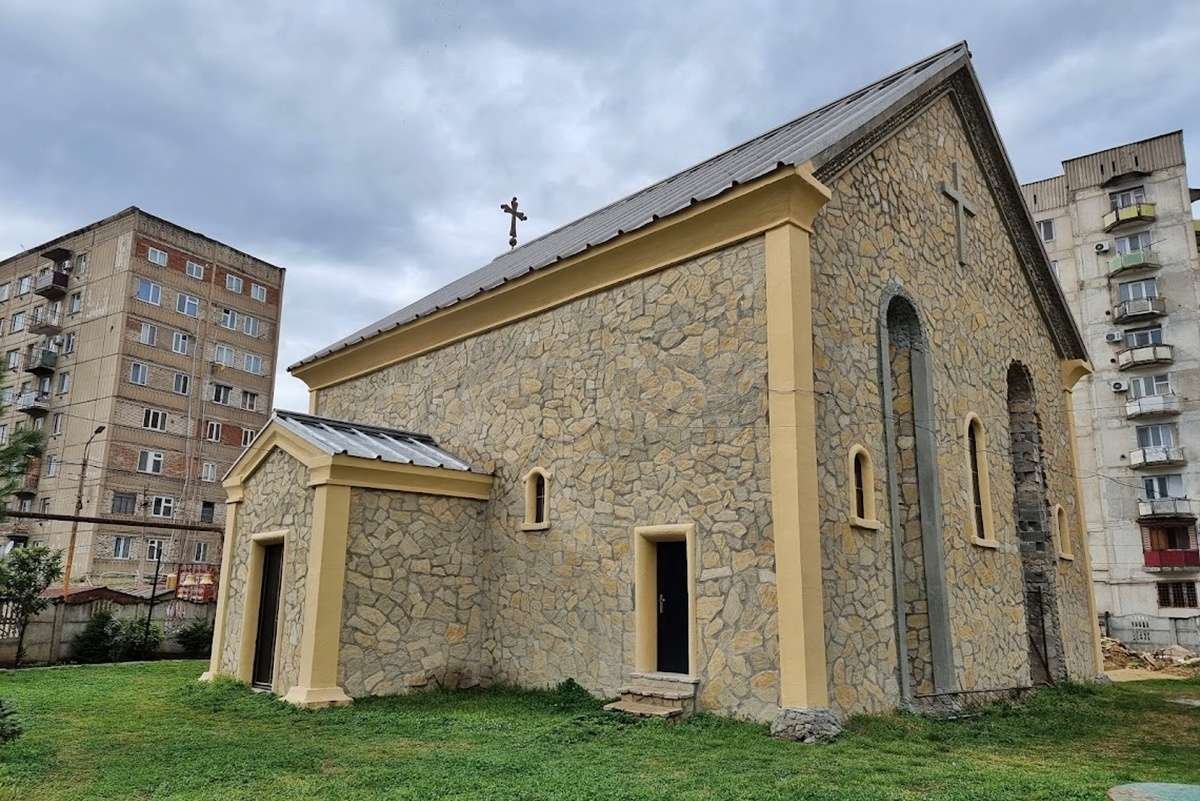
The Church of the 100,000 Martyrs in Kutaisi is an active church on Kharebava Street. The name itself raises questions right away: who were these hundred thousand martyrs, and why are they remembered this way. The answer takes us far beyond Kutaisi, to the capital of Georgia, and back to the distant year 1226.
For many tourists who first spot this name on a map, it sounds almost like a legend or a poetic exaggeration. In fact, behind it lies one of the most tragic and, at the same time, most significant episodes in the whole of Georgian history, an event still remembered and spoken of nearly eight hundred years later.
⚔️ The tragedy of 1226: what happened in Tbilisi
In 1226, Georgia was invaded by the army of the Khwarazmian Shah Jalal al-Din. Queen Rusudan refused to meet his demands, and the Turkmen army invaded the country. Tbilisi, a fortified city with brave defenders, might have held out longer had it not been for a betrayal: a group of Persians living in the city secretly opened the gates and let the enemy army in at night.
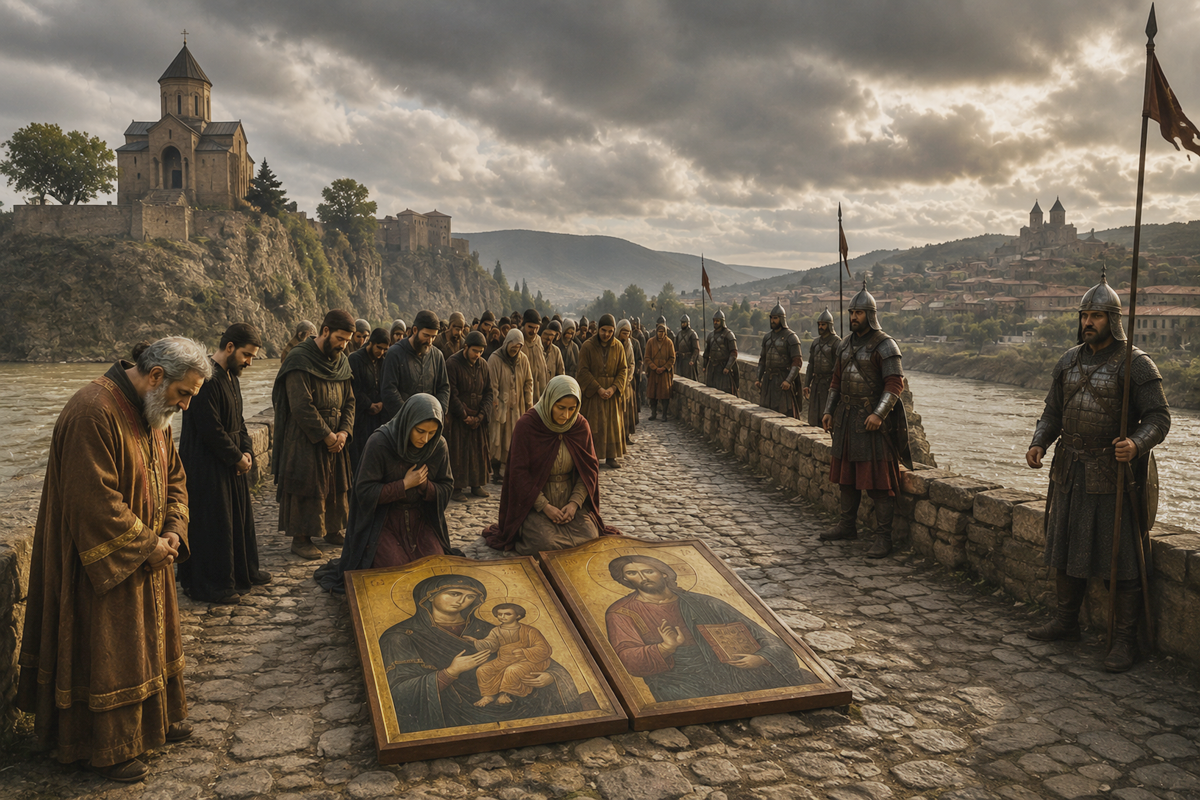
Having captured the city, Jalal al-Din decided to forcibly convert its residents to Islam. On his orders, the dome was torn off Sioni Cathedral, dedicated to the Dormition of the Mother of God, and the conqueror's throne was set up in its place. Icons of Christ and the Mother of God were carried out of the cathedral and laid on Metekhi Bridge over the Kura River.
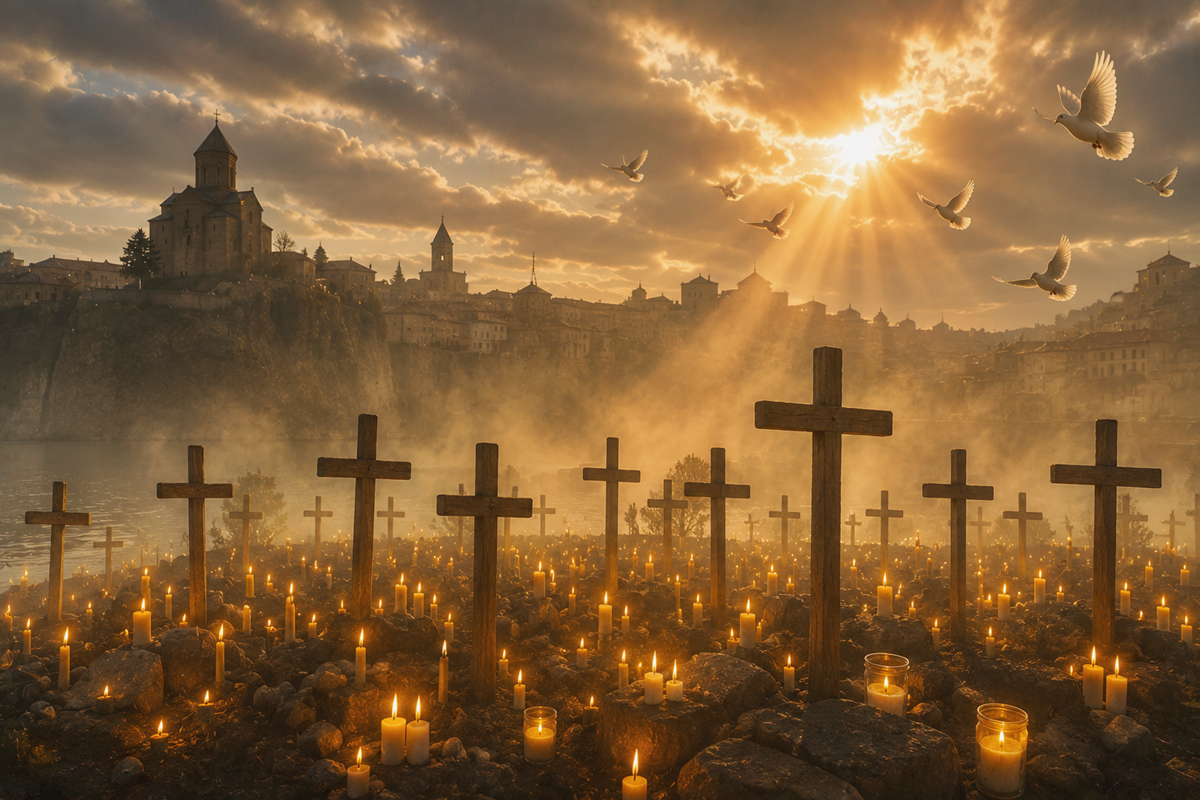
Captive citizens were given a choice: freedom and generous rewards in exchange for renouncing Christianity and desecrating the icons, or death for refusing. According to tradition, people came forward to the icons one by one, bowed before them in reverence rather than trampling on them, and were put to death on the spot by executioners. The beheaded bodies were thrown into the river. For a long time, tradition says, the waters of the Kura ran red with blood.
💡 Editor's tip
If you'd like to catch the church on a special day, aim for 13 November, the martyrs' feast day per the church calendar. Memorial services take place on this day in many churches across Georgia, including Tbilisi, and the atmosphere is different from a regular visit.
🕊️ Why they're venerated as saints
The Georgian Orthodox Church has recognised those who died as martyrs for their steadfast faith in the face of death. Sources give the death toll only approximately, "a hundred thousand", more a symbolic marker of the scale of the tragedy than a precise count. The names of most of the victims remain unknown.
Since then, the feast day has become fixed in the church calendar, and every year on 13 November thousands of believers come to Metekhi Bridge in Tbilisi to honour the memory of their countrymen. Churches in other Georgian cities, including the one in Kutaisi, give those far from the capital a way to join in this remembrance too.
🏛️ The church in Kutaisi today
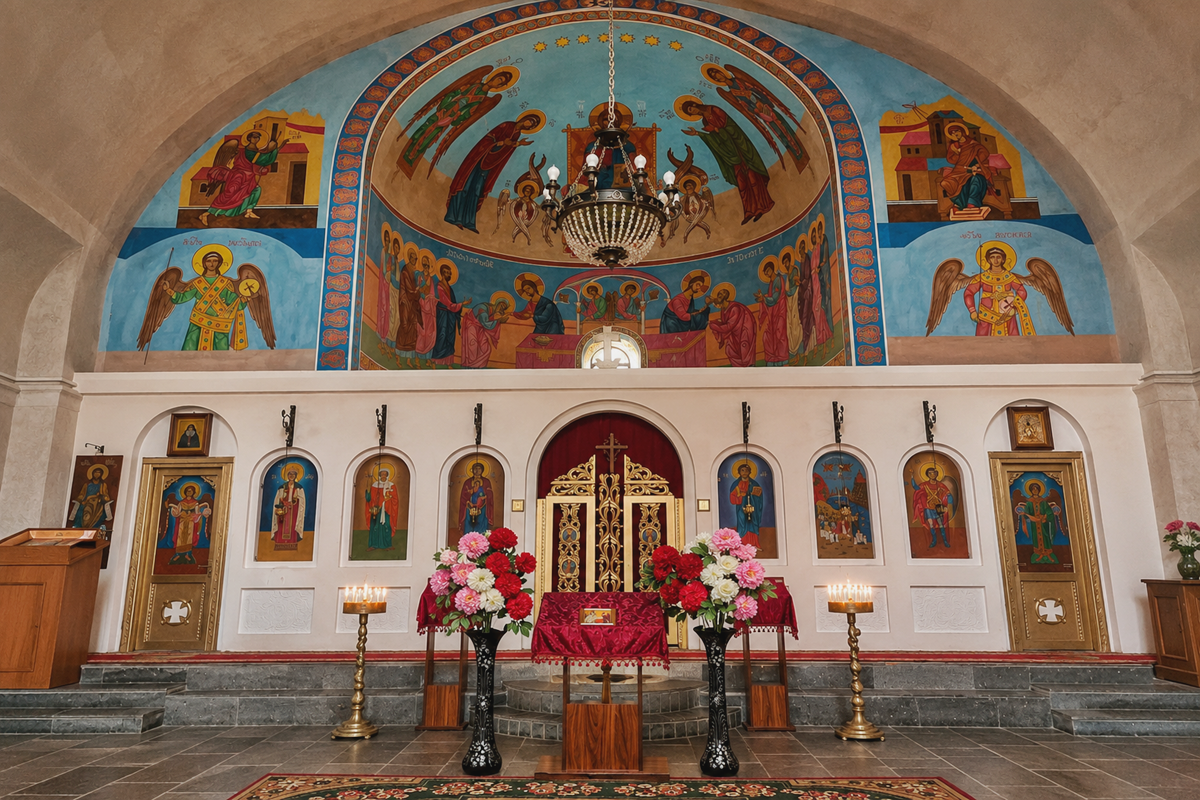
It's worth being upfront here: a detailed, documented history of this particular building, its construction year, its architect, could not be found in open sources. What is known is that two priests currently serve at the church:
- Father Khariton, the church's longtime rector
- Father Grigol, his son, who recently joined the clergy
According to parishioners, the atmosphere in the church is warm and calming, and the priests are known for their wise counsel and spiritual support. If you have accurate archival information about the history of the building itself, let us know, the article can be updated.
🗺️ How to find the church
The church sits in a residential district of Kutaisi, a little off the city's main tourist routes, so it's easier to navigate by map than by general directions. The marker below links straight to the church's catalogue listing, where you can see photos and current reviews.
🌍 Near the church


ℹ️ Historical information about the 1226 tragedy is drawn from church and historical sources. Information about the church building in Kutaisi itself is limited, please check details on site.
💬 Tell us
Did you know the story of the 1226 tragedy before reading this article? Share in the comments whether you've been to the Church of the 100,000 Martyrs in Kutaisi.
📝 In short
The Church of the 100,000 Martyrs in Kutaisi is a reminder that memory of tragic chapters of history isn't tied to a single place: the events of 1226 happened in Tbilisi, but they're remembered and honoured across Georgia, including here, on Kharebava Street.
🧡 Keep reading about Kutaisi
- ⛪ The Church of Saint Nicholas in Kutaisi: a church by the Rioni River
- ✝️ Protestant churches in Georgia: what they are and how they appeared
- ⛪ Mirkma Church in Tskaltubo: what this rare name means
💾 Save this article to come back to it before your trip to Kutaisi.
❓ Questions people often ask about the Church of the 100,000 Martyrs
💬 Residents of Tbilisi executed in 1226 on the orders of Khwarazmian Shah Jalal al-Din for refusing to renounce Christianity and desecrate the icons on Metekhi Bridge.
💬 No, the tragedy took place in Tbilisi. The Kutaisi church is one of the places where this memory is honoured outside the capital.
💬 On 13 November, per the church calendar, memorial services are held in various churches across Georgia on this day.
💬 Father Khariton and his son, Father Grigol, who recently joined the clergy.
💬 Weekdays from 08:00 AM to 7:00 PM, weekends from 08:00 AM to 6:30 PM.

2 comments
Log in to leave a comment
Aż trudno pojąć, że tak ważne wydarzenie, jak to z 1226 roku, wciąż żyje w pamięci. To, co mnie jednak zastanawia, to jak współczesne pokolenia postrzegają te dramatyczne momenty. Czy te miejsca wciąż mają dla nich sens, czy są już tylko turystycznym punktem na mapie? Myślałem o tym, kiedy z dziećmi stawialiśmy nasze pierwsze kroki w tym kraju bogatej kultury. Co twoim zdaniem sprawia, że te historyczne miejsca wciąż przyciągają ludzi?