




Bolnisi Sioni and Tsugrugasheni: Churches in Kvemo Kartli
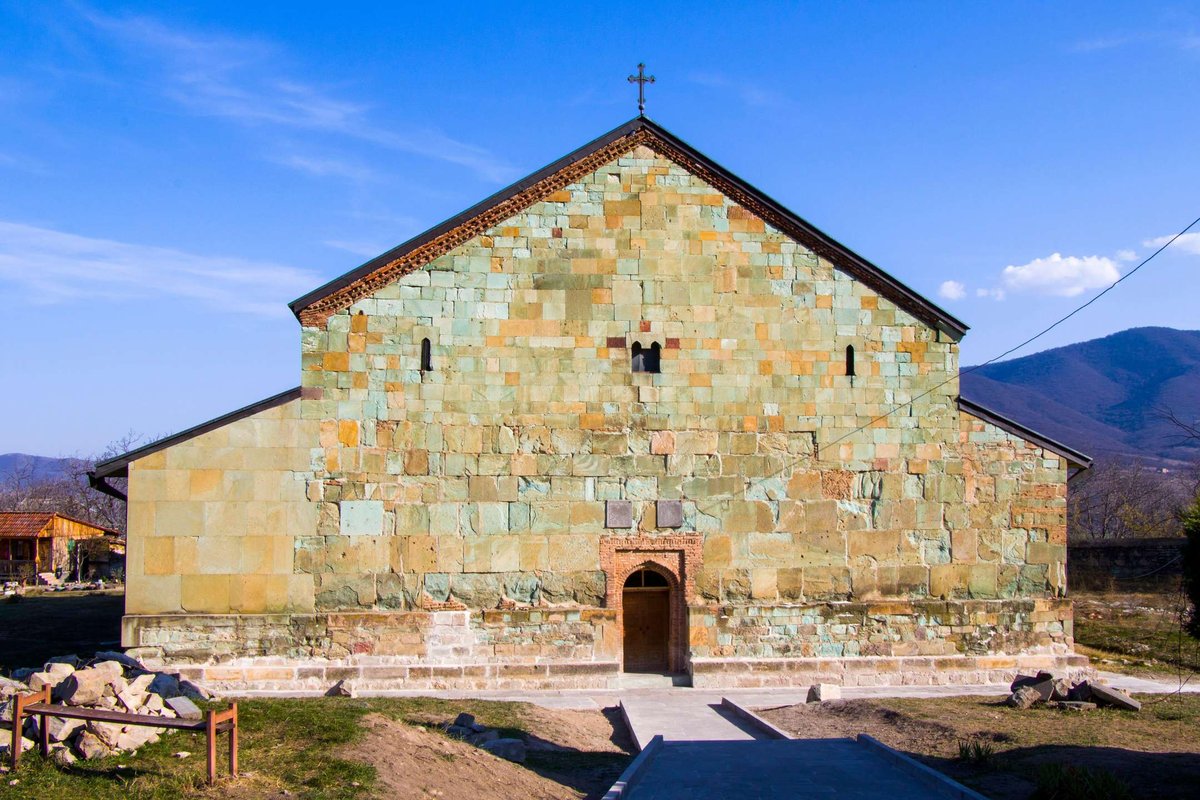
Bolnisi Sioni Cathedral is one of the oldest Christian churches in Georgia. The three-aisled basilica dedicated to the Mother of God is located 5 km from the town of Bolnisi.
This church is distinguished by its architecture and ornamentation. A construction inscription is carved on the tympanum of the southern entrance to the church, stating that the cathedral was built between 479 and 494. This inscription is also the oldest example of writing discovered in Georgia. According to the inscription, the church was built by the first Bishop of Bolnisi, David, during the reign of King Vakhtang Gorgasali (457-491). The church's bell tower was erected in the 17th century.
The Tsugrugasheni Church is located in the historical Kvemo Kartli region, on the right side of the vast Foladauri River valley, two kilometers from Bolnisi Sioni, on the right bank of the Bolnisistskali River, on a mountainside. Inscriptions on the 13th-century church mention Giorgi IV Lasha (1210-1223) and the church's builder, Hasan, son of Arseni. The Tsugrugasheni Church is similar in design to the Betania Church, but smaller, and the dome drum is taller.
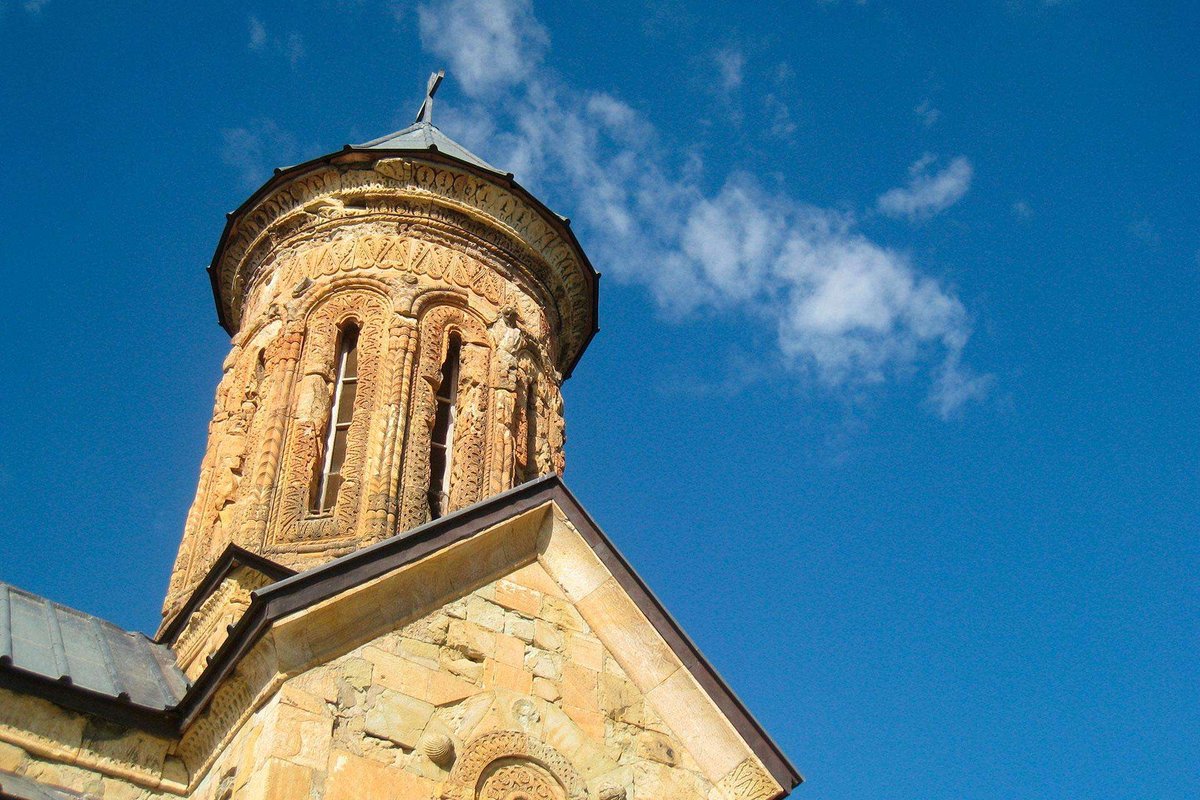
The exterior of the building, from east to west, is set within an elongated rectangle. The interior contains four arms of the cross, only the eastern arm of which ends in an apse. On both sides of the altar are two-story utility rooms, the lower portions of which contain the altar table and the sacristy (deaconry). On the north side of the church is a later annex, which likely served as a prayer house or burial vault.
Multicolored stones—golden yellow, dark purple, and blue—were used with particular elegance in the construction of the church. This architectural monument is richly decorated with carved ornaments.

39 comments
Log in to leave a comment
Верно ли, что царь Георгий IV Лаша, упомянутый в храмовых записях, сын царицы Тамары?
При строительстве другого храма - храма Цугругашени - тоже использовались камни разных цветов, полагаю, это традиция - применять разноцветные камни в строительстве, это придает сооружению неповторимый и своеобразный вид, смотрится очень интересно. И, конечно, резные орнаменты присутствуют здесь тоже.