

Flags of Georgia: Official, Historical and Regional Banners
🇬🇪 What the flag of Georgia looks like
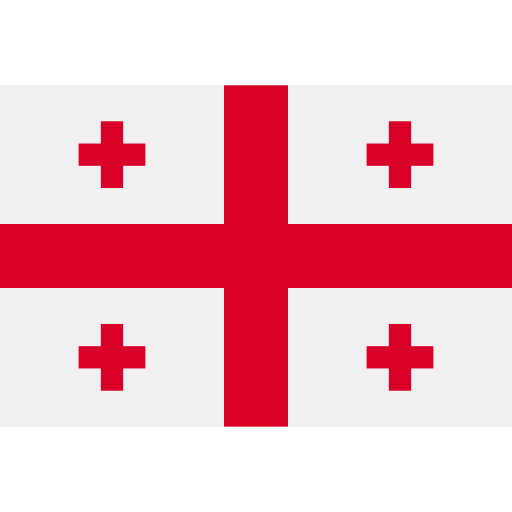
A white rectangular field with five red crosses: one large cross spanning the whole flag, and four smaller crosses, one in each quarter. In Georgia it's simply known as the "five-cross flag."
📜 What the five crosses and colours of the Georgian flag mean
The short version: the large cross is the Cross of St. George, Georgia's patron saint, and the four smaller crosses in the corners are called Bolnur-Katskhuri crosses, named after ancient church carvings. Together they form what's known as a Jerusalem cross, a composition recognised across the Christian world since the Middle Ages.
One detail worth flagging: the law describes what the flag looks like, but doesn't spell out what it means. Everything you'll read about the symbolism of the crosses and colours is a longstanding traditional interpretation, not an official one. That doesn't make it any less interesting, it's just worth knowing the difference.
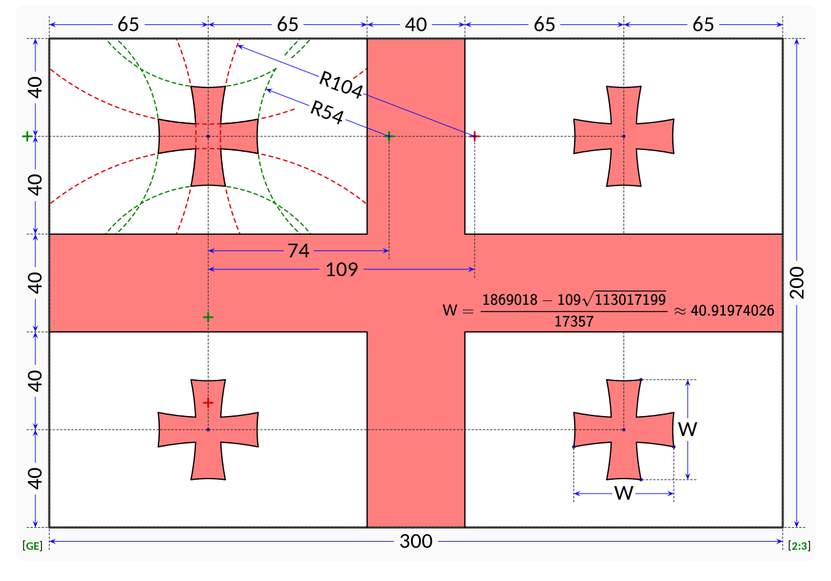
In the photo: Construction of the flag of Sakartvelo.
The most common reading goes like this: the central cross represents Christ, and the four smaller ones the four evangelists. It's a pan-Christian composition, instantly recognisable in church iconography, and it reads particularly naturally in Georgia, one of the first countries to adopt Christianity as a state religion.
The colours work similarly. In heraldry, red is traditionally tied to courage, valour, and a willingness to sacrifice. White, called argent by heralds, to purity, wisdom, and peace. You'll sometimes come across the idea that the flag's white field expresses a longing for peace after the turbulent 1990s, but that's a modern reading rather than a historical one.
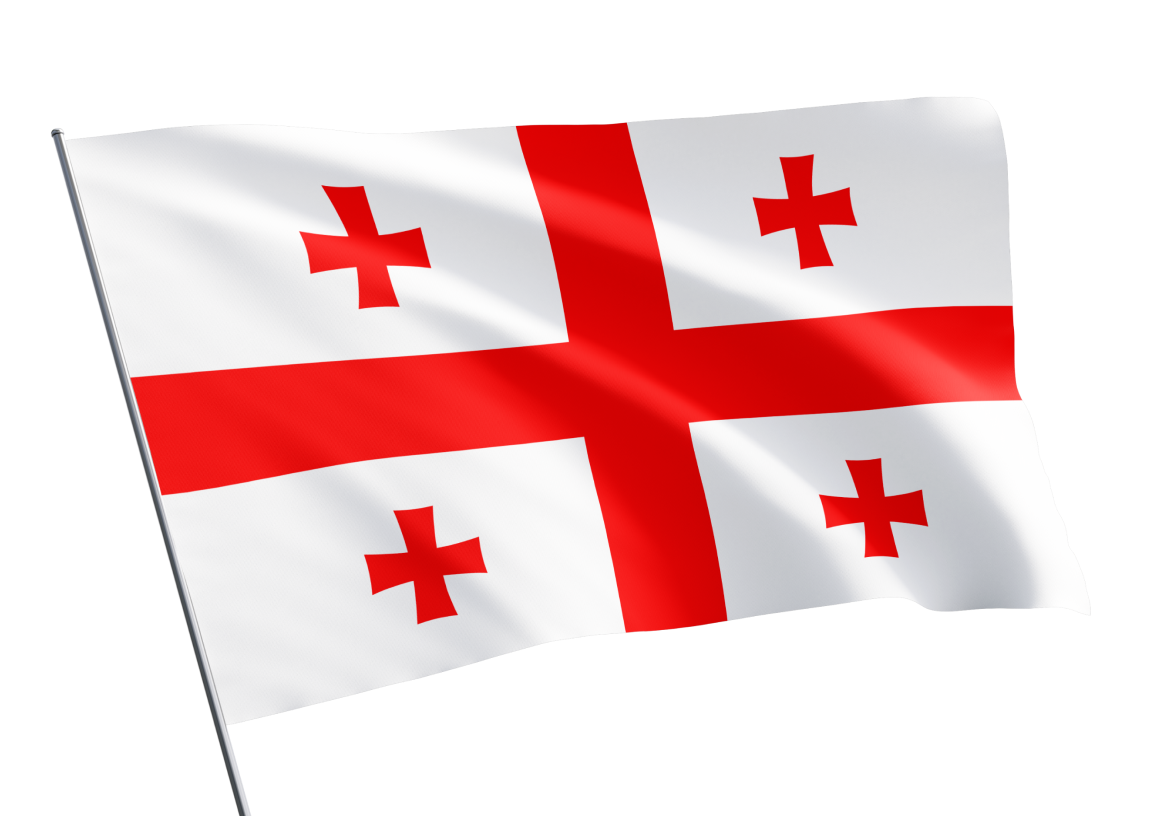
In the photo: The modern flag of Georgia.
Story
The flag of Georgia, adopted in 2004 by a special "Law on the Flag", has a significant historical basis and symbolism. Before its official approval by the parliament, this flag was used by the political party "United National Movement", headed by Mikheil Saakashvili. The historical roots of the flag go back to the distant past.
Researcher Iosif Bichikashvili points out that images of five crosses similar to those on the flag were found in the ruins of the Nekre Church (not later than the 6th century), as well as on the facades of the churches of St. George in Bochorma (10th-11th centuries) and Chkhari (13th-14th centuries), and in Dmanisi (14th-15th centuries).
Interestingly, the flag nearly became official years earlier. According to Britannica, parliament actually voted to make it the national flag back in 1999, but President Eduard Shevardnadze never signed the bill. After that, the five-cross flag became a symbol of the opposition, and later of the Rose Revolution itself.
It was finally adopted under the new government: parliament passed the flag on 14 January 2004, and on 25 January President Mikheil Saakashvili signed Decree No. 31, fixing its exact construction and proportions. 14 January is now marked annually in Georgia as Flag Day.
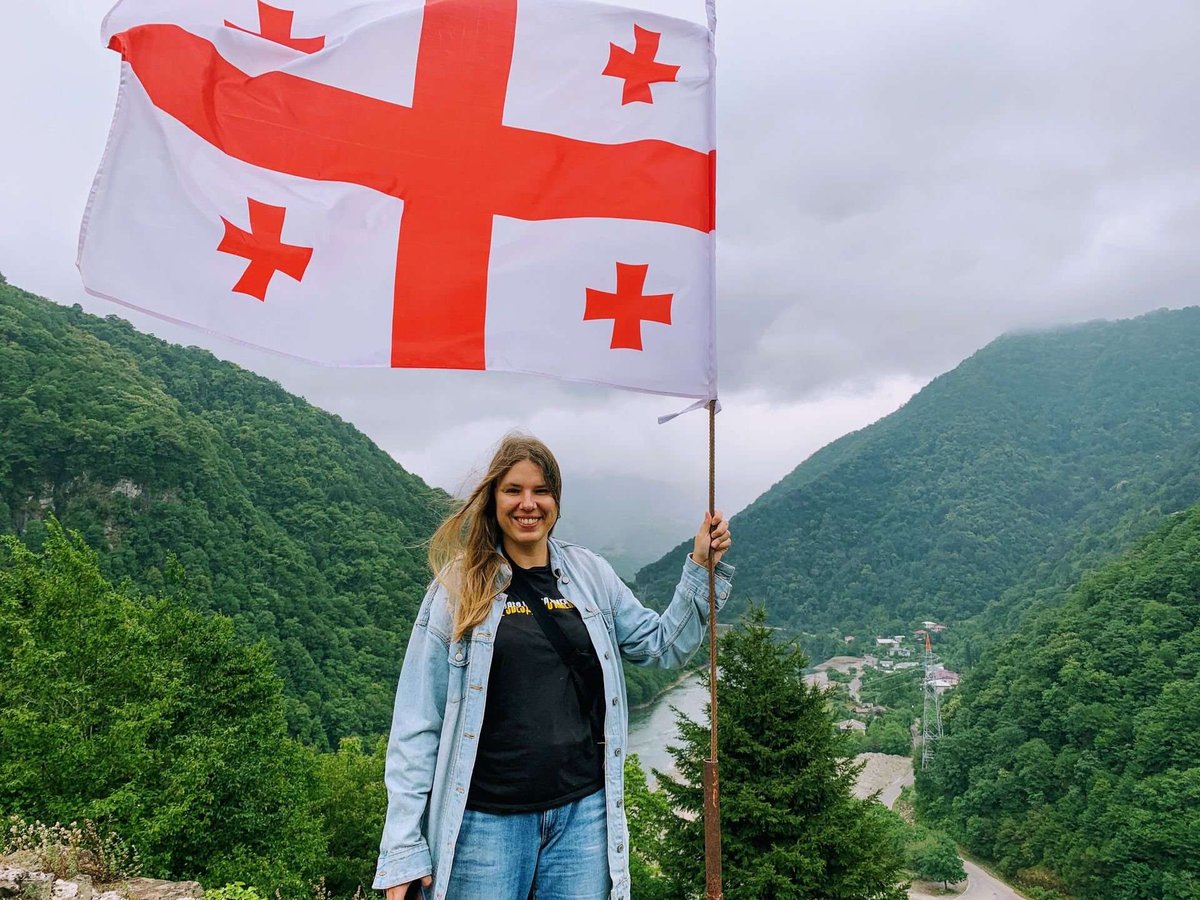
In the photo: The flag of Georgia installed on an ancient fortress in Adjara.
It is particularly interesting that a white flag with the red cross of St. George, similar to the modern national flag, was supposedly used in the 5th century by King Vakhtang I Gorgasali. There is also evidence that Queen Tamar used a flag with a dark red cross and a star on a white field.
In addition, on the Pizzigani brothers' map, dating from 1367, Tbilisi is marked with a Jerusalem cross, consisting of a large cross surrounded by four smaller crosses. Georgian historian D. Kldiashvili suggests that this symbol was adopted in Georgia during the reign of George the Brilliant.
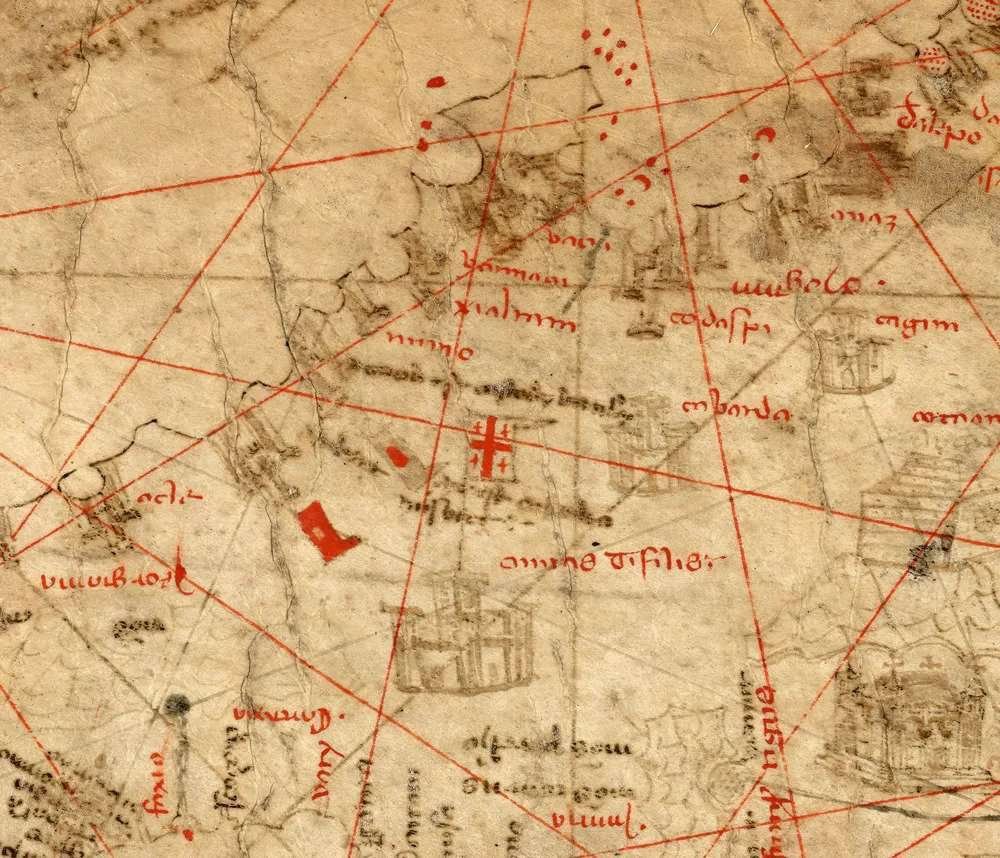
Pictured: Map by the Venetian cartographers Pizzigani brothers, 1367.
Thus, the current flag of Georgia is not only a symbol of the modern state, but also reflects its rich historical heritage.
Previous flags of Georgia
Flag of the Kingdom of Kartli-Kakheti
In 1762, the foundation of the Kingdom of Kartli-Kakheti was laid, a historically important stage in the development of the Georgian state. This kingdom arose as a result of the unification of two eastern Georgian kingdoms: Kartli and Kakheti. The unification of these two regions was a significant step towards the formation of a unified Georgian state, which was of great importance for the regional political and cultural history.
The flag of the Kingdom of Kartli-Kakheti, as some modern historians reconstruct it, was a straight white cross on a black field. That combination is often read as a contrast between light and darkness, but no reliable record survives of how contemporaries themselves understood it.

In the photo: Flag of the Kingdom of Kartli-Kakheti.
Flag of the Georgian Democratic Republic
On May 26 (June 8, new style), 1918, after the dissolution of the Transcaucasian Sejm, members of the Georgian National Council proclaimed the independence of Georgia. This historic moment was marked by the raising of the flag over the building of the Palace of the Viceroy of the Caucasus, where the Transcaucasian Sejm had previously met.
The flag raised on this significant day was created by the sculptor Yakov Nikoladze. It was a dark red (dogwood) cloth with a black and white canton. The canton was half the width of the flag, and its length was 3/8 of its length, with the ratio of the width to the length of the flag being 1:2. For creating the flag, Nikoladze was rewarded by the Georgian government with 3,000 rubles.
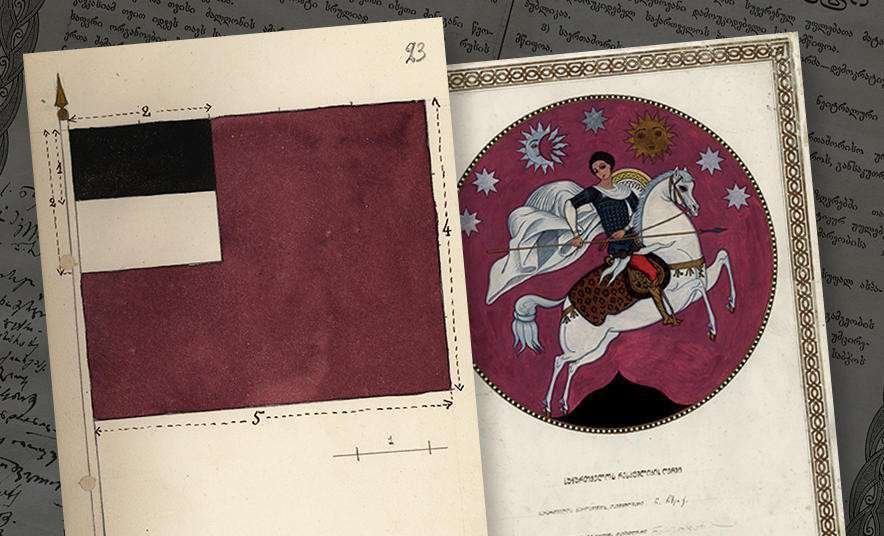
Pictured: Drawing of the flag of the Georgian Democratic Republic from the National Archives of Georgia.
The color symbolism of the flag is deeply symbolic: the dogwood color symbolized the country's bright past and joy; the black stripe symbolized the tragic period in Georgia's history under Russian rule; the white stripe symbolized the peaceful development of the nation and hope. These colors go back to the banners of the Georgian kings of the 18th century, which depicted white oblique crosses on dogwood cloths.
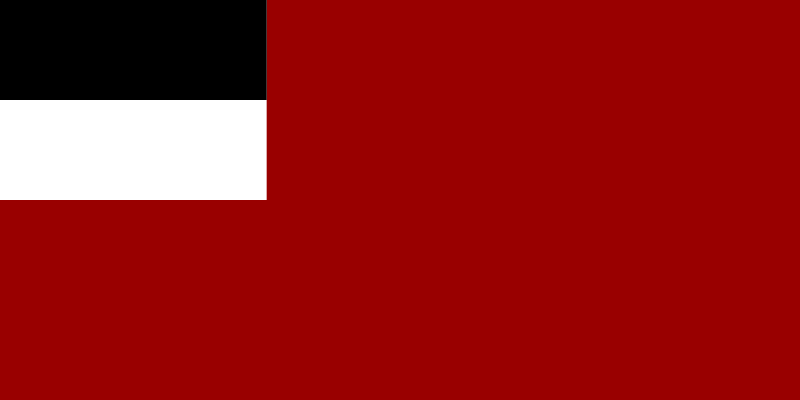
In the photo: Flag of the Georgian Democratic Republic.
The flag was first publicly presented on March 25, 1917 in Kutaisi at a rally of the Georgian National Democratic Party. Then, on September 10, 1917, the Georgian law established that there should be a white stripe at the top of the canopy. Since September 20, 1917, after the approval of the coat of arms of Georgia, it began to be depicted in the center of the free part of the official flag of government bodies. The diameter of the coat of arms was equal to half the length of the canopy, that is, 3/16 of the length of the flag.
It is worth noting that when making flags, the established proportions of width and length, as well as the width of the canopy and the order of the stripes in it, were not always observed, which adds an element of uniqueness and diversity to the historical flag.
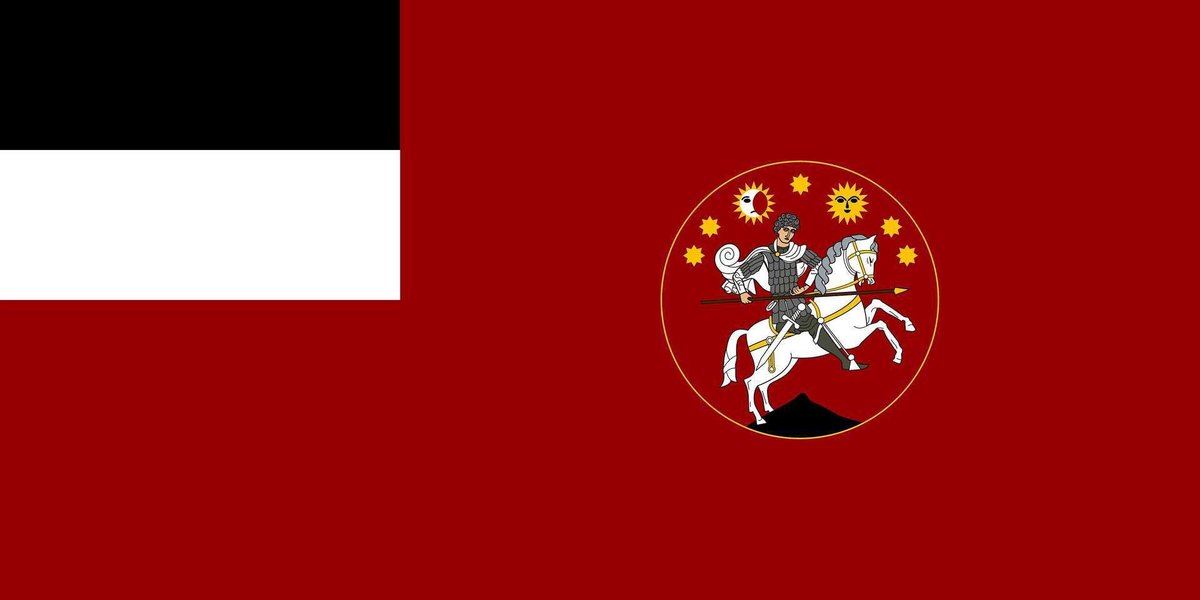
In the photo: A version of the flag of the Georgian Democratic Republic with the coat of arms.
Flags of the Georgian SSR
The Georgian Democratic Republic, Georgia's first modern state formation, did not last long. In 1921, after the Soviet invasion, a new stage in Georgia's history began, reflected in changes to the state symbols.
With the establishment of the Georgian Soviet Socialist Republic in 1922, a new flag was adopted. It was a red cloth with the inscription ССРГ (Soviet Socialist Republic of Georgia) in the upper left corner. This flag design symbolized Georgia's accession to the Soviet Union.

In the photo: Flag of the Georgian SSR 1921-1922.
In 1930, another change took place: the inscription ССРГ on the flag was replaced with the Georgian version — საქართველოს სსრ (“SAKARTVELOS SSR/Georgian SSR”). This change reflected the desire to use the Georgian language in official symbols.
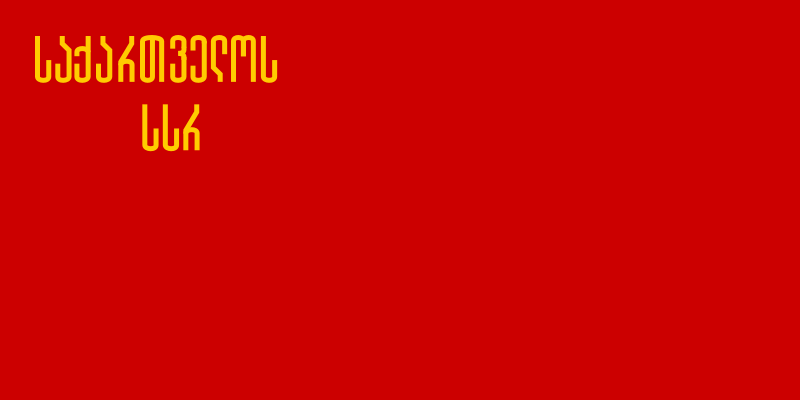
In the photo: Flag of the Georgian SSR 1922-1937.
In 1940, the Supreme Council of Georgia adopted a new flag. The color of the inscription was changed to gold, and the flag now featured the abbreviation USSR (სსსრ), which emphasized Georgia's belonging to the Soviet Union.
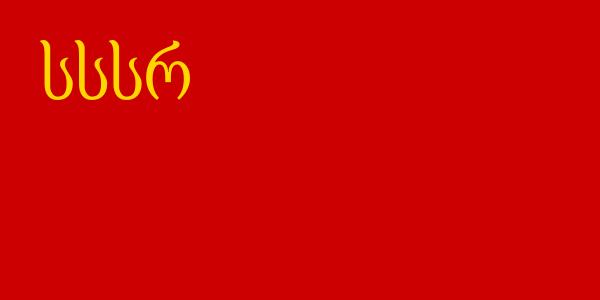
In the photo: Flag of the Georgian SSR 1937-1951.
On April 11, 1951, a new flag was introduced that became one of the most recognizable symbols of the Georgian Soviet era. It was a red canvas with a blue upper stripe. In the upper left corner was a blue square, in the center of which was a circle with a red hammer and sickle under a red five-pointed star. From the circle to the sides of the square 24 red rays diverged. A unique feature of this flag was that the hammer and sickle were made in red, and not the traditional gold - this distinguished the flag of the Georgian SSR from the flags of other union republics.
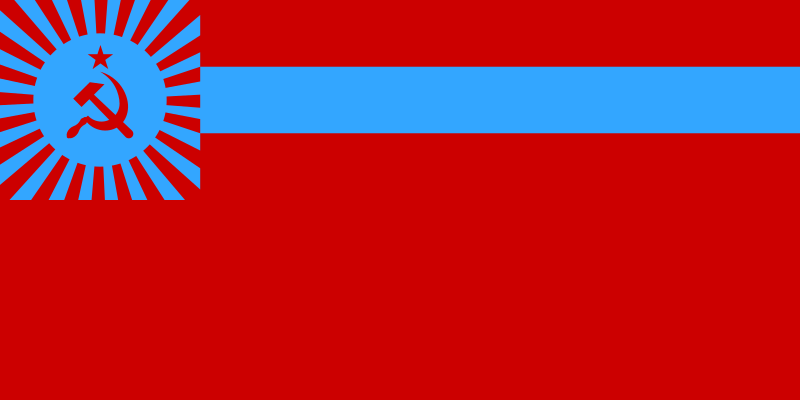
In the photo: Flag of the Georgian SSR 1951-1990.
🏳️ The Flag of Georgia before 2004
The flag many people remember from the 1990s looked nothing like today's: a dark red, "cornel-coloured" field, with black and white stripes in the upper corner near the pole. No crosses at all.
This wasn't a Soviet flag, nor a new invention, but the reinstated flag of the Georgian Democratic Republic of 1918-1921, the very one designed by sculptor Jakob Nikoladze. On 14 November 1990, the Supreme Council of the Georgian SSR brought it back as the state flag, and the country flew it until January 2004.
Why was it replaced? The first republic's flag carried its own powerful history, but by the late 1990s it had come to be associated, for many, with a difficult decade: civil conflict, economic collapse, the Shevardnadze era. The five-cross flag, meanwhile, had become a symbol of change and was raised en masse in the streets during the Rose Revolution. The switch followed shortly after.
If you're looking for "the flag of Georgia before 2004," this is the one, dark red with the black-and-white corner. It's also pictured in the Georgian Democratic Republic section above.
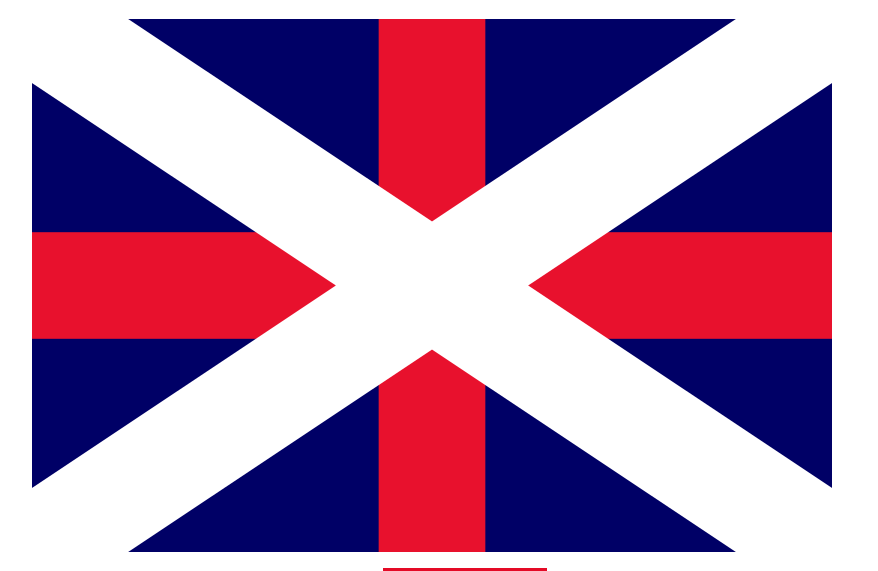
In the photo: Naval flag.
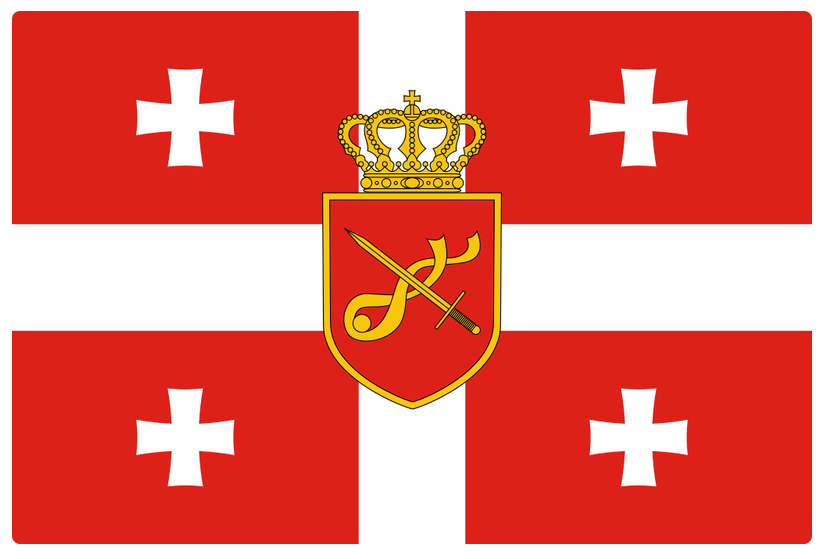
In the photo: Military flag (Georgian Defense Forces).
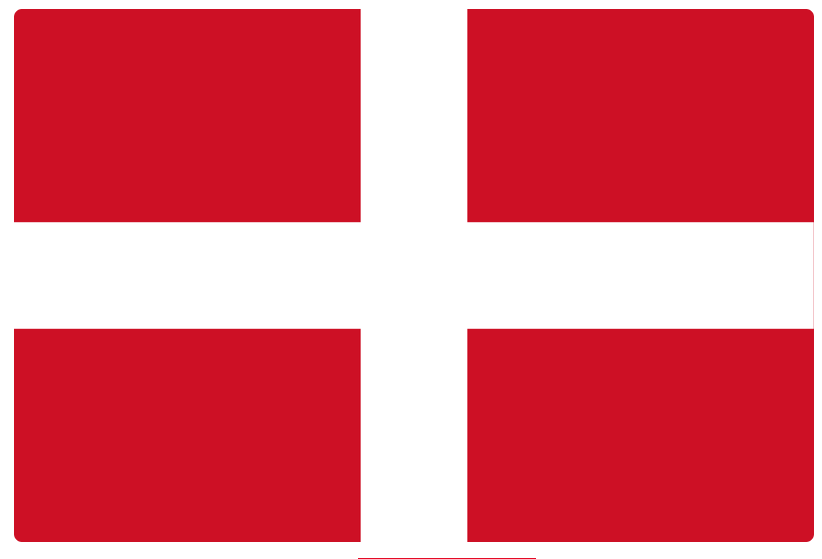
In the photo: Flag of the Ground Forces.
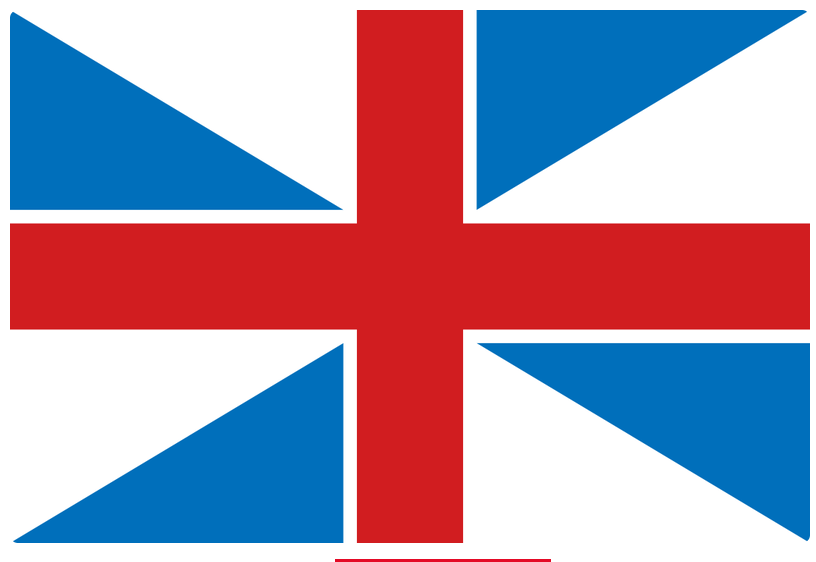
Pictured: Flag of the Air Force.
Religious flags
The flag of the Georgian Orthodox Church is a unique symbol that combines the religious and cultural traditions of Georgia. Although it is similar in design to the national flag of Georgia, there are differences between the two. The church flag consists of a white cloth on which is depicted a red cross with a blue border - this is the cross of St. Nino, one of the most revered saints in Georgia.
The cross of St. Nino has a special meaning in Georgian Christianity and is often associated with the adoption of Christianity in Georgia. An additional unique element of the flag of the Georgian Orthodox Church is its use in the form of a gonfalon. A gonfalon is a type of flag in which the cloth is attached not to a vertical pole, but to a horizontal crossbar. This gives the flag a special, solemn look and is often used in church processions and religious ceremonies.
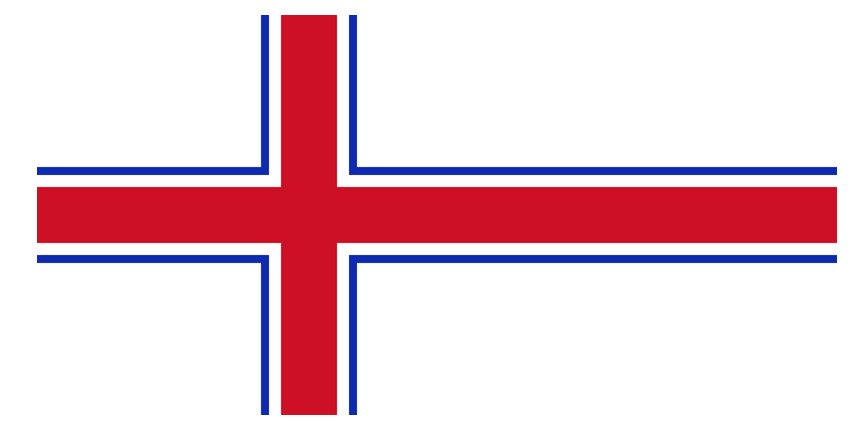
In the photo: Flag of the Georgian Orthodox Church.
Flags of the regions
Flag of Adjara
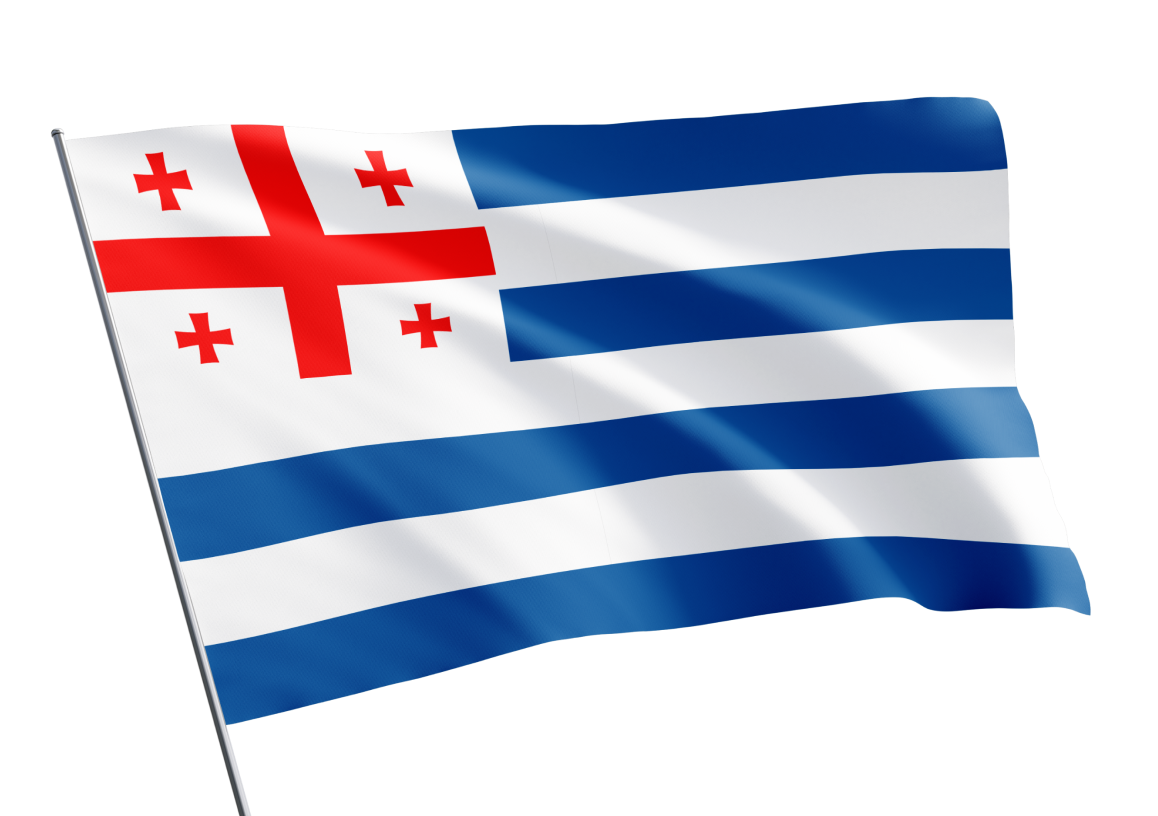
🔵 The Georgian flag with blue stripes: which flag is that
If you've come across a "Georgian flag with blue stripes," it's almost certainly the flag of Adjara. It's made up of seven horizontal stripes, alternating blue and white, with Georgia's national flag placed in the upper corner near the pole. The Supreme Council of Adjara adopted it on 20 July 2004.
Less often, people are describing the flag of the Georgian SSR from 1951-1990: a red field with a blue stripe at the top. That one carried no crosses, though, so if the flag you're picturing has both crosses and blue stripes, it's Adjara.
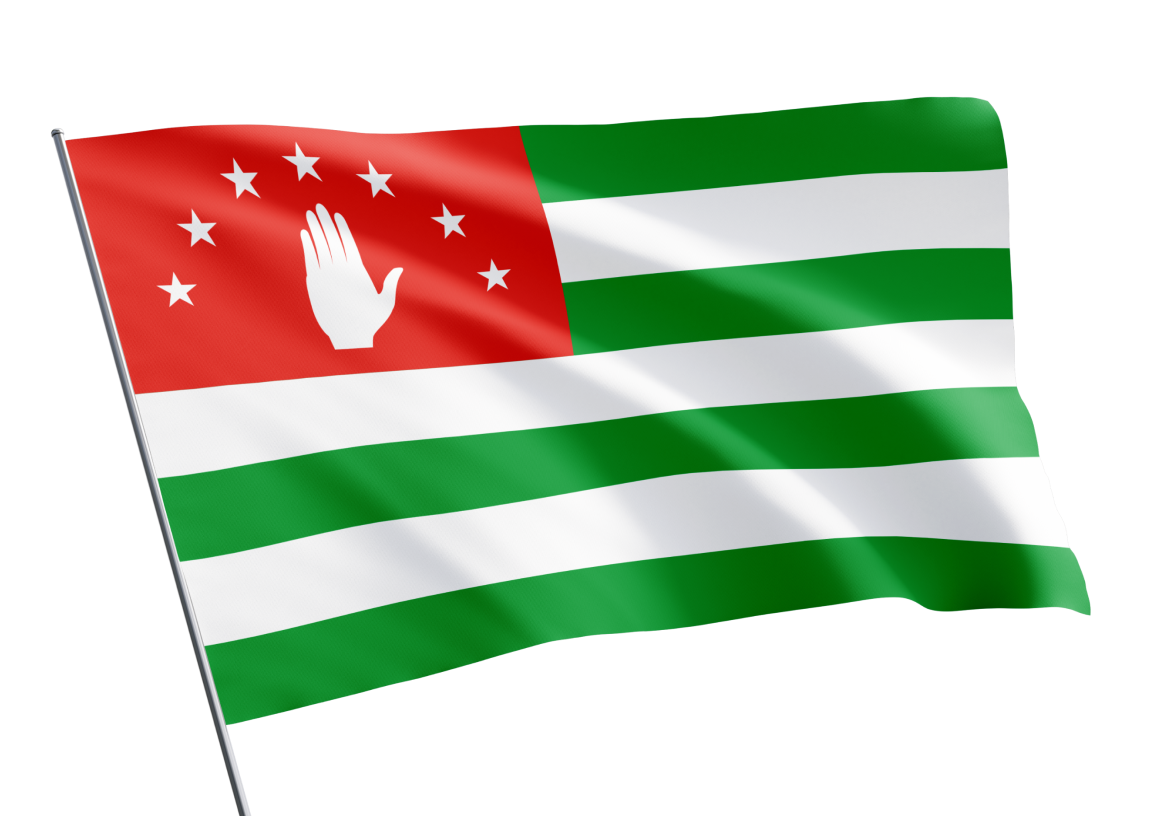
Flag of Abkhazia
Flags of municipalities and cities
Flag of the city of Tbilisi
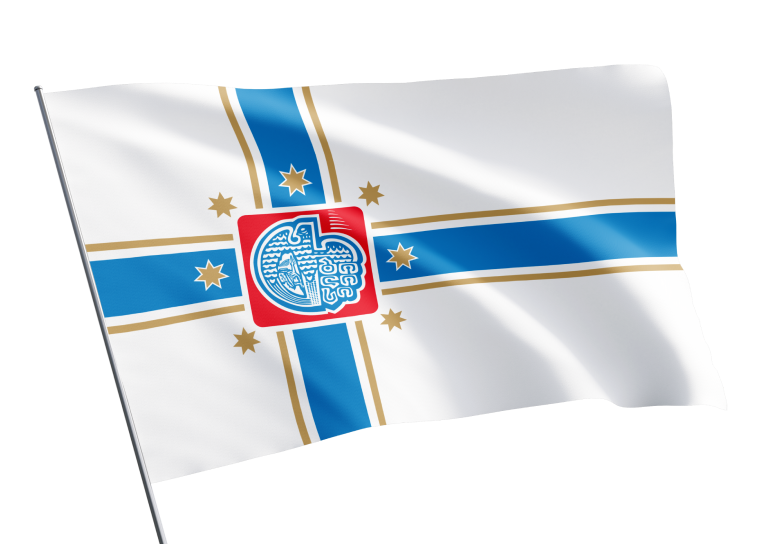
Flag of the city of Batumi
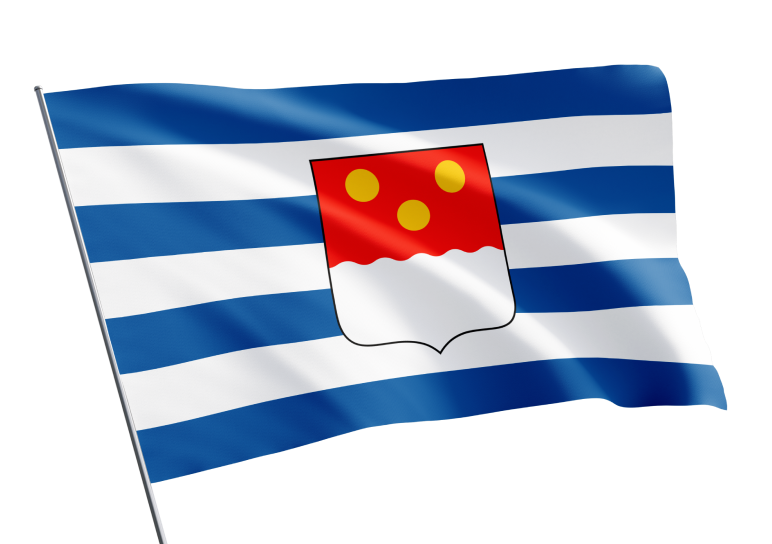
Flag of the city of Kutaisi
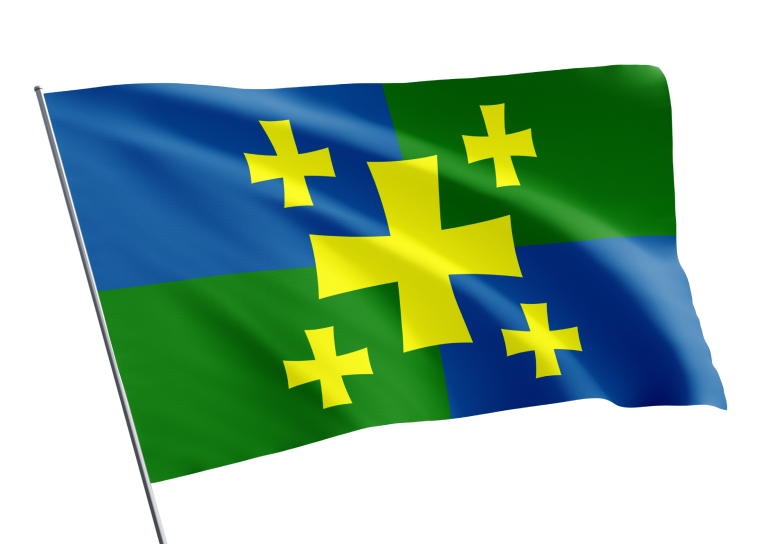
Flag of the city of Rustavi
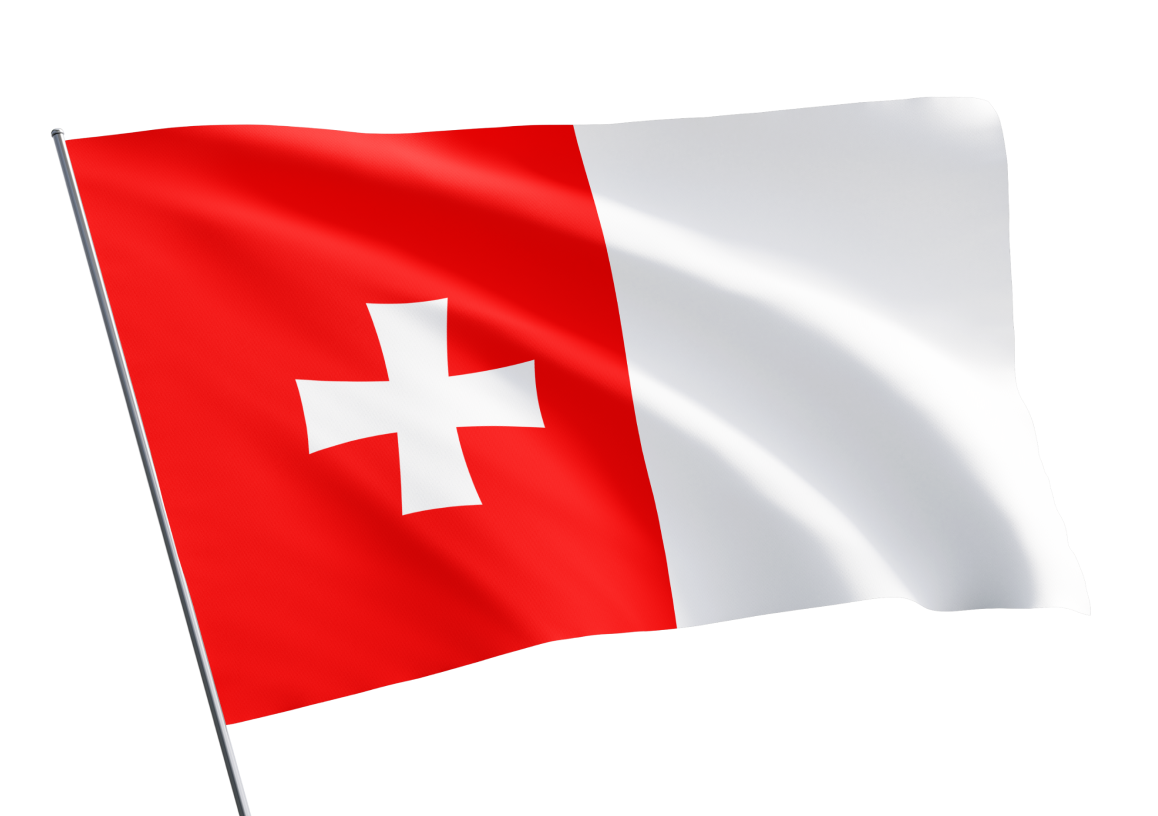
Flag of the Abasha Municipality
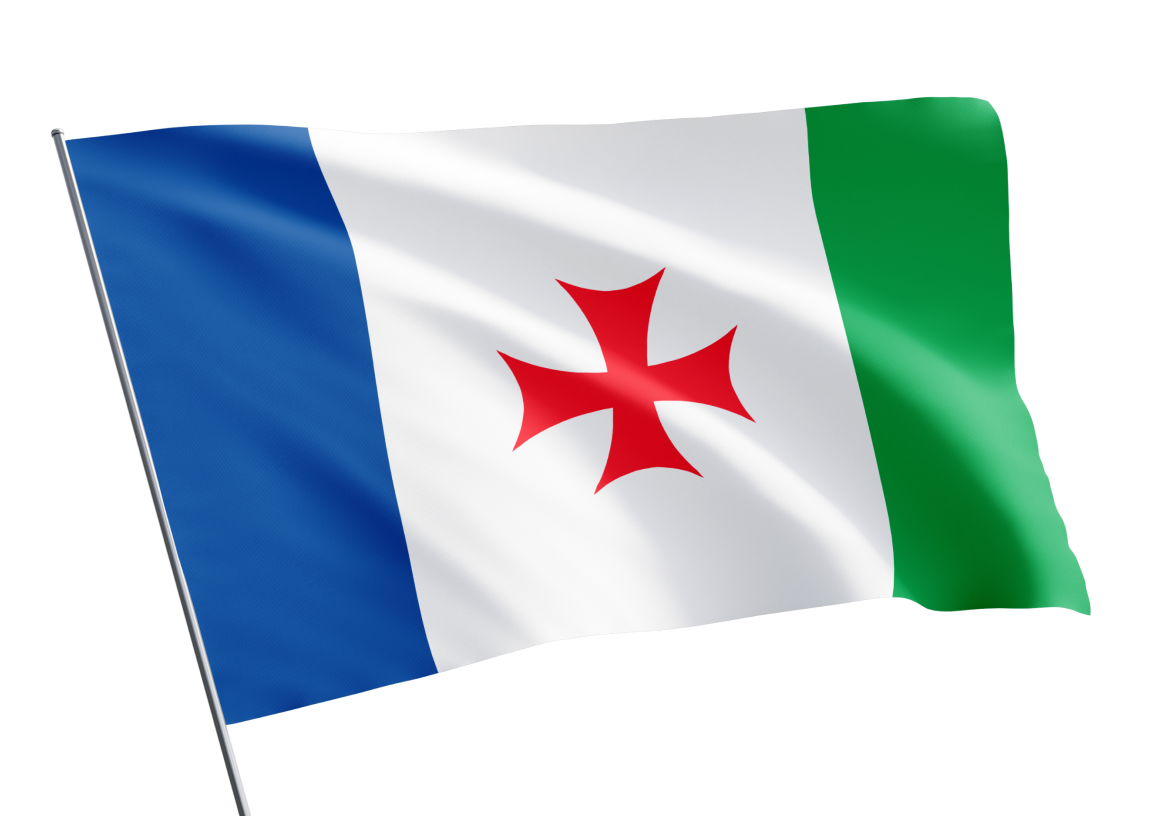
Flag of the Adigeni Municipality
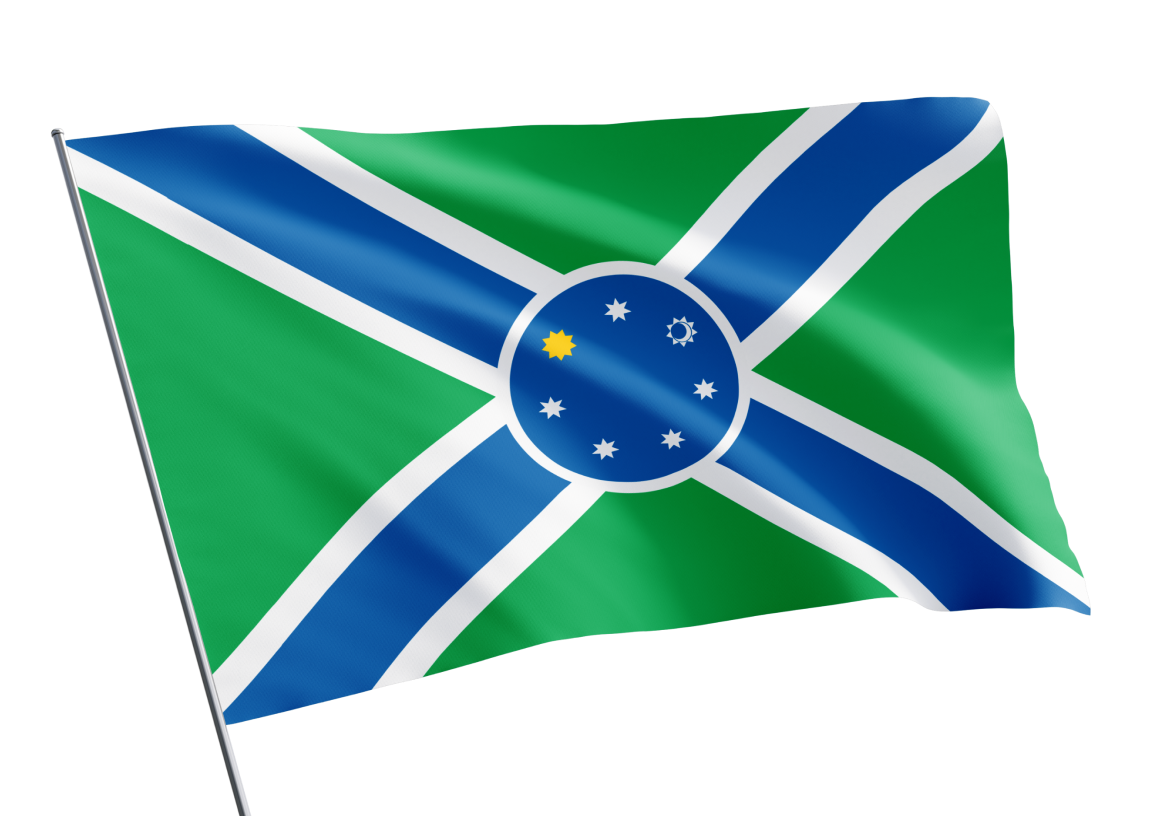
Flag of the Municipality of Ambrolaura
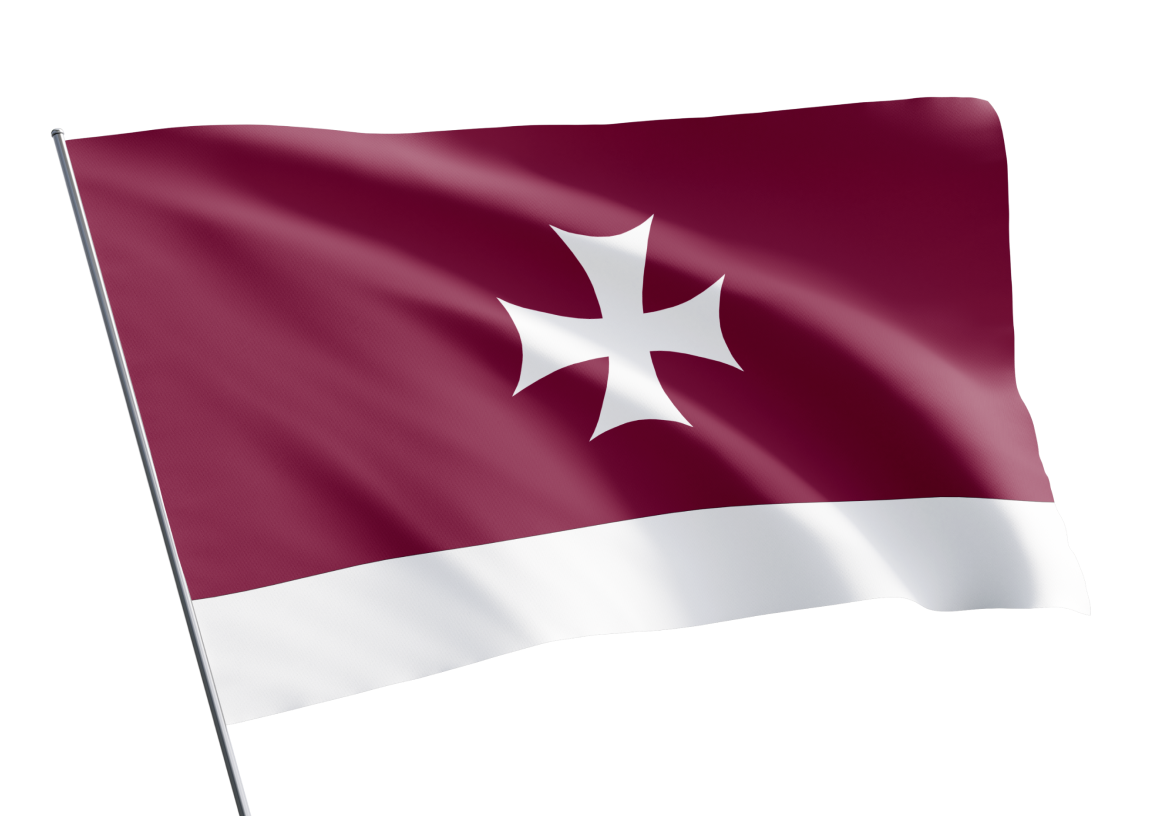
Flag of the Aspindza Municipality
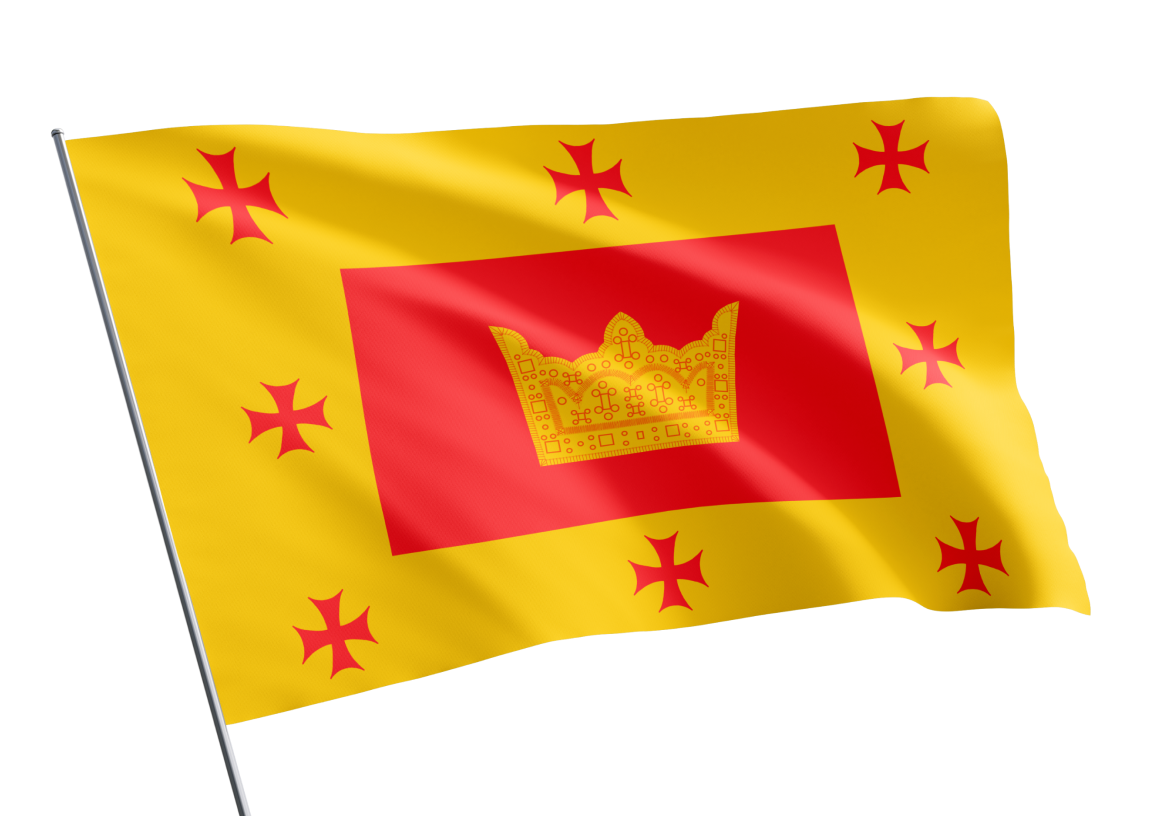
Flag of Akhalgori municipality
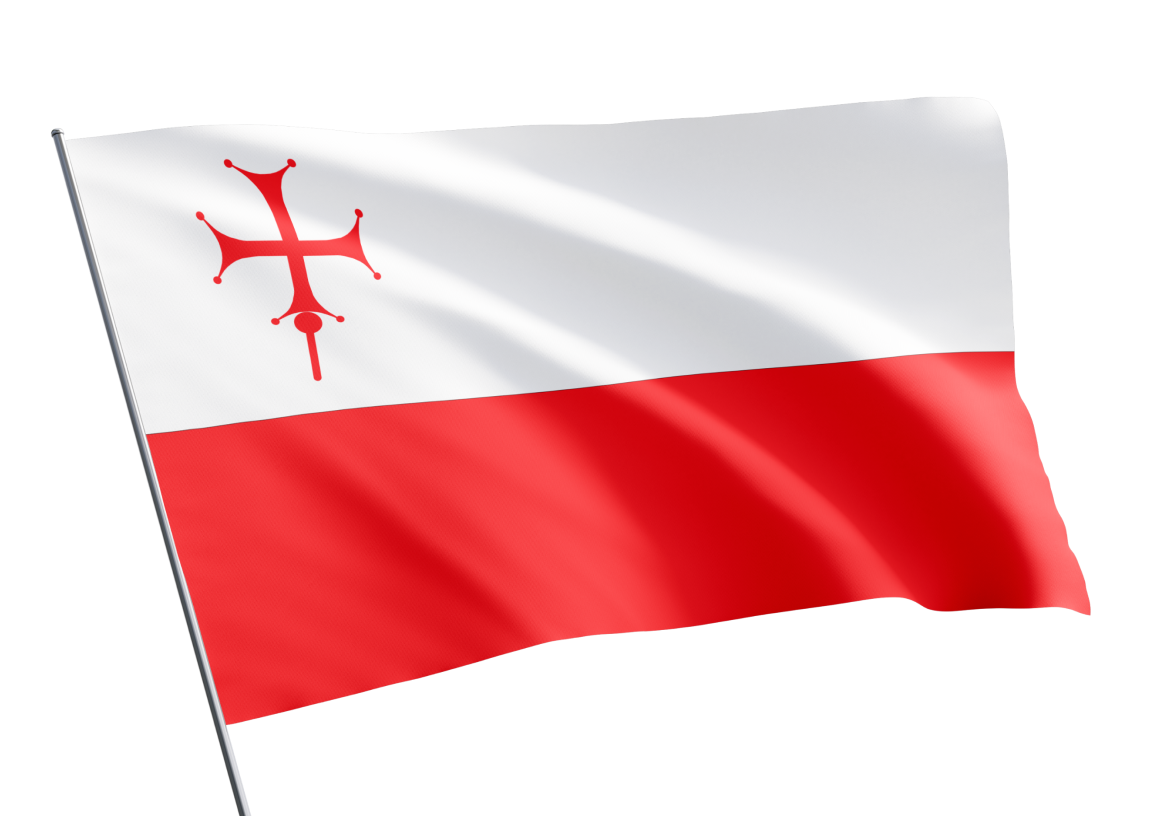
Flag of Akhalkalaki municipality
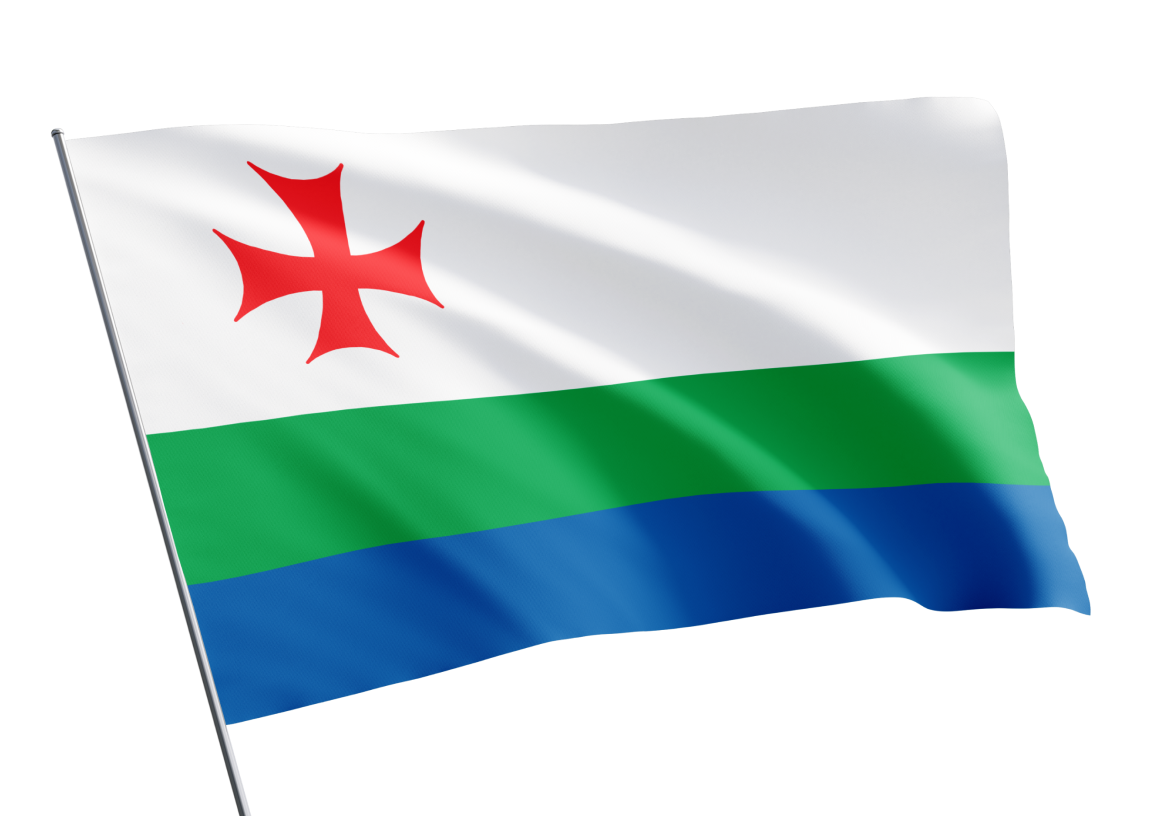
Flag of Akhaltsikhe Municipality
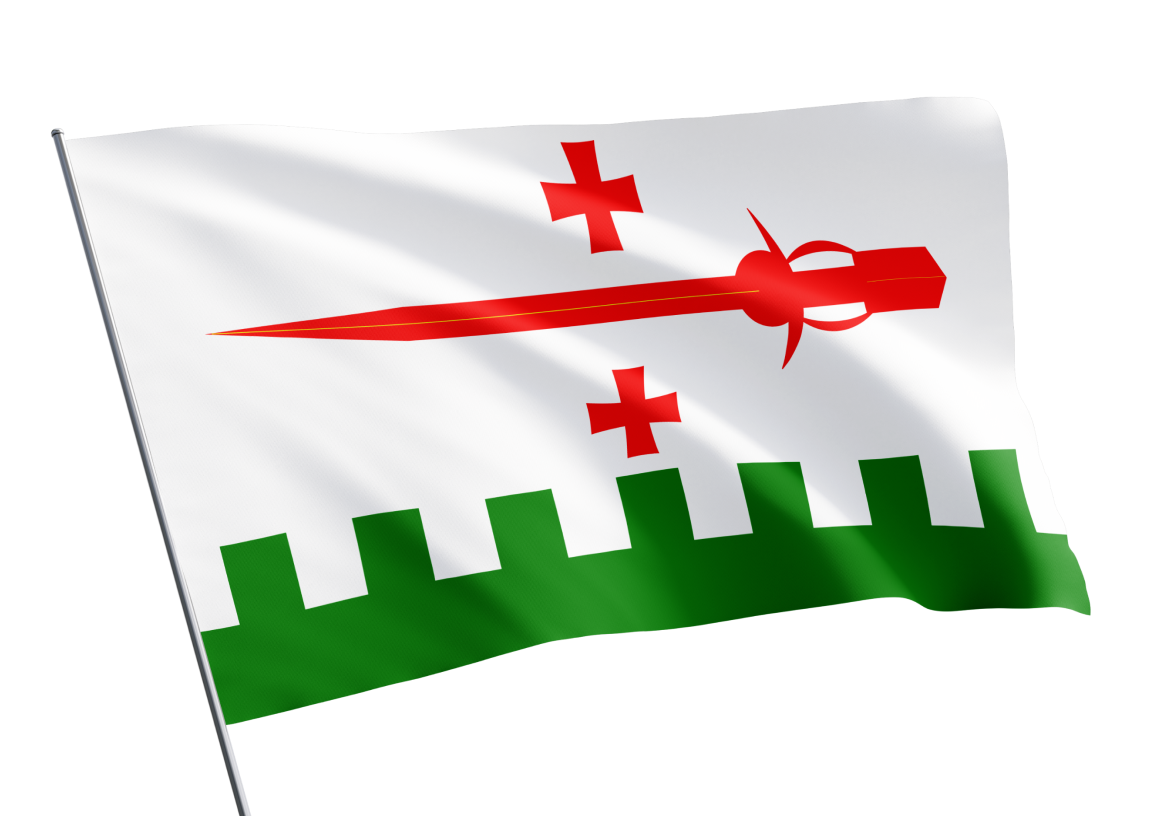
Flag of the Akhmeta municipality
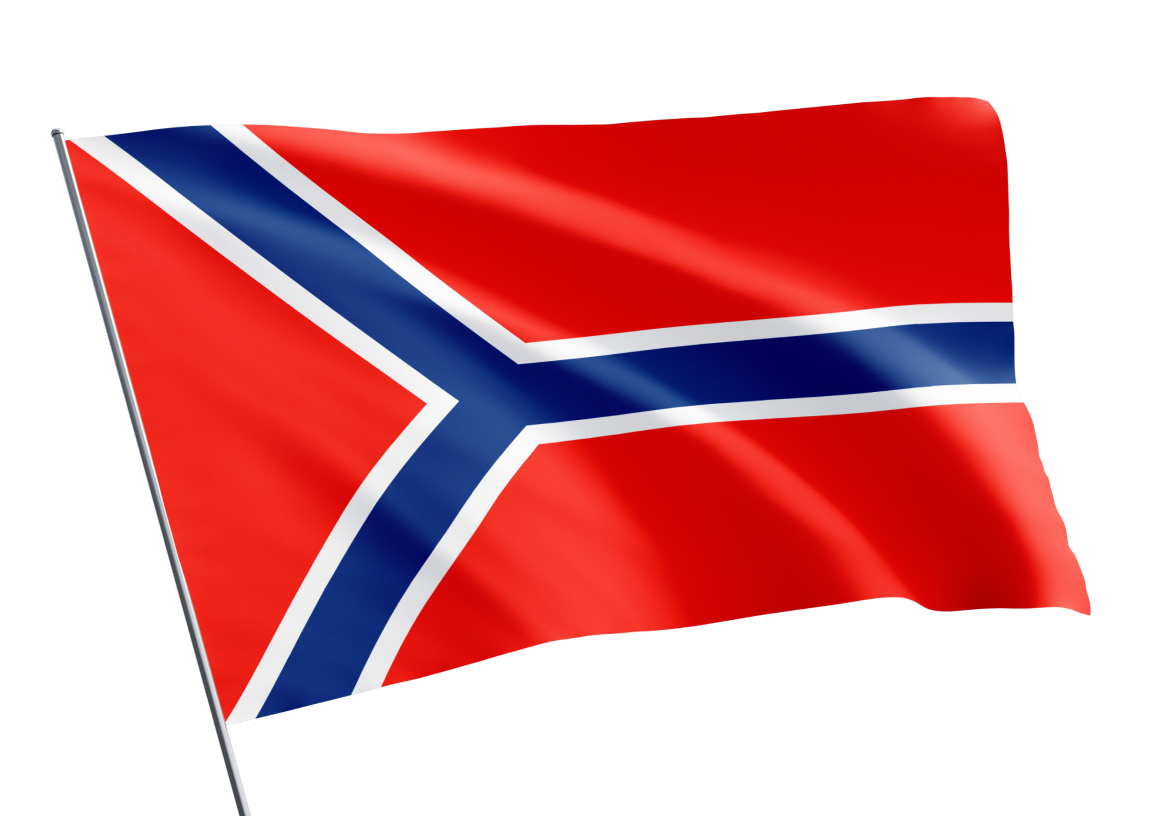
Flag of Baghdat Municipality
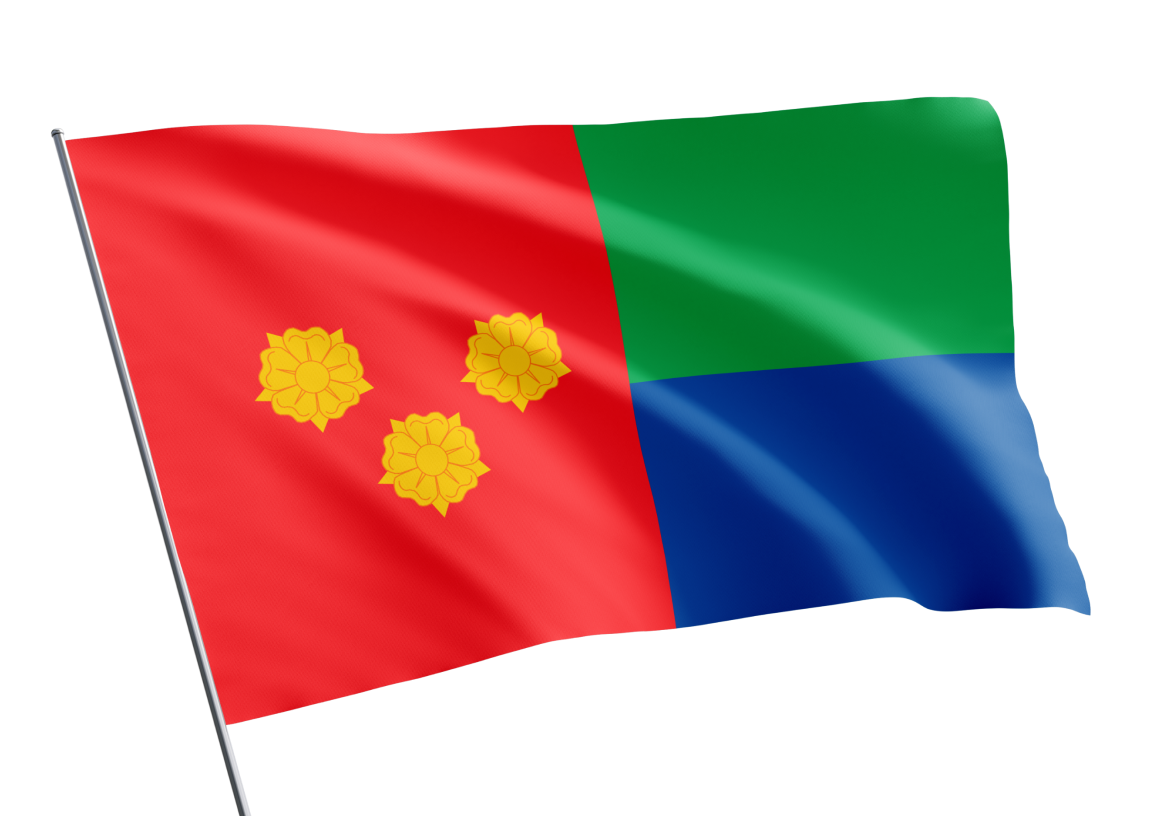
Flag of Bolnisi Municipality
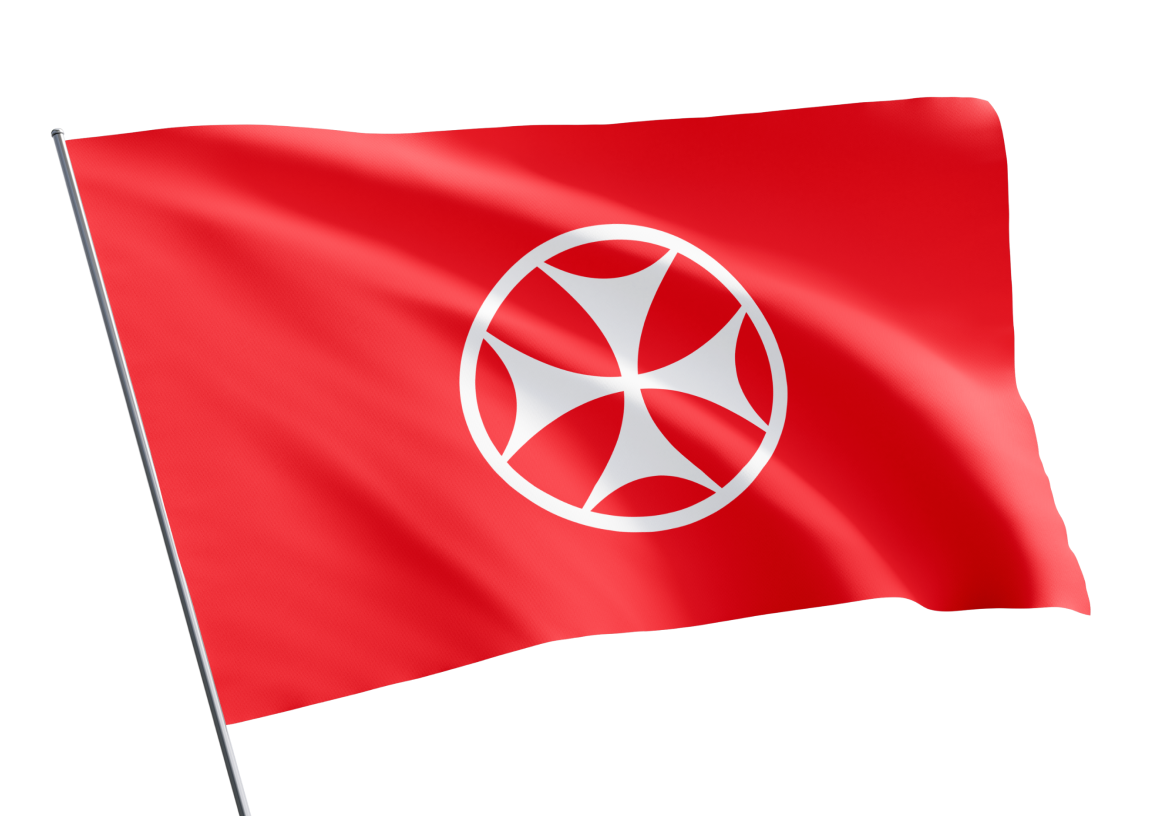
Flag of Borjomi Municipality
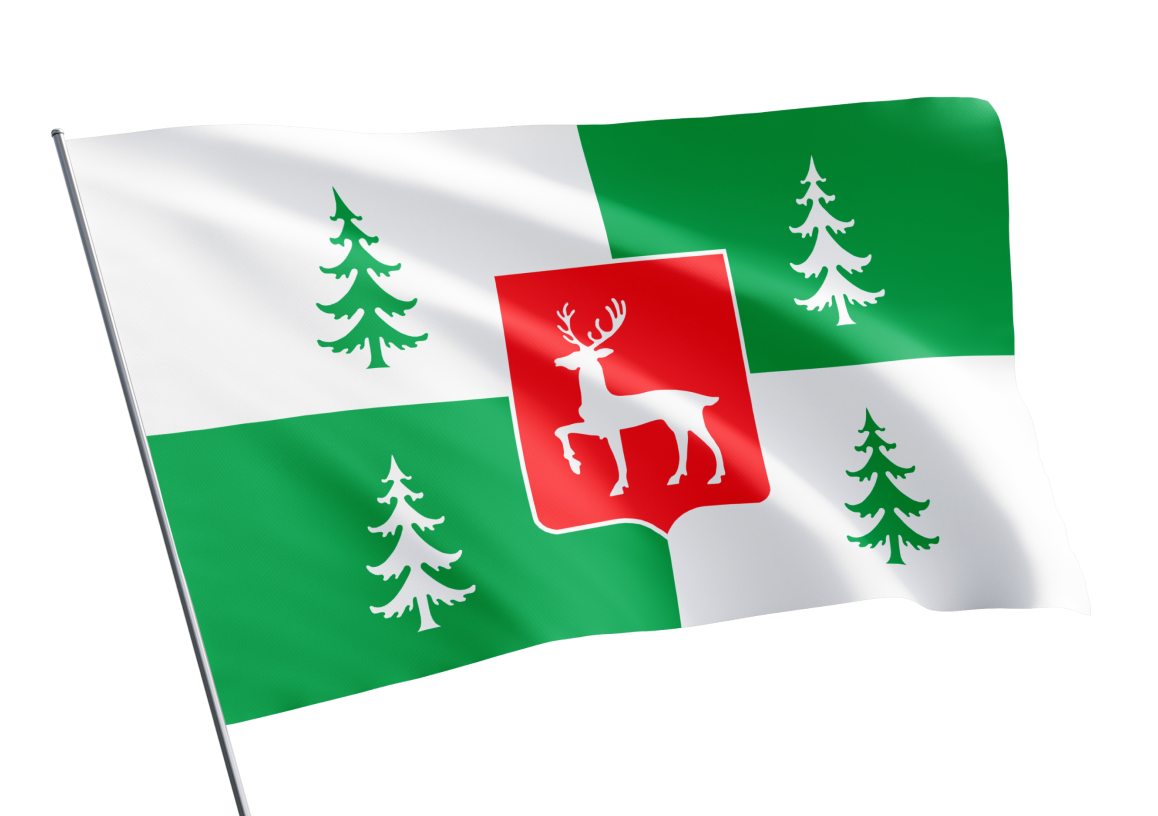
Flag of Van Municipality
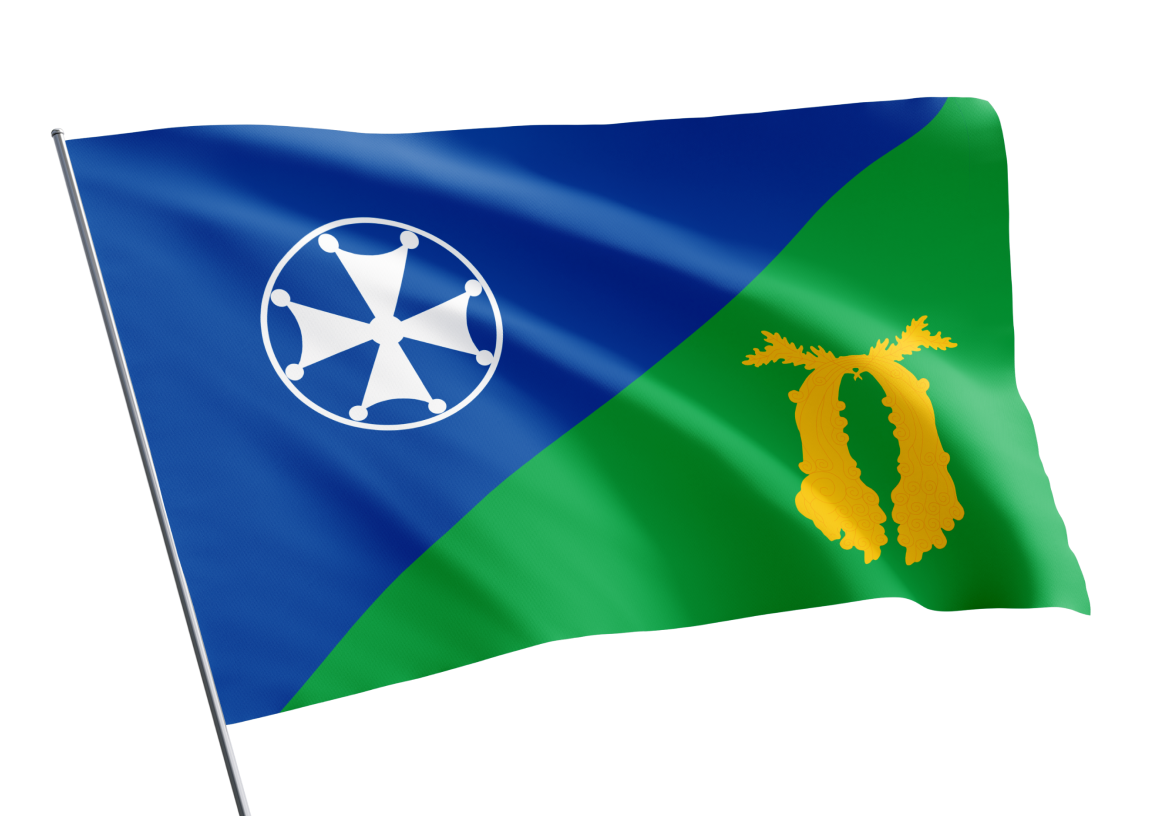
Flag of the Gagra Municipality
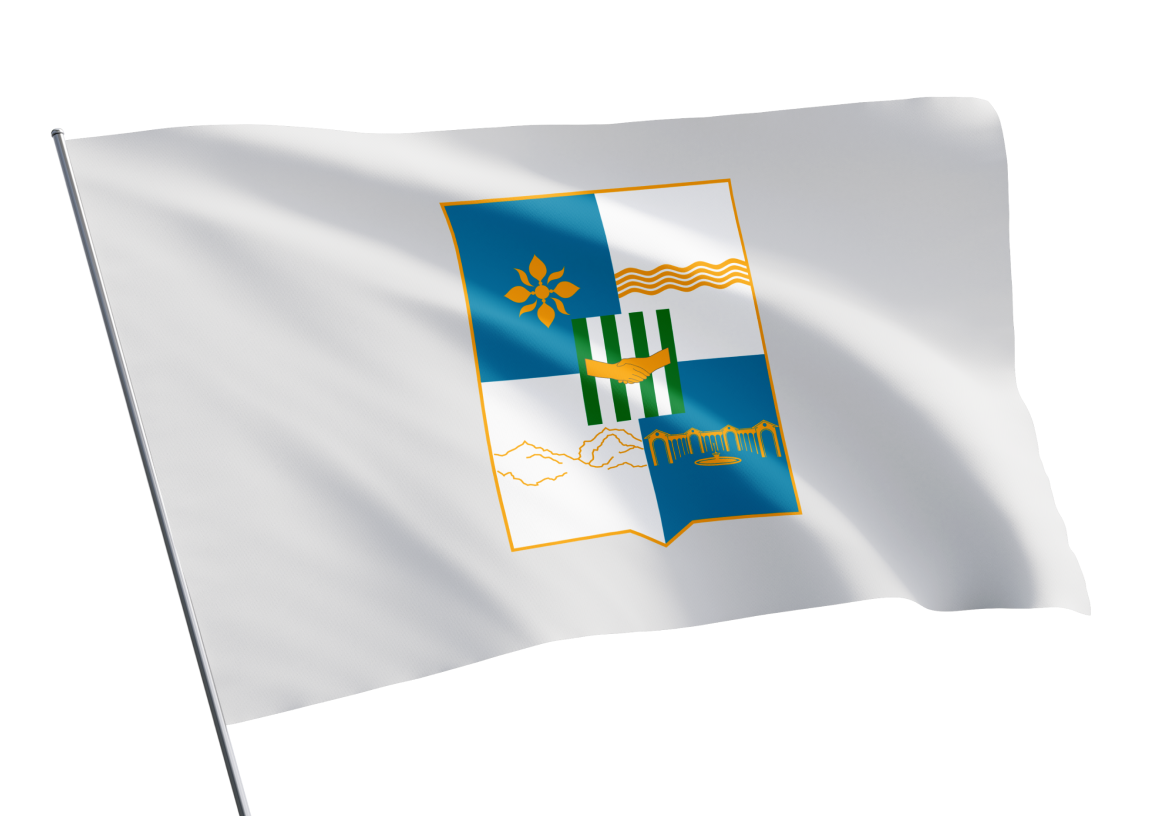
Flag of Gardabani Municipality
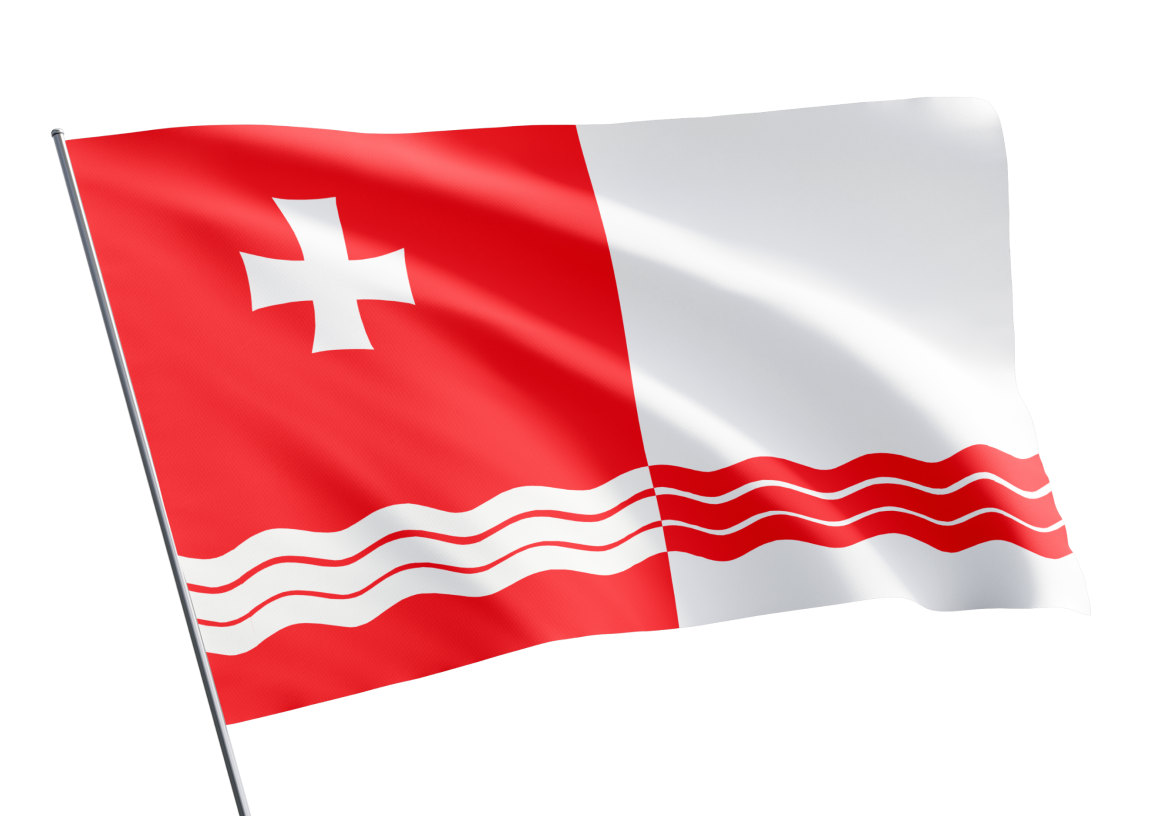
Flag of the Gori Municipality
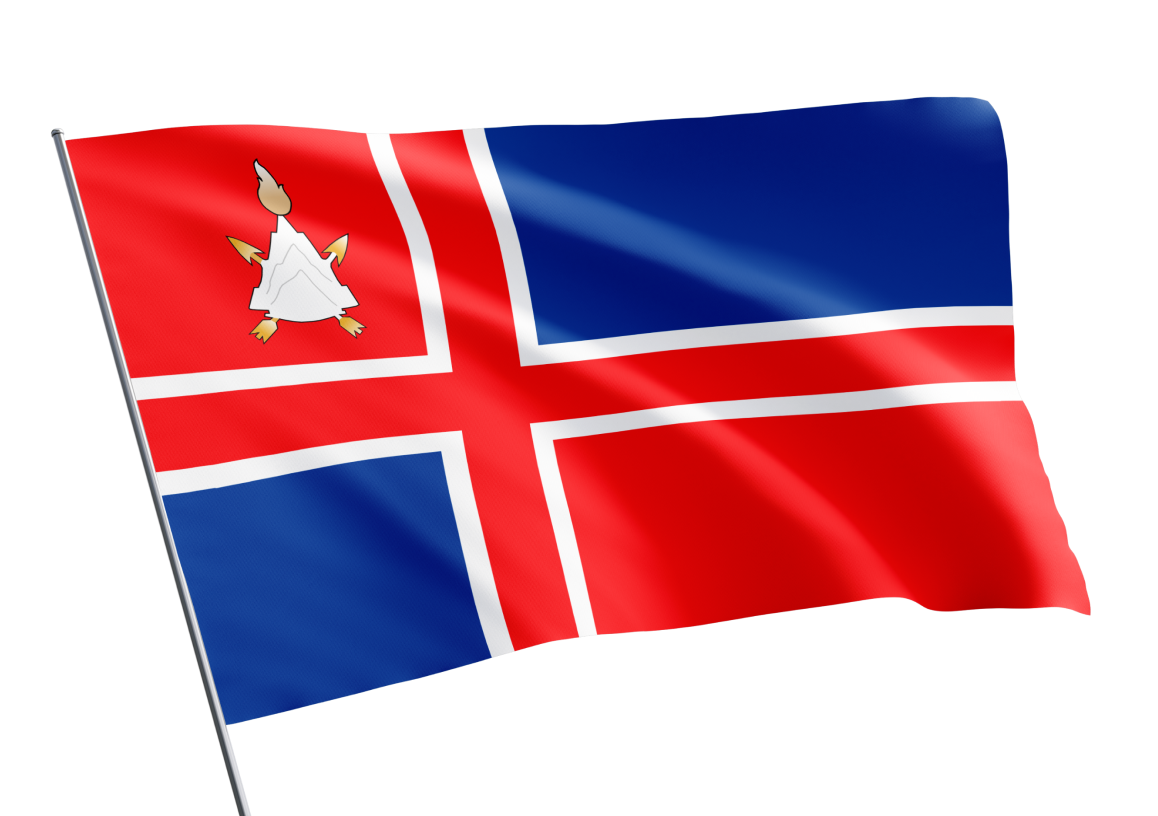
Flag of Gudauta Municipality
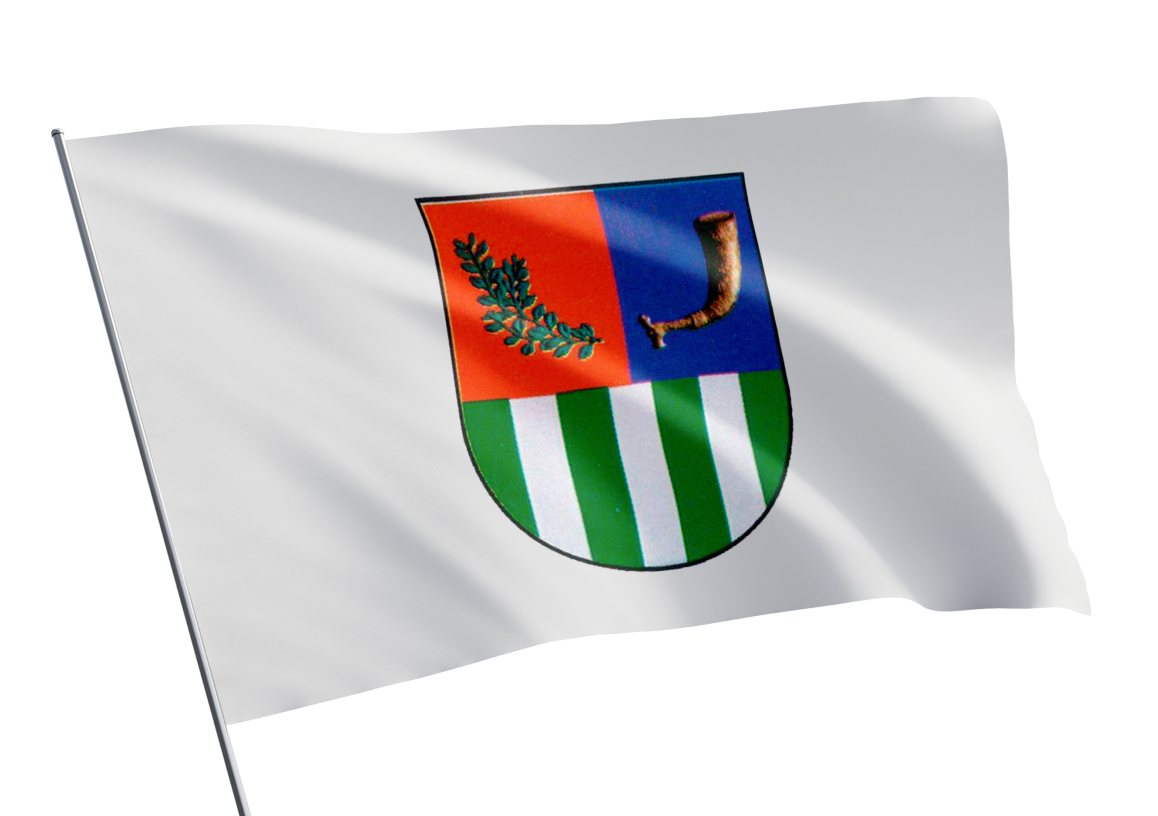
Flag of the Gurdjaani Municipality
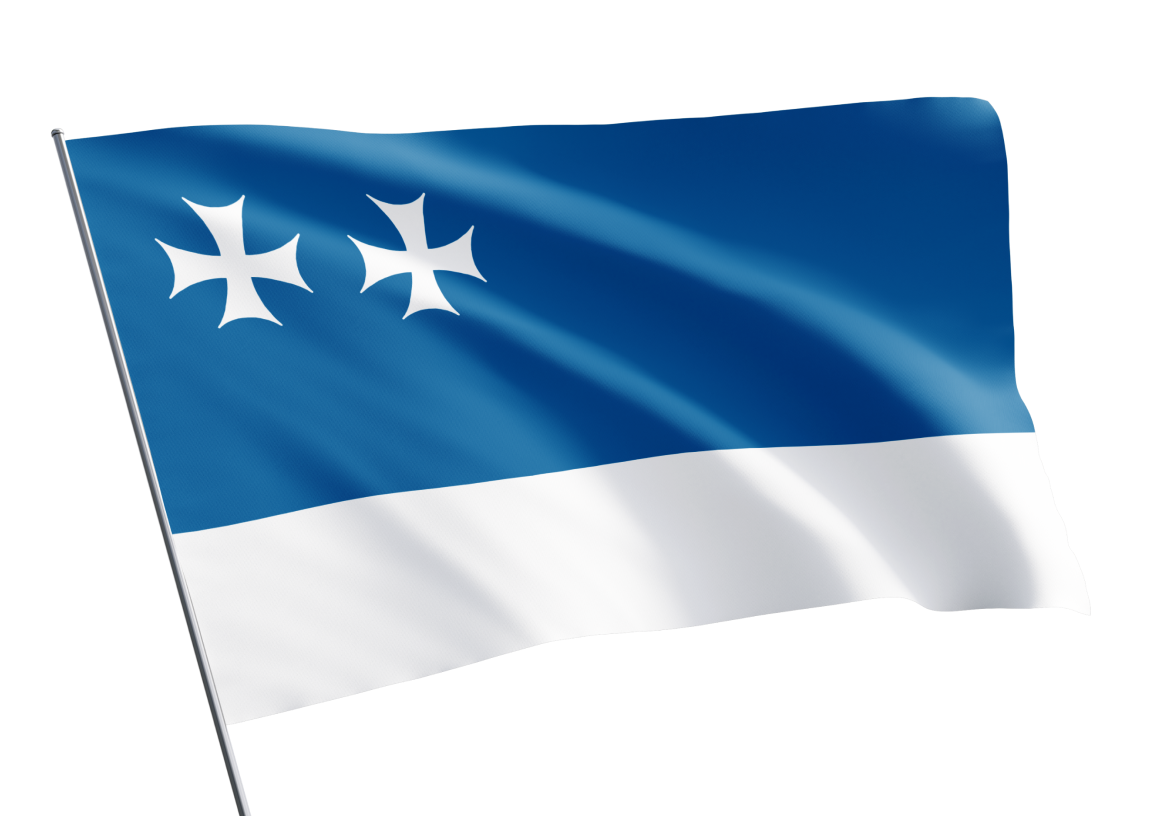
Flag of Dedoplistskaro Municipality
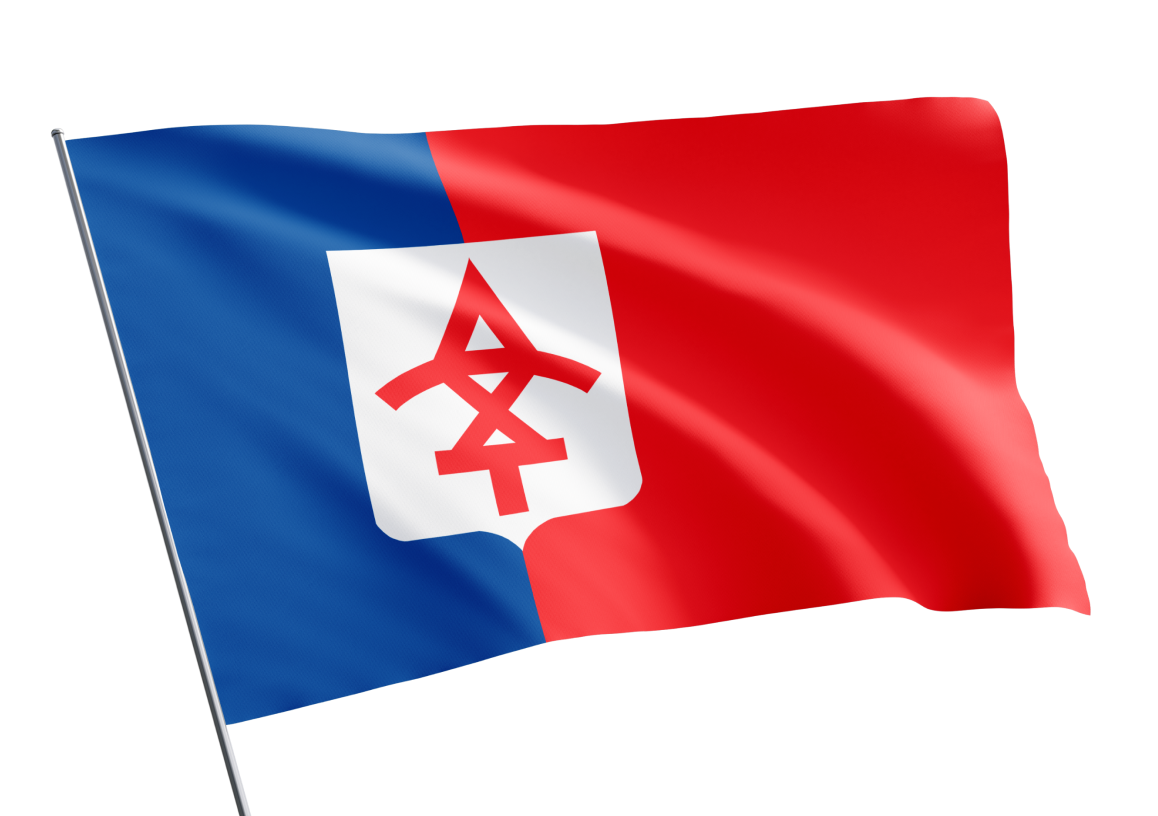
Flag of the Dmani Municipality
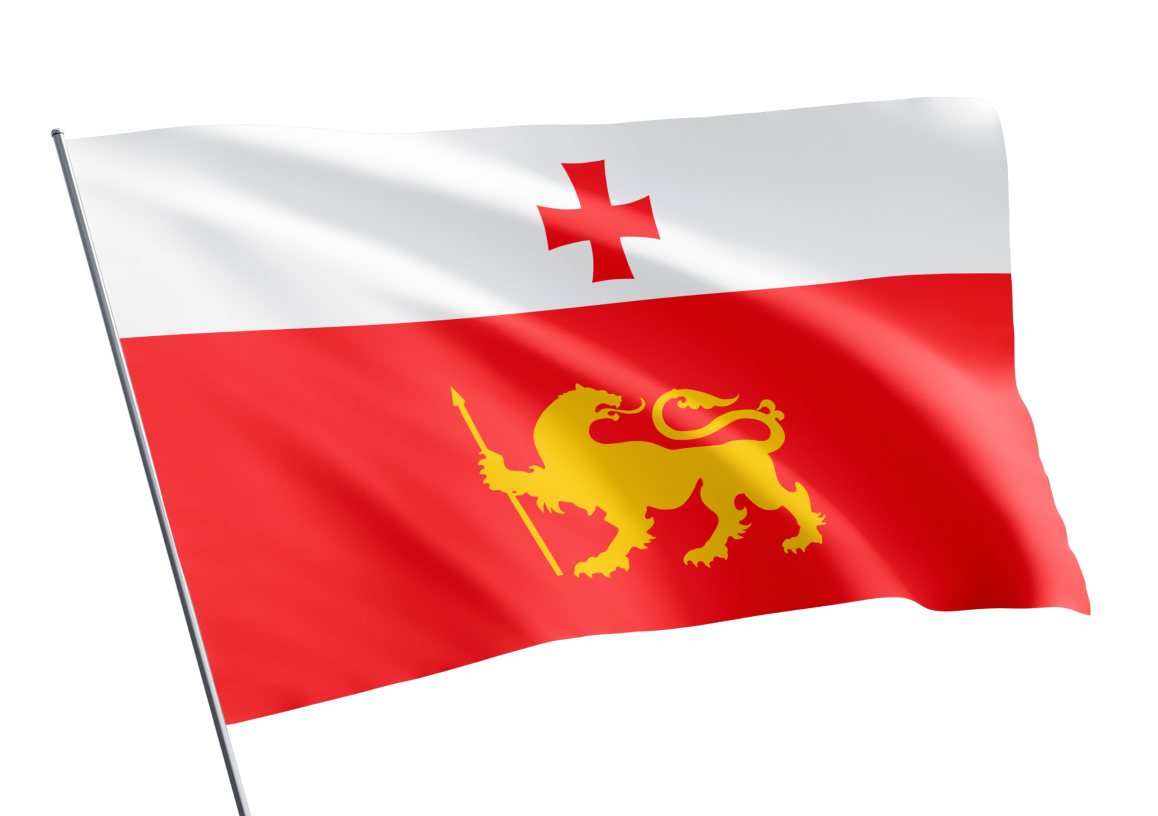
Flag of the Dusheti Municipality
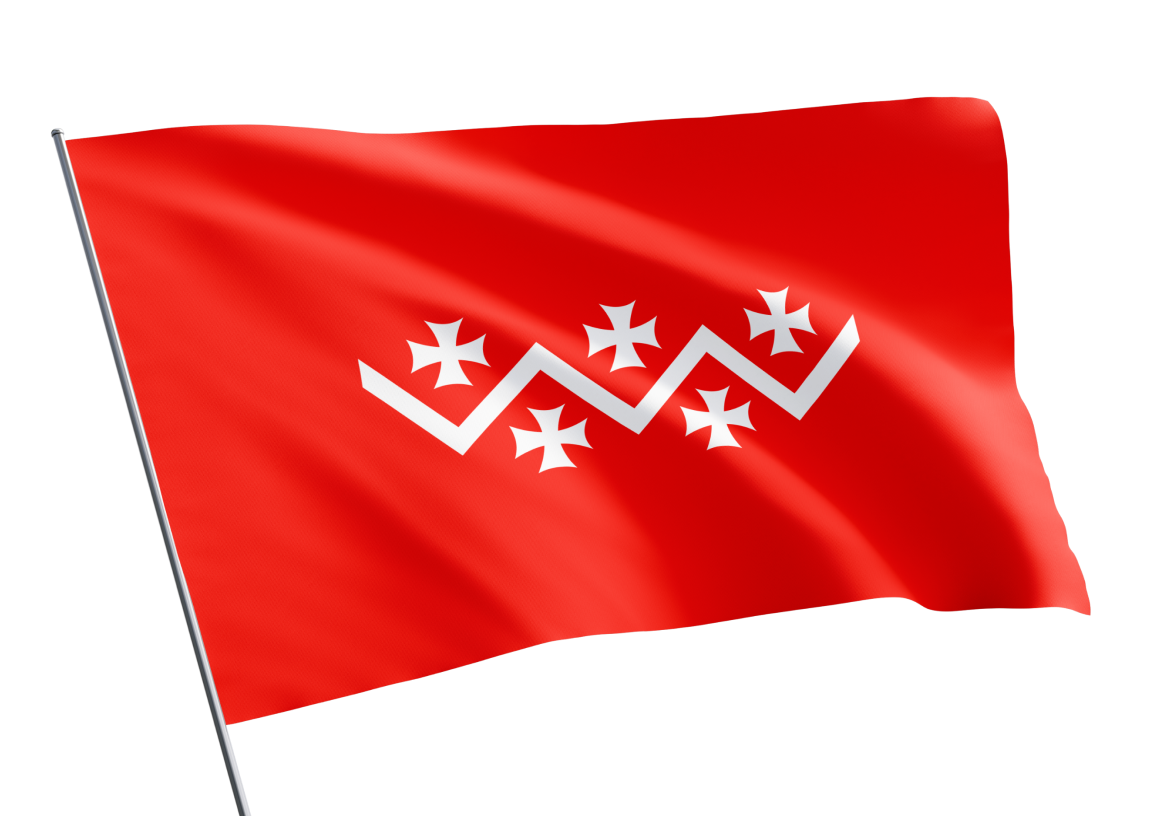
Flag of Zestafoni Municipality
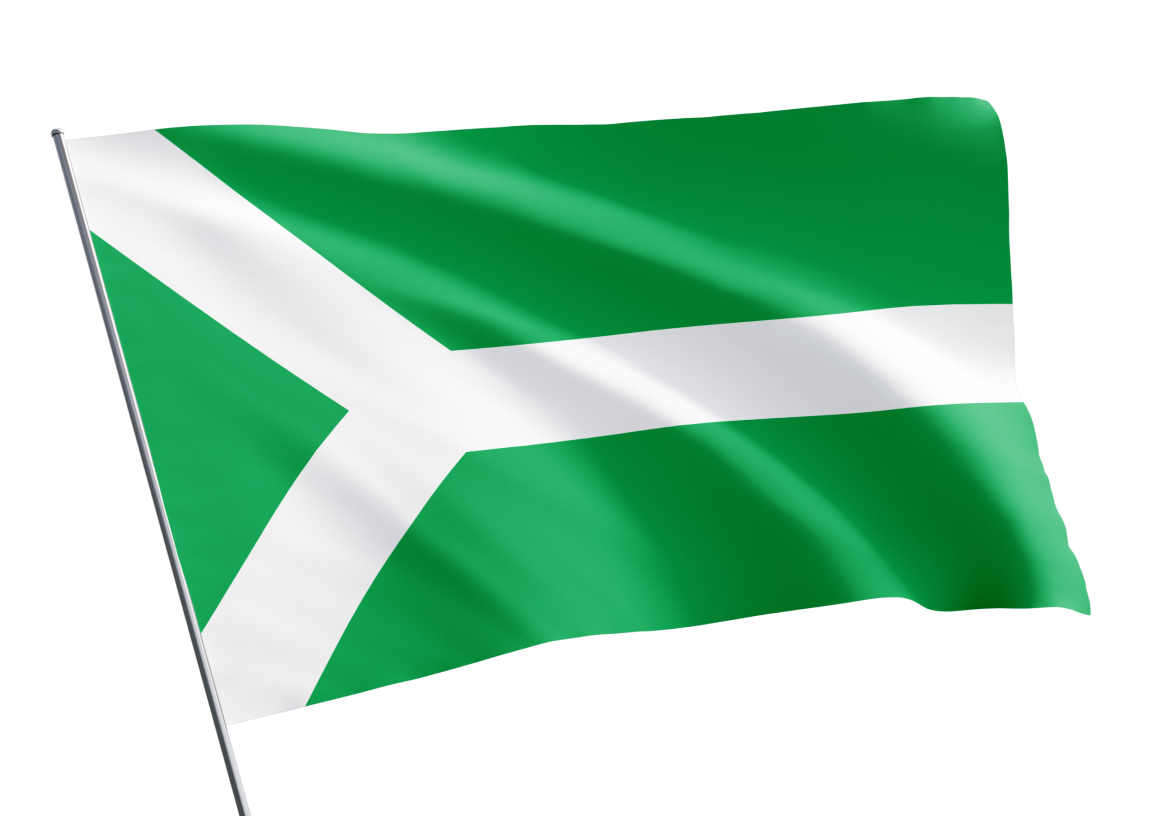
Flag of the Zugdidi municipality
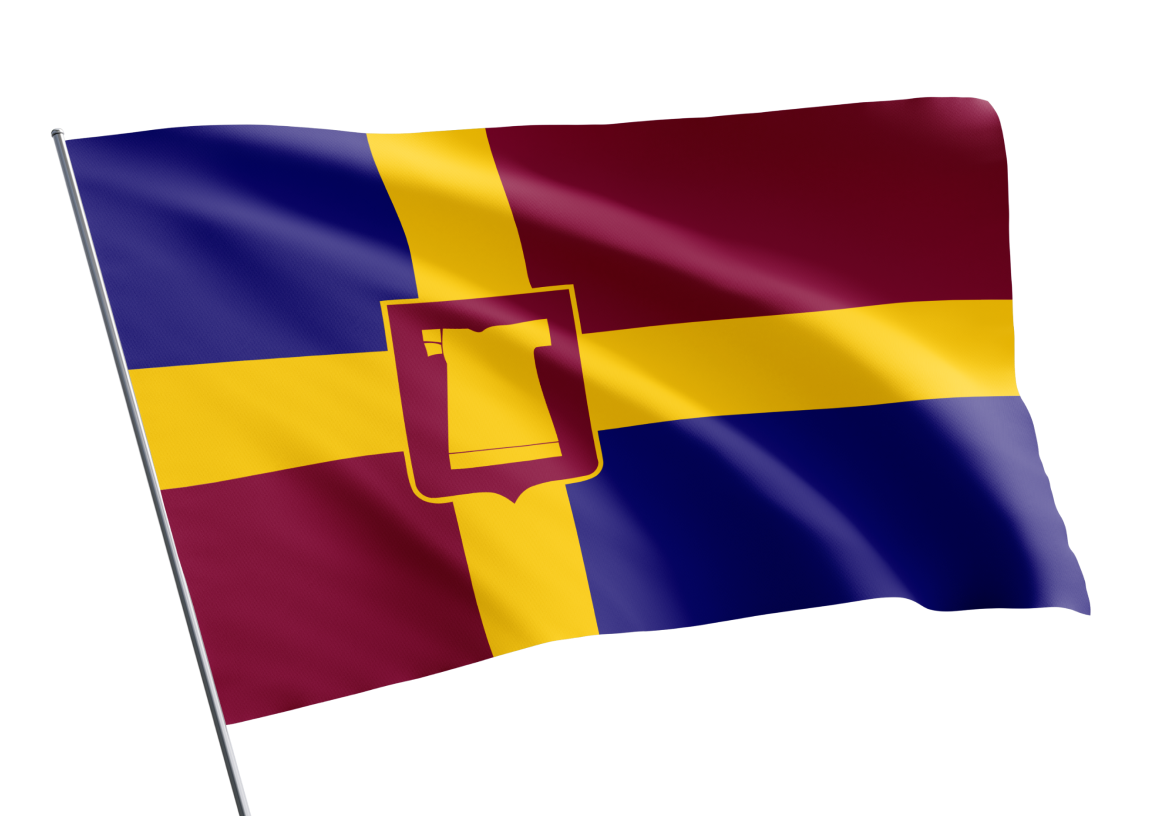
Flag of Kazbegi Municipality
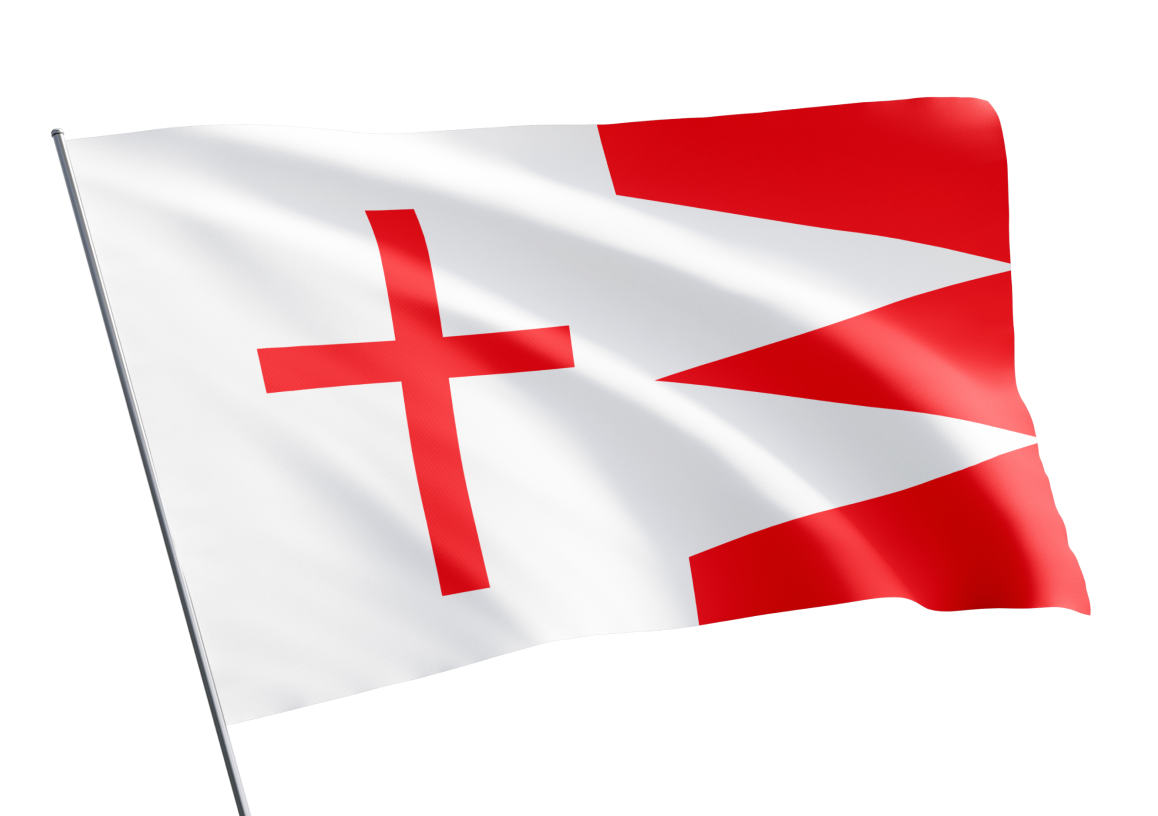
Flag of the Karelian municipality
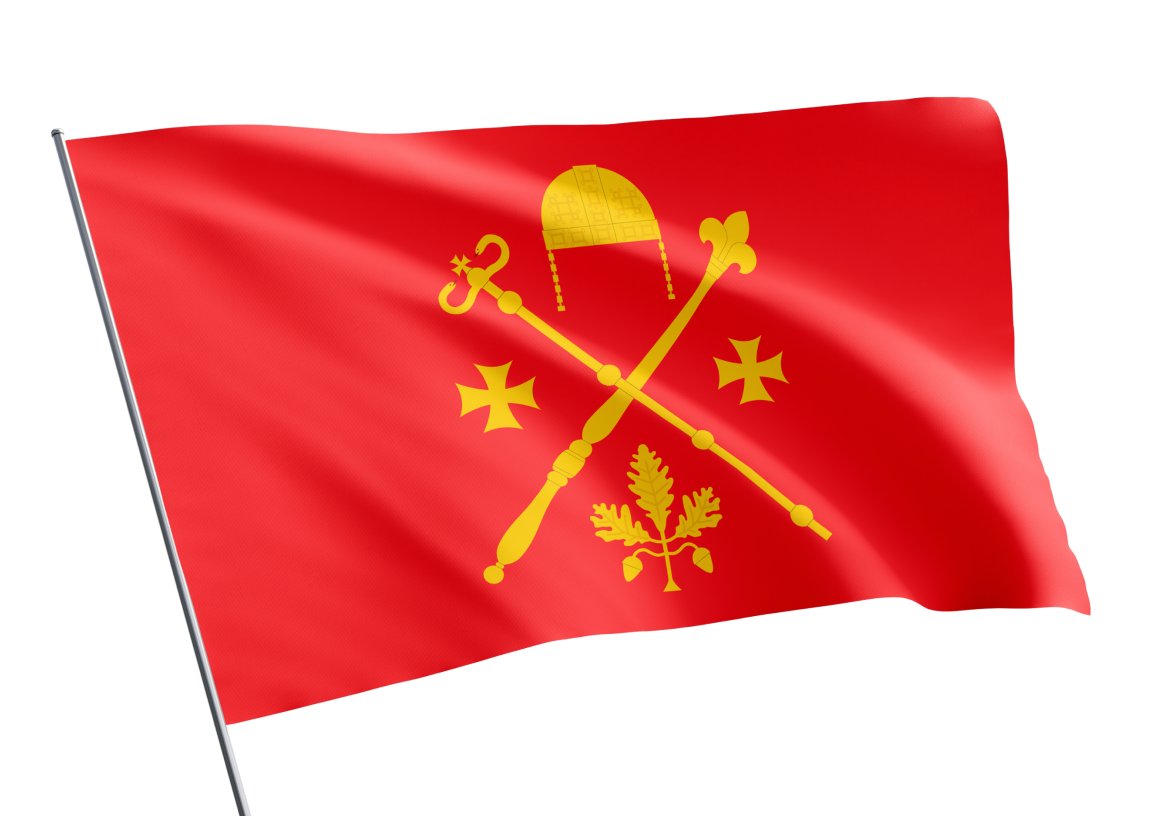
Flag of Kaspi Municipality
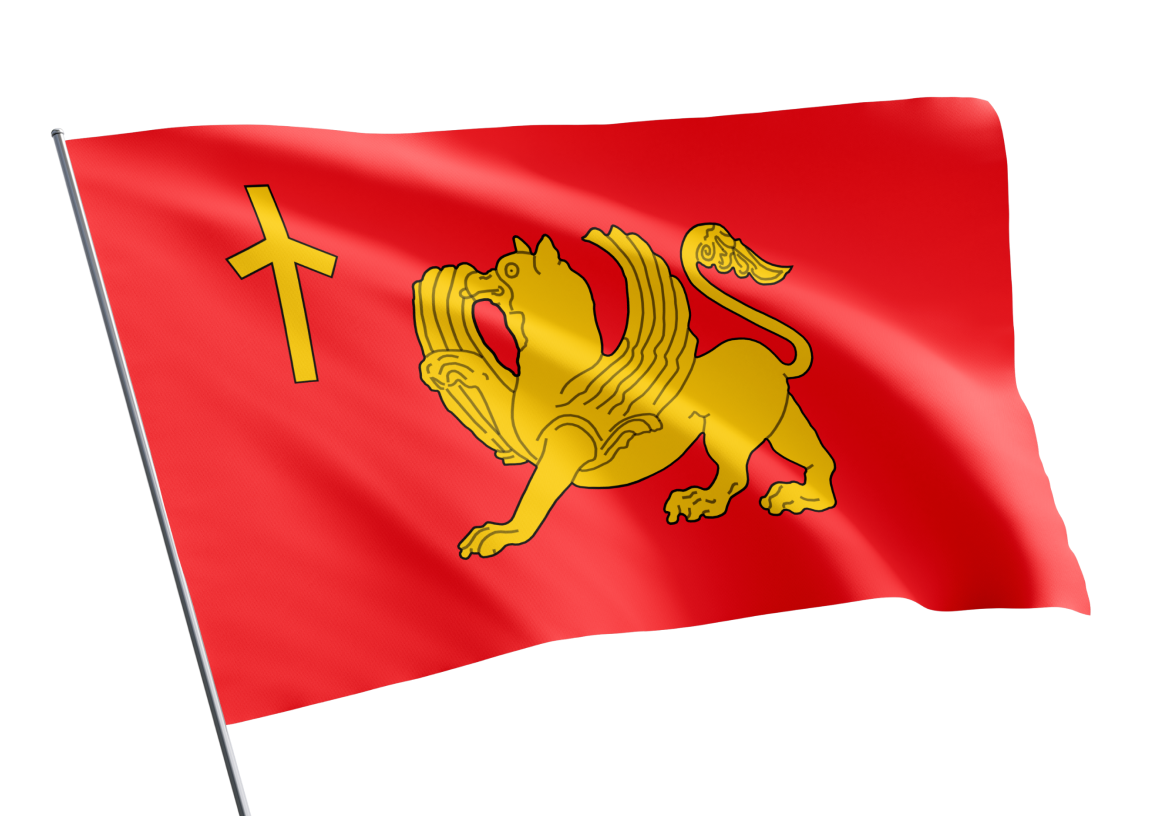
Flag of the Kvareli Municipality
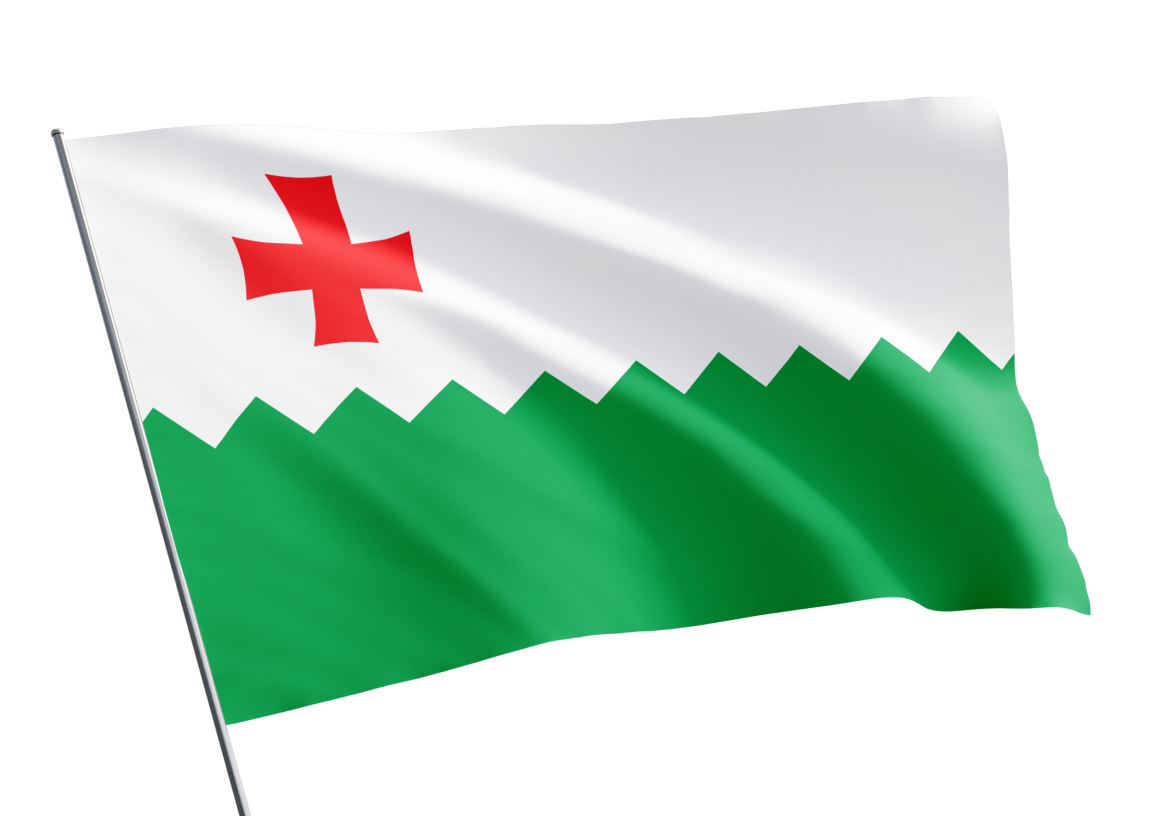
Flag of the Keda Municipality
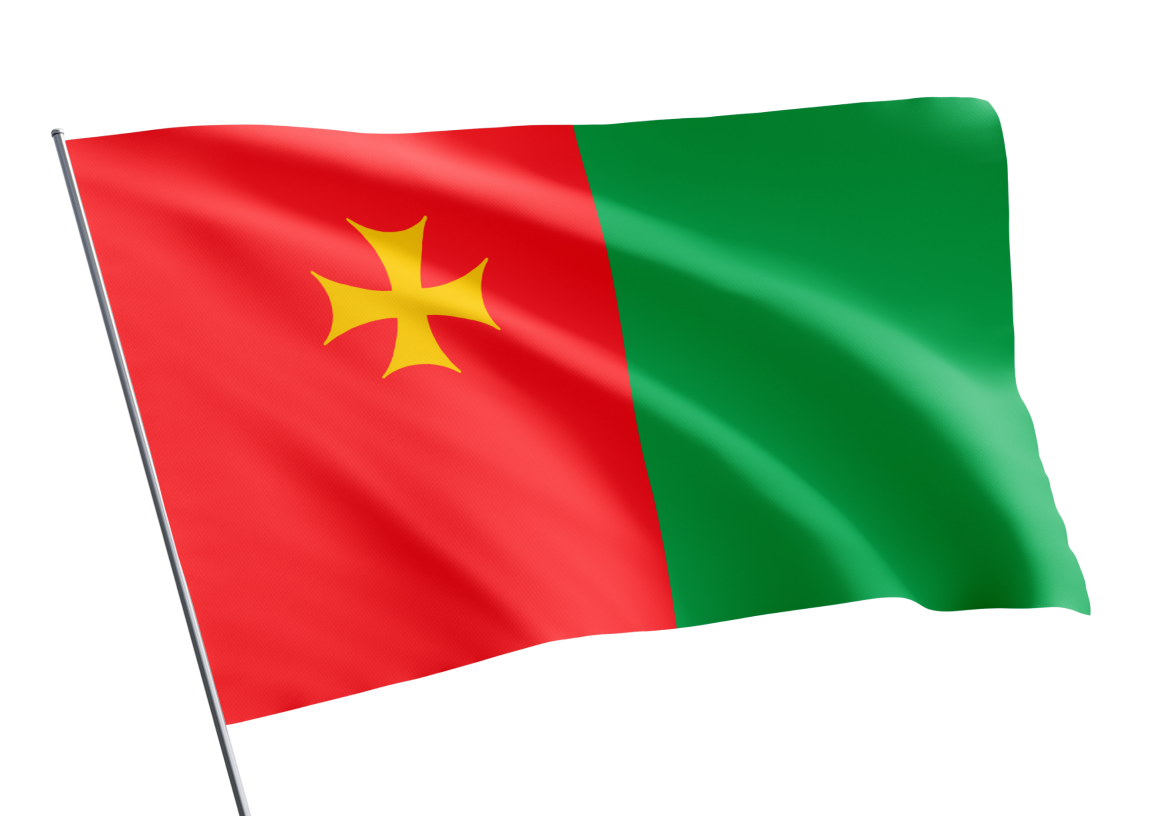
Flag of Kobuleti Municipality
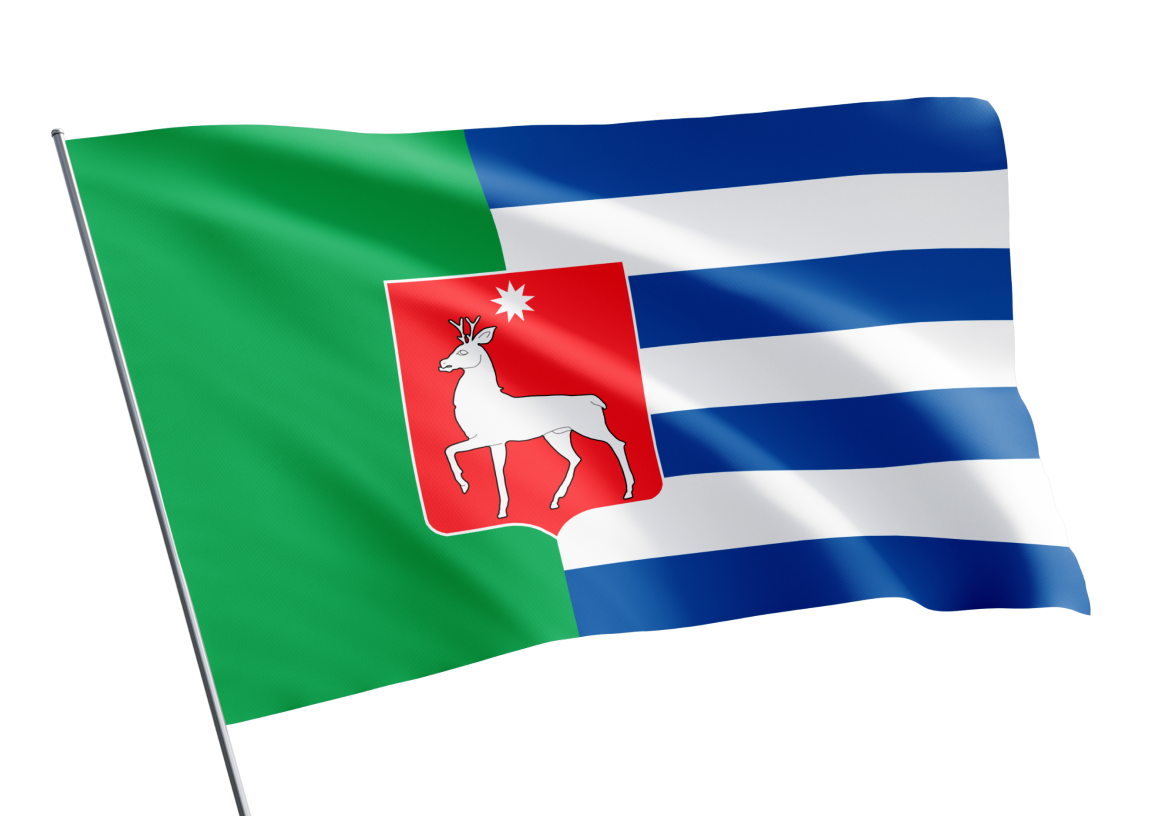
Flag of the Lagodekhi Municipality
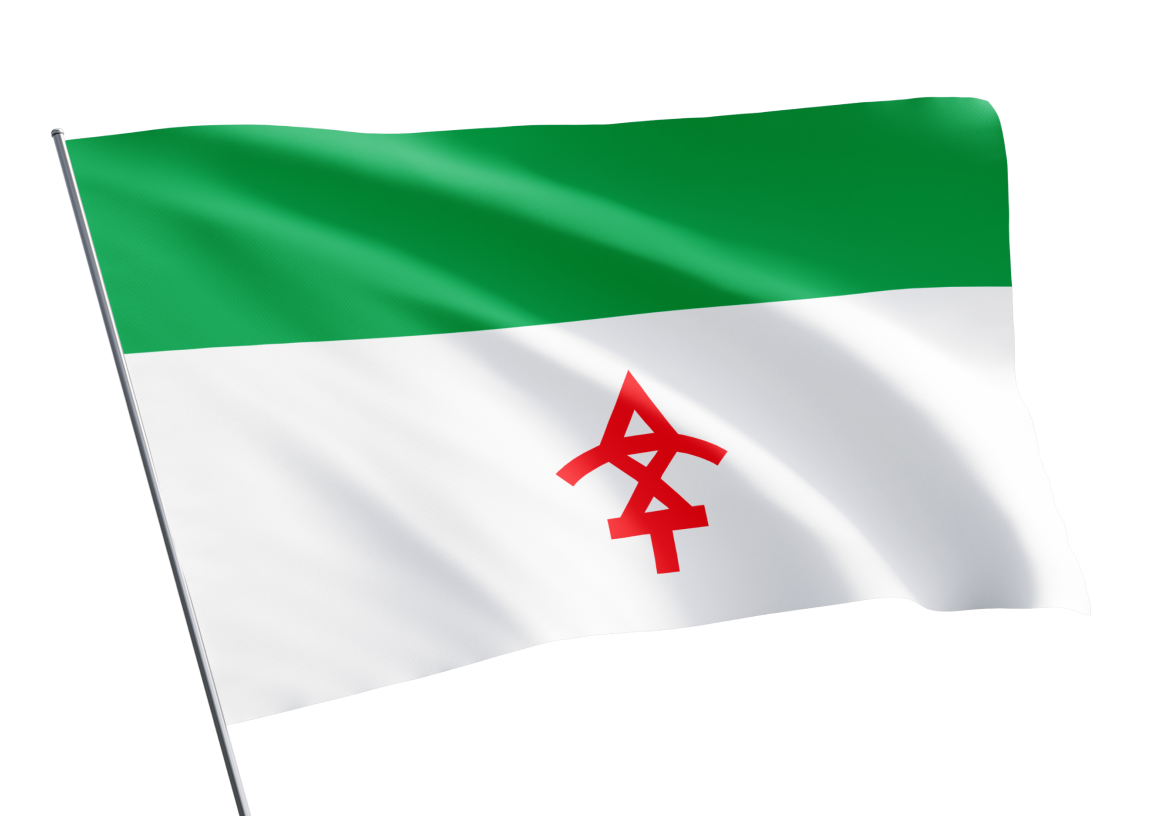
Flag of Lanchkhuti Municipality
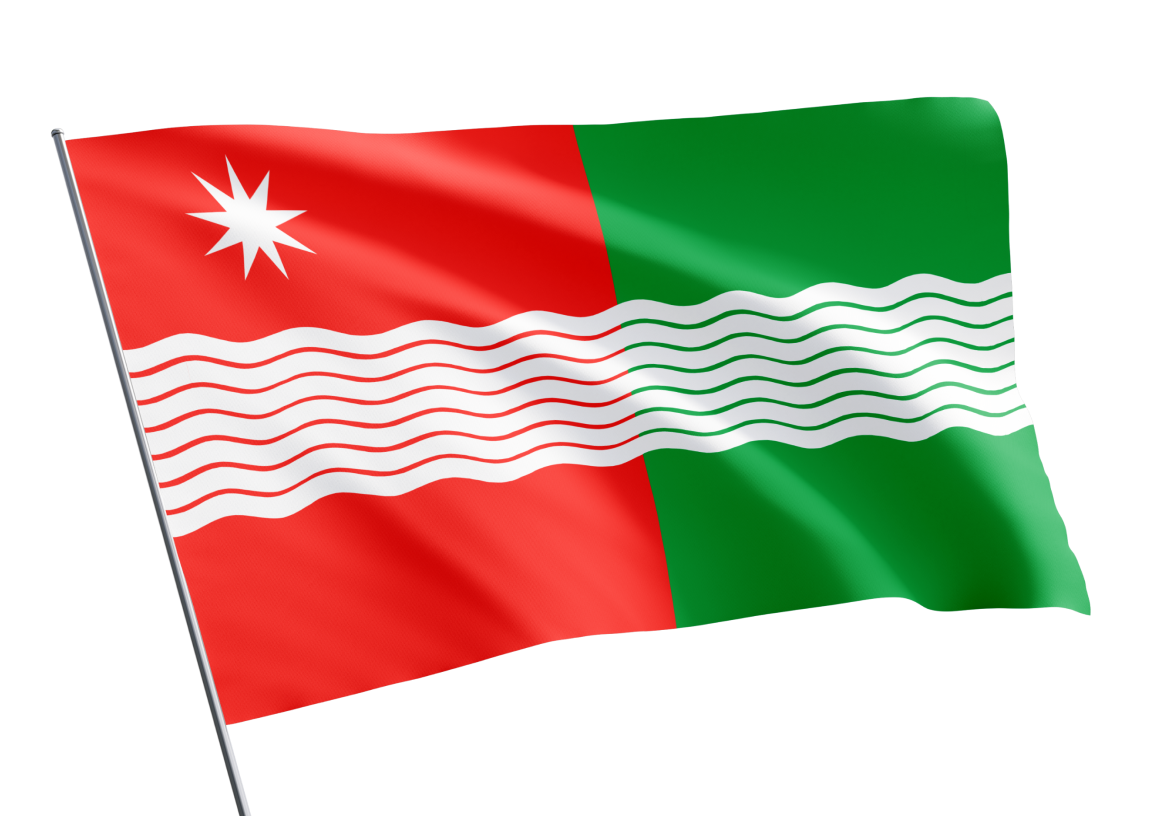
Flag of the Lentekhi Municipality
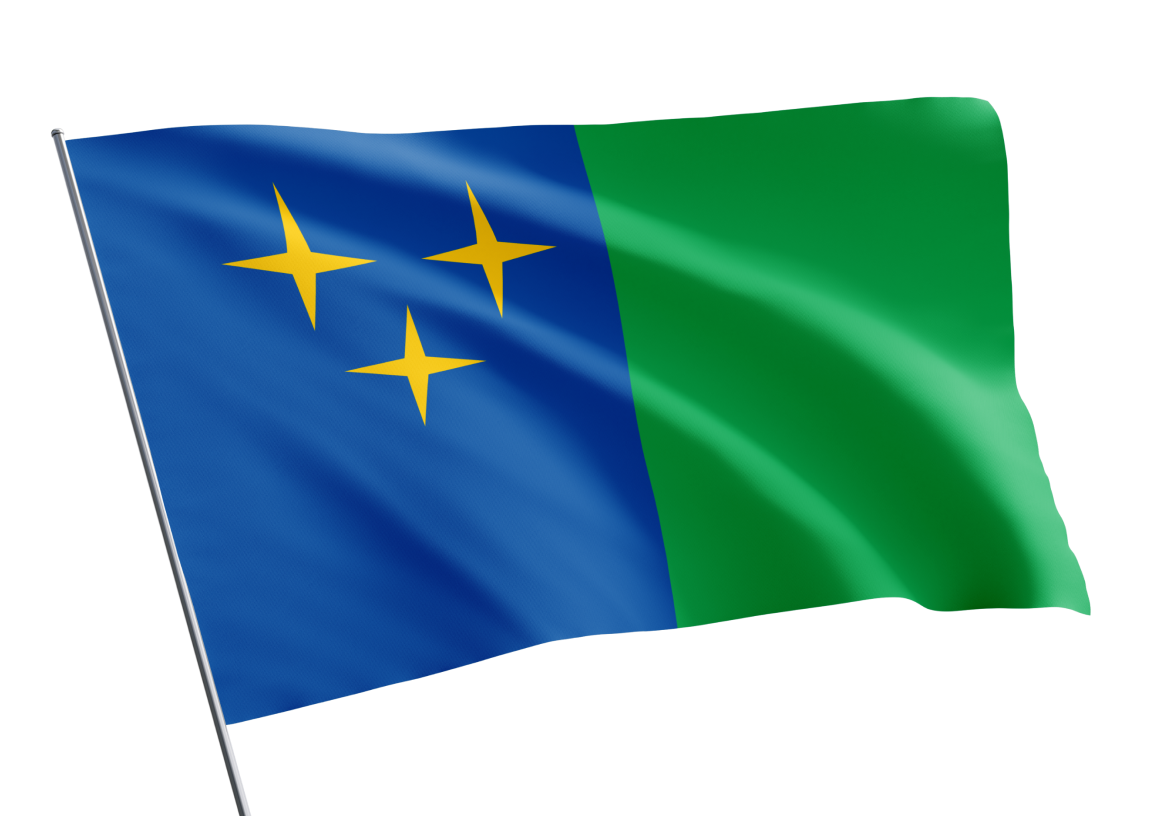
Flag of Marneuli Municipality
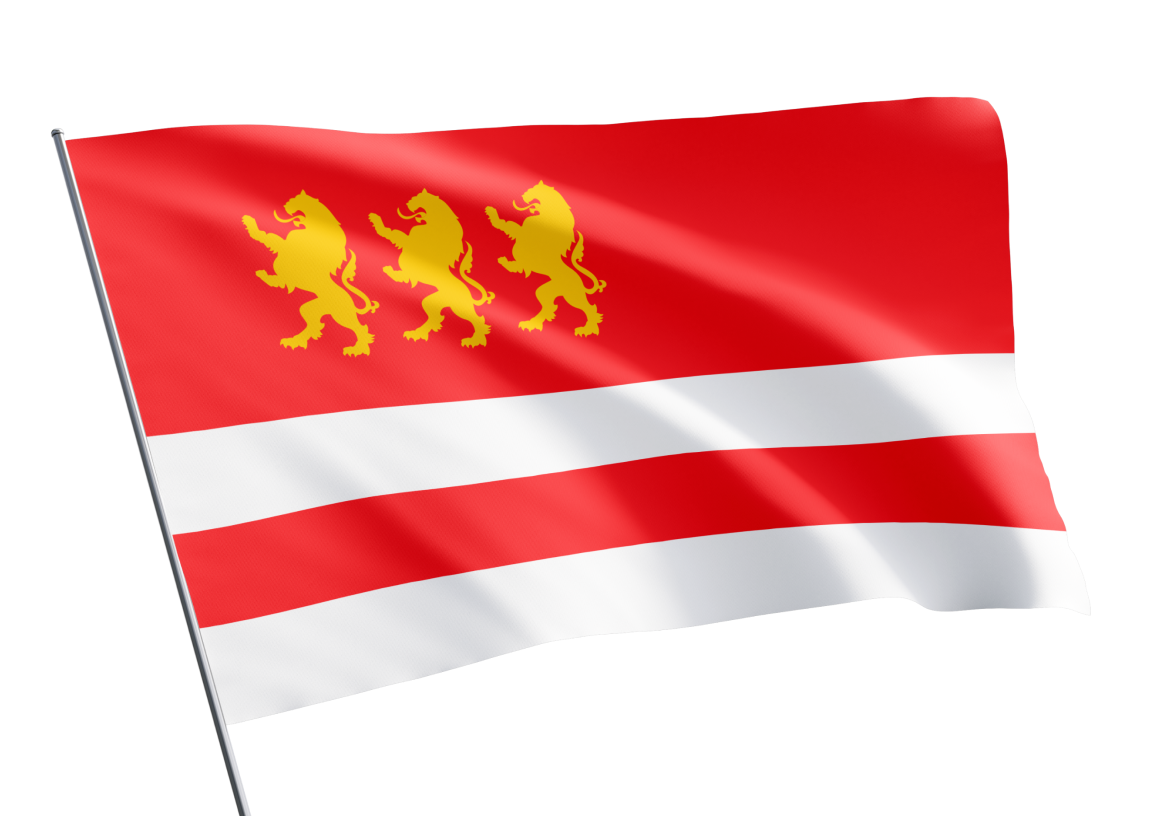
Flag of Martvili Municipality
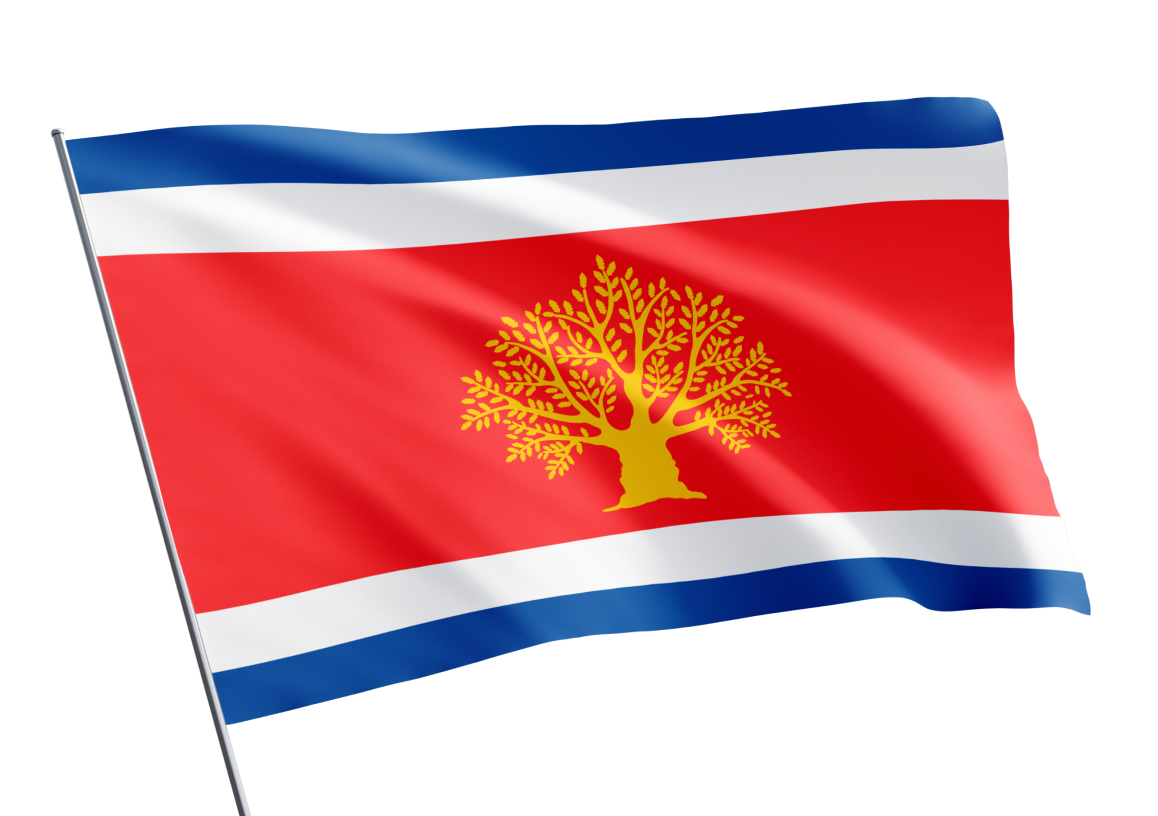
Flag of the Mestia Municipality
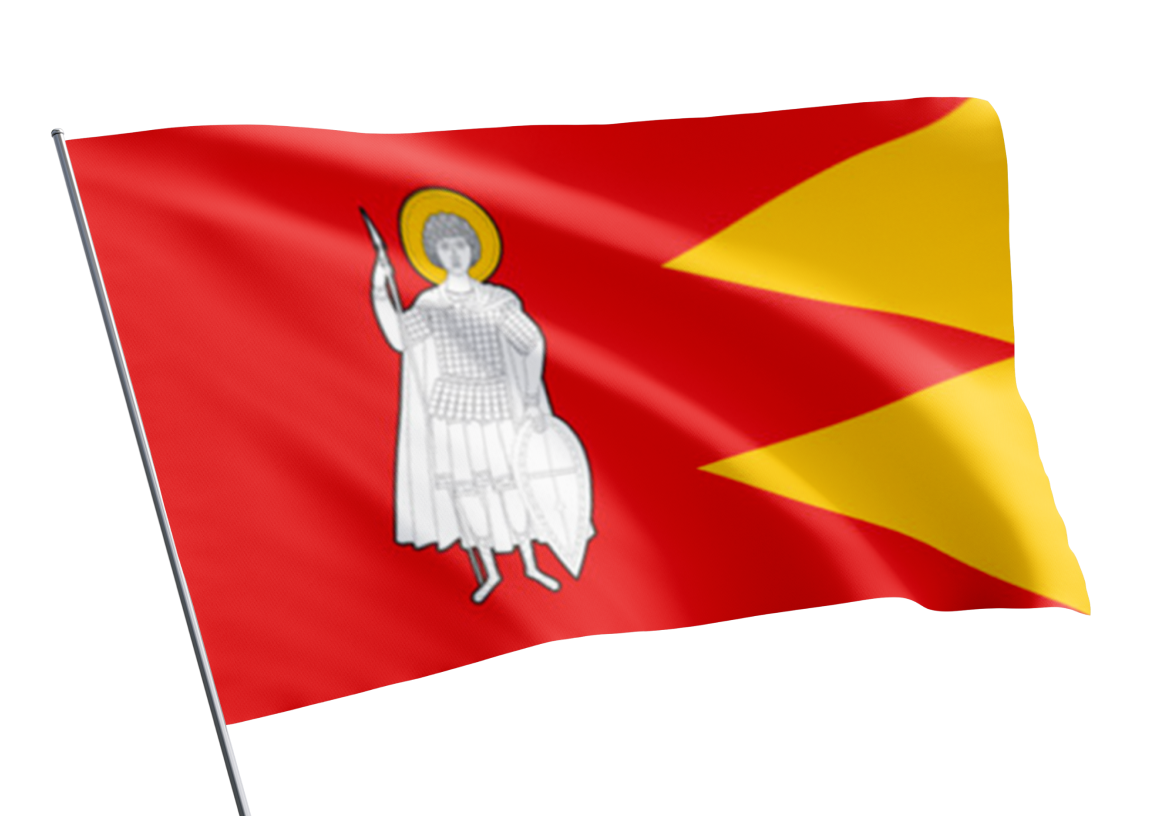
Flag of the Mtskheta Municipality
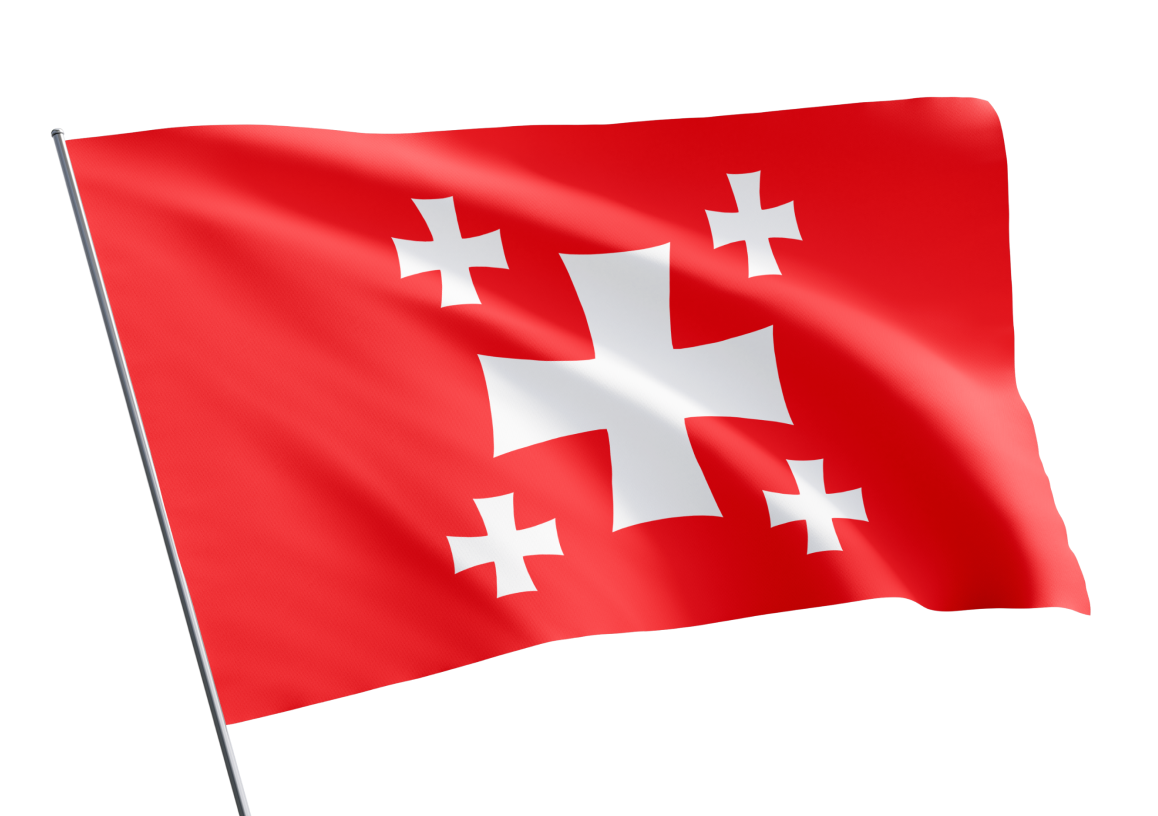
Flag of Ninotsminda Municipality
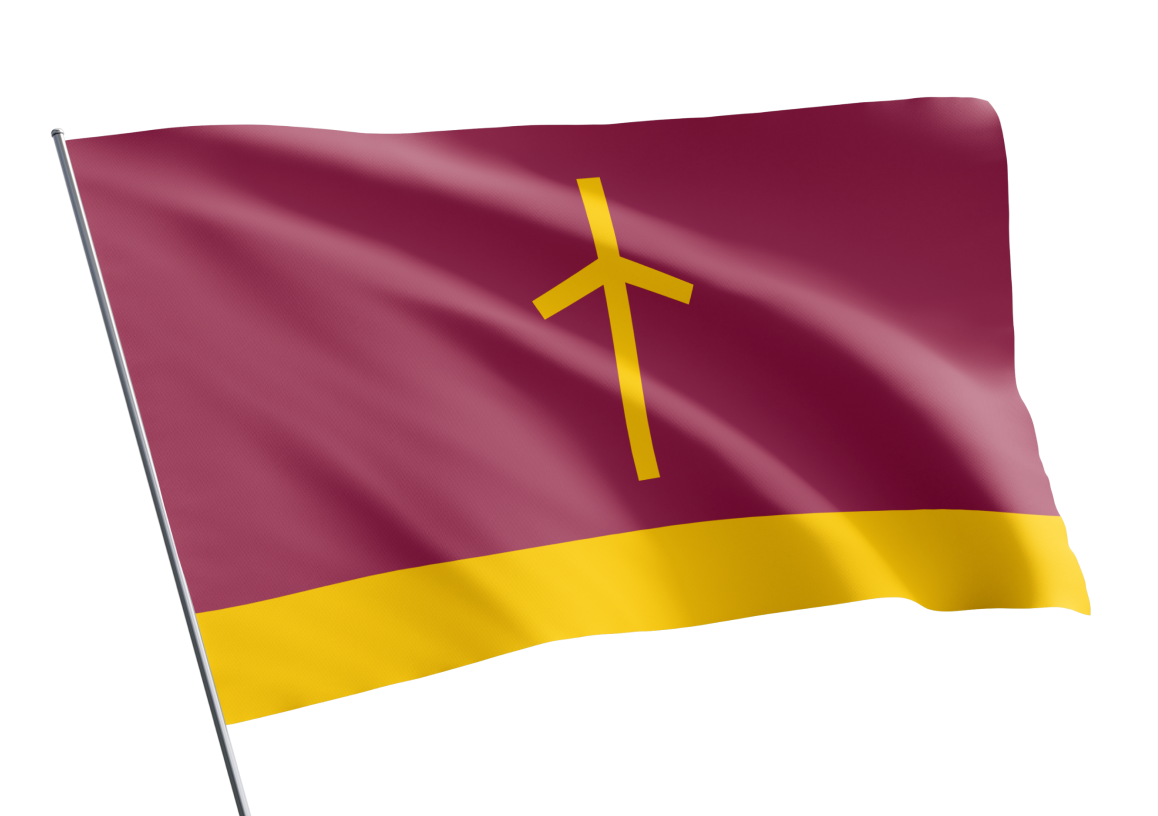
Flag of the Ozurgeti Municipality
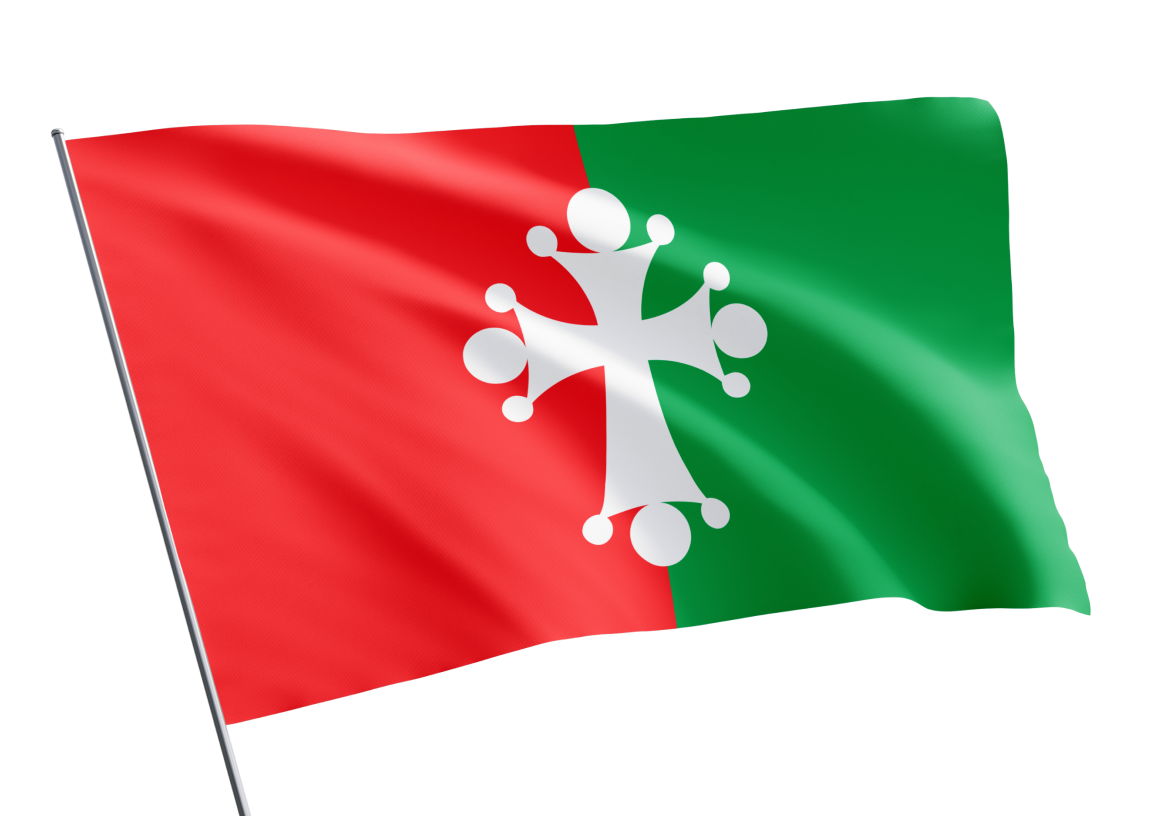
Flag of the Onsky Municipality
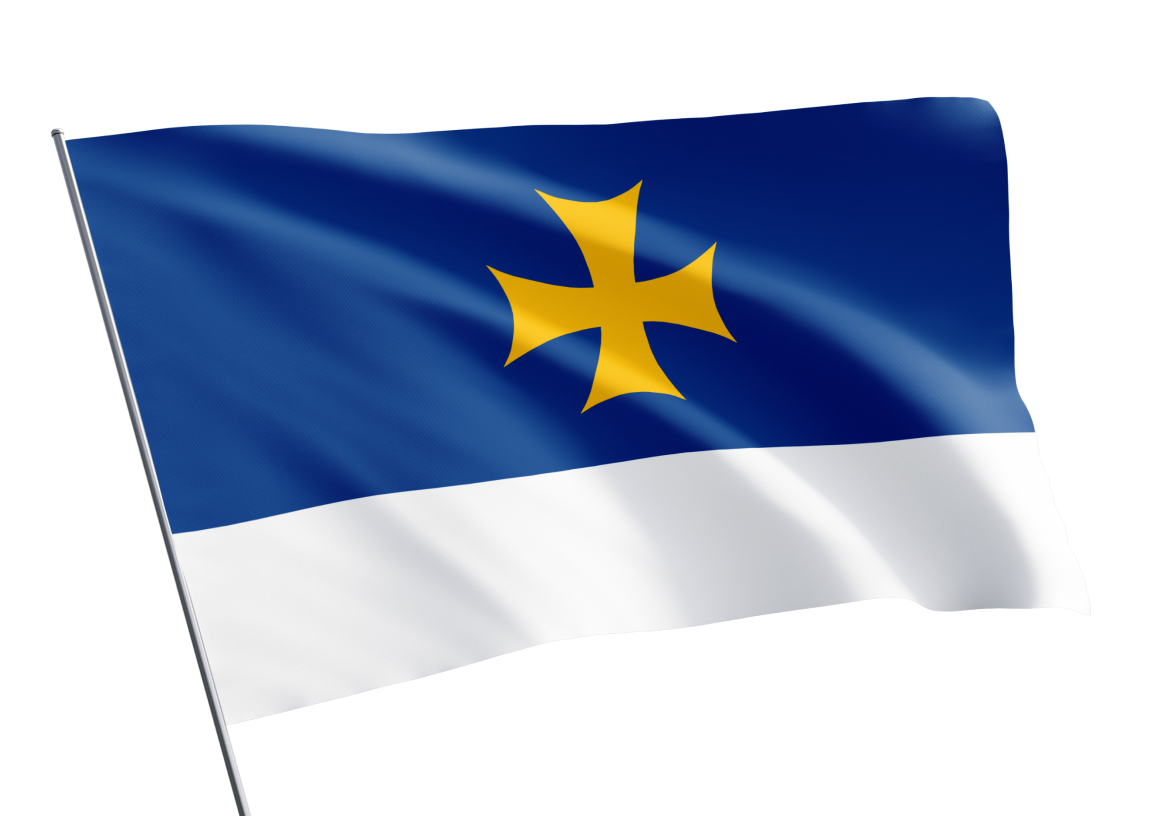
Flag of Sagarejo Municipality
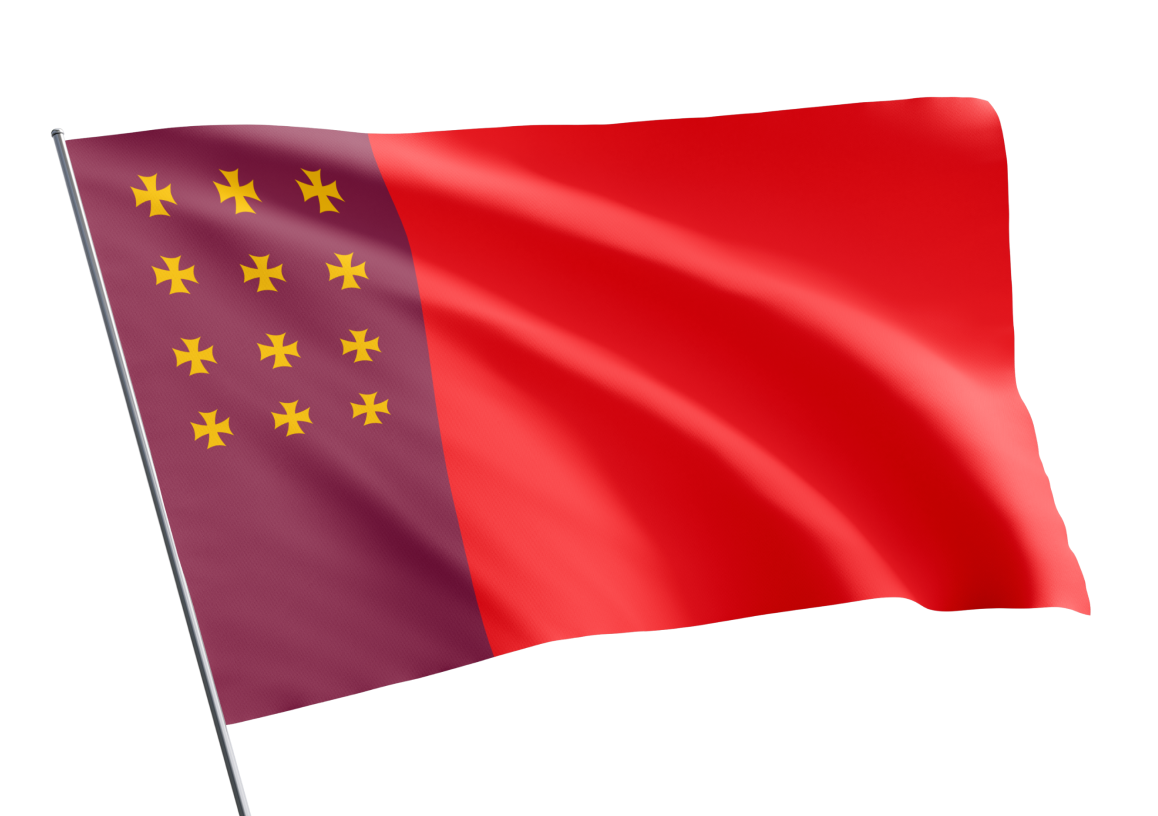
Flag of Samtredi Municipality
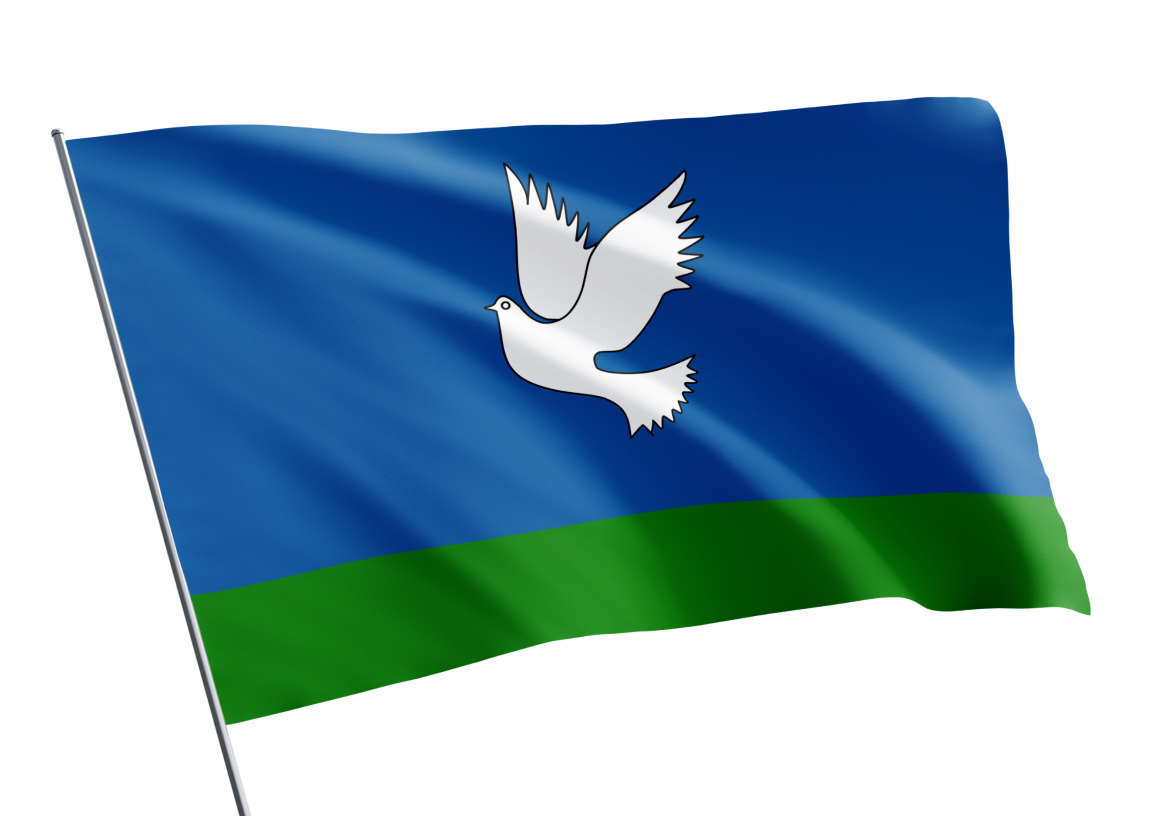
Flag of Sachkhere Municipality
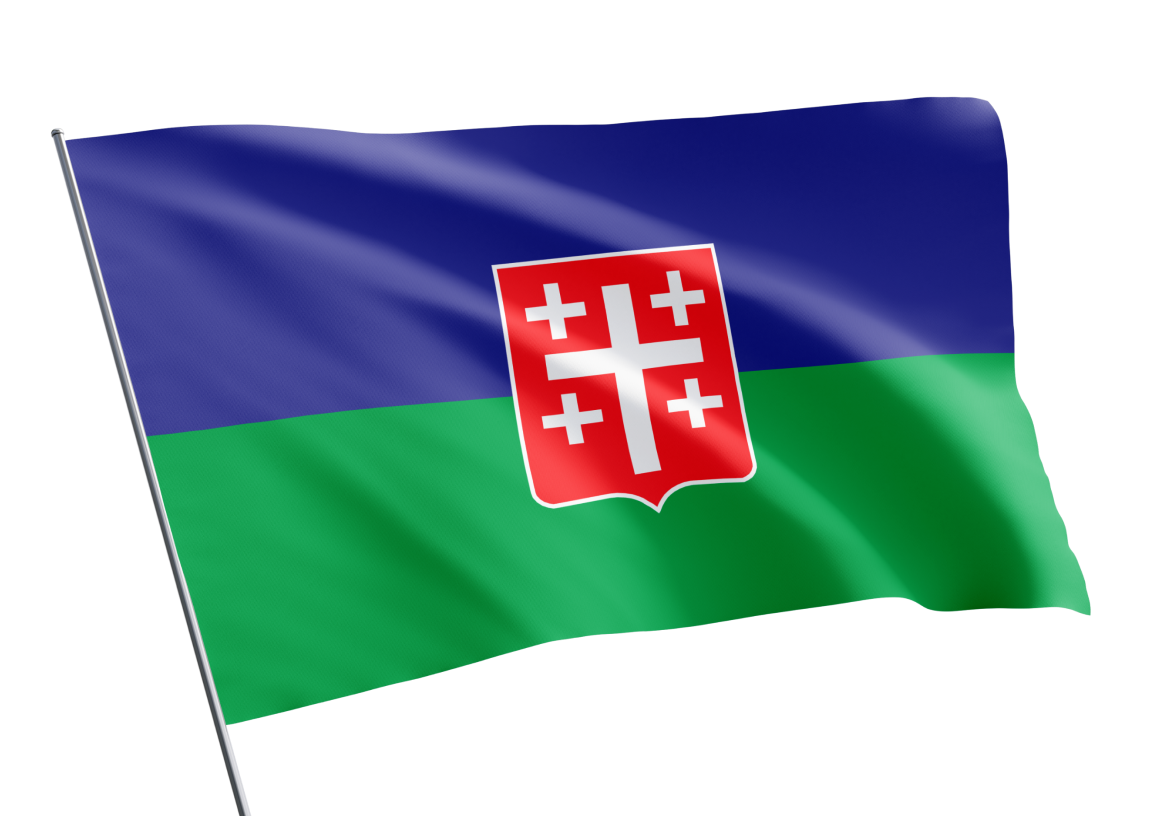
Flag of Senaki Municipality
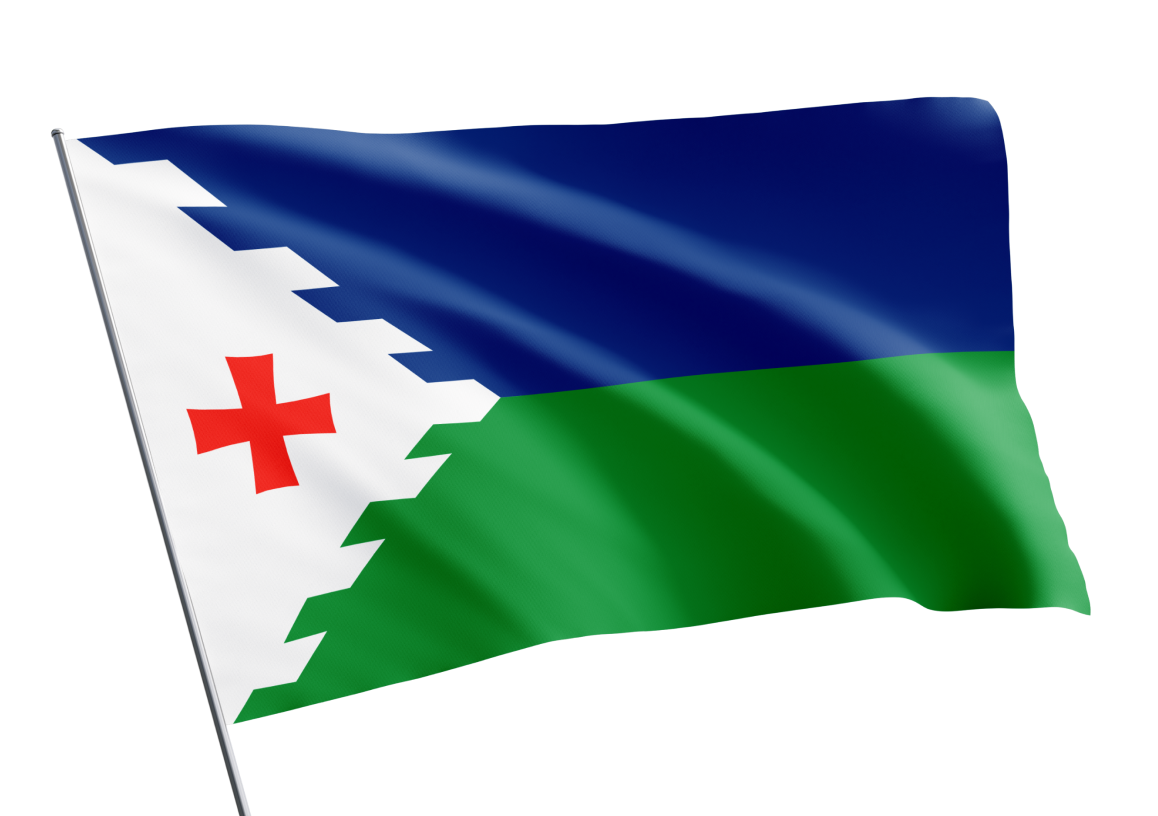
Flag of the Sighnaghi Municipality
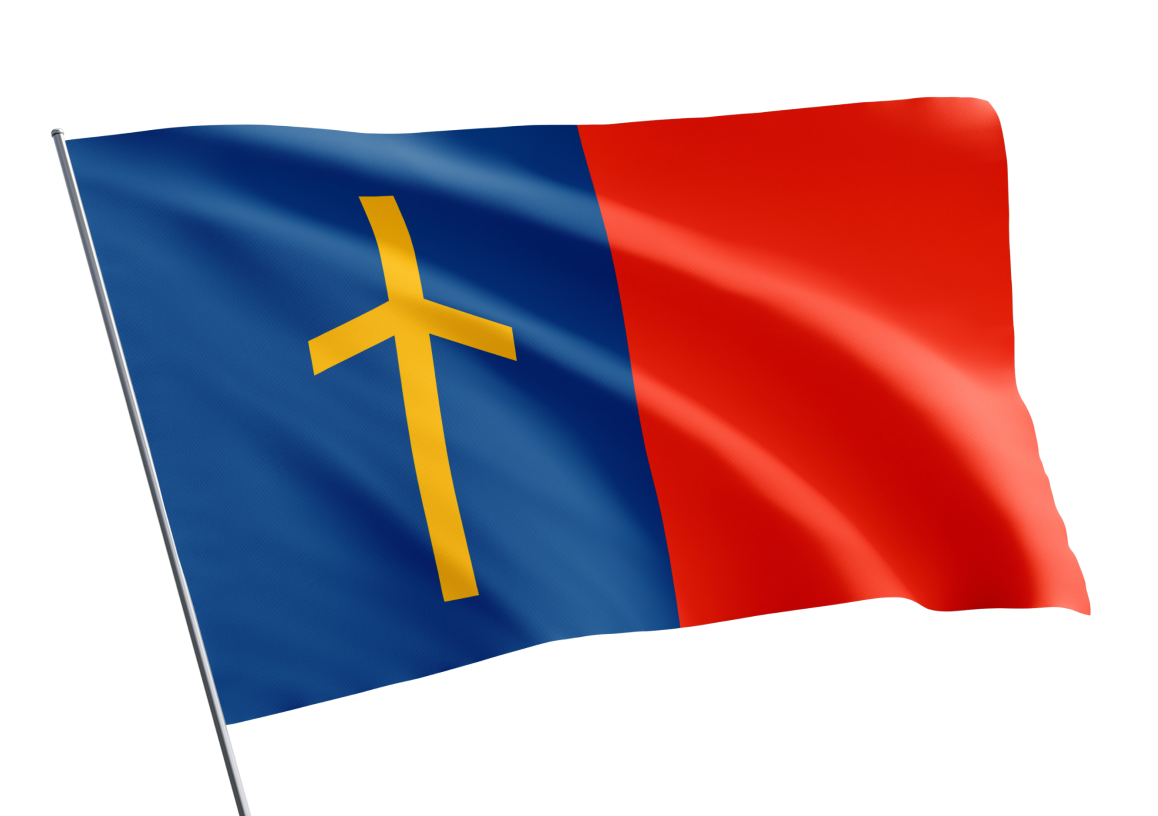
Flag of the Sukhumi municipality
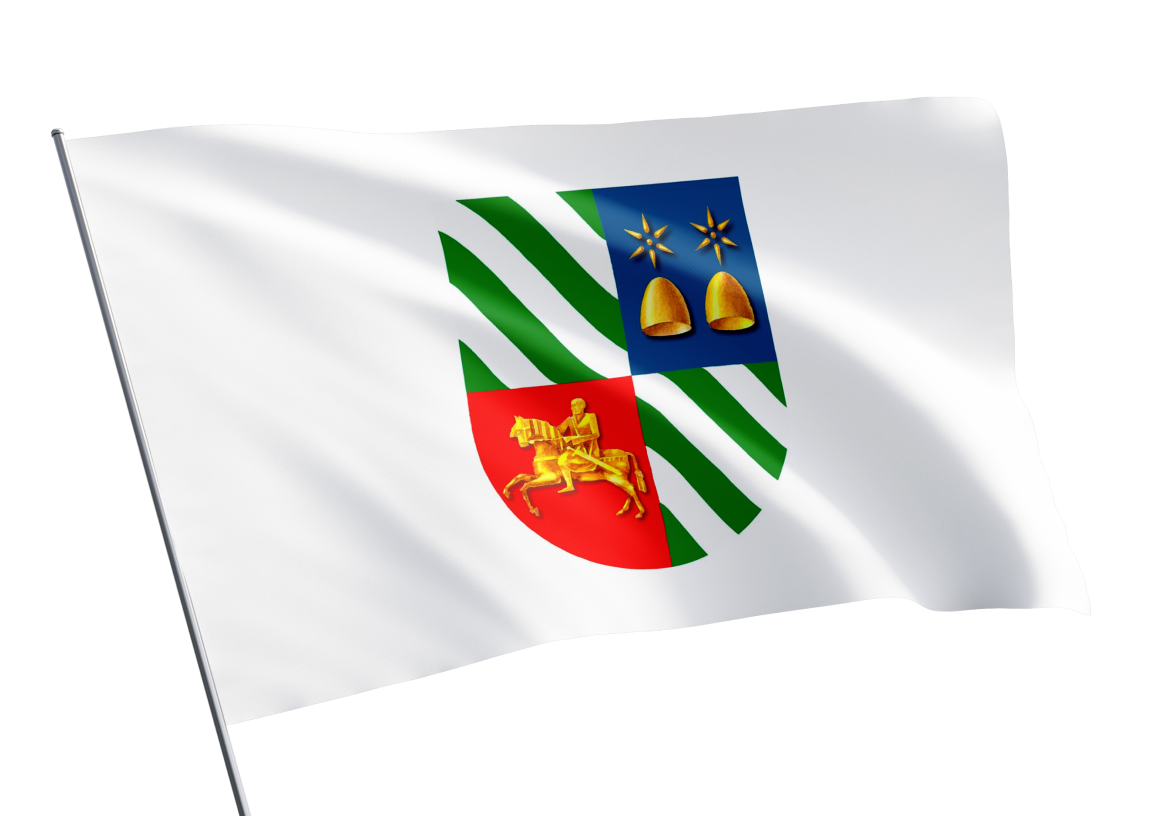
Flag of the Telavi Municipality
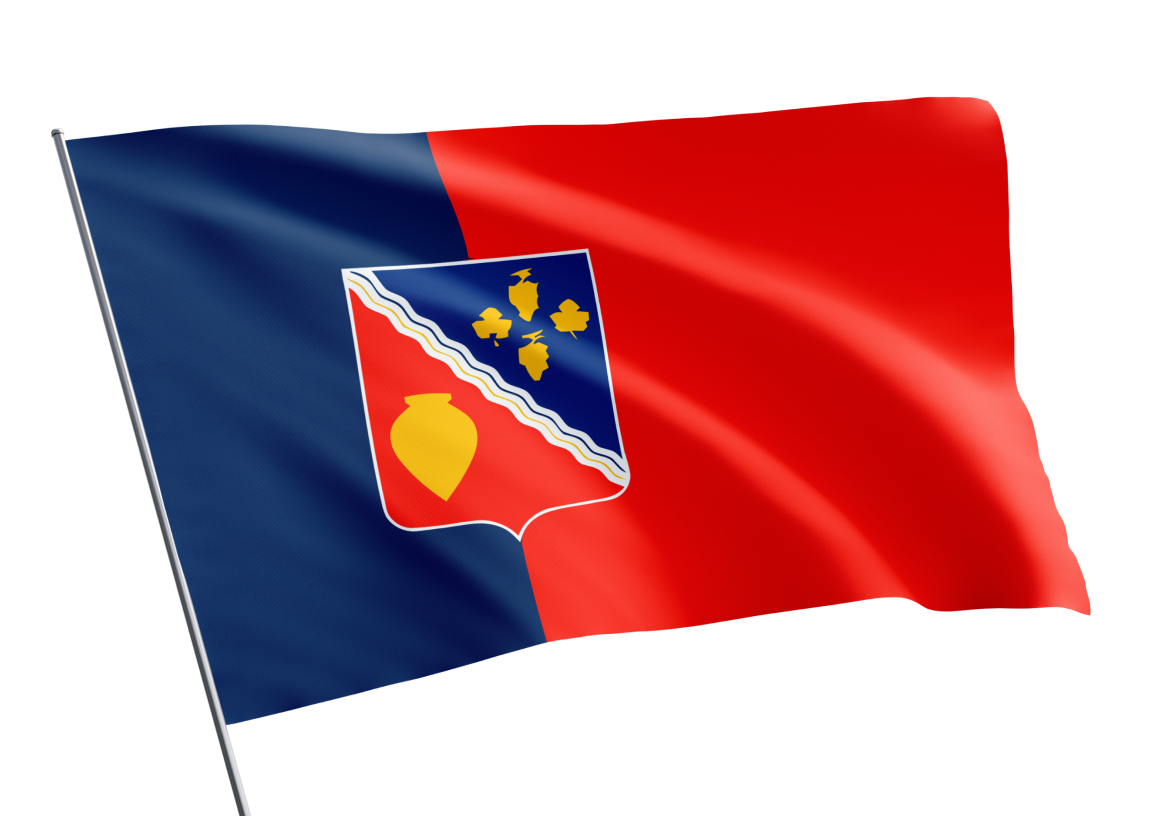
Flag of the Terzhol municipality
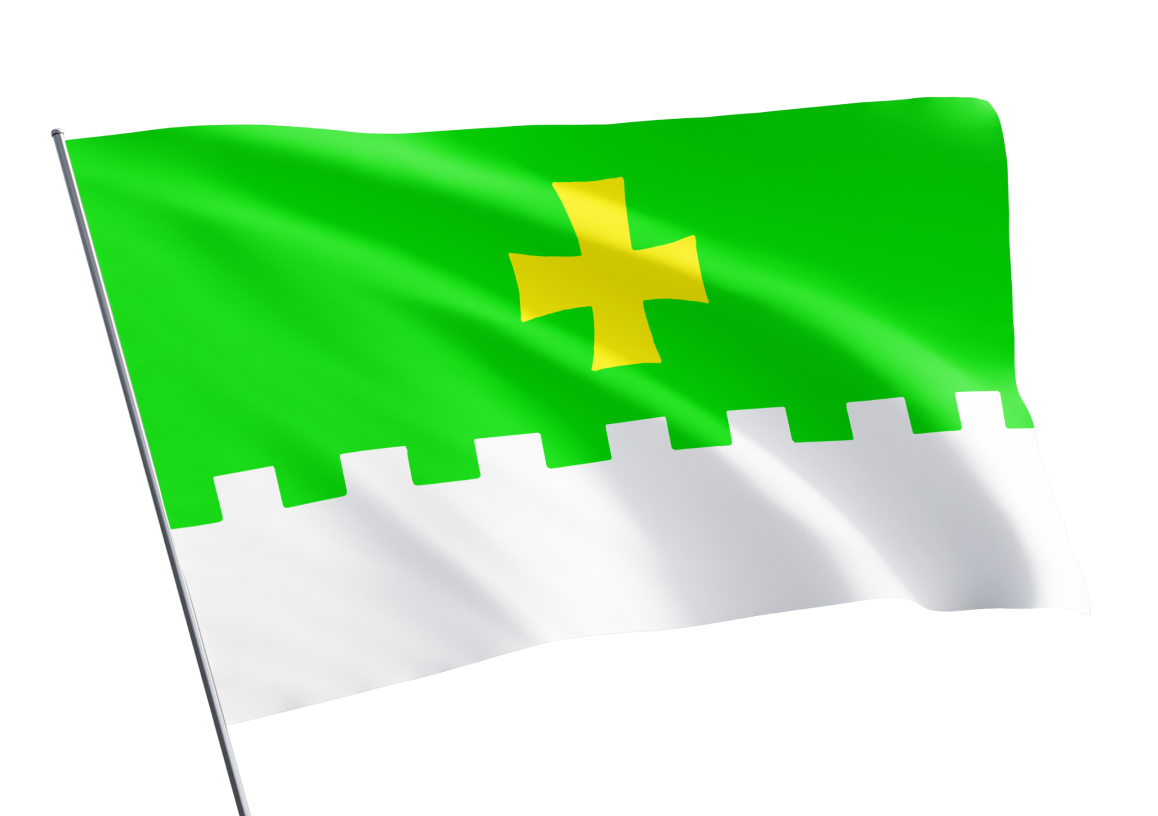
Flag of Tetritskaro Municipality
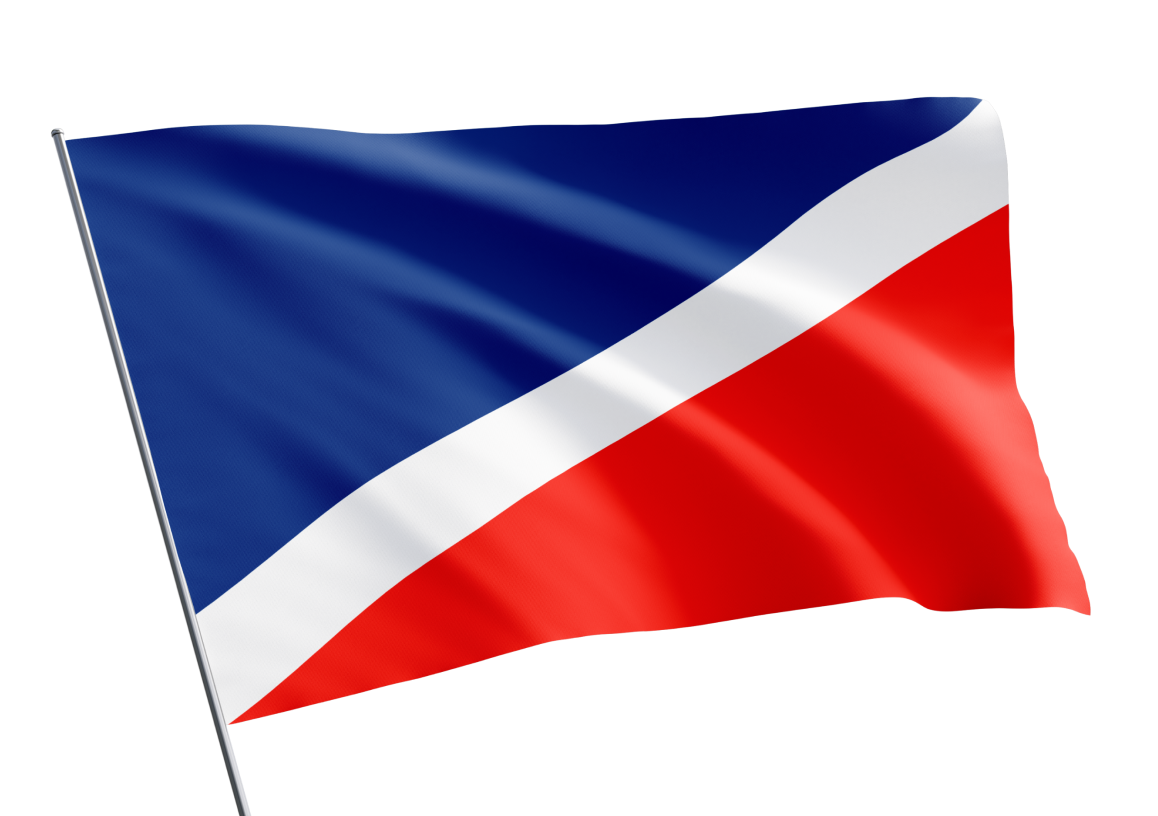
Flag of Tianeti Municipality
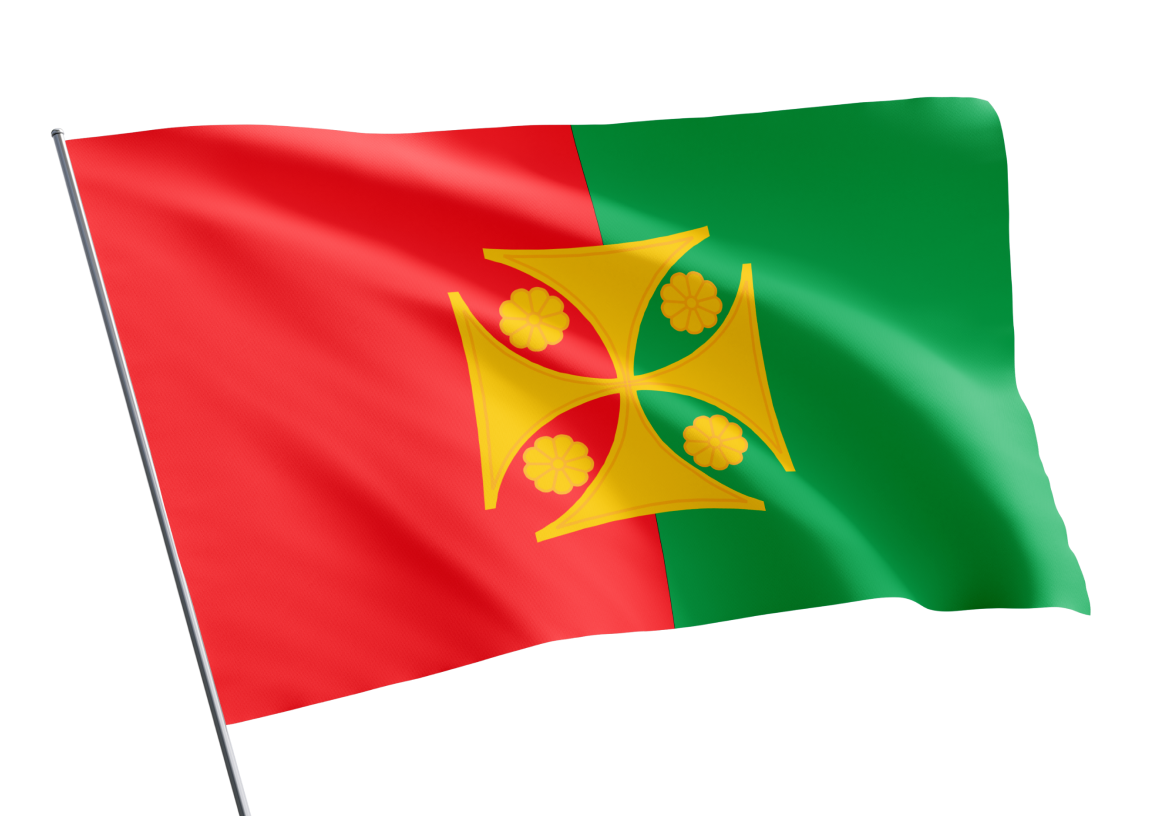
Flag of the Tkibuli Municipality
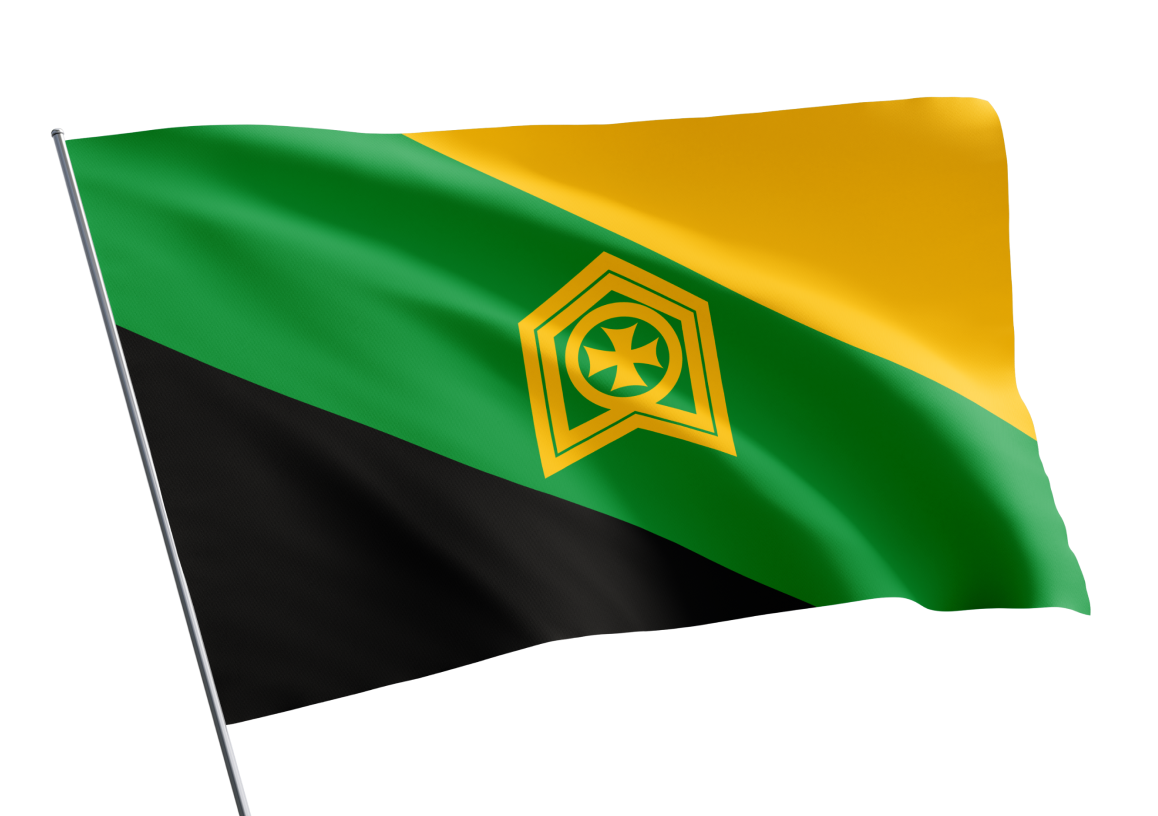
Flag of the Kharagauli municipality
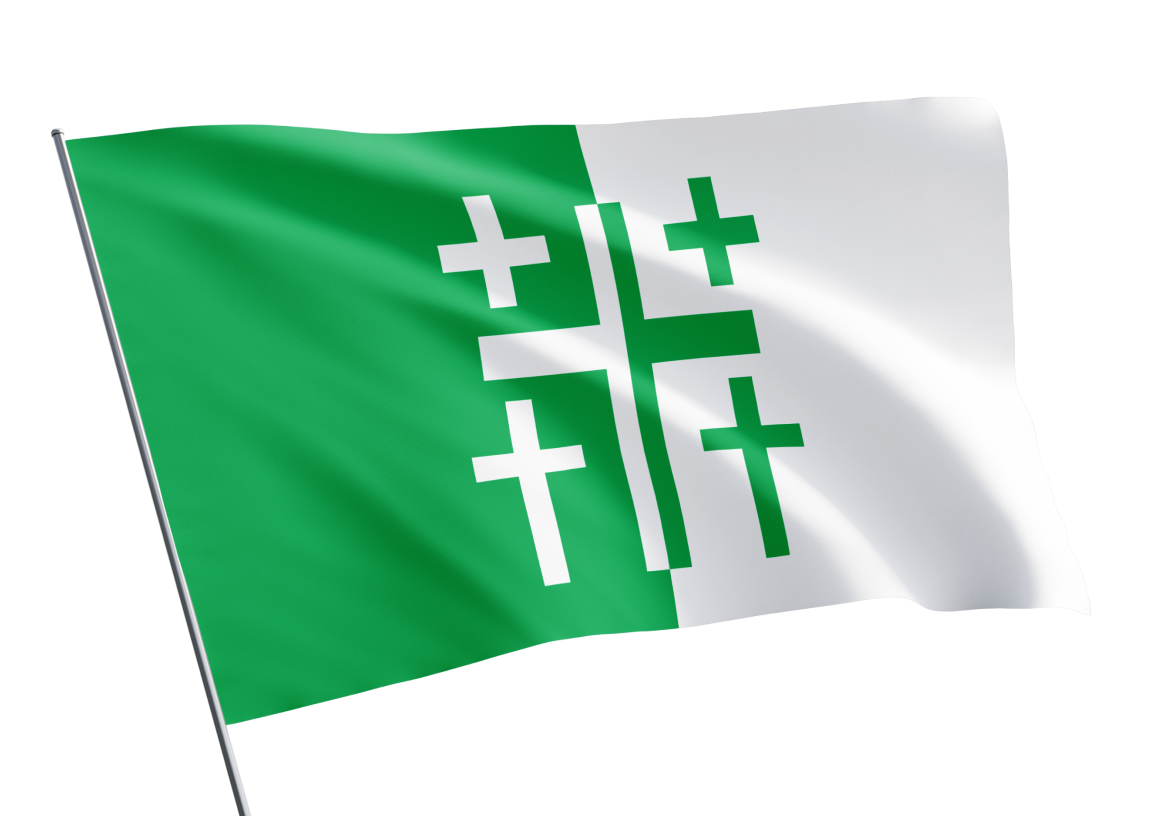
Flag of Khashuri Municipality
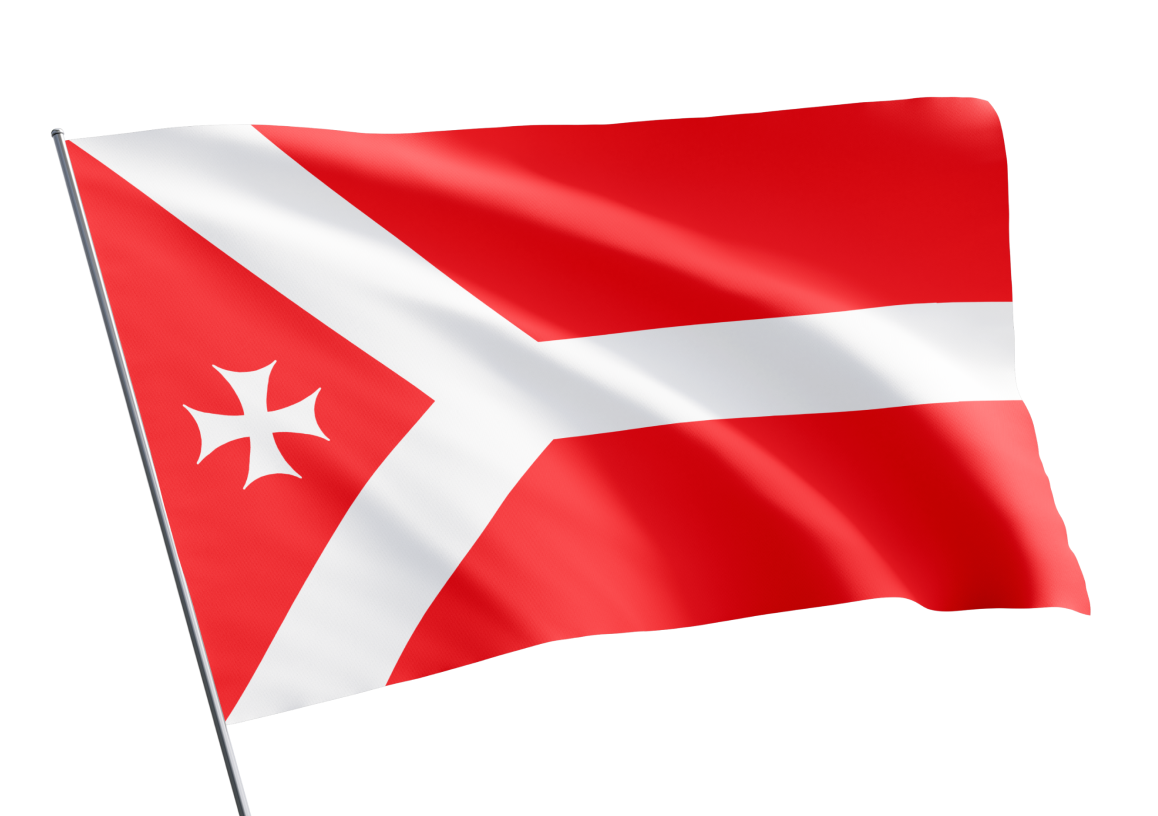
Flag of Khelvachauri municipality
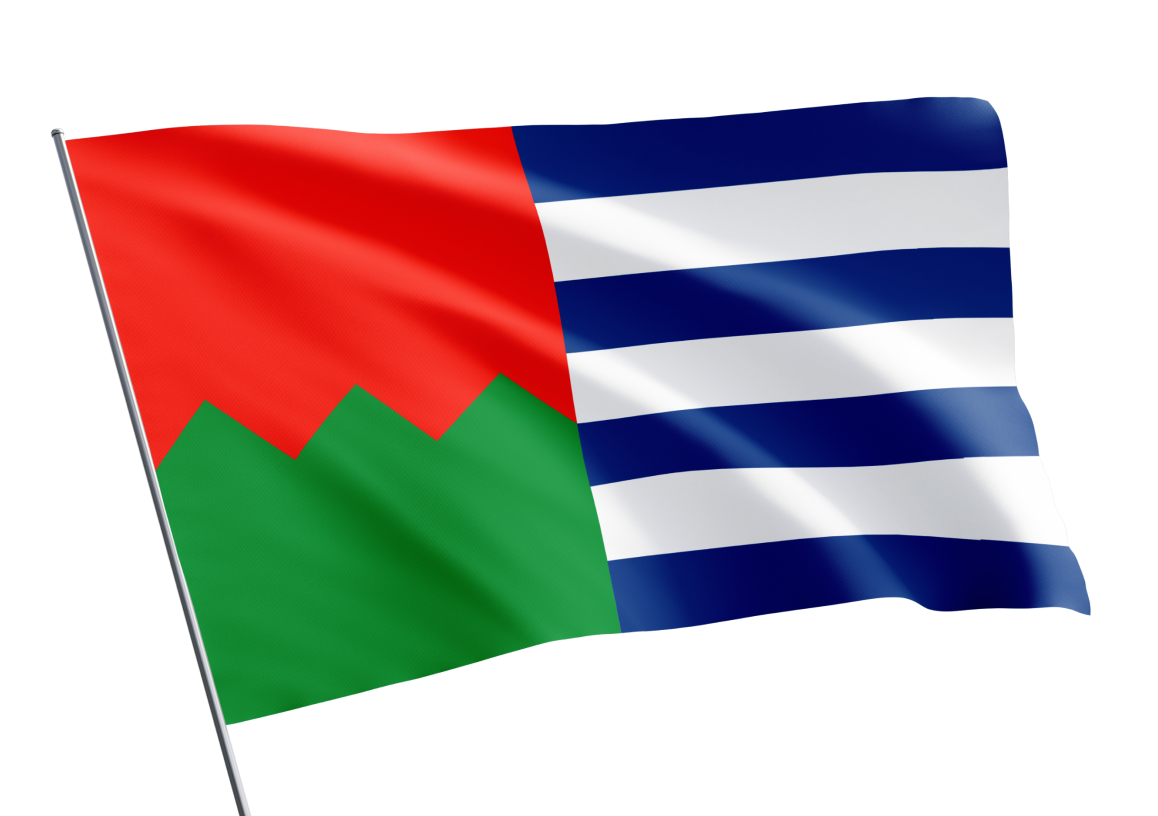
Flag of the Khobi Municipality
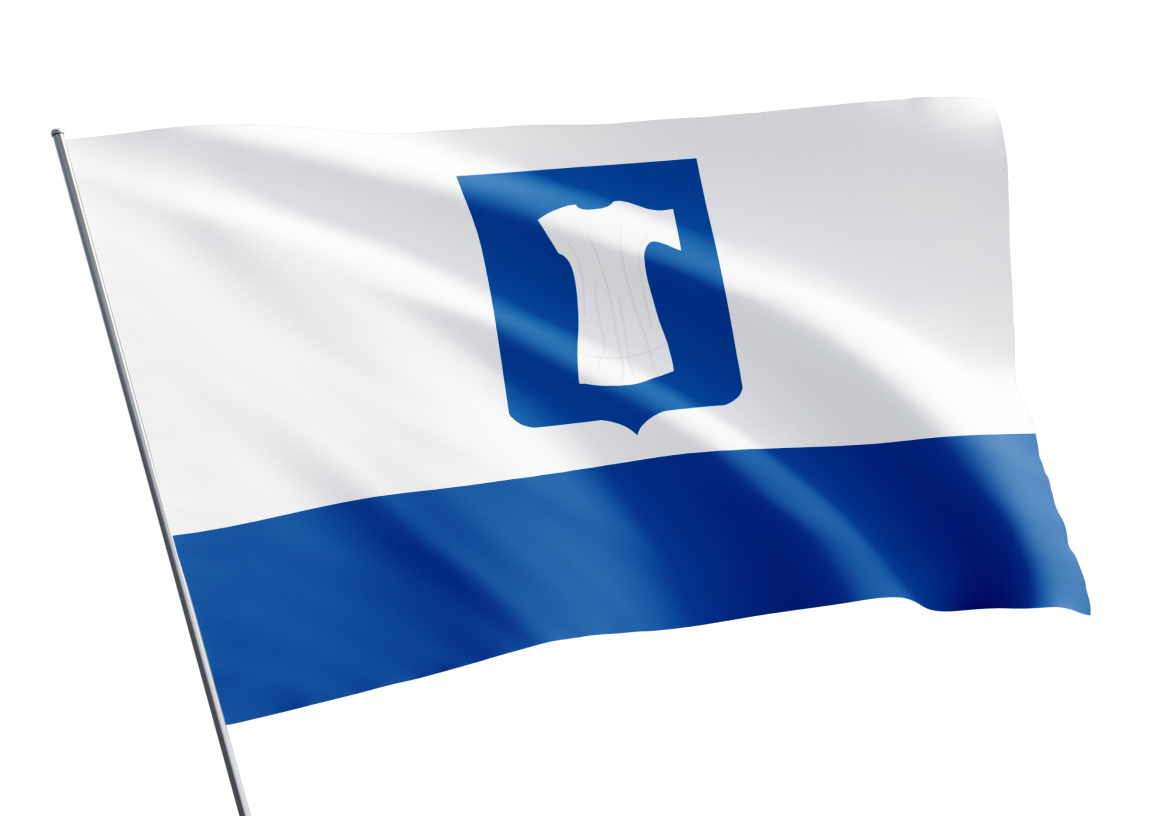
Flag of the Khonia Municipality
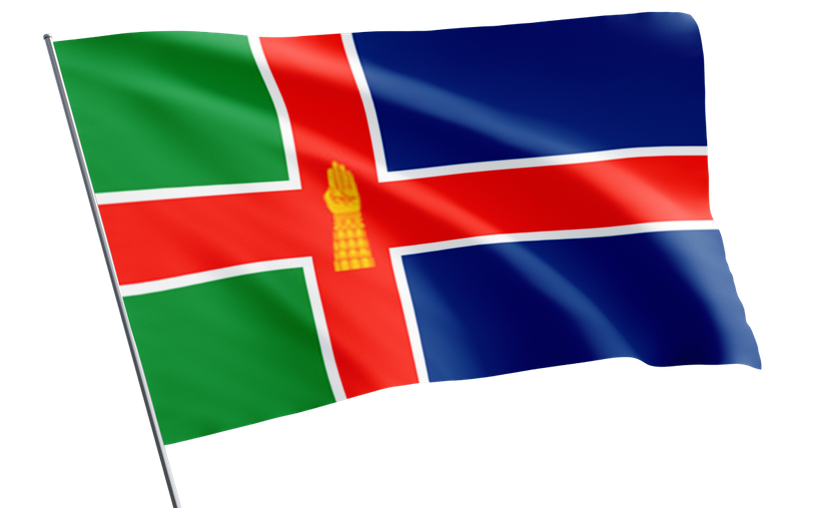
Flag of the Khulo Municipality
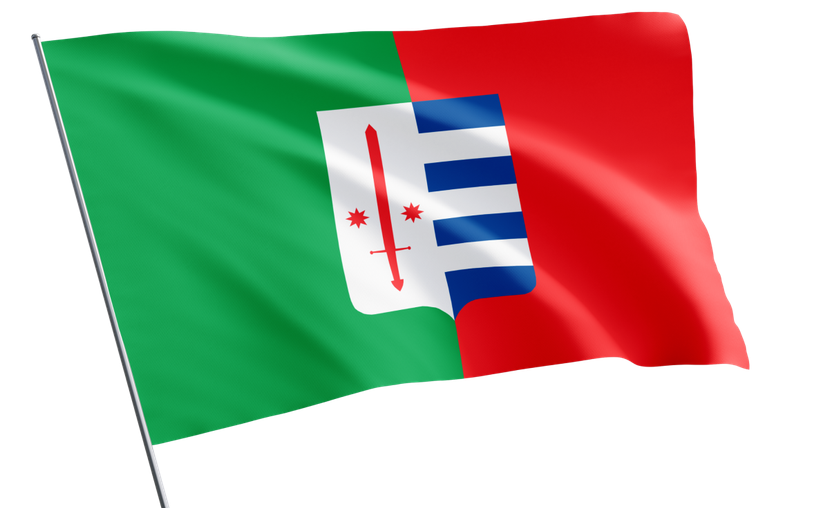
Flag of the Tsageri Municipality
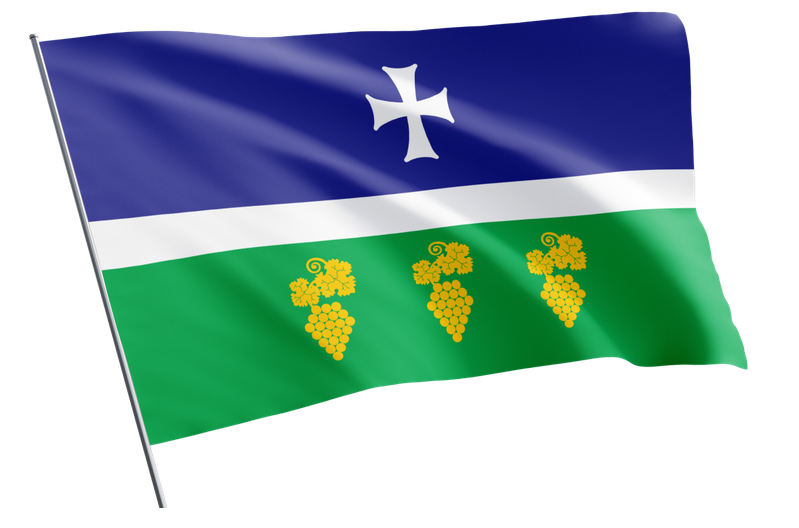
Flag of the Tsalenzhikha Municipality
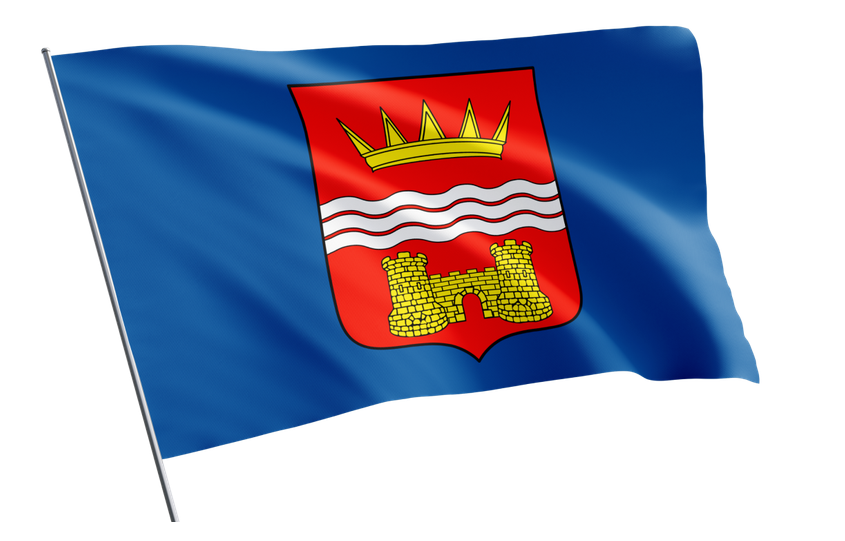
Flag of the Tsalka Municipality
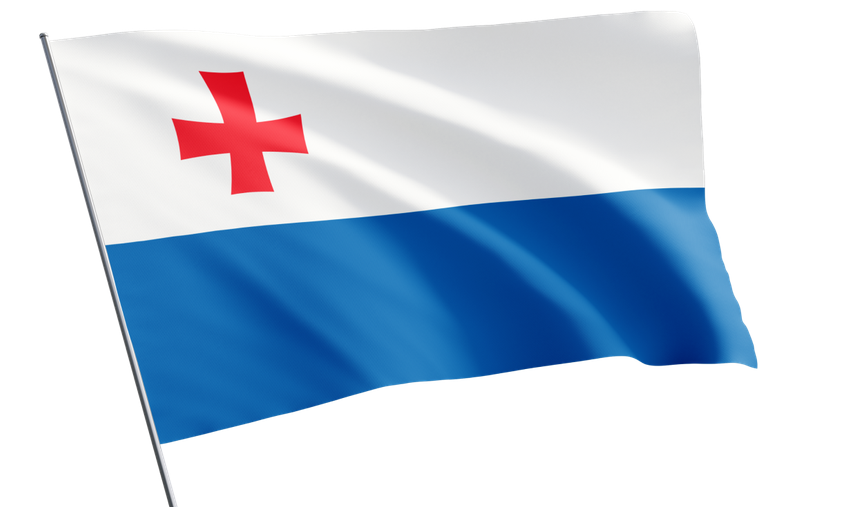
Flag of the Tskhaltubo Municipality
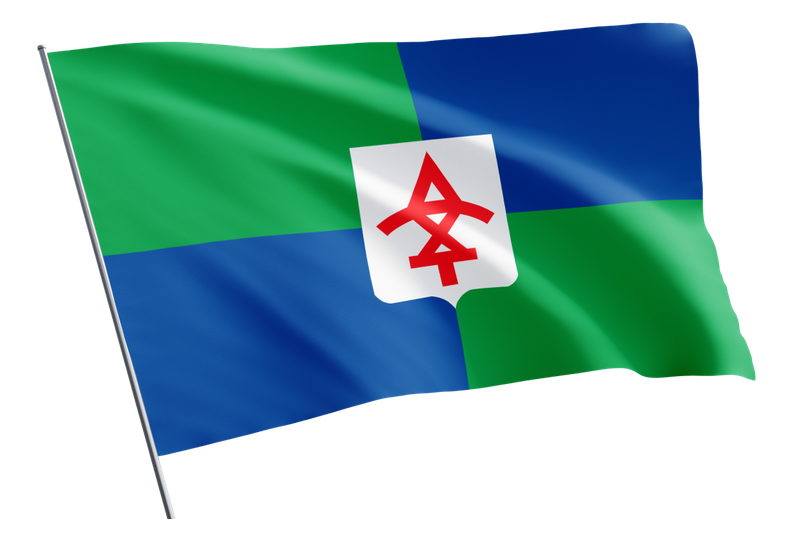
Flag of the Chiatura Municipality
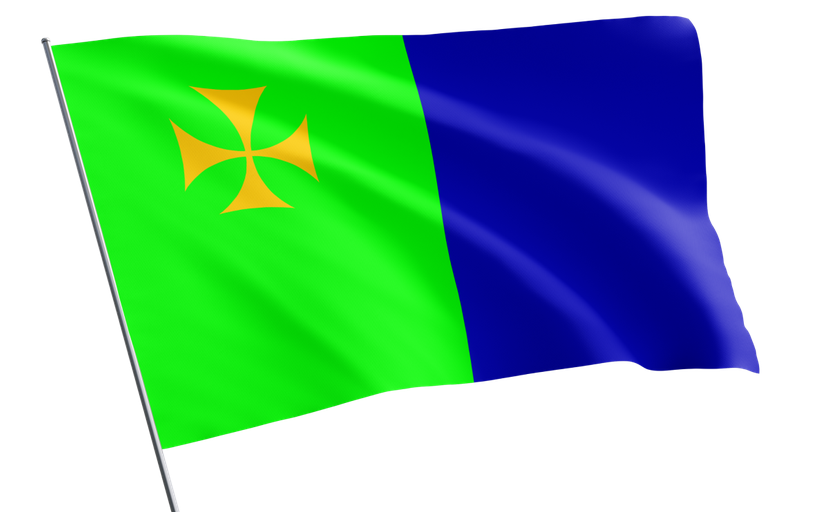
Flag of the Chokhataur municipality
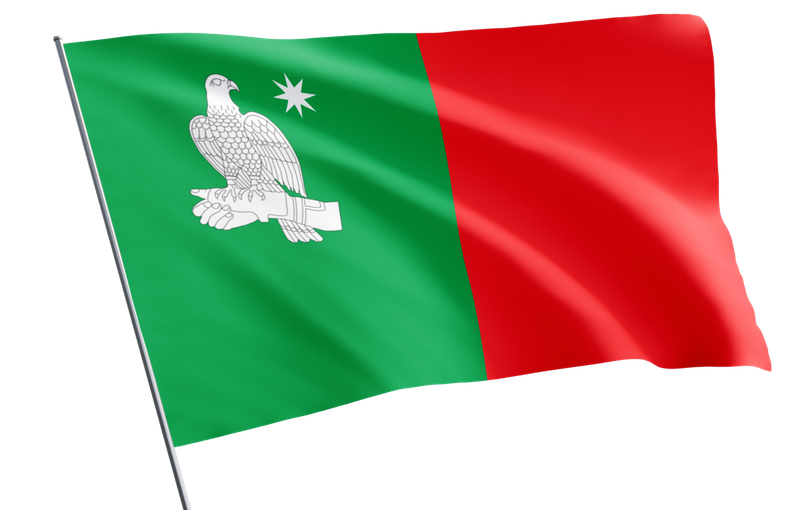
Flag of Chkhorotsku municipality
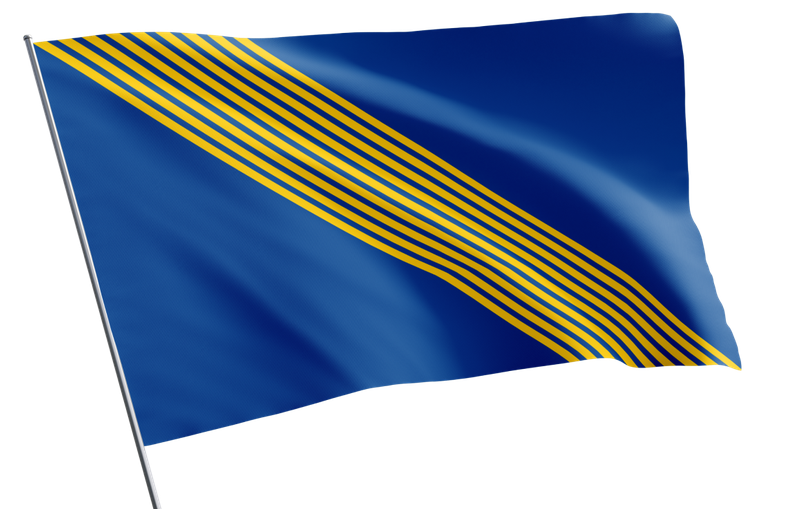
Flag of the Shuakhevsky municipality
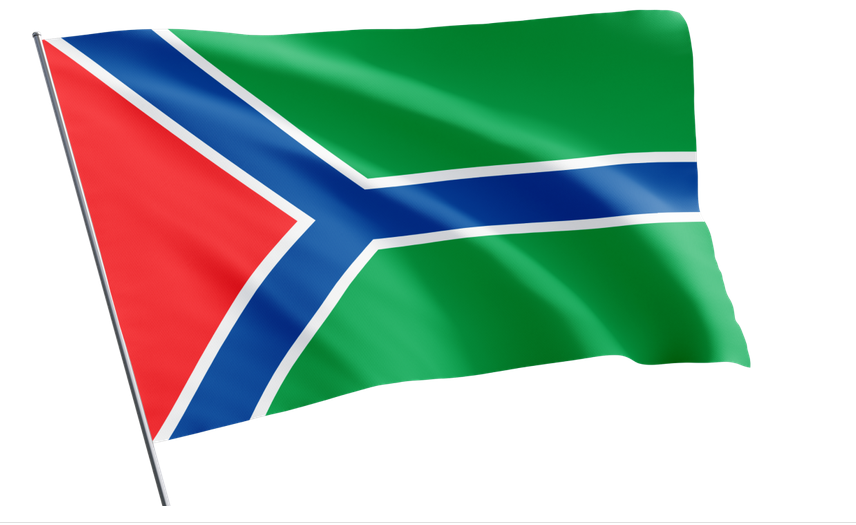
❓ Frequently asked questions about the flag of Georgia
💬 Five: one large red cross spanning the whole flag, and four smaller red crosses, one in each quarter. That's why it's often called the "five-cross flag."
💬 The law only describes what the flag looks like, with no official interpretation attached. Tradition holds that the large cross represents St. George and Christ, and the four smaller ones the four evangelists. Red is read as courage, white as purity and peace.
💬 Parliament approved it on 14 January 2004, and on 25 January the president signed Decree No. 31 setting its exact construction. 14 January is marked annually in Georgia as Flag Day.
💬 A dark red field with black and white stripes in the upper corner near the pole, no crosses. It's the flag of the Georgian Democratic Republic of 1918-1921, reinstated in 1990 and used until 2004.
💬 The width-to-length ratio is 2:3. The exact construction of the crosses was set by Presidential Decree No. 31 on 25 January 2004.
💬 It's most likely the flag of Adjara: seven alternating blue and white horizontal stripes, with Georgia's national flag in the corner. Less commonly, people mean the flag of the Georgian SSR from 1951-1990, though that one had no crosses.
💬 They're known as Bolnur-Katskhuri crosses, named after carvings found in ancient Georgian churches. Together with the large St. George's cross, they form what's called a Jerusalem cross.
💬 No, the design is far older. According to Britannica, a white flag bearing five red crosses was likely already in use by the 14th century, and Tbilisi is marked with a similar cross on the Pizzigani brothers' map from 1367. In 2004, it was formally readopted as the state flag.

38 comments
Log in to leave a comment
Каждый раз, когда вижу его на рынках или в небольших деревнях, где люди живут настоящей жизнью, создается ощущение, что история сама шепчет, что это не просто тряпка, а часть культуры и гордости. И вот эти цвета - белизна и красный - создают контраст, который ловит взгляд, но в то же время как-то успокаивает. 🤔
А какие у вас впечатления, когда видите флаги разных регионов? Каждый, кажется, носит свою историю. 💬
А что насчëт флага Грузии, хочу отметить, что цвета действительно отражают характер народа - дружелюбные и храбрые!