




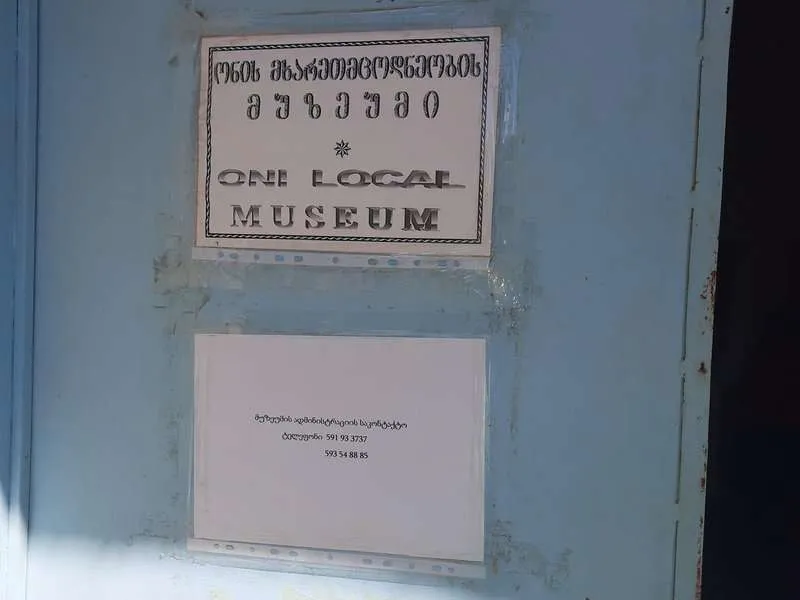
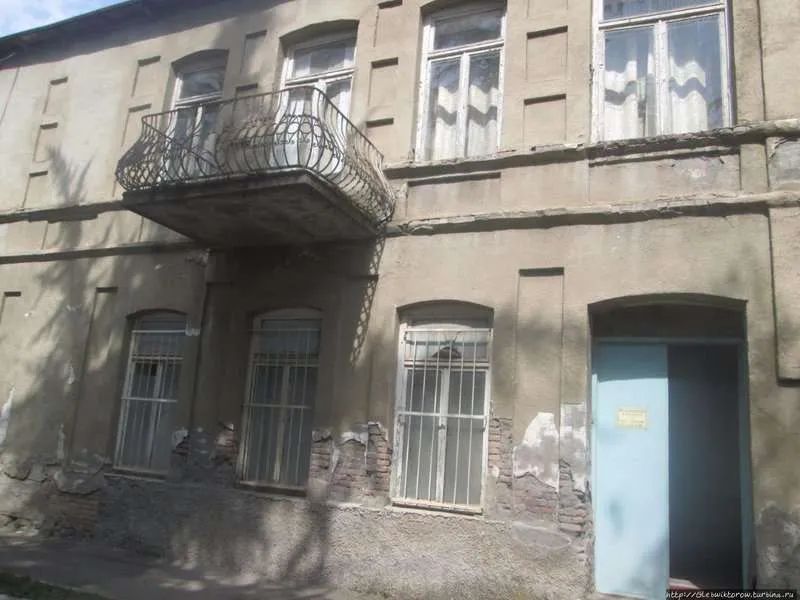
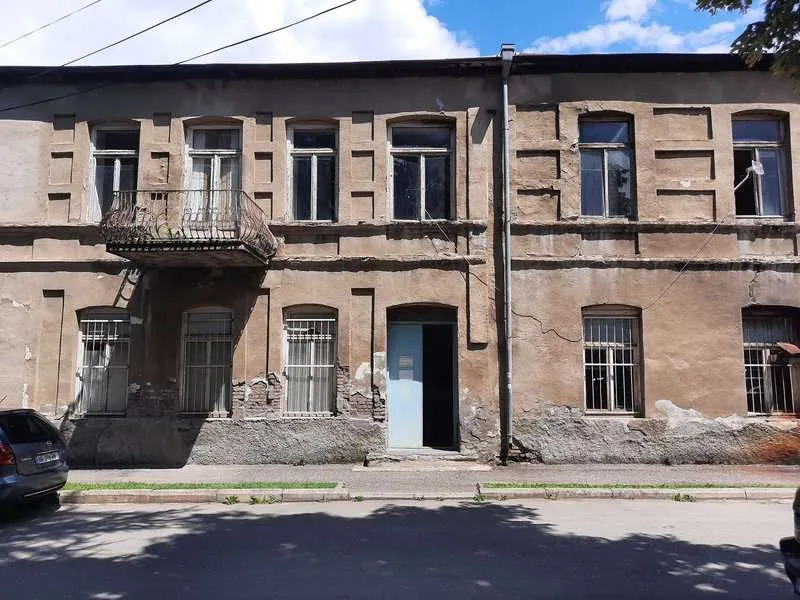
Local History Museum in Oni
Address: Oni, Shota Rustaveli Street, No. 26
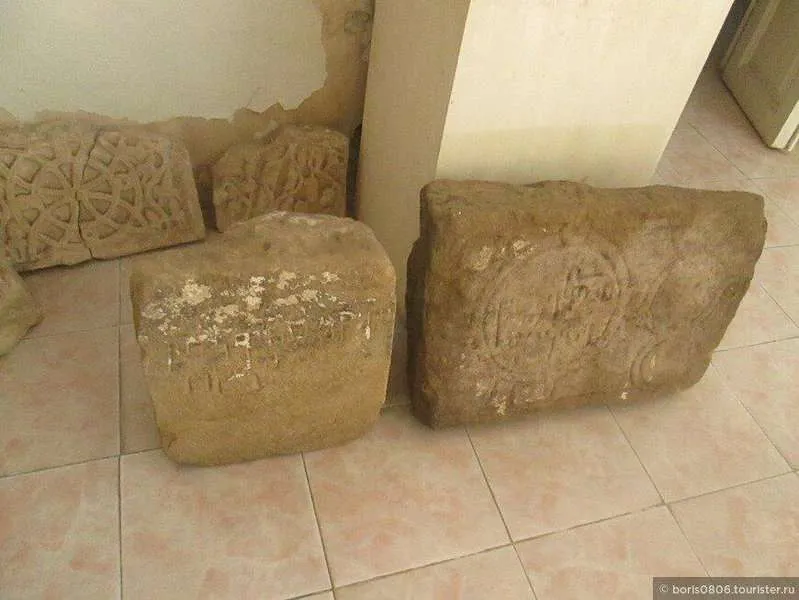
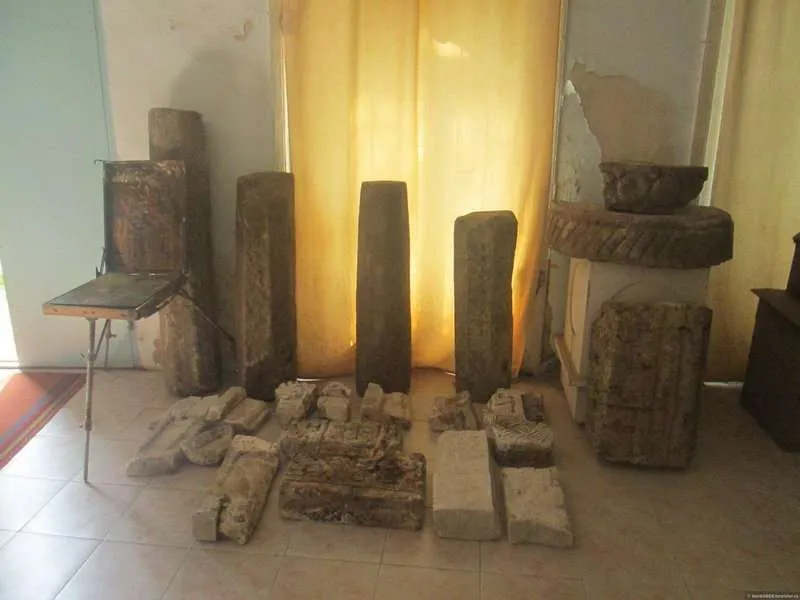
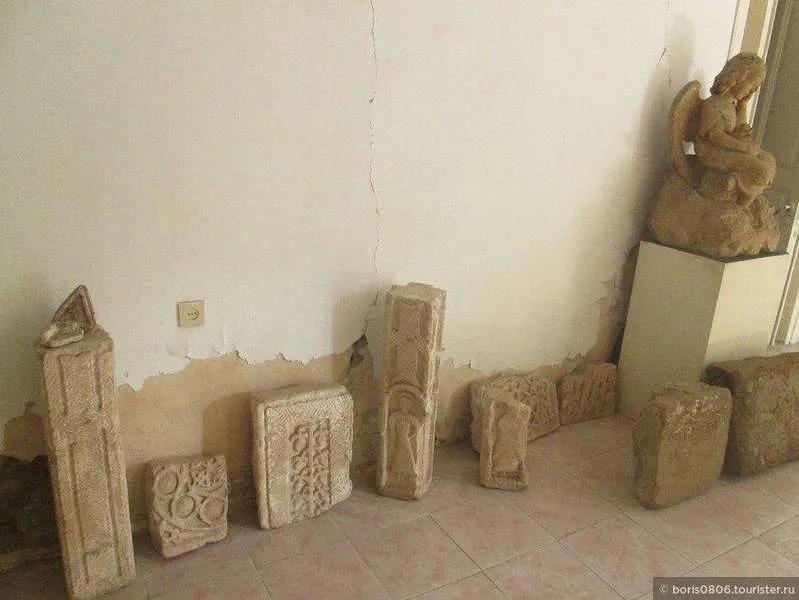
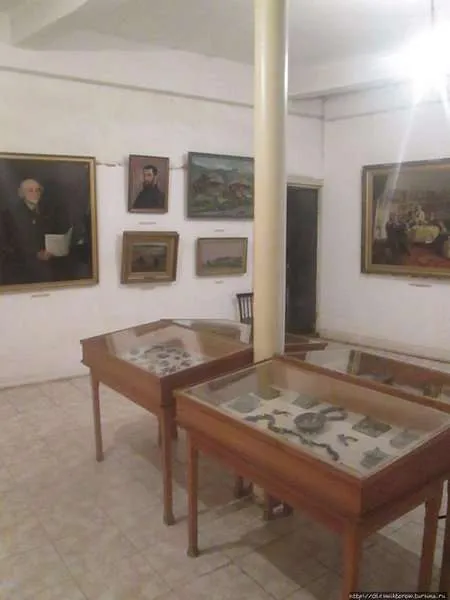
Of the materials of the Oni Museum of Local History, archaeological exhibits are noteworthy.
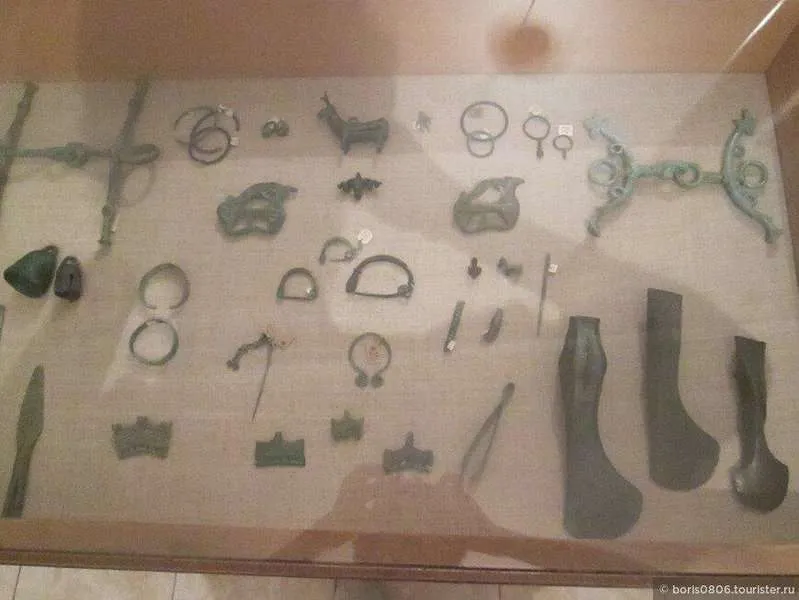
The museum houses a Mesolithic hand axe (10th-8th millennia) from the village of Gari and a flint spearhead from the village of IRI, a Neolithic stone axe (4th-5th millennia) from the village of Shakao, and grain grinding stones from the Eneolithic, Early, Middle, and Late Bronze Ages from the village of Tsmenlauri. Archaeological excavations in the village of Brili have uncovered important artifacts from the Bronze, Early Iron, and Classical periods, including flint arrowheads from the mid-2nd millennium, bronze spearheads (12th-19th centuries BC), sculpted images of Aries (11th-7th centuries BC), spiral hairpins (8th-7th centuries BC), brooches, simple buckles, earrings, bracelets, a gold temple ring (4th century BC), and bells (1st millennium).
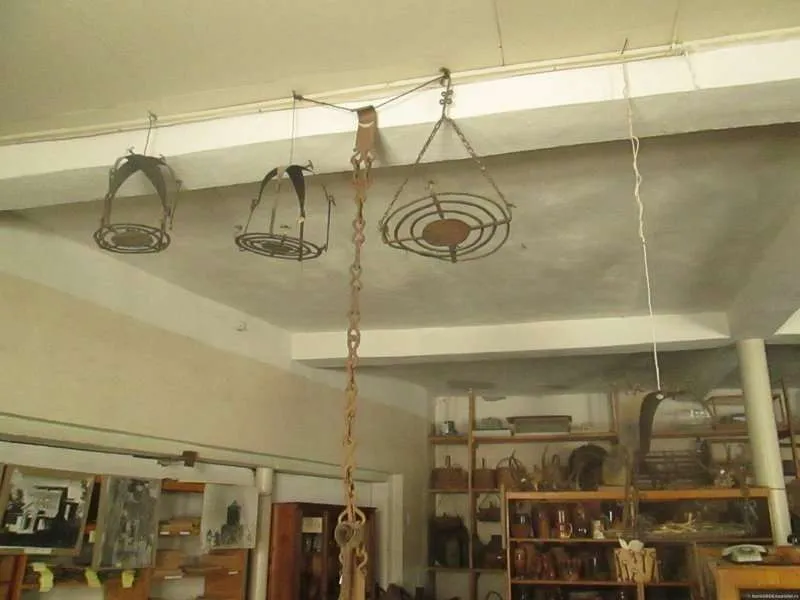
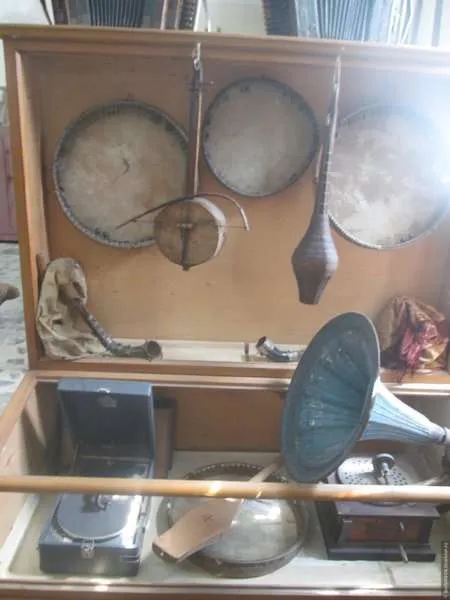
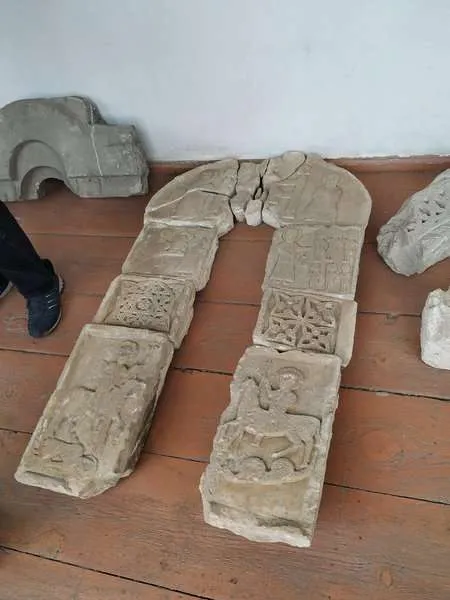
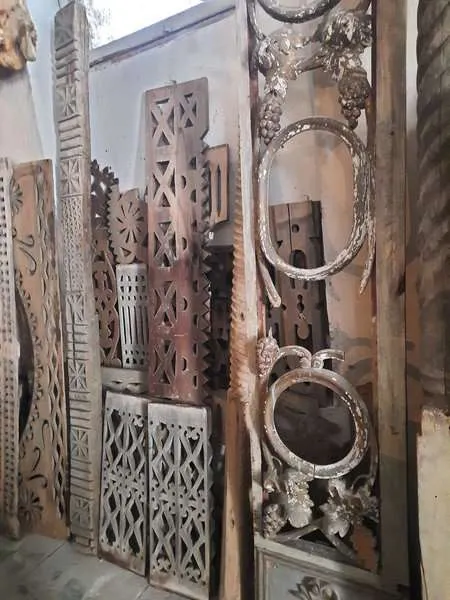
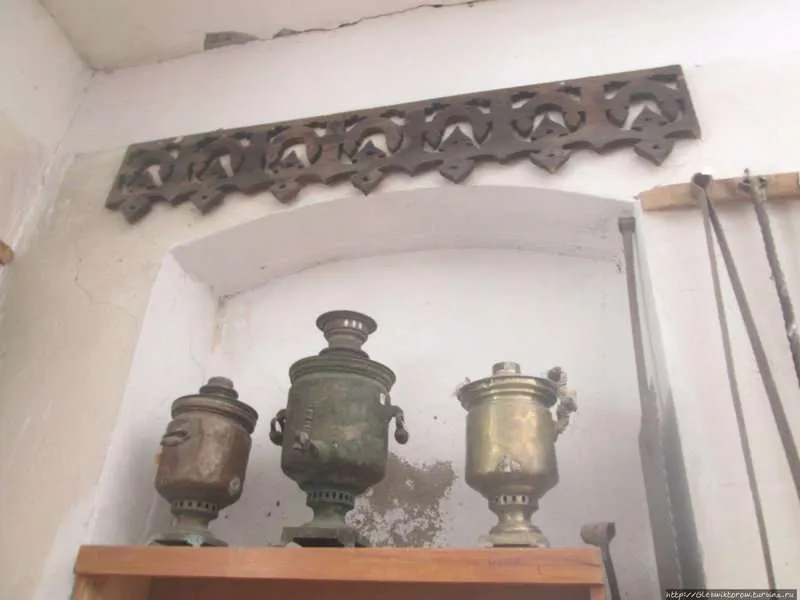
The exhibition space features bronze axes from the Colchian culture (8th-7th centuries BC) and a silver cup from the village of Kvashkhieti (4th century BC). A highlight of the Oni Museum of Local History is its collection of bronze buckles from the 2nd century AD to the 2nd-3rd centuries AD. The museum displays numerous icons, 19th-century crosses, and liturgical objects. The ethnographic collection boasts numerous examples of metalwork.
Of particular interest is the collection of weapons and military armor, which includes Georgian, Russian, North Caucasian, European, and Eastern sabers, swords, and daggers. Dozens of Georgian early printed collections have been preserved, including Sassanid silver coins from the 3rd to 7th centuries and coins of Queen Tamar from the 12th to 13th centuries.
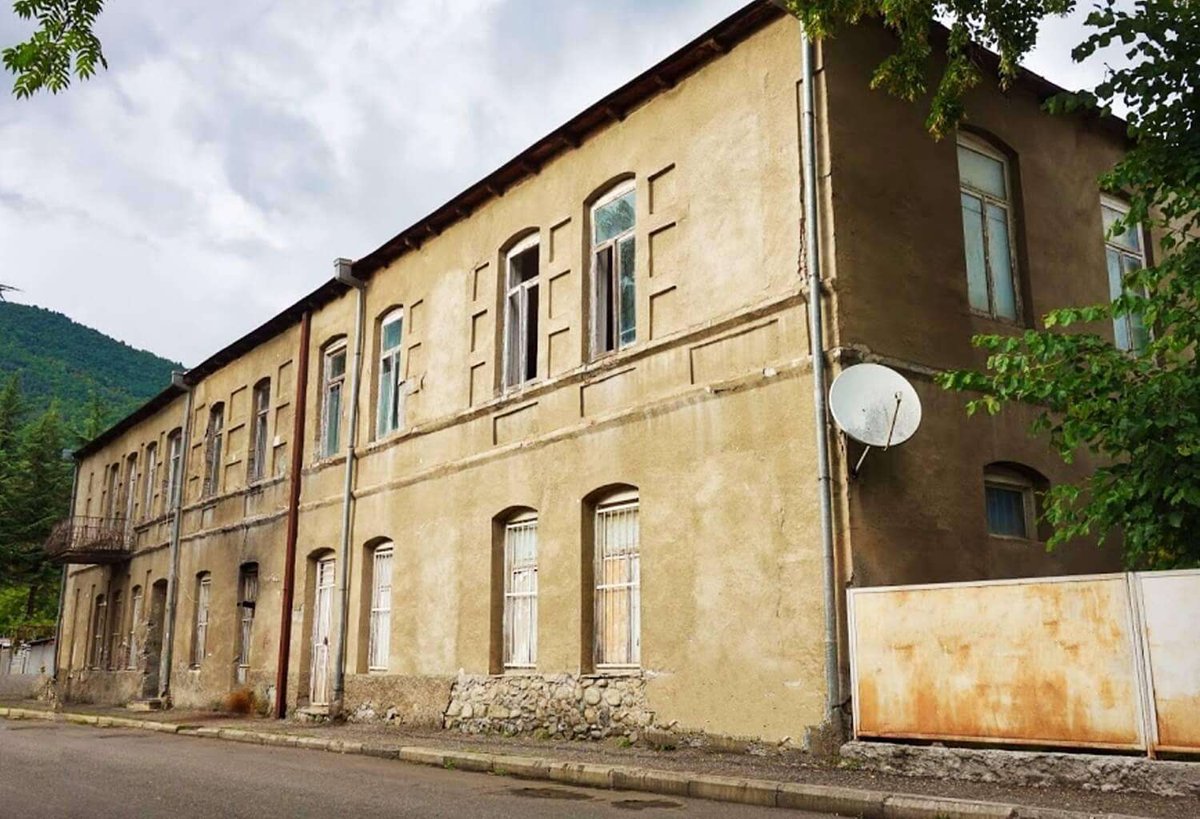
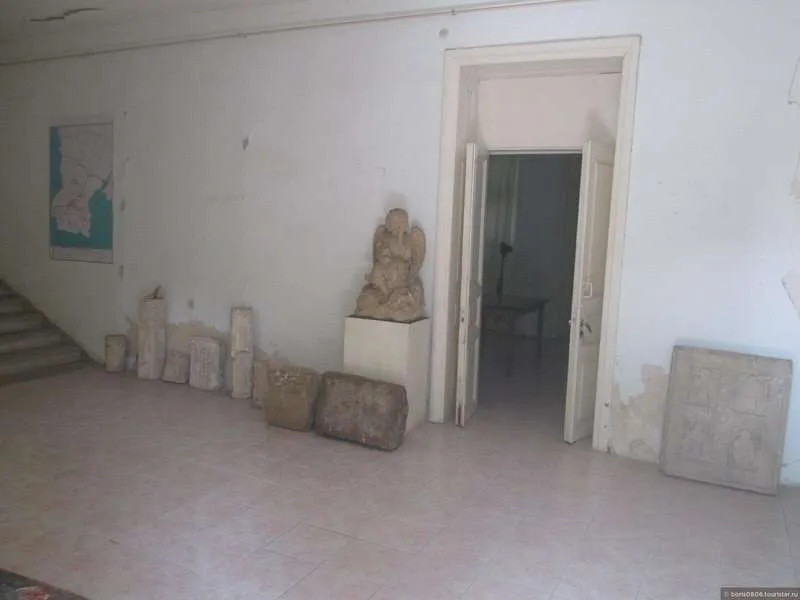
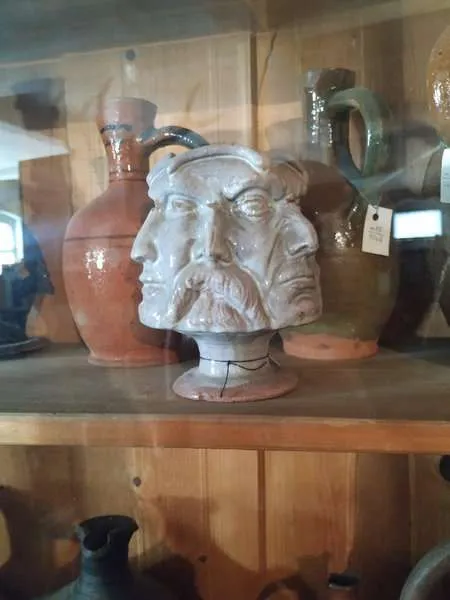
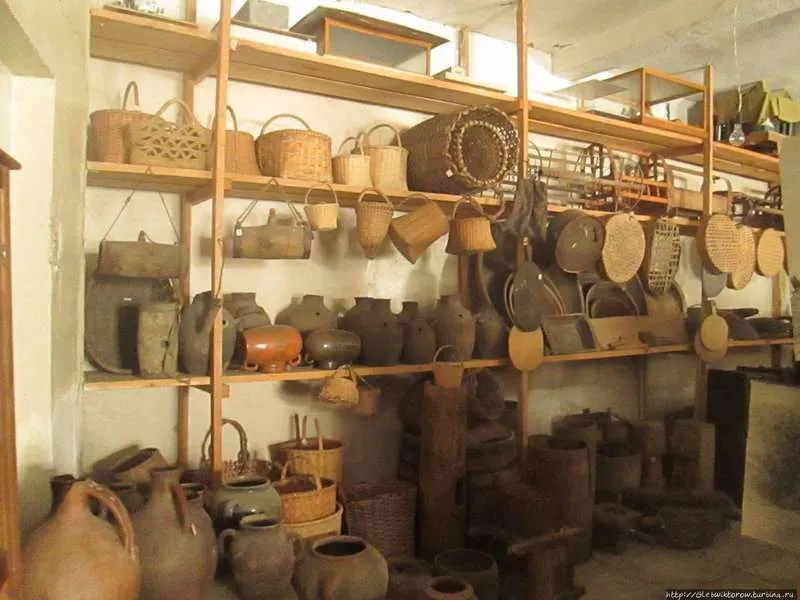
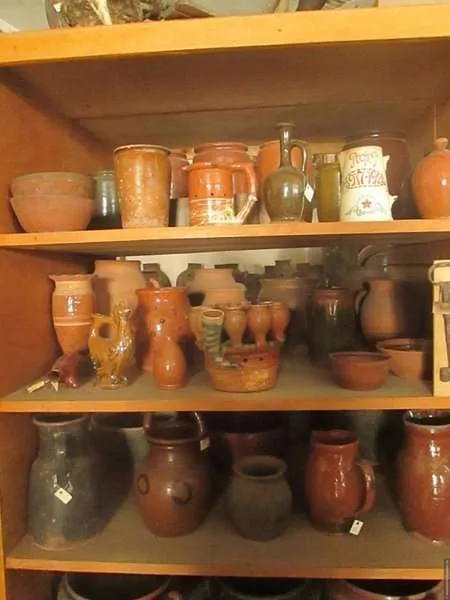
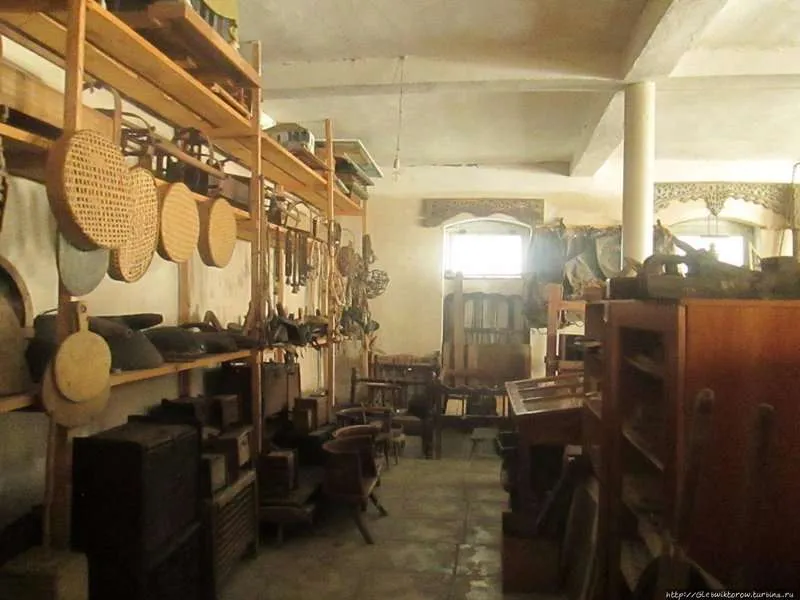
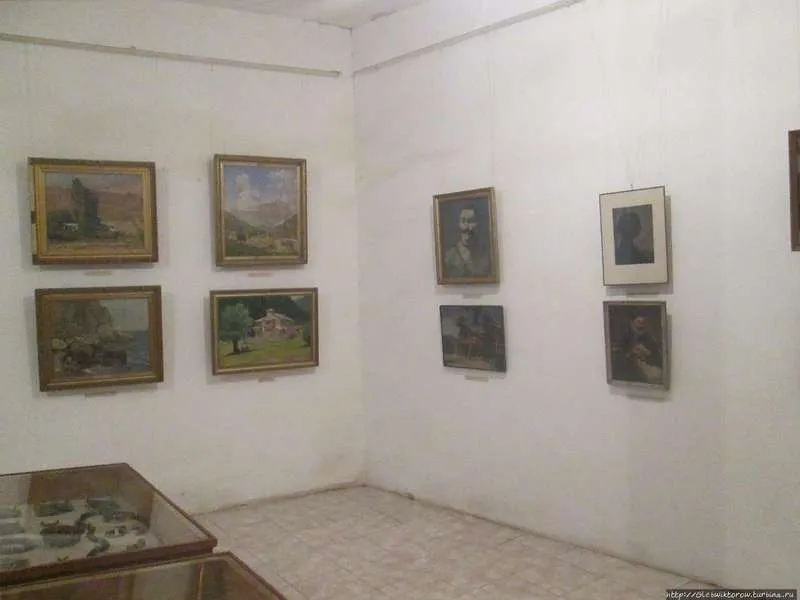
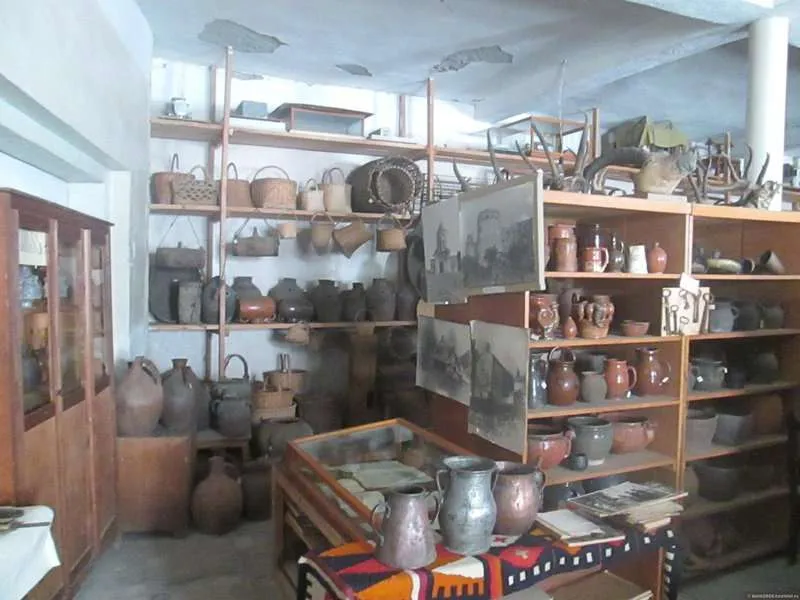
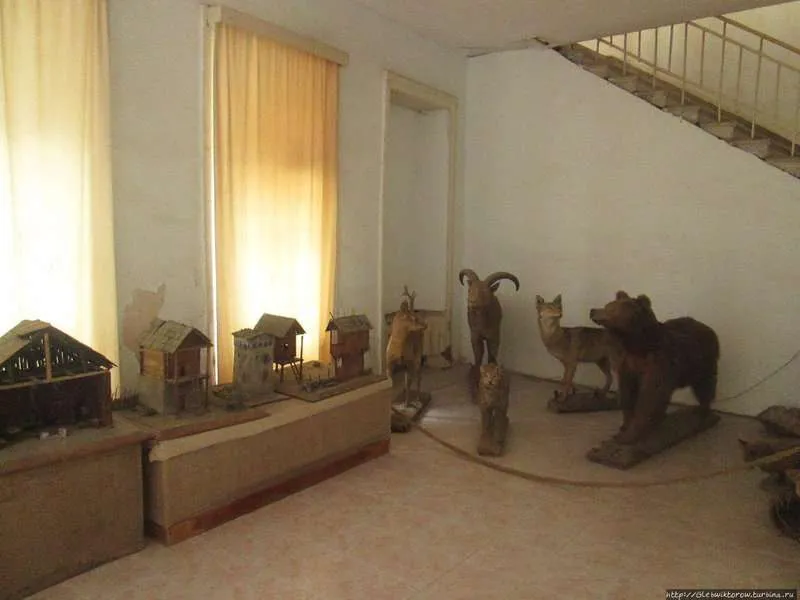
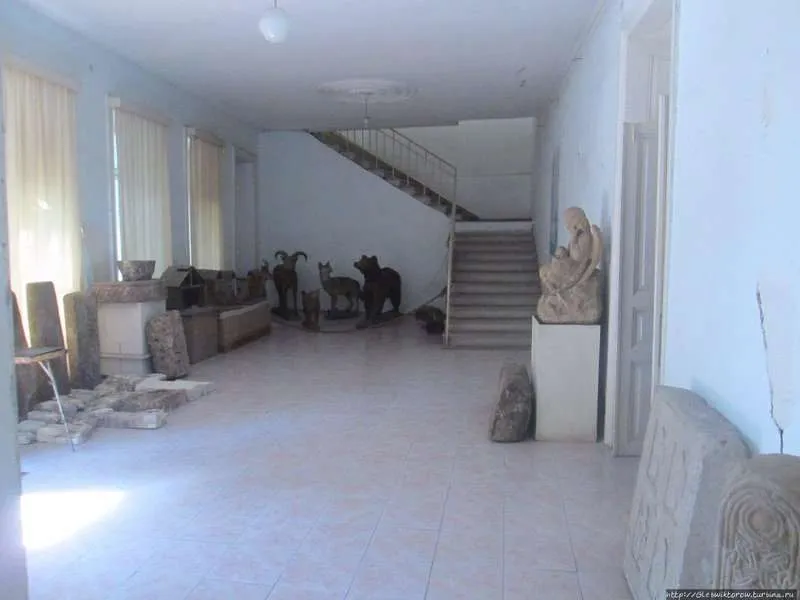
The Oni Museum of Local History, located at 26 Shota Rustaveli Street, houses a rich collection of diverse artifacts from various ages, unearthed during archaeological excavations in Georgia. Among the museum's most valuable exhibits are a Mesolithic hand axe, spearheads, ancient baskets, jewelry, household items, clay vessels, and much more.
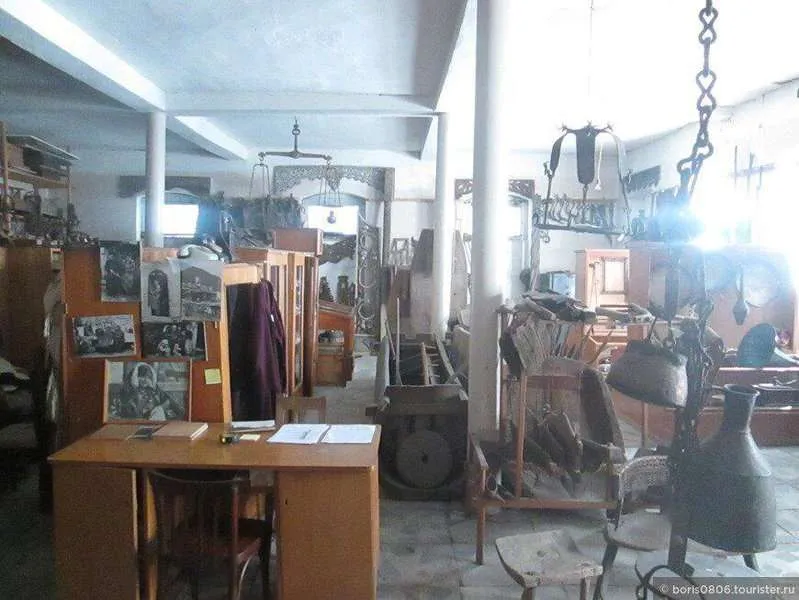
Among the museum's most valuable exhibits are the archaeological finds that provide insight into the history of Georgia and the region as a whole. The museum houses a Mesolithic hand axe (10th-8th millennia) from the village of Gari and a flint spearhead from the village of IRI, a Neolithic stone axe (4th-5th millennia) from the village of Shakao, and grain grinding stones from the Eneolithic, Early, Middle, and Late Bronze Ages from the village of Tsmenlauri. The museum not only offers visitors unique archaeological exhibits but also boasts a rich collection of items related to the history of Georgia's ethnography. The museum displays numerous icons, 19th-century crosses, and liturgical objects. The ethnographic collection boasts numerous examples of metalworking.
Also of interest is the collection of weapons and military armor, which includes Georgian, Russian, North Caucasian, European, and Eastern sabers, swords, and daggers. Dozens of Georgian early printed collections have survived, including Sassanid silver coins from the 3rd-7th centuries and coins of Queen Tamar from the 12th-13th centuries.
The village of Brili is also renowned for its cultural and historical value. Near the museum is the ancient city of Brili, founded in the 4th century BC. It was an important center of the Kingdom of Kartli during the Middle Ages. The remains of a fortress and a church, as well as numerous other architectural structures, are located here. Interestingly, in ancient times, Brili was known for its trade links and metalworking skills, and was also a center of learning.
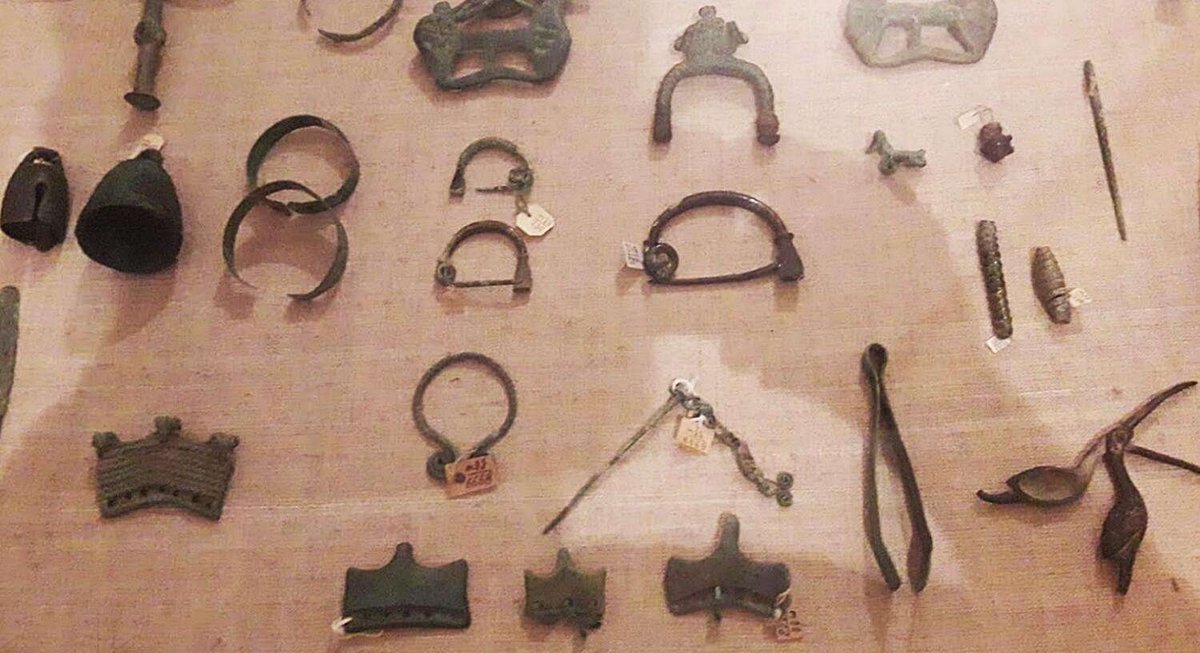
The Brili Museum also features a unique collection of artifacts and household items. The most valuable exhibits include bronze spearheads used in battle during the Bronze Age, as well as numerous jewelry and items made of precious metals such as gold and silver.
The museum also features a collection of national costumes, which bear witness to the rich history and culture of this region. These costumes were made from fabrics produced on local looms and were adorned with embroidery, beads, and other decorative elements. Costumes and accessories, such as belts and scarves, varied depending on the wearer's gender, age, and social status.
One of the museum's most striking exhibits is a collection of Georgian wines, which have been produced in the region since ancient times. These wines have a distinctive deep color and rich flavor, making them unique and sought after by connoisseurs of alcoholic beverages. At the museum, you can learn about the winemaking process, its history, and traditions. The Oni Museum of Local History and the Brili Museum are unique cultural centers that reveal Georgia's rich history and cultural heritage to visitors. Another interesting place to learn about Georgia's history is the Georgian National Museum, located in Tbilisi.
The Georgian National Museum houses rich collections of archaeological finds from various historical periods. Among the museum's most valuable exhibits are Bronze Age artifacts, Byzantine jewelry, early medieval paintings, household items and costumes, and a collection of Georgian folk art.
The museum also displays exhibits related to the history of Christianity in Georgia. The museum's collection includes numerous icons and other ecclesiastical objects dating back to various periods of Georgian history. Particularly interesting is the collection of medieval manuscripts, including the famous "Mzheta Chronicle," one of Georgia's oldest historical documents.
Besides the National Museum, Tbilisi has other museums that introduce visitors to the history and culture of Georgia. One such museum is the Tbilisi History Museum, located in the Old Town. The museum features an exhibition detailing the city's changes throughout its history.
Another interesting museum in Tbilisi is the Chess Museum. The museum displays a rich collection of chess pieces and boards and also explores the history of chess in Georgia.
Historical landmarks in Georgia are among the main attractions for tourists. Among them are several of the most famous fortresses and castles.
One of the most famous fortresses is the Ananauri Fortress, located on the shores of Lake Zhinvali. It was built in the 12th-13th centuries and was used to defend the borders of the Kingdom of Kartli from enemies. Today, the fortress is in ruins, but remains an important historical site.
Another interesting site is the Uplistsikhe Fortress, founded in the 7th century. The fortress sits atop a cliff and, due to its strategic location, was repeatedly used during wars. Today, the ruins of walls and towers can be seen here, still awe-inspiring.
Among the castles to visit in Georgia, Gori Castle, located in the city of Gori, is worth noting. This castle was built in the 10th century and was used to defend against Mongol invaders. Today, a museum dedicated to the history of the city and the castle can be found here.
Another castle worth visiting is Rabati Castle, located in the city of Akhalkalaki. This castle was built in the 9th century and was used to protect the borders of the Kingdom of Imereti. Today, a museum can be found here, as well as restaurants and shops located on the castle grounds. Overall, Georgia's historical sites are rich and unique, allowing visitors to immerse themselves in the history and culture of this beautiful country.
We encourage our readers to leave comments and ask questions below each article. Your opinion is very important to us and will help us make our content even better and more interesting!

35 comments
Log in to leave a comment
It’s fascinating to think that a simple axe or a piece of jewellery could tell us so much. My son was particularly fascinated by the spearheads, claiming they looked like something out of a superhero movie. And then there’s the feeling of connection - knowing that people walked this earth, lived, loved, and experienced joy and heartache just like us, thousands of years ago. This little museum captures that essence perfectly. If you’re ever in Oni, do yourself a favour and stop by.