




Chiatura Local Lore Museum: History, Exhibits, and Visit
The Chiatura Museum of Local History is located in the Chiatura Cultural Center.
The museum houses over 13,000 exhibits, including bronze axes, spearheads, pins, and beads discovered during archaeological excavations in the Chiatura area and dating back to the 3rd millennium BC. Numismatic and ethnographic materials, including paintings and examples of applied art by local artists and craftsmen, photographs, and various documents, are also on display.
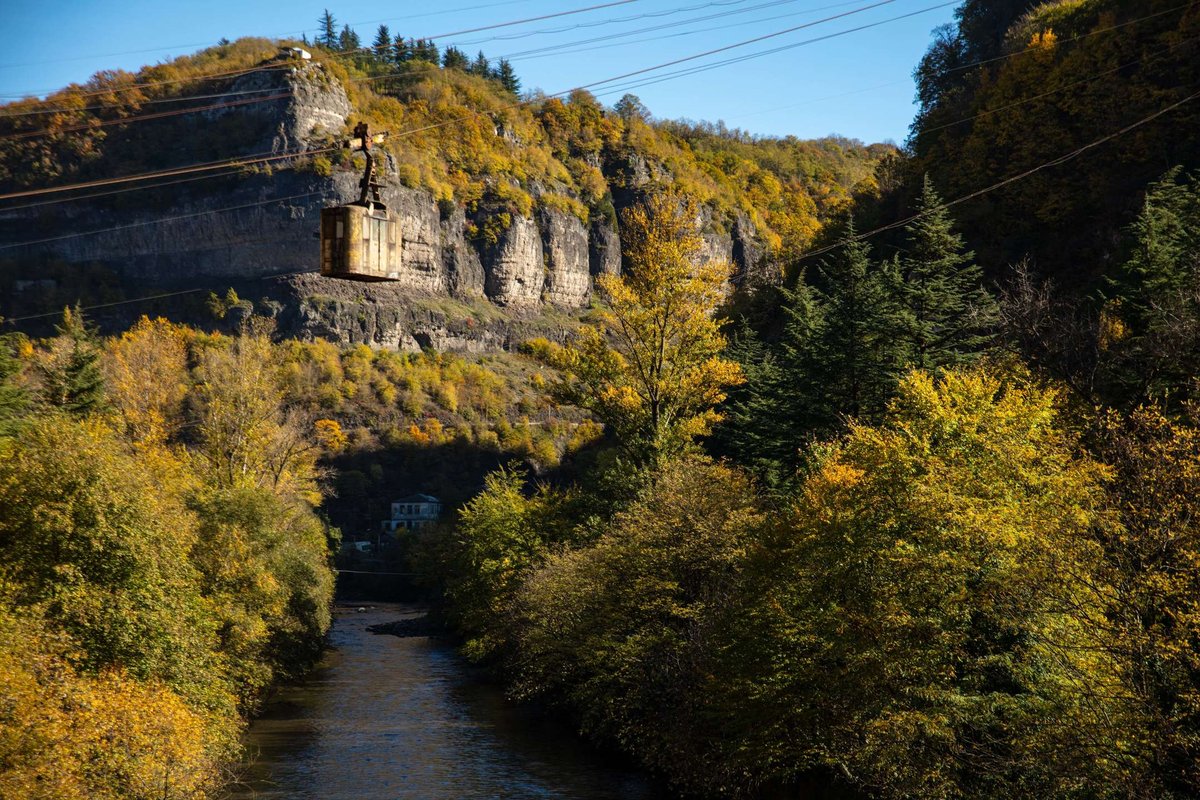
Of particular note are the materials documenting the discovery of manganese and its industrial development. Chiatura manganese was first discovered in 1846 by the German Hermann Abich, nicknamed the "Father of Caucasus Geology." In 1879, Akaki Tsereteli took charge of industrial manganese mining. In 1928, after the cancellation of the Harriman concession, the Chiatura Manganese Trust was established. In 1895, the first narrow-gauge railway was opened in Chiatura, and in 1900, the first freight cable car.
The Chiatura Museum of Local History is located in the town of Chiatura, located in the Caucasus region of Georgia. The museum was established in 1977, and since then, it has amassed over 13,000 exhibits reflecting the history and culture of the region.
Some of the most valuable items in the collection are bronze axes, spearheads, pins, beads, and other household items dating back to the 3rd millennium BC. These exhibits were discovered during archaeological excavations in Chiatura and provide unique evidence of the region's ancient history.
The museum not only preserves the material traces of Chiatura's history but also presents a wide range of arts and crafts. Here, you can see works by local artists and craftsmen reflecting traditional techniques and styles, as well as a variety of items made from local materials. Some of these are of great scientific and artistic value and can serve as objects of study for art historians, ethnographers, and historians.
One of the most interesting exhibits is the collection of numismatic materials. It features coins and other monetary units used in Chiatura and neighboring regions during various historical periods. These items not only reflect the economic history of the region but can also serve as a source of information for studying local trade relations and contacts with other peoples.
Hermann Abich, known as the "Father of Caucasus Geology," discovered manganese in the region, and Chiatura manganese became an important element of Georgia's economy. In 1879, Akaki Tsereteli took charge of industrial manganese mining, and in 1928, after the Harriman concession was cancelled, the Chiatura Manganese Trust was established.
Despite the significant role of manganese in the development of Chiatura, the region is also rich in other natural resources. In particular, deposits of minerals such as aluminum, iron, and gold have been discovered in Chiatura. Furthermore, the Chiatura Museum of Local History houses a rich collection of minerals and rocks, which attracts specialists from around the world.
Beyond its resources, Chiatura boasts other attractions. For example, in 1895, the first narrow-gauge railway was commissioned in Chiatura; it is still in operation and is one of the region's main tourist attractions. Chiatura also boasts several active waterfalls, attracting tourists with their beauty and grandeur.
An important element of Chiatura's culture is the traditions and customs of the people of this region. Many of these have survived to this day and are unique additions to Georgia's cultural heritage. Chiatura's historical monuments, including ancient churches and fortresses dating back to the Middle Ages, are also worth noting.
The Chiatura Museum of Local History is one of the main attractions in the area. It contains a rich collection of exhibits reflecting the history of the town and its surrounding area, including archaeological finds, household items, documents, and photographs related to the lives and activities of local residents.
The Chiatura Museum of Local History is located in the historic building of the town's cultural center and is one of Chiatura's main attractions. The museum displays over 13,000 exhibits, including items found during archaeological excavations in Chiatura.
One of the museum's most valuable exhibits is a collection of bronze axes, spearheads, pins, and beads dating back to the 3rd millennium BC. These items testify to the existence of an ancient civilization in Chiatura that was skilled in the manufacture of high-quality metalwork.
The museum also displays examples of paintings and applied art by local artisans, demonstrating the high level of craftsmanship and creativity of the local people. Manganese mining plays a key role in the history of Chiatura and the surrounding area. The first manganese deposits in Chiatura were discovered in 1846 by the German geologist Hermann Abich. In 1879, Akaki Tsereteli took charge of industrial manganese mining, which generated enormous revenues for the Russian Empire.
Industrial manganese mining began in Chiatura and became one of the main economic sectors of the city and its surrounding area. In 1928, the Chiatura Manganese Trust was established, becoming the largest manganese company in the Caucasus.
An important part of Chiatura's history was the discovery of manganese in its territory. In 1846, the German geologist Hermann Abich discovered a manganese deposit here, and industrial mining began in 1879. Akaki Tsereteli, a native of Chiatura, led the industrial manganese mining industry and attracted investment to the region. In 1895, the first narrow-gauge railway was built in Chiatura, and in 1900, the first freight cable car. In 1928, after the Harriman concession was cancelled, the Chiatura Manganese Trust was established, overseeing manganese mining and processing in the region.
Although manganese mining was Chiatura's primary industry, the town is also rich in cultural and historical attractions. For example, the Chiatura Museum of Local History is an important part of the town's cultural life. Housed in the cultural center, it houses over 13,000 exhibits reflecting the history and culture of Chiatura. Among these are bronze axes, spearheads, pins, and beads discovered during archaeological excavations in Chiatura and dating back to the 3rd millennium BC, as well as numismatic and ethnographic materials, paintings and examples of applied art by local artists and craftsmen, photographs, and various documents.
One interesting fact about the history of Chiatura is that it is home to one of the oldest churches in Georgia—the Chiatura Monastery. It was founded in the 5th-6th centuries and then rebuilt in the 10th-11th centuries. The monastery is located on a mountain and offers stunning views of the surrounding area. It was founded in the 9th century and has undergone a long historical journey since then. In the 10th century, the monastery was destroyed by Arab invaders, but was rebuilt in the 11th century thanks to donations from the Georgian Queen Tamar. In the 17th century, the monastery was destroyed again, this time as a result of the war between Persia and the Ottoman Empire, but was restored again in the 18th century. In the 19th century, the monastery was extensively rebuilt in the Georgian Baroque style. Numerous icons and relics are preserved in the monastery, among which the cross of St. Nino and her skull are particularly notable.
The cross of St. Nino is one of the most significant Christian holy artifacts in Georgia. According to legend, Nino, who lived in the 4th century, brought the cross on which Jesus Christ was crucified to Georgia. The cross became a symbol of Christianity in Georgia, and its veneration is associated with many miracles and healings. The skull of St. Nino is also considered a holy artifact; it is kept in the monastery and is an object of veneration for believers. Gelati Monastery is also famous for its ancient manuscripts and books. It houses one of the oldest Georgian manuscripts, "Merilo Sakartvelo," written in the 10th century in the Georgian language and Georgian alphabet. This is the first Georgian work on geography and encyclopedia, describing Georgia's borders, as well as its customs, plants, animals, and famous figures. The monastery also houses numerous other ancient manuscripts, including illuminated ones. Gelati Monastery was founded in the 12th century by Prince David of Georgia, also known as David the Builder. This monastery is one of the main cultural and heritage monuments of Georgia and was inscribed on the UNESCO World Heritage List in 1994.
Gelati Monastery is renowned for its architecture, which combines elements of Georgian and Byzantine styles. The monastery contains numerous works of art, such as frescoes, icons, and wood carvings. Particular attention is given to the books housed in the monastery library, which are unique monuments of Georgian culture and literature.
Gelati Monastery also served as an important center of education and science. It was home to one of the oldest academies in Eastern Europe, the Gelati Academy, founded in the 12th century and operating until the 18th century. The Gelati Academy is known for its renowned scholars, such as George of Mephesus, a distinguished geometer and scholar of his time.
Besides its cultural and scientific significance, Gelati Monastery is an important religious center in Georgia. Thousands of pilgrims flock to the monastery annually to venerate its relics and express gratitude for its grace and blessing.
A visit to Gelati Monastery is a must for anyone interested in Georgian history and culture. Tourists can explore the monastery and learn about its rich history and heritage.
Please feel free to leave your comments and ask any questions below our article. Your opinion is important to us and we will be happy to answer all your questions!

33 comments
Log in to leave a comment
Отличное место, чтобы познакомиться с историей Грузии!