




Silk Museum in Tbilisi: History and Collections
🪱 Sericulture Museum · ⏱️ 1–1.5 hours · 📍 6 Giorgi Tsabadze Street, Tbilisi
🧵 Before you visit
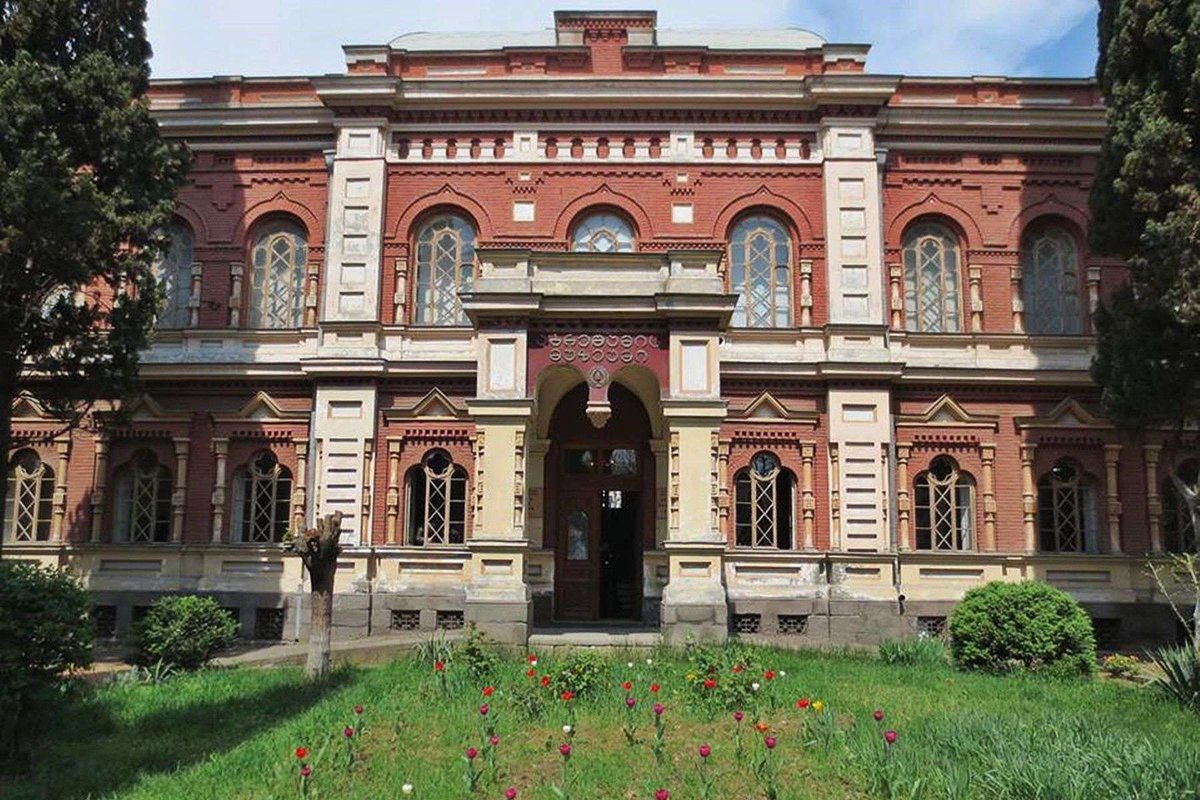
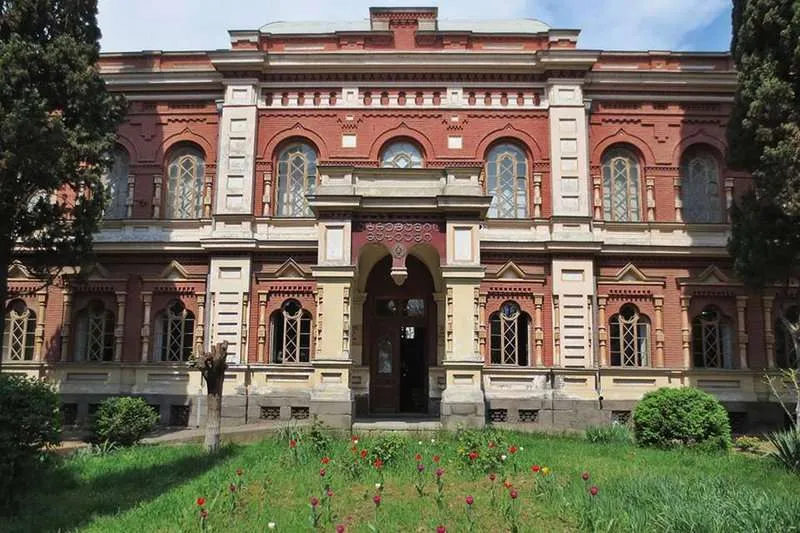
| 📍 Address | Zandukeli Street, Tbilisi. Two-storey building in greenery — historical monument since 1996 |
| 📅 History | Founded 1887 by the Caucasian Handicraft Committee. In the current building since 1892 |
| 🗃️ Collection | 5,000+ cocoon varieties, silk thread, weaving looms, French fabrics, exotic butterflies |
| 🏛️ Building status | Historical monument since 1996. Surrounded by trees and a tended garden |
| 🎓 Events | Exhibitions, lectures, seminars, silk-production masterclasses |
| 💰 Entry | Confirm prices before your visit |
🧭 Who this article is for
The Silk Museum is a place most tourists walk past without knowing it exists. From outside: a two-storey building surrounded by greenery. Inside: one of the world's largest collections of silkworm cocoons, 19th-century weaving looms and living mulberry trees in the courtyard. This article is for those who want to step off the main tourist routes and understand how silk connects to the history of Georgia and the entire Caucasus.
📜 History: from the Silk Road to Tbilisi
Silk reached Georgia as early as the 6th century — along the Silk Road from China. In medieval Georgia, silk fabrics were used at the royal court and to decorate churches. By the 18th century, Georgia was exporting silk to Russia and Europe.
In 1887, the Caucasian Sericulture Committee was established in Tbilisi — a government body dedicated to studying and developing silk production across the Caucasus. It was founded and led by Nikolai Shavrov, a member of the Moscow Imperial Agricultural Society, who brought back from Europe the first key collections that became the museum's foundation.
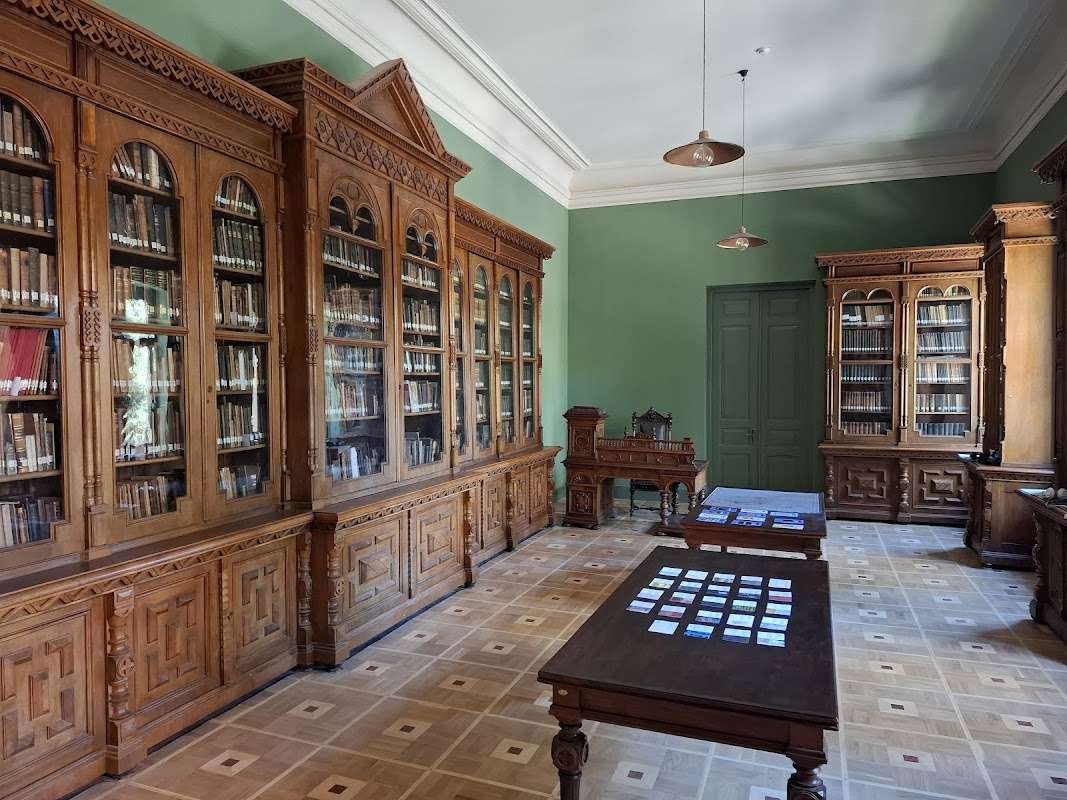
The museum has been in its current building since 1892. In 1930 it became the Sericulture Station, with a museum and library. In 1996 the building was declared a historical monument.
🐛 What the collection holds
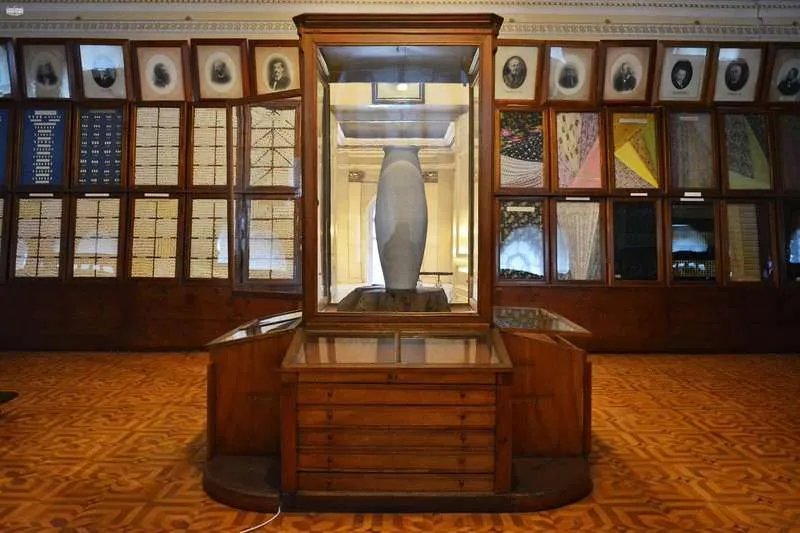
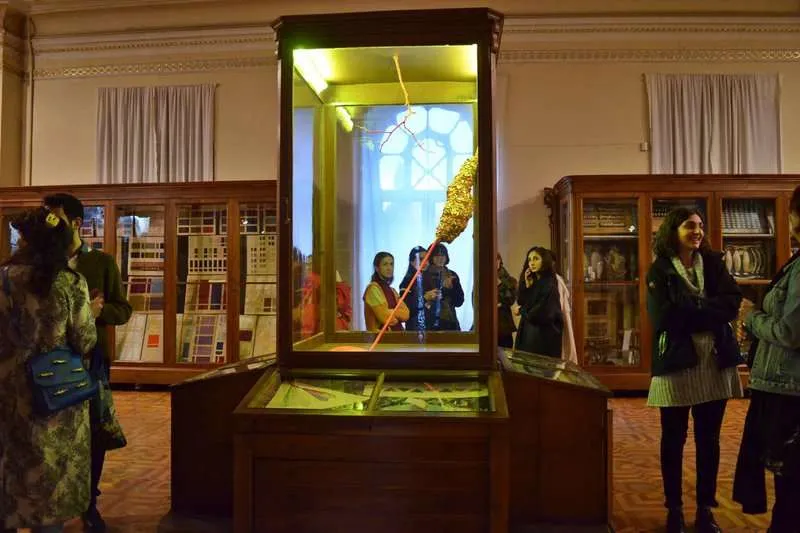
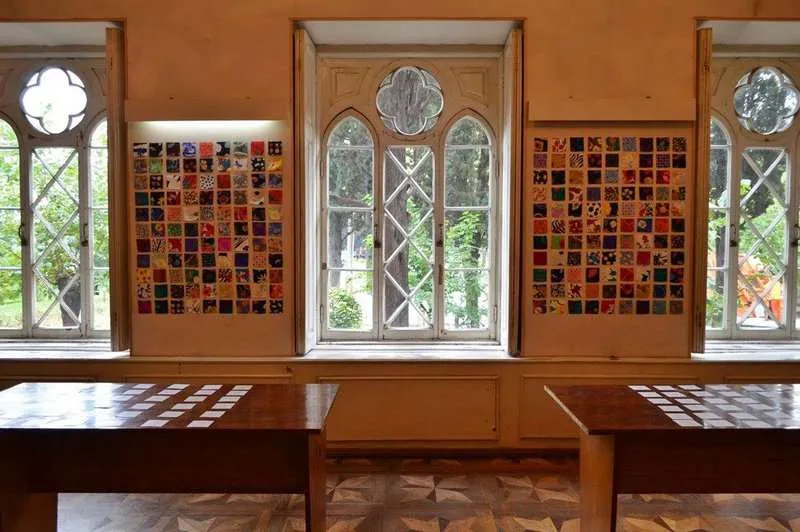
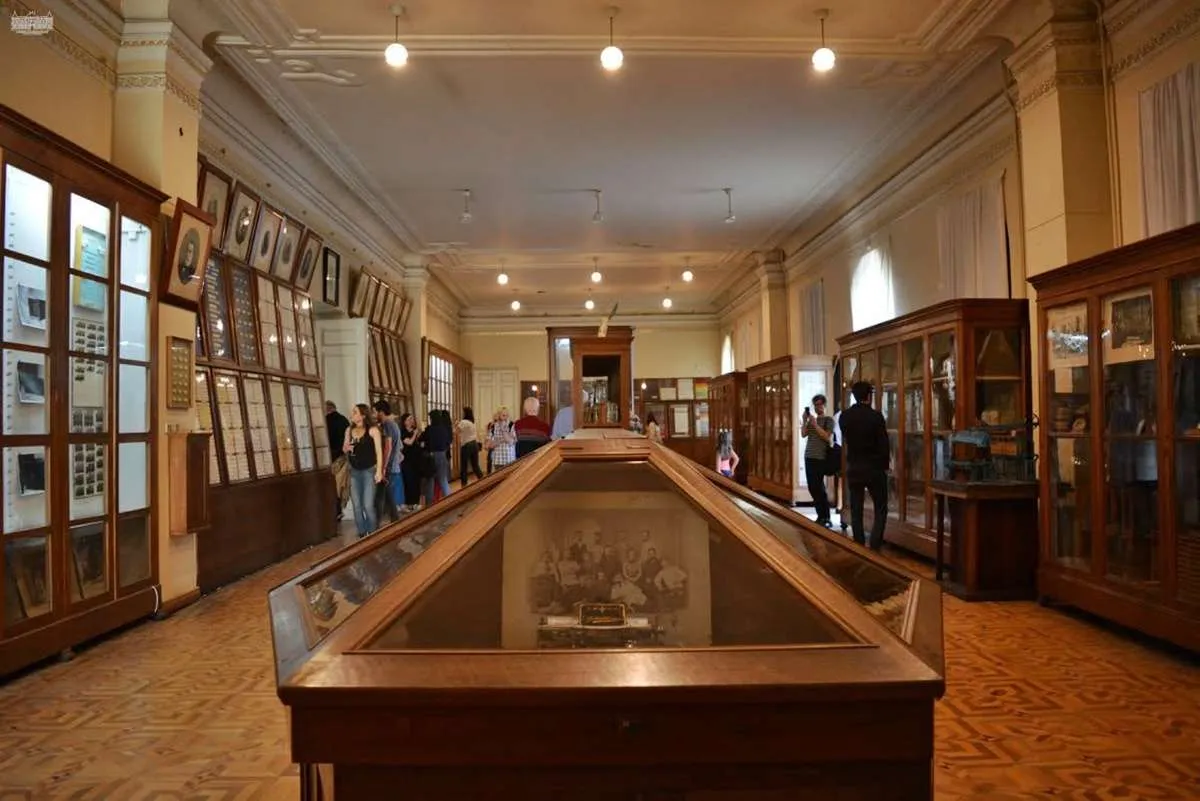
- Cocoons — 5,000 varieties. The museum's centrepiece. Cocoons from Georgia, Asia, Europe and Africa, in different shapes, sizes and colours. Most visitors are surprised by just how varied they are.
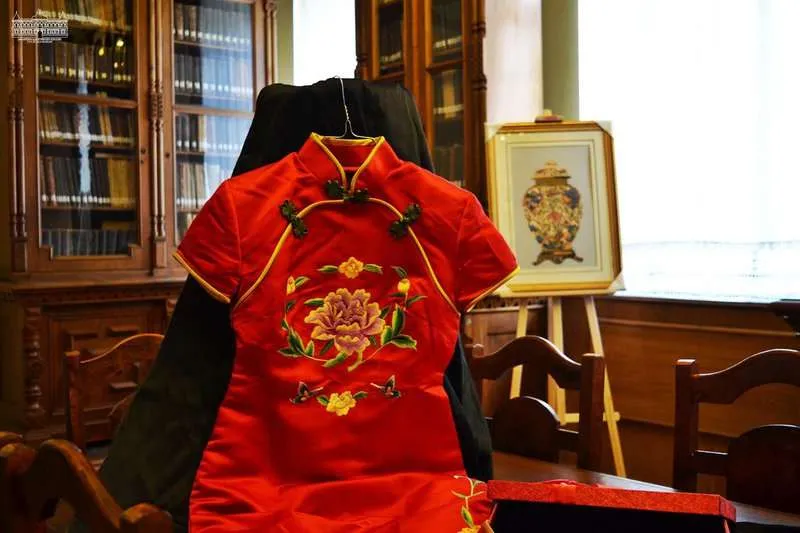
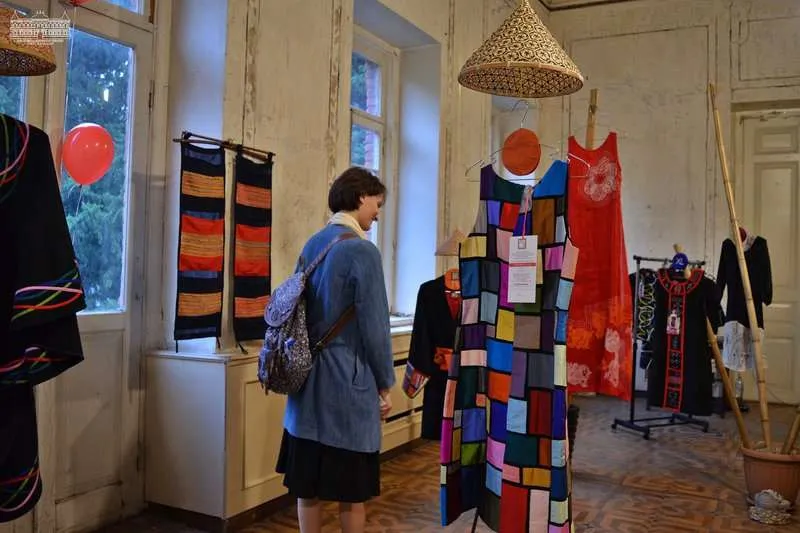
- Silk thread and fabrics. Both thread samples and finished fabrics, including first factory-produced textiles (mainly French, from the 19th century).
- Weaving looms. Historical looms of different types, showing exactly how silk was produced before industrial machinery.
- Photographic materials. Documentary photographs connected with sericulture in the Caucasus — production, markets, people, traditions.
- Collection of exotic butterflies. One of the most unexpected parts of the museum: silk moths and other rare species from around the world.
- Mulberry trees grow on the museum grounds — you can see the living tree whose leaves are the sole food of the silkworm.
If you visit in spring or early summer, ask the staff about the mulberry trees and live silkworms. At the right time of year you can watch live caterpillars and sometimes even feed them. The exotic butterfly collection at the end of the exhibition tends to surprise people more than they expect.
🗺️ How to plan your visit
1️⃣ Start outside — look at the building and the tended garden. This is late 19th-century architecture and a historical monument.
2️⃣ In the main exhibition, find the cocoon section — 5,000 varieties look strikingly different: some white and fluffy, others golden or nearly transparent.
3️⃣ Move to the weaving looms — here you can see exactly how silk was produced before factories.
4️⃣ Pay attention to the French fabrics section — first industrial samples from the 19th century that shaped European fashion.
5️⃣ End in the butterfly collection room — the most unexpected part of the museum, which thematically rounds out the whole story.
💬 What visitors say
"A really great place. The impressive two-storey building is surrounded by greenery — trees, bushes, flowers. A well-kept garden in front. Not very visible from the street — maybe that's why there are hardly any tourists here."
"Visited with my family last summer. The number of exhibits was impressive — there really are more than 5,000 types of cocoons! The collection of exotic butterflies was especially striking. Definitely worth visiting even if you're not particularly interested in the history of silk."
"What struck me was being able to feed the silkworms with mulberry leaves — but only at a certain time of year. The staff gave a detailed account of the history of silk production in Georgia."
🏁 Is it worth going
The Georgian State Silk Museum is one of those places where it's hard to say in advance how much you'll enjoy it. But nearly everyone who finds their way here is surprised. 5,000 cocoon varieties is not an abstract number — it's hundreds of drawers of samples from all over the world, each one a different story. Plus a quiet historic building in a green courtyard, with almost no other tourists. Tbilisi at its best.
ℹ️ Confirm the address, opening hours and ticket prices before your visit. Masterclass and event schedules may vary. Information is current at the time of publication.
Have you been to the Georgian State Silk Museum? What surprised you most — the cocoon collection, the exotic butterflies, or the weaving looms? Tell us — we read every comment ❤️
❓ Questions people ask most often
💬 In a two-storey historic building surrounded by a green garden, in the centre of Tbilisi. The museum has been in its current building since 1892 and was declared a historical monument in 1996. Confirm the exact address before visiting.
💬 In 1887 by the Caucasian Handicraft Committee. Founded and led by Nikolai Shavrov, who brought the first collections from Europe. The museum has been in its current building since 1892.
💬 Over 5,000 varieties of cocoons from different countries. Silk thread, weaving looms, first factory-produced fabrics (mainly French, 19th century), photographs, donations and a unique collection of exotic butterflies.
💬 At certain times of year (spring-summer) — yes. Mulberry trees grow on the museum grounds, and at the right season you can watch live caterpillars and sometimes feed them. Check with staff in advance.
💬 Usually 1–1.5 hours. If you explore details and listen to a guide, up to 2 hours.
💬 Yes — the museum holds silk-production masterclasses, lectures and seminars. Check the schedule before visiting.
💬 The first records of silk in Georgia date from the 6th century — it arrived via the Silk Road from China. In the Middle Ages it was used at court and in churches; from the 18th century Georgia exported silk to Russia and Europe.

39 comments
Log in to leave a comment
История появления музея связано с деятельностью Кавказской
шелководческой станций. Руководитель Николай Шавров создал музей
на основе станций посвящённый щёлковому дереву.
Большая часть коллекций привезены из Европы.
В музее есть тутовые деревья и коконы с щёлкопрядами.
Посетители могут посмотреть от образования до появления шёлковых
нитей всю стадию, и даже покормить щёлкопрядов ,из листьев с тутового дерева,
но в определённое время года.
Экспозиция музея подробно показывает стадий получения нити и изготовления
из них изделий. Работники музея подробно рассказывают о истории
развития шелкопрядного хозяйства в Грузии.
В 1996 году это здание объявили памятником исторического значения.
Спасибо автору за увлекательную историю про музей щелка.
Очень прикольное место