


Add organization

Tbilisi Puppet Museum: Tinatin Tumanishvili Collection

🪆 Toy museum · ⏱️ 1–2 hours · 📍 103–107 Aghmashenebeli Avenue, Tbilisi

🪆 Before you visit

📍 Address 103–107 Aghmashenebeli Avenue, Tbilisi. Confirm current location before visiting
📅 Founded 1937. Founder: children's writer and teacher Tinatin Tumanishvili (1892–1966)
🗃️ Collection 3,000+ items from the 19th–20th centuries, from 40+ countries: India, China, Japan, Europe, Georgia
🕐 Opening hours Tue–Sun, 11:00–18:00. Closed Mondays
👨‍👩‍👧 For whom Children and adults. Masterclasses, theatrical puppet performances, exhibitions
💰 Entry Check prices before your visit
💡 In the 1990s the museum was robbed and 24 unique dolls were stolen — they have never been found. After years of closure, the museum reopened in 2008. This is a story not just about a collection, but about resilience. More on that below 👇

🧭 Who this article is for

The doll museum is not just for children, although children love it. It holds a collection in which every exhibit is handmade: porcelain, wood, ivory, tapestries, even pumpkin. Dolls from India, Japan, China, Europe and Georgia — all in one place. And this museum has had a difficult history: robbery, closure, revival. This article is for those who want to come here not just to look, but to understand what they're seeing.
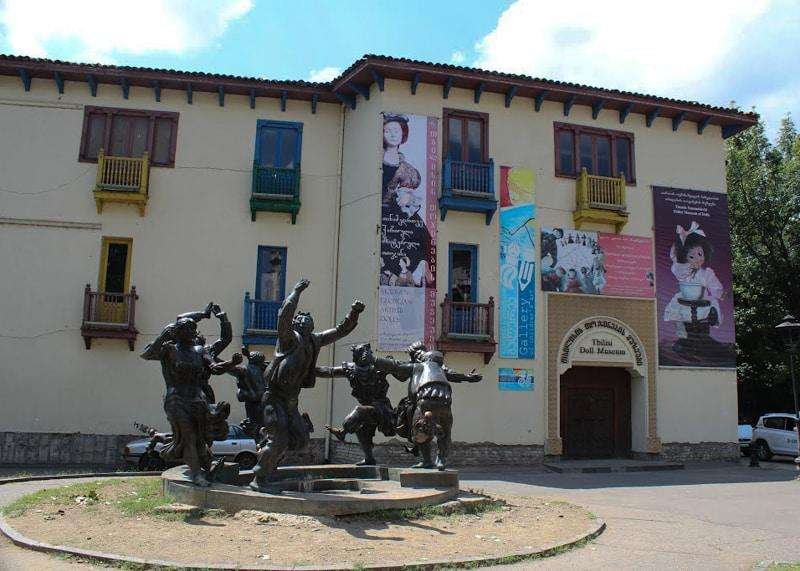
tbilisskiy-muzey-kukol-imeni-tinatin-tumanishvi

👩‍🏫 Who was Tinatin Tumanishvili

Tinatin Tumanishvili (1892–1966) — children's writer, teacher, and the person who decided that Tbilisi needed a doll museum. In 1937 she donated her personal collection of toys, family objects and books to the state — and that became the museum's foundation.

But Tumanishvili didn't just collect; she created. On her initiative, master craftsman and constructor Raphael Begtabegishvili began making unique mechanical and musical toys: "Marine", "Group of Women with Chonguri" (a folk musical instrument), "Doll Playing the Piano", "Georgian Dancer". Later, Igor Frangulov added "Pair of Dancers."

She also developed the concept of the national Georgian doll — Dedopala (Georgian for "queen" or "noble lady"). This is not just a toy but a cultural symbol, and it remains one of the museum's central themes today.
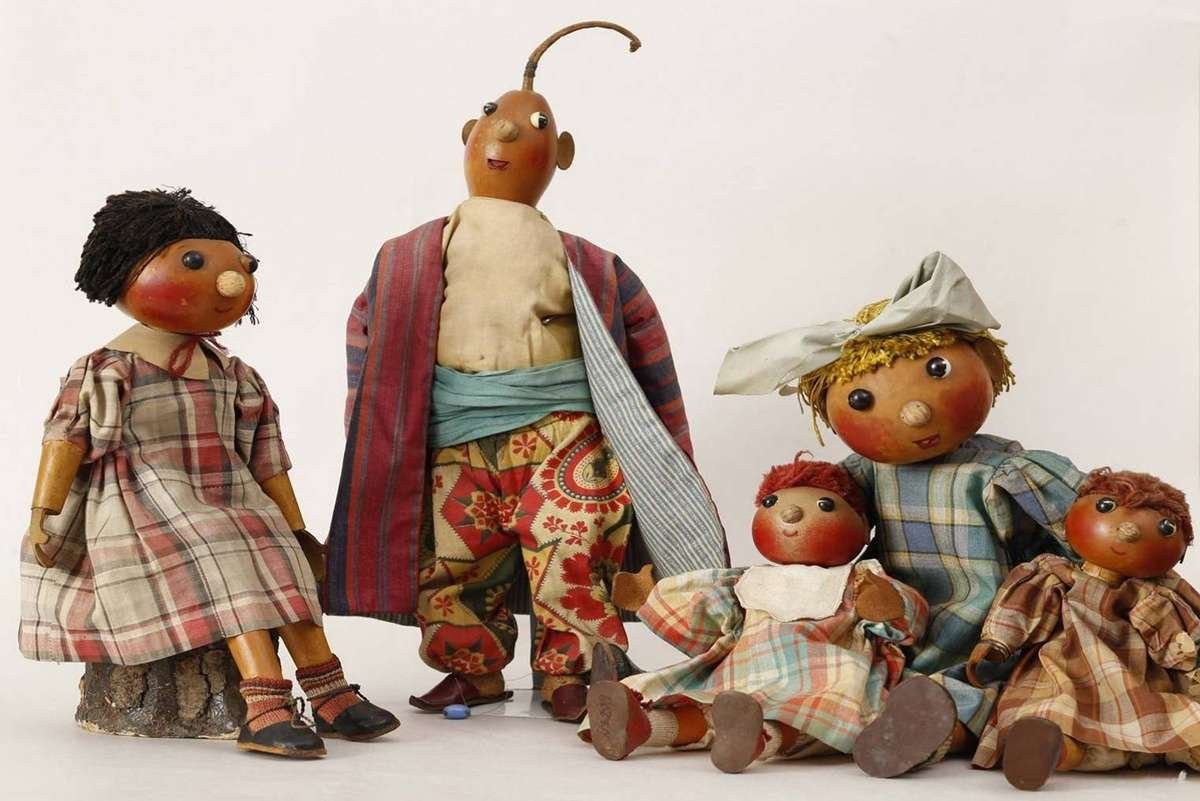
Tbilisi Doll Museum

🪆 What the collection holds

Over 3,000 items from the 19th–20th centuries, from more than 40 countries:

  • Mechanical and musical toys — one of the most unique parts of the collection. Dolls that move, play and dance. 19th-century mechanisms kept in working order.
  • Author dolls — flamenco dancers, an Indian chief, Japanese ladies, characters from Georgian fairy tales and literature. Some are exclusive pieces made specifically for this museum and have no equivalent anywhere.
  • Ethnographic dolls, marionettes, dolls made of porcelain, wood, ivory and even pumpkin. Many dolls are modular — you can swap headdresses, shoes and musical instruments.
  • Antique furniture, books, tapestries/goblets, samples of fine and applied art.
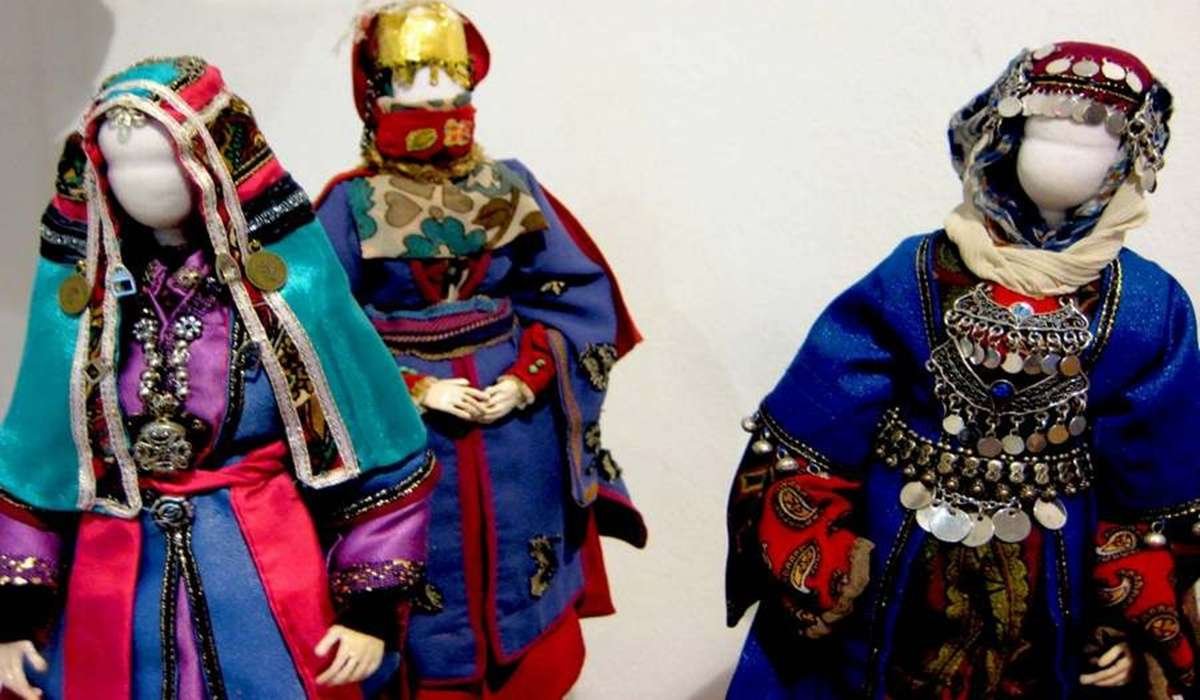
Tbilisi Doll Museum

📖 Robbery and revival

In the 1990s the museum went through a very difficult period: 24 unique dolls were stolen in a robbery and have never been found. The museum was closed for a long time. In 2008 it reopened to the public.

From 1986 to 2012 the museum occupied a beautiful building on Shavteli Street. In 2012 it had to vacate because of rehabilitation work on the historic city wall. The collection moved to 103–107 Aghmashenebeli Avenue. Since 2022, rehabilitation of a new museum building has been underway.

✍️ Editor's tip

If you're coming with children, find out about the nearest masterclass in advance — here you can make things, not just look. Separately, seek out the Georgian mechanical dolls section: the level of craftsmanship is something else. Some figures were made specifically for this museum and exist nowhere else in the world.

🗺️ How to plan your visit

1️⃣ Start with the main gallery — dolls from 40 countries, arranged in thematic groups.

2️⃣ Find the section with mechanical and musical toys — the most surprising part of the museum.

3️⃣ Look for the Georgian national doll Dedopala — a cultural symbol created by Tumanishvili herself.

4️⃣ Look closely at the details: some dolls have removable headdresses, shoes and accessories.

5️⃣ Check out the temporary exhibition — the museum regularly hosts shows by contemporary Georgian artists.

💬 What visitors say

"Visiting the museum takes you back to childhood. What a rich collection of dolls: fairy tale characters, Japanese ladies, dancers — they just boggle the imagination. Interesting for adults and children alike."
"This museum is a real find for families. The masterclasses are great. My daughter makes dolls herself — I think she'd love it."
"The mechanical dolls are extraordinary. Such unusual mechanisms. I would have loved to see an open one — to follow how each gear fits."

🏁 Is it worth going

A small museum but dense in content. Three thousand exhibits from forty countries, Georgian mechanical dolls from the 19th century, a story of robbery and return. This is not simply "dolls for children" — it's a document of culture told through toys. An hour and a half, and you'll learn something about Georgia that is hard to find in any other museum.

ℹ️ Due to ongoing building work, the museum address may change. Confirm the current location and opening hours before your visit. Information is current at the time of publication.

🏛️ What to see and where to go nearby

🗨️ Now it's your turn

Have you been to the Tbilisi Doll Museum? Which exhibit surprised you most — the Georgian mechanical toys, dolls from distant countries, or something completely unexpected? Tell us — we read every comment ❤️

❓ Questions people ask most often

🤔 Where is the Tbilisi Doll Museum?

💬 The museum is at 103–107 Aghmashenebeli Avenue. Since 2022 a new building has been under rehabilitation. Confirm the current address before your visit.

🤔 Who founded the Tbilisi Doll Museum?

💬 Children's writer and teacher Tinatin Tumanishvili (1892–1966). In 1937 she donated her personal collection of dolls, toys, books and family objects to the state. The museum bears her name.

🤔 Is it true the Tbilisi Doll Museum was robbed?

💬 Yes. In the 1990s 24 unique dolls were stolen from the museum and have never been recovered. The museum closed for a long time as a result. It reopened in 2008.

🤔 What is the Dedopala doll?

💬 "Dedopala" is the Georgian national doll, a concept developed by Tinatin Tumanishvili. "Dedopali" means "queen" or "noble lady" in Georgian. It remains one of the museum's central themes today.

🤔 Is the museum suitable for very young children?

💬 Yes. The museum is specifically oriented towards children — masterclasses, puppet theatre performances, interactive displays. The mechanical dolls that move tend to fascinate children the most.

🤔 How much does entry to the Tbilisi Doll Museum cost?

💬 Confirm prices before your visit — they may change. The museum is open Tuesday to Sunday, 11:00–18:00.

🤔 Are there doll-making masterclasses at the museum?

💬 Yes, the museum regularly holds masterclasses. Check the schedule in advance by phone or with staff on arrival.

Daria Kharchenko
By:

Daria Kharchenko

Post: Georgia Guide

Greetings! I'm Asya, a licensed guide, and your guide to the wonderful world of Georgia. I am delighted to show you the most vivid and memorable places of this…

Visit author

30 comments


Log in to leave a comment


  • M
    Matteo Romano
    Quando ho sentito parlare del Museo dei Burattini di Tbilisi, non sapevo cosa aspettarmi. Le marionette mi hanno sempre affascinato, ma questo posto sembra racchiudere un’anima. La collezione di Tinatin Tumanishvili, così dedicata e piena di vita, sembra raccontare storie ben oltre il vetro delle teche. C'è qualcosa di quasi magico nel vedere questi burattini, un mix di tradizione e innovazione, che danzano davanti ai tuoi occhi. Aghmashenebeli Avenue ha il suo fascino, ma ammetto che il museo potrebbe sorprenderti. Un’ora o due possono sembrare poche, ma ti ritrovi a immergerti in un mondo che sfida la realtà. Se capiterò da quelle parti, non me lo lascerò sfuggire.
  • A
    Aurelia
    Когда я была в Тбилиси, случайно наткнулась на этот уникальный музей. Потрясающе, как много кукольных историй сосредоточено в одном месте! Разнообразие кукол из разных стран впечатляет, и особенно интересны механические игрушки. Очень жаль, что музей пришлось временно переместить. Надеюсь, ему найдут постоянное место и расскажут больше об истории создания национальной грузинской куклы.
  • C
    Colleen Reeves
    Are the museum's exhibits currently accessible to the public at the Palace of Youth, or will they remain in storage until a new permanent location is found? I'm curious where to visit them.
  • S
    Sopo Bagrationi
    უთქვამენ, ეროვნული ქართული თოჯინები მართლაც უნიკალური და შთამბეჭდავია. მაინტერესებს, როგორ მიმდინარეობს მუშაობა თოჯინების კონსერვაციაზე და მომავალში რა გეგმები აქვთ ახალი სათავსის მოსაძებნად?
  • ვ
    ვალერი აგლაძე
    გულდასმით წავიკითხე სტატია ტბილოს სახლის თავგადასავალზე და ერთებით შედარებებით აღვფრთოვანდი. როგორ ფიქრობთ, აღდგენილი ნაგებობა უზრუნველყოფას კიდევ ღირებული ადგილმდებარეობის მხარეს შეძლებს თუ არა, როდესაც დრო გახდება ხელმისაწვდომი? გააზრება იმაში, თუ რა სახის მოვლენებია მოიცავს ქალაქში, უკრაული და საერთაშორისო მხატვრები?
  • V
    Victor Sanders
    Are there any plans for the museum to have a permanent home again? It seems like such a rich collection deserves a stable and permanent location, especially with items from so many countries and contributions from renowned Georgian artists and scientists.
  • К
    Кахи М.
    Недавно посетили музей с семьей, оставило незабываемые впечатления. Коллекция кукол из более чем 40 стран просто поражает разнообразием. Особенно впечатлили механические игрушки и антикварная мебель — такие интересные экспонаты. Узнал, что инициатор создания музея, Тинатин Туманишвили, внесла огромный вклад в развитие грузинского кукольного искусства. Временное размещение экспонатов во Дворце учащейся молодежи сейчас добавляет определенное очарование. Удивительно, насколько много известных грузин поддерживали этот музей.
  • ე
    ელგუჯა ჭელიძე
    ღირსია, რომ ტინათინ თუმანიშვილმა მუზეუმისთვის თავისი კოლექცია გადასცა. თუმცა ვფიქრობდი, მართლა 1986 წლიდან იყო მუზეუმი შავთელის ქუჩაზე? იქნებ, ვინმემ უფრო ზუსტად იცის? ძნელია ახლა წარსულზე გარკვევით საუბარი, თუმცა იმედია, მალე ახალ და მუდმივ საბრწყინავ ადგილზე ვიხილავთ ამ მდიდარ კოლექციას.
  • a
    alekseyVlasov
    Недавно удалось побывать в этом музее. Поражает разнообразие коллекции: куклы из более чем 40 стран и настоящие антикварные игрушки. Особенно запомнились механические куклы и уникальная грузинская кукла Дедопала. Интересно, как такие старинные экспонаты сохраняют в хорошем состоянии. Были с семьёй — ребёнок тоже в восторге, столько сказочных героев и персонажей из книг увидел. Жалко только, что здание теперь во Дворце учащейся молодёжи, хотелось бы увидеть постоянное место для экспозиций.
  • M
    Mercer Trenton
    The article mentions that the museum's collection was transferred to the state by Tinatina Tumanishvili in 1937, but I wonder how it has managed to maintain so many items from over 40 countries since then. Seems like a lot moved around with the museum's various relocations. Were new pieces added over the years to make it so diverse?
  • K
    Kovalev
    Приятно видеть, как историческое и культурное наследие поддерживается на таком уровне. Коллекция кукол из более чем 40 стран действительно впечатляет. Интересно, когда планируется открытие нового здания музея?
  • c
    calcoolguy
    Is it true that the museum has been without a permanent location since the building was demolished? It sounds challenging to maintain such a diverse collection when it's temporarily housed elsewhere.
  • K
    Keti
    თინათინ თუმანიშვილის სახელობის თოჯინების მუზეუმის შესახებ განსაკუთრებულად მომწონს კოლექცია, რომელიც 40-ზე მეტი ქვეყნიდან წარმოდგენილ თოჯინებს აერთიანებს. მაინტერესებს, შესაძლებელია თუ არა ამ დროებითი განთავსების პერიოდში მუზეუმში კრებულის ხილვა? შესაძლოა, ეს უნიკალური ექსპონატები კიდევ ერთხელ გამორჩეულად წარმოაჩინონ ქართველმა მხატვრებმა და მეცნიერულადაც საინტერესო აღმოჩნდნენ.
  • В
    Валентина Ласточкина
    Очень интересно, но возникло сомнение по поводу местонахождения музея после 1986 года, когда его перевезли на улицу Шавтели. Упоминается, что здание было снесено, и экспонаты временно разместили во Дворце учащейся молодежи. Не слишком ли ненадежное это временное решение для столь ценного собрания?
  • E
    Ella P.
    Is it true that the building on Shavteli Street was completely demolished? It seems surprising that such a cultural landmark didn’t get preserved or relocated before that happened. Could someone share more details on why it wasn’t protected?
  • ნ
    ნიკა გაბედავა
    ეს მშვენიერი ადგილია, სადაც შემიძლია ვიხილო სხვადასხვა კულტურის კუთვნილება, და ბავშვებს ვაჩვენო ყველა იმ ლამაზი კუკლა, რაც ქვეყნის სიამაყეა.
  • Е
    Елена Ивановна
    Как приятно узнать о таком историческом и культурно насыщенном месте, как Тбилисский музей кукол. Удивительно, что коллекция включает экспонаты из более чем 40 стран! Впечатляет вклад Тинатин Туманишвили — создание национальной грузинской куклы и поддержка со стороны известных художников лишь подчеркивают значимость музея для культуры. Очень надеюсь, что скоро для этих редких сокровищ найдется достойное постоянное место.
  • Е
    Елена Ивановна
    Как приятно узнать о таком историческом и культурно насыщенном месте, как Тбилисский музей кукол. Удивительно, что коллекция включает экспонаты из более чем 40 стран! Впечатляет вклад Тинатин Туманишвили — создание национальной грузинской куклы и поддержка со стороны известных художников лишь подчеркивают значимость музея для культуры. Очень надеюсь, что скоро для этих редких сокровищ найдется достойное постоянное место.
  • Е
    Елена Ивановна
    Как приятно узнать о таком историческом и культурно насыщенном месте, как Тбилисский музей кукол. Удивительно, что коллекция включает экспонаты из более чем 40 стран! Впечатляет вклад Тинатин Туманишвили — создание национальной грузинской куклы и поддержка со стороны известных художников лишь подчеркивают значимость музея для культуры. Очень надеюсь, что скоро для этих редких сокровищ найдется достойное постоянное место.
  • M
    Mark Lyttleton
    The history of the Tbilisi Dolls Museum is fascinating. It's incredible how Tumanishvili donated her collection to the state and how the museum overcame its relocations. The diversity of dolls from over 40 countries and the mechanical toys sound captivating. The involvement of Georgian artists, writers, and scientists in supporting the museum shows its cultural significance. Would love to know more about the national Georgian doll "Dedopala" initiated by Tumanishvili.
  • N
    Nathan Bell
    Is there a plan for the Tbilisi Doll Museum to find a permanent home for its valuable collection, or will it remain temporarily housed at the Palace of Youth? It's fascinating to hear about the rich diversity of exhibits and the cultural significance they hold, especially the creation of the Georgian national doll Dedadima.
  • l
    lunar_lemongrass
    Интересная статья! Удивляет, как долгое время Тбилисский музей кукол сосуществует с жизненными переменами, начиная с 1937 года. Коллекция кукол, охватывающая более 40 стран, и поддержка известных грузинских художников, писателей и учёных вызывают восхищение. Особенно впечатляет роль Тинатин Туманишвили, инициировавшей создание национальной грузинской куклы. Надеюсь, экспонаты обретут постоянное место для выставки.
  • E
    Elvina
    Тбилисский музей кукол имени Тинатин Туманишвили был основан в 1937 году и хранит коллекцию кукол и игрушек со всего мира. Тут можно увидеть как старинные механические игрушки, так и авторские работы, а также антикварную мебель и гобелены. Музей продолжает пополняться новыми экспонатами и проводит интересные мастер-классы и выставки, где можно узнать больше о культуре детских игрушек.
  • О
    Ольга
    Попадая в этот музей, возвращаешься в детство. Какая в нем богатая коллекция самых разнообразных кукол: герой сказок, японские дамы, танцоры и многие другие куклы, которые просто поражают воображение. Фонд кукол состоит не только из кукол Грузии, а собран более чем в 40 странах мира. Я считаю, что в музее будет интересно всем: и взрослым, и детям!
  • A
    Alice
    Мне кажется, этот музей - настоящая находка для семей с детишками, потому что интересно будет и взрослым, и маленьким. Здорово, что музей развивается и проводится много различных мастер-классов и прочих интересных мероприятий. Может быть, сходим с мамой в этот музей, когда она приедет в гости, она увлекается шитьем кукол, так что, думаю, оценит такое времяпрепровождение. Спасибо за любопытное место!
  • a
    alinakus1095
    Раньше я сама делала куклы ручной работы, поэтому знаю какой это труд! Хотелось бы конечно посмотреть на куклы разного периода, посмотреть их особенности.
    Отлично, что музей постоянно старается расширять свою коллекцию, покупая различные экспонаты с пожертвований. А различного рода мероприятия привлекают не только взрослых но и детей.
  • j
    joydog2018
    Ого! Мало где можно посмотреть на целую огромную коллекцию самых разных кукол. Мне бы в особенности было интересно посмотреть на механические игрушки. Уж очень необычные у них движущие механизмы и причудливые движения. Возможно даже на открытую игрушку было бы полезно посмотреть, проследить, где и как ставится каждая шестерëночка. Кукольные музей и театры - что-то необыкновенно-увлекательное хоть для ребëнка, хоть для взрослого!
  • a
    altumer.tr
    Однозначно нужно показать это место дочке. Она сама шьет куклы для себя, иногда дарит подружкам из школы. Ей бы очень понравилось, посмотреть на игрушки разных стран и разного времени. Возможно какие-нибудь новые идеи появятся после помещения.
  • R
    Ronald_Bratik
    Я только что прочитал об удивительном Музее детских игрушек в Тбилиси. Я удивлен тем, что в музее хранятся предметы, приобретенные в более чем 40 странах, а также ценные экспонаты, пожертвованные в благотворительных целях. Я намерен в ближайшее время посетить это уникальное место и увидеть все эти чудесные игрушки своими глазами. Спасибо сайту madloba.info за предоставленную информацию!
  • g
    galina.gurikova
    Что-то немного со статьей перемудрили. Музей посвящен кукольному творчеству. В начале статьи отлично рассказывается про его историю создания и наличие экспонатов. В конце статьи плавно переходим к музеям Тбилиси в целом. История создания и развития игрушек - для меня самая интересная тема. Здесь можно побывать в мире детства, кому-то в него вернуться. Интересно посмотреть на механические куклы.