




Memed Abashidze House Museum: History and Exhibits
Georgian writer, Public and political figure Memed Abashidze (1873-1937) was one of the most dedicated fighters for the unification of Georgia. He spoke Arabic, Persian and Turkish. His letters, stories, poems, translations from Omar Khayyam and Namik Kemal are well known.
"Adjara and the city of Batumi have always been part of Georgia and will remain its integral part in the future!" These words Memed Abashidze fired like a bullet at the impudent Turkish pasha. He was persecuted by both the Russian and Turkish governments. Memed Abashidze died during the repressions of 1937.
The Memed Abashidze House Museum contains photographs, documents, and memorial items reflecting the life and work of Memed Abashidze.
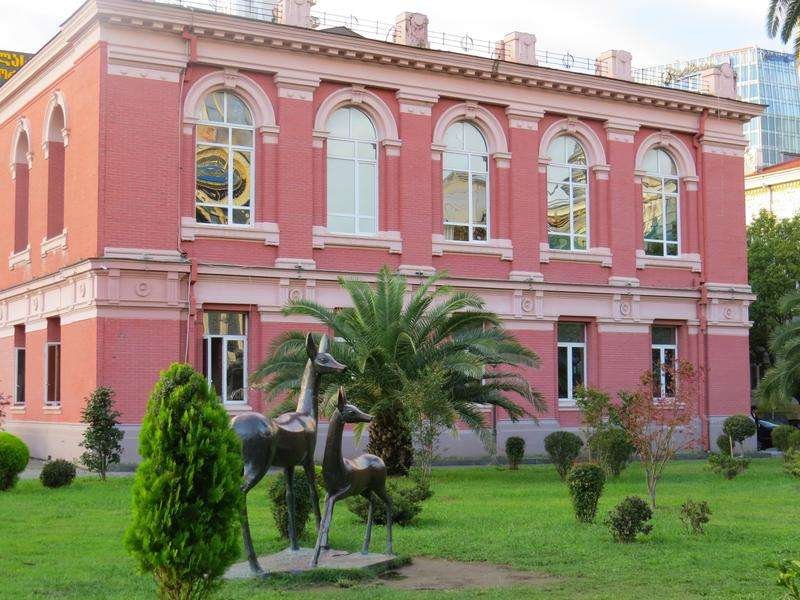
In the Memed Adashidze House Museum, located in Batumi, Georgia, visitors can get acquainted with the life and work of the famous Georgian writer, public and political figure, Memed Abashidze. The museum exposition presents photographs, documents and memorial items that reflect different periods of the writer's life and work.
Memed Abashidze was born in 1873 in Batumi. He was the son of a poor peasant and studied at the Batumi school of the Society for the Spreading of Literacy among Georgians. In his youth, Memed Abashidze became an active participant in the national liberation movement of Georgia, fighting for the unification of all Georgian lands into a single state.
In addition, Memed Abashidze was known as an expert in oriental languages, speaking Arabic, Persian and Turkish. He translated the works of famous authors such as Omar Khayyam and Namik Kemal. His own works - stories, poems and letters, reflect not only a deep knowledge of Eastern culture, but also love for his native country.
Memed Abashidze was one of the most devoted fighters for the unification of Georgia. He continued his struggle against the Russian and Turkish governments for 35 years. As a result of his activities, Memed Abashidze was persecuted by both authorities, and he died during the repressions of 1937.
The museum presents numerous exhibits related to the life and work of Memed Abashidze, including rare photographs, documents and personal belongings of the writer.
The house-museum is located in the heart of Batumi, on Memed Abashidze Street, named after the writer. Inside the museum, you can see the furniture that Memed Abashidze himself used, as well as his personal belongings, such as the huge fountain pen he used for his writings.
One of the most interesting exhibits of the museum is the book in which Memed Abashidze kept his diary. Here you can read descriptions of his trips, meetings and personal experiences.
The museum offers visitors not only to get acquainted with the life and work of Memed Abashidze, but also to trace the history of Georgia as a whole. It reflects periods associated with turbulent events in the history of Georgia, such as the revolution of 1917, the Russo-Turkish wars, the first decades of Soviet power.
Despite the fact that Memed Abashidze did not live very many years, his legacy had a huge impact on the development of Georgian culture and art. The Memed Abashidze House Museum is not only a place where you can learn about the life and work of the writer, but is also an important cultural center in the city of Batumi.
It is worth noting that Memed Abashidze was not only a writer, but also a public and political figure. He was one of the most selfless fighters for the unification of Georgia and understood the importance of national unity. Many of his works reflect this theme.
However, in addition to his literary work, Memed Abashidze was also involved in translations. He spoke Arabic, Persian and Turkish, which allowed him to translate the works of such authors as Omar Khayyam and Namik Kemal. These translations were very popular in Georgia and became part of the golden fund of national literature.
In addition, Memed Abashidze was an outstanding public figure. He was persecuted by both the Russian and Turkish governments, but did not give up in the fight for his ideals. From the early 20th century he published in Georgian, which became not only a symbol of Georgia's national awakening, but also an important stage in the history of Georgian literature.
Memed Abashidze was killed in 1937 during Stalin's repressions for his boundless devotion to his people and patriotism. He left behind a legacy that still influences the development of Georgian culture and literature.
A visit to the house-museum of Memed Abashidze will be a real discovery for those interested in the history and culture of Georgia. This is a unique place where you can get acquainted with the life and work of an outstanding Georgian writer, politician and public figure.
The house-museum is located in the historical center of Batumi and is one of the most significant attractions of the city. It is an old two-story house where the writer lived and worked. The original interiors have been preserved and restored here, which allows you to feel the atmosphere that reigned in the house of Memed Abashidze.
The museum offers visitors photographs, documents, memorial items reflecting the life and work of the writer. The exhibition includes original manuscripts of Memed Abashidze, his correspondence with other outstanding personalities of that time, photographs depicting the writer and his family, as well as many other interesting exhibits.
The Memed Abashidze House Museum is not only an opportunity to get acquainted with the life and work of an outstanding Georgian writer, but also a great opportunity to immerse yourself in the atmosphere of the early 20th century, learn about the traditions and culture of the Georgian people, as well as about the events associated with the struggle for the unification of Georgia.
In addition, the museum contains manuscripts, personal belongings and memorial items of Memed Abashidze, as well as photographs that demonstrate his life and work. The most interesting exhibits are the letters and poems of Memed Abashidze, in which he expresses his ideas and struggle for the unity of Georgia.
The house-museum of Memed Abashidze is located in the heart of Batumi, on 9 M. Abashidze Street. Please check opening hours by phone with the museum. Please check admission prices by phone with the museum.
If you are interested in the history and culture of Georgia, then a visit to the Memed Abashidze House Museum is definitely worth including in your trip. This will not only allow you to learn more about the life and work of the writer, but also to feel the atmosphere of the early 20th century, as well as see real treasures of Georgian culture.
In the Memed Abashidze House Museum, you can see various household items of that time, such as furniture, dishes, tools and other items. They help to imagine the life of the Georgian intelligentsia of the early 20th century, in which Memed Abashidze lived and worked.
The museum pays special attention to the writer's work. You will be able to learn more about his literary heritage, which includes novels, short stories, poetry and translations of foreign authors into Georgian. His work is distinguished by piercing lyricism, deep thoughts about life, human values and their interaction with the political events of that time.
After visiting the museum, you can walk around the historical district of Batumi and visit other museums and cultural monuments, such as the Gonio-Apsaros Fortress and many others.
If you are interested in Georgian culture and history, then visiting the house-museum of Memed Abashidze will be an unforgettable experience for you. The museum allows you to immerse yourself in the atmosphere of the life and work of the famous writer, as well as learn more about the rich cultural and historical heritage of Georgia.
--------------------------
We hope that this article has allowed you to more deeply understand the work and life of Memed Abashidze, as well as get acquainted with the history of Georgia in the early 20th century. We will be happy to answer your questions and see your comments at the bottom of the page.
Read also
- Veriko Anjaparidze and Mikhail Chiaureli House Museum
- Mayakovsky House Museum in Georgia: History and Exhibits
- David and Sergo Kldiashvili House Museum: History and Exhibits
- Temur Pirtskhalaishvili House Museum: History and Exhibits
- House of Fore Mosulishvili: The Story Behind the Hero of Kvemo Machkhaani

Read also
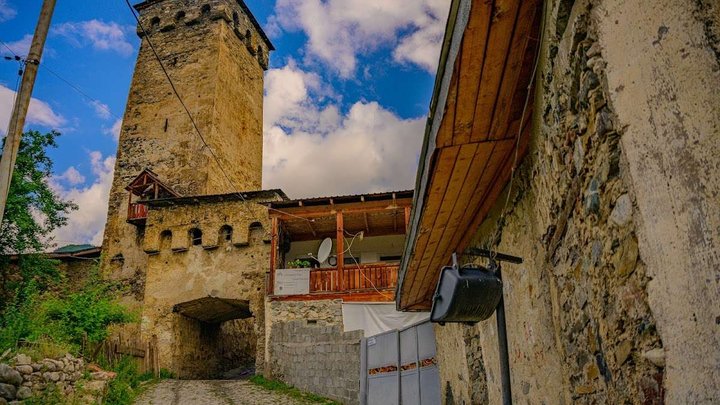
🏛️ How People Lived in a Svan House: The Machubi, the Hearth and the Margiani Tower in Mestia
🏛️ A clan house with a tower in Mestia: the hearth at the centre of the home, the men's and women's sides, five floors built for defence.

Ivane Beritashvili House Museum in Vedzhini: History and Exhibits
🚀 Do you want to know how the great scientist Ivan Beritashvili changed medical practice? Then you should definitely visit this museum!

Giorgi Maisuradze Village History Museum in Vachnadziani: History & Exhibits
🌍 Visit the Giorgi Maisuradze Historical Museum in Vachnadziani and immerse yourself in the unique atmosphere of Georgian culture and education.

Irodion Evdoshvili House Museum in Bodbishevi: History & Exhibits
🌍 Visit the Herodion Evdoshvili House-Museum in Bodbiskhevi and discover the story of one of the founders of Georgian education.

Grigol Peradze House Museum in Bakurtsikhe: History and Exhibits
🖼️ Want to discover a little-known but incredibly important place in Georgia? The House Museum of St.

Kristina Robakidze Art Gallery in Kutaisi
🖼️ Want to know where a real treasure trove of Georgian art is hidden in Kutaisi? Kristina Robakidze Gallery is a place where each exhibit will tell its own.
37 comments
Log in to leave a comment
Благодаря Мадлоба за знакомство с такой личностью!