




History of Georgian Winemaking: Three Lives of Chateau Mukhrani
Château Mukhrani is located 35 kilometers from Tbilisi. This estate has a rich and fascinating history – not only is there something to see in Georgia, but also something to hear and taste, as well as unique Georgian wines, unmatched anywhere else in the world. This is not an exaggeration, but a fact, the reasons for which will be presented below.
A piece of France in Georgia – Château Mukhrani. The Mukhrabatoni, or princes of Mukhrani, descendants of the Bagrationi family, are one of the world's most ancient royal dynasties. Samukhrano, the area in question and where the Château is now located, had the status of a principality before Georgia was annexed by the Russian Empire. Consequently, Constantine IV reigned here until 1800, after which, after the events of 1800, he lost the numerals next to his name and acquired the status of leader of the local Tiflis nobility.
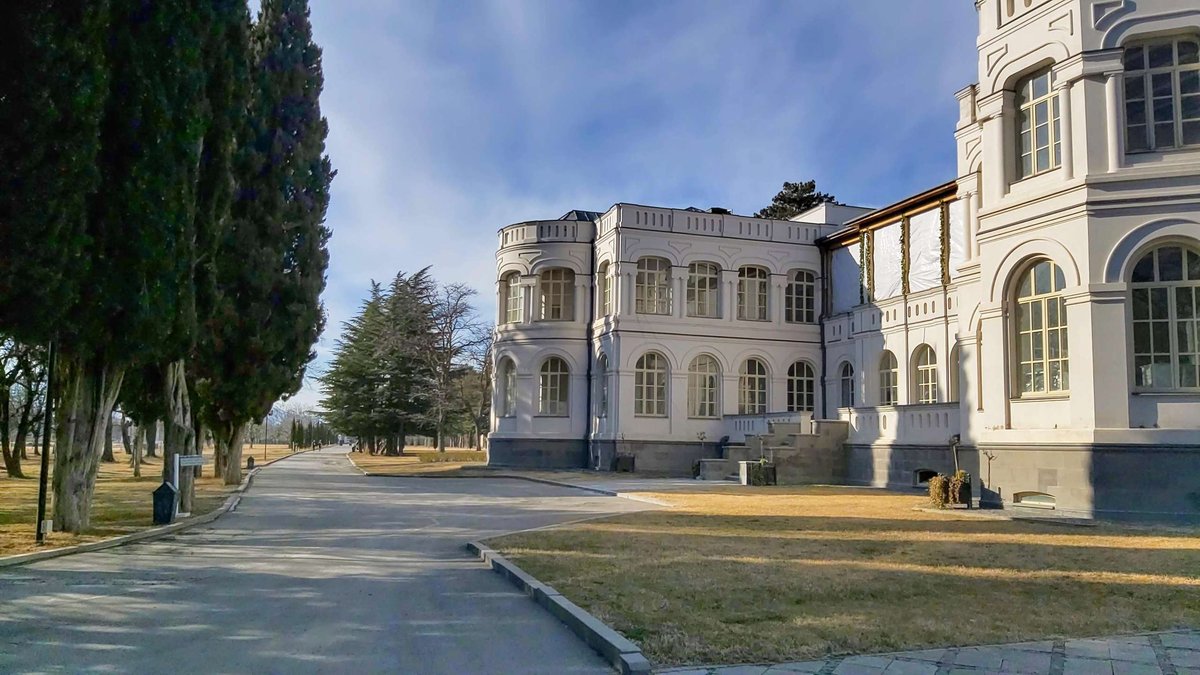
He had two children, Ivan and Irakli, one of whom, Ivan, inherited the title of Prince of Mukhrani after his father's death. He became the founder of Château Mukhrani. However, before settling into civilian life, he served in the Russian Imperial Army, took part in several battles, and retired with the rank of lieutenant general.
Most of the nobility of the time gravitated toward French culture. Ivan Mukhrani was no exception. Having built a house in the European style, he furnished it accordingly. According to sources, it was at Château Mukhrani that the first billiards and parquet floors appeared.
The reforms also affected wine production. According to one version, the prince studied winemaking in France, in Bordeaux and Champagne, and successfully implemented the knowledge he brought back to his native Georgia. The appearance of the first wines at Château Mukhrani is dated in various years. According to one version, it was 1865, according to another, 1885. It is believed that wines produced at Chateau Mukhrani were at one time supplied to the Imperial Court, but this information may not be accurate.
Decline
Unfortunately, after the prince's death, both the estate and wine production fell into disrepair. Château Mukhrani was inherited by his son, Konstantin, who sold it at auction, abandoning its management. Later, the princely title passed to a relative—Konstantin had no children of his own. This relative disappeared in the chaos of the revolution. According to one version, he was executed by the Bolsheviks in 1918.
It's difficult to say what occupied the Château Mukhrani grounds during the Soviet era. No information about those times has been found. It is only known that after the collapse of the USSR, Château Mukhrani remained in disrepair for a long time.
Château Mukhrani's Second Life
The estate received a second life in the early 2000s, when business took notice of Prince Ivan Mukhransky's promising ideas and revived them. Today, Chateau Mukhrani can arguably be considered a must-see attraction in Georgia!
The first harvest was in 2007. In 2010, the estate building was restored and renovated, a new winery was built, and the estate now boasts a modern tasting room.
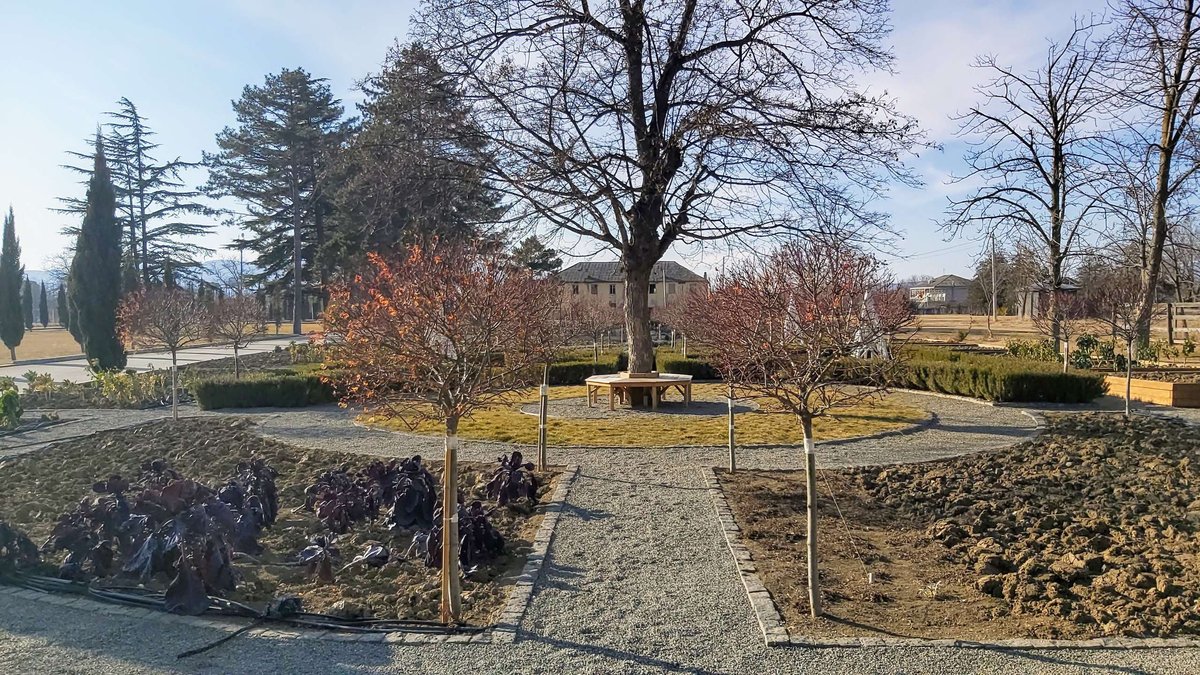
What to see in Georgia - Chateau Mukhrani: wine, horses, and the ancient ruins of Dzalisi
Chateau Mukhrani will be of particular interest to connoisseurs of excellent wine – at the time of writing, 13 varieties were produced here, including chacha. The wine variety mentioned at the very beginning is called "Goruli Mtsvane" – it is produced nowhere else, as is Georgian Muscat, extremely rare in this region and possessing a unique taste and aroma.
The most expensive locally produced wine, "Reserve du Prince," comes in two varieties: a white and a dry red made from Goruli Mtsvane and Saperavi, respectively. A bottle costs approximately 60 lari or slightly more.
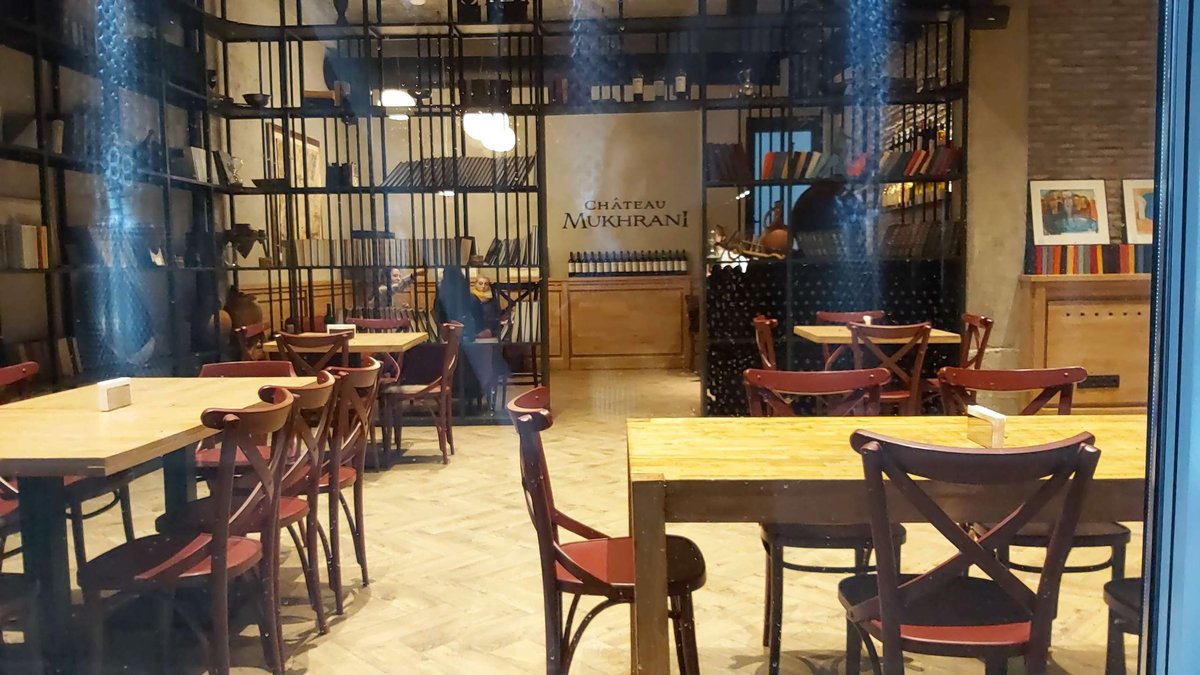
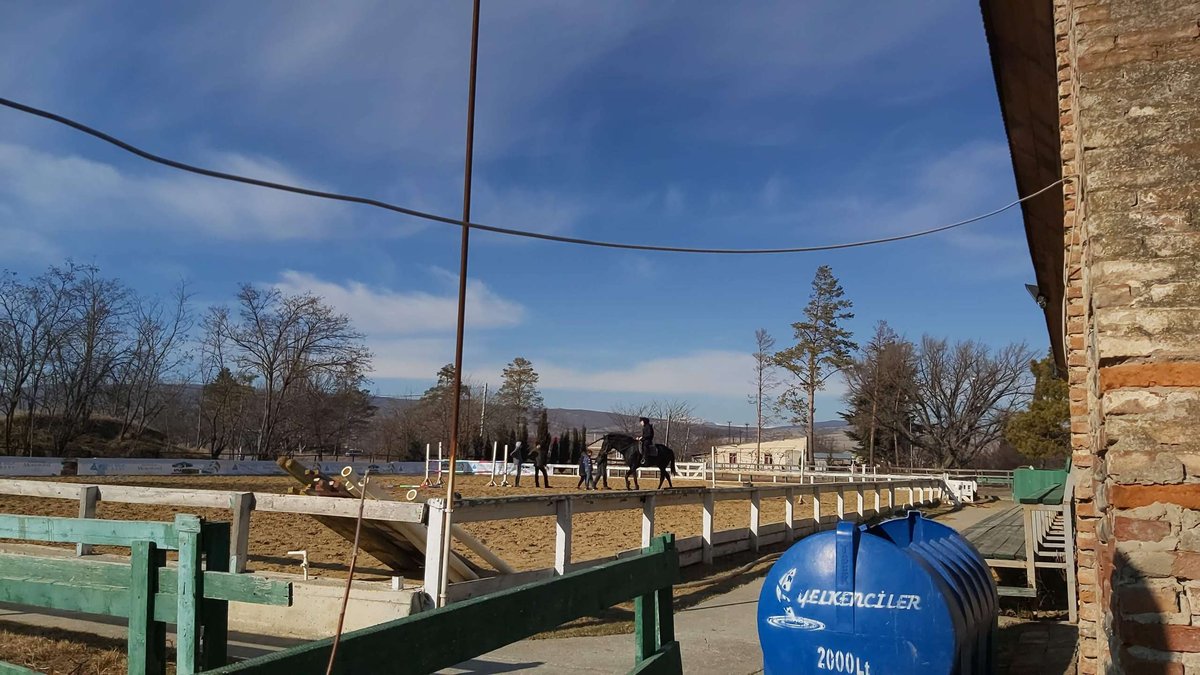
Château Mukhrani offers tours—there's plenty for children and those who don't drink alcohol. The tour program, which includes a historical narrative, is interesting in itself. But there's also a stable. You can see the horses, touch them, and ride them, albeit within the confines of the stables.
The Mukhrani Valley contains an interesting archaeological site, which is not accessible without permission. It's entirely possible to organize a visit to it as part of a Château Mukhrani tour.

36 comments
Log in to leave a comment
Автор рассказывает, как это уникальное место — всего в ~35 км от Тбилиси — выросло из идеи князя Ивана Мухранского, который изучал виноделие во Франции и привёз свои знания домой, чтобы создать здесь винодельню европейского уровня ещё в XIX веке. 
Мне особенно ценно, что в рейтинге есть не только история, но и современная жизнь поместья: после долгого упадка Шато Мухрани было восстановлено в начале 2000‑х, появились новый винный завод, дегустационный зал и современные технологии, а вино снова делают из винограда со своих собственных виноградников. 
Из рассказов путешественников и дегустаторов знаю, что здесь производят интересные сорта — например, Reserve du Prince из Goruli Mtsvane и Saperavi, а само шато входит в топ мировых винодельческих направлений и даже попадало в рейтинги лучших виноделен мира 🇬🇪🍇. 
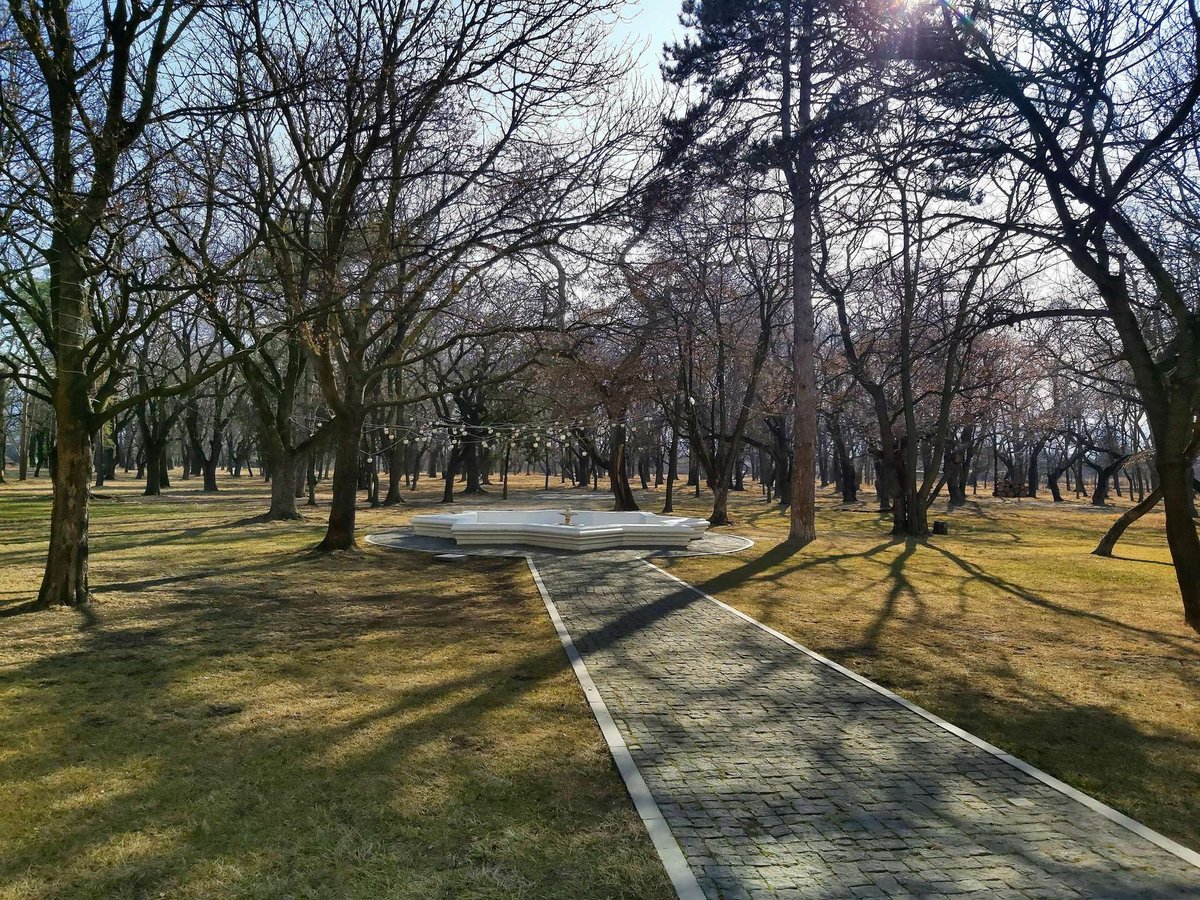
Отдельно вдохновляют детали экскурсии: помимо вина, здесь можно прогуляться по парку, посетить конюшню, узнать об археологических памятниках долины Мухрани и почувствовать атмосферу настоящего грузинского шато. 
Спасибо автору за такой живой и полезный обзор!
А вы уже пробовали вина из Château Mukhrani — какой сорт вам понравился больше: насыщенный Reserve du Prince или что‑то более лёгкое и фруктовое? 🍷✨
Это место стоит посетить пьющим и непьющим туристам. Интересная экскурсионная программа включает в себя не только возможность попробовать уникальные вина, но и катание на лошадях.