




🗺️ Route Through Eagle Gorge: Vashlovani Canyon, Fortress and Cave Temple
🗺️ What to Know About Eagle Gorge
A limestone canyon north of Dedoplistskaro, a protected natural monument within the Vashlovani conservation area. Ancient coral reef cliffs, over 60 bird species, griffon vultures and the rare black stork. Eagle Gorge is usually visited as part of a combined route with Khornabuji Fortress and the cave church of St. Ilia.
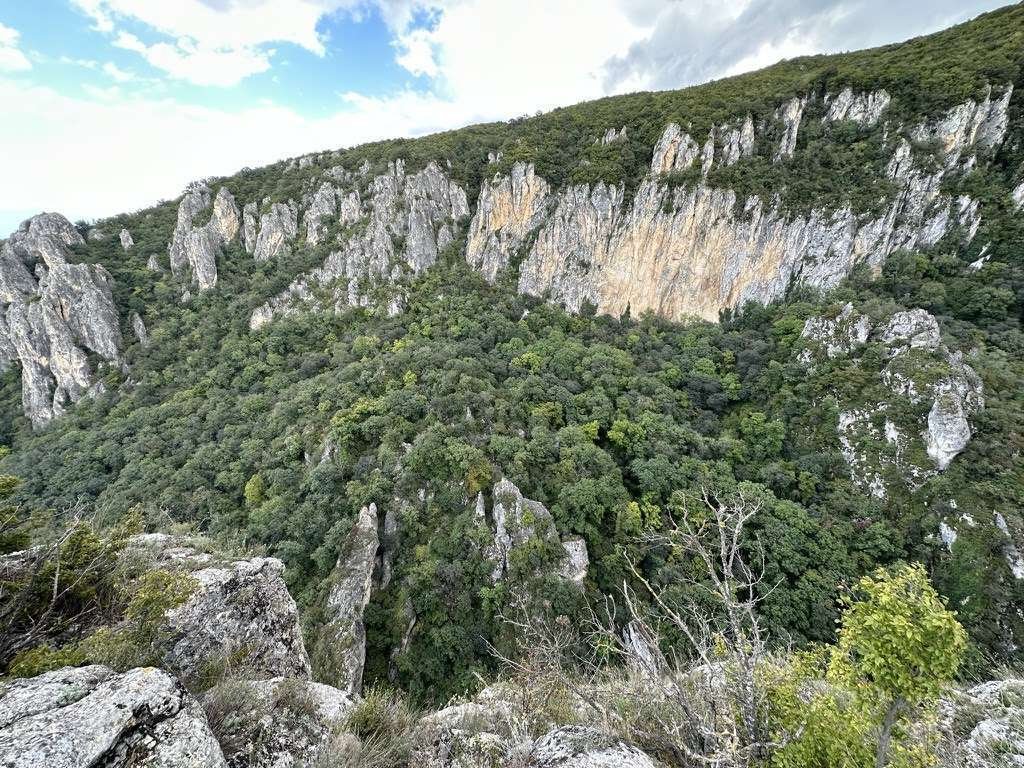
Eagle Gorge is a limestone canyon in Kakheti, a short walk from Dedoplistskaro, on the edge of the Vashlovani conservation area. It is known under several names: Eagle Canyon, Eagle Valley, Artsivisis Kheoba. The site is one, and people come for two things at once: the canyon with its birds, and the route that links the gorge to a medieval fortress and a cave church.
This is the most accessible point in Vashlovani. Most of the park, including the Takhti-Tepa mud volcanoes and the Alazani floodplain forests, requires a 4WD, permits and a full day. Eagle Gorge is the opposite: close to town, no hard formalities, realistic in half a day. It is often a first introduction to Vashlovani or a standalone short trip from Kakheti. The map pin and nature monument status for the site are in the Eagle Gorge catalogue entry.
🗺️ Route: Gorge, Fortress, Church
Open in Google Maps🦅 What Is Eagle Gorge
Eagle Gorge is a limestone canyon carved north of Dedoplistskaro. The age of these cliffs is not measured in thousands but in millions of years: they formed on the floor of an ancient ocean from coral reefs roughly 145 to 160 million years ago. The sea retreated, the limestone stayed, and water and wind have shaped it into a canyon with walls up to two hundred metres high.
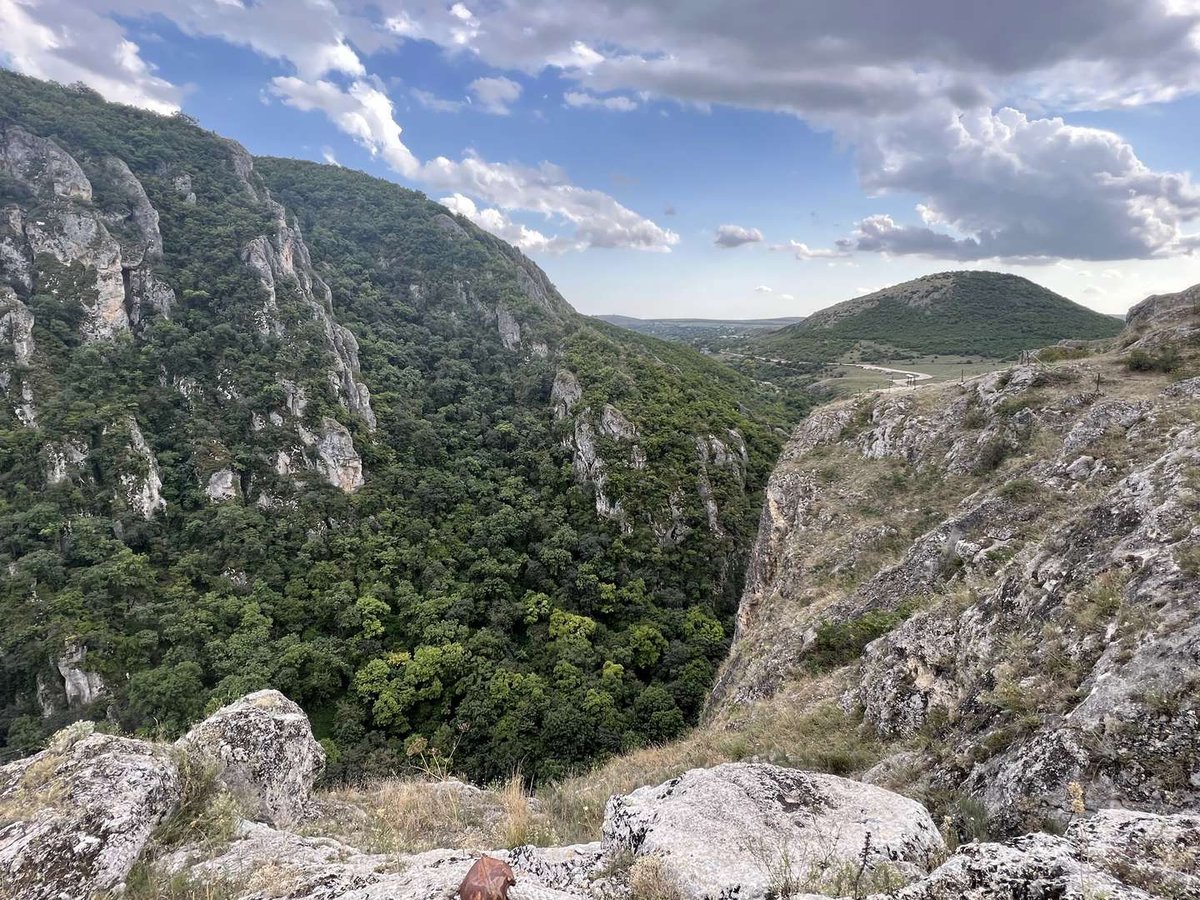
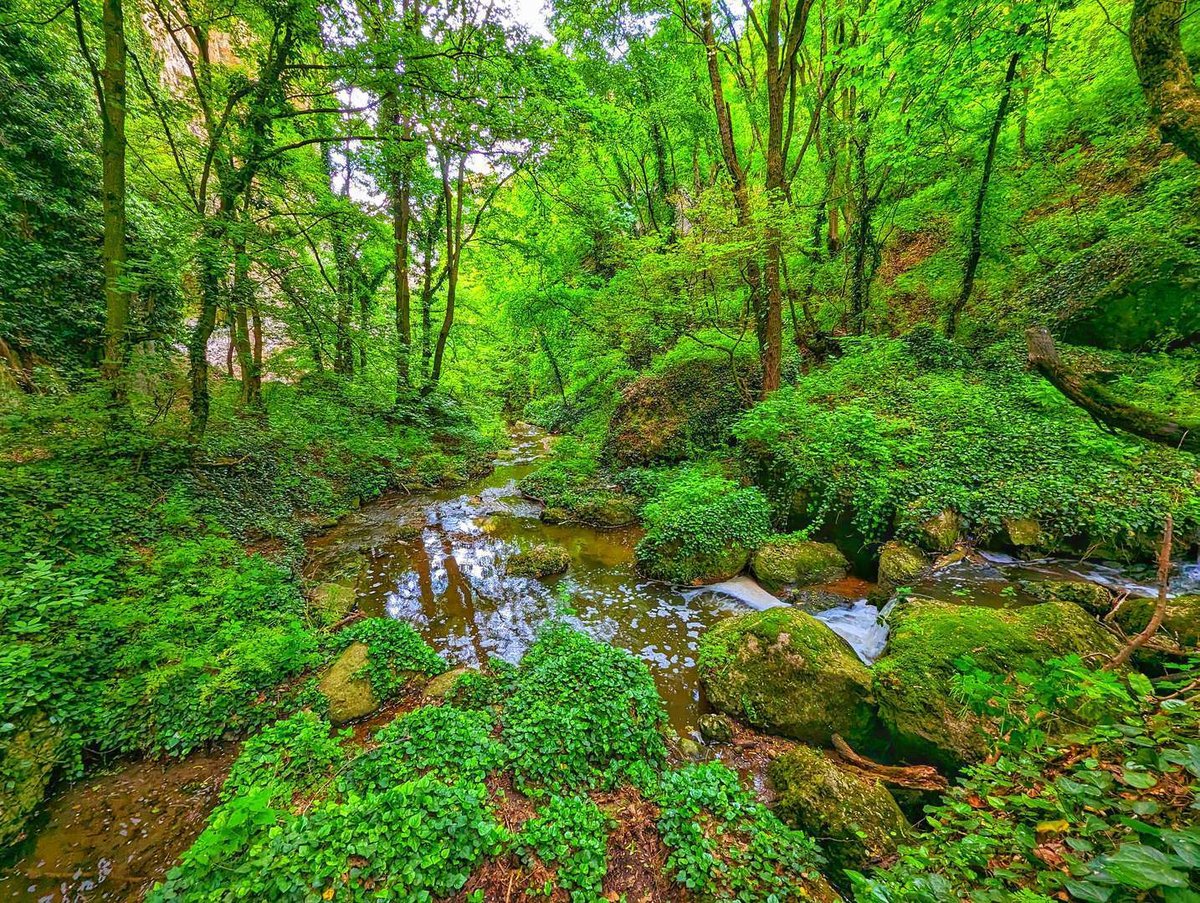
The gorge has a double character, and that is its main distinction. On top, an open rocky rim with views of the valley and circling birds. Below, a cool canyon fed by springs: four sources that supply Dedoplistskaro's water originate here. The drop between the hot exposed rim and the damp shaded floor is sharp, as if stepping from one climate into another in the space of a few minutes.
Eagle Gorge is a protected natural monument within the Vashlovani conservation area, alongside the Alazani floodplain and the Takhti-Tepa mud volcanoes. Of all the Vashlovani sites it is the closest to town and the simplest to visit independently.
🦅 Birds and Rare Plants
Eagle Gorge is one of the best birdwatching points in Kakheti. More than sixty species have been recorded here. The canyon cliffs are nesting ground, and the thermals above them keep large birds airborne for hours. Griffon vultures and black vultures are the most common sighting. The black stork, red-listed across its range, appears here regularly. The best time to watch is early morning, before the cliffs heat up and the thermals shift.
The plants on these cliffs are just as remarkable. Growing directly on limestone with almost no soil layer is the Kakhetian bellflower, a rare endemic found nowhere else in Georgia outside this gorge. It blooms in spring, when the cliff face is covered in small lilac flowers clinging to bare rock. On less steep sections grows eastern arborvitae (Platycladus orientalis), a coniferous shrub related to Tibetan forms and a relict of the local flora that has survived here since a much earlier geological period.
🥾 Route: Gorge, Fortress and Church
The standard route connects three stops and takes between half a day and a full day depending on pace. The format is a combination of short drives between stops and walking within each one. A 4WD is not required.
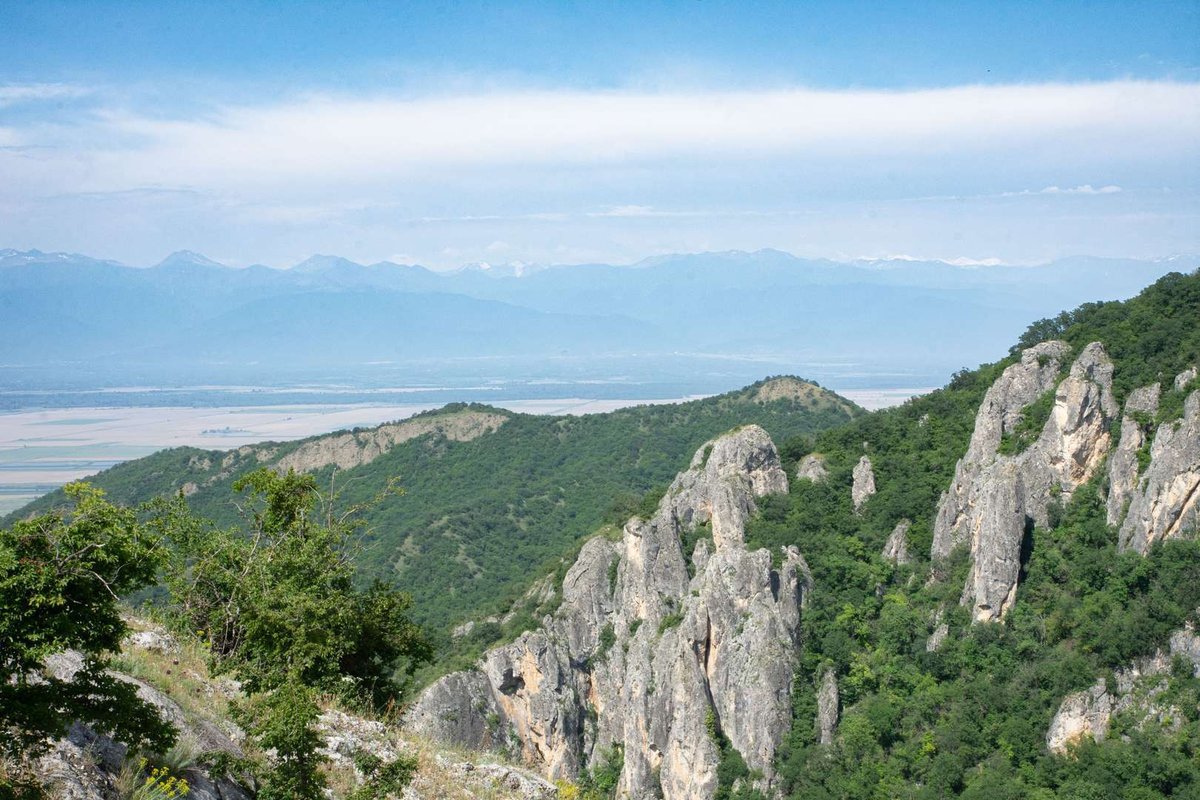
Stop 1: Eagle Gorge. The route starts at the limestone cliffs at the base of the canyon. The two-tier character of the gorge is visible immediately: dry and open above, cool and moist below from the springs. The trail runs first along the rock base, then climbs to the western slope, where a panorama of the protected area and the Alazani valley opens up. That view is the high point of the first section. The ascent is straightforward and takes about an hour at a comfortable pace.
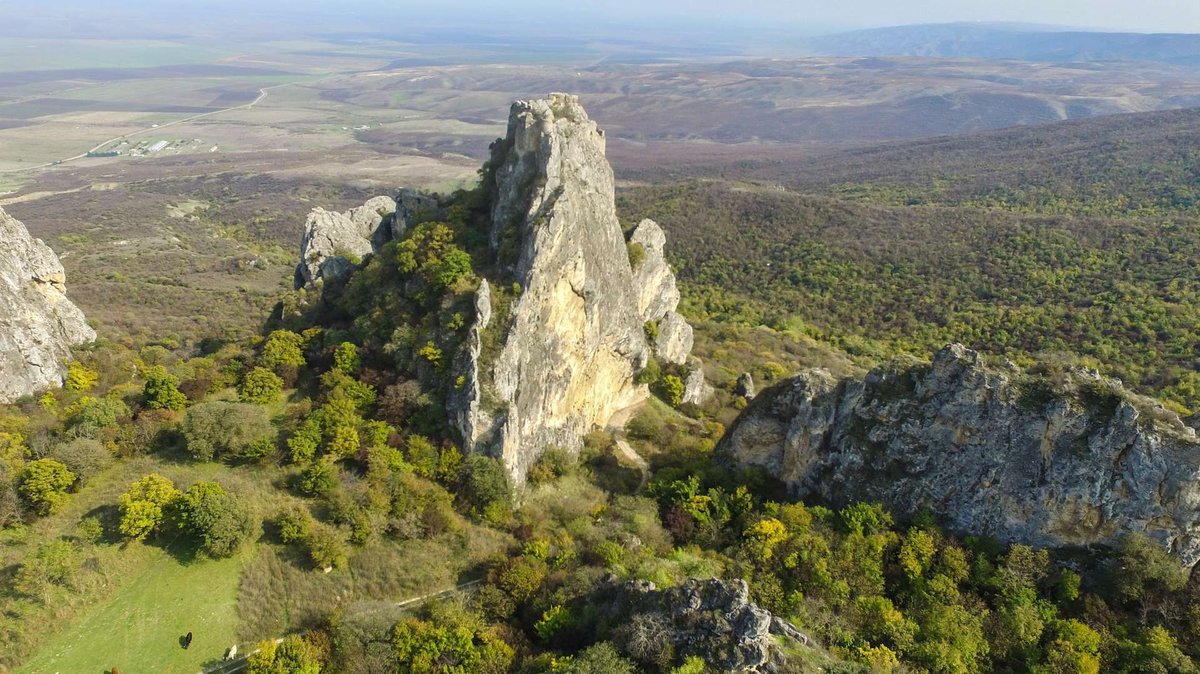
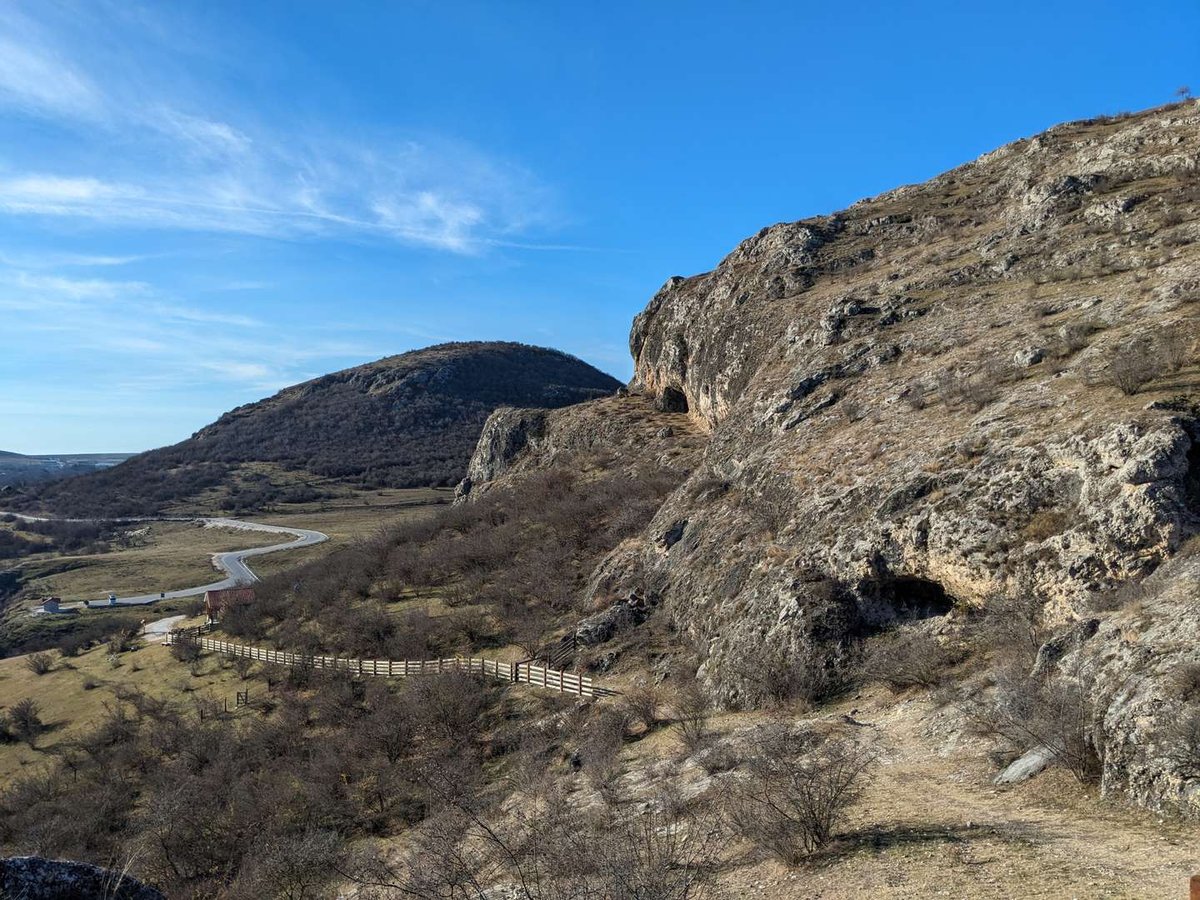
Stop 2: Khornabuji Fortress. A short drive from the gorge. The fortress stands on a rocky ridge above the valley and can only be reached on foot, up a short trail. This is one of the most dramatic viewpoints in eastern Kakheti: from the top, the wide valley, the border with Azerbaijan and the Caucasus range are all visible at once. The trail to the fortress is clear and easy to follow.
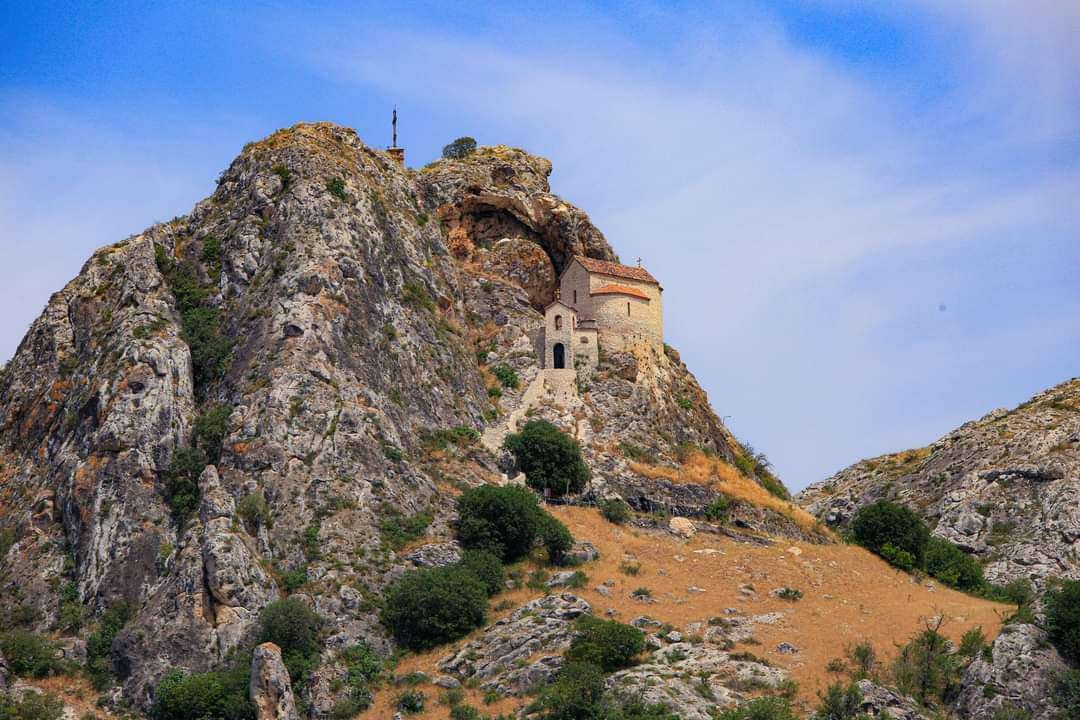
Stop 3: St. Ilia Cave Church. The cave church on Mount Elias-Mta is a few kilometres from the fortress. Another short drive, then a brief climb on foot. The church is built into a cave in the cliff face, with a bell tower emerging directly from the rock. Local names for it are Tezbileti and Tsminda Elia. It has been active since the 6th century.
All three stops are accessible year-round in dry conditions. After rain the trails become slippery, and in summer the cliffs get very hot by midday. Morning is the best time, and spring or autumn the best seasons.
🥾 Three Stops order and time
🚗 Getting There
The base for the route is Dedoplistskaro, a small town in southeastern Kakheti. Before heading out, it is worth stopping at the visitor centre in town: they have up-to-date information on trail conditions, can suggest a route suited to your level, and handle registration for longer routes inside the park if needed.
From Tbilisi the drive to Dedoplistskaro is about 170 km via Rustavi and Sagarejo, on a good road. Direct minibuses from Tbilisi's Ortachala station run to Dedoplistskaro. From the town to Eagle Gorge itself is about half an hour by car.
From Sighnaghi the distance is around 100 km. Eagle Gorge works well combined with David Gareja or Sighnaghi as a full day across eastern Kakheti.
🏰 Khornabuji and St. Ilia: Context
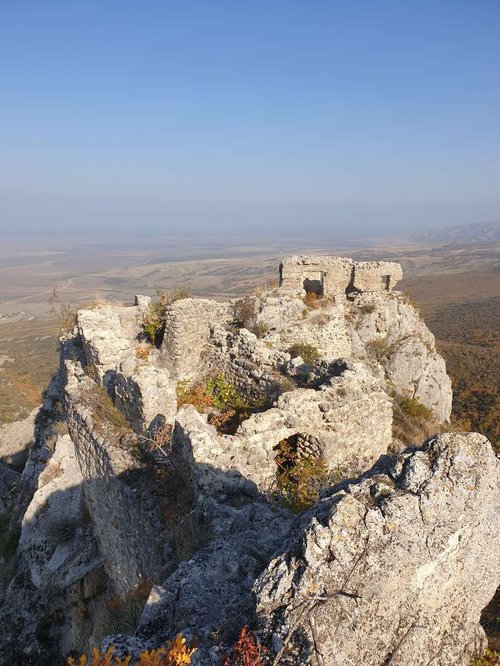
Khornabuji Fortress stands on a cliff ridge above the valley. It is one of the residences of the Kakhetian kingdom, and local tradition calls it the fortress of Queen Tamar, though its history predates her reign. The walls are built from local stone and parts of the masonry have stood for over a thousand years. The fortress is ruined, but the panorama from the ridge is intact: a wide Kakhetian valley, the Caucasus range stretching to the horizon, and the Azerbaijani side of the border.
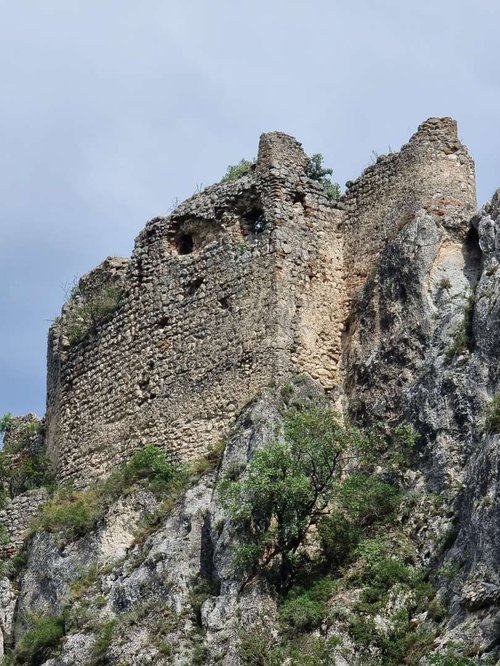
Near the fortress, according to local belief, a tunnel runs through the mountain connecting it to St. Ilia Church. Whether or not that is true, the church itself has been here since the 6th century. The cave in the cliff served as the foundation of the temple: a bell tower was cut inside the mountain, looking out over the same valley from a different angle. This is an active church, and local people come here on feast days.
Three objects, a few kilometres apart, each looking at the same valley from a different position. That is the logic of the route.
📌 What to Bring and Check
Have you done the Eagle Gorge route? Leave a review: tell us how you got to the gorge, whether you managed all three stops, what time of year you went, and whether you spotted any birds.
Information is current as of June 2026. Trail conditions and visitor centre hours may change; check before travelling.
❓ FAQ
💬 Eagle Gorge is a protected natural monument in Kakheti, a limestone canyon just north of Dedoplistskaro at around 762 metres above sea level. It forms part of the Vashlovani conservation area. The cliffs are made of ancient coral reef limestone, 145 to 160 million years old, with walls reaching up to 200 metres.
💬 More than 60 species have been recorded. Griffon vultures and black vultures nest on the canyon cliffs; the black stork, a red-listed species, appears regularly. The best time to watch is the morning, when thermals over the rock are just building. Binoculars make a significant difference.
💬 Yes, all one site. The same canyon north of Dedoplistskaro is referred to in different sources as Eagle Gorge, Eagle Canyon, Eagle Valley and Artsivisis Kheoba in Georgian.
💬 Not for the standard route covering Eagle Gorge, Khornabuji Fortress and St. Ilia Church. This route is accessible in a regular car. For remote routes deeper into the park (Pantishara, Takhti-Tepa mud volcanoes) a 4WD is necessary. The Dedoplistskaro visitor centre can advise on current road conditions.
💬 March to June and September to November. In spring the Kakhetian bellflower blooms on the cliff face. Autumn is cooler and quieter. The route is possible in summer but exposed limestone gets very hot by midday. In winter some access roads may be difficult.
💬 Khornabuji is a medieval fortress on a cliff ridge above the valley, often called locally the fortress of Queen Tamar. It is worth including: the panorama from the ridge over the Kakhetian valley and the Caucasus range is one of the best in eastern Kakheti. A short drive from the gorge, then a brief walk up to the entrance.
💬 A cave church on Mount Elias-Mta, active since the 6th century. Local names are Tezbileti and Tsminda Elia. The bell tower is cut into the rock face. It is the third stop on the standard route, a short drive from the fortress and a brief climb on foot.
💬 Generally yes. Walking sections are short and the overall difficulty is moderate. The ascent to Khornabuji Fortress has a steeper section; worth assessing on arrival for younger children. Start in the morning, bring water and wear closed footwear.
💬 Yes. Both sites are in southeastern Kakheti, and the driving distance between them is manageable. Combined in one day it makes a full and varied route: canyon and birds at Eagle Gorge in the morning, the rock-cut monastery complex at David Gareja in the afternoon.

38 comments
Log in to leave a comment
თავდაპირველად სიამაყით და აღფრთოვანებით ვცდილობდი თითოეულ კუნძულზე გავლას, მაგრამ მალე გამოვიცანი, რომ ეს ადვილი არ იყო. ციხესაც ეს დატვირთვა ვერ აკმაყოფილებდა. სადაც უნდა გქონდეს გასამართებელი განცდები, იქ თითქოს რაღაც გადატვირთული გრძნობები ჩნდება. მღვიმის ტაძარი კი, შესაძლოა, იმაზე მეტ სიმშვიდეს გრძნობდეს, ვიდრე სხვა ადგილები. მიუხედავად ამისა, მგონია, რომ ყველაფერი მაინც სწორ მარშრუტზე მიდის. ვაშლოვანი მართლაც ერთი განსაკუთრებული ადგილია, მაგრამ იქ წასვლა ღია გონებით და ცოტაოდენი მოთმინებით ღირს.
Про этот маршрут много, что читала, так горю желанием посетить, и везде написано брать с собой воду и еду. Читала одного путешественника, там написано, что поднимаясь к Крепости вспоминается хлебная лепешку с сыром свежеиспеченная)