




🧭 Tbilisi 2026 parade guide - unmissable aesthetics
🚪 Stairs, stucco and light through stained glass windows - a route through beautiful front doors with atmosphere and character.
The front doors that are worth seeing

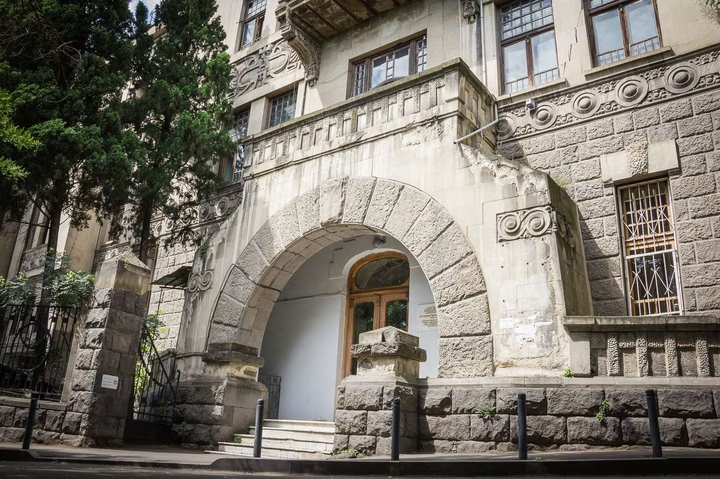


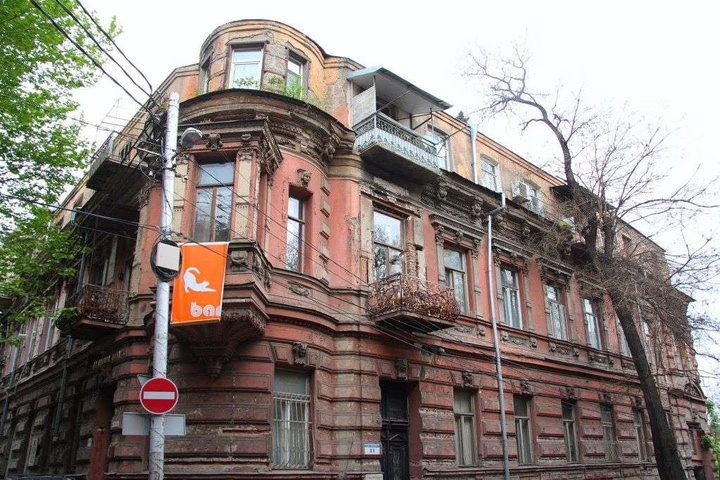

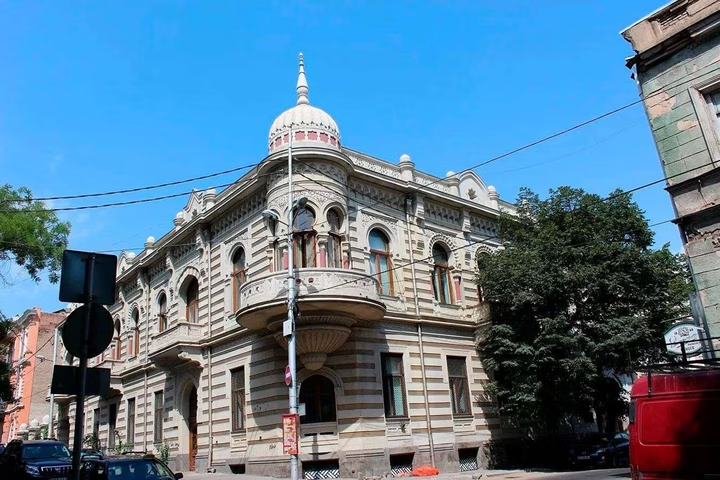

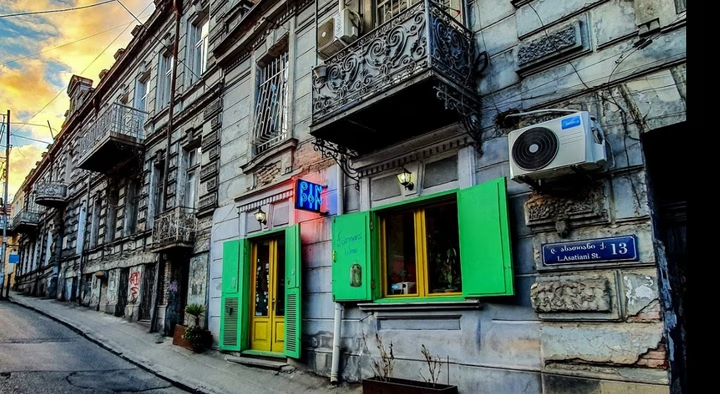
Front doors where history lives

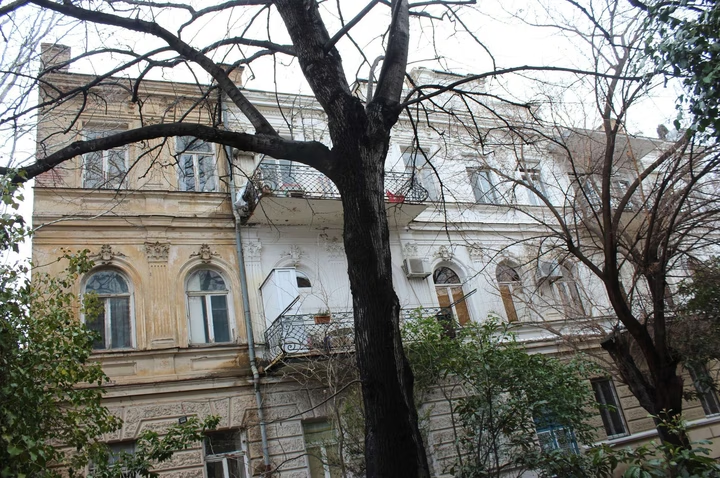


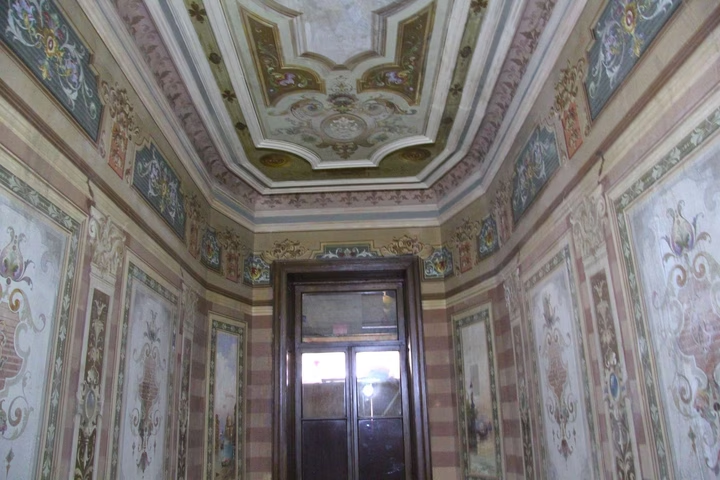

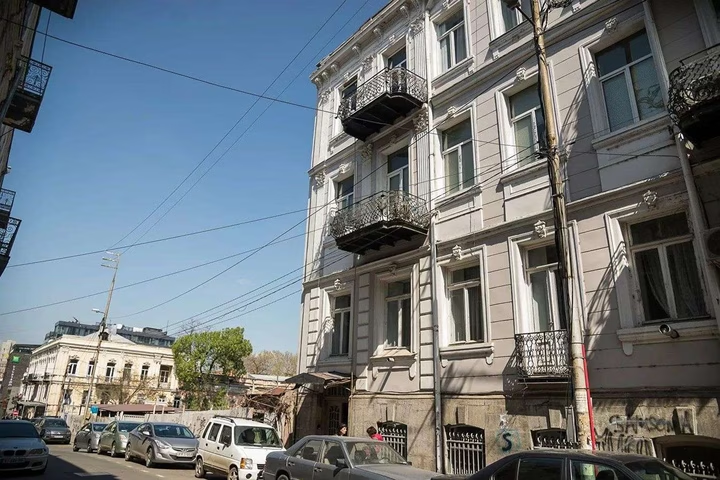
Entrance halls where every corner is like a still from a movie

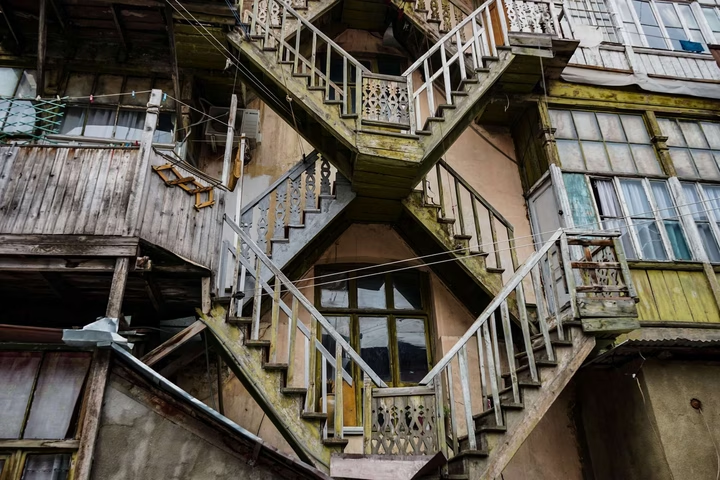

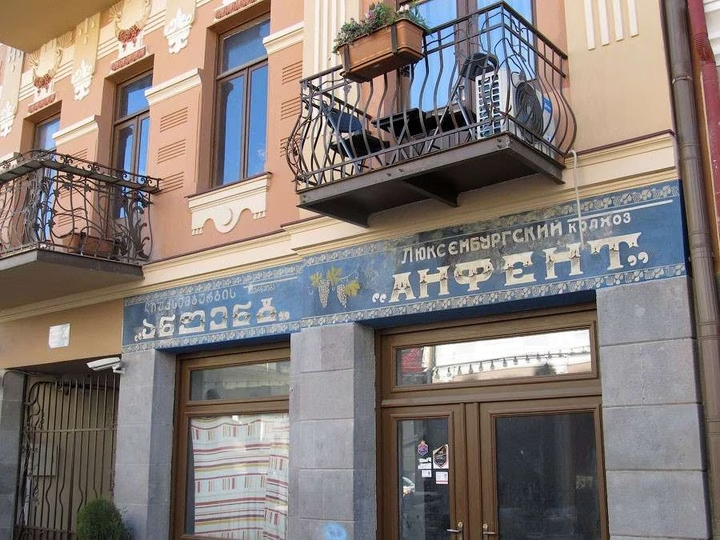

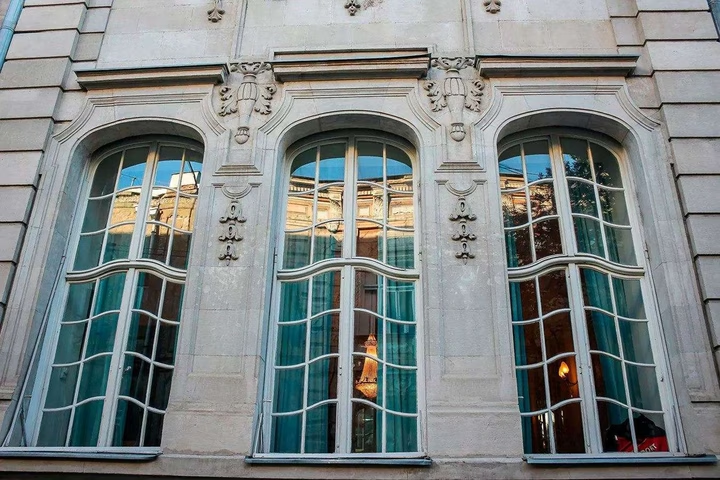

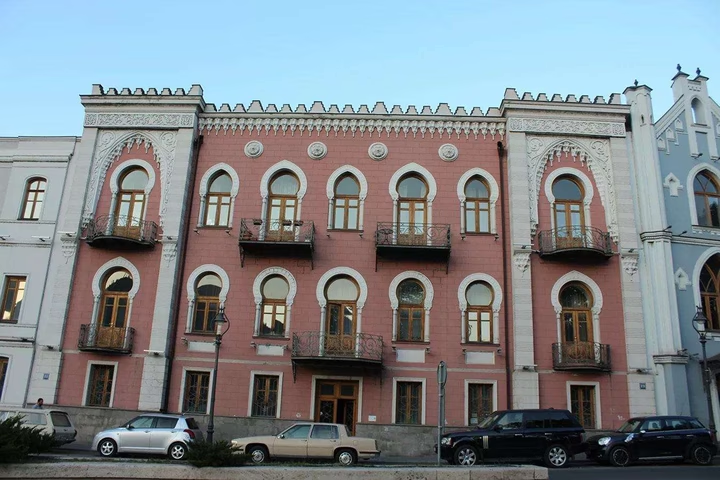
Entrance halls that you want to look into again
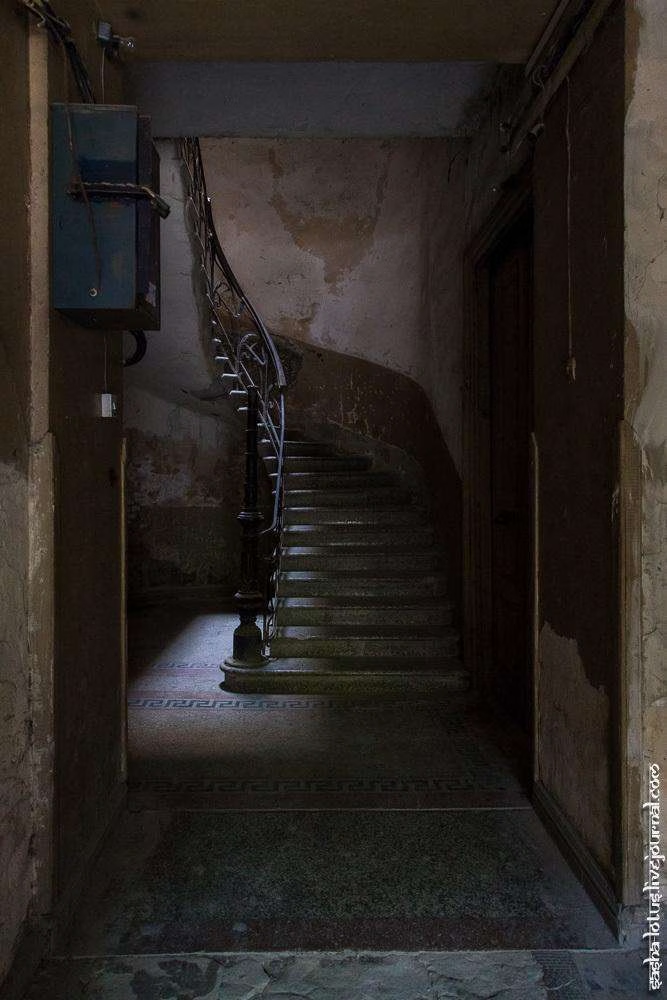

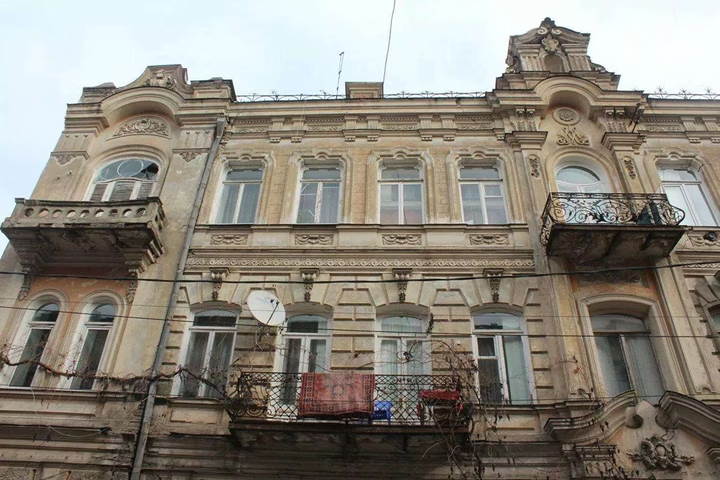
Parade entrances that reveal the city in a new way

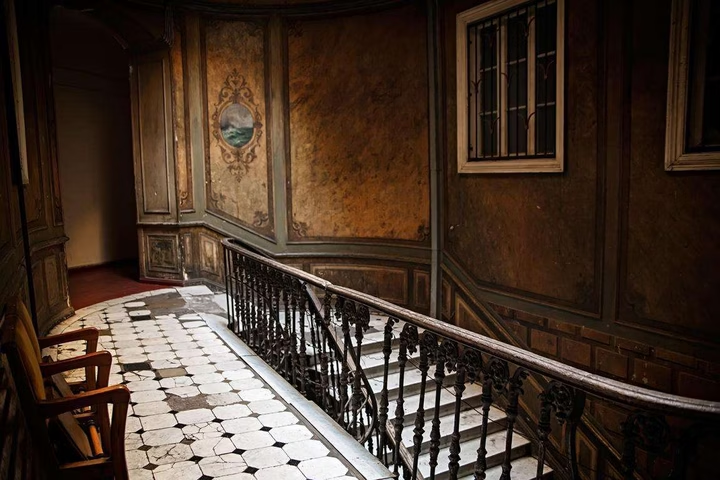


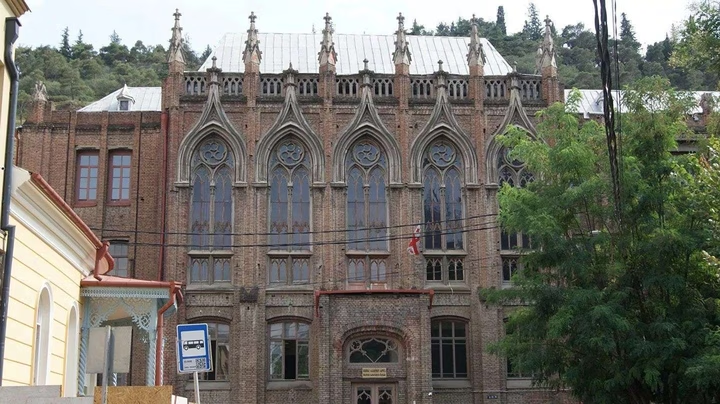

🏛️ What's special about Tbilisi's front doors and why it's worth strolling through them
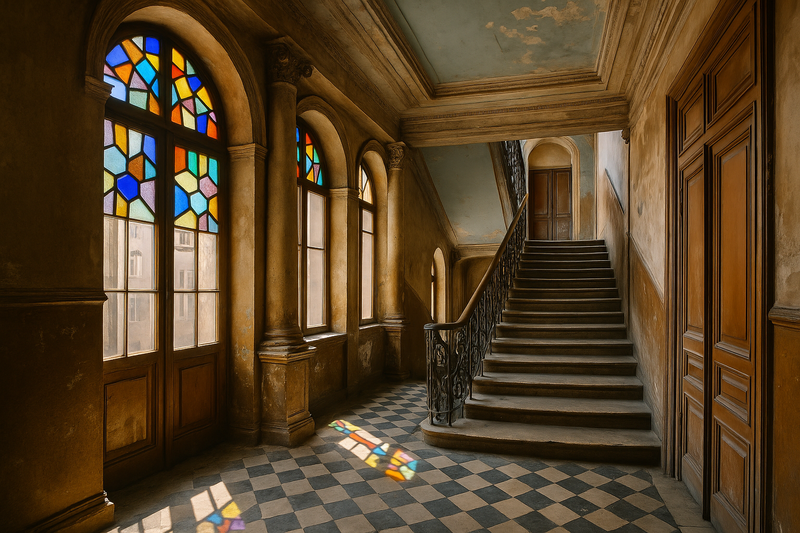
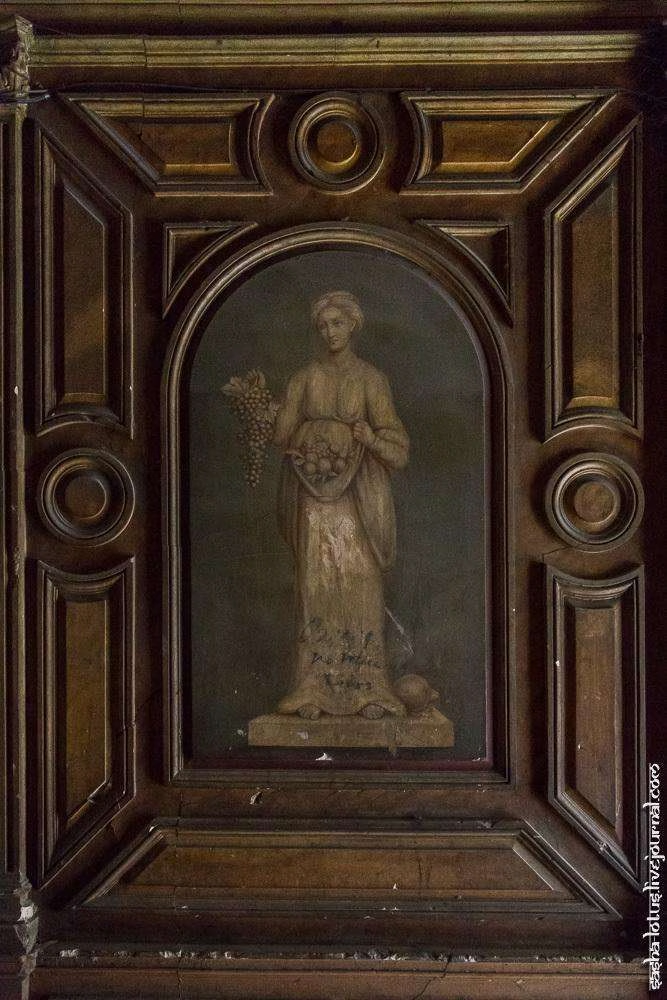
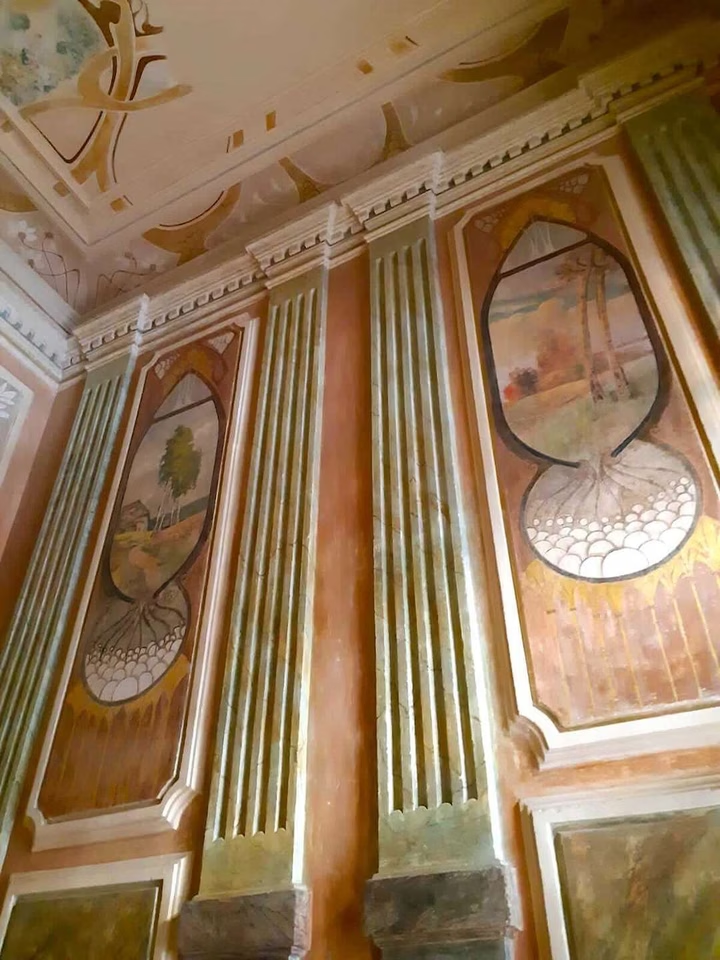
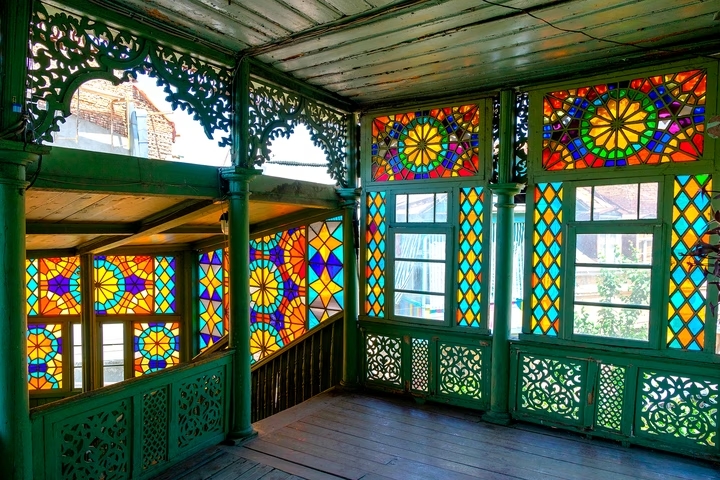
Tbilisi's front doors are a separate layer of the city, not mentioned in guidebooks, but open to those who know how to look. They preserve the spirit of the times: stairs that creak underfoot, stained glass windows that cast colorful shadows, stucco moldings that have frozen on the walls for decades. You don't need museum lighting here - a ray of sunlight falling through the window is enough.
Often, these are the places that unexpectedly touch the soul in the Georgian capital. You go in for a minute, and find yourself in a movie: twisted railings, peeling paint, old door handles and forged bars, behind which footsteps sound.
This is not just an entrance to a building - these are scenes from city life. And if you want to see Tbilisi not only as a tourist, but as an observer, start with the front doors.
🎨 Stairs, stained glass windows and tiles — details that you want to look at
Tbilisi front doors often don't reveal themselves right away. From the outside, a house may seem ordinary, but once you open the door, it's as if you've entered another dimension. Marble or wooden steps, patterns on the floor, stained glass windows that diffuse daylight — all of this creates the very aesthetics for which people come here with a camera or phone at the ready.
These details are not demonstrative. They don't "shout", but rather whisper: "Notice me." Some pass by without noticing, while others stop to take a photo of a curved railing or an old doorbell. It's these little things that create the feeling that you've found yourself in a city where art hides even in everyday life.
Here, you can not only see beauty, but also feel respect for details and time. After all, someone once conceived all of this, created it — and preserved it for us.
Elena Vorontsova, St. Petersburg
“When I saw the word “front door” in Tbilisi, at first I thought it was a coincidence. And then – it was like I had returned home. These stairs, windows, the smell of old wood… Everything reminded me of St. Petersburg, only with sunlight. Thank you for the guide – it helped me discover the city from a completely different side. Now I know: front doors are not just an entrance, they are an invitation into history.”
🧱 Traces of time on the walls - the front doors as witnesses of eras
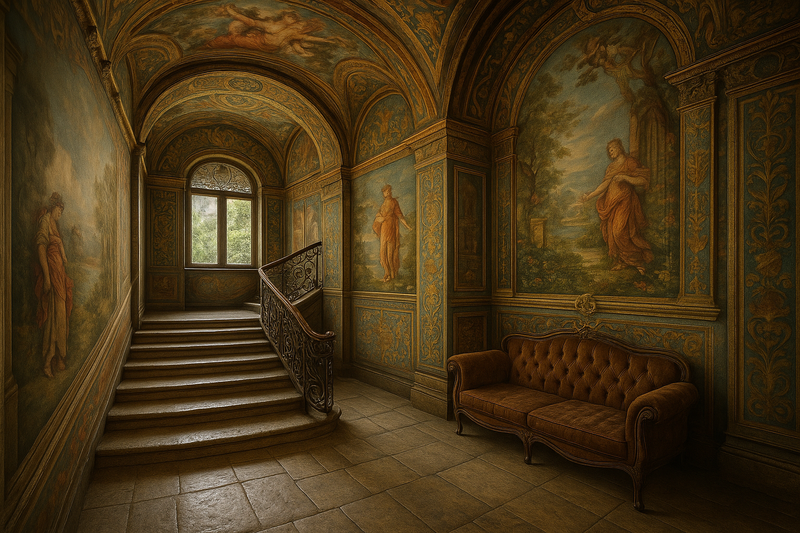
In some of Tbilisi's entryways, time literally shows through the plaster. Peeling walls, old switches, door plates with worn letters - all this is not just decor, but a silent testimony of the eras. They don't do "Euro-style renovations" here, and that's their value: you enter and find yourself in the 50s, 70s, or even the beginning of the 20th century.
Such places are not restored, but they are not destroyed either. They live. Someone leaves an apartment with a string bag, somewhere a cat is crawling up the stairs, somewhere a neighbor left a flower pot on the windowsill. And you understand: this is not "decoration", this is real life, which continues today.
This is not only aesthetics, but also a real sense of time. History is not shown here - here it continues.
📸 Through the eyes of a photographer — how to notice beauty in details
When you enter the front door of Tbilisi, it is important not just to walk up the stairs — but to stop. Look up. Sit down on a step. Wait for the light to pass through the stained glass along the wall. These moments are unnoticeable for those in a hurry, but priceless for those who are attentive.
Photographers love these corners of history precisely for this: here you can catch a shot that will not be repeated. The shadow of the grate on the wall, peeling paint, wallpaper with a light pattern, an old chandelier with crooked sockets — all this seems to ask: “Notice me.” Even a shabby doorbell becomes the subject of a shot, if you know how to see it.
These places do not require staging. They have already been created by time — you just need to notice them.
🧭 Unobvious routes — how front doors reveal a city in a new way
Tourists usually go to the sights. To cathedrals, museums, monuments. But sometimes the most interesting things are hidden behind the inconspicuous door of an ordinary house. Tbilisi front doors are like secret chapters of an urban novel. You won’t find them on classic tours, but they are the ones that really let you feel the city.
You don’t just look — you enter. You don’t just walk — you look inside, deep inside. Sometimes these are doors that are open to everyone, sometimes you need to ask permission from the concierge. Somewhere they will let you in with interest, somewhere with slight caution. And this is also part of the atmosphere.
Front doors change the rhythm. They slow down, turn your gaze towards details, teach you to observe. And most importantly, they let you feel the city as a home. Not as an exposition, but as a living space that you were let into for a minute — so that you want to come back.
Mathieu Delacourt, Lyon (France)
"I came across one of the front doors from your list by chance, just wandering aimlessly. I went inside and suddenly realized that I wanted to stop at each door, look up, inhale the smell of old wood and paint. It was unlike any architectural route I had been on.
Thank you for the idea: it opened up Tbilisi for me not as a tourist, but as an attentive guest who looks not at the facades, but inside - and finds beauty where you least expect it."
The Most Frequent Questions
Yes, many doors are open, especially in older areas. But be polite: if there is a concierge or residents, it is always better to ask - most respond with interest and warmth.
No, the entrance to the front doors is free. But there are rare cases when access is only possible as part of a tour (for example, closed mansions). Sometimes, for a symbolic fee, you can get in with a local guide.
Probably not. Even if the routes are close, you want to spend time on each front door. It is better to split the walk into 2-3 days so as not to rush.
Yes, as long as you don't disturb the residents or invade their personal space. Some staircases even ask not to take pictures with people - and that should be respected. And it's best not to use a flash.
In the morning and during the day there is more light, the doors are open, and people are friendly. In the evening it can be a bit dark, and some entrances are already locked.
Sololaki, Chugureti, Avlabari, Mtatsminda are real treasures. They have the oldest houses and entrances with character.
Pay attention to the stairs, the floor tiles, the old railings, the door handles, the ceiling moldings and the stained glass windows. These details are like living fragments of architectural poetry.
They are part of the cultural code. Here you can feel the soul of the city: modest, a little shabby, but real and warm.
Yes! We have put together a handy guide with a map and addresses - go to the map above and build your route!
No, but comfortable shoes will definitely come in handy: there are a lot of stairs, and the walk can be long. And don't forget to charge your phone or take a camera 💛

0 comments
Log in to leave a comment