


Add organization

Kumi Monastery - a Monastery in the Hills above Sviri

Unknown
Updated at:
5.0/1 review
Kumi Monastery
ะœะพะฝะฐัั‚ั‹ั€ัŒ ะšัƒะผะธ - ะพะฑะธั‚ะตะปัŒ ะฒ ะณะพั€ะฐั… ะฝะฐะด ะกะฒะธั€ะธ
  • General
  • Description
๐Ÿ“ Coords and Plus Code

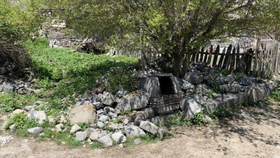
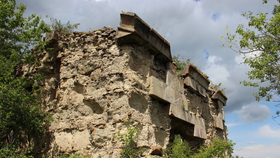
Kumi Monastery is a secluded house in the mountains north of Sviri, above the Potskhovi valley. There are no roads here in the usual sense: the last stretch is on foot, and that is the best filter against chance visitors: those who climb up are the ones who truly meant to come.

Kumi continues the ancient Samtskhe tradition of mountain monasticism, where seclusion is not decoration but the place. A traveller gets a rare pairing here of pilgrimage and a real mountain hike: a climb up wooded slopes, silence and old walls at the top.

The order of the house asks respect: modest dress, a headscarf for women, quiet on the grounds. Come in comfortable shoes, with water and spare time: it grows dark early in the mountains, and the path is steep in places.

โ›ช On site

  • A secluded mountain monastery
  • The mountains north of Sviri, above the Potskhovi valley
  • The last stretch is on foot, up wooded slopes

๐Ÿš— Getting there

  • Landmark - Sviri village; then north into the mountains, about twelve kilometres to Akhaltsikhe
  • The navigator opens with the Build Route button

โœ๏ธ If you have made it here, tell about it in a review - your experience will help others.
Location map
Click to load interactive map

Similar places nearby

Places in the same category within 5 km. Distances are approximate and measured in a straight line.

Do you want to increase the number of clients by 5 times?

Choose premium placement on Madloba and attract customers who are currently leaving for your competitors.

I want
1 review
Give a rating
Upload photos
  • b
    beqa shalamberidze

    แƒ’แƒ–แƒ แƒกแƒแƒ™แƒ›แƒแƒแƒ“ แƒ แƒ—แƒฃแƒšแƒ˜แƒ, แƒ›แƒแƒ’แƒ แƒแƒ› แƒ›แƒแƒœแƒแƒกแƒขแƒ”แƒ แƒ˜ แƒ›แƒแƒ แƒ—แƒšแƒแƒช แƒกแƒแƒแƒชแƒแƒ แƒ˜แƒ แƒ—แƒแƒ•แƒ˜แƒกแƒ˜ แƒ˜แƒกแƒขแƒแƒ แƒ˜แƒ˜แƒก แƒ’แƒแƒ›แƒ. แƒฅแƒฃแƒ›แƒ˜แƒก แƒ›แƒแƒœแƒแƒกแƒขแƒ”แƒ แƒ˜ แƒฃแƒ™แƒแƒ•แƒจแƒ˜แƒ แƒ“แƒ”แƒ‘แƒ แƒ›แƒแƒกแƒ” แƒฎแƒแƒœแƒ”แƒšแƒก/แƒฎแƒแƒ›แƒ”แƒšแƒก, แƒ แƒแƒ›แƒ”แƒšแƒ˜แƒช แƒแƒ แƒ˜แƒก "แƒแƒ›แƒ˜แƒ แƒแƒœ แƒ“แƒแƒ แƒ”แƒฏแƒแƒœแƒ˜แƒแƒœแƒ˜"-แƒก แƒแƒ•แƒขแƒแƒ แƒ˜. แƒ›แƒแƒ˜แƒซแƒ˜แƒ”แƒ— แƒ˜แƒœแƒคแƒแƒ แƒ›แƒแƒชแƒ˜แƒ แƒ“แƒ แƒฃแƒคแƒ แƒ แƒ›แƒ”แƒขแƒแƒ“ แƒ’แƒแƒ’แƒ˜แƒฉแƒœแƒ“แƒ”แƒ‘แƒแƒ— แƒกแƒฃแƒ แƒ•แƒ˜แƒšแƒ˜ แƒแƒ› แƒ แƒ—แƒฃแƒšแƒ˜ แƒ’แƒ–แƒ˜แƒก แƒ’แƒแƒกแƒแƒ•แƒšแƒ”แƒšแƒแƒ“.