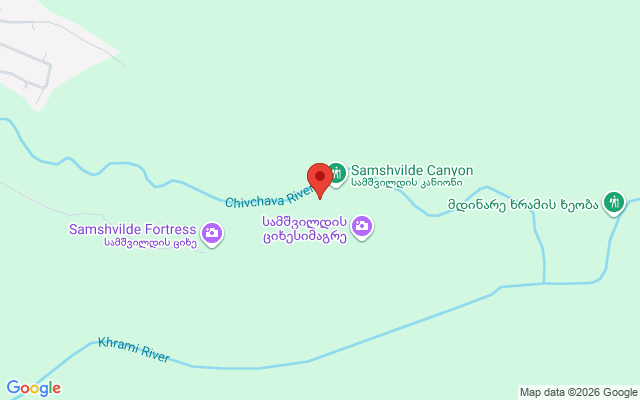



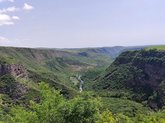

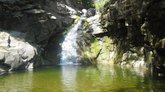

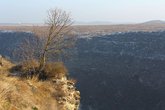

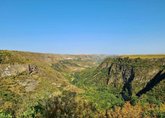

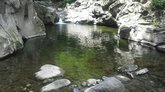

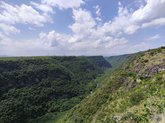

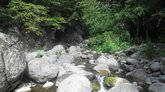

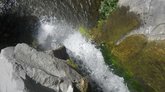


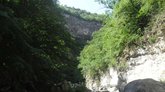

Samshvilde Canyon is located in Tetritskaro Municipality, Kvemo Kartli, near the village of the same name, at an elevation of 548-605 metres above sea level. It's a natural monument covering 405 hectares, formed at the confluence of the Khrami River (a 5-6 km canyon) and the Chivchavi River (3-4 km). The canyon reaches an average depth of 300 metres, making it one of the deepest natural gorges in this part of Georgia.
The canyon formed through erosion of an ancient volcanic plateau. Its distinctive feature is intrusive quartz-porphyry: split crystals of magmatic quartz that formed as molten magma cooled. The steep slopes are covered by mixed and broadleaf forest, home to Caucasian fir, Georgian maple and elm, some of them relict and endemic species of the region.
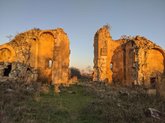
The best panoramic view of the canyon opens from the ancient fortress-city of Samshvilde, built on a headland at the river confluence, which for centuries guarded the approaches to Tbilisi from the southwest. The combination of a natural monument and archaeological ruins makes this a compelling stop for both nature lovers and those interested in Georgian history.
There's no visitor infrastructure on site: no parking, cafés or paved roads, which keeps the setting authentic and undisturbed. The road to Samshvilde village is paved, while the final stretch to the canyon itself, about a kilometre, is unpaved. The best time to visit is late spring or early autumn: in summer the risk of encountering snakes on the trail rises, so closed shoes and long trousers are recommended.