




Trialeti. The first people in Europe lived here!
During the kurgan burial era, the level of craftsmanship and processing reached such a high level of development that scholars have dubbed this period the "brilliant culture of the great kurgan." Artifacts found in the graves are distinguished by their highly sophisticated craftsmanship and artistic style.
The Trialeti region of Georgia, located between Javakheti and Kartli, in ancient times encompassed the territories of the modern municipalities of Tsalka and Dmanisi and was renowned for its cattle breeding and crop farming.
Over the centuries, this historical region was subject to numerous enemy raids by Mongols, Turks, and highlanders from the North Caucasus, causing devastation and ruin. However, a rich historical heritage has been preserved here: over a hundred churches, ruins of fortresses and cities, caves, and the remains of block dwellings and stone monoliths.
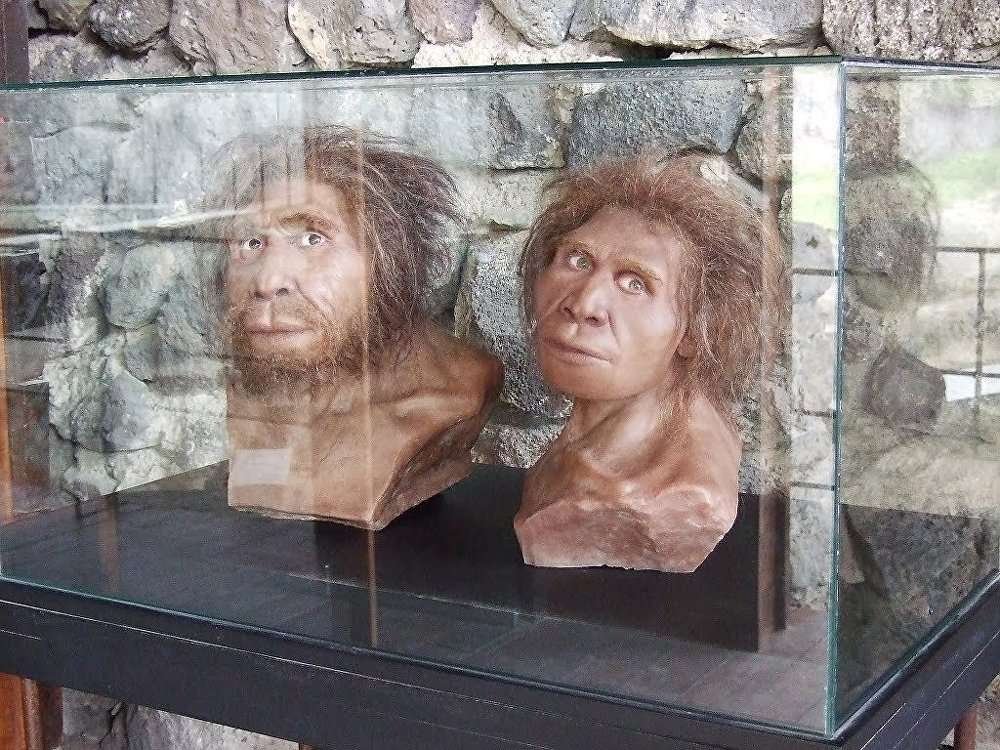
The first humans in the Transcaucasus settled here, in the territory of modern-day Dmanisi, in the historical region of Trialeti. This occurred approximately 1,800,000 years ago. The remains of the first Eurasian hominids were discovered in 1999 and 2001 during archaeological excavations in the Dmanisi region. Scientists have named them Homo Georgikus. Models of the first Europeans, Zezva and Mzia, are on display in the Dmanisi Historical and Architectural Museum-Reserve.
In the first half of the second millennium BC, during the Bronze Age, the kurgan burial culture was widespread in Trialeti (one such burial was discovered in Zurtaketi, the stone mound of which was 100 meters in diameter, 8 meters high, and the burial chamber area was over 150 square meters). In the burials of this period, a large number of clay and metal utensils, weapons and tools made of copper, bronze, silver and obsidian, gold, silver and stone jewelry were found.
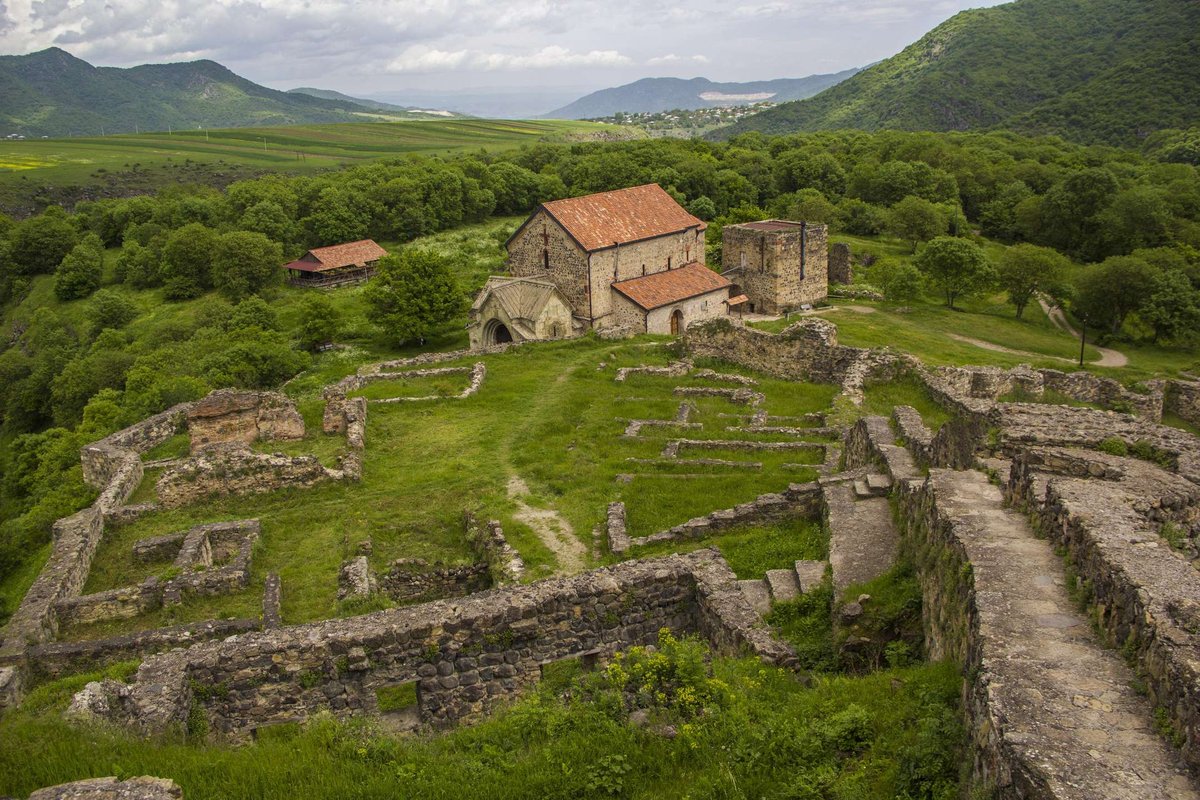
In the Middle Ages, Dmanisi was one of the largest and most developed strategic, economic, and spiritual centers of Georgia.
In 2007, the archaeological sites of Dmanisi were included in the tentative list of UNESCO World Heritage Sites.
You can find even more historically significant facts and interesting stories in the Madloba catalog. Our specialists collect important and valuable information so you can better understand the culture of Georgia and its people.
Read the latest articles, leave your comments, and share your impressions of your travels through this colorful country!

43 comments
Log in to leave a comment
Про экономический центр звучит заманчиво, но а что на практике? Когда последний раз кто-то действительно там задерживался, кроме экскурсионного потока? Ай, точно, видео обещает честный рассказ о жизни в Грузии. Ну и как, действительно ли там так идеально, как говорится? Или это все красивые картинки, а жизнь - совсем другая?
ძველ ეპოქებში ცხოვრება გასაოცრად რთული იქნებოდა, თუმცა ადამიანების ამდენი ტკივილი, მონდომება და ძალისხმევა როგორ გადმოიცემა საერთოდ? ესეთი ადგილებია, რომლებიც შეიძლება იქ ითამაშონ არა მხოლოდ ბუნებრივ, არამედ კულტურაზე დაფუძნებულ განვითარებაშიც.
ჰოდა, წარმოიდგინე, როგორ იხვეწებოდნენ ადამიანები იმ დროში, როცა შემოქმედებისთვის იმდენი შანსი არ არსებობდა. საინტერესოა, რითი ცხოვრობენ დღეს ეს ხალხი?
Смотрю на предоставленное в статье фото с изображением первых европейцев и поверить не могу, как сильно изменился человек, даже внешне, но как сохранилось родство и сходство с нашими предками. Посетить Дманиси это уникальный опыт!
Конечно, ничего против этого не имею. Возможно, в этом мире есть много разных правд, и каждая страна видит свою собственную. В конечном итоге, это делает наше понимание истории более разнообразным и увлекательным.