




Dmanisi Historical and Architectural Museum-Reserve
Address: Dmanisi District, Patara-Dmanisi Village
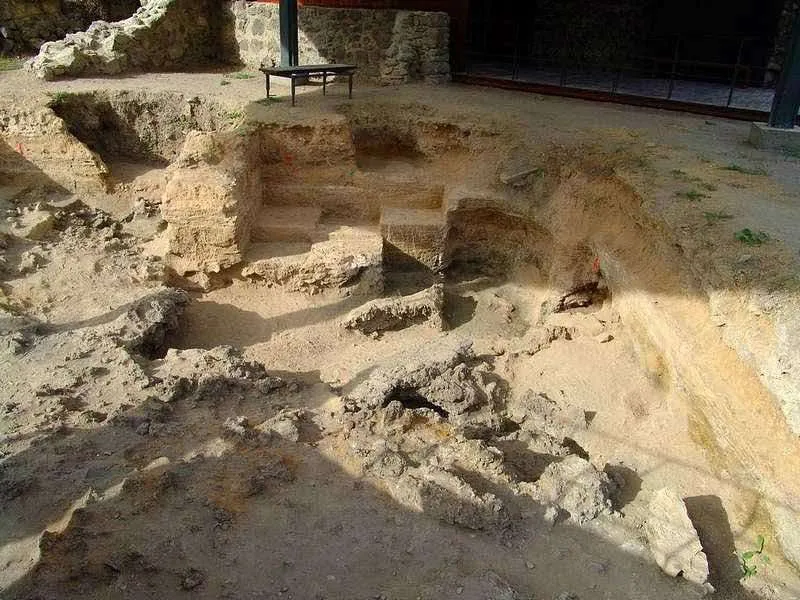
The Dmanisi Museum is the first in Georgia located directly on an archaeological site. The museum's architecture is designed to protect important archaeological layers, create modern working conditions for researchers, and educate the public. The project was designed by renowned French architect Jean-François Miloux.
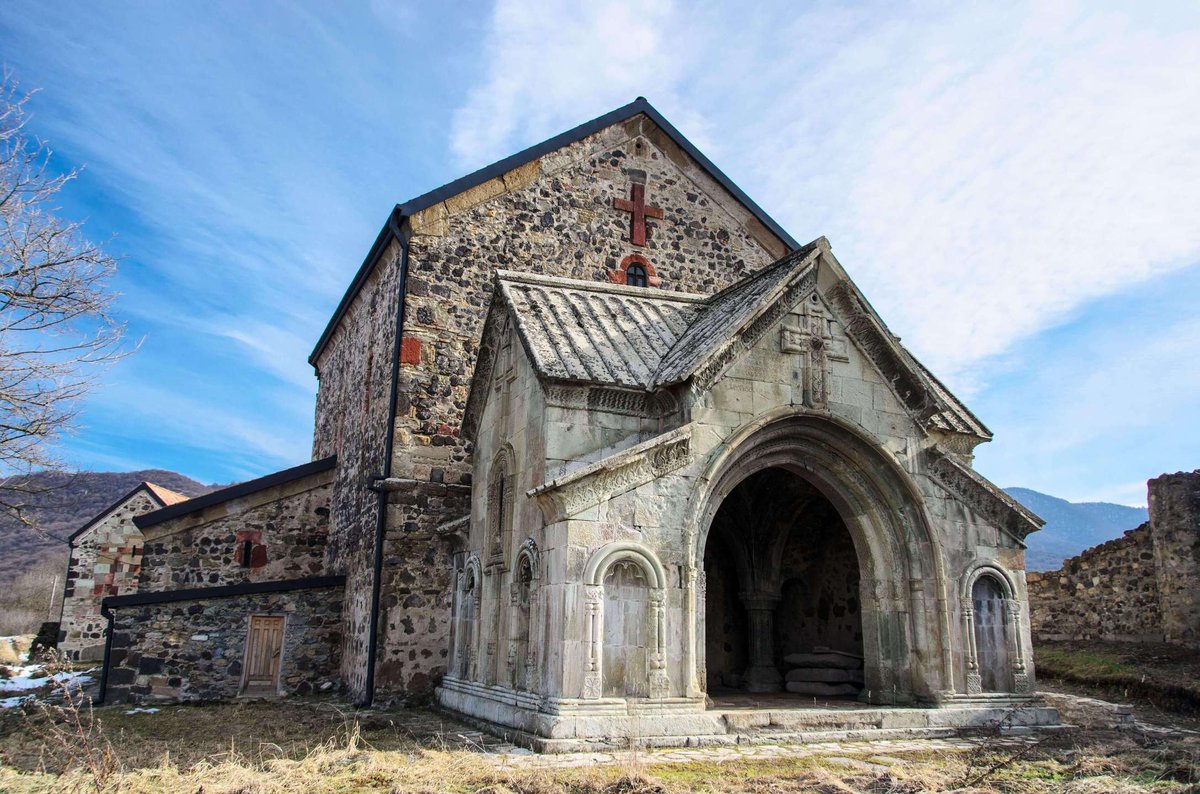
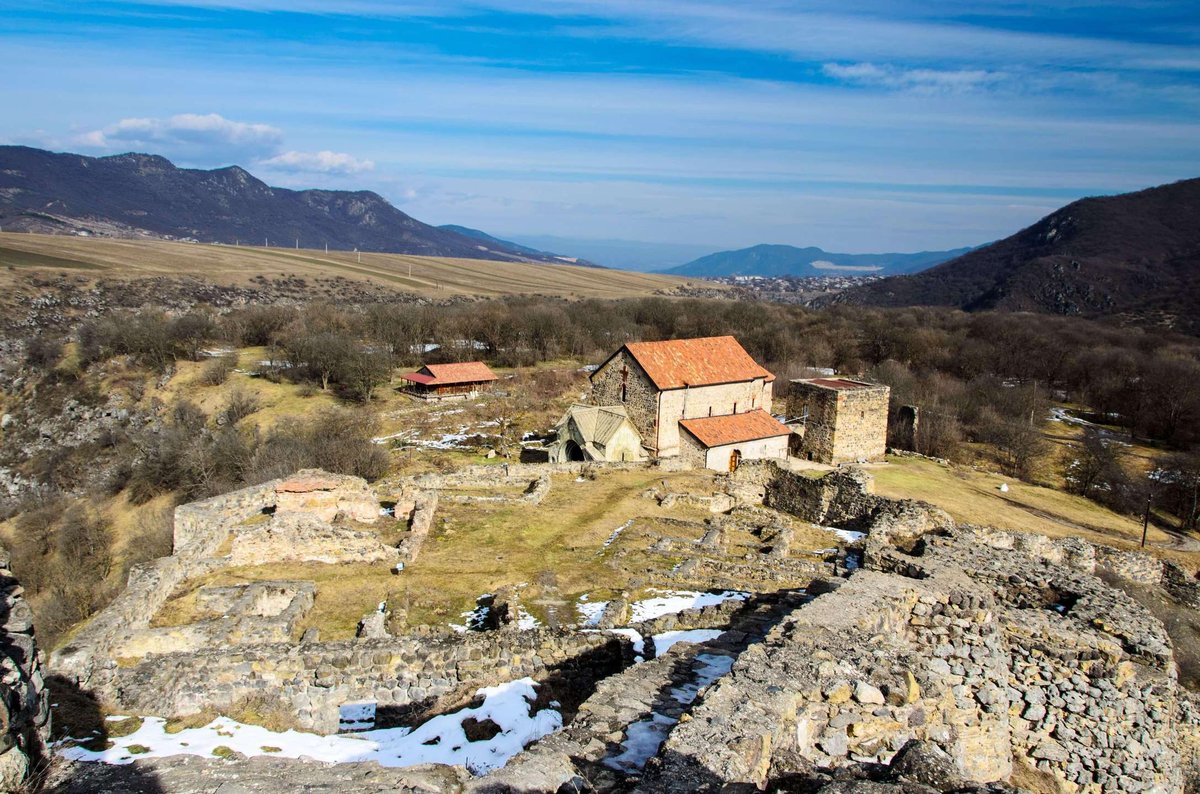
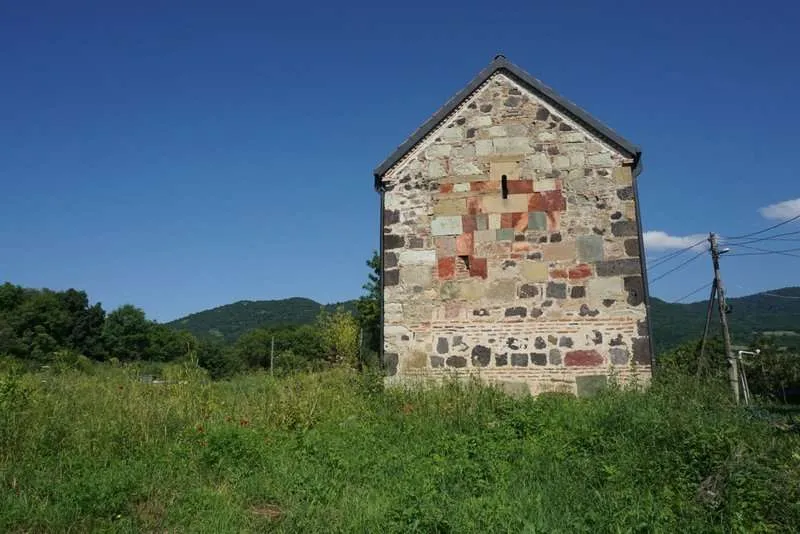
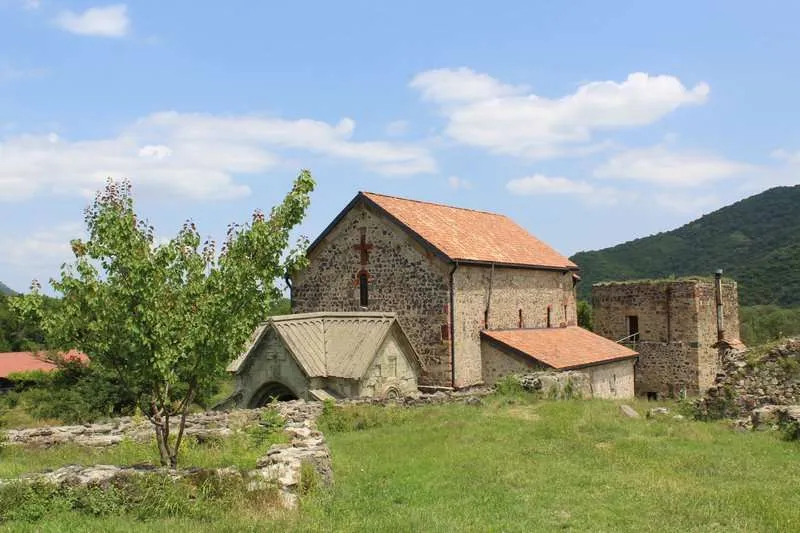
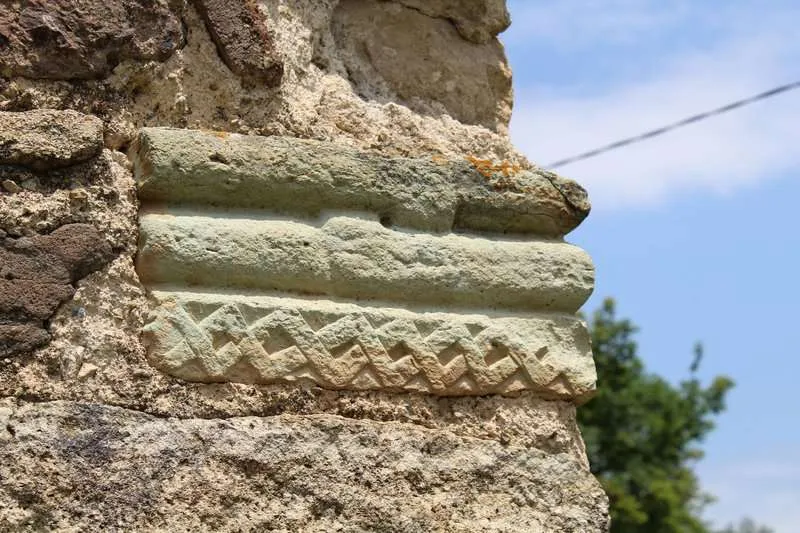
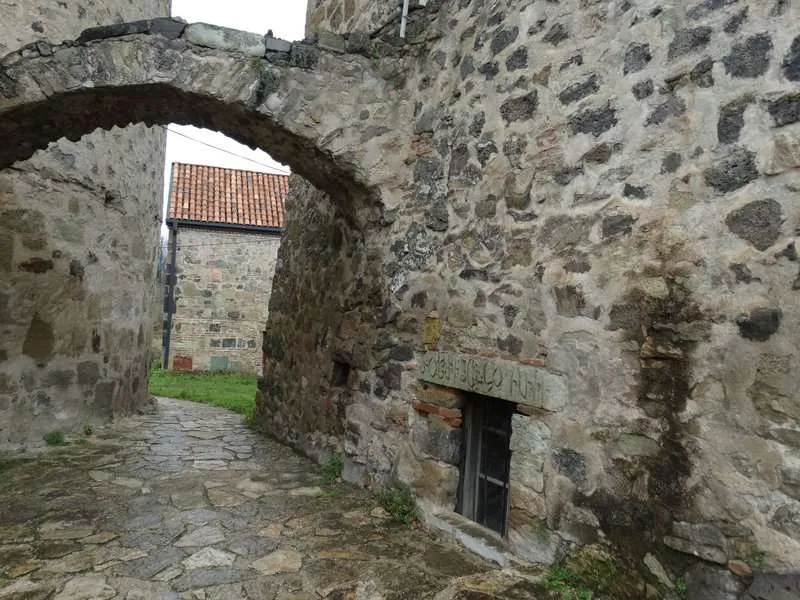
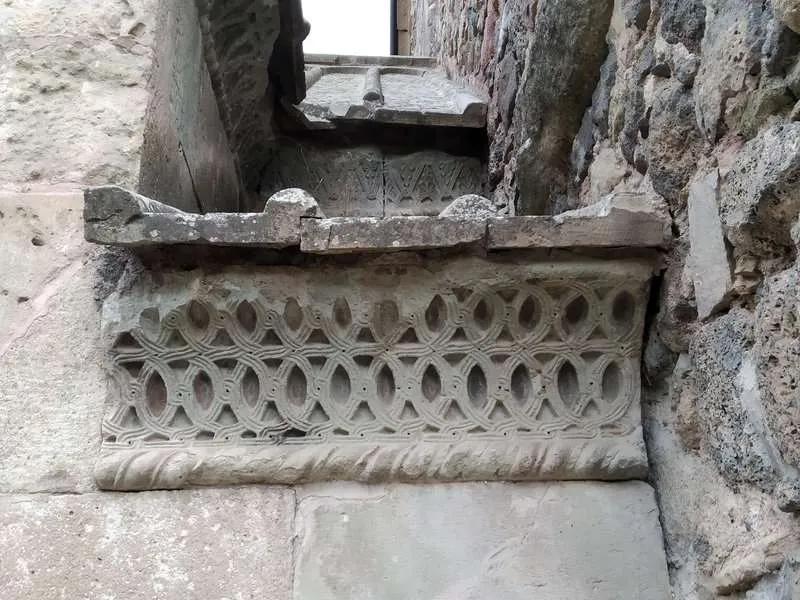
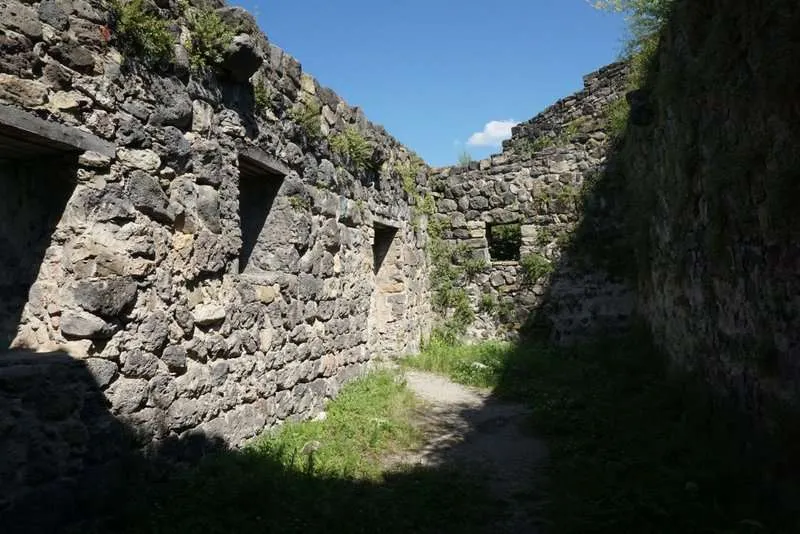
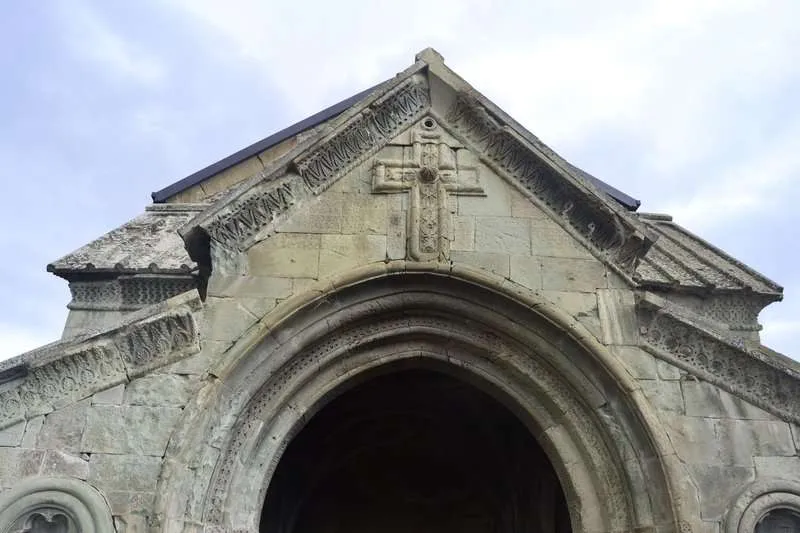
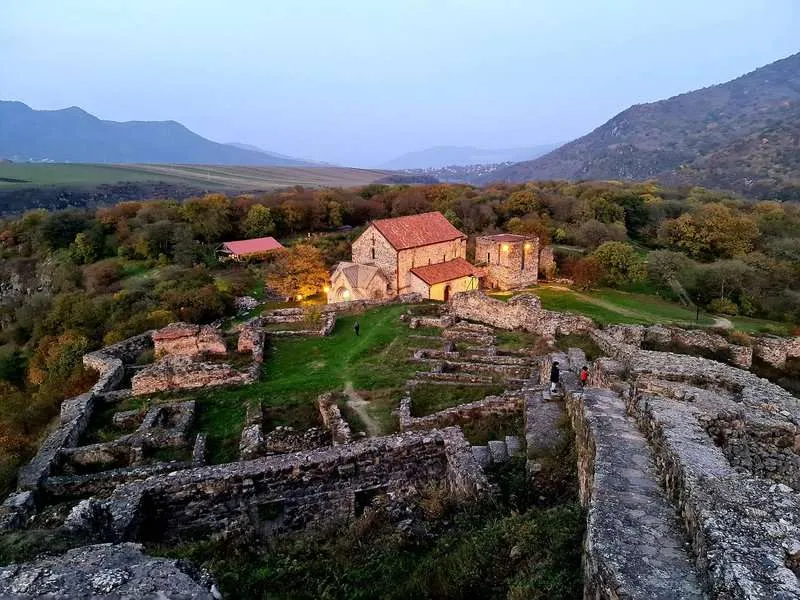
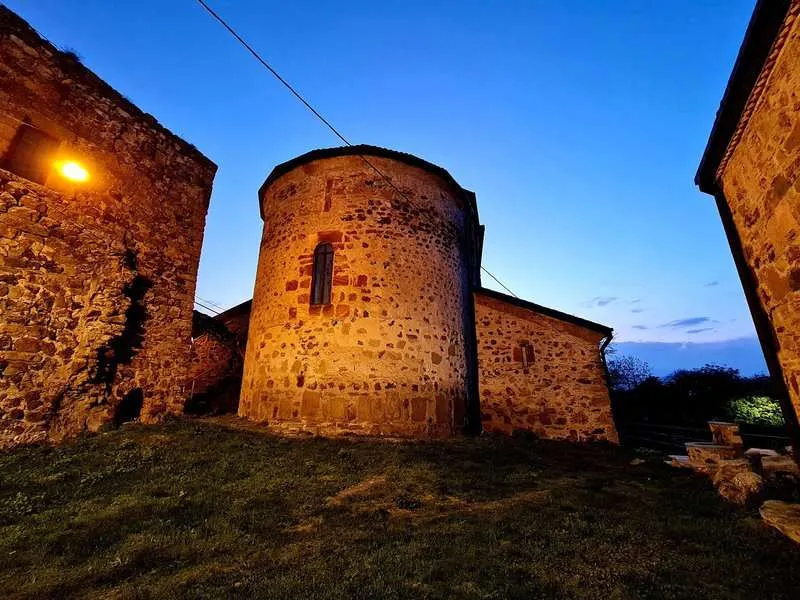
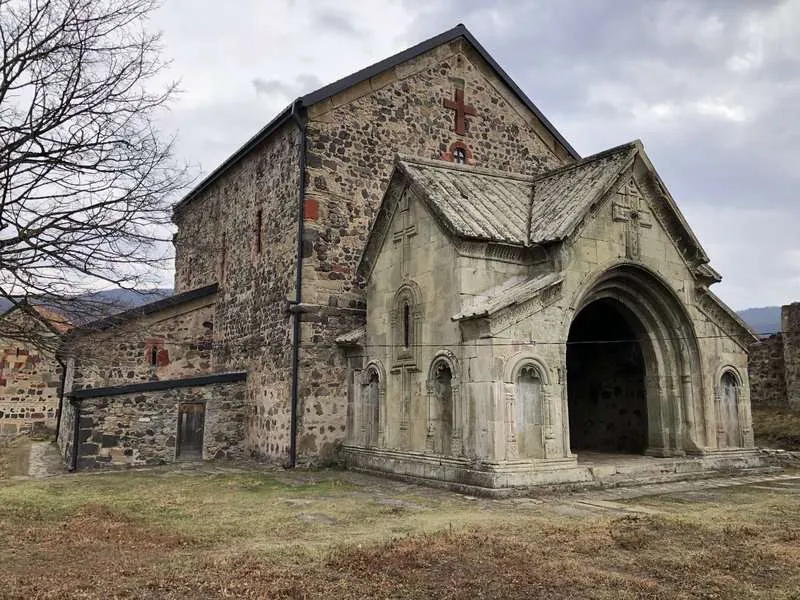
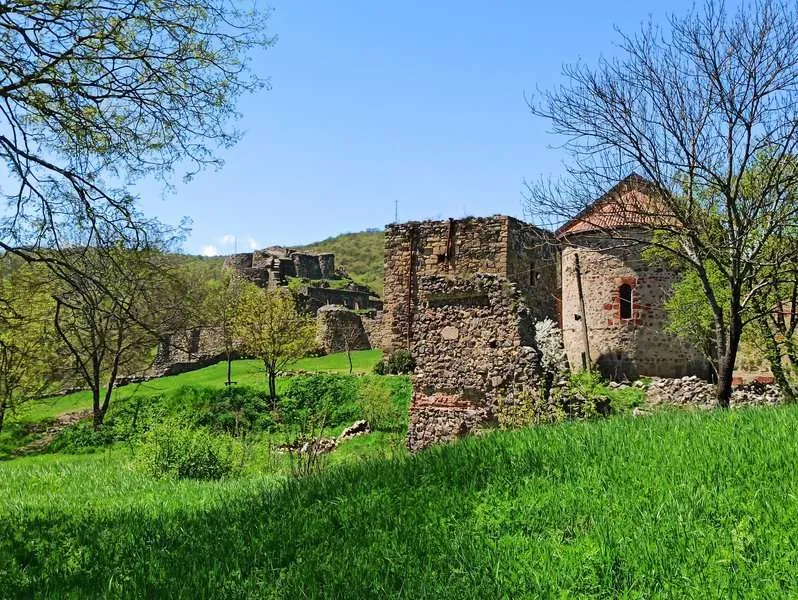
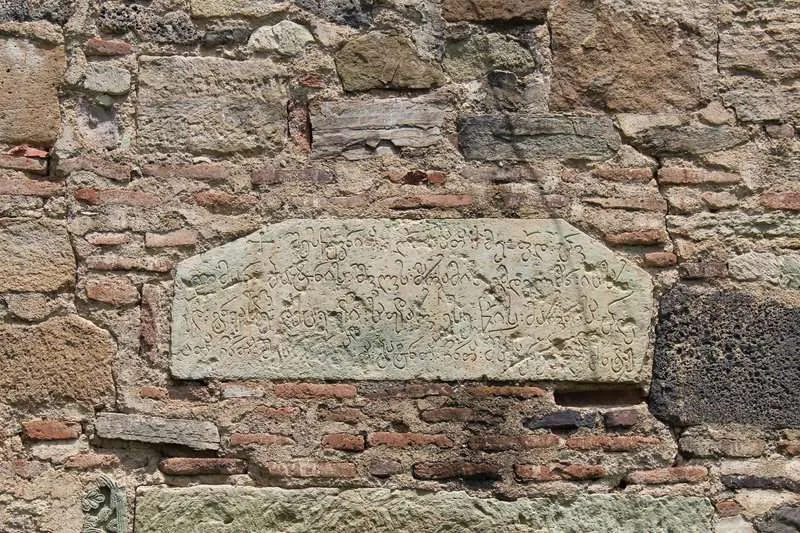
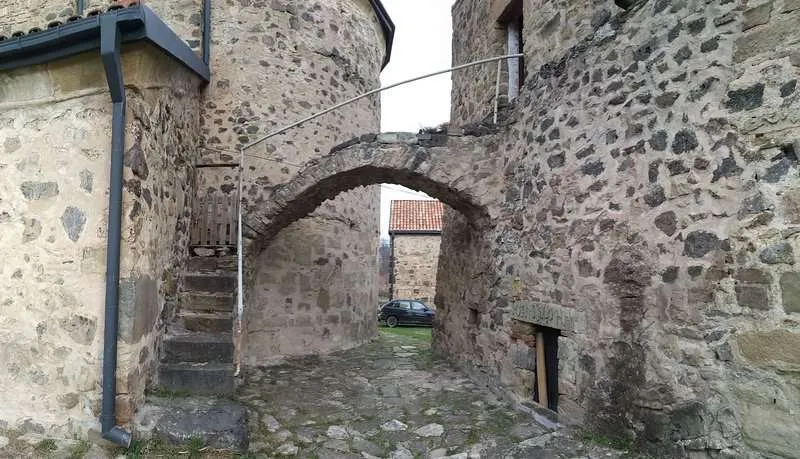
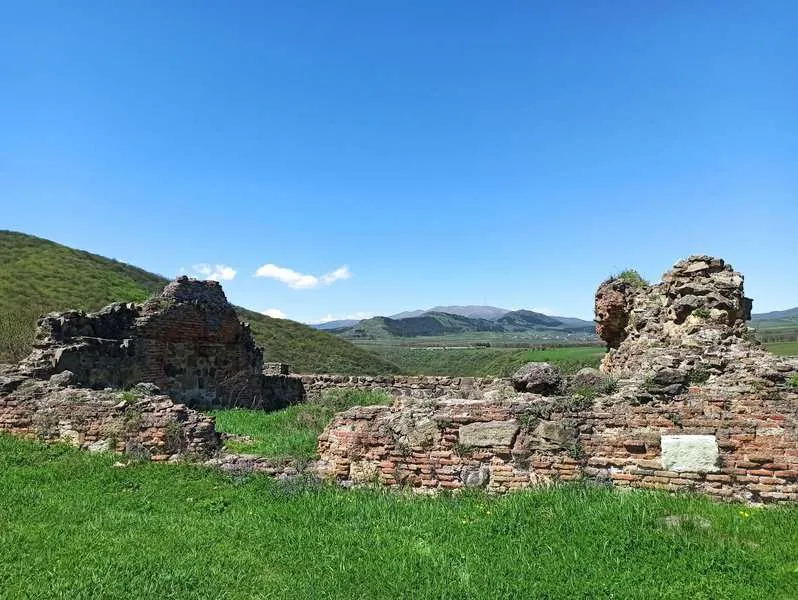
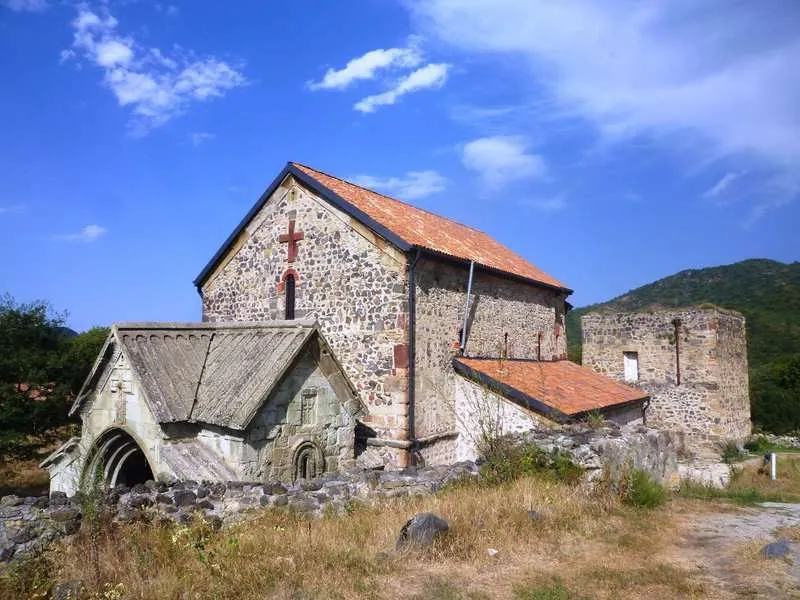
The museum-monument is a medieval settlement where archaeological excavations continue to this day. The medieval ruins include an inner fortress, secular, and religious buildings. In addition to the medieval layer, Georgian and foreign specialists are studying a 1.8-million-year-old geological layer in Dmanisi, which has yielded numerous finds of ancient hominids and animal fossils.
The results of these excavations have challenged the previously accepted international scientific belief that hominids originated from Africa. Over the past decades, five skulls and four hominid mandibles have been excavated in Dmanisi. No other layer at the Mirene archaeological site has yielded so many hominid remains.
The museum, founded in 1983, displays cultural layers from three eras: the Stone Age, Bronze Age, and the Middle Ages. Visitors have the opportunity to examine objects discovered in Dmanisi during archaeological excavations, including reconstructed models of the "first Europeans"—"Mzia" and "Zezva." Scientists from many countries are participating in the Dmanisi project. Traditionally, many young people from abroad also come to participate in the excavations. Since 2010, excavations have been funded by the Shota Rustaveli National Science Foundation and the United States National Science Foundation.
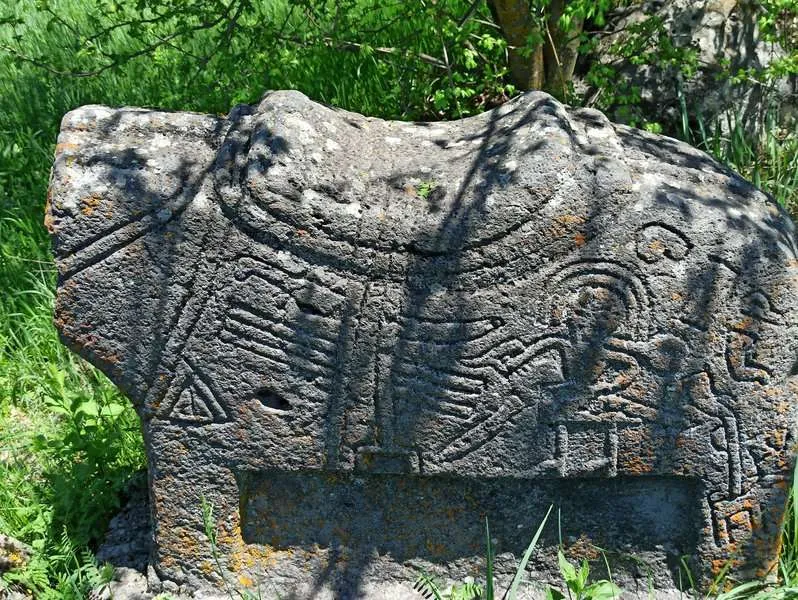
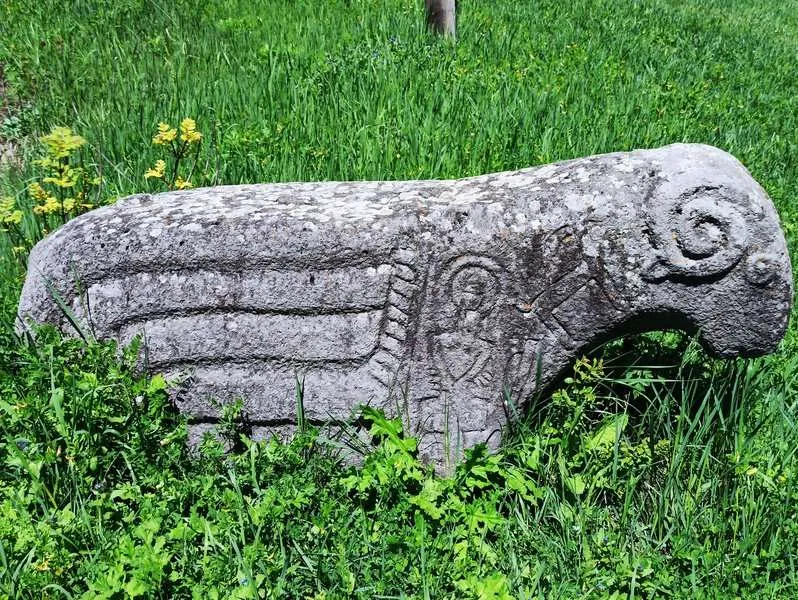
The Dmanisi Archaeological Reserve is one of the most interesting and unique sites in Georgia. The reserve contains various archaeological sites dating back to various eras of human history. Historical traces of the Stone Age, Bronze Age, and medieval periods can be observed here.
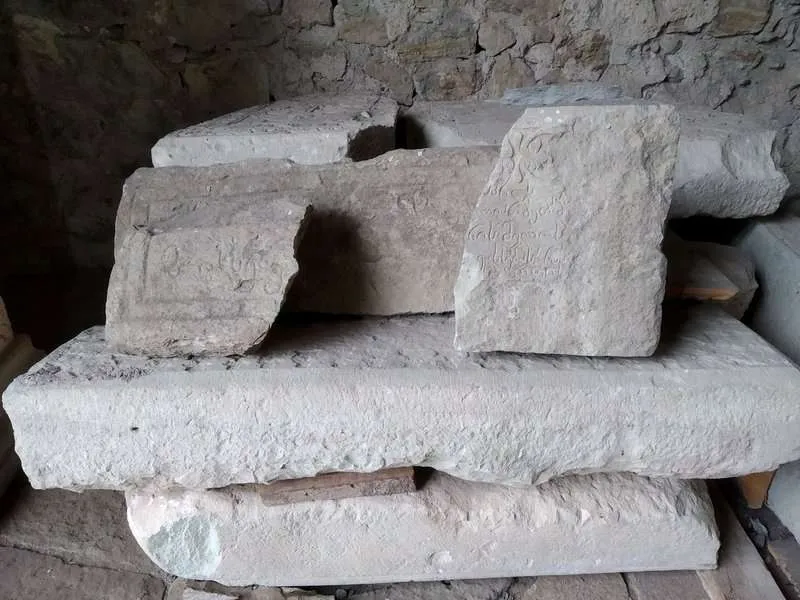
One of the most significant attractions in the reserve is the museum, founded in 1983. Situated directly on the archaeological excavation site, the museum is unique in its kind. It displays objects and artifacts found during excavations, as well as reconstructed models of the "first Europeans."
The museum's architecture was specifically designed by French architect Jean-François Miloux to protect archaeological layers, create conditions for researchers, and educate the public. The museum-monument is a medieval settlement where archaeological excavations are still ongoing.
One of the most significant discoveries made in Dmanisi was the discovery of 1.8-million-year-old hominid remains. The results of these excavations changed our understanding of the origins of hominids and confirmed the hypothesis that they may have been local inhabitants rather than immigrants from Africa.
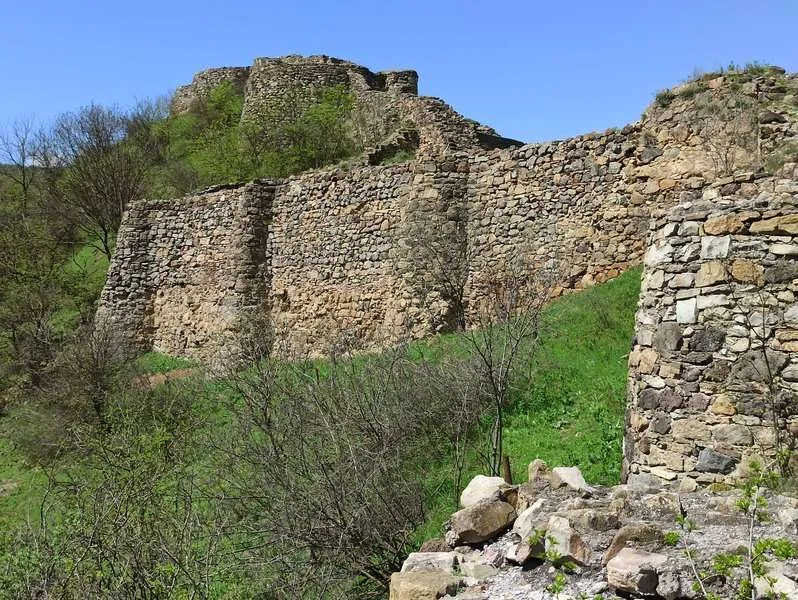
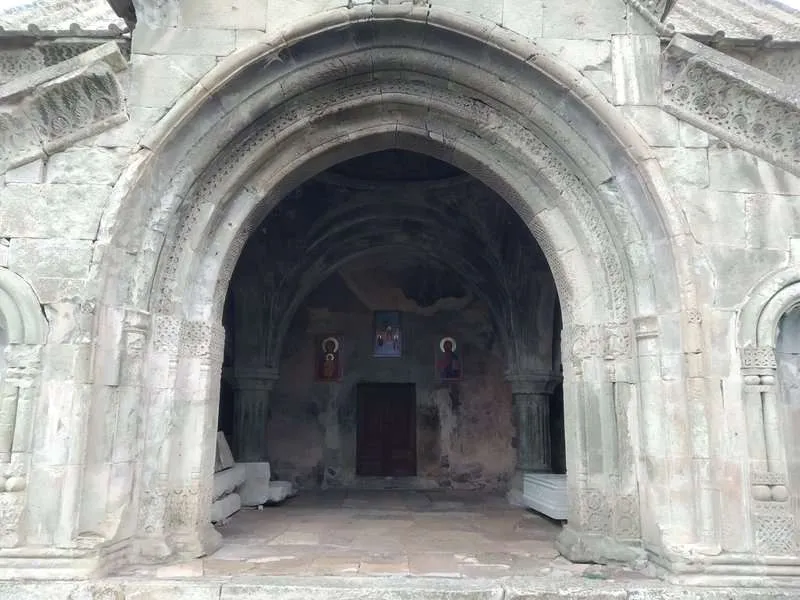
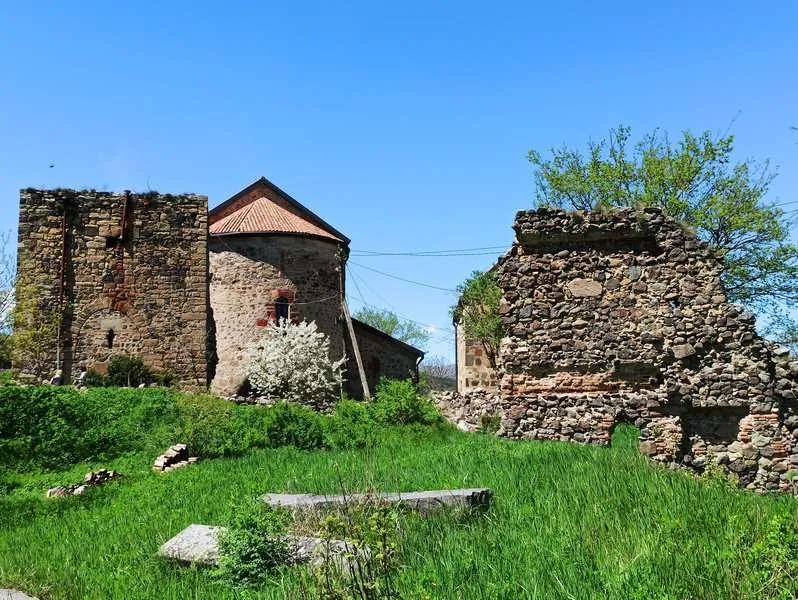
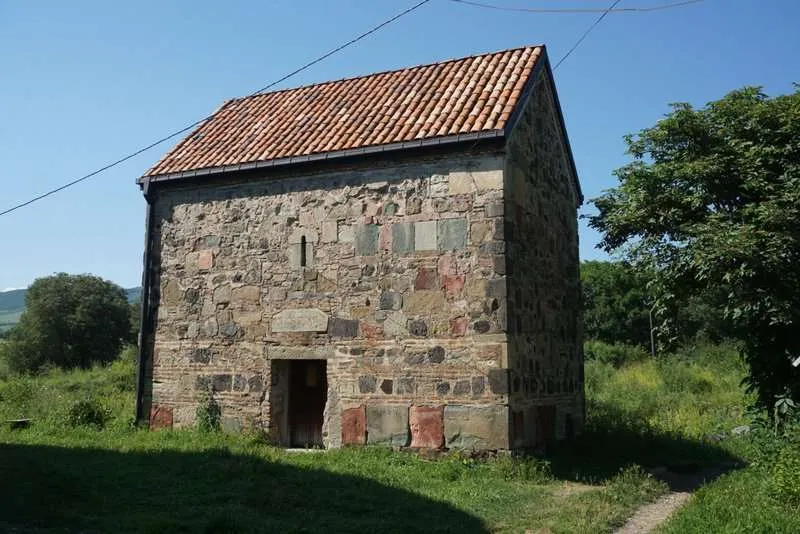
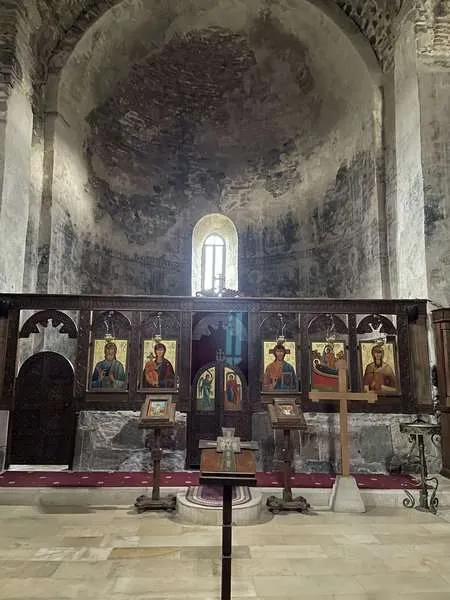
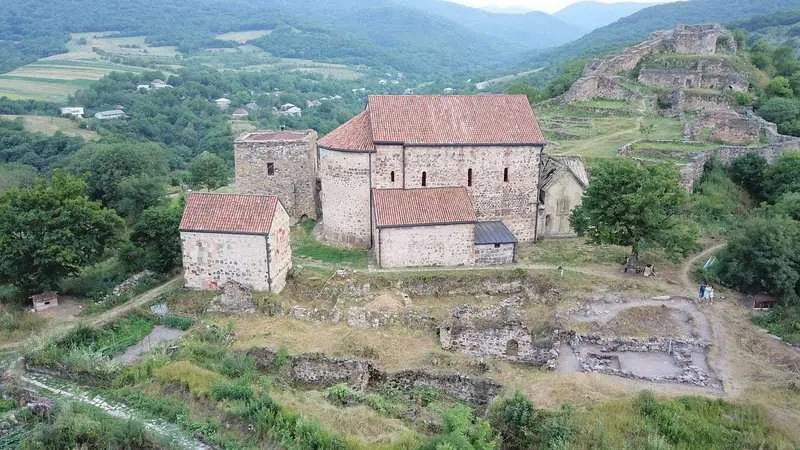
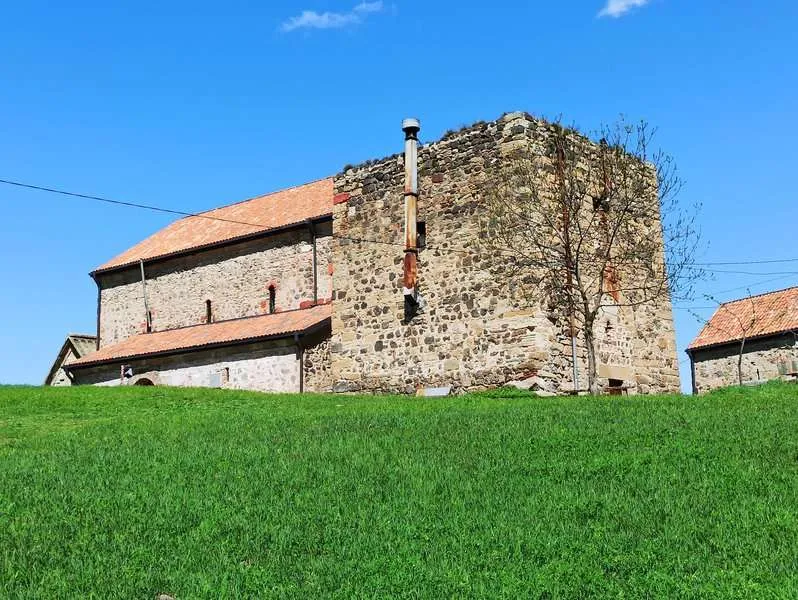
In addition to hominid remains, other interesting artifacts have been found in Dmanisi, testifying to the diversity of historical periods that took place in this area. For example, traces of the Stone and Bronze Ages have been discovered here, indicating that our distant ancestors lived and worked here. In addition, the reserve boasts reconstructed buildings from the medieval fortress, allowing visitors to imagine what the town's inhabitants might have lived in during that period. The most notable structures are the ruins of the citadel, which rise on a hill and represent one of the main symbols of Dmanisi.
The citadel housed the most important government institutions, including the ruler's palace, a money and weapons storage facility, and a courtroom. The ruler's main residence, a sumptuous stone and wood building built on a hilltop, was also located here.
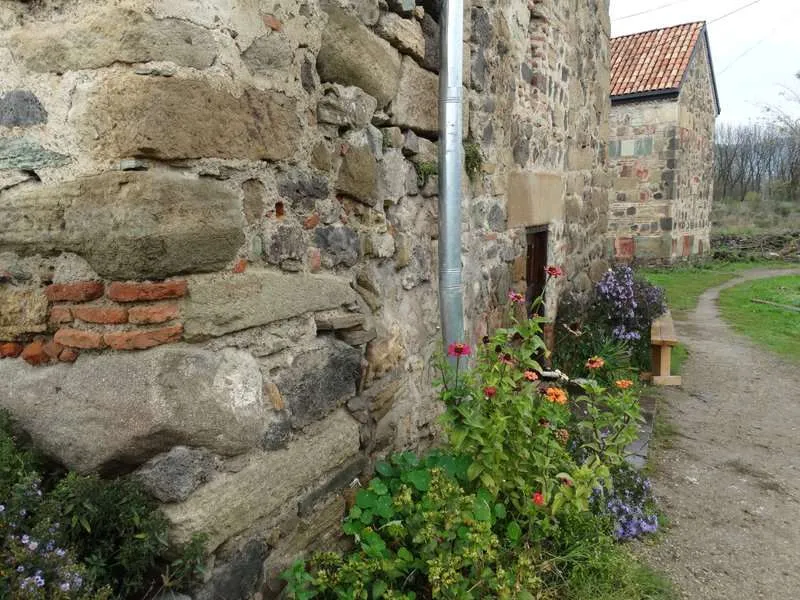
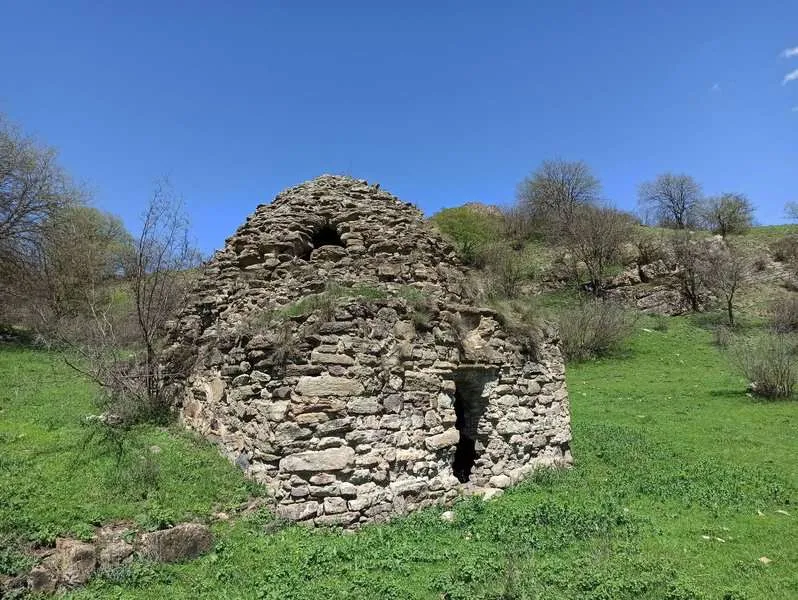
Besides the citadel, the reserve boasts other interesting structures, including the remains of walls and towers, as well as various residential and industrial buildings. All of these allow visitors to imagine what the town looked like in the Middle Ages and how its inhabitants lived.
Besides the archaeological sites, the Dmanisi Reserve is a unique place to explore the nature and landscapes of Georgia. Here, visitors can enjoy stunning views of the surrounding mountains and the Mtavari River, which flows near the town. The reserve also serves as an important scientific center for the study of the history and culture of the Caucasus. Scientists from around the world work here, studying the history of ancient civilizations, archaeological sites, and Georgia's cultural heritage.
At the same time, Dmanisi is a popular tourist destination in Georgia. Here, you can not only learn about the region's rich history and culture but also enjoy the natural beauty, sample local cuisine, and browse numerous souvenir shops.
Thus, the Dmanisi Historical and Architectural Reserve is a unique place where you can learn about the rich history and culture of Georgia, explore the lives of ancient people, and enjoy the beauty of nature. The reserve offers a unique combination of historical and natural attractions, attracting numerous tourists from around the world.
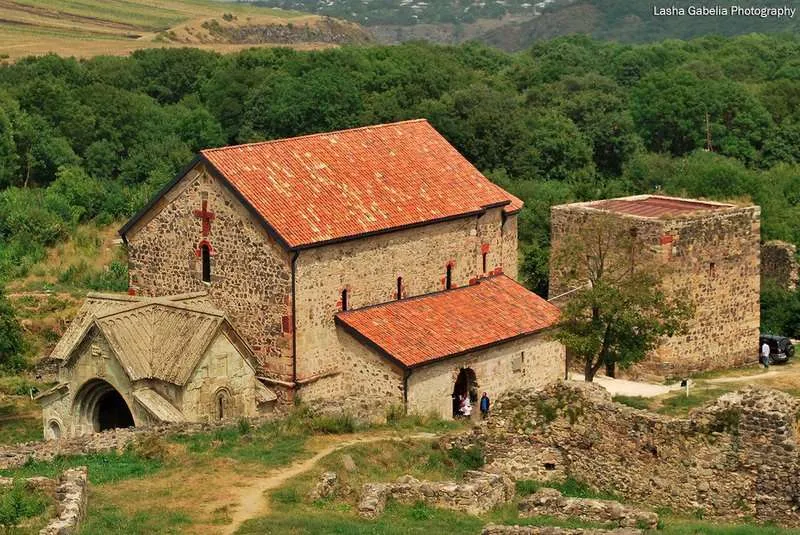
Furthermore, within the reserve, you can see the reconstructed buildings of a medieval fortress that served as a defense against attacks by the Mongols and other hostile peoples. You can also explore the unique architecture of the ancient city of Dmanisi and visit the museum, which displays exhibits related to the history of the region.
One of the reserve's main attractions is the ancient fossils found in Dmanisi Cave. These fossils belong to ancient people who lived during the Early Paleolithic era, approximately 1.8 million years ago. They were discovered in 1983 and have since attracted numerous scientists and researchers seeking to understand the lives of ancient people and their way of life. The reserve also boasts a wide variety of flora and fauna typical of the region. Among them are rare species of birds, rodents, snakes, and lizards.
Overall, the Dmanisi Historical and Architectural Reserve is a unique place where you can enjoy the beauty of nature, learn about the region's rich history, and spend unforgettable time with family and friends.
It's an excellent option for lovers of active recreation and adventure. A visit to the Dmanisi Historical and Architectural Reserve also offers the opportunity to hike through picturesque areas, admire the natural beauty, and enjoy photography.
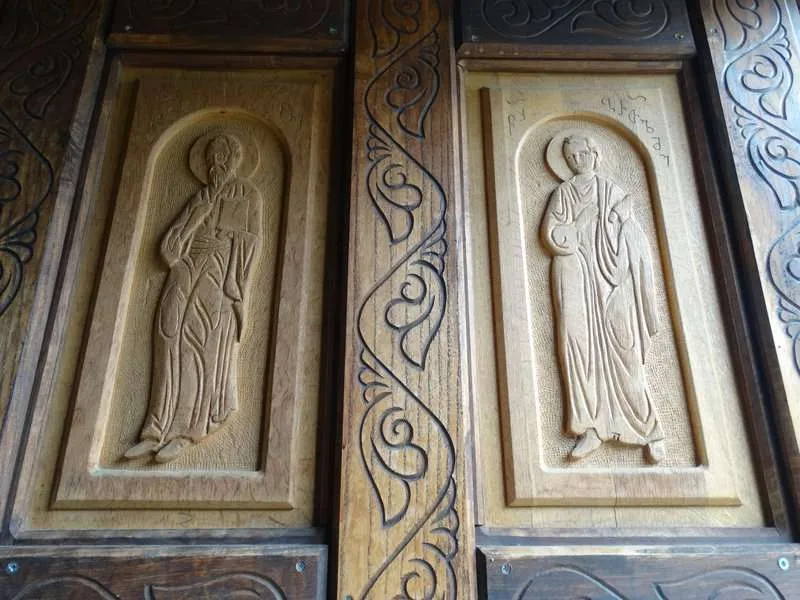
You can also visit the local museum at the reserve, where you can learn more about the culture and history of the region. The museum displays artifacts from various historical periods, as well as exhibits related to archaeological excavations conducted in the reserve. Overall, a visit to the Dmanisi Historical and Architectural Reserve is a wonderful opportunity to spend time outdoors, enjoy the natural beauty, learn more about Georgia's rich history and culture, engage in active recreation, and gain a wealth of positive emotions and impressions.

We invite you to leave your comments and questions below this article. We want to hear your opinions and answer your questions. Your opinion is very important to us and will help us improve the quality of our work. We welcome your comments!

31 comments
Log in to leave a comment