




Museums of Georgia: Overview, Collections and Visiting Info
This article will highlight the most interesting museums our editorial team recommends visiting.
Our selection opens with museums in Georgia's capital, Tbilisi.
Ethnographic Museum
Address: Tbilisi, Vake Park.
Opening hours: from 10:00 to 16:00, except Monday.
Admission fee:
- adults — 3 GEL (69.05 rubles);
- children — 50 tetri (11.51 rubles);
- one-hour guided tour — 25 GEL (575.42 rubles);
- two-hour guided tour — 50 GEL (1,150.84 rubles).
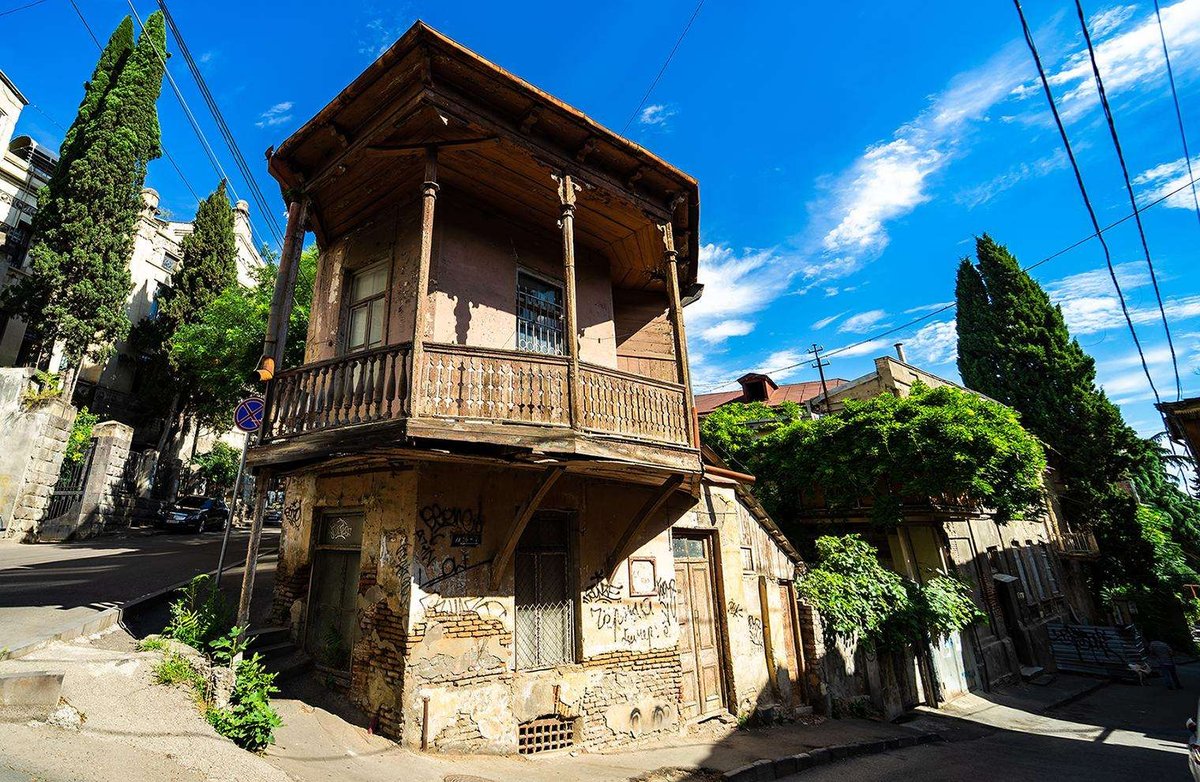
The Ethnographic Museum, also known as the Museum of Georgian Folk Architecture and Everyday Life, is an open-air museum. By visiting it, you can see traditional rural buildings from different regions and learn about ancient peasant life.
You will discover that «darbazi» is a type of old dwelling typical of eastern Georgia. It combines hay-covered small towers that are very similar to the houses of the mountainous regions of western Georgia. The most memorable places here are an authentic forge and a maravi — a wine storage room.
National Museum
Address: Tbilisi, 3 Shota Rustaveli Avenue.
Opening hours: from 10:00 to 16:00, except Monday.
Admission fee:
- adults — 3 GEL (69 rubles);
- students — 0.5 GEL (11.51 rubles);
- schoolchildren — 0.5 GEL (11.51 rubles);
- children under 6 — free of charge.
Official museum website: http://museum.ge/.
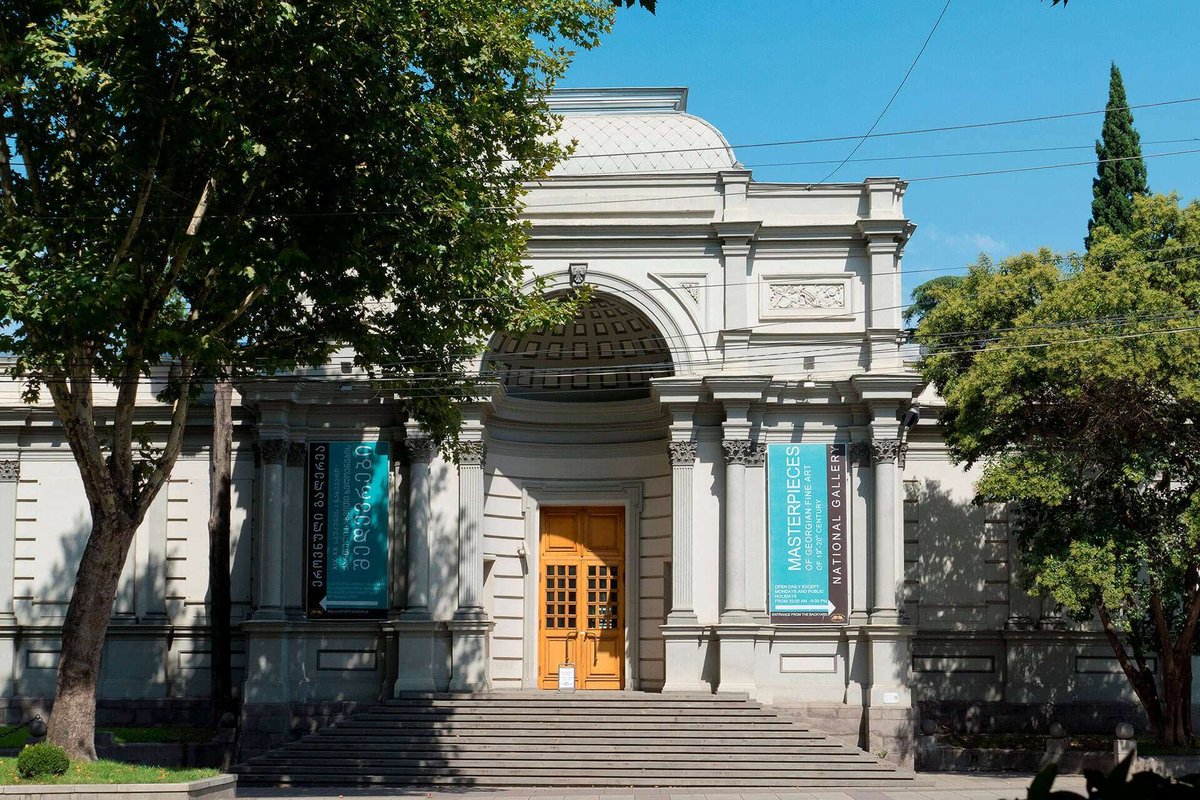
The main museum of Georgia presents authentic collections of gold and silver items from the pre-Christian period, preserved in the museum Treasury. These include exquisite goblets and bowls, jewelry, royal regalia, and ancient coins.
Here you can also visit a hall dedicated to antique carpets of Iranian, Turkmen, Afghan, and Azerbaijani origin, as well as an impressive collection of 19th-century weapons.
The National Museum features world-famous art collections and dynamic exhibitions devoted to the fascinating world of culture, science, and education. The exhibition includes evidence of the existence of the earliest humans in Eurasia, examples of magnificent medieval and Christian art, as well as stunning ornaments from the ancient land of Colchis.
Particular attention should be paid to modern paintings by Georgian artists and masterpieces of Eastern, Western European, and Russian decorative and applied arts.
Museum of Art
Address: Tbilisi, 1 Lado Gudiashvili Street.
Opening hours: from 10:00 to 16:00, except Monday.
Admission fee:
- adults — 3 GEL (69.05 rubles);
- schoolchildren — 1 GEL (23.02 rubles);
- children under 6 — free of charge.
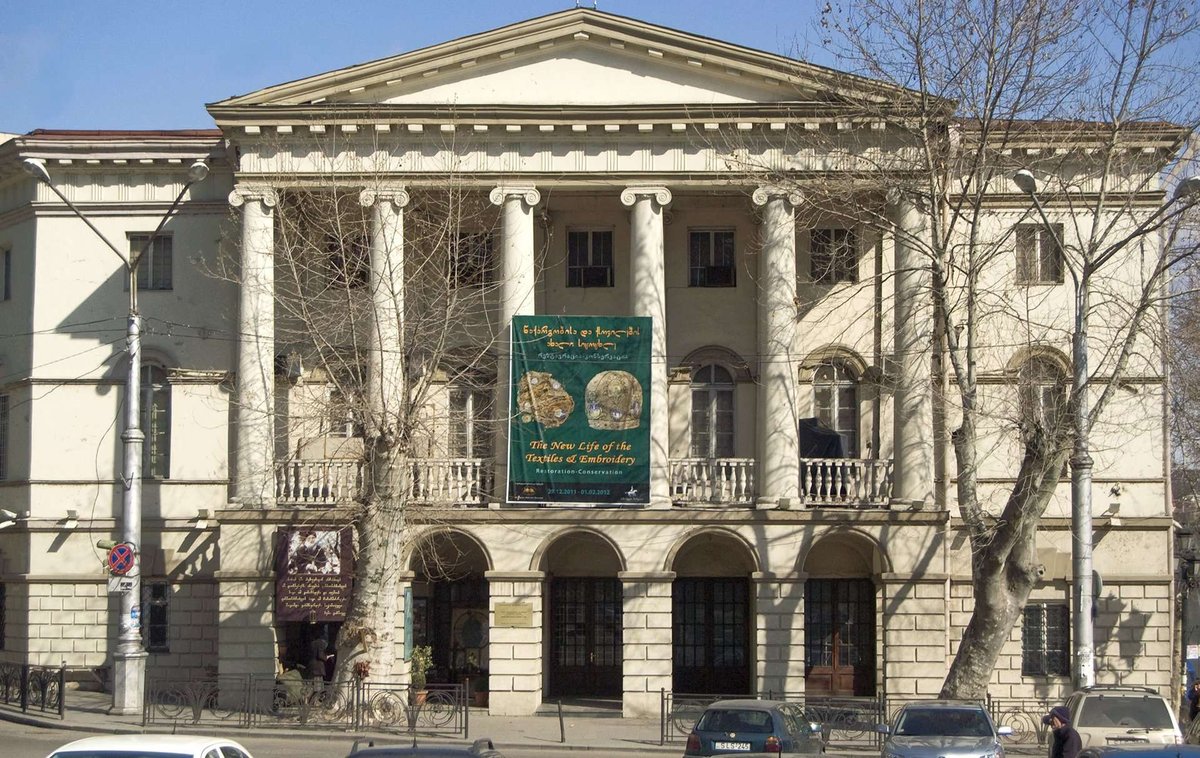
Just like the National Museum, this museum also has a Treasury, where various gold and silver items and cloisonné enamel works from the Christian era will leave a lasting impression on you.
Here you will also see examples of fine art from the Renaissance and later works from Western Europe, Russia, and Georgia. Among them are Russian icons of the 16th century, Flemish and German portraits of the 18th century, and paintings by great Russian artists such as Repin, Kandinsky, and Serov.
In the Museum of Art, special attention should be paid to the halls displaying works by the Georgian primitivist artist Niko Pirosmani.
Next, you will learn about several museums in the city of Batumi.
Archaeological Museum
Address: Batumi, 77 Chavchavadze Street.
Opening hours: from 10:00 to 17:00, except Monday.
Admission fee:
- adults — 3 GEL (69.05 rubles);
- students — 1 GEL (23.02 rubles);
- schoolchildren — 0.5 GEL (11.51 rubles).
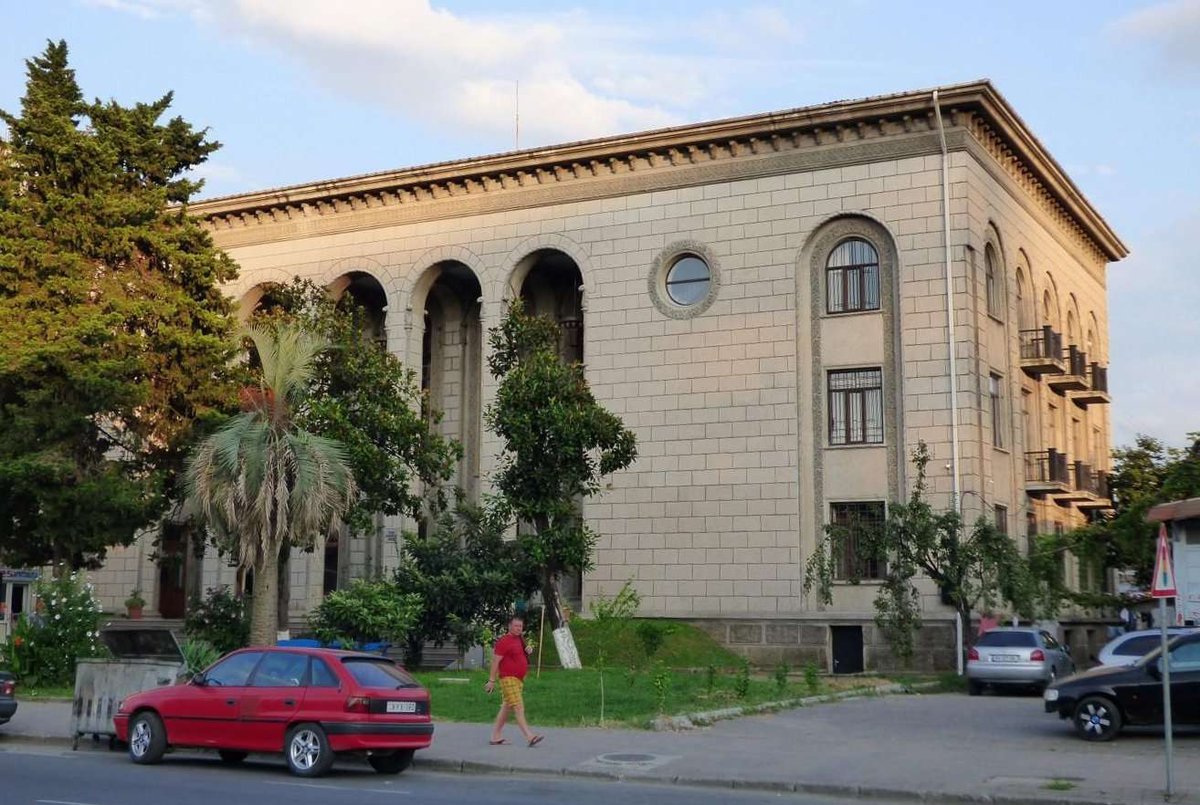
The museum will be interesting and useful for everyone, including archaeologists and historians who study the development of civilization. Its halls display a large number of finds from the Stone Age — from 3 million years ago to 5–6 thousand years ago — and the Iron Age, dating back to the 9th–7th centuries BC.
The exhibits include ancient ceramics, tools, bowls and goblets, and ancient coins. Important exhibits of the museum include items found in the tombs of Godi Fortress.
The museum’s collection covers the period between the 8th and 1st centuries BC. One of the exhibitions includes archaeological objects found by scholars during excavations near the capital of Georgia. The permanent exhibition presents gold items, bronze sculptures, and their fragments.
Adjara State Museum
Address: Batumi, 4 Chincharadze Street.
Opening hours: from 10:00 to 18:00.
Admission fee:
- adults and children — 2 GEL (46.03 rubles);
- guide services — 5 GEL (115.08 rubles).
The museum’s exhibition presents stuffed wild animals, archaeological finds, examples of Arab metalwork, and ancient weapons. In addition, among all the exhibits, there is a display dedicated to the tea industry. Through it, you will learn the story of a Chinese merchant who became the first founder of tea plantations in the Adjara region.
The museum collection contains more than 180,000 exhibits, with the manuscript department and scientific library standing out in particular. The exhibition presents ancient manuscripts in Russian, Turkish, Ukrainian, and other languages, as well as more than 60,000 ancient books that exist as unique copies in the world.
The central artifact is an 18-meter whale skeleton, donated to the museum in 1962.
Next, we will talk about the exhibitions of the Museum of Art and the Museum of History and Ethnography in the city of Kutaisi.
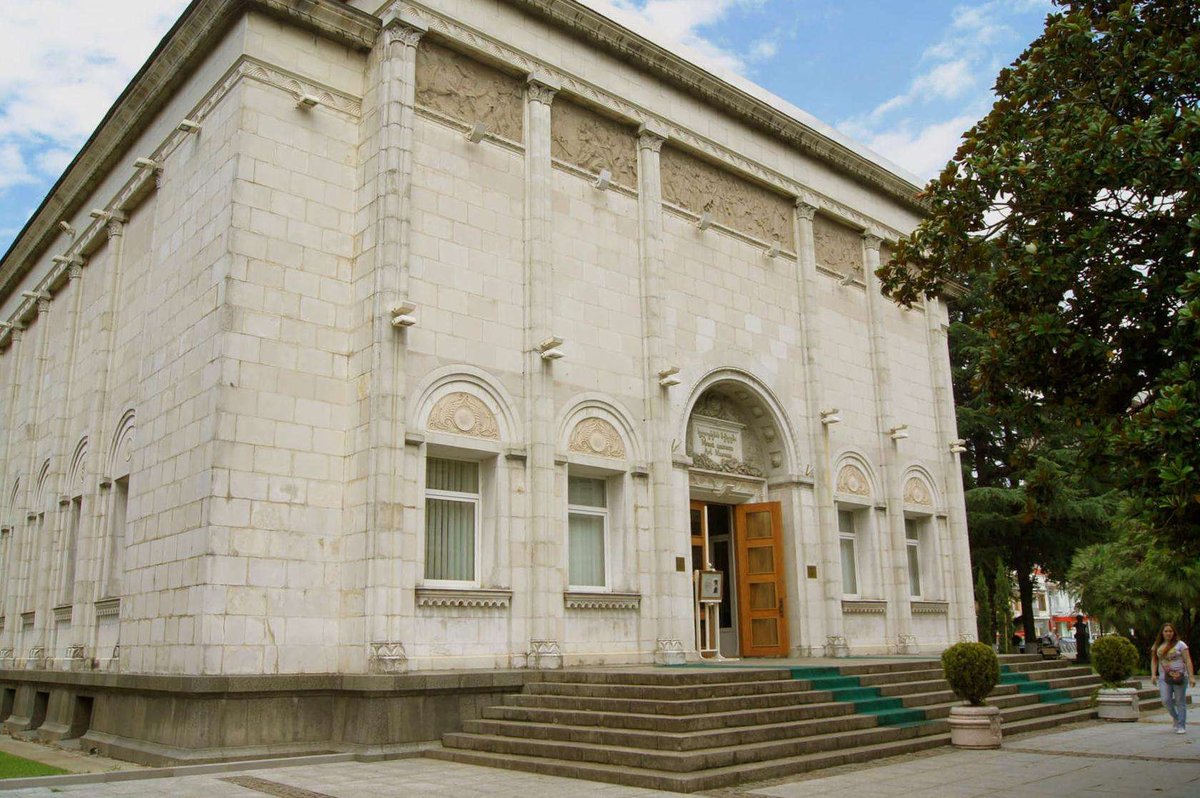
Museum of Art
Address: Kutaisi, 8 Shota Rustaveli Avenue.
Opening hours: from 10:00 to 17:00, except Monday.
Special attention should be paid to this museum’s exhibition, as it displays the finest collection of Georgian art. Be sure to see the paintings by David Kakabadze, Elene Akhvlediani, Lado Gudiashvili, and Robert Ivanovich Sturua, who was the father of the famous theatre director Robert Sturua.
The museum also houses portraits by Niko Pirosmani, a representative of Georgian primitivism.
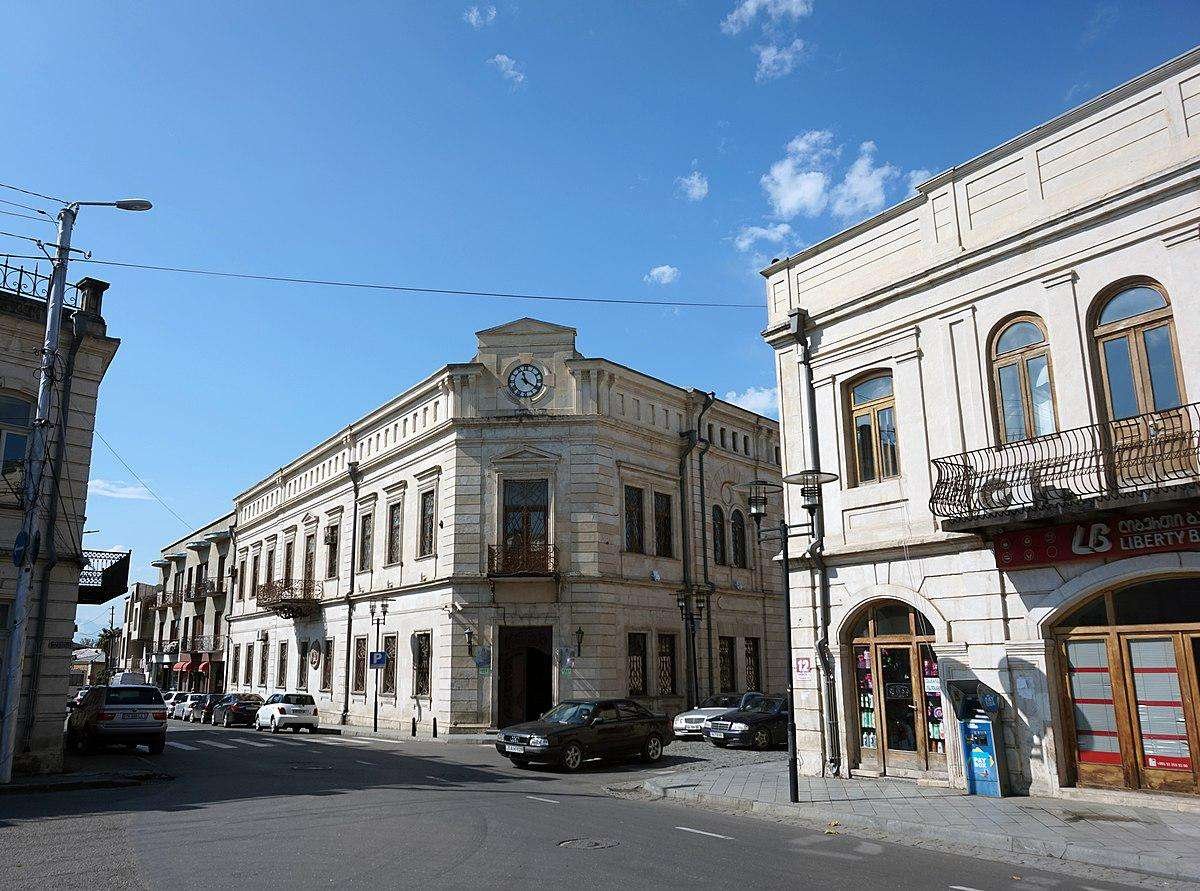
Museum of History and Ethnography
Address: Kutaisi, David Agmashenebeli Square.
Opening hours: from 10:00 to 17:00, except Monday.
This museum houses the city treasury, where various jewelry items are kept: gold icons, icon covers decorated with precious stones, pectoral crosses, and silver caskets.
Another hall contains collections of weapons and armor, as well as winemaking and hunting items from the late Middle Ages. But the most interesting exhibit is a statue from the 6th century BC depicting the God of Fertility, found in Baghdati.
Stalin Museum in the City of Gori
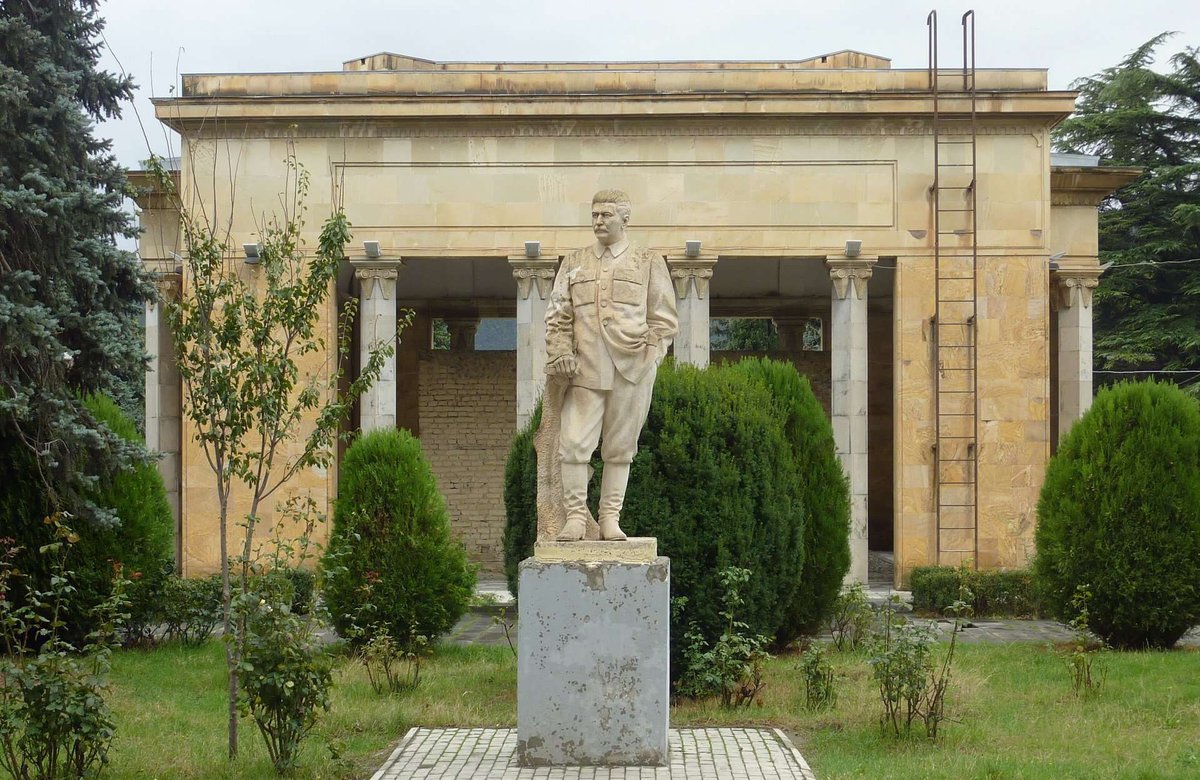
The Stalin Museum in the city of Gori concludes our selection.
It is the only museum on the planet dedicated to the Soviet leader and dictator Joseph Vissarionovich Stalin. The museum is located in his hometown and in the house where he was born in 1879.
The house stands under a so-called canopy built by Beria in 1939. One of the halls tells about Stalin’s youth and the beginning of his revolutionary activity. The next hall presents an exhibition dedicated to the period before the Second World War, up to 1939. The final hall tells about Stalin’s role and significance in the war from 1939 to 1945.
Address: Gori, 10 Sobornaya Street.
Opening hours: daily from 10:30 to 16:00.
Admission fee:
- entrance with a guide — 15 GEL (345.25 rubles);
- exhibition halls and memorial house — 10 GEL (230.17 rubles);
- Stalin’s personal railway carriage — 5 GEL (115.08 rubles);
- children under 6 — free of charge.

48 comments
Log in to leave a comment
Искусство, история и архитектура Грузии это нечто прекрасное, такого не встретишь нигде.
Мне кажется, надо выделить отдельное путешествие для посещения музеев и отдельное путешествие для поездок по достопримечательностям)
Большой выбор!
Искусство, история и архитектура Грузии это нечто прекрасное, такого не встретишь нигде.
Мне кажется, надо выделить отдельное путешествие для посещения музеев и отдельное путешествие для поездок по достопримечательностям)
Большой выбор!
А на втором месте у меня Археологический музей, очень меня притягивает тема раскопок и исторический находок, поэтому с удовольствием прикоснусь к отголоскам каменного и железного веков в виде музейных экспонатов.