


Add organization

🏛️ The Sulkhan-Saba Orbeliani Literary Museum in Tandzia: A Family Home, a 1683 Church and Views Over the Khrami Gorge

🏛️ Before You Go

🏛️ The Orbeliani House Museum in Tandzia

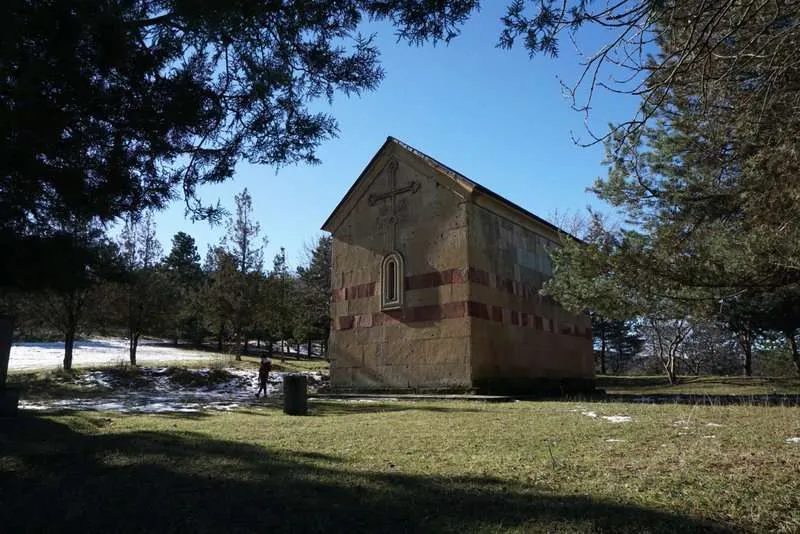
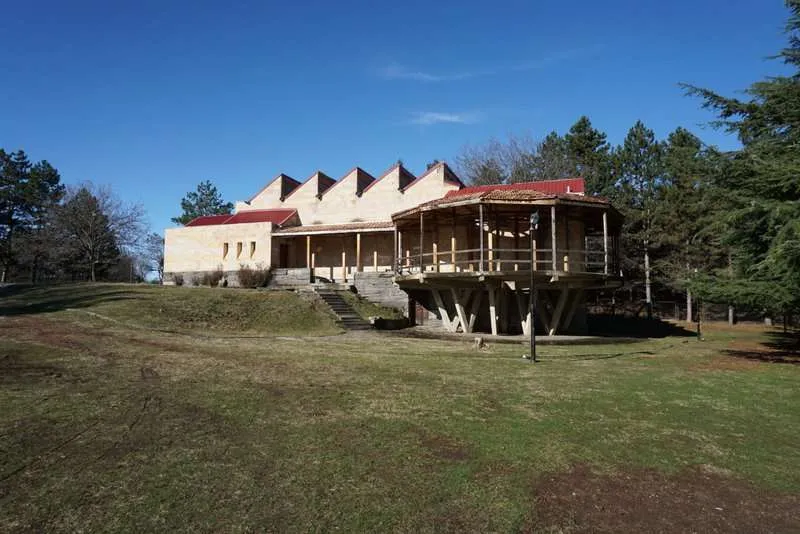
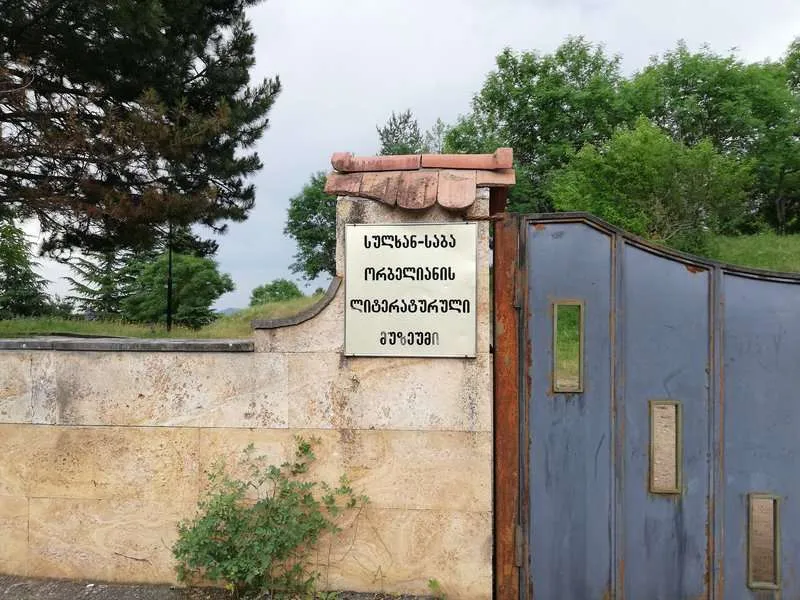
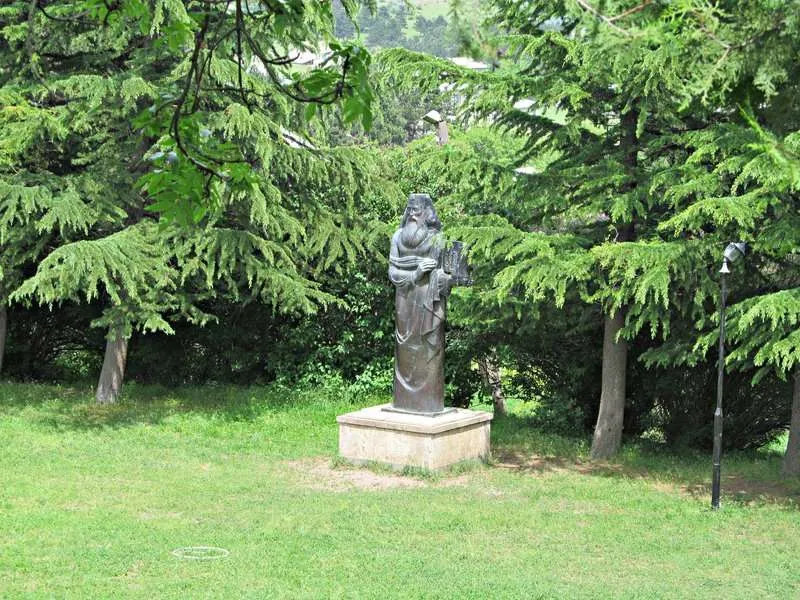
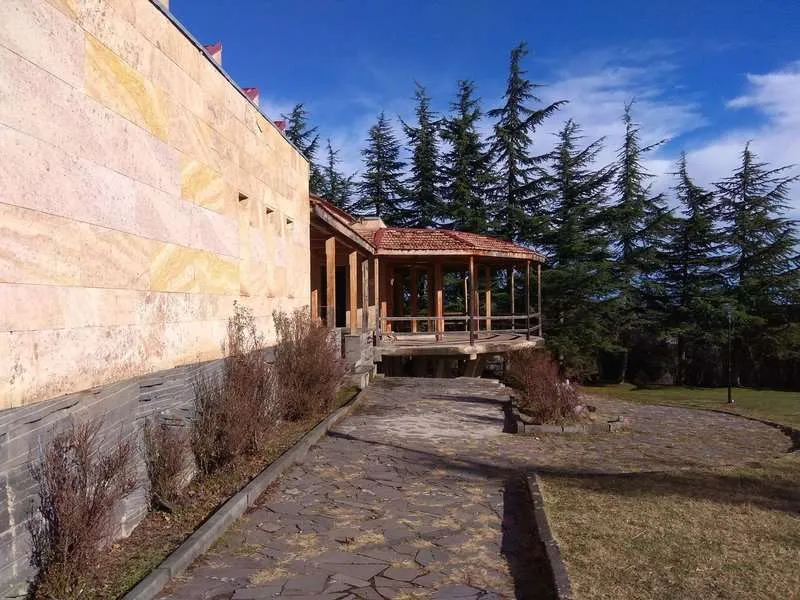
A literary memorial museum on the Orbeliani family estate, in the mountain village of Tandzia above the Khrami river gorge. It opened in 1984 in the family's old house, and a family church built by the writer's father in 1683 still stands in the courtyard.
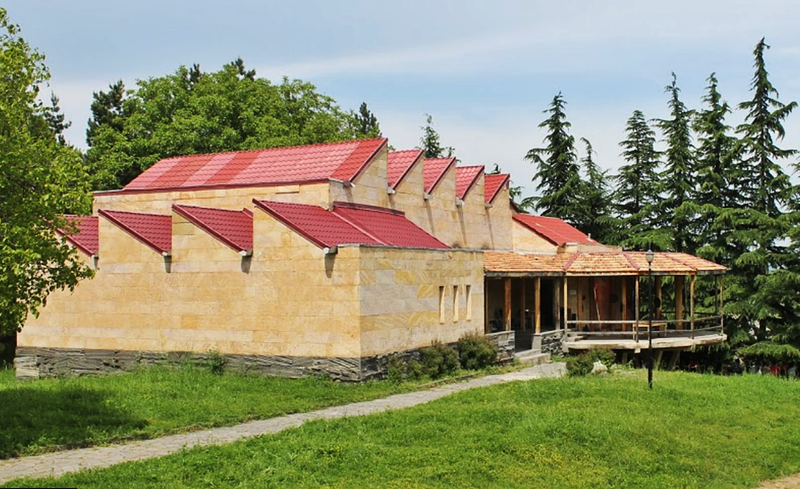
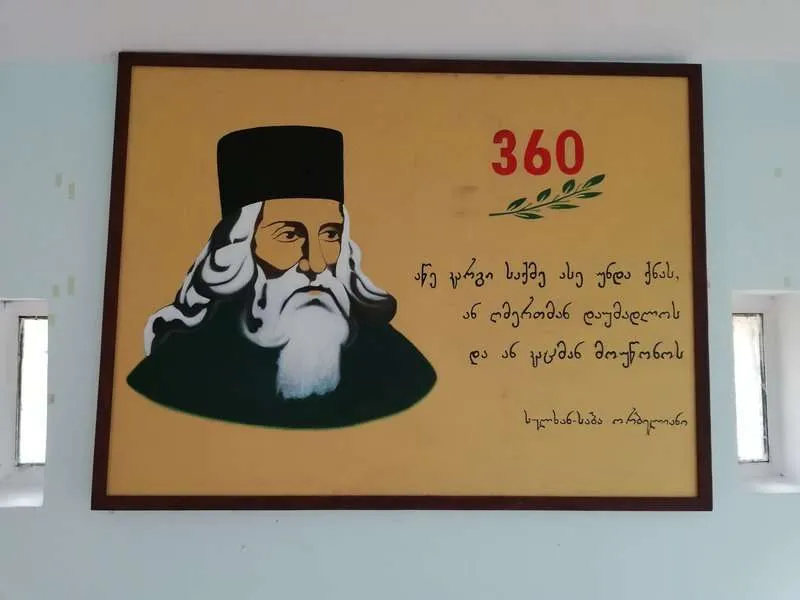
This is the writer's birthplace Sulkhan-Saba Orbeliani, author of the first explanatory dictionary of the Georgian language and the fable collection "The Book of Wisdom and Lies," was born here in Tandzia in 1658. The museum stands where his life began.
The village is scattered across the hills, with views south and over the Khrami gorge. Nearby are the ruins of an old palace and a 17th-century church.
📍
LocationTandzia village, Bolnisi Municipality, Kvemo Kartli
🏛️
Museum opened1984, in the Orbeliani family house
⛪
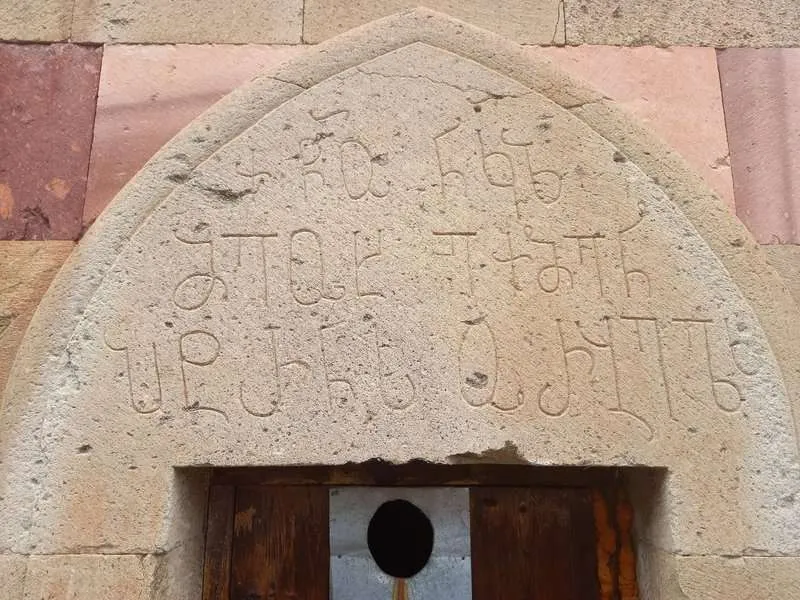
Church in the yard1683, built by the writer's father
📖
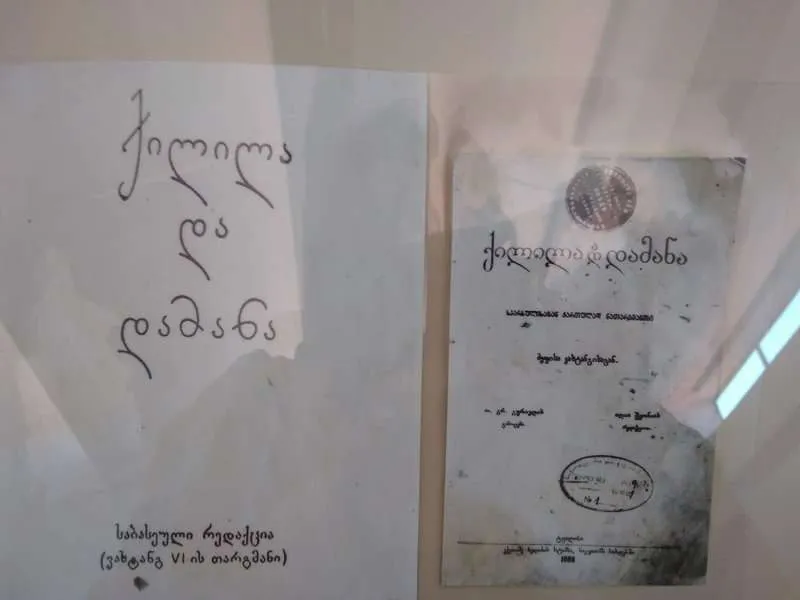
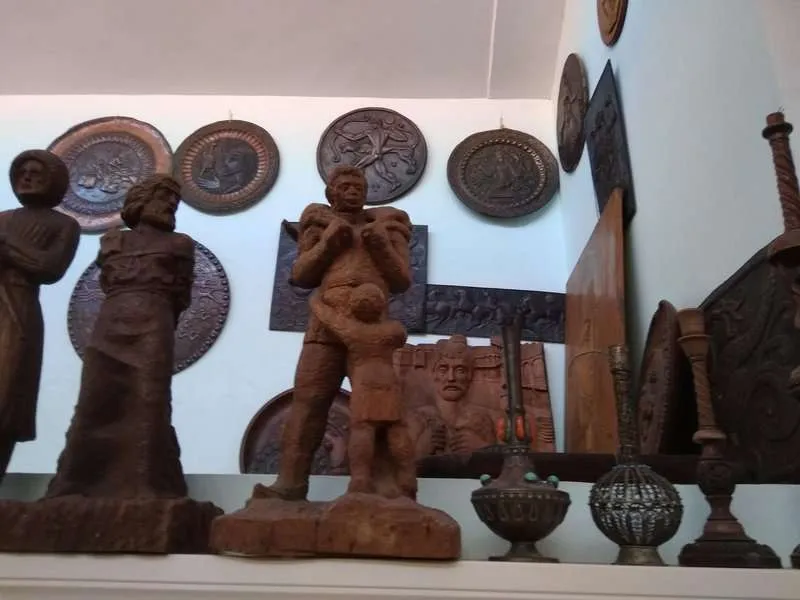
Insidemanuscripts, printed books, documents
ℹ️ Tandzia is off the main roads: about 7 km of concrete road lead to the village from Kveshi. Before you go, it's worth checking whether the museum is open on the day, rural opening hours can be unreliable.

Sulkhan-Saba Orbeliani Literature Museum

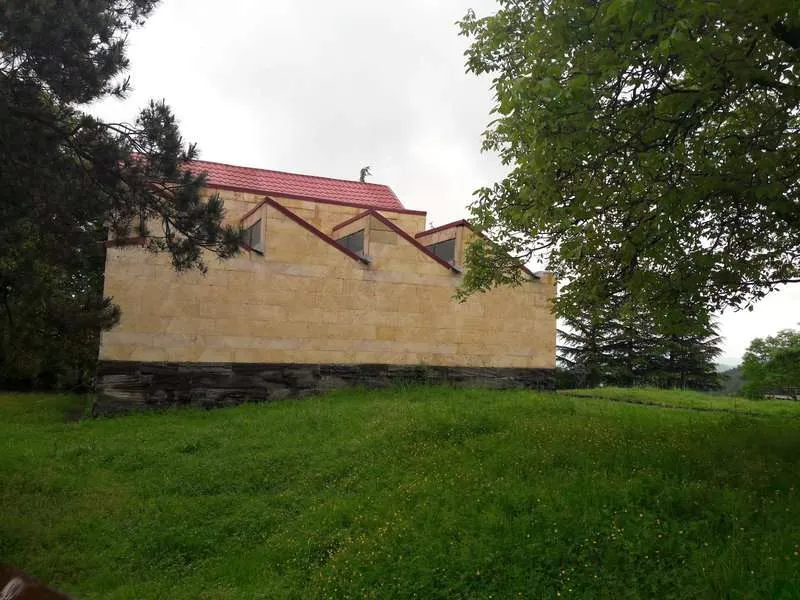
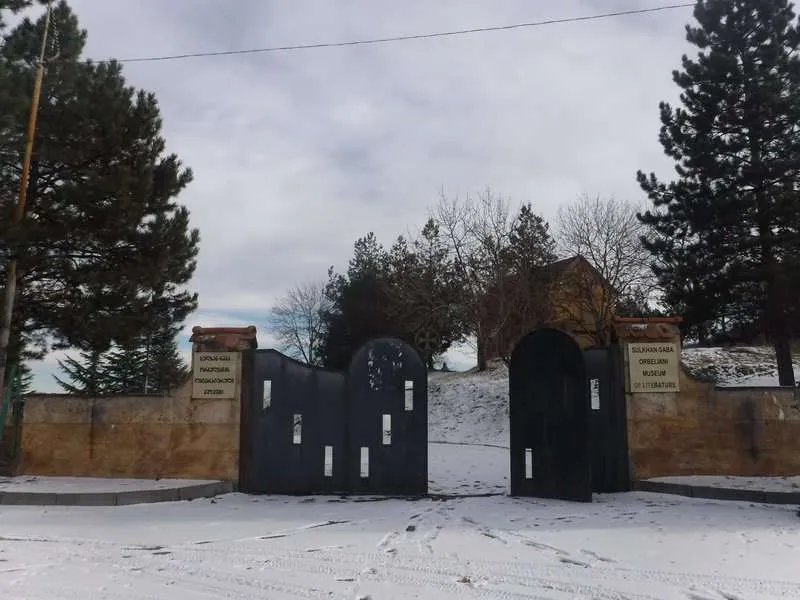
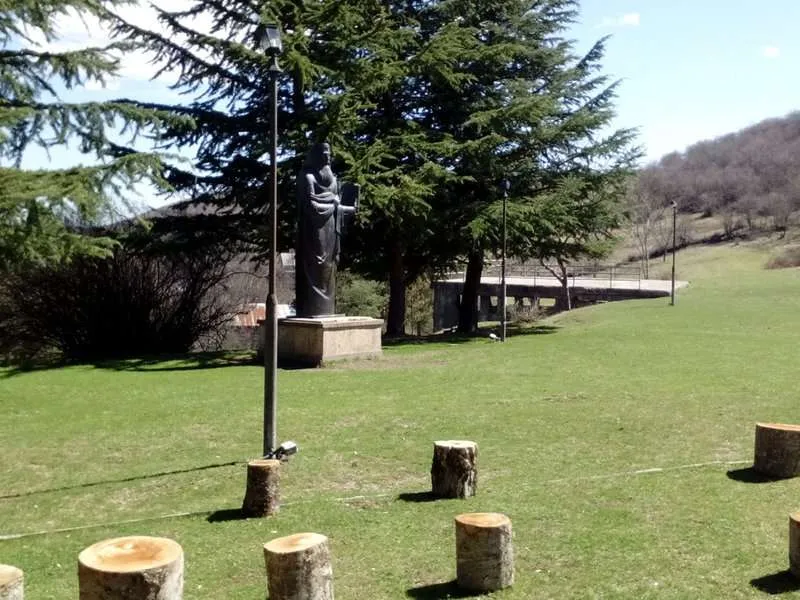
The Sulkhan-Saba Orbeliani Literary Museum stands in the village of Tandzia, in the Bolnisi Municipality of the Kvemo Kartli region. This is the ancestral seat of the Orbeliani family: the writer, lexicographer and diplomat Sulkhan-Saba was born here in 1658. The museum opened in 1984 in the family's old house, and it's not simply a display of books but a memorial site tied to the exact spot where the life of one of the central figures of Georgian culture began.

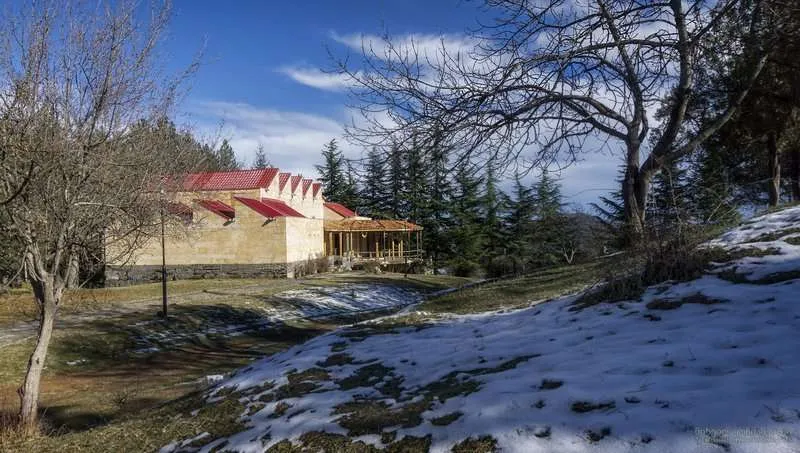
The village sits high up, its buildings scattered across the hills, with views south and over the gorge of the Khrami river. A family church survives in the museum courtyard, and nearby in the village are the ruins of an old palace and a 17th-century church. It's for this combination, the writer's house, the old church and the mountain views, that the trip is worth making.

📍 Where Tandzia Is and How to Get There
Литературный музей имени Сулхан-Саба Орбелиани

Tandzia lies in the valley of the Khrami river, about 16 km from Bolnisi. From the main road, at the village of Kveshi, roughly 7 km of concrete road lead up to it. The village is mountainous, its houses spread across the slopes, so it's best to orient yourself in advance by marking the museum point on a map.

The easiest way is by car: public transport to this part of Kvemo Kartli is rare and irregular. The drive from Tbilisi takes roughly an hour and a half to two hours, depending on whether you go via Bolnisi or Tetritskaro.

Keep in mind that this is a remote area, and the museum's opening hours may differ from those advertised. Before setting out it's worth checking whether the museum is open and whether a call ahead is needed, so you don't make the trip for nothing.

🏛️ What You Can See in the Museum
Литературный музей имени Сулхан-Саба Орбелиани

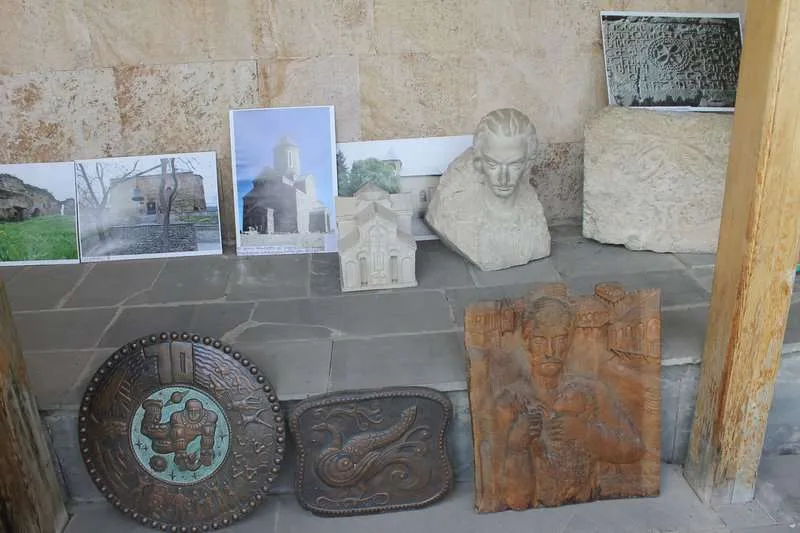
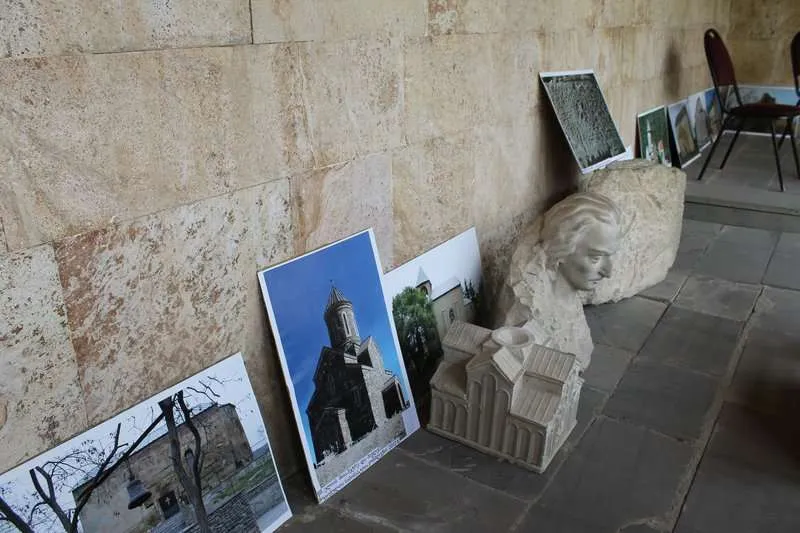
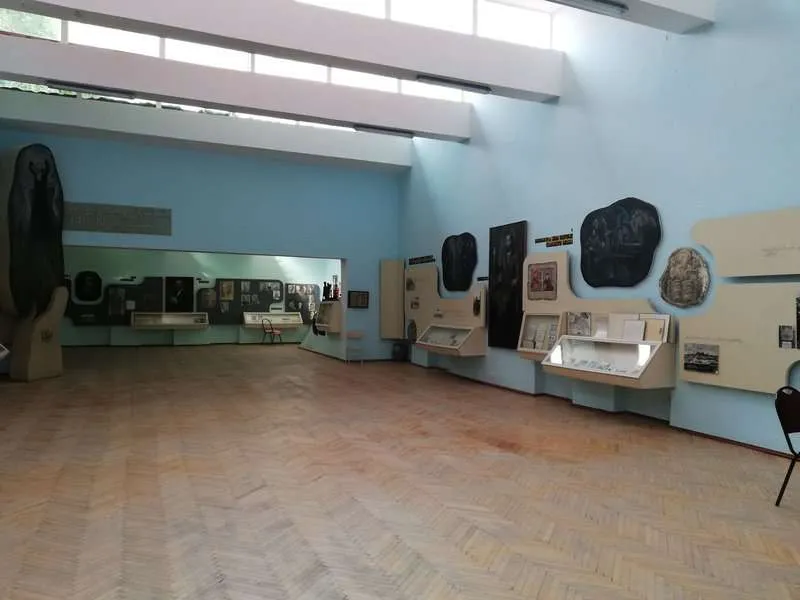
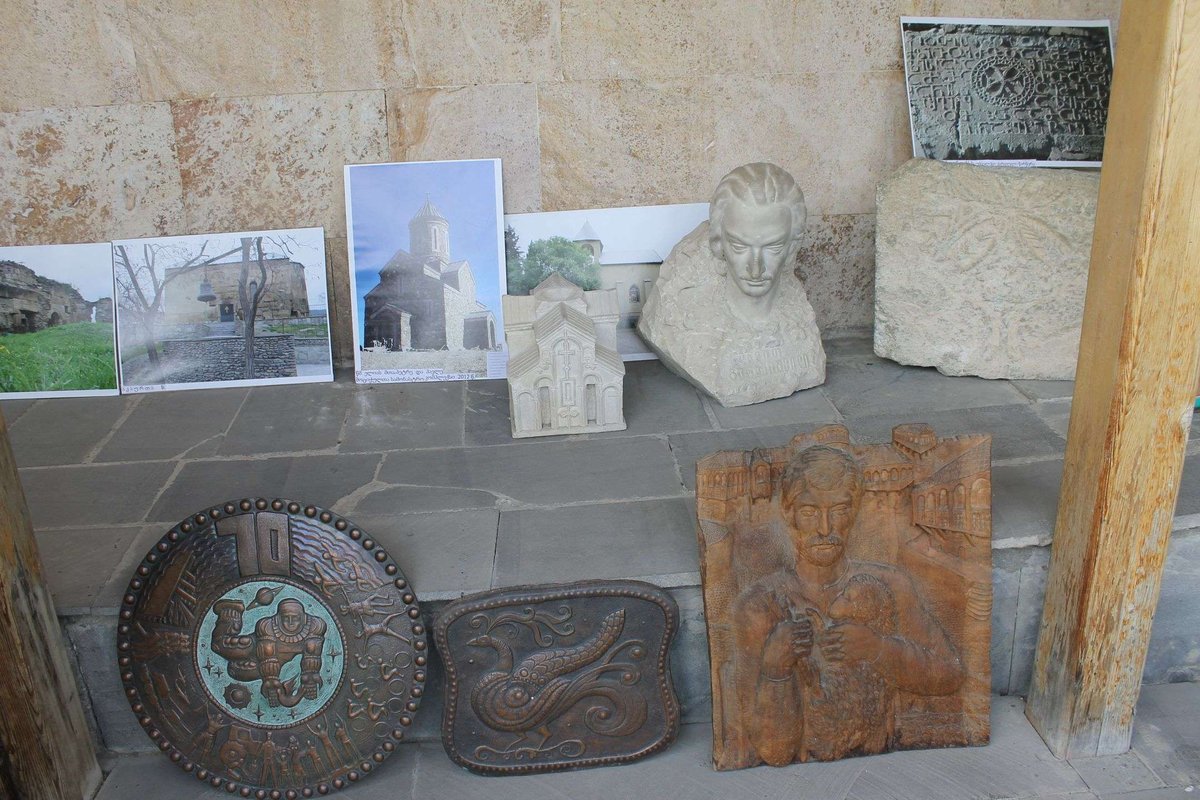
The museum occupies the historic Orbeliani estate. Its collections and halls hold material reflecting both the secular and the spiritual side of Sulkhan-Saba's life: manuscripts of his works, printed books, documents. The display covers not only his literature but also his diplomatic work and the history of the Orbeliani family, a branch of the noble Baratashvili line.

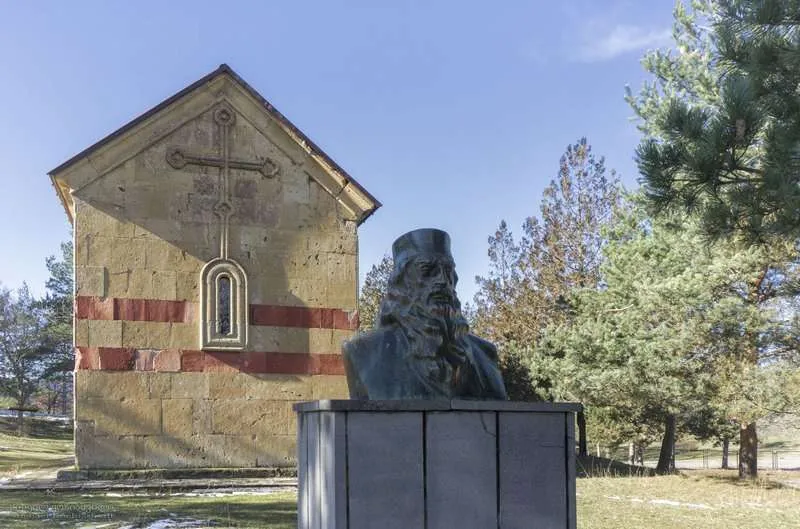
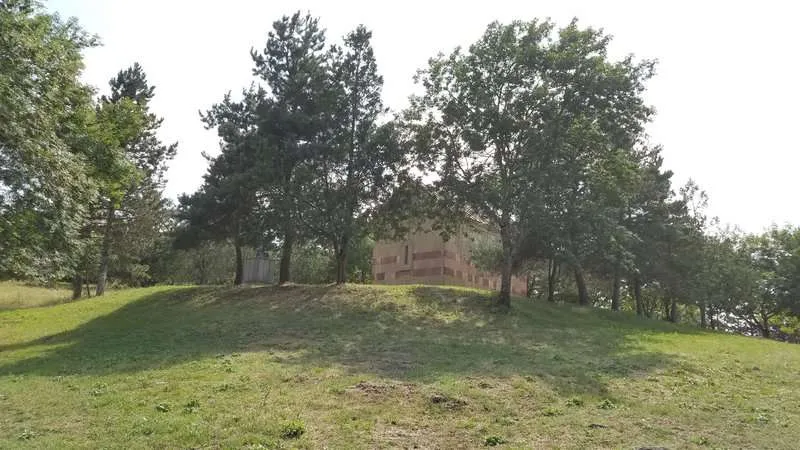
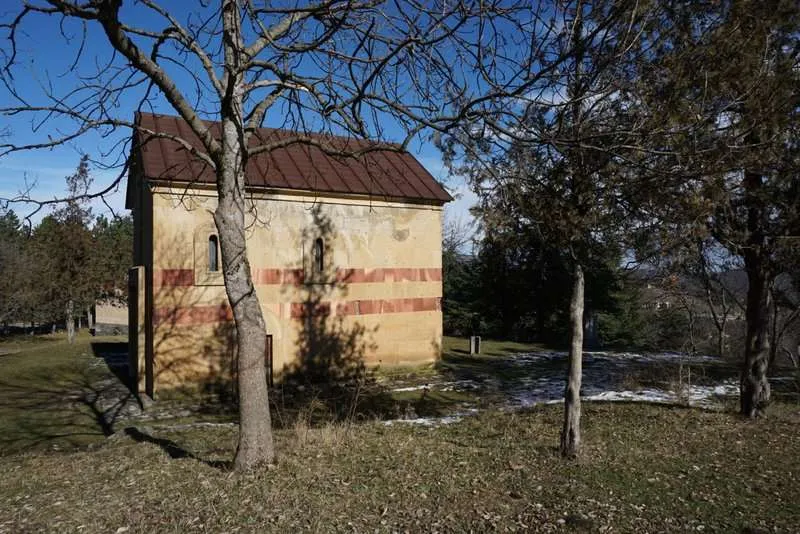
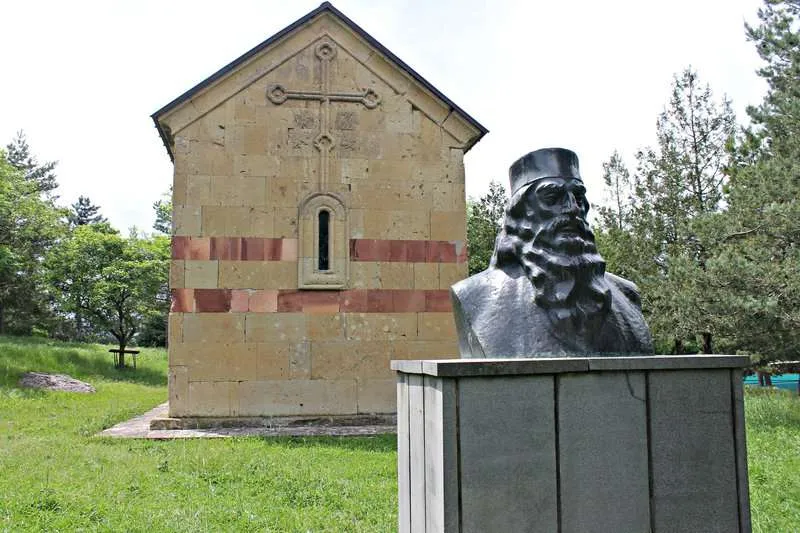
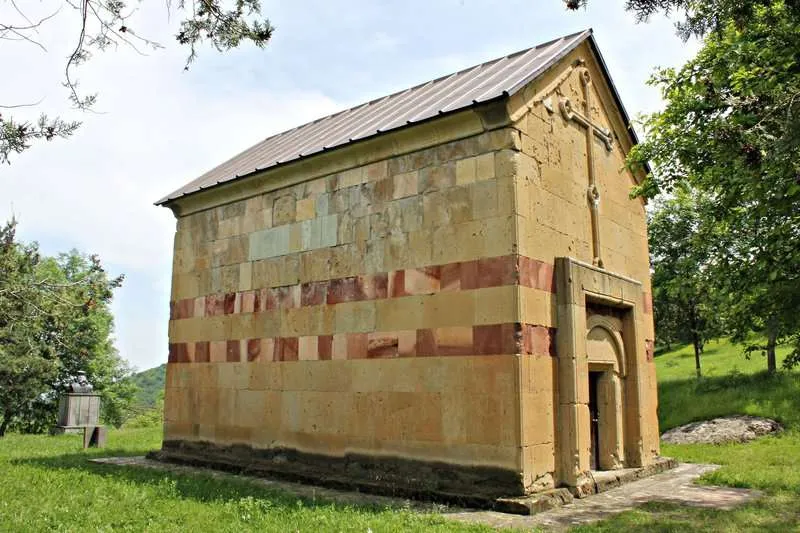
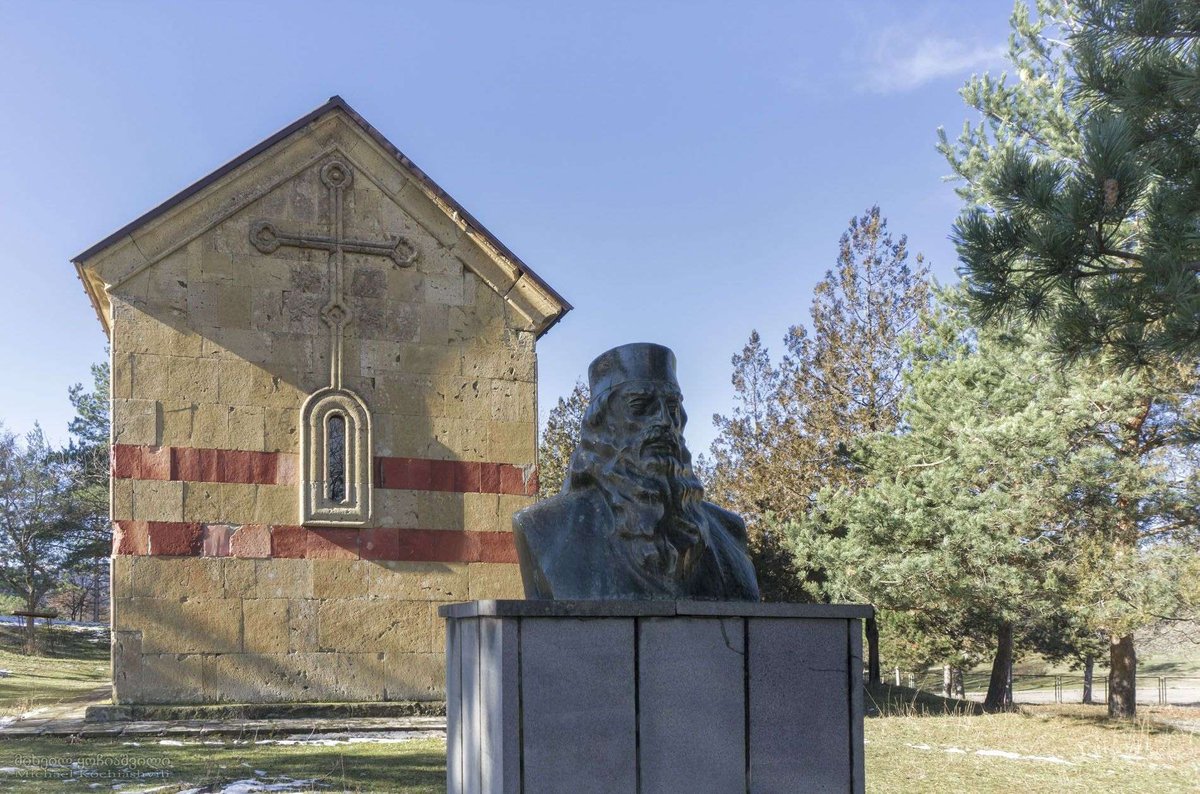
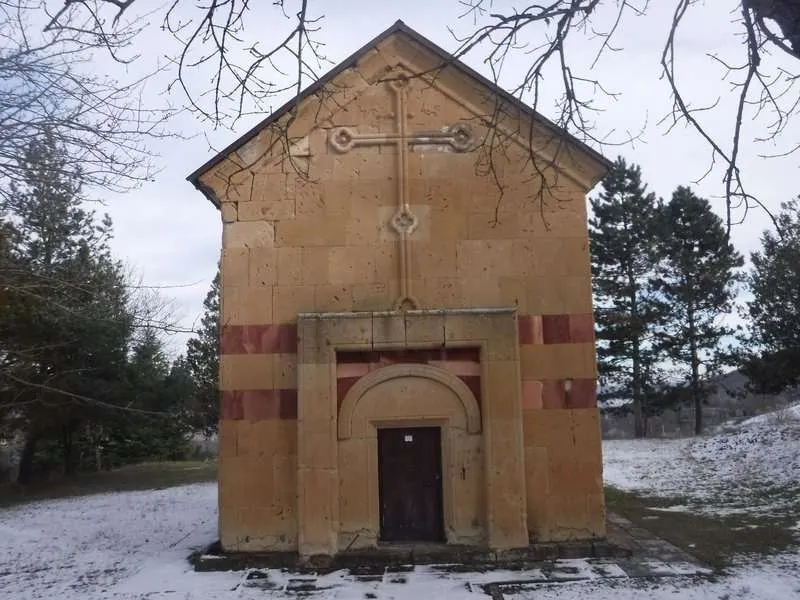
The architecture of the place is a value in itself. In the courtyard stands the family church, which, according to records, was built by the writer's father, the high judge Vakhtang Orbeliani, in 1683. So the museum is not a single building but a small ensemble: the house, the church and the surrounding landscape together convey the era better than display cases alone.

Nearby in the village are the ruins of an old palace and another 17th-century church. All of this makes a trip to Tandzia not just a museum visit but a walk through a historic village with several sites.

📖 Who Sulkhan-Saba Orbeliani Was
Литературный музей имени Сулхан-Саба Орбелиани

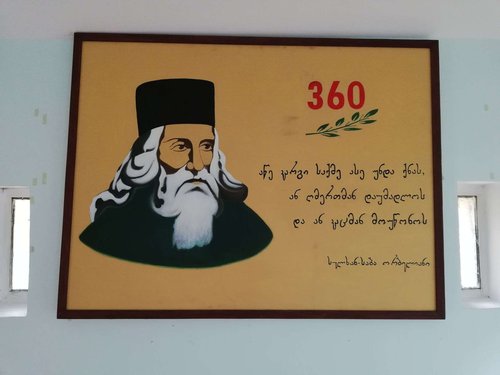
Sulkhan-Saba Orbeliani (1658-1725) was a Georgian writer, lexicographer, scholar, translator and diplomat. He was the tutor of King Vakhtang VI and one of the key figures of Georgian culture of his time. In 1698 he took monastic vows under the name Saba at a monastery in the David Gareja complex.

His main work is the "Sitqvis Kona," the explanatory dictionary of the Georgian language, which he worked on from 1685 to 1716. The dictionary contained more than 40,000 words and became a cornerstone for the formation of the modern Georgian literary language. Equally famous is his fable collection "The Book of Wisdom and Lies," later translated into Russian, French, German and other languages.

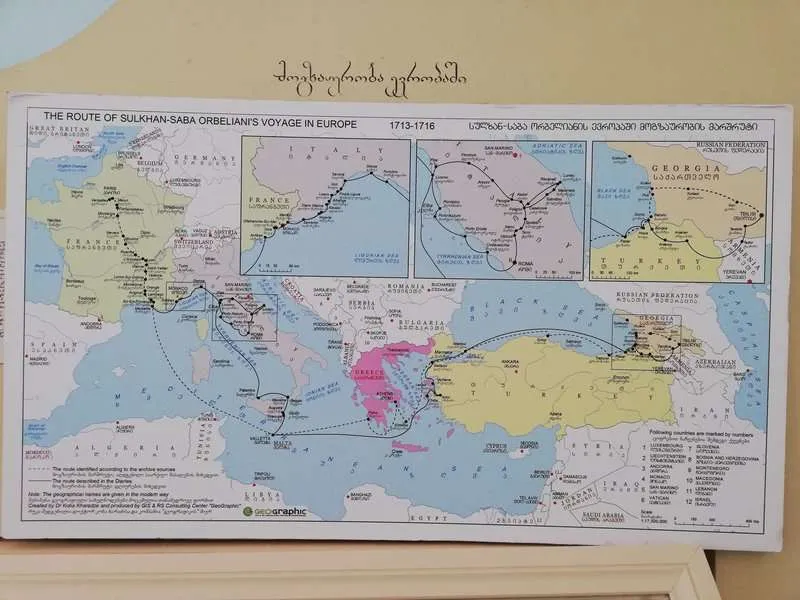
Orbeliani did much to bring Georgia closer to Western Europe. Between 1713 and 1716 he held negotiations in France with King Louis XIV and in Rome with Pope Clement XI. In 1724, on the orders of Vakhtang VI, he travelled to Russia, where he soon died, and he is buried near Moscow. The French missionary Jean Richard, who knew him, put it briefly: he considered him the father of all Georgia.

📋 The Museum and Tandzia in Facts
Location
Tandzia village, Bolnisi Municipality, Kvemo Kartli
Distance
about 16 km from Bolnisi, 7 km of concrete road from Kveshi
Museum opened
1984, in the Orbeliani family house
Church in the yard
1683, built by Vakhtang Orbeliani, the writer's father
Display
manuscripts, printed books, documents, family history
Nearby in the village
ruins of an old palace and a 17th-century church
Views
south and over the Khrami river gorge
Who it suits
lovers of literature, history and quiet routes away from the crowds

🗺️ What's Nearby: Pitareti and Bolnisi
Питаретский монастырь

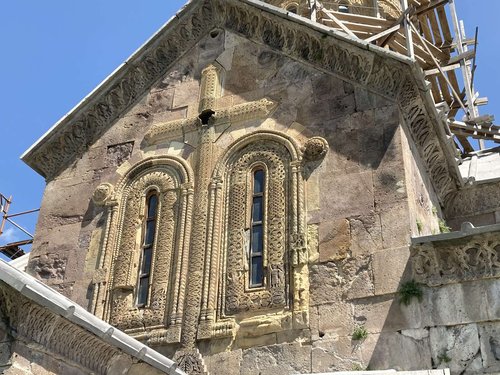
Tandzia combines well with other sites in Kvemo Kartli, and one connection here is especially personal. Sulkhan-Saba's first wife, Darejan Bagrationi, is buried at the 13th-century Pitareti Monastery, which stands in a gorge not far away. So a trip to Tandzia pairs naturally with Pitareti Monastery, famous for its stone carving, though the road there is difficult and needs a 4x4.

The nearest town with a museum is Bolnisi. There you'll find the Bolnisi History Museum, founded in 1951, which holds ancient artefacts of the region, down to petrified wood and Neolithic objects. If you're coming from far away, these two museums and the monastery add up to a full day's route through Kvemo Kartli.

For anyone interested in Georgia's literary house museums more broadly, it's worth comparing Tandzia with the city museums of poets. For instance, the Akaki Tsereteli House Museum, which, incidentally, also holds a copy of Sulkhan-Saba Orbeliani's dictionary, a sign of how far his legacy spread across the country.

🗺️ Tandzia on the Map

Open in Google Maps
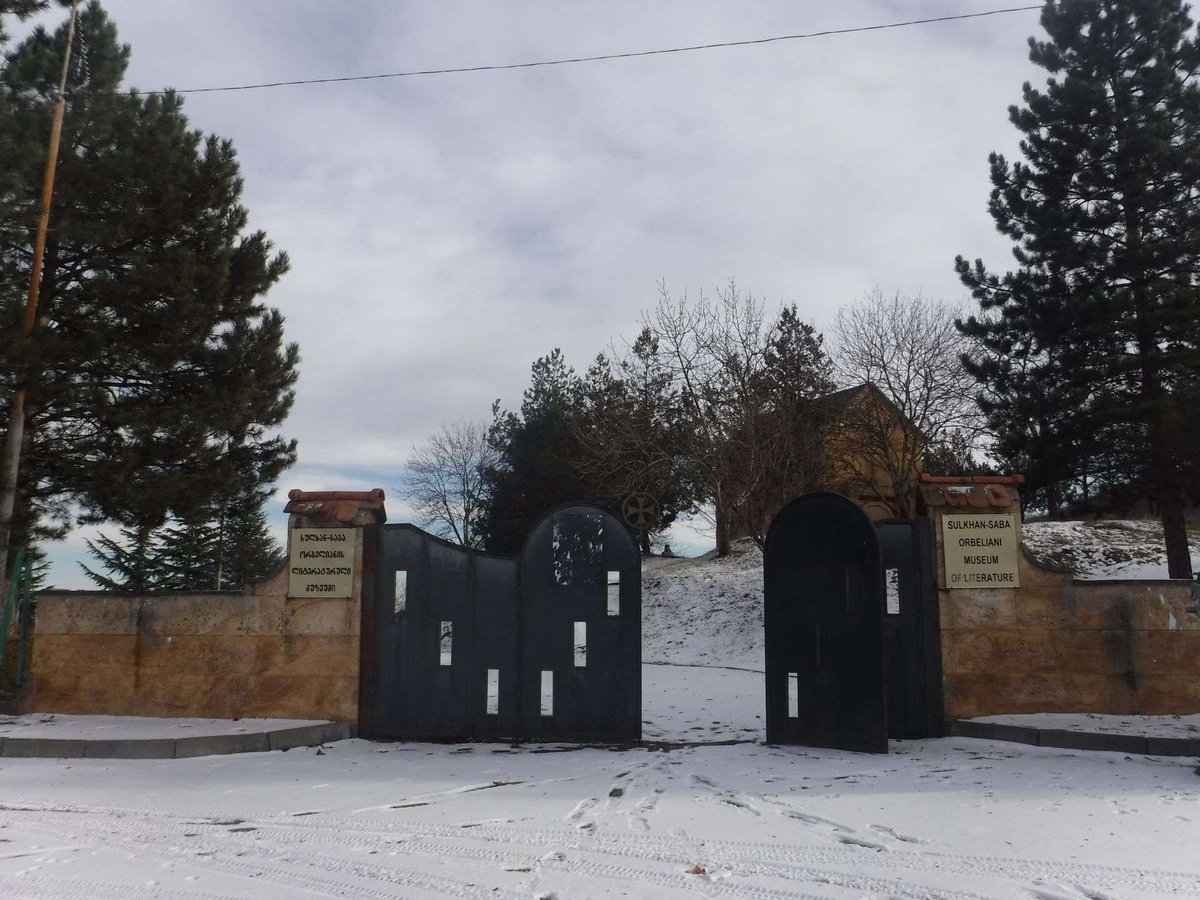
ℹ️ The village of Tandzia sits in the Khrami river valley, about 7 km from Kveshi. Save the museum point in advance: signal and navigation in the mountains can be unreliable.

Литературный музей имени Сулхан-Саба Орбелиани

Tandzia isn't a museum on the tourist trail but a quiet mountain village where one of the central figures of Georgian culture was born. People don't come here for crowds or a marketed brand, but for the real thing: the family home, the old 1683 church and the views over the Khrami gorge. If you're interested in Georgian literature, or simply love places with history away from the bustle, Tandzia is worth the drive up the concrete road through the hills.

Have you been to Tandzia, or are you planning a trip? Share in the comments on Madloba: whether you managed to get inside the museum, what state the house and church are in, and whether it's worth combining the visit with Pitareti.

Information is current as of June 2026. Opening hours for rural museums can change, so before your trip check whether the museum is open and the condition of the road to the village.

❓ FAQ

❓ Where is the Sulkhan-Saba Orbeliani house museum?

In the village of Tandzia, Bolnisi Municipality, Kvemo Kartli region, in the valley of the Khrami river, about 16 km from Bolnisi. Around 7 km of concrete road lead to the village from Kveshi.

❓ When did the museum open?

The literary memorial museum opened in 1984 in the Orbeliani family's old ancestral house. The estate itself and the family church in the courtyard are much older.

❓ What can you see in the museum?

Manuscripts of Sulkhan-Saba's works, printed books, documents, and material on his diplomatic career and the history of the Orbeliani family. A family church from 1683 stands in the courtyard, and nearby in the village are the ruins of an old palace and a 17th-century church.

❓ Who was Sulkhan-Saba Orbeliani?

A Georgian writer, lexicographer and diplomat (1658-1725), tutor of King Vakhtang VI. Author of the first explanatory dictionary of the Georgian language, the "Sitqvis Kona," and the fable collection "The Book of Wisdom and Lies." He was born in Tandzia.

❓ How do I get to Tandzia?

By car is easiest: about an hour and a half to two hours from Tbilisi via Bolnisi or Tetritskaro. Public transport here is rare, so it's best to plan the trip in advance.

❓ What is there to see near the museum?

The 13th-century Pitareti Monastery, where the writer's first wife is buried, and the town of Bolnisi with its history museum. Together they make a one-day route through Kvemo Kartli.

❓ Should I check the opening hours in advance?

Yes, it's advisable. This is a rural museum away from the main roads, and its hours can differ from those advertised. Before your trip it's worth making sure the museum is open on the day.

❓ What's interesting about the church in the museum yard?

It was reportedly built in 1683 by the writer's father, the high judge Vakhtang Orbeliani. It's the Orbeliani family court church, part of the estate's historic ensemble.

Alla Smirnova
By:

Alla Smirnova

Post: Georgia sightseeing expert

My name is Alla Smirnova, and I am completely enchanted by Georgia. My passion is to share the amazing stories and rich ancient culture of this country. As an…

Visit author

38 comments


Log in to leave a comment


  • Z
    Zeynep Çelik
    bazen bir müze, bir evden fazlası olur. sulkhan-saba orbeliani’nin evinin tarihi ve aile bağları, gerçekten etkileyici. 1683 yılına ait bir kilise mi? vay be! orada o tarihi atmosferin içinde olmak, sanki zaman yolculuğuna çıkmak gibi olmalı. ama açıkçası, kişisel olarak biraz daha içsel bir dokunuş görmek isterdim. yazara ait el yazmalarının neler içerdiğini bilmek fazlasıyla meraklandırıyor. bu kadar derin bir geçmişin içinde kaybolmak, fikirlerimi sorgulamak üstüne beni düşündürüyor. o Tarih ve edebiyatın sentezi, insanı alıyor götürüyor. peki, o yazılarının içeriği hakkında daha fazla bilgi bulman mümkün mü?
  • A
    Antoine Martin
    En approchant le musée littéraire Sulkhan-Saba Orbeliani, je ne peux m'empêcher de ressentir un mélange d'émerveillement et de nostalgie. Ce lieu, imprégné d'histoire, semble raconter des secrets enfouis dans chaque pierre. La vue sur le gorge de Khrami, si majestueuse, ajoute à l'atmosphère presque hypnotique du site. J'imagine les pensées de l'écrivain, perdu dans ses manuscrits, contemplant ce paysage. C'est fascinant de penser à ce que l'auteur a pu vivre ici, entre ces murs. L'idée d'un musée familial sur les traces d'un écrivain, c'est à la fois intime et grandiose. Ça donne envie d'explorer, de ressentir cette connexion avec le passé.
  • H
    Hasan Yıldız
    Sulkhan-Saba Orbeliani'nin evi, sadece bir müze değil; geçmişin derinliklerine inen bir yolculuğun kapısını aralıyor gibi. 1683 yılına ait kilise, zamanında bu topraklarda yaşayanların ruhunu hissettiriyor. O tarihi atmosferi koklamak, oradaki o sıcak anıları düşünmek beni gerçekten etkiledi. Yalnızca kitaplar ve belgelerle dolu sıradan bir ev değil; her köşesi bir hikaye anlatıyor. Gürcü edebiyatının büyüsünü bu kadar yakın hissetmek, insanı başka dünyalara götürüyor. Orada, gürültülü hayattan uzak, sadece doğanın sesi ve tarih var. Merak ettiğim bir şey var: Bu müzede en çok hangi eser üzerine konuşmalar yapılıyor?
  • A
    Ana Lomidze
    რამდენიმე დღის წინ ვნახე სურათები, რაც ასე მორიდებით აჩვენებს სულხან-საბა ორბელიანის სახლ-მუზეუმს. ამ ლამაზ ადგილებს შორის, 1683 წლის ეკლესია ხომ რაღაც საოცრებაა, ისეთ სასწაულთა ეზოში, თანაც ხრამის ხეობის ხედებით. მუზეუმი ყოვლად საინტერესო უნდა იყოს, მაგრამ ის წერილები, რაც იქ ინახება, როგორ მოგწვდებათ? ხომ არ გსმენიათ რომელიმე განსაკუთრებული ისტორიის შესახებ ამ წერილებიდან? ასე ვოცნებობ, რომ ვიზიტისთვის გამზადებული ვიყო და მარტო ხეტიალი არ მწყინდეს, არამედ ყველა იმ ემოციას და ინფორმაციას უფრო ახლოს გავიგო. დატოვეთ მცირეოდენი სილამაზეც, თუ რამე ღირსშესანიშნავი გაქვთ, მაღლა დარჩენილი.
  • E
    Emma Miller
    Stumbling upon the Sulkhan-Saba Orbeliani Museum feels like stepping into a forgotten world. I can almost hear the whispers of history in that 1683 church; it’s surreal! 🌌 The views over the Khrami gorge are nothing short of breathtaking. It’s wild to think that this was once a family home, filled with dreams and stories. There’s something hauntingly beautiful about old manuscripts gathering dust, waiting for someone to breathe life into them again. What’s fascinating-and kind of unsettling-is the juxtaposition of the serene landscape with the weight of its literary history. Sometimes, I wonder what messages Orbeliani himself would have left us if he could see how we connect through his words today. Do they do tours of the museum in English? 🤔
  • Д
    Даня Корнилов
    Какие мероприятия и выставки проводятся в музее чаще всего? Есть ли экскурсии или гиды, которые рассказывают об экспонатах? Хотелось бы больше узнать о его известных произведениях и их значении в грузинской литературе.
  • V
    VincentMoore
    Are there any exhibitions focused specifically on Sulkhan-Saba Orbeliani's diplomatic missions and interactions with Western Europe? It seems like an important part of his legacy that could attract more visitors interested in historical diplomacy.
  • I
    Irakli Chikvaidze
    Музей в селе Тандзия действительно важен для нашей культуры. Было бы интересно узнать больше о том, как проводятся лекции и выставки, и можно ли посетить какие-то из них в ближайшее время.
  • d
    denis_kharitonov1984
    Интересно, неужели Сулхан-Саба Орбелиани действительно сыграл ключевую роль в сближении Грузии с Западной Европой? Кажется, что это слишком большая личная заслуга для одного человека, учитывая сложности того времени. Хотелось бы узнать об этом подробнее.
  • L
    Ledger Ramsey
    Are there guided tours available at the museum for non-Georgian speakers, or any materials in English to help understand the exhibits better?
  • გ
    გივი
    საინტერესოა, თუ 1984 წლიდან მოყოლებული, როგორ იცვლებოდა და ვითარდებოდა ლიტერატურული მუზეუმის ექსპოზიცია. ასევე, ხომ არ ხდება მუზეუმში პერიოდული განახლება ან დამატება ახალი მასალების ან დოკუმენტების სახით? მუზეუმი ხომ ხშირად არ ატარებს სპეციალურ ღონისძიებებს ისეთი მნიშვნელოვანი მემკვიდრეობისთვის, როგორიცაა სულხან-საბას ნამუშევრები?
  • p
    piperc
    Are there any interactive activities or special programs for children at the museum to engage them with Georgian literature and culture?
  • ქ
    ქეთი კაკაბაძე
    საინტერესოა, როგორ აწარმოებს ლიტერატურული მუზეუმი ისეთ კულტურულ ღონისძიებებს, რომლებიც ახალგაზრდების დაინტერესებასა და მათ განათლებაზეა ორიენტირებული? თანამშრომლობენ თუ არა სკოლებთან ან უნივერსიტეტებთან?
  • l
    lenalight
    Приятно узнать, что в селе Тандзия есть такой литературный музей. Видно, что он играет важную роль в сохранении и популяризации грузинской культуры. Интересно, есть ли в музее какие-то интерактивные экспозиции или программы для детей? Было бы здорово их посетить вместе с семьей.
  • D
    Didem
    The museum dedicated to Sulkhan-Saba Orbeliani sounds like a fascinating place to explore. It's incredible to learn that it holds not only his manuscripts and literary works but also documents of his diplomatic efforts to connect Georgia with Western Europe. His contributions to literature, especially in creating a Georgian dictionary and fable collection, highlight the rich cultural history of the region. I’m curious about how the museum engages the local community through its cultural events and if any of these events focus on his impact on modern Georgian literature.
  • Е
    Елизавета Елизавета
    Интересно, как часто музей обновляет свои выставки и проводит культурные мероприятия?
  • L
    Lasha Nozadze
    სულხან-საბა ორბელიანს მართლაც ჰქონდა მნიშვნელოვანი როლი საქართველოსა და დასავლეთ ევროპის დაახლოებაში. თუმცა, მაინტერესებს, მუზეუმში გაკრული მასალები რამდენად ადასტურებენ მის მოლაპარაკებებს საფრანგეთში, რომსა და რუსეთში? დოკუმენტური წყაროები ალბათ კიდევ უფრო გაამყარებდა ამ ისტორიებს.
  • H
    Henry V.
    Are there any guided tours available in English at the museum, or do they only offer information in Georgian?
  • E
    Ekaterina
    Было бы интересно узнать, какие культурные мероприятия музей планирует организовать в ближайшее время.
  • Е
    Елена Осинцева
    Читала, что Сулхан-Саба Орбелиани вел переговоры не только с Францией, Римом и Россией, но и с другими странами. Интересно, это действительно так, или в статье просто выделили самые значительные контакты?
  • M
    Meredith
    I find it curious that the museum has been around since 1984. How credible is the date of the museum's establishment? It could be mistaken for the era indicated by the museum's historical content on Orbeliani, which hails from the 17th century. Could there be more background on how this museum came to be, perhaps involving restoring or repurposing an older building in that village? It would be interesting to understand the journey of the museum itself.
  • ა
    არჩილ ჩხაიძე
    Музей, посвященный жизни и творчеству Сулхана-Сабы Орбелиани, звучит как важное место для знакомства с нашей культурой и историей. Интересно, проводятся ли в музее регулярные экскурсии для школьников, чтобы наши дети могли узнать больше о его вкладе в грузинскую литературу?
  • ა
    ალექსი ცისკარიძე
    საინტერესო იქნებოდა გაეცნოთ, თუ როგორ წარიმართება კულტურული ღონისძიებები და ლექციები ამ მუზეუმში. ასევე, თუ არის შესაძლებლობა, რომ მეტი ვნახოთ და გავიგოთ სხვა ქართული მწერლების შემოქმედების შესახებ. ეს ნამდვილად დიდებული შანსია, რომ დავიცვათ და გავავრცელოთ ჩვენი კულტურა.
  • Y
    YuriArmstrong
    Is the museum open to visitors all year round, or does it close during certain seasons?
  • o
    oksanabor9s
    Здорово, что в музее доступны не только рукописи и документы Орбелиани, но и проводятся культурные мероприятия. Это настоящий мостик в прошлое, который одновременно позволяет лучше понять грузинскую литературу и культуру. Особенно впечатляет, как Орбелиани способствовал взаимопониманию между Грузией и Европой через переговоры.
  • G
    G_elel
    Если вы интересуетесь литературой и историей Грузии, то обязательно стоит посетить Литературный музей имени Сулхан-Саба Орбелиани. Это место не только олицетворяет выдающееся литературное наследие Орбелиани, но и позволяет глубже понять культурные и исторические процессы того времени. В музее представлено множество экспонатов, включая рукописи его произведений, старинные книги и документы, которые раскрывают многогранность его личности как писателя, дипломата и ученого. Музей расположен в историческом поместье семьи Орбелиани в селе Тандзия, что придает этому месту дополнительную атмосферу. Это отличный способ погрузиться в атмосферу 17–18 веков, узнать о вкладе Орбелиани в развитие грузинской литературы и культуры, а также насладиться живописными видами.
  • О
    Ольга
    Музей расположен в старинном здании, которое само по себе является памятником архитектуры. Уже при входе царила атмосфера прошлого века, словно перенесшая меня в другую эпоху. Экспозиция музея охватывает различные периоды грузинской литературы, начиная с древних времен и заканчивая современностью. Здесь можно увидеть книги, рукописи, фотографии и личные вещи известных грузинских писателей и поэтов. Я была поражена разнообразием материалов, собранных в этом месте. Особенно запомнились редкие издания книг, которые можно встретить только здесь.
  • a
    aleksandraretusherova
    Невероятно видеть, как глубоко корни грузинской литературы уходят в историю и как великие произведения отражают душу и культуру народа. Особенно поразила экспозиция, посвященная самому Сулхану-Саба Орбелиани – его жизнь и творчество действительно вдохновляют. Музей не только познавательный, но и очень атмосферный. Рекомендую всем, кто интересуется литературой и историей Грузии, обязательно здесь побывать.
  • a
    altumer.tr
    Я например впервые узнала о таком писателе. Поэтому мне было важно, узнать о нем чуть больше информации, ознакомиться с произведениями и работами данного писателя. И ваша статья помогла пополнить копилку знаний!
  • e
    emilpetrosyan000
    Посещение этого музея для меня станет непременным пунктом в путешествии по Грузии, так как я всегда стремлюсь расширять свои знания о литературе и культуре разных стран. Литературные музеи всегда создают особенную атмосферу и помогают лучше понять дух и настроение творчества знаменитых писателей. Madloba.info предоставляет ценную информацию о музее имени Сулхана-Саба Орбелиани и его истории, что добавляет значимости и интереса к посещению этого места. Я хочу открыть для себя богатую литературную сокровищницу этого музея, чтобы еще глубже проникнуть в душу грузинской литературы и ощутить ее величие. Спасибо Madloba.info за уникальную информацию о Литературном музее имени Сулхана-Саба Орбелиани. Это поможет мне создать незабываемые воспоминания о путешествии по Грузии, окунаясь в мир слов и творчества этой прекрасной страны.
  • К
    Кирилл
    Я прочитал статью о Музее литературы имени Сулхана-Саба Орбелиани и являюсь постоянным посетителем этого места. Музей расположен в историческом поместье семьи Орбелиани, которое включает церковь фамильного двора. Здесь я нашел множество материалов, отражающих жизнь и деятельность Сулхана-Саба Орбелиани, выдающегося грузинского писателя, ученого и дипломата. В музейных залах выставлены его художественные рукописи, печатные книги и другие материалы. Это место позволяет глубже погрузиться в богатую литературную и историческую наследие Грузии. Если вы планируете посетить Грузию, я настоятельно рекомендую посетить этот музей, чтобы познакомиться с удивительной жизнью и творчеством Сулхана-Саба Орбелиани.
  • y
    yshorts0.078
    Статья о Литературном музее имени Сулхана Саба Орбелиани представляет это прекрасное место, посвященное одному из выдающихся грузинских писателей. Музей предлагает интерактивные экспозиции, личные вещи писателя и информацию о его жизни и творчестве. Я считаю, что это важный культурный объект, который позволяет посетителям погрузиться в литературное наследие Грузии и понять его влияние на современную литературу. Рекомендую посетить Литературный музей имени Сулхана Саба Орбелиани, чтобы проникнуться его богатой историей и великолепными творениями.
  • g
    gjfroksit228
    Не очень увлекаюсь литературой, да и тем более Грузинской литературой, однако музей посвященный Сулхану-Саба Орбелиани я бы посетил. Он сделал очень многое для Грузии и в дань его заслугам сделали музей, где собрали множество экспонатов, литературных творений и много другого
  • b
    bikteeva94
    Честно признаться, мне не очень интересны подобные музеи. Сулхан-Саба Орбелиани внес огромный след в истории развития литературы в Грузии. Все его работы, которые он оставил после себя, а именно богатое литературное наследие, можно найти в его музее. Спасибо автору за статью, мне было интересно ознакомиться с ней!
  • o
    olya.loginova.05
    Прекрасный музей! Прекрасная возможность узнать больше о литературе. Было очень интересно узнать, что в музее хранится наследие Сулхан-Саба Орбелиани, а именно грузинский словарь «Ситквис кона», сборник басен «Сибрдзне сицруиса», который был переведён на многие языки. Самый интересное это то, что его отцом всей Грузии.
  • b
    bikteeva94
    Данный музей будет интересен для любителей литературы! Сулхан-Саба Орбелиани оставил после себя богатое литературное наследие, которое сейчас хранится в литературном музее имени Сулхан-Саба Орбелиани. Здесь можно узнать больше о литературе и насладиться интересными экспонатами. На территории музея стоит церковь фамильного двора. Музей был основан в 1984 году.
  • М
    Марина
    Литературный музей имени Сулхан-Саба Орбелиани достоин каждой вашей минутки. Для любителей и интересующихся во дворе есть церковь. В наличии художественные рукописи произведений, печатные книги и многое другое. Почему-то люди обходят стороной литературные музеи, а ведь они очень интересные, точно не менее интересные, чем музеи живописи.
  • И
    Ира
    Я считаю, что эта памятка очень красива и хороша собой)) По происхождению Сулхан был сыном крупного феодала царства Картли, мдиванбега (судьи) Вахтанга Орбелиани и дочери эристава (управляющего) Арагви, Тамары. Сулхан-Саба Орбелиани был пострижен в монахи в монастыре Давид Гареджи. Ему принадлежит большая заслуга в деле сближения Грузии с Западной Европой. Хотела бы туда поехать!!