




Khashuri Local Lore Museum: History and Exhibits
Address: Khashuri, st. Merab Kostava 2
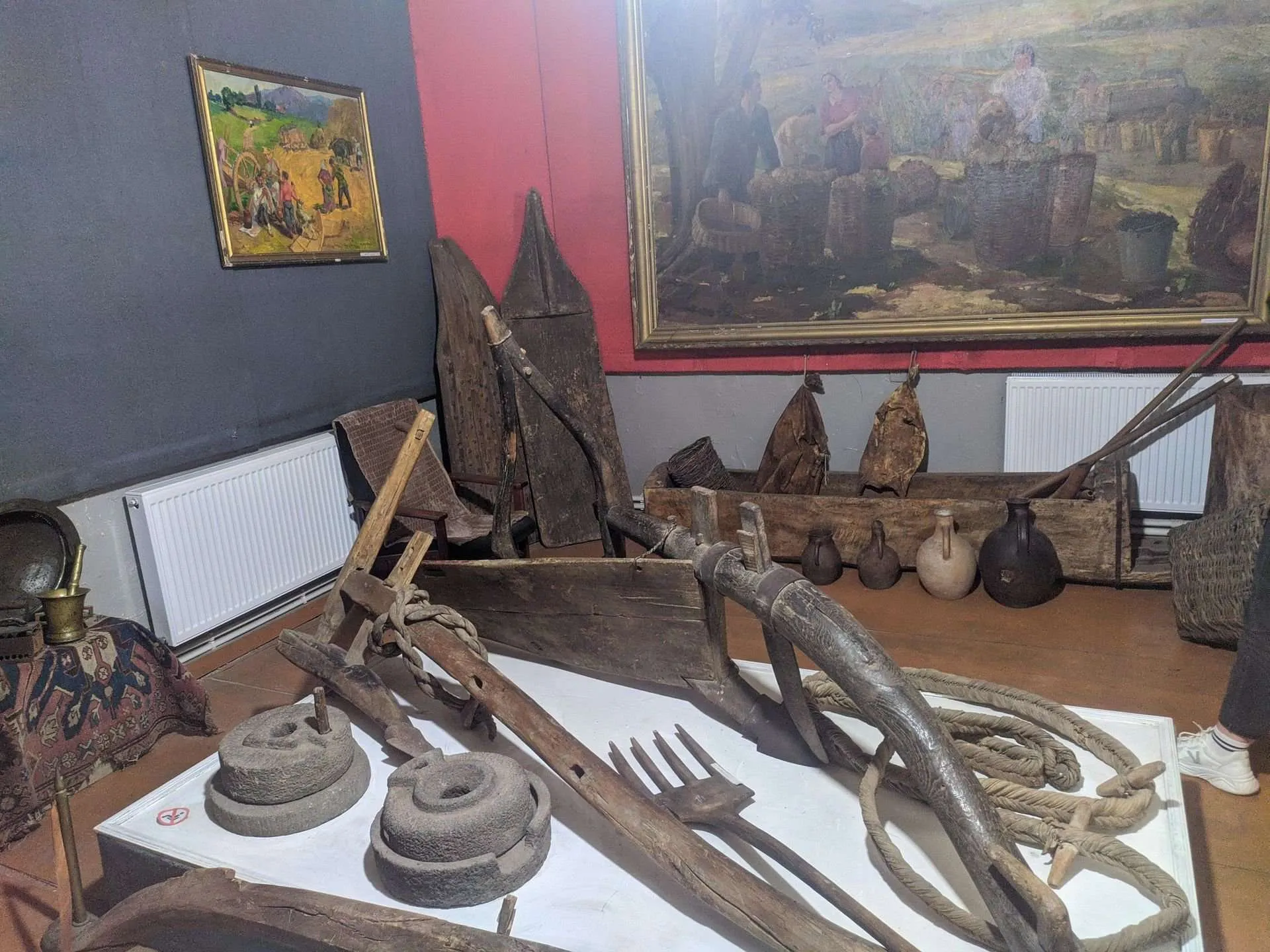
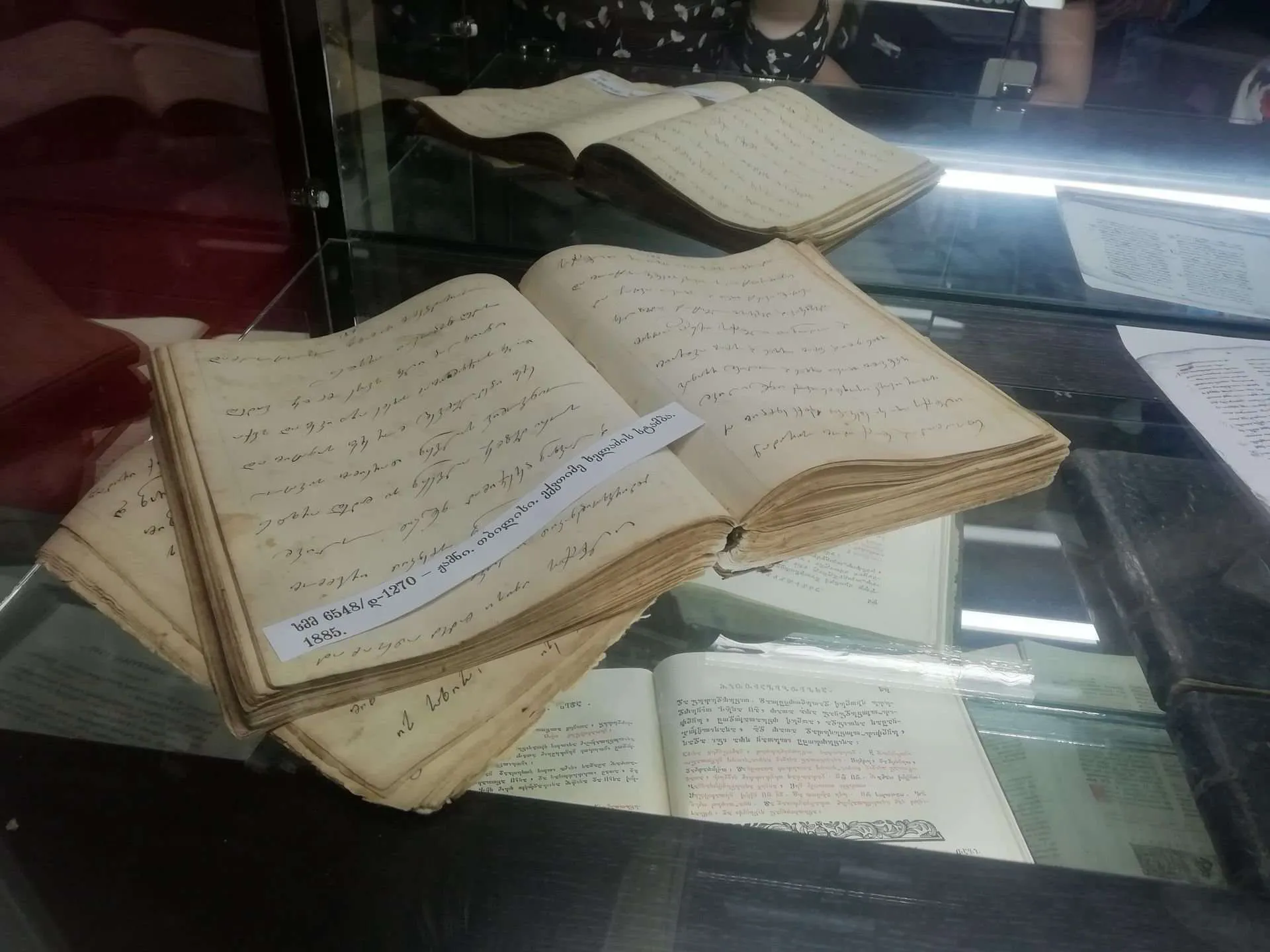
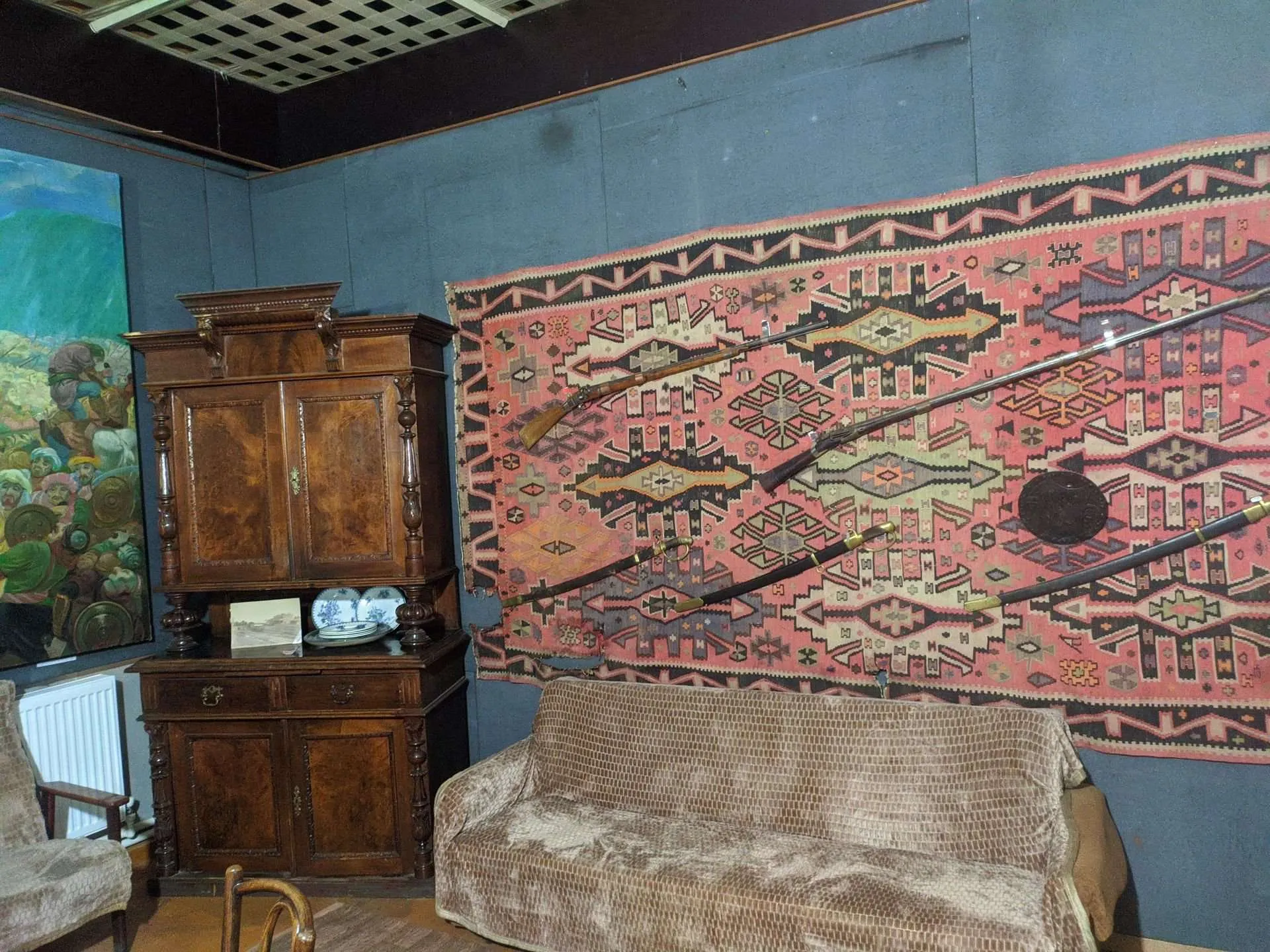
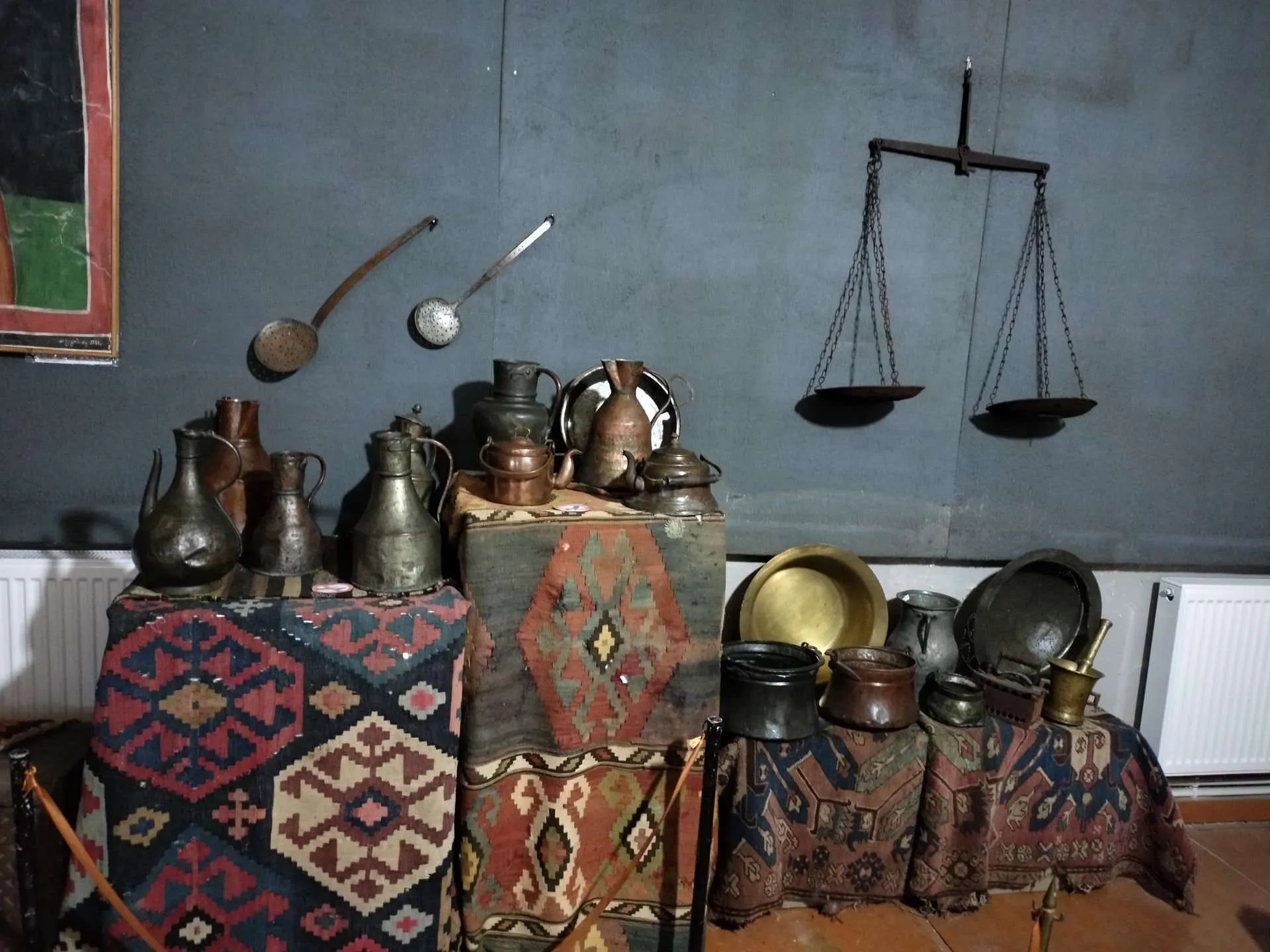
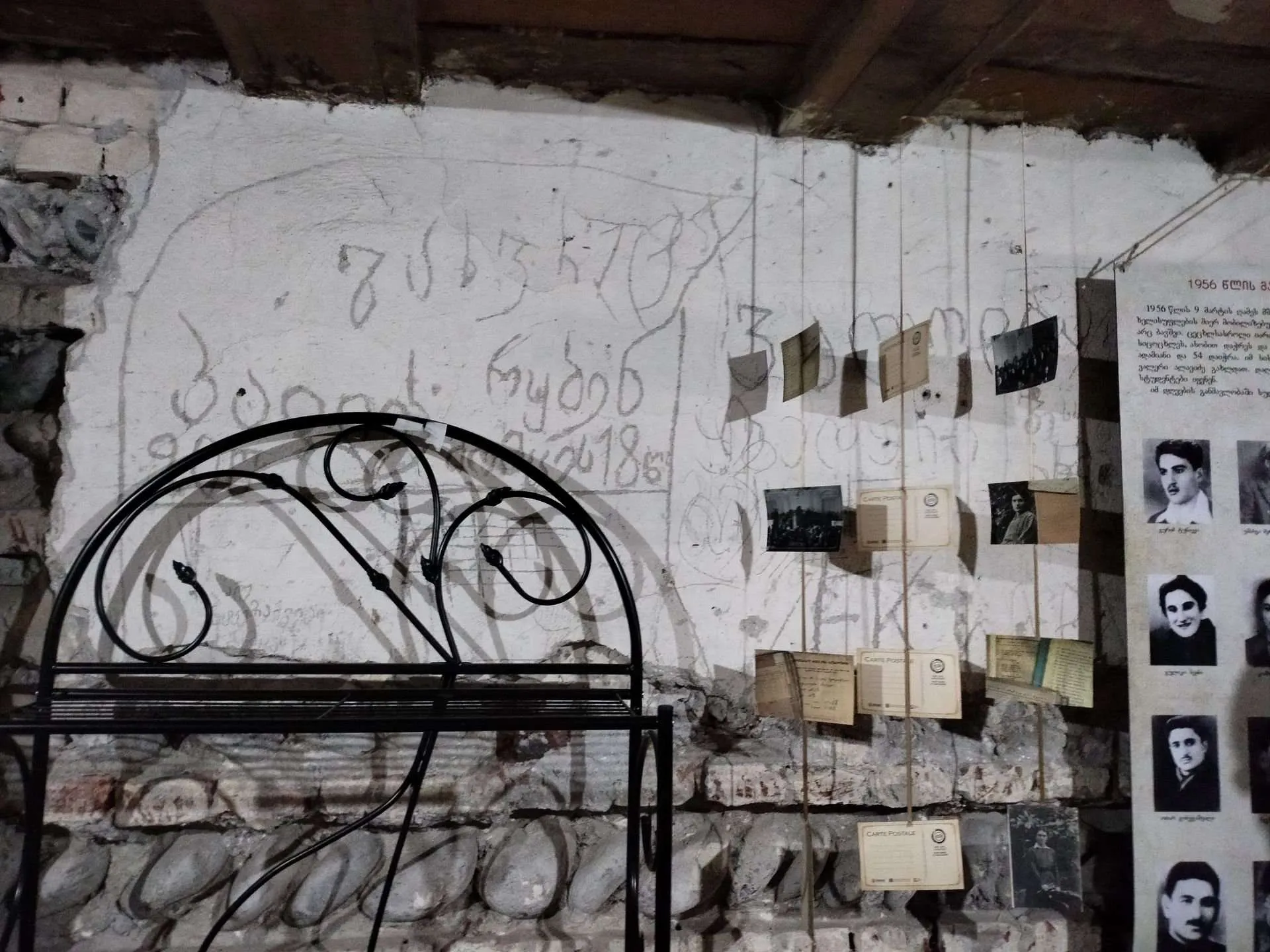
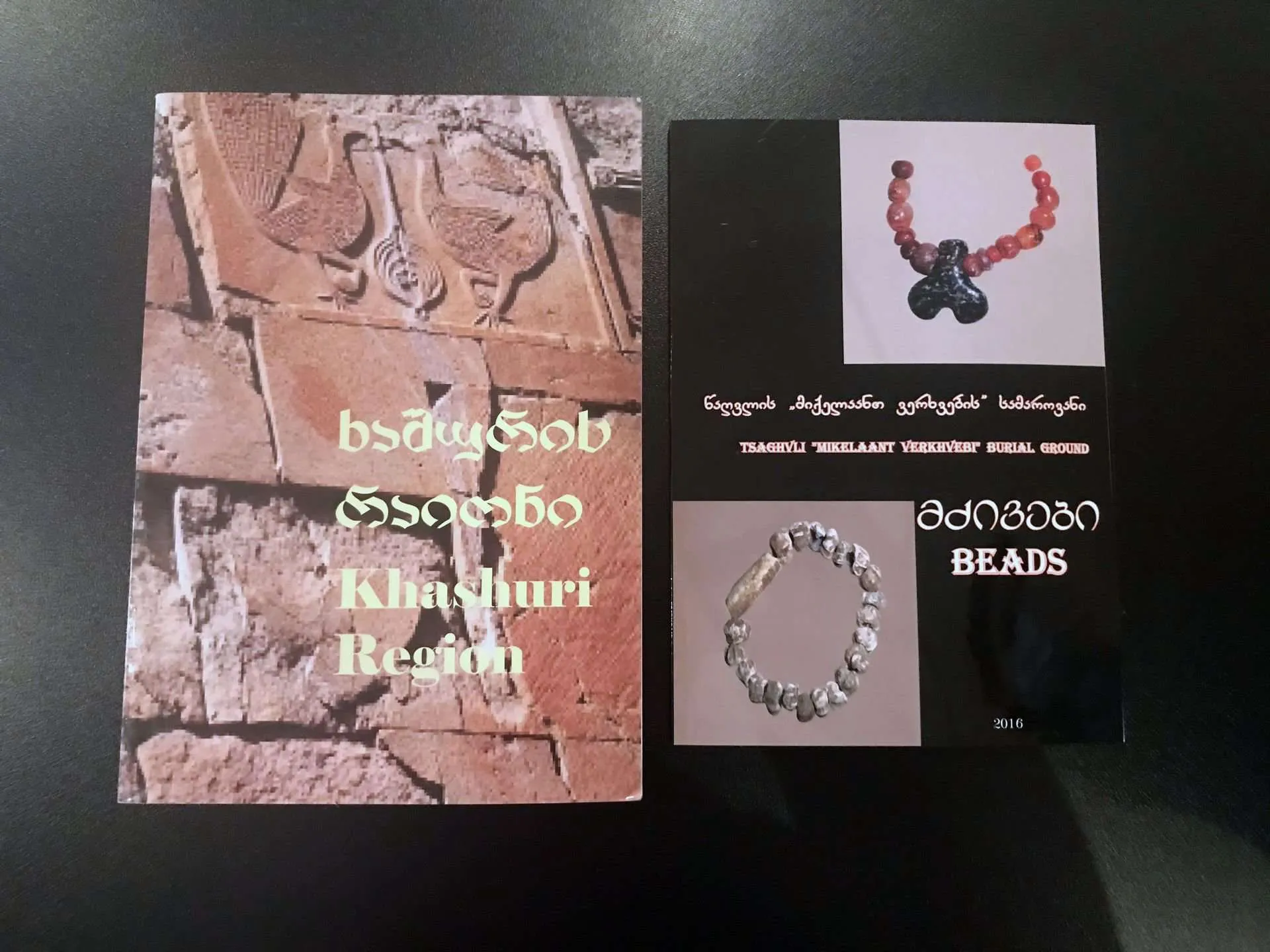
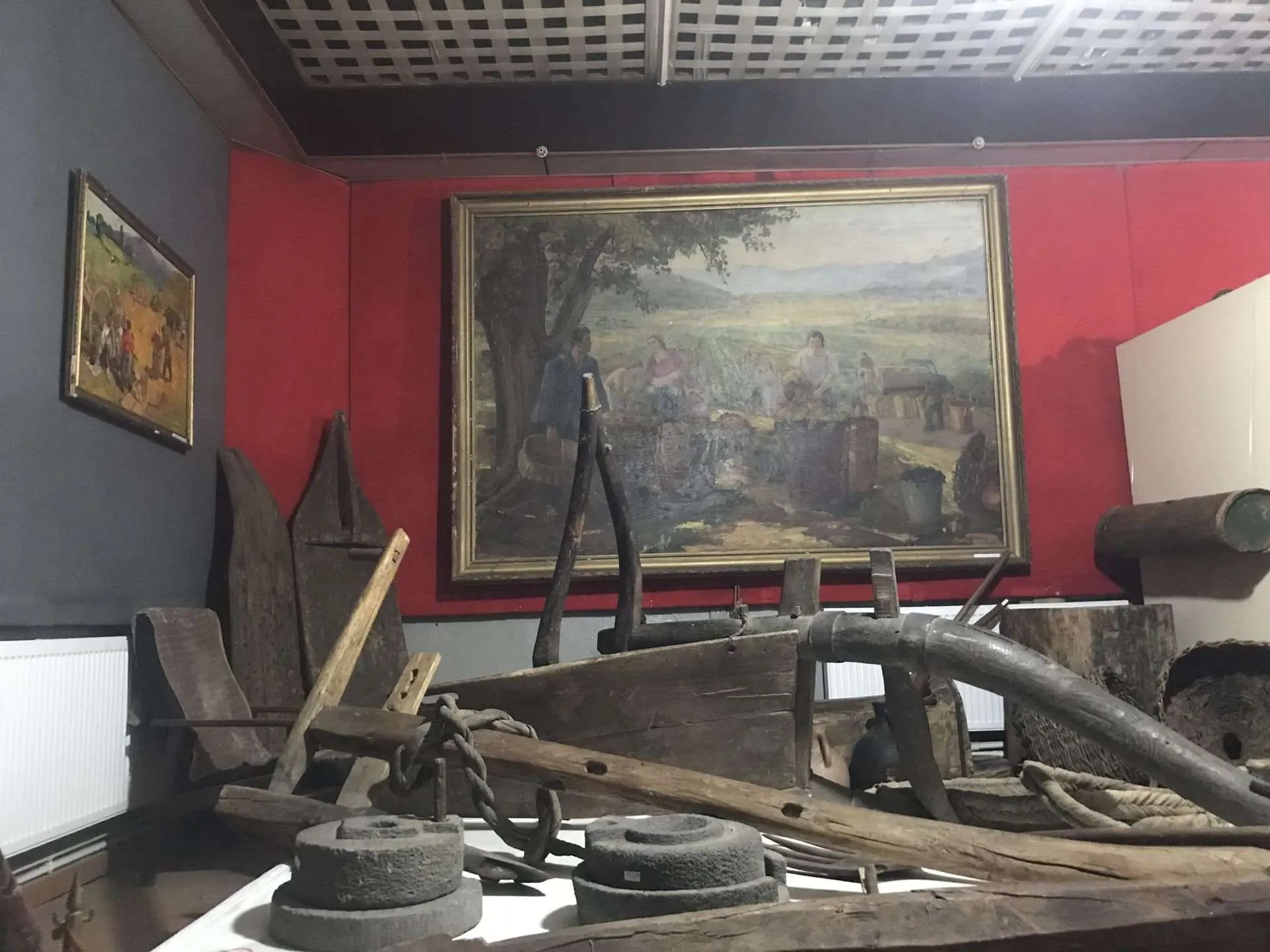
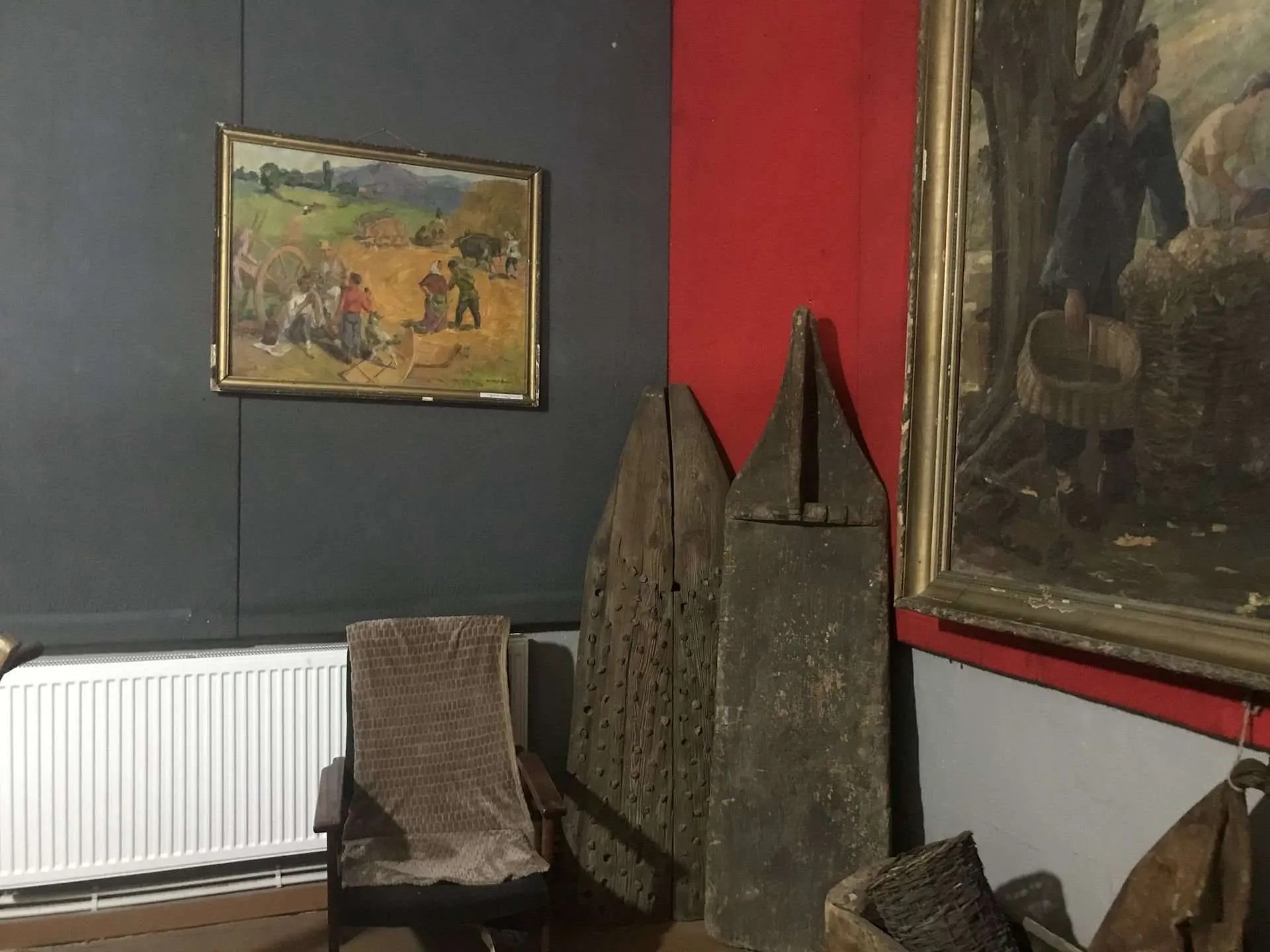
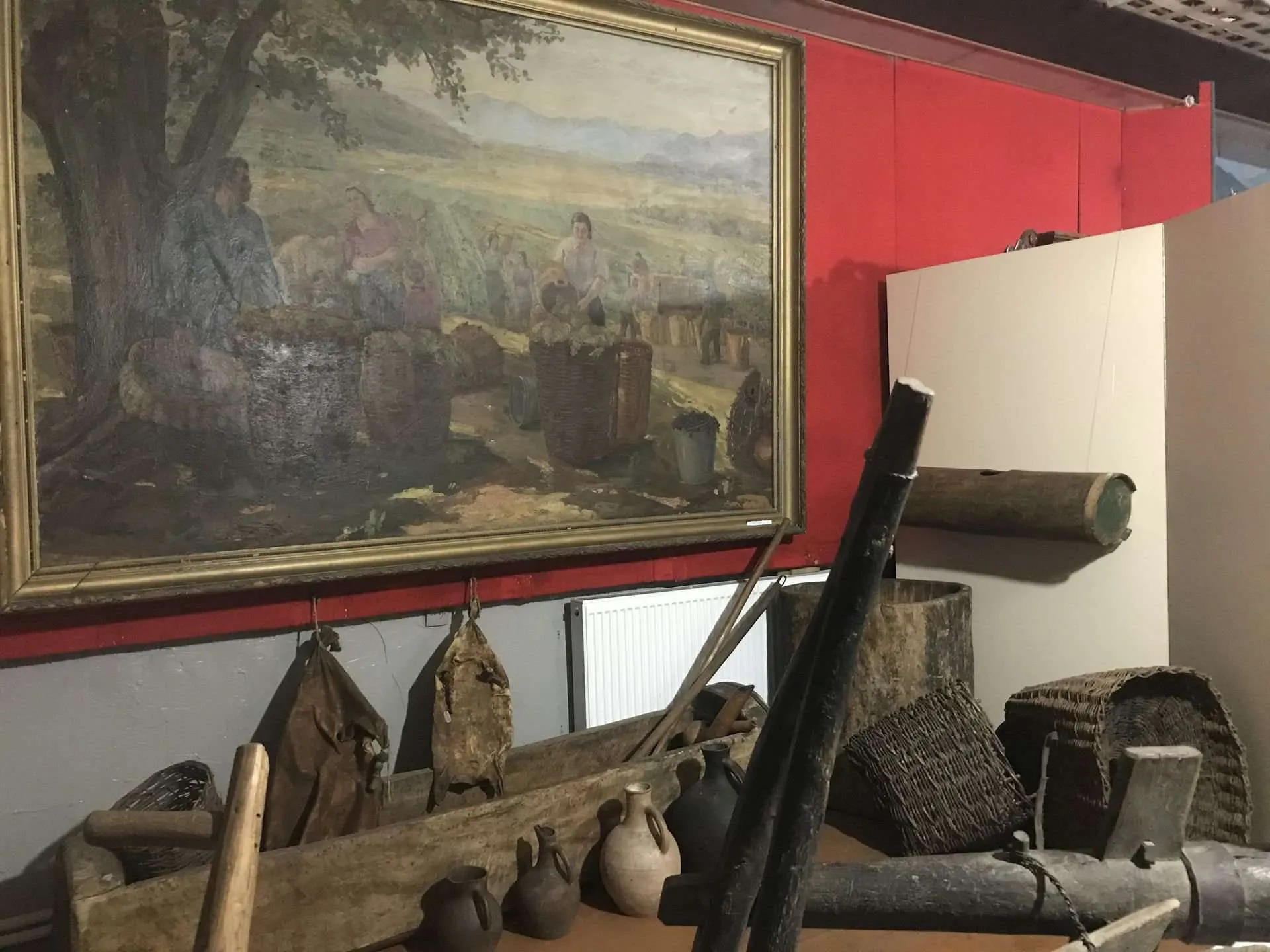
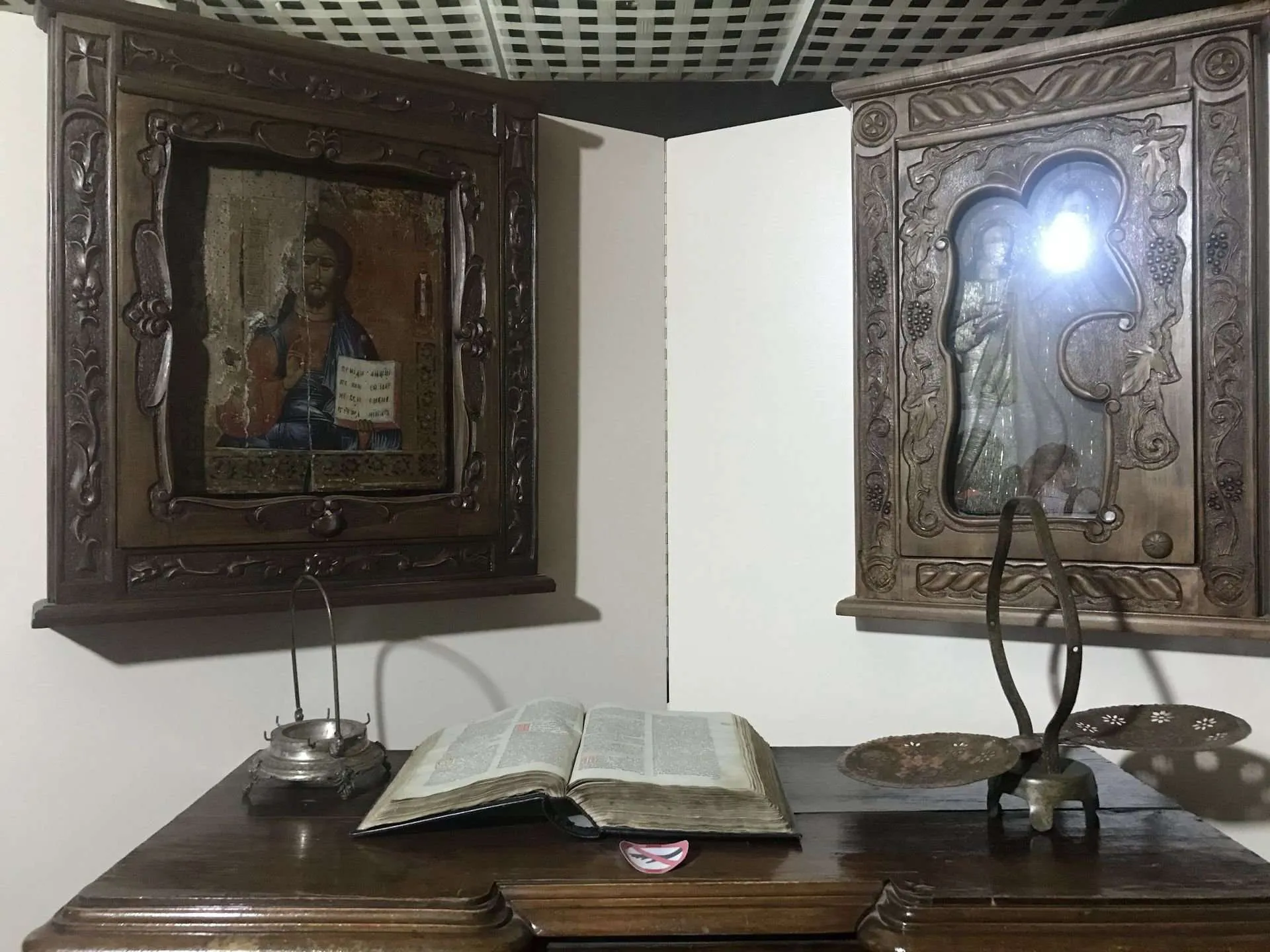
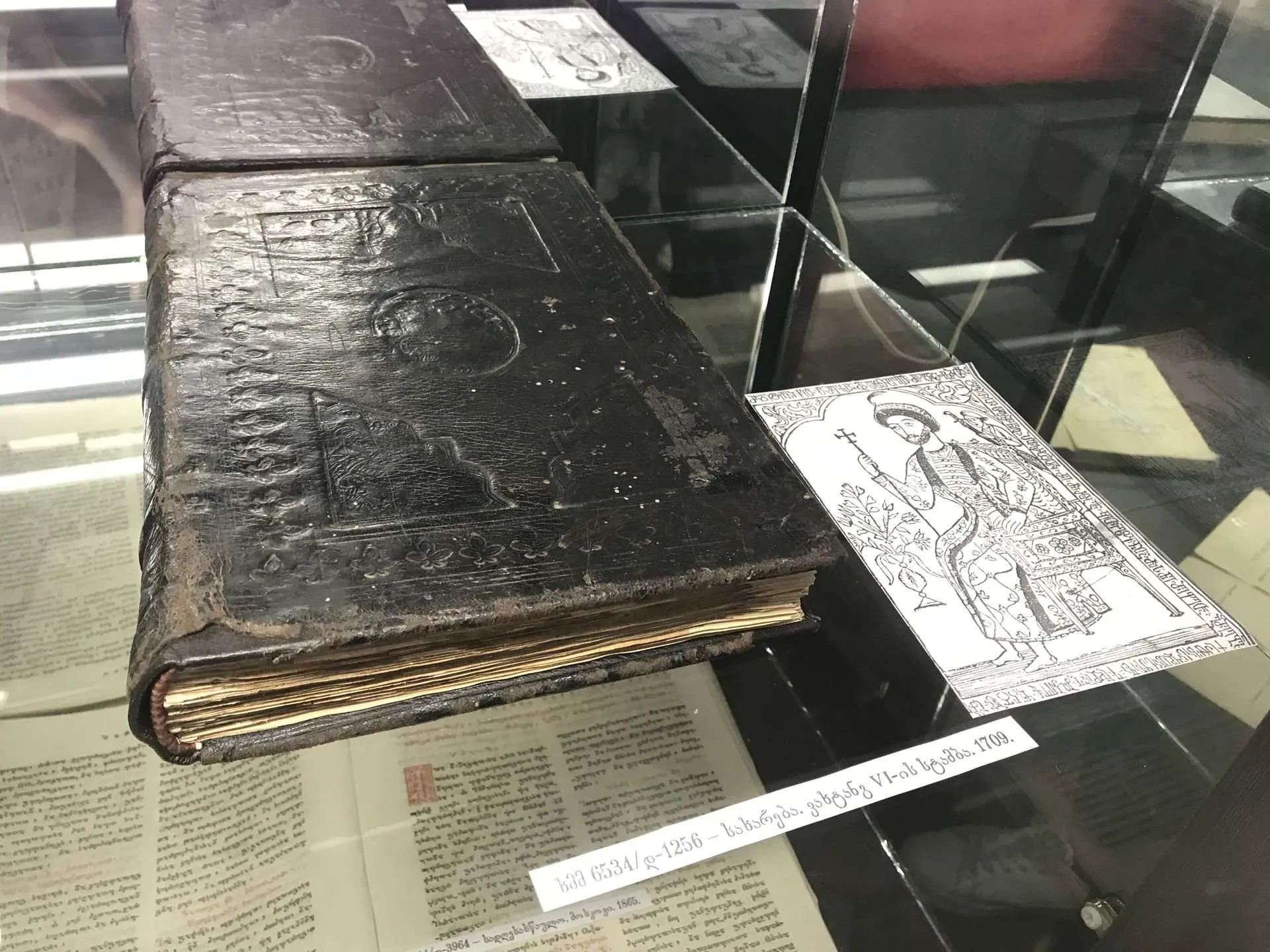
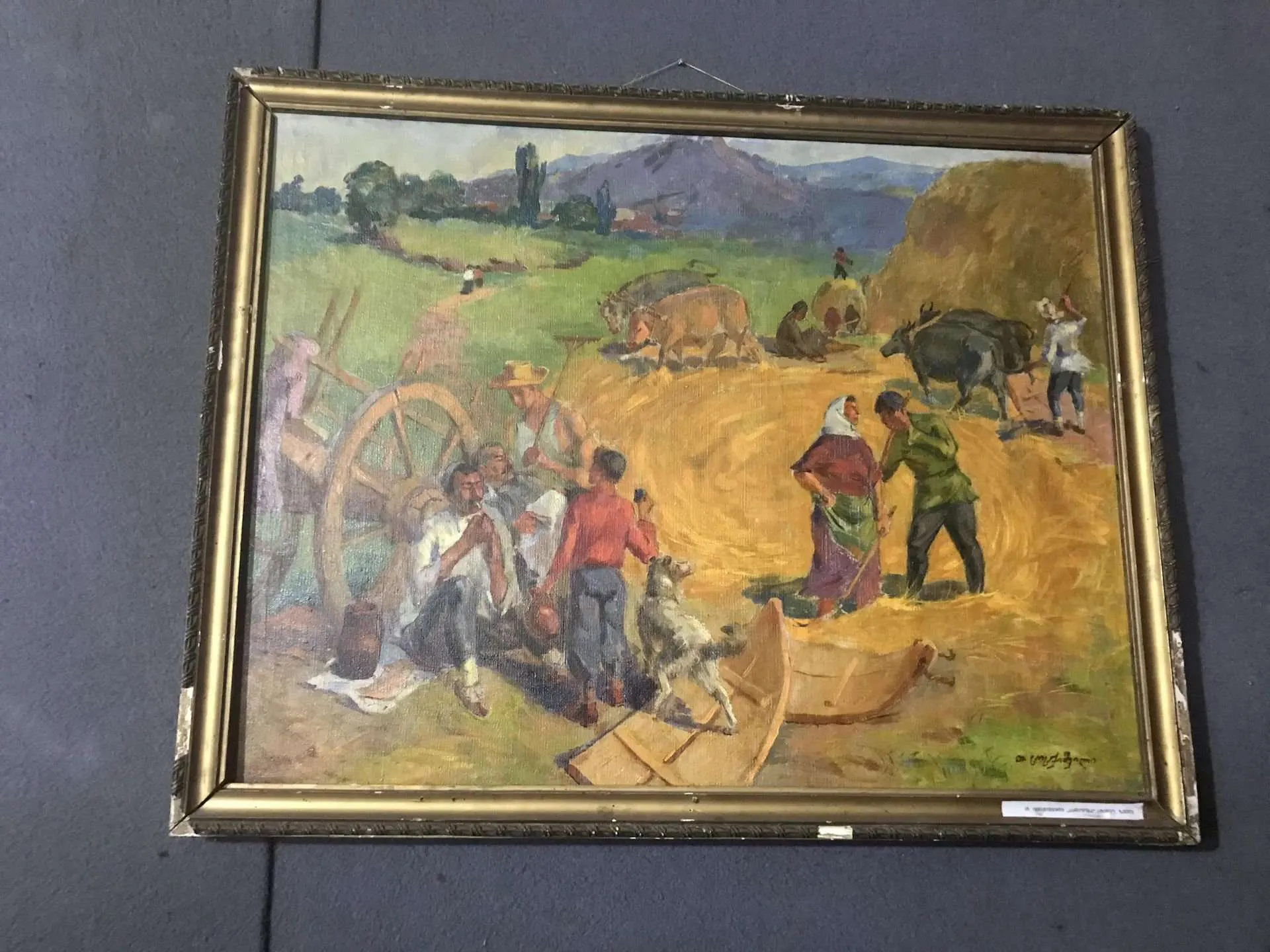
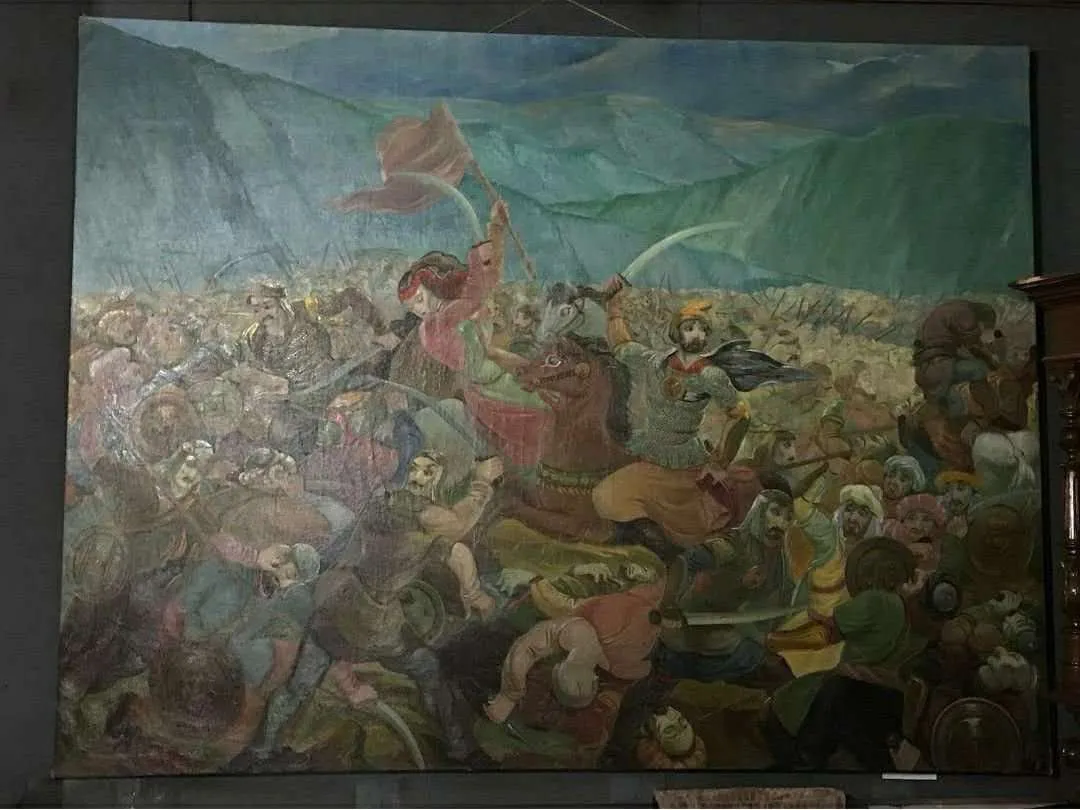
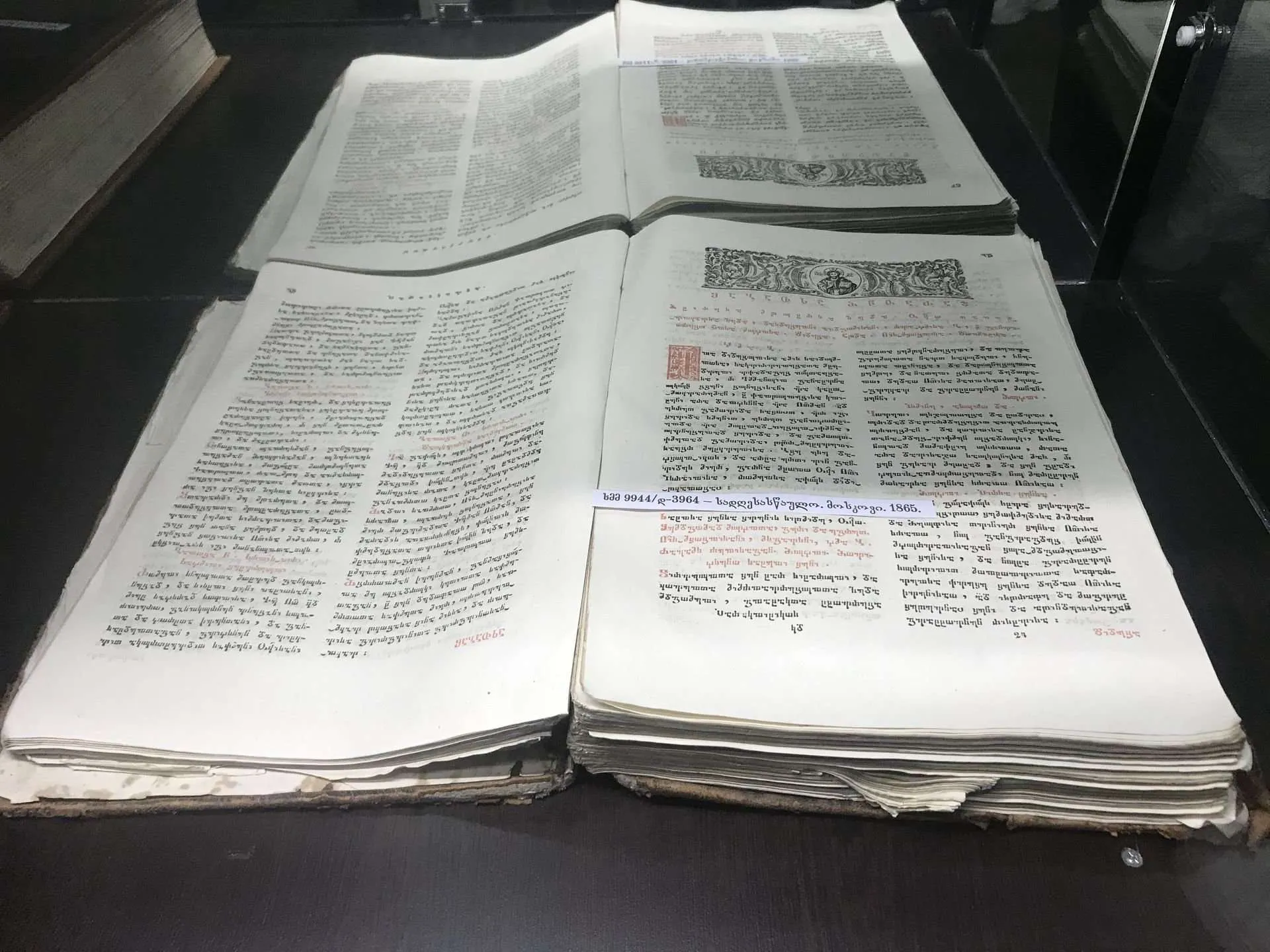
In the museum Khashuri mainly archaeological artifacts are stored (from the Stone Age to the 10th century AD - from the settlement of the village of Natsargora, the multi-layered burial ground of the village of Tsaghvli, materials from Ali, Akhaldaba), including axesColchis culture Late Bronze - Early Iron Period (second half of the 2nd millennium BC - first half of the 1st millennium BC), bracelets of the Late Bronze Period, black polished ceramics of the Early Bronze and Early Antique periods, numismatic materials, ethnographic items, examples of fine art (L. Gudiashvili, A. Tsimakuridze, etc.), documentary materials of the 17th - 20th centuries.
The total number of exhibits As of 1 July 2024, the Khashuri Museum Association (three museums) held up to 107,581 items, and their diverse composition could become an adornment not only of a museum of one district, but also of a national museum of any country. It is no coincidence that one part of the exhibits stored in the museum has been exhibited abroad several times. Particular attention was given to the hatchets of the Colchis culture of the Bronze Age of Eastern Transcaucasia and small bracelets of the Late Bronze Age.
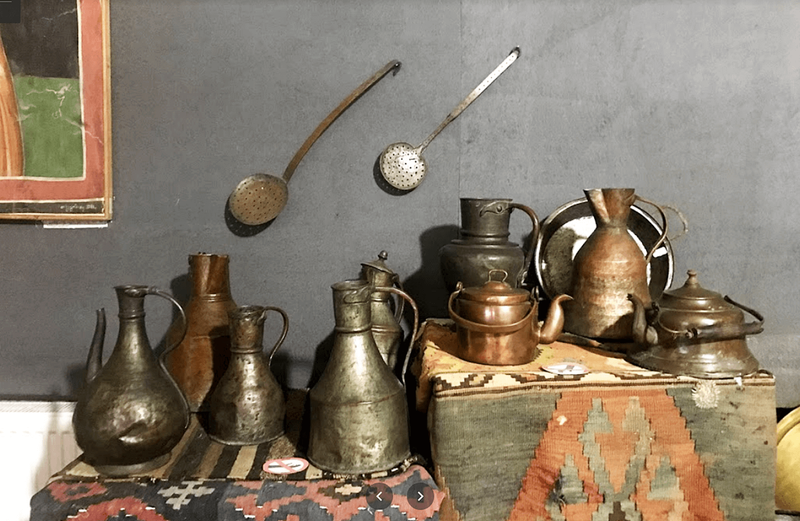
Khashuri is a small town in Georgia, which is famous for its local history museum. The museum is located in the center of the town and is one of the main attractions. In the museum you can see many unique archaeological materials that testify to the rich history of this region.
One of the most interesting exhibits of the museum is the axes of the Colchis culture of the late Bronze - early Iron period, which date from the second half of the 2nd to the first half of the 1st millennium BC. The Colchian culture is known above all for its bronze work, and these axes belong to it and were used for processing wood, as well as tools and weapons.
In addition to axes, the Khashuri Museum stores bracelets of the late Bronze period, black polished ceramics of the early Bronze and early antique periods, numismatic materials, ethnographic items and much more. In total, the museum has up to 107,581 items across the museum association (as of 1 July 2024), which makes it one of the largest museums in the region.
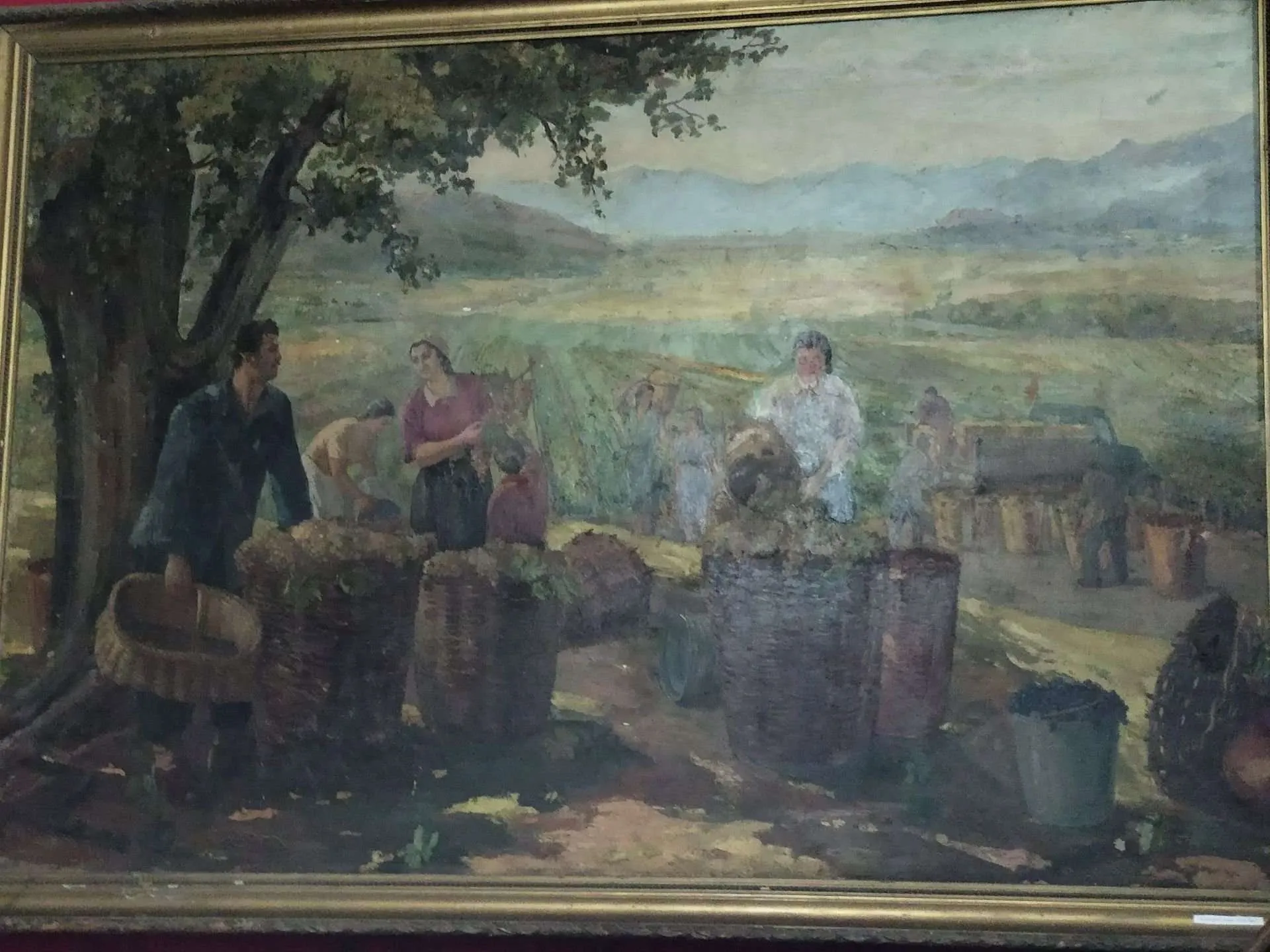
In addition, the Khashuri Museum presents works by famous artists such as L. Gudiashvili and Alexander Tsimakuridze. Here you can see paintings, drawings and graphics that illustrate different eras and styles.
It is important to note that the Khashuri Museum not only stores unique exhibits, but also actively participates in scientific activities. The museum staff conduct archaeological research and regularly carry out research on the history of the area. This makes the museum not only a cultural center, but also a scientific center of the region.
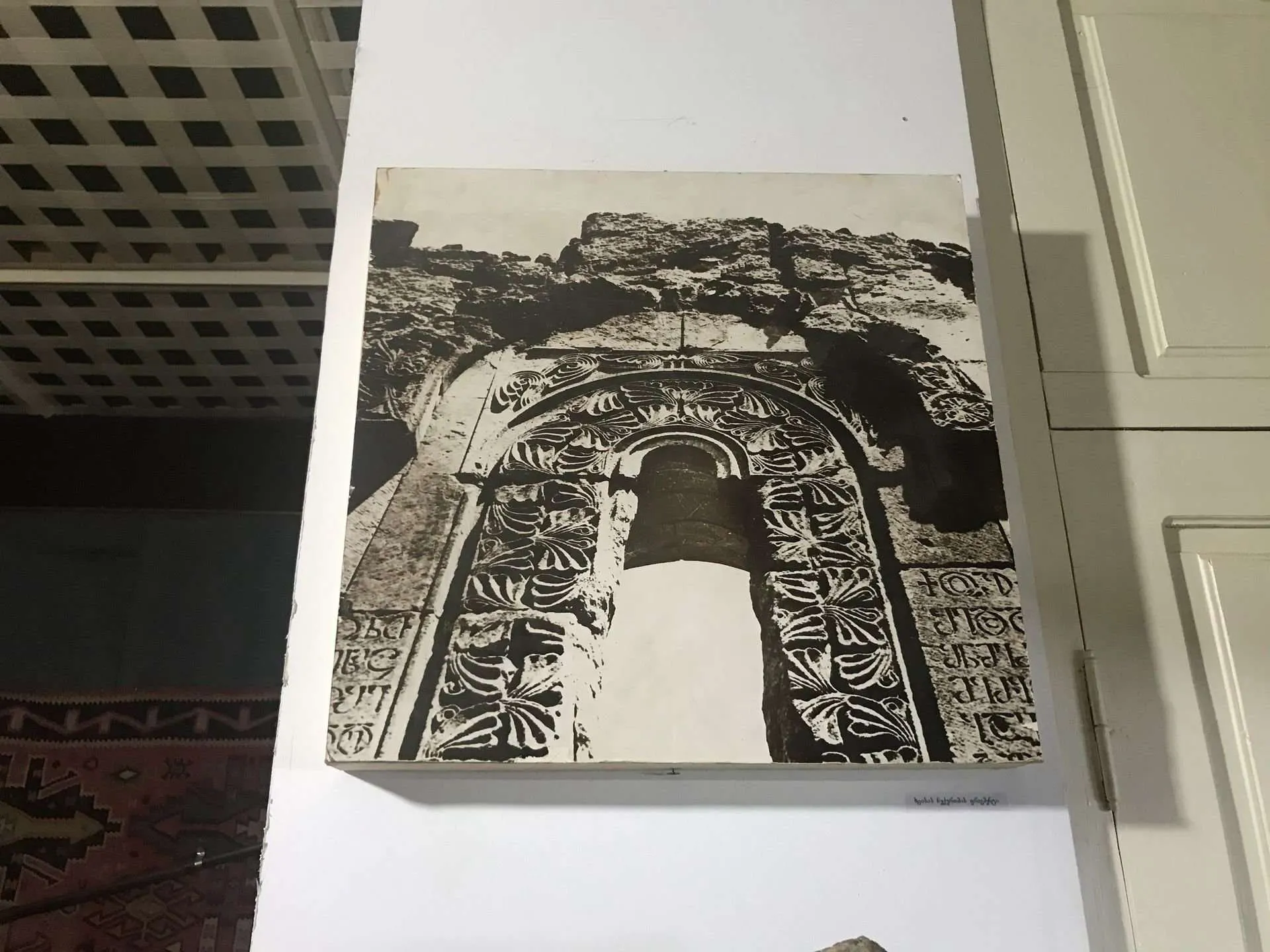
The Khashuri Museum is not only a place where you can see unique artifacts, but also a place where you can get acquainted with the history and culture of Georgia. The museum often holds interesting exhibitions and events dedicated to the history of Khashuri and its surroundings. The exhibition presented archaeological finds, photographs and documents telling about the life and traditions of the inhabitants of Khashuri in different historical periods.
The museum also conducts excursions for schoolchildren and students who can study the history of their native land, as well as for tourists who want to get acquainted with the cultural heritage of Georgia. Many visitors leave positive reviews about the museum and its exhibition.
Despite the fact that Khashuri Museum is located in a small town, its exposition is significant and has international significance.
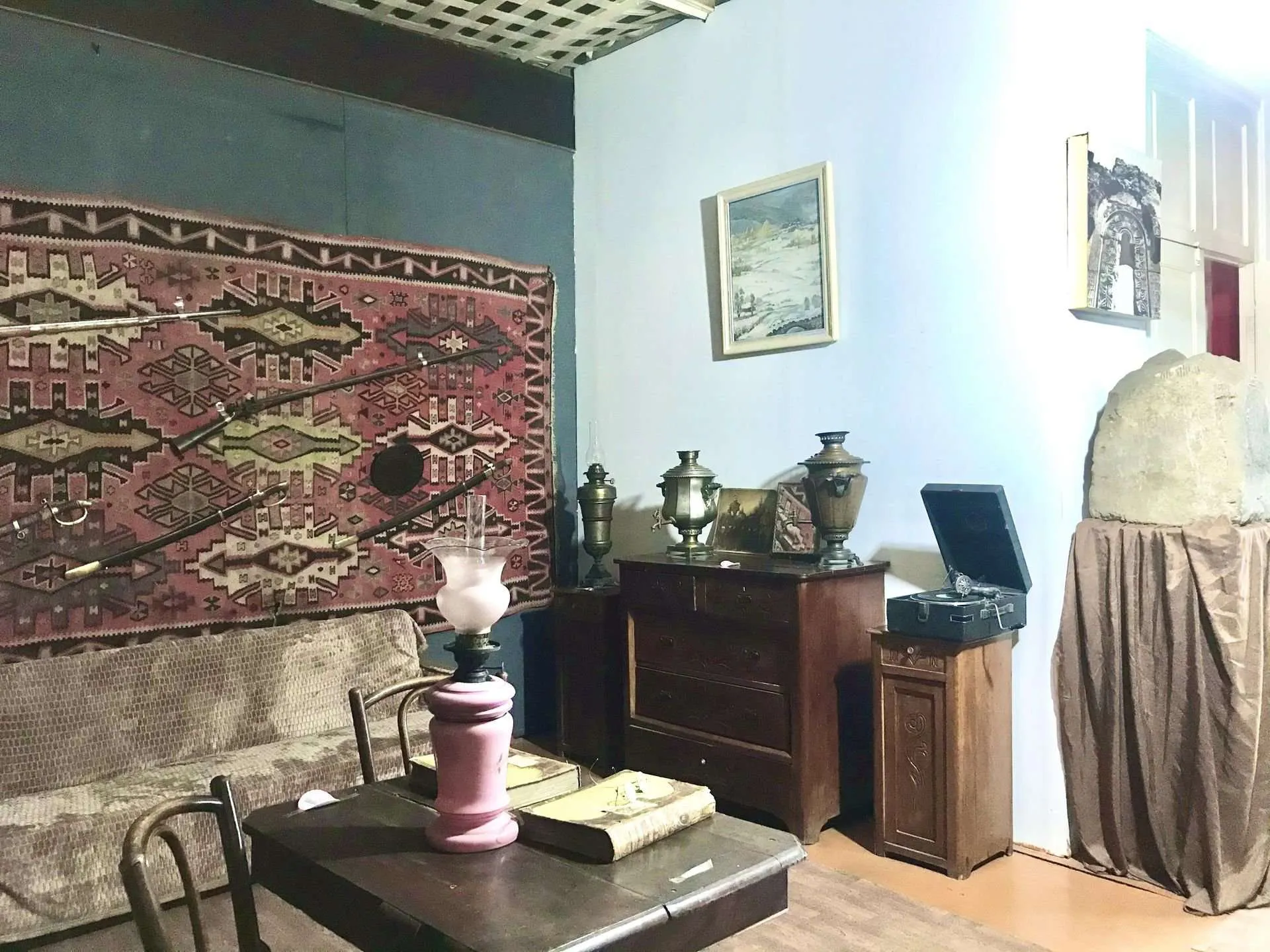
In addition to archaeological finds, the Khashuri Museum also contains other interesting exhibits related to the cultural and historical heritage of Georgia. For example, here you can see national costumes, handicrafts and jewelry that are typical for different regions of the country. The museum also presents a collection of paintings and sculptures by Georgian artists who created their works in different historical periods.
One of the most interesting exhibits of the museum are axes and bracelets of the late Bronze Age, which reflect the rich and diverse culture of the ancient Georgians. These artifacts were discovered in the territory of Khashuri and its environs, and are considered to be among the most valuable finds in the museum.
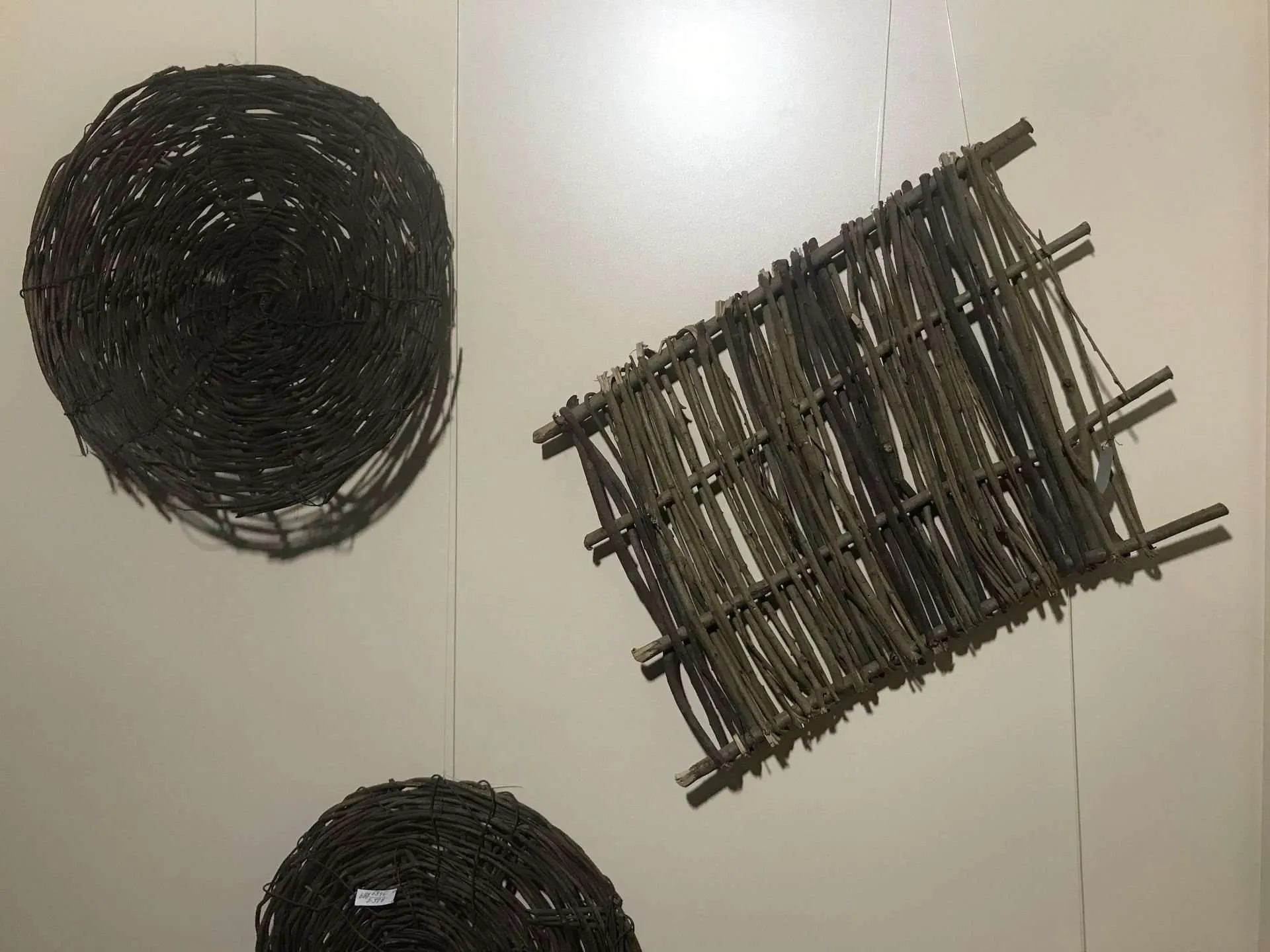
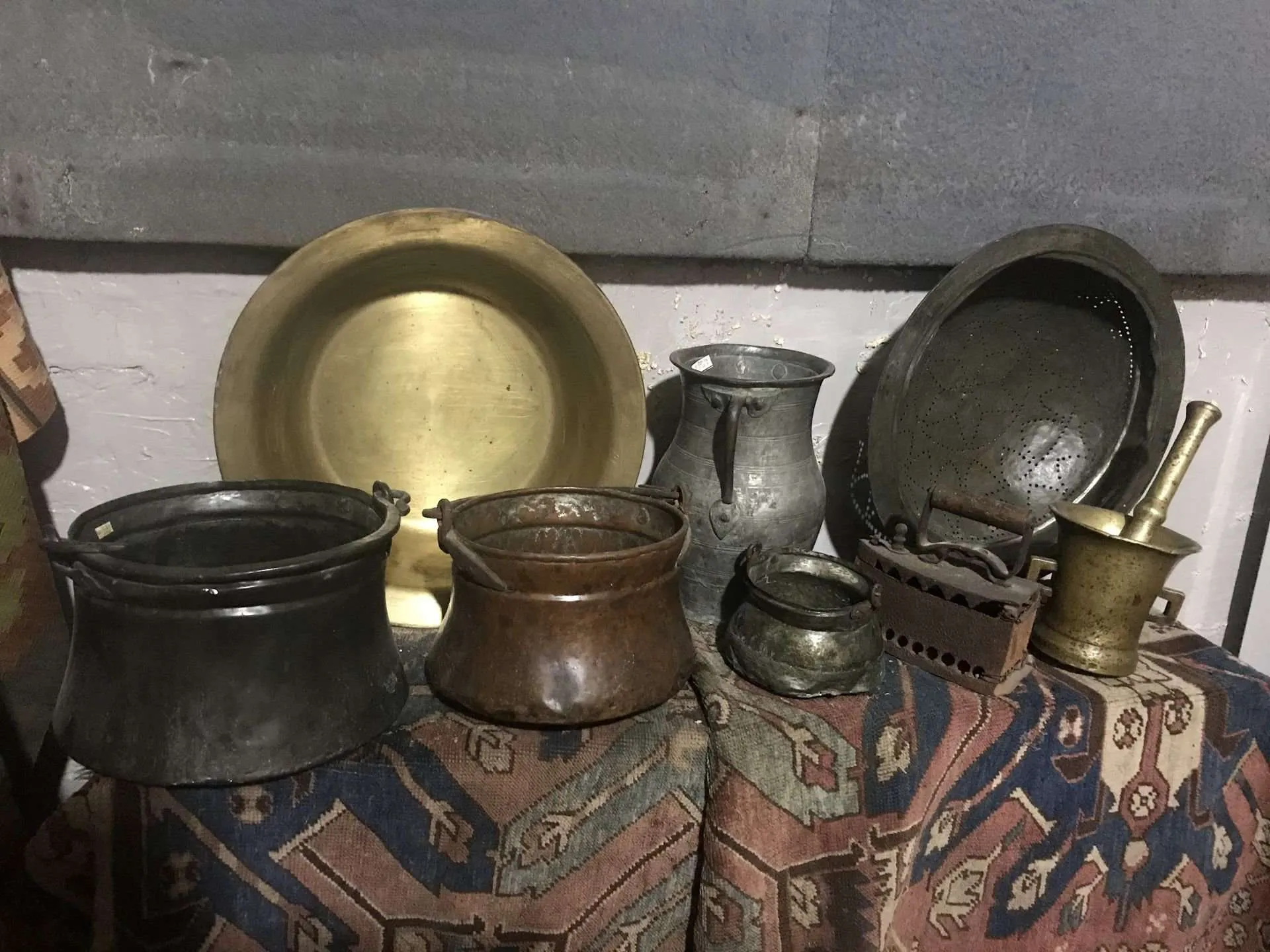
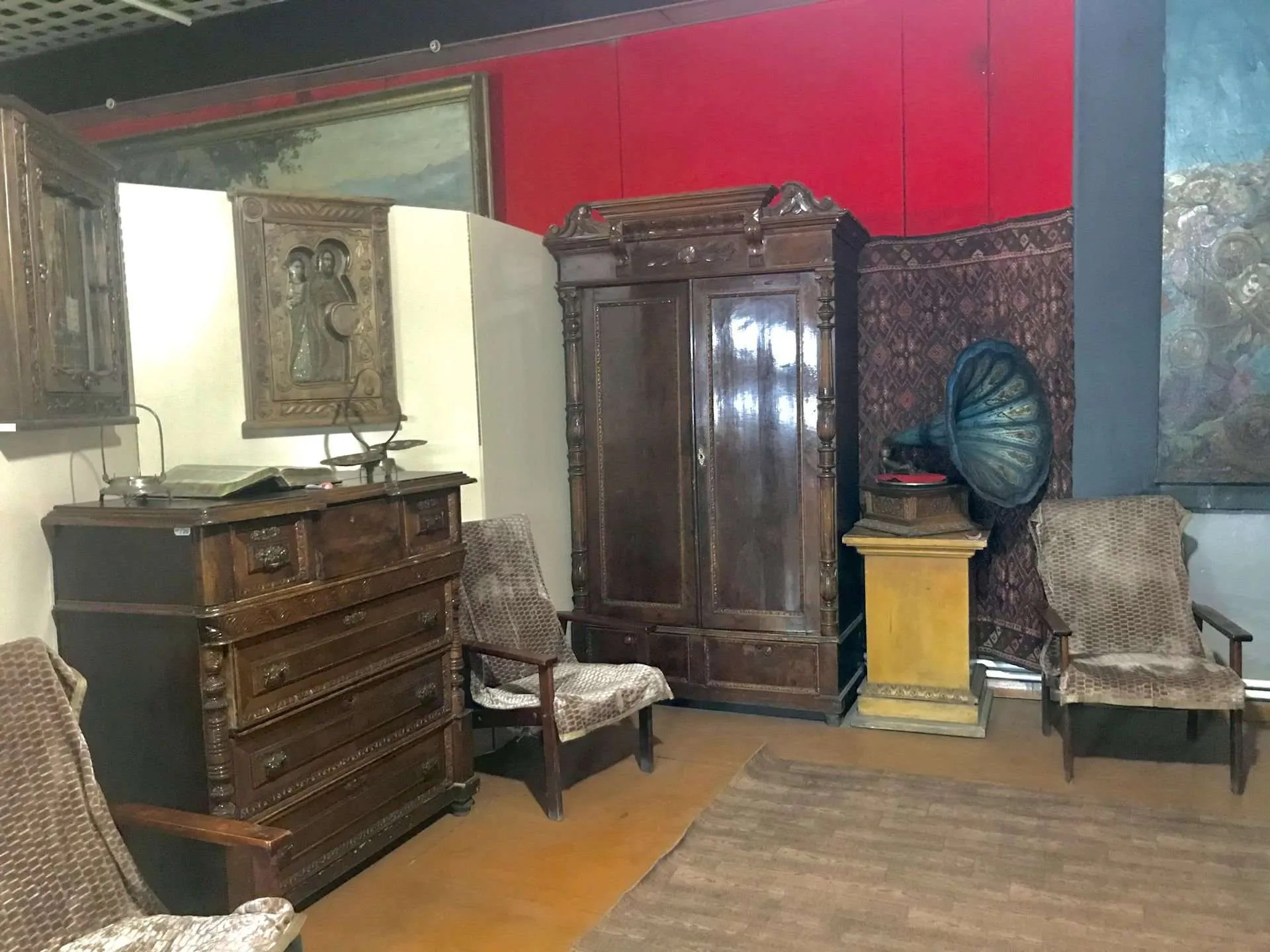
In addition to archaeological exhibits, the Khashuri Museum also presents a collection of ethnographic items, including a variety of household items, national clothing, crafts, religious and cultural rituals. These exhibits demonstrate the cultural diversity and traditions of the peoples of Georgia who lived in the region.
One of the most interesting exhibits in this collection is the traditional Georgian men's garment - the chokha. The chokha is the national outer garment of Georgian men, worn over a shirt called the akhalukhi.
Also in the Khashuri Museum you can see a collection of national costumes that reflect the peculiarities of the culture and traditions of the peoples of Georgia. These costumes were created by hand from fabrics decorated with embroidery and additional decorative elements. Each costume has its own unique design that reflects the peculiarities of the region in which it was created.
The Khashuri Museum also organizes various events dedicated to the culture and history of the region. The Khashuri Museum is an important cultural center not only for locals but also for tourists interested in the history and culture of Georgia. With its rich collection of archaeological finds, ethnographic exhibits and documents, the Khashuri Museum helps preserve the history and culture of the region.
--------------------------
We would be glad to hear your opinion about our article about the Khashuri Museum of Local History. Leave your comments and questions below the article, and we will answer all your questions!

Read also
🏛️ How People Lived in a Svan House: The Machubi, the Hearth and the Margiani Tower in Mestia
🏛️ A clan house with a tower in Mestia: the hearth at the centre of the home, the men's and women's sides, five floors built for defence.

Ivane Beritashvili House Museum in Vedzhini: History and Exhibits
🚀 Do you want to know how the great scientist Ivan Beritashvili changed medical practice? Then you should definitely visit this museum!

Giorgi Maisuradze Village History Museum in Vachnadziani: History & Exhibits
🌍 Visit the Giorgi Maisuradze Historical Museum in Vachnadziani and immerse yourself in the unique atmosphere of Georgian culture and education.

Irodion Evdoshvili House Museum in Bodbishevi: History & Exhibits
🌍 Visit the Herodion Evdoshvili House-Museum in Bodbiskhevi and discover the story of one of the founders of Georgian education.

Grigol Peradze House Museum in Bakurtsikhe: History and Exhibits
🖼️ Want to discover a little-known but incredibly important place in Georgia? The House Museum of St.

Kristina Robakidze Art Gallery in Kutaisi
🖼️ Want to know where a real treasure trove of Georgian art is hidden in Kutaisi? Kristina Robakidze Gallery is a place where each exhibit will tell its own.
34 comments
Log in to leave a comment
Но музей не только о прошлом — тут также выставлены работы грузинских художников, таких как Гудиашвили и Цимакуридзе. Всё это делает музей не только местом для изучения археологии, но и культурным центром, который помогает лучше понять традиции и искусство Грузии. Очень рекомендую посетить, если окажетесь в Хашури!