




How is Easter Monday in Georgia
The fourth and final day of the Easter holidays in Georgia is held in a special atmosphere of goodwill. In every family, it is customary to go to the cemetery, remember relatives who have passed away and make toasts in their honor, filled with pride and gratitude.
Easter Monday symbolizes the beginning of one of the most joyful periods for Christians. The bright week, the first after Easter, is considered the most festive for the whole year.
Where did the tradition of going to the cemetery after Easter come from
During the rule of the Soviet Union visiting churches it was forbidden, but deeply religious Georgians could not spend this day without prayers. Therefore, they began to go to the cemeteries to their deceased relatives, light candles there and spend some time in silence.
After the breakupthe USSR With the establishment of Georgia as an independent state, Orthodox and other religions have become accessible to all residents of the country again. Inactive churches were opened, abandoned churches were restored, and the people regained the opportunity to pray insacred places, to receive communion and participate in divine services.
The tradition of going to cemetery after Easter it has been preserved to our times. Therefore, this day is also declared a weekend in Georgia. A huge number of people go to cemeteries in order to remember their ancestors, pay tribute to memory and gratitude.
Georgian features of the Bright Monday meeting
Today Easter Monday is considered clean for Georgians a family holiday. On this day, they gather with relatives, arrange large feasts with memories and toasts for their ancestors.
At the same time, no one is sad, because this is the day of unity, when you can unite with the departed ancestors. Imagine that they hear and rejoice in the Resurrection of Christ as well as the living.
Small feasts are held near the tombstones, glasses are raised and grateful speeches are made, full of pride for their relatives. A mandatory element is the “tipping of the cup". This is when part of the wine from the glasses is poured on the grave.
This custom expresses the hope that after their death, relatives will also not forget their merits and will come to the cemetery and remember them with a kind word.
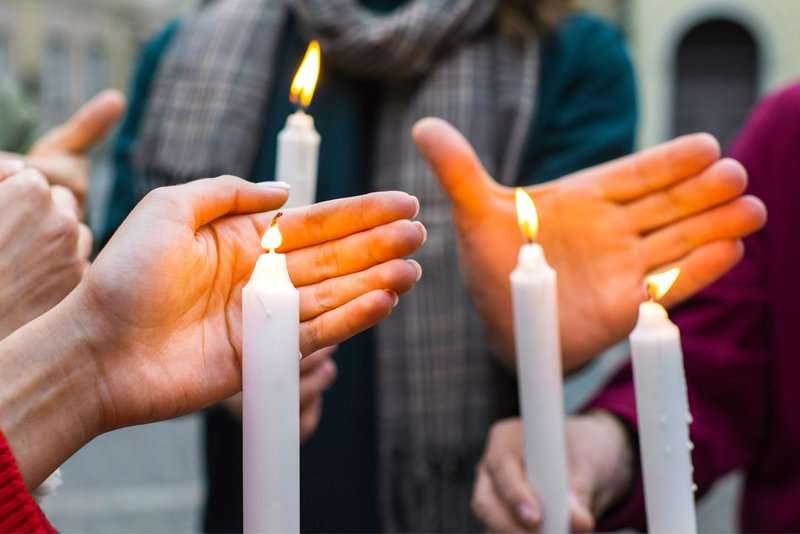
Another custom is lighting candles near tombstones and rolling eggs over the grave. Candles, as well as a visit to the cemetery, are associated with a long tradition of praying near the deceased. And rolling eggs is symbolic of the stone that rolled down from the Holy Sepulchre. Thus, there was a belief that the dead can rejoice in the resurrection of Christ if you roll a painted egg over their grave.
If you are familiar with any other national peculiarities of the celebration of Bright Monday in Georgia, be sure to write to us about it in the comments.
Read about how other holidays are held in Georgia on the pagesthe Madloba catalog.

34 comments
Log in to leave a comment
თქვენი სტატია კარგად აღწერს ამ პროცესებს, მაგრამ მაინტერესებს, როგორია ხალხის მოსაზრება ამ დღეს პროგრამებში? ამბობენ, რომ ბევრი დარბაზია, მაგრამ პერსონალური ისტორიები კიდევ უფრო საინტერესოა. რას ბრძანებთ?
在苏联时期,信仰被压抑,人们的灵魂却依然顽强。墓地成了他们和上天对话的地方。如今自由了,教堂和仪式重新回到了人们的生活中,但在这个特别的日子,去墓地的习俗却如同一剂良药,让心灵得到慰藉。复活节的喜悦在每一个角落弥漫,令人感受到生命的脆弱与美好。
Кроме этого, есть ещё интересные грузинские традиции поминания ушедших предков, о которых я не знала: «опрокидывание кубка», перекатывание яиц.
«Пасхальный понедельник в Грузии: узнайте об уникальных традициях и атмосфере праздника в Грузии»
на сайте madloba.info.
Что можно сказать о статье.
✅ Положительный момент статьи: Позитивный момент статьи заключается в том, что она позволяет нам окунуться в атмосферу грузинской культуры и понять ее особенности. Она описывает традиции и обычаи, связанные с Пасхальным понедельником в Грузии, такие как посещение кладбищ, проведение пиршеств и зажжение свечей на надгробиях. Это позволяет нам увидеть, как грузинская культура чтит своих предков и поддерживает связь с ушедшими родственниками. Также статья отмечает восстановление религиозной свободы в Грузии после распада СССР, что позволило людям вновь практиковать свою веру и участвовать в богослужениях. Это показывает, что грузинская культура остается прочной и сохраняет свои традиции и обычаи на протяжении времени.
✅ Отрицательный момент статьи: Отрицательный момент статьи может быть связан с упоминанием того, что во время правления Советского Союза посещение церквей было запрещено. Это может вызвать негативное отношение у некоторых читателей, особенно у тех, кто испытывал репрессии или потери в связи с этим запретом. Также, статья могла бы рассмотреть и другие аспекты празднования Пасхи в Грузии, включая религиозные обряды и традиции, чтобы обеспечить более полное представление о празднике.
Несмотря на положительные и отрицательные моменты статьи, я благодарю автора на каталоге Мадлоба за интересную и полезную статью!!