




Mtskhetoba-Svetitskhovloba: Mtskheta City Day and Festival
Mtskhetoba-Svetitskhovloba is one of the most significant and revered holidays in Georgia, which combines deep religious traditions and unique cultural customs of this hospitable nation. The origins of the holiday can be traced back to ancient times, when the Georgian state was just emerging and Christianity was beginning to spread across its lands. Mtskhetoba-Svetitskhovloba is celebrated in honor of the three main shrines of Georgia: the city of Mtskheta, Svetitskhoveli Cathedral, and the ancient icon of Christ, the Savior of Mtskheta.
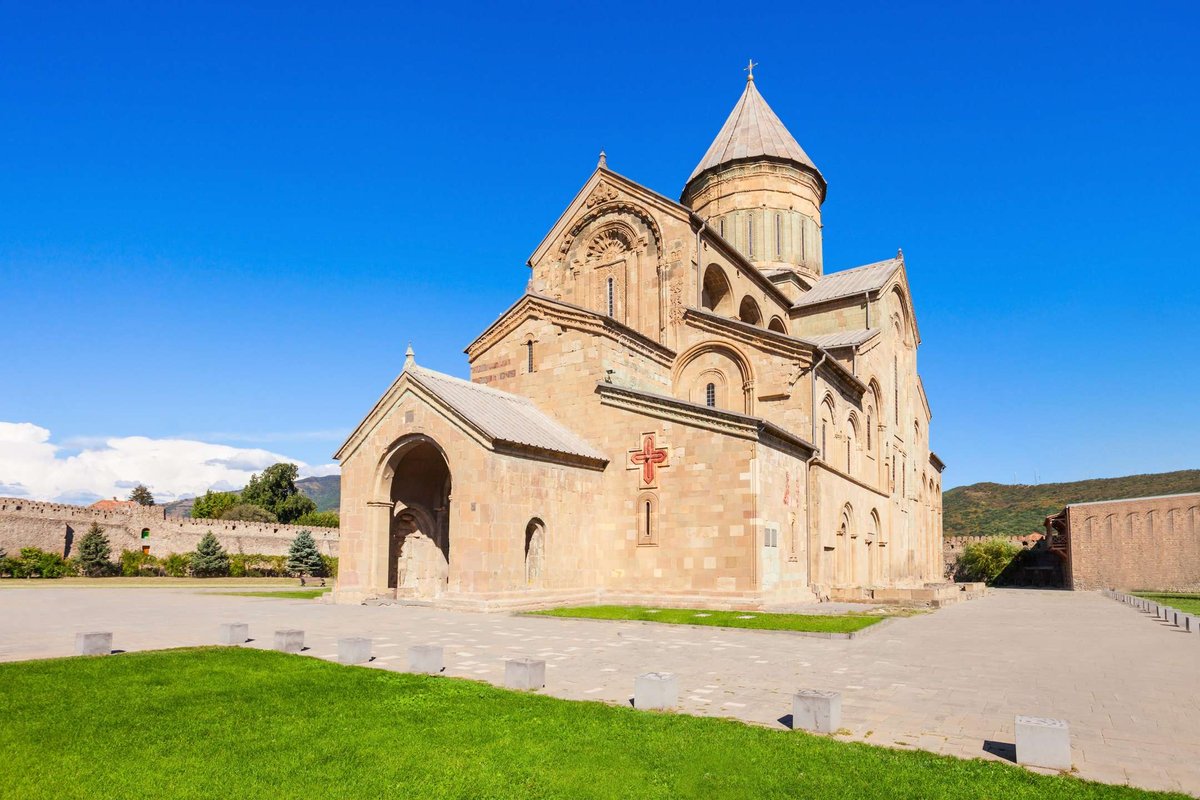
In this article, we will delve into the history and mysteries of this remarkable holiday, exploring its symbolism, rituals, and events that take place during the celebration. We will also examine the significance of Mtskhetoba-Svetitskhovloba for the Georgian people and why this holiday still plays such an important role in Georgian society and culture.
The Origins of the Holiday
The legend of Mtskhetoba dates back to the time of Jesus Christ's life and death. Georgian Jews Elyoz and Longinoz were present at the crucifixion, and they received the Lord's tunic. They brought it to Georgia for safekeeping, but the sister of one of them died after touching the sacred garment. No one could remove the tunic from her hands, so she was buried with it.
A cedar tree grew at the burial site, and the rulers ordered a church to be built from it. However, when the tree was cut down, no one could remove the roots or the remains of the trunk.
At that time, Saint Nino was preaching in Georgia, and she had a vision of a miraculous pillar where the Chiton was resting. When she woke up, she told the ruler about her dream, and indeed, the tree trunk miraculously moved and appeared exactly where it was needed. The miraculous pillar healed the sick and restored their health, and word of its power quickly spread throughout the country.
Towards the end of the 5th century, a stone church was built on the site of the wooden church, and in the 11th century, the Svetitskhoveli Cathedral was erected. Over the following years, the church was expanded and decorated with frescoes.
For many years, on the Feast of the Protection of the Holy Virgin, on October 14, Christian believers gather in Mtskheta to celebrate Mtskhetoba-Svetitskhovloba in honor of the Robe of the Lord and the Pillar of the Life-Giving and Myrrh-Giving.
How is the holiday celebrated today?
Today, the main events take place in the city of Mtskheta and in the Svetitskhoveli Cathedral. Until 1991, there was no celebration as such, but after the restoration of independence, services and festive events were resumed.
Concerts are held throughout the country, Catholicos Ilia II conducts a liturgy, and Christians from all over the country gather to pray. On this day, we commemorate not only the crucifixion of Christ and the burial of the Chiton, but also the saints Sidonia, King Myrian, and Catholicos Melchizedek, who built the temple in its current form.
Traditionally, Mtskheta's streets are filled with fairs and exhibitions, sporting and entertainment events, as well as guided tours of the city's churches and historical sites.
You can easily find out how Georgians celebrate other holidays on the pages of the Madloba directory. Go to the special section and read articles about religious and secular holidays in Georgia.

33 comments
Log in to leave a comment
During Mtskhetoba-Svetitskhovloba, the Svetitskhoveli Cathedral, a UNESCO World Heritage site and a central place of worship, plays a pivotal role. Pilgrims flock to the cathedral to participate in religious services, including processions, prayers, and blessings. The atmosphere is filled with reverence and devotion, as people seek spiritual fulfillment and reflect on their faith.
Georgians also engage in various cultural activities during this festival. Traditional music and dance performances take place, showcasing the rich cultural heritage of the country. Folklore plays an integral part in the celebrations, with locals dressed in traditional costumes and engaging in traditional games and sports.
Additionally, the festival offers an opportunity to savor Georgian cuisine. Markets are bustling with vendors selling an array of delectable treats, including local delicacies like khachapuri (cheese-filled bread) and khinkali (dumplings). Sharing meals with family and friends is an important aspect of the festivities, fostering a sense of community and togetherness.
Mtskhetoba-Svetitskhovloba is a time of deep religious significance and cultural unity in Georgia. The blend of religious observance, cultural expressions, and communal celebrations makes it a vibrant and cherished occasion for the Georgian people. It serves as a reminder of their rich history, strong faith, and shared traditions, strengthening the bond among communities and fostering a sense of pride in their heritage.