



Georgian Spices and Herbs: Names in Georgian and English
Quick answers
Information checked on 22 October 2026.
- In the botanical dictionary, tseretso (ცერეცო) means fennel. The Mingrelian-Georgian dictionary defines it through კამა, dill. Fennel is also called დიდი კამა; dill is კამა. Ask the seller which plant they mean.
- Niakhuri (ნიახური) means celery.
- Kondari (ქონდარი) means savory. It is not thyme.
- Thyme is called begkondara (ბეგქონდარა) in Georgian.
- Oregano is tavshava (თავშავა) in Georgian.
- Cardamom is ili (ილი) in Georgian.
- Utskho suneli (უცხო სუნელი), also called ulumbo, is blue fenugreek.
- Khmeli suneli (ხმელი სუნელი) is a blend of dried spices, rather than a single herb.
- Soinji (სოინჯი) is black cumin, or nigella.
Sources: NPLG botanical dictionary · Tseretso: Mingrelian-Georgian dictionary · Didi kama / fennel: NPLG · Begkondara: NPLG. Key entries checked on 21.10.2026; the pronunciation guide is approximate.

Spices and pulses in bowls on a kitchen table
How to find the right spice: three steps
Names checked on 20 October 2026. Save the Georgian spelling from the table to show a seller or compare with a label.
Step 1. Find the name
Open the NPLG botanical dictionary linked below. Search the PDF for the Latin name in the table, such as Satureja, and find the Georgian ქონდარი beside it. If the PDF’s older font prevents a search for Georgian letters, search for the Latin name or open the PDF page containing the relevant Latin entry.
Step 2. Check whether the name identifies a genus or a species
For true saffron, open the Crocus sativus entry in Plants of the World Online. Compare the full species name with the label. Crocus alone is not enough. For rosemary, the current entry is Salvia rosmarinus; Rosmarinus officinalis is listed as a synonym.
Step 3. Resolve an ambiguous name
If the name is tseretso, compare its two dictionary meanings: fennel and dill. Open the NPLG article on დიდი კამა and the dictionary entry for ცერეცო. If the dictionary entry will not open, return to the botanical PDF and check Foeniculum and Anethum separately. Do not guess a translation from the Russian spelling “солонджи” (solondzhi): ask for the Georgian spelling or a photo of the label.
Sources: NPLG botanical dictionary · Crocus sativus: Kew · Salvia rosmarinus: Kew · Tseretso: Mingrelian-Georgian dictionary · Didi kama / fennel: NPLG. Key entries checked on 21.10.2026; the pronunciation guide is approximate.
Important
A genus name helps you identify a group of plants. It does not establish that every member of that group is used as food. This table translates names; it is not a plant identification guide for foraging.
Sources: NPLG botanical dictionary · Crocus sativus: Kew. Key entries checked on 21.10.2026; the pronunciation guide is approximate.
A useful tip
Copy the Georgian name and save the relevant row on your phone. For a spice blend, read the ingredients on the packaging as well.
Sources: NPLG botanical dictionary. Key entries checked on 21.10.2026; the pronunciation guide is approximate.
A common mistake
Confusing kondari with thyme, or choosing saffron by its yellow colour. Compare the plant name and ingredients, rather than just the colour of the powder. Do not substitute “soinji” for “solondzhi” without seeing the Georgian spelling.
Sources: Begkondara: NPLG · Crocus sativus: Kew · NPLG botanical dictionary. Key entries checked on 21.10.2026; the pronunciation guide is approximate.
At the spice counter
If you need cardamom, show the seller ილი and check for Elettaria cardamomum. For cinnamon, show დარიჩინი, then check the species on the label. The name “cinnamon” alone does not identify a single botanical species.
Sources: NPLG botanical dictionary · Darichini / cinnamon: NPLG culinary dictionary. Key entries checked on 21.10.2026; the pronunciation guide is approximate.
How to choose
Name on the label → Georgian entry in the table → English meaning → genus or species → ingredients and the plant part you need → choice of product.
Two meanings or an unclear transliteration → Georgian spelling or a photo of the label → clarification from the seller. Do not substitute a similar-sounding name.
Sources: NPLG botanical dictionary · Tseretso: Mingrelian-Georgian dictionary · Didi kama / fennel: NPLG. Key entries checked on 21.10.2026; the pronunciation guide is approximate.
| Names to compare | Meaning or clarification | Keep distinct from |
|---|---|---|
| ქონდარი / ბეგქონდარა | Kondari: savory, Satureja (genus) | Begkondara: thyme, Thymus (genus) |
| ცერეცო | Botanical dictionary: fennel, Foeniculum vulgare (species) | Mingrelian-Georgian dictionary: dill, Anethum graveolens (species) |
| True saffron / Imeretian saffron | True saffron: Crocus sativus (species) | Imeretian saffron: marigold, Tagetes (genus); check the product’s ingredients |
| Utskho suneli / khmeli suneli | Utskho suneli: blue fenugreek | Khmeli suneli: a blend; read the ingredients on the packaging |
Sources: NPLG botanical dictionary · Begkondara: NPLG · Tseretso: Mingrelian-Georgian dictionary · Didi kama / fennel: NPLG · Crocus sativus: Kew. Key entries checked on 21.10.2026; the pronunciation guide is approximate.
How to read the table
Find the Georgian word in the first column, then compare the English name and the Latin designation. “Species” refers to a particular plant; a “genus” contains several species. A genus name is not enough to choose a culinary spice without checking the species and product label. The pronunciation guide is approximate.
Georgian spices and herbs: names and meanings
| Georgian name | Approximate reading | English name | Botanical name: genus or species |
|---|---|---|---|
| ანისული | anisuli | anise | Pimpinella anisum (species) |
| ბარამბო | barambo | lemon balm | Melissa officinalis (species) |
| ბეგქონდარა | begkondara | thyme | Thymus (genus) |
| დაფნა | dapna | bay laurel | Laurus (genus) |
| დიდგულა | didgula | black elder | Sambucus nigra (species) |
| ზაფრანა | zaphrana | saffron | Crocus sativus (species; true saffron) |
| თავშავა | tavshava | oregano | Origanum (genus) |
| ილი | ili | cardamom | Elettaria cardamomum (species) |
| კამა | kama | dill | Anethum graveolens (species) |
| კვლიავი | kvliavi | caraway | Carum (genus) |
| მდოგვი | mdogvi | mustard | Sinapis (genus) |
| მიხაკი | mikhaki | clove | Syzygium aromaticum (the spice) (species) |
| მჟაუნა | mzhauna | sorrel | Rumex (genus) |
| ნიახური | niakhuri | celery | Apium (genus) |
| ნიორი | niori | garlic | Allium sativum (species) |
| ომბალო | ombalo | pennyroyal | Mentha pulegium (species) |
| ოხრახუში | okhrakhushi | parsley | Petroselinum (genus) |
| პიტნა | pitna | mint | Mentha (genus) |
| პილპილი | pilpili | black pepper | Piper nigrum (species) |
| როზმარინი | rozmarini | rosemary | Salvia rosmarinus (species; synonym Rosmarinus officinalis) |
| რეჰანი | rekhani | basil | Ocimum basilicum (species) |
| სალბი | salbi | sage | Salvia (genus) |
| სოინჯი | soinji | black cumin, nigella | Nigella sativa (species) |
| ტარხუნა | tarkhuna | tarragon | Artemisia dracunculus (species) |
| უცხო სუნელი (ულუმბო) | utskho suneli (ulumbo) | blue fenugreek | Trigonella caerulea (species) |
| ქინძი | kindzi | coriander, including the fresh leaves | Coriandrum sativum (species) |
| ქონდარი | kondari | savory | Satureja (genus) |
| ღანძილი | ghandzili | wild garlic | Allium ursinum (species) |
| ღვია | ghvia | juniper | Juniperus (genus) |
| ყაყაჩო | qaqacho | poppy | Papaver (genus) |
| ყვითელი ყვავილი (ხავერდა) | qviteli qvavili (khaverda) | marigold, “Imeretian saffron” | Tagetes (genus) |
| ძირა | dzira | cumin | Cuminum cyminum (species) |
| ძირტკბილა | dzirtkbila | liquorice | Glycyrrhiza (genus) |
| წიწაკა | tsitsaka | chilli pepper | Capsicum (genus) |
| წიწმატი | tsitsmati | garden cress | Lepidium sativum (species) |
| ჯანჯაფილი | janjaphili | ginger | Zingiber officinale (species) |
| ჯონჯოლი | jonjoli | bladdernut | Staphylea (genus) |
| ცერეცო / დიდი კამა | tseretso (didi kama) | tseretso: fennel; dill in the Mingrelian-Georgian dictionary; didi kama: fennel | Foeniculum vulgare; Anethum graveolens (species) |
| დარიჩინი | darichini | cinnamon | Cinnamomum (genus; check the species on the label) |
Sources: NPLG botanical dictionary · Tseretso: Mingrelian-Georgian dictionary · Didi kama / fennel: NPLG · Darichini / cinnamon: NPLG culinary dictionary · Crocus sativus: Kew · Salvia rosmarinus: Kew. Key entries checked on 21.10.2026; the pronunciation guide is approximate.
Tseretso, kama and fennel: why the names can be confusing
The word tseretso has two dictionary equivalents. The botanical dictionary links it to fennel, Foeniculum vulgare; the NPLG Mingrelian-Georgian dictionary defines it through კამა, dill. Check the meaning against the Georgian spelling and plant name. For fennel, show the seller დიდი კამა and confirm the species; for dill, use კამა.
Kondari and thyme are different herbs
Kondari (ქონდარი) corresponds to savory, the genus Satureja. Thyme is ბეგქონდარა, begkondara, and belongs to the genus Thymus. When buying, compare the Georgian spelling on the label with the row you need. The names are not interchangeable.
Khmeli suneli and utskho suneli
Khmeli suneli (ხმელი სუნელი) is a blend of dried spices. Check the ingredients with the particular producer or seller: the blend’s name does not prescribe a single compulsory set of ingredients.
Utskho suneli, by contrast, is one spice: blue fenugreek, Trigonella caerulea. Its other Georgian name is ulumbo.
Cooking with spices
Start with our guide to Georgian cuisine and overview of Georgian sauces. Read about regional combinations in our article on Mingrelian cuisine, and explore ingredients in our guide to Georgian cheeses.
Dishes made with spices include satsivi, chakapuli and chicken tabaka. For more ideas, see “30 Georgian dishes”.
Sources: NPLG botanical dictionary · Tseretso: Mingrelian-Georgian dictionary · Crocus sativus: Kew. Key entries checked on 21.10.2026; the pronunciation guide is approximate.
Imeretian saffron
“Imeretian saffron” is also called “yellow flower”, ყვითელი ყვავილი. It is made from marigolds of the genus Tagetes. True saffron comes from the stigmas of Crocus sativus. The word “saffron” on a price tag does not tell you what the product contains: ask for its name and ingredients.
Frequently asked questions
What does tseretso mean?
It can mean fennel or dill. The botanical dictionary gives fennel, while the Mingrelian-Georgian dictionary links the word to კამა, dill. Before buying, check which plant is meant.
What does niakhuri mean?
Celery, genus Apium. It is written ნიახური in Georgian.
What is cardamom called in Georgian?
Ili (ილი). Its Latin name is Elettaria cardamomum.
What is oregano called in Georgian?
Tavshava (თავშავა), oregano, genus Origanum.
What is thyme called in Georgian?
Begkondara (ბეგქონდარა), genus Thymus.
Is kondari thyme?
No. Kondari (ქონდარი) corresponds to savory, genus Satureja. Thyme is called begkondara in Georgian.
What is rosemary called in Georgian?
Rozmarini (როზმარინი).
What is utskho suneli?
Blue fenugreek, Trigonella caerulea, also called ulumbo. It is a single spice, rather than a blend.
What is khmeli suneli?
A blend of dried spices. The name means “dried spices”; the ingredients can vary.
What is Imeretian saffron?
Dried marigold, Tagetes, known in Georgian as qviteli qvavili, or “yellow flower”. It is unrelated to true saffron.
What is soinji?
Black cumin, or nigella, Nigella sativa. Its seeds are used as a spice.
What is ginger called in Georgian?
Janjaphili (ჯანჯაფილი).
What are cloves called in Georgian?
Mikhaki (მიხაკი).
What are coriander seeds and fresh coriander called in Georgian?
Kindzi (ქინძი). The word is used for both the leaves and the seeds.
What is wild garlic called in Georgian?
Ghandzili (ღანძილი).
What is cinnamon called in Georgian?
Darichini (დარიჩინი). The botanical dictionary gives the name of the cinnamon tree; check the label for the species in a particular packet.
Do “solondzhi” and “soinji” mean the same thing?
This equivalence has not been confirmed. Soinji (სოინჯი) is associated with Nigella sativa; “solondzhi” needs a Georgian spelling or a label before it can be identified.
Before you buy
- Check that the Georgian spelling matches the row you need.
- Establish whether the product is a single spice or a blend.
- Clarify the meaning of any ambiguous name.
- Do not mistake a genus name for a precise species.
- Read the ingredients and name on the packaging.
- Do not substitute soinji for an unidentified “solondzhi”.
Sources: NPLG botanical dictionary · Tseretso: Mingrelian-Georgian dictionary · Crocus sativus: Kew. Key entries checked on 21.10.2026; the pronunciation guide is approximate.

Read also
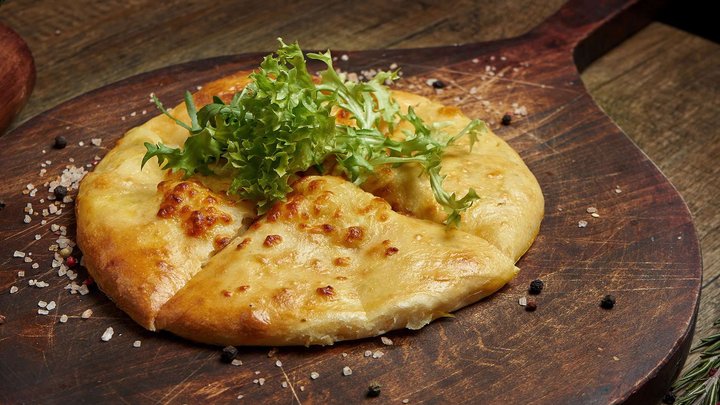
Imeretian Khachapuri: History and Recipe Features
🥘 Peculiarities and nuances of cooking khachapuri from Imereti. How are khachapuri prepared and with what is served in the Western region of Georgia?
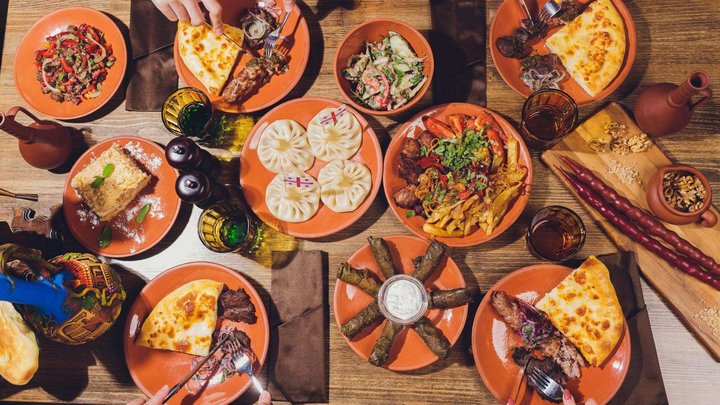
Georgian Cuisine: A Guide to National Dishesne
🥘 An article on madloba tells about the most delicious dishes of Georgian cuisine that are worth trying first.

Types of Khachapuri: A Complete Guide to Georgian Cheese Breads
🥘 Khachapuri is the most famous dish of Georgia. Madloba provides complete information about all its types and the history of "cottage cheese bread".
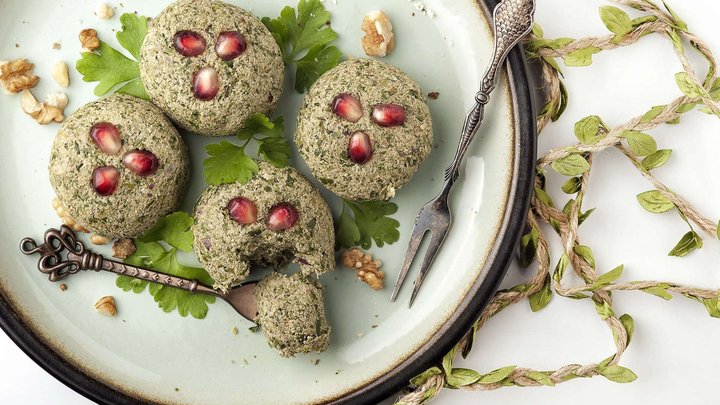
Pkhali: What It Is, Ingredients and Types of Georgian Dish
🥘 The most delicious dishes of Georgia are prepared not only from meat of animals or birds. One of the most popular Georgian dishes is phali, vegetarian.
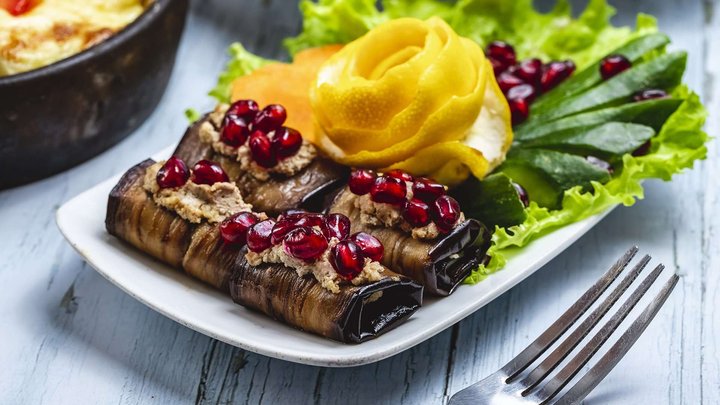
Badrijani: Georgian Eggplant Rolls with Walnuts
🥘 Eggplant and nut roll - badrijani is one of the most popular dishes of Georgia. It belongs to the category of vegetarian, badrijani is added to meat dishes.
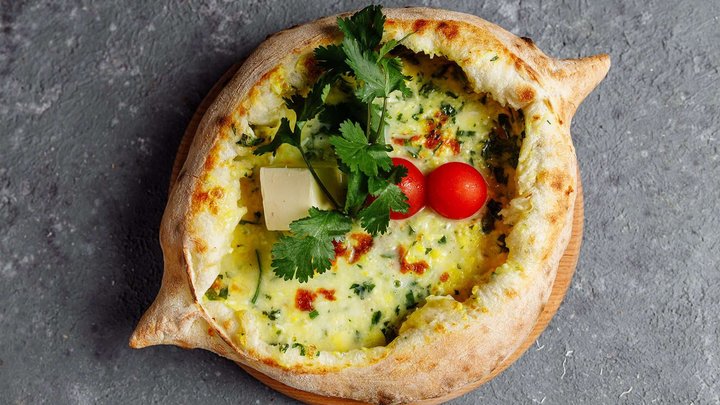
Georgian Cuisine: What Is the Madloba Dish and More
🥘 Georgian cuisine is on a par with historical and architectural monuments of culture and the unique beauty of nature.
64 comments
Log in to leave a comment
Me fascina cómo la ubicación geográfica influye en estos sabores. ¿Quién no se siente intrigado por un poco de ajika o ese toque de cilantro que parece bailar en la boca? 💃🌿Estoy convencido de que añadir esas especias no solo despierta el hambre, sino también recuerdos y emociones. Pero... ¿cómo puedo asegurarme de usar la cantidad correcta de cada especia sin arruinar el plato? 🤔
Автор очень понятно показывает, как звучат и переводятся специи, которые делают грузинские блюда такими насыщенными и ароматными: дзуг — это смесь хрена с чесноком, ухтуби — кинза‑чеснок с острым перцем, а хмели‑сунели — знаменитая грузинская приправа с ароматом базилика и душистых трав.
Мне особенно пригодилось это знание в кафе Salobie Bia в Тбилиси — когда я точно знала, что значит «наложить хмели‑сунели», официант улыбался и рекомендовал попробовать блюдо с нужными акцентами!
Очень полезными оказались советы от местных — где искать настоящие специи на рынке Дезертирский, как выбирать свежесть и почему важно пробовать каждую смесь с небольшим кусочком хлеба или сыра, чтобы прочувствовать её характер.
Отзывы других путешественников тоже вдохновляют: многие вспоминают, как знание названий специй помогло им понимать блюда “изнутри”, а не просто есть на автомате.
Спасибо автору за такой полезный и живой обзор!
А вы уже пробовали грузинские специи в путешествии — какие названия или вкусы стали для вас самыми запоминающимися? 🌶️✨
Использование приправ и специй не только придает блюдам новые вкусы и ароматы, но также способствует укреплению здоровья и поддержанию организма в хорошем состоянии. Медицинские свойства многих специй давно известны, и они могут быть использованы не только для улучшения вкуса блюд, но и для поддержания здоровья. Все эти травы и специи добавляют в блюда не только вкус, но и эмоциональный отклик, делая прием пищи настоящим гастрономическим путешествием. Грузинская кухня – это настоящее искусство.
В статье есть отличная подборка приправ к каждому блюду. Советую хозяйкам сохранить ее. Буду теперь пробовать приправы уже по советам грузинской кухни.