




💱 Exchanging Crypto in Georgia: Laws, Exchange Offices, ATMs and Taxes
At a glance
Is cryptocurrency legal in Georgia
This article is for reference and does not replace advice from a lawyer or tax consultant. Rules and fees were checked as of October 2026.
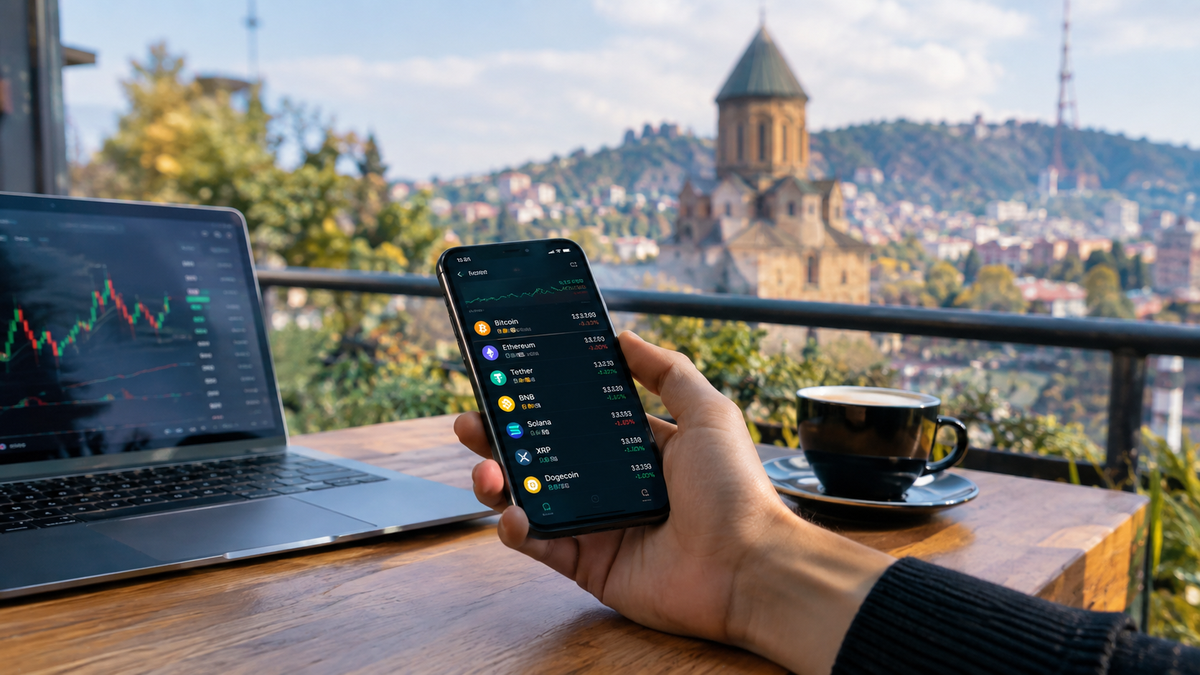
In Tbilisi a Crypto Exchange sign is almost more common than an ordinary currency booth, and crypto ATMs stand in supermarkets next to the payment terminals. We have collected the addresses in our catalogue: see crypto exchanges and crypto ATMs in Tbilisi and the same kind of places in Batumi. Here we deal with what the signs do not tell you: what the law allows, how much you lose in fees, and when crypto does become taxable.
Georgia is often called a crypto paradise, and that is half true. Buying, selling and holding digital assets here really is simple. But over the past three years the market has stopped being a grey zone: exchanges got a regulator, banks got questions, and customers got an obligation to show a passport.
⚖️ Is cryptocurrency allowed in Georgia and what does the law say
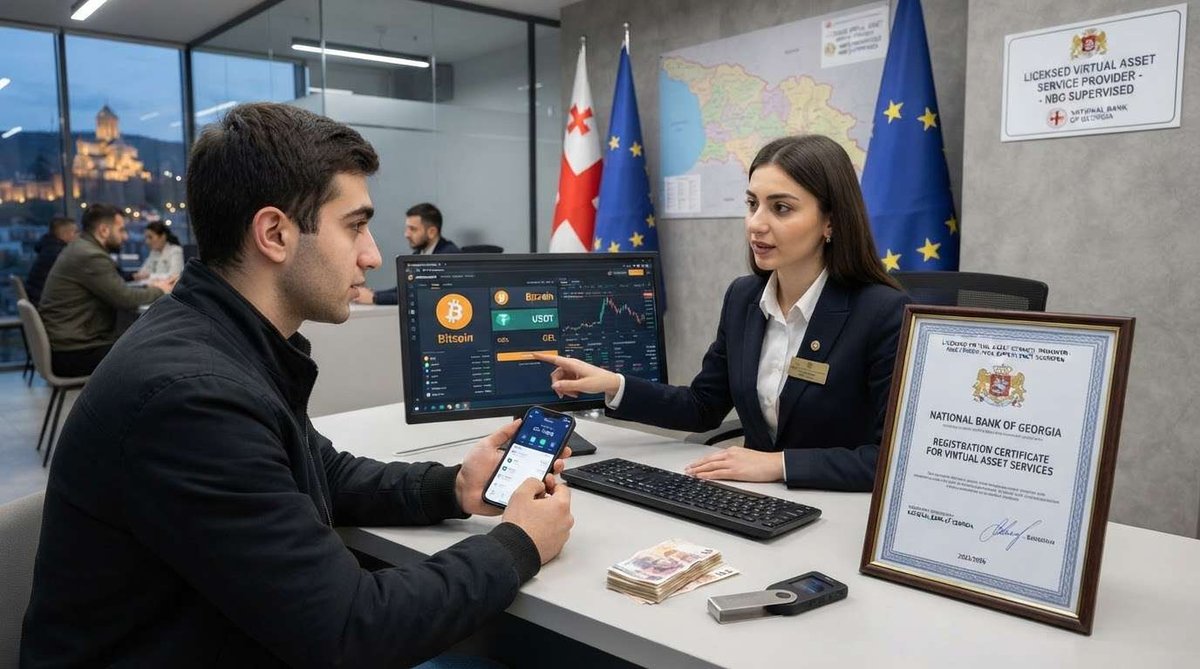
Yes, it is. The law does not stop a private person from owning, buying or selling cryptocurrency, whether you are a resident or a tourist. The restrictions apply not to holders but to intermediaries, meaning those who exchange, transfer and store other people's assets.
They are supervised by the National Bank of Georgia. The regulator approved the rule on registering virtual asset service providers on 20 June 2023, and it took effect on 1 July 2023. The National Bank's own explanations name January 2023 as the start of the regime, when the amendments to the law came into force, so you will meet both dates in sources. Only a company can register, an LLC or a JSC. A sole trader cannot be a legal exchange.
After that the rules only tightened. From 1 January 2026 every registered provider must display the National Bank's registration act wherever it deals with customers: in the office, in branches, on the website and in the app. This followed cases where unregistered firms operated in the country, including in free industrial zones, while passing themselves off as licensed.
In spring 2026 it was the turn of stablecoins. According to the law firm PB Services, a National Bank order of 6 March 2026 set requirements for companies that issue such coins in Georgia: separate capital from 500,000 GEL, full reserve backing and a duty to redeem the coin at face value. Ordinary USDT holders were not affected, and the familiar stablecoins can still be used.
🛒 Can you pay with cryptocurrency in Georgia
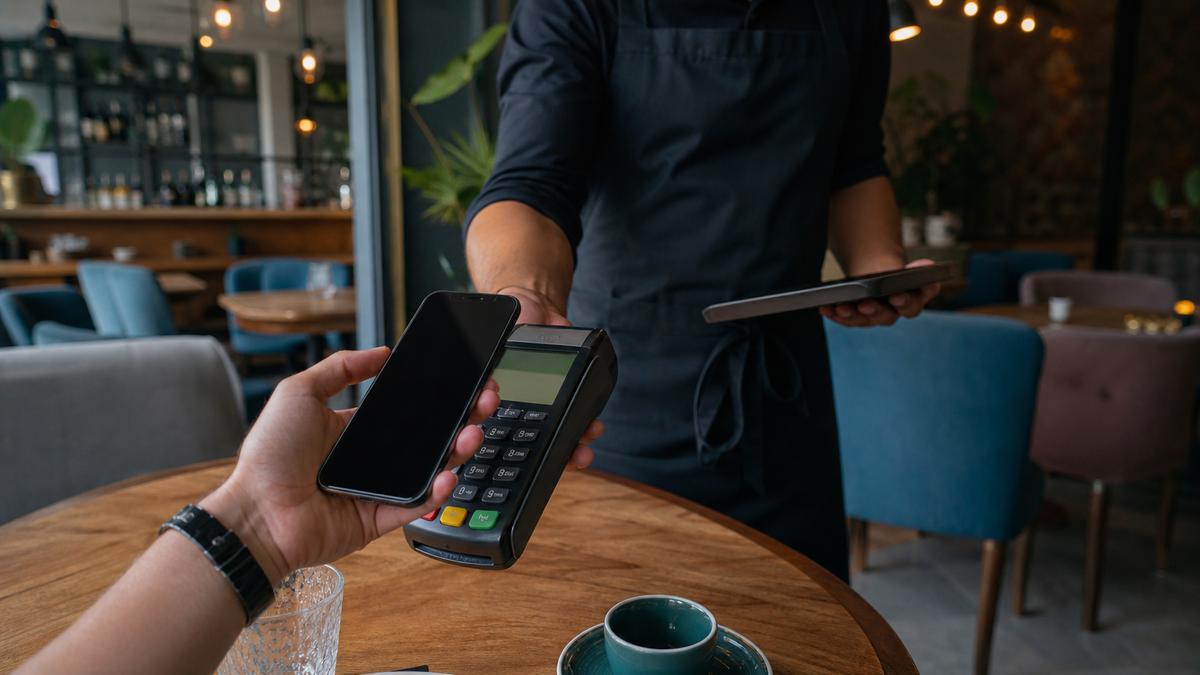
Here the answer is no, and this is the most common misconception. The National Bank puts it plainly: a virtual asset is not legal tender, so making payments with it is prohibited. The only exception covers operations a provider needs in order to deliver its own service.
In practice, a café or hotel has no right to bill you in bitcoin, and an employer cannot pay a salary in USDT. The only currency of settlement in the country is the lari.
A legal workaround exists, and many freelancers and companies use it. The client sends cryptocurrency to a registered provider, which converts it and credits ordinary money to the recipient's bank account. For the bank this is a transfer from a verified counterparty, for the tax office it is ordinary revenue. If someone suggests you pay "straight to the wallet, it's cheaper", both of you are stepping outside the rules.
💱 Where to exchange cryptocurrency in Georgia: exchange offices, crypto ATMs and P2P
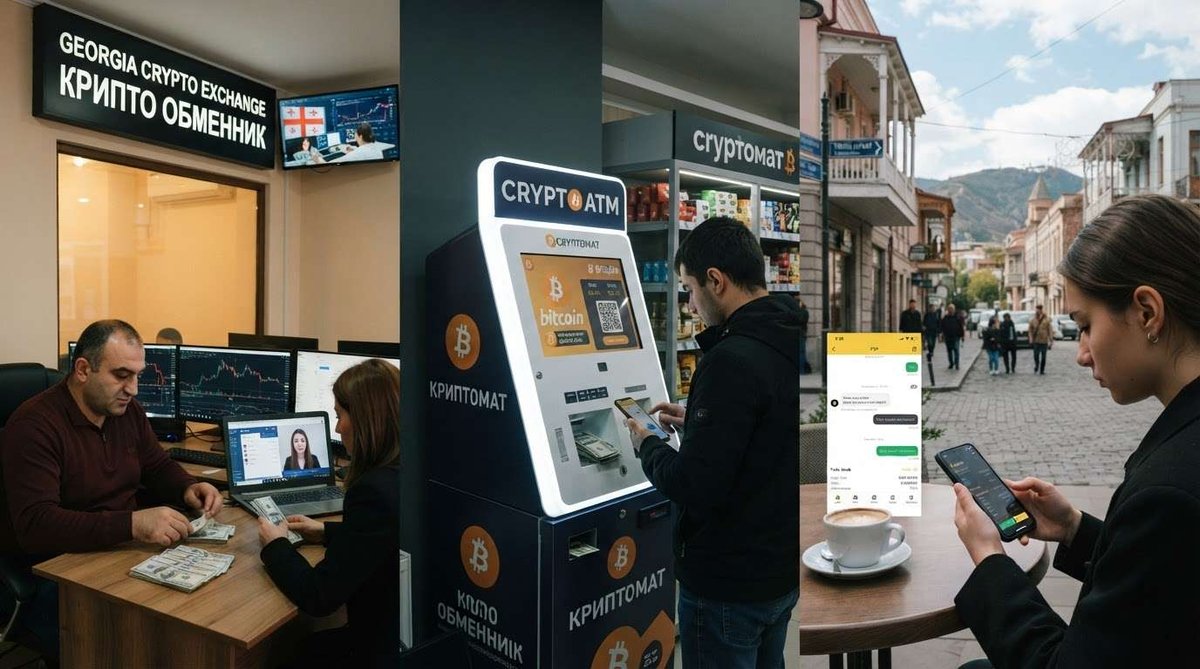
There are three ways, and they differ less in the rate than in what you risk. An exchange with an office suits amounts from a few hundred dollars up. A crypto ATM helps at night and with small sums. P2P on a large exchange gives the best rate but leaves you alone with an unknown seller and your own bank.
Exchange offices pay out in lari, dollars or euros, in cash or to an account. The customer check is similar everywhere: a photo of your passport, a selfie, a few questions about the purpose of the exchange. The first time it takes about five minutes, after that it goes faster.
Rates differ noticeably between places, so compare two or three offers before you go and always ask for the final amount in hand, not the fee percentage. Part of the exchange's income sits in the rate, and an attractive "0.4%" on the website tells you nothing about how much you will receive.
🔎 How to check a crypto exchange in the National Bank register
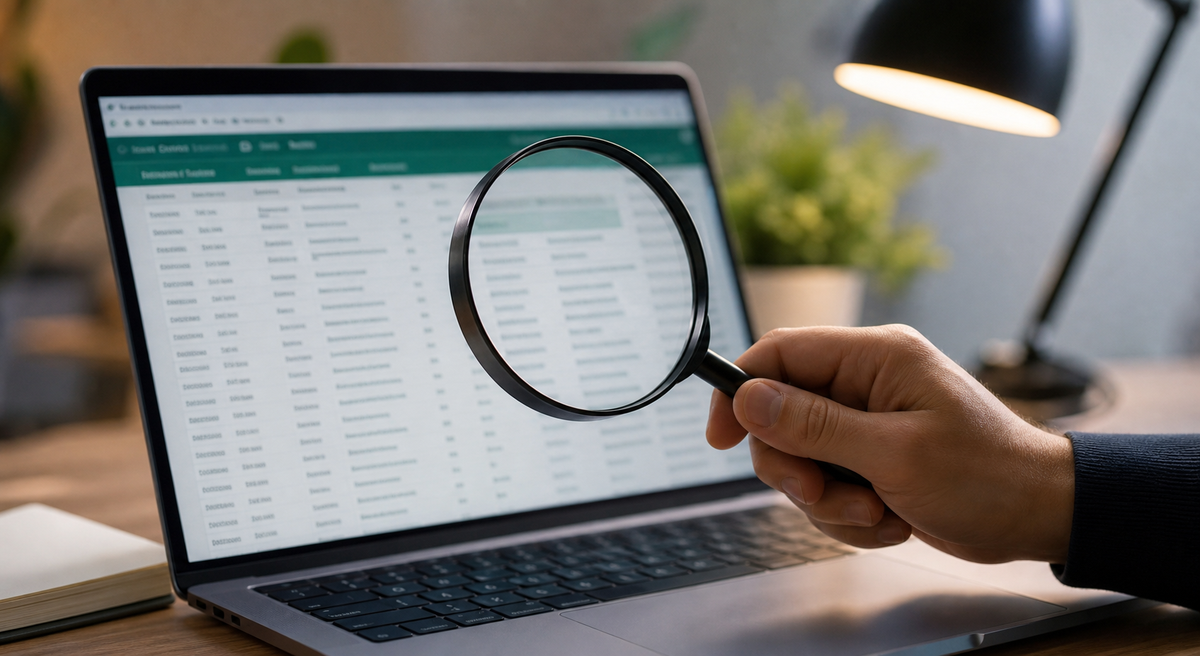
It takes a couple of minutes and removes the main risk. The National Bank publishes the register of registered providers on its website as a file and updates it from time to time. The latest version we found is dated 16 September 2026
Checking an exchange in five steps
- Find out the legal name. The sign and the company name often differ. Ask in the office or look for the company details at the bottom of the website.
- Ask to see the National Bank act. Since 1 January 2026 it must be on display in the office, on the website and in the app.
- Open the Virtual Asset Service Providers section on nbg.gov.ge and download the register.
- Find the company in the file by its legal name. If it is not on the list, you are exchanging at your own risk.
- Keep proof of the deal. A receipt or statement with the amount, date and rate will be useful for your bank and the tax office.
We cannot say with confidence how many providers the register holds. Open directories mention about forty, but without a date, so rely on the regulator's current file. The list includes international names too: the exchange Bybit announced its Georgian registration in November 2024.
🏧 Crypto ATMs in Tbilisi and Batumi: fees and limits
Georgia has a lot of crypto ATMs. Tbilisi alone has more than fifty, if we trust the CoinATMRadar directory data that local services cite. The largest network is called Cryptomat; its machines stand in supermarkets, by petrol stations and in shopping centres, and many work around the clock. In Batumi the choice is more modest, but finding a machine in the centre is not hard.
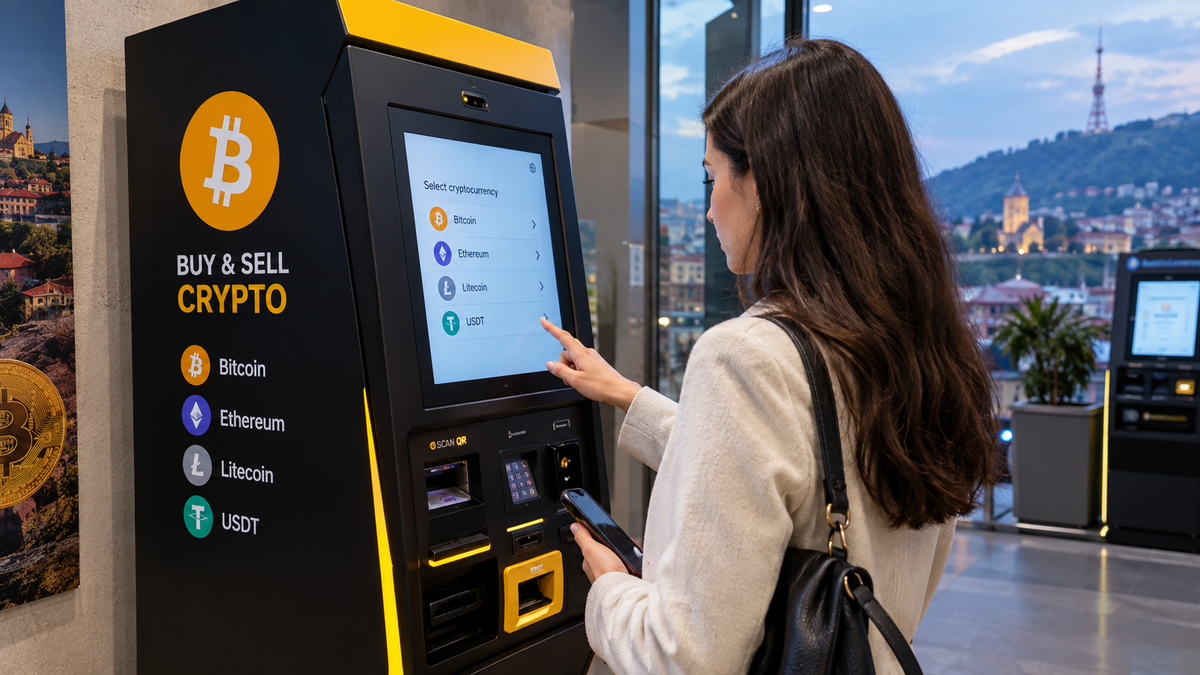
Convenience costs money. The fee including the spread runs from 6 to 12%: if you withdraw the equivalent of 500 dollars, expect to leave the machine between 30 and 60. The figures are current as of October 2026 and depend on the network and the direction of the exchange.
There are other quirks worth knowing in advance. The machine pays out lari only, with no dollars or euros. The minimum transaction starts at roughly 10-50 GEL. The ceiling for buying is usually within 10,000-30,000 GEL at a time, and for selling it is lower, around 5,000-10,000 GEL. Small sums, up to roughly 1,000-2,000 GEL, often go through with a minimal check by phone number, and above that the machine asks for a passport. Bitcoin, ether and litecoin are supported almost everywhere, while not every machine takes USDT.
The conclusion is simple: a crypto ATM is fine when you need 200 lari at eleven at night. For a couple of thousand dollars it will cost you more than any office.
💵 How to cash out USDT and which documents you will be asked for
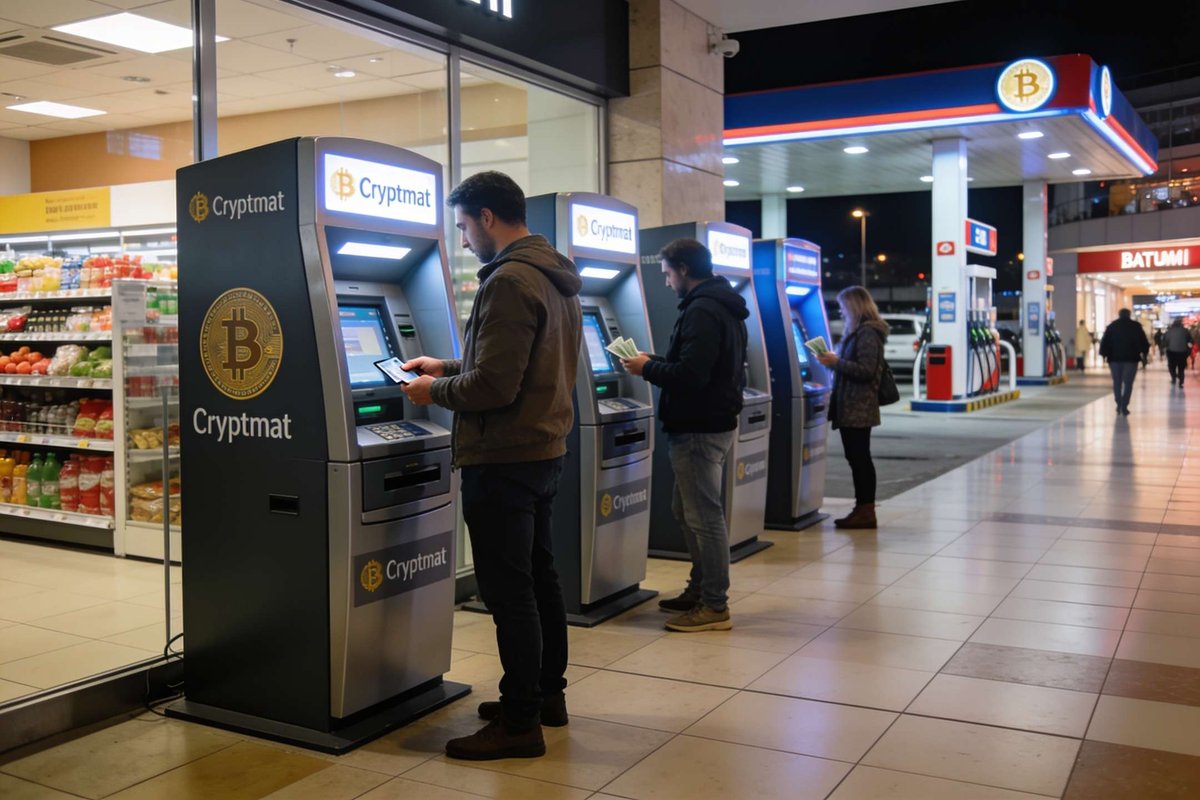
The most common scenario looks like this: someone arrives with USDT in a wallet and wants dollars or lari. At a registered exchange this is done in one visit. You pass identification, send the coins to the company's address, wait for network confirmation and collect the money at the desk.
For ordinary amounts a passport is enough. For large ones you may be asked for proof of the source of funds: a sale contract, an employment contract, a bank statement for the year. One Tbilisi service names 50,000 dollars as the threshold, but we found no single figure in the rules, and an exchange is entitled to ask questions earlier.
P2P is a more complicated story. The exchange itself usually charges no fee and the rate is pleasant, but the lari arrive on your card from an unknown individual. The bank sees a series of such transfers and asks you to explain what is going on. While it investigates, the account may be blocked. Add the classic scams with fake receipts and payment reversals, and it becomes clear why people increasingly choose an office for sizeable amounts.
A separate word about those who "help exchange" for acquaintances for a percentage. Buying cryptocurrency for yourself needs no registration at all. Regularly exchanging it for third parties, however, means providing a service that requires National Bank registration. According to a reference guide for entrepreneurs, the fine for such intermediation reaches 20,000 GEL.
🧾 Crypto tax in Georgia for individuals, sole traders and companies
This is where most of the myths live, so let's start with the primary source. The basis is Decision No. 201 of the Minister of Finance of 28 June 2019. Two things follow from it. The profit of an individual who is a Georgian tax resident from selling cryptocurrency is exempt from income tax, because it is not treated as Georgian-source income. And exchanging cryptocurrency for lari or another currency is not subject to VAT.
This is where the famous "zero percent" comes from. But the zero has limits, and promotional texts usually leave them out.
The first limit is residency. The relief is written for people who live in Georgia and count as tax residents here, meaning they spend 183 days or more in the country. A tourist who sold bitcoin in Batumi remains a taxpayer of their own country, and the Georgian zero does not protect them there.
The second limit is the nature of the income. The decision is about selling an asset that belongs to you. If you receive USDT for design, code or consulting, that is payment for services, and it is taxed just like payment in dollars. For a sole trader with small business status that is the familiar 1% on turnover up to 500,000 GEL a year, though it is safer to bring such money into the account through a registered provider. Whether small business status extends to crypto trading itself, we could not confirm, and here you need your accountant's answer.
The third limit is differing interpretations. Some Georgian lawyers point out that the Tax Code has no separate provision on cryptocurrency and that the general rules apply, with a 20% rate. Most practitioners rely on Decision No. 201. We present both positions and advise that for sizeable sums you get a written consultation rather than rely on an article on the internet, this one included.
⛏️ Mining in Georgia: taxes and restrictions in Svaneti

For years Georgia ranked among the notable mining countries thanks to cheap hydropower. Mining itself is not banned, and companies do it legally, including in free industrial zones. The problem became illegal mining, and in 2026 the authorities took it on in earnest.
This is about Svaneti. In Mestia Municipality electricity is free for residents, and farm owners exploited that for years. In 2025 the district consumed 125 million kilowatt-hours, tens of times more than comparable areas, and the grid could not cope. The authorities estimated the budget losses at 20-25 million GEL a year.
On 1 June 2026 the government announced the start of a campaign against illegal mining. In the first weeks police seized about 300 devices, and it was decided to install meters in the villages: electricity will stay free only within a limit. According to the prime minister, consumption in the district had already fallen by about 35% in June compared with the previous year.
For a traveller the takeaway is short. Offers to "host your ASICs cheaply in the mountains" refer to exactly the practice the state is now fighting.
Where people lose money most often
Tell us on Madloba where you exchanged cryptocurrency in Georgia: what rate you got, how long the check took and whether your bank asked questions. Real figures from readers help others avoid overpaying.
The information is current as of October 2026. National Bank rules, fees and tax guidance change, so check official sources before you exchange or file a return.
❓ Frequently Asked Questions
💬 Yes. A private person can own, buy and sell cryptocurrency. Intermediaries are regulated: exchange offices and exchanges must register with the National Bank of Georgia.
💬 No. The National Bank states directly that a virtual asset is not legal tender and that payments with it are prohibited. You need to exchange the cryptocurrency for lari first.
💬 At the offices of exchanges registered with the National Bank, at crypto ATMs, or through P2P on a large exchange. An office is better for sizeable sums, a crypto ATM for small and urgent ones.
💬 As of October 2026, from 6 to 12% including the spread. The machines pay out lari only and ask for a passport on larger amounts.
💬 At an exchange office, yes: identification is mandatory. At a crypto ATM small sums often go through with a phone number, and above the threshold the machine asks for a document.
💬 Ask to see the National Bank registration act and look up the company's legal name in the register on nbg.gov.ge, in the Virtual Asset Service Providers section.
💬 Under Decision No. 201 of the Minister of Finance of 2019, the profit of an individual who is a Georgian tax resident from selling cryptocurrency is not subject to income tax. This does not extend to non-residents, to payment for services in crypto, or to companies.
💬 Not directly to a wallet, since settling in crypto is prohibited. The working scheme: the client pays through a registered provider, and ordinary money arrives in the sole trader's account and is taxed as revenue.
💬 The risk is higher than at an office. The money comes from a stranger, and the bank may block the account until it clarifies the circumstances. Use only deals made inside the exchange and verified sellers.
💬 Lawful mining is allowed and taxed. Since June 2026 the authorities have been actively fighting illegal farms in Svaneti that used free electricity.

0 comments
Log in to leave a comment