



Ponichala Nature Reserve near Tbilisi: floodplain forest and 100 bird species
🌿 Nature Reserve · ⏱️ 2–4 hours · 📍 Rustavi Highway, between Tbilisi and Rustavi
🌿 Things to Know Before You Visit
| 📍 Location | Rustavi Highway, between Tbilisi and Rustavi Krtsanisi District, approx. 15 km from Tbilisi city center |
| 🕐 Opening Hours | data to be updated · visitors could enter at any time of day |
| 💰 Entrance | free |
| 📐 Area | 200 hectares |
| 🐦 Birds | 100+ species, including the Caucasian pheasant (Red List) · 6 woodpecker species |
| 🚌 How to Get There | Bus No. 345 from Tbilisi · or by car via Rustavi Highway |
🧭 Who This Article Is For
Ponichala Nature Reserve is not an amusement park with rides and benches by a fountain. It is a real floodplain forest near the Mtkvari River, home to over a hundred species of birds, where people from different countries come specifically for nature observation. This article is for those who want to get out of the city into nature without taking a difficult route, and for ornithologists looking for the best birdwatching spots near Tbilisi.
🌊 The Last Floodplain Forest near Mtkvari
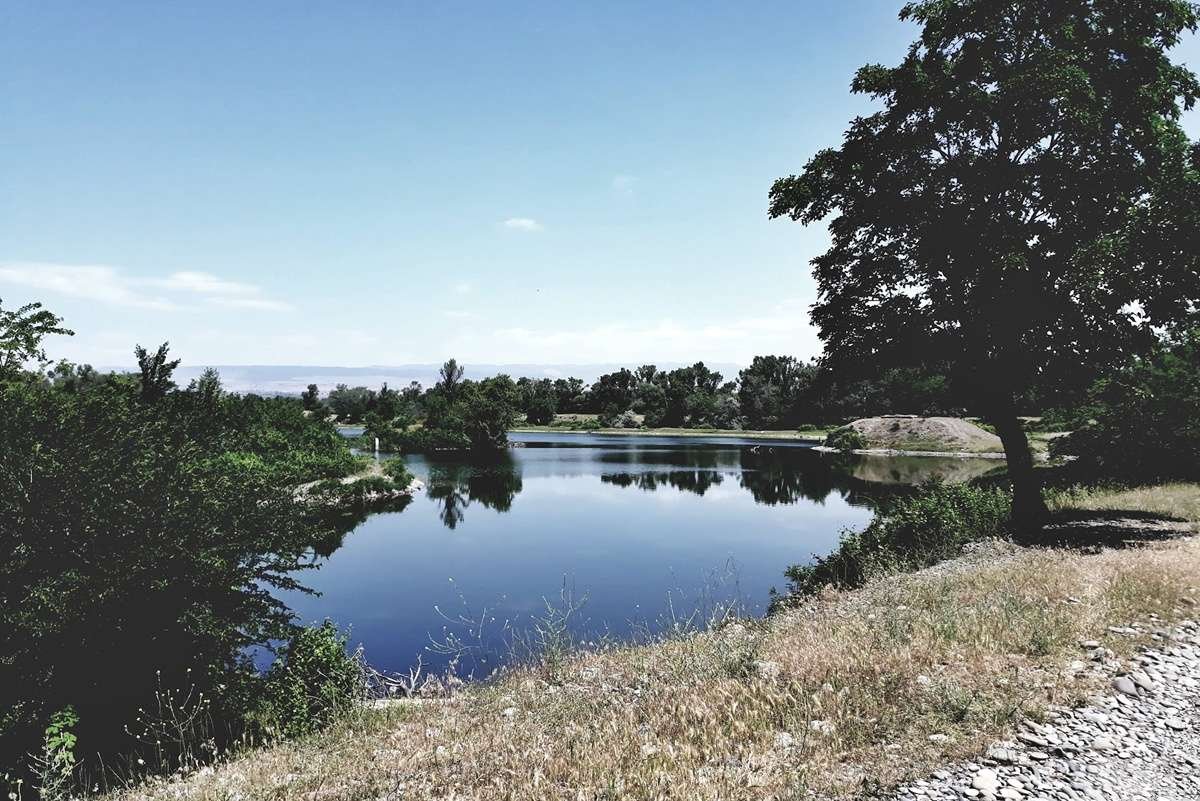
Most of the banks of the Mtkvari (Kura) River within Tbilisi and its surroundings have long been built up or cultivated. Ponichala Nature Reserve is one of the few remaining sections of floodplain forest where the river determines everything: soil composition, microclimate, and species diversity.
The territory near Rustavi Highway has been known to people for a long time. Until 1973, this place was called Soganlugi — from the Turkic "onion field". The name has been mentioned in historical documents since 1728. According to a review on Madloba, an 18th-century fortress stood here, controlling an important trade route; the land was considered fertile and belonged to the royal family.
The park was founded in 1958. That was when the territory was officially recognized as a recreational zone. In the 1970s, more than 170 tree species were planted here — this created the woodland area that today hosts hundreds of bird and animal species.
The area of the park is 200 hectares. By the standards of urban green zones, that is quite a lot: there is enough space so that you might hardly meet anyone during a few hours of walking.
🐦 Why People Travel Here From All Over the World
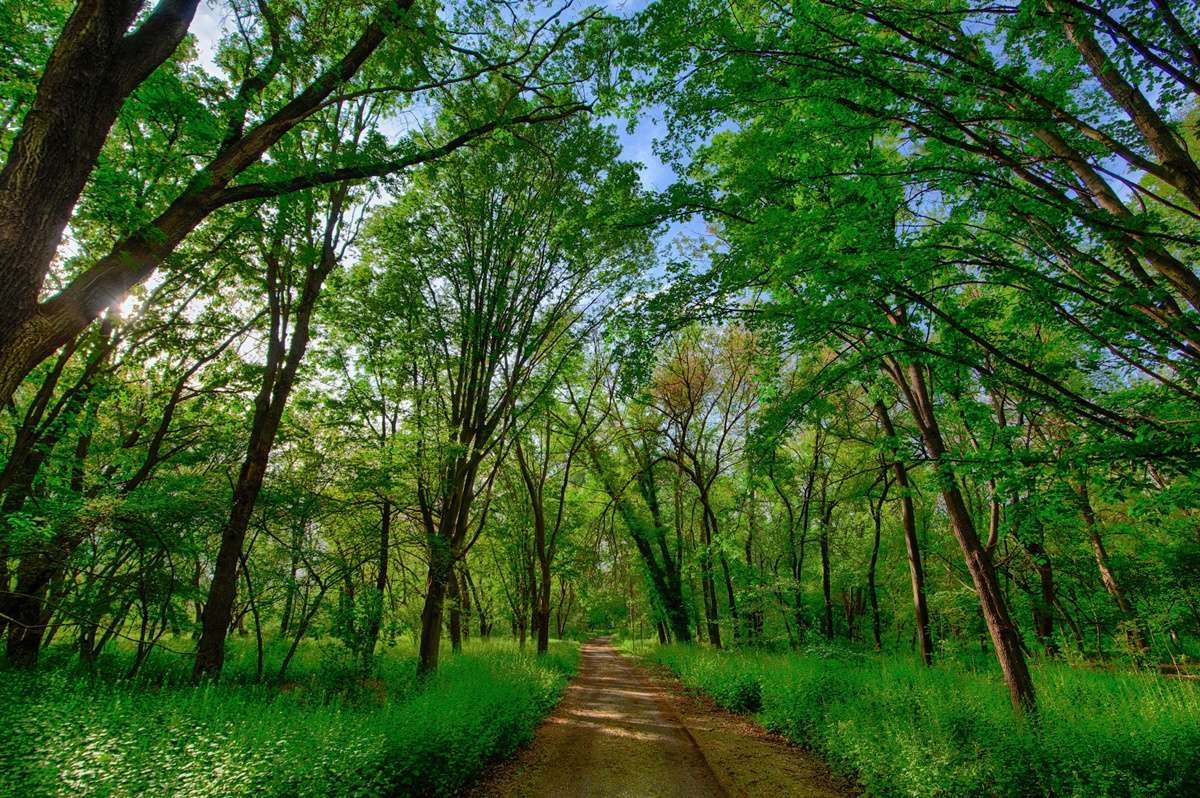
This is the main reason why it is worth coming here. Throughout the year, the Krtsanisi Park is home to more than 100 species of resident and migratory birds, including the Caucasian pheasant, which is listed in the Red List.
Six species of woodpeckers live here: lesser spotted, middle spotted, great spotted, Syrian, green, and black woodpecker (black woodpecker). Six species in one place is a rarity even by European standards.
Among other forest birds, the following stand out: the golden oriole — numerous and easily visible; the Eurasian jay of the subspecies krynicki with its characteristic black cap; and the Eurasian scops owl. Closer to the Mtkvari River are wetlands and reed beds. There is a different story there: ducks, herons, and birds of prey.
One Spanish-speaking visitor wrote in a review that he spent three hours here and considers it the best place for bird watching he knows in Europe — and regrets not staying for the whole day.
A telescope is not needed here — many birds can be seen with the naked eye. This is important: the reserve is accessible to people without special equipment.
🌲 How the Forest is Organized
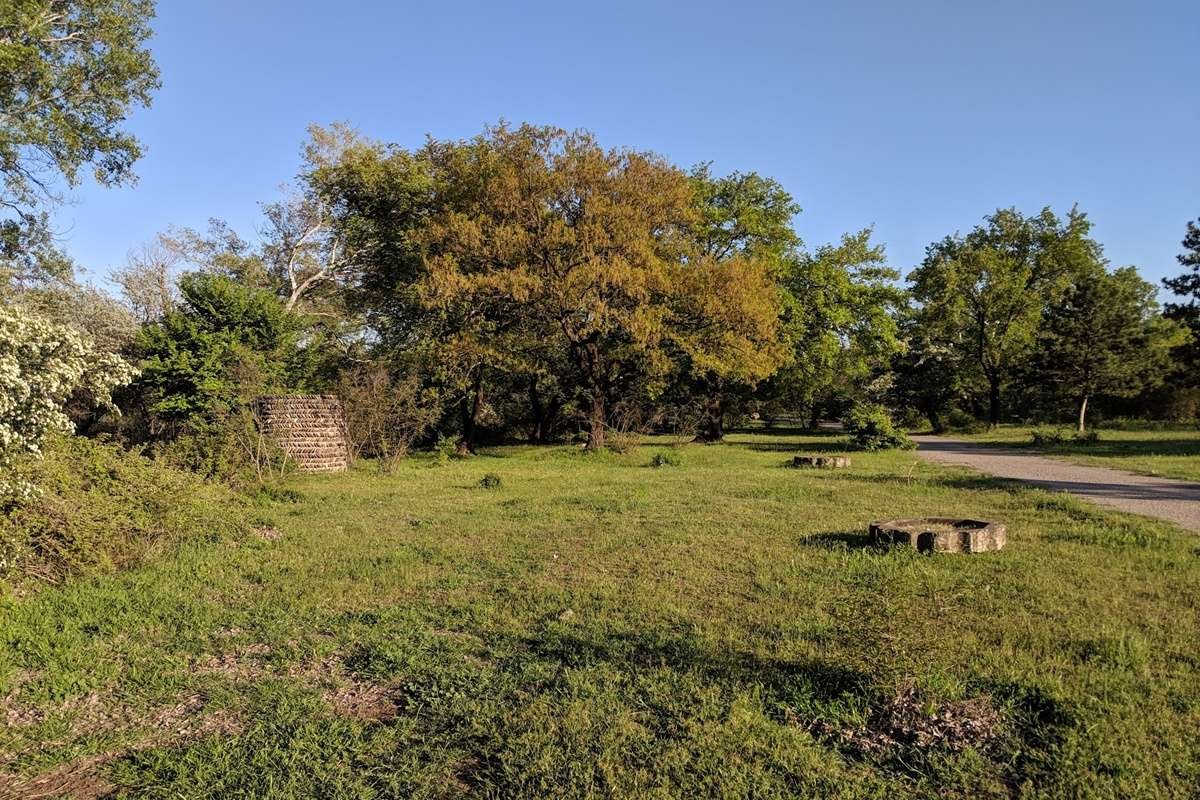
The park resembles an open forest with green lawns. Asphalt roads run through the entire area — local residents drive along them and come for picnics. But as soon as you turn off the road into the depths, the forest becomes denser.
Asphalt roads are laid through the park. You can drive by car, but a walking tour will provide more opportunities for bird watching.
The park is accessible on foot, by bicycle, by car, and even in a wheelchair. The terrain is flat, with no serious climbs.
Some of the trails require maintenance: according to visitor feedback, fallen trees are encountered. This is a natural forest, not a manicured park — this must be taken into account.
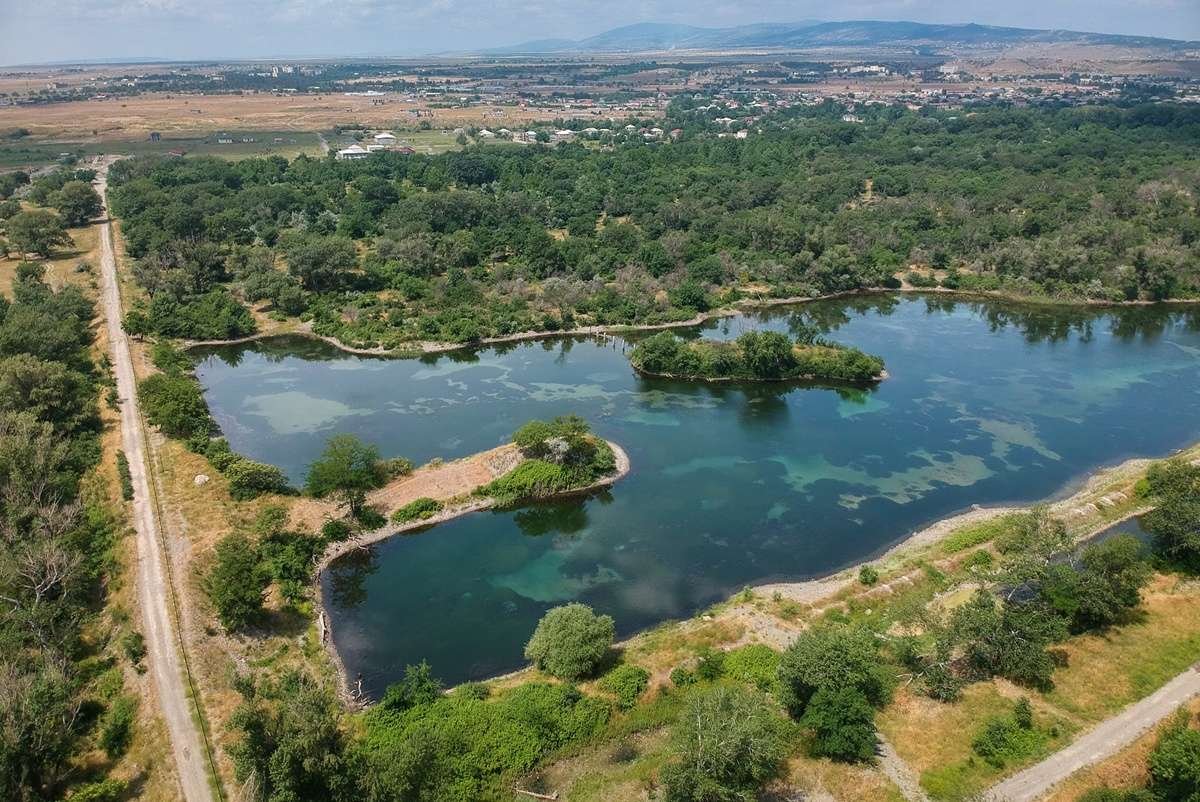
Come in the morning — birds are most active in the first two hours after sunrise. In winter and early spring, the forest has no leaves: visibility is better, and woodpeckers can be heard from afar. In summer — there are many mosquitoes, especially closer to the river, bring repellent. If you are going for a picnic, tables are available, but it is easier to find spots by the river on your own. Fishing is another reason: several visitors come specifically for this purpose.
🗺️ How to Get There
1️⃣ Bus No. 345 — from stops in Tbilisi to the reserve. According to visitors, the bus stops at the park entrance. Check the current route before the trip.
2️⃣ By car via Rustavi Highway — approximately 15–20 minutes from the center of Tbilisi towards Rustavi. Entrance is from the highway side, parking spaces are available.
3️⃣ By taxi — say "Ponichala Reserve" or "Krtsanisi Park" or give the coordinates 41.629, 44.923. The route is direct, without complicated turns.
💬 What Those Who Have Been Here Say
"El mejor lugar para observar aves que he conocido en Europa. Estuve solo 3 horas, ya que mi horario no me permitía más, pero debí haber pasado todo el día. Es espectacular. La entrada es gratuita." — Juan María Domínguez (the best place for bird watching in Europe out of all he knows; free entry; regrets spending only three hours)
"A wonderful place. Quiet, few people, many birds and beautiful nature. Don't forget to bring food for the guide dogs."
"Absolutely the best spot in the city to relax and unwind. No other park even comes close."
"Great spot for a nature walk or picnic, conveniently close to the city. You can easily catch the 345 bus to get there. The area is quite spacious, with plenty of birds and other wildlife."
"A fascinating mix of ponds, pathways, and relics from the Soviet era. It's a nice spot for birdwatching, offering a chance to see everything from ducks to birds of prey in the wetlands and woods."
"It's a pity that so little is written about the Ponichala Reserve. The places there are 100% picturesque. It is definitely worth visiting. To listen to birds singing, and maybe you'll be lucky enough to see some animal."
🏁 Is It Worth Going?
If you just want to get out of Tbilisi for half a day — yes. If you are interested in birds — definitely. If you are looking for a well-maintained park with cafes and toilets at every turn — no, this is not the place.
Ponichala remains what it was originally: a living forest by the river, where you can come just to breathe, listen to woodpeckers, and spend a few hours away from city noise. For Tbilisi, where parks are mostly urban, such a place is a rarity.
Save the article or share it with those traveling to Tbilisi.
ℹ️ Entrance to the reserve is free. Please check the bus schedule and access hours before your trip — they are subject to change. Mosquito repellent is recommended in summer. Information is current at the time of publication.
Have you been to the Ponichala Reserve? What did you manage to see — woodpeckers, a pheasant, or something completely unexpected? Did you come for a picnic or specifically for bird watching? Tell us — such places come alive with real stories. We read all comments ❤️
❓ Frequently Asked Questions
💬 These are different territories. Tbilisi National Park is located north of the city in the Saguramo mountains — it is a mountain forest area covering 243 sq. km. Ponichala Reserve is a 200-hectare floodplain forest southeast of Tbilisi by the Mtkvari River. Different ecosystems, different birds, different accessibility.
💬 A telescope is not needed. Many birds — golden oriole, woodpeckers, jay — can be clearly seen without optics. Binoculars will be useful near the wetlands by the river if you want to spot birds in the reeds. But even without them, the trip makes sense.
💬 Winter and spring are the best seasons. In winter, the forest is without leaves, so birds are better seen and heard. In spring, migratory species are added. You can also come in summer, but it is hot and there are many mosquitoes — especially by the river. Autumn is good for golden foliage and active migrations.
💬 This is one place with two parallel names. "Ponichala" is named after the village of the same name, which has borne this name since 1973 (before that — Soganlugi). "Krtsanisi Park" is named after the administrative district of Tbilisi (Krtsanisi) to which the territory belongs.
💬 There is no permanent cafe. Bring food and water with you. Picnic tables are available on the territory. The nearest shops are in Rustavi or near the highway exit.
💬 Yes. The terrain is flat, and the asphalt roads are suitable for strollers. Children love the place for its space, birds, and the opportunity to run around. Just keep the summer mosquitoes in mind.
💬 According to visitors — yes, some people come here specifically with a fishing rod. We did not find any official fishing regulations for the park — please check on site.

2 comments
Log in to leave a comment
La naturaleza es hermosa, sí, pero tengo mis dudas sobre lo que se ofrece. ¿Alguien ha probado hacer senderismo por ahí y podría contar su experiencia más allá de lo que dice la publicidad?