




Ubisa: 9th-Century Monastery with 14th-Century Frescoes
The Ubisi monastery complex is located in the northeastern part of the village of the same name. The Georgian village of Ubisi is located in the historical region of Imereti, in the Kharagauli district, near the town of Zestaponi, or more precisely, 15 kilometers from this administrative center. It is sometimes called "Ubisa."
Unique examples of the Georgian school of painting, preserved in the Ubisi monastery, date back to the 14th century. According to Soviet art historian Shalva Yasonovich Amiranashvili, these unique works are the work of the Georgian artist Damiane. The Ubisi frescoes are a true rarity. The monastery's history is believed to date back to the 9th century. The initiator of this construction, Grigol Khandzteli, organized the search for the necessary funds for its construction. This is how this incredible temple came into being.
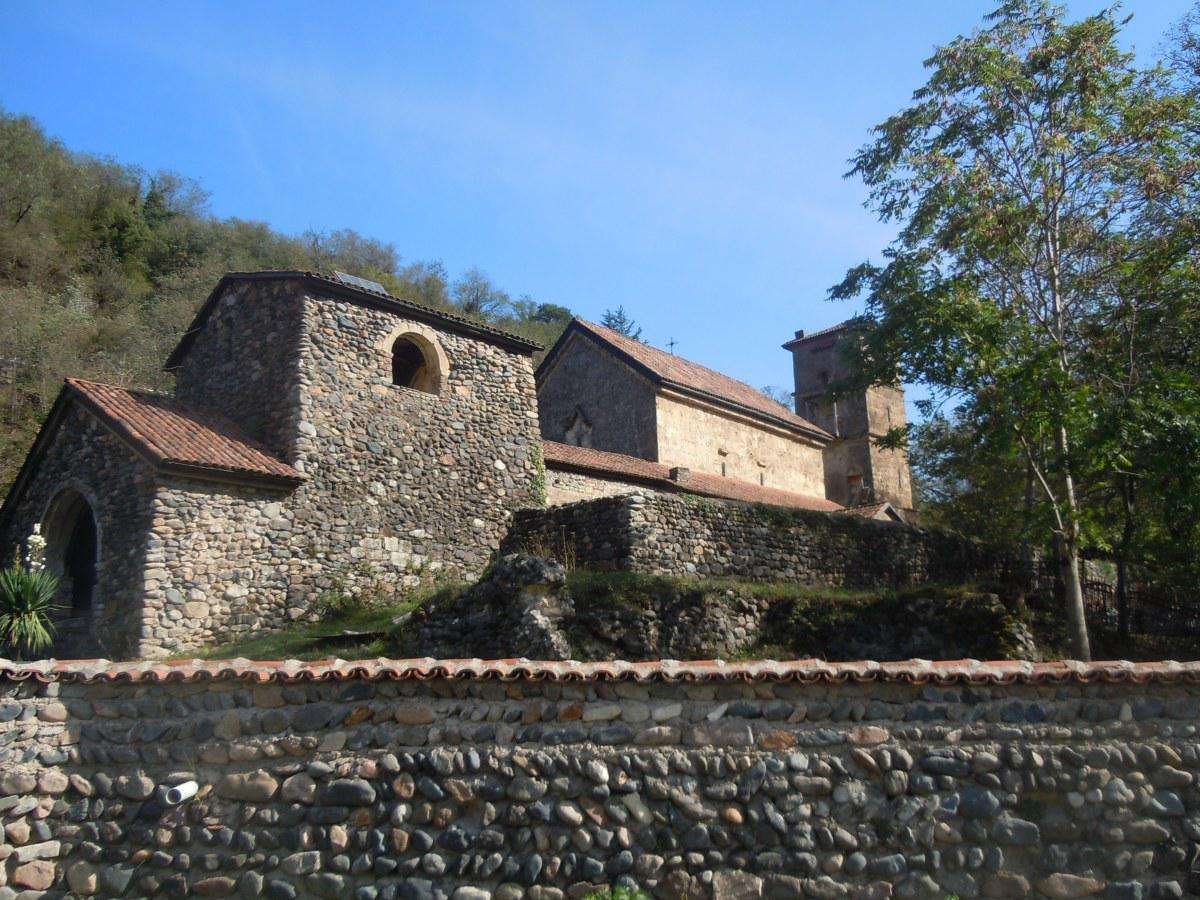
The main element of the architectural complex is the Church of St. George. This tall structure has much lower annexes. The Abashidze family tomb and the southern gate are located on one side of this structure. These two parts of the church were added later. Apart from these additions, the church's plan is rectangular. The church itself is a hall-type building with annexes on three sides. The chapels, located in three parts of the church—western, southern, and northern—resemble a basilica consisting of three churches.
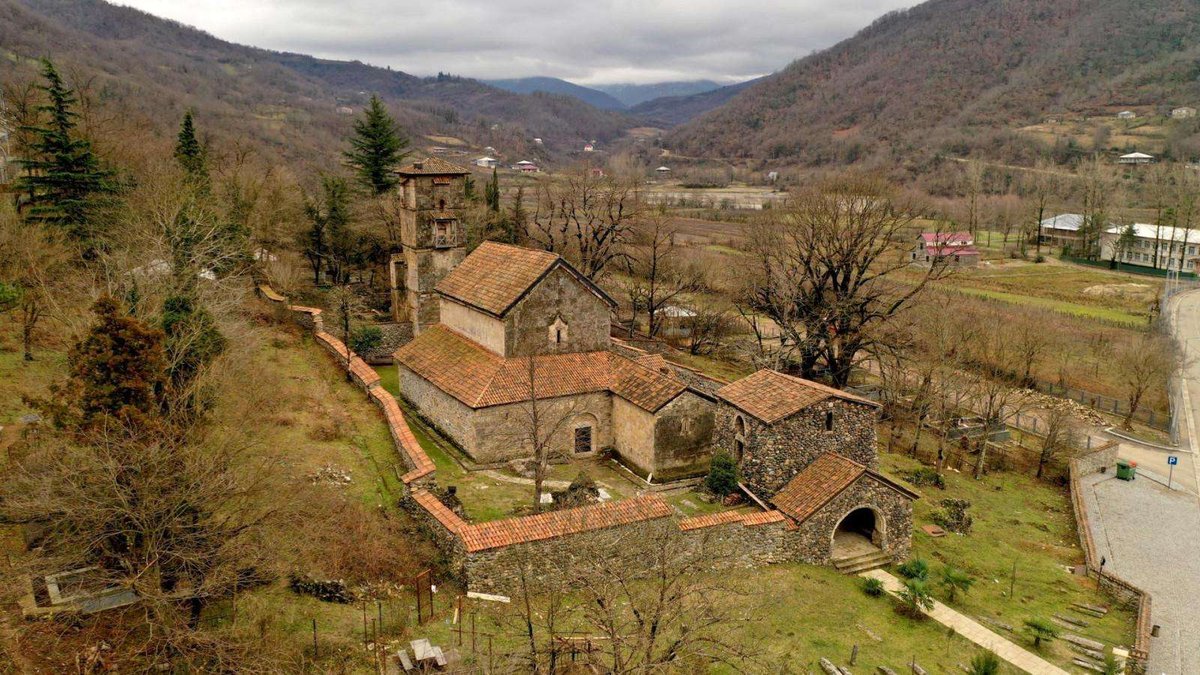
The ancient Ubisi Monastery is considered a prime example of Georgian architecture. This fact attracts people interested in art and Georgian history. Therefore, the monastery complex is very popular among tourists, both local and international. Residents of Imereti are proud of this landmark, as it is considered one of the most important sites in the region.

30 comments
Log in to leave a comment
Я для себя выделил Убиса как обязательную остановку по пути через Имеретию — особенно учитывая, что монастырь удобно расположен недалеко от основных маршрутов. Плюс понравилось, что в материале делается акцент не только на истории, но и на восприятии места — это помогает заранее сформировать ожидания и не пропустить самое главное внутри храма.
Спасибо Madloba за такой разбор — после него смотришь на Убиса уже не как на «ещё один монастырь», а как на точку с уникальным художественным наследием. Как думаете, стоит ли ехать сюда специально ради фресок, или лучше включать Убиса как часть более большого маршрута по Имеретии?