




Abanotubani: Tbilisi Sulfur Baths — History, Prices & Address
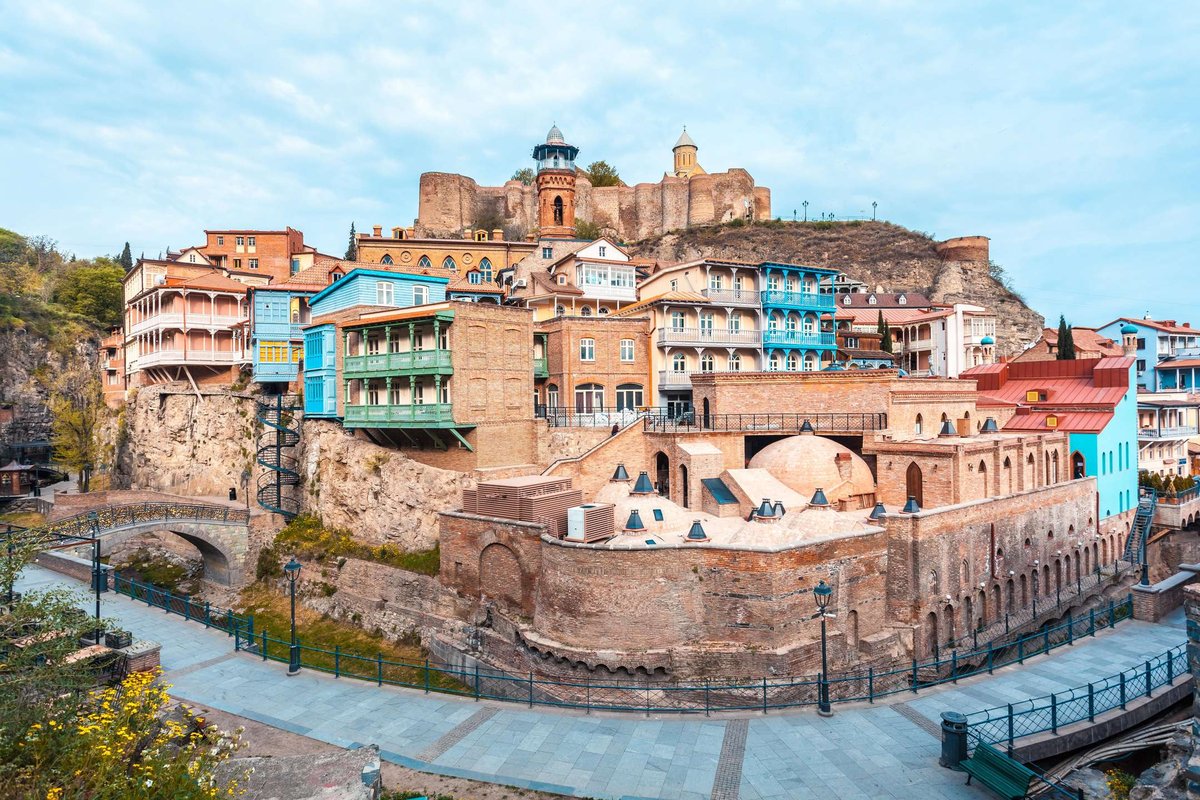
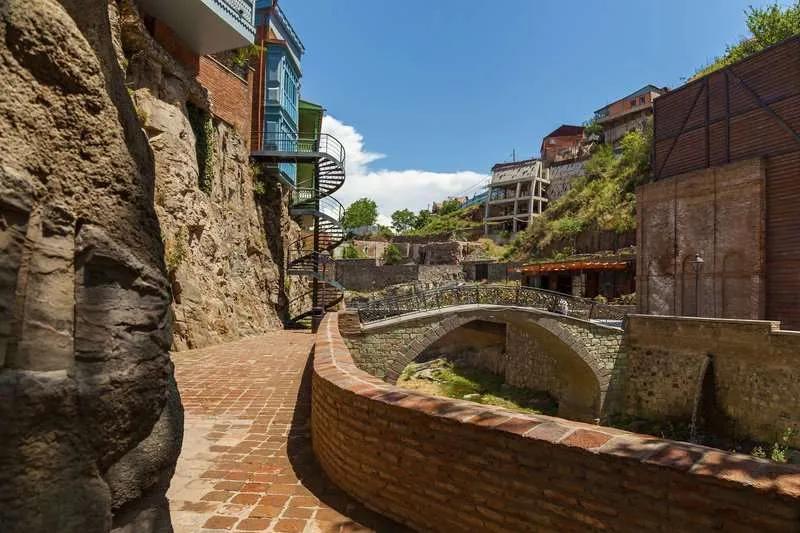
Georgia's landmarks are colorful and tell a story about the country's history. Today, we'll talk about the ancient bathhouse district, Abanotubani. The name translates as sulfur baths, built on natural hot springs filled with mineral water.
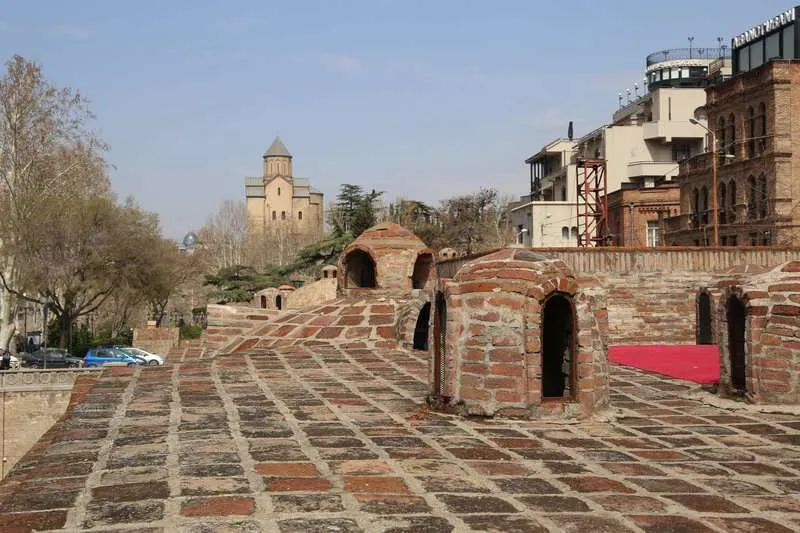
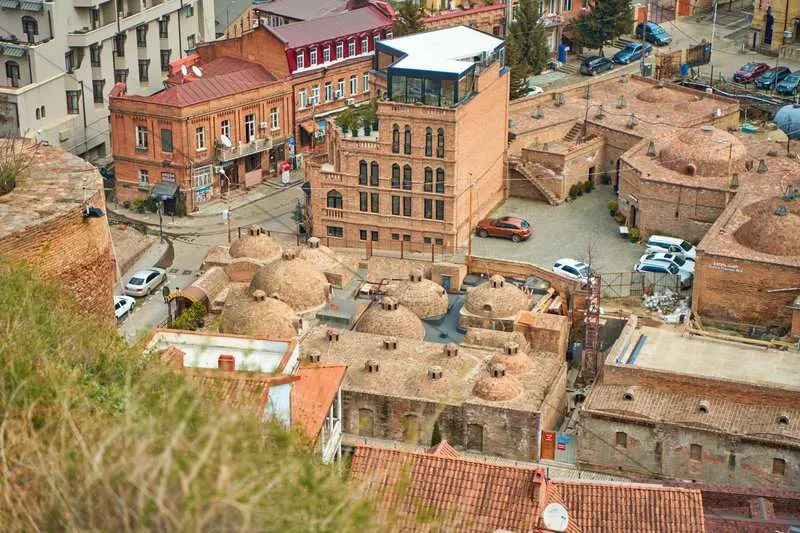
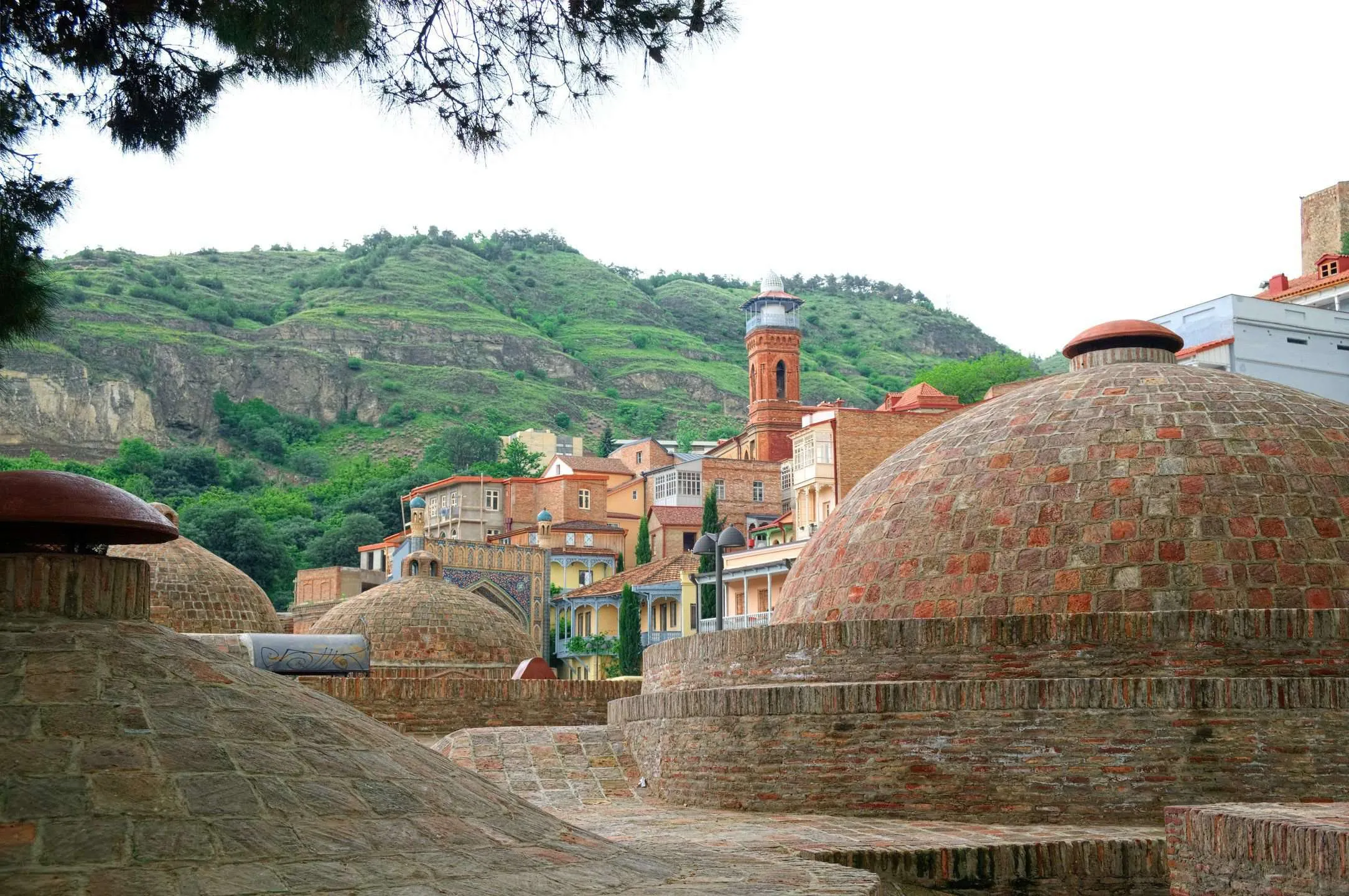
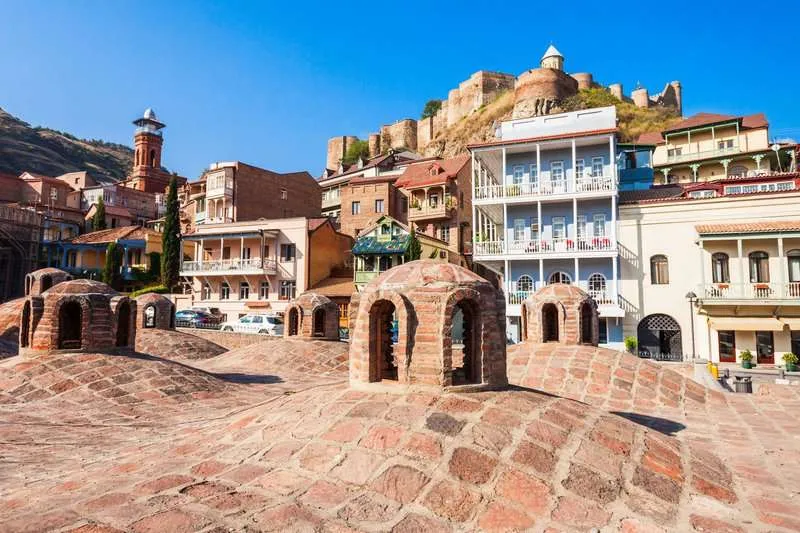
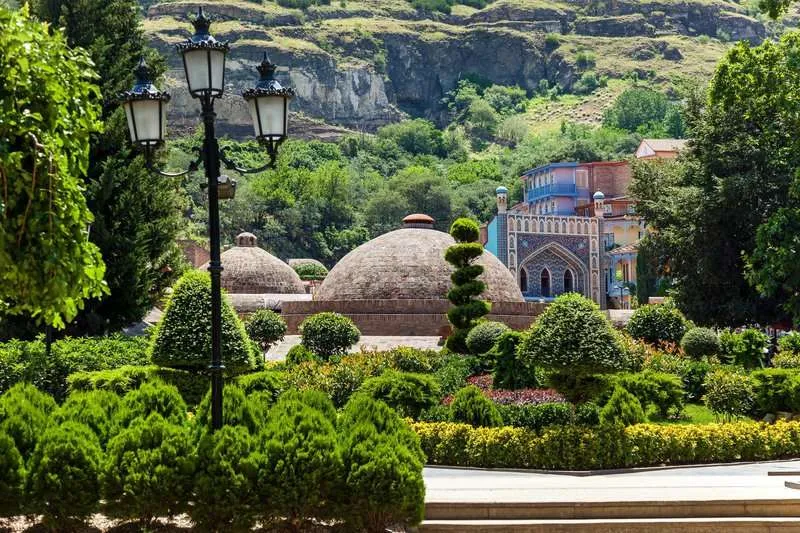
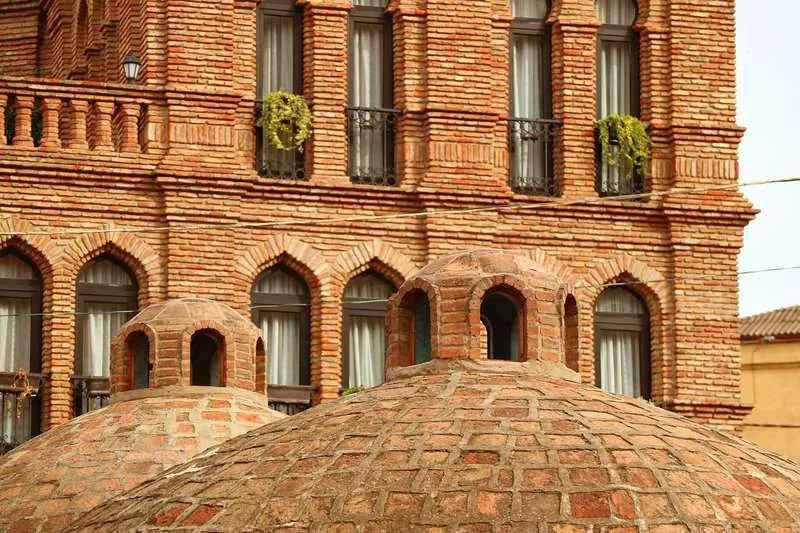
In Tbilisi, they jokingly claim that the expression "go to the bathhouse" originated here. Specifically, in the center of the Old Town, in the Abanotubani district (translated from Georgian as "bath district"). And no, these roofed brick domes with openings from the 17th and 18th centuries are not mosques.
Any doubts will be dispelled immediately: you'll notice the pungent smell of sulfur in the air. But believe me, you'll get used to it. The uniqueness of the surrounding area will enchant you so much that even this smell will seem like a pleasant accompaniment to the melody of Tbilisi's vibrant atmosphere. Tbilisi baths are a byword for history, and Georgian "tershchiki" (mekise in Georgian) are the ones who made the history of the bathhouse era. And they continue to do so, as mastery of this art is often passed down from generation to generation. Each "tershchiki" has their own secrets, methods of healing, and delivering pleasure to clients. And if suddenly they leap onto your shoulders, setting your bones without causing you pain, don't be alarmed; enjoy. You're in the hands of a true master!
History
There's a legend about this place. King Vakhtang Gorgasali of Georgia often hunted here. One day, seeing a pheasant flying by, he released his falcon after it. The falcon quickly snatched its prey, disappearing into the forest. After finding his bird, the king saw a hot sulfur spring where the pheasant was boiling.
The king ordered a bathhouse to be built on this site, after which the city of Tbilisi, meaning "warm," arose around it. The 10th-century book "With Roads and in the Book of Kingdoms" contains a line by the Arab geographer Ibn Hawqali: "In the city of Tbilisi there are baths similar to the baths of Tiberiadi, the water of which boils without fire." Historical records dating back to the 13th century indicate that there are 65 thermal baths in the city.
Today, a monument commemorating this legend stands in the center of Abanotubani. Bulat Okudzhava wrote a poem about it: "A predatory beast thrashed and writhed beneath your arrow..." This is a must-see for any tourist, as the sulfur baths have survived to this day. There are eight operating baths in the Banny District.
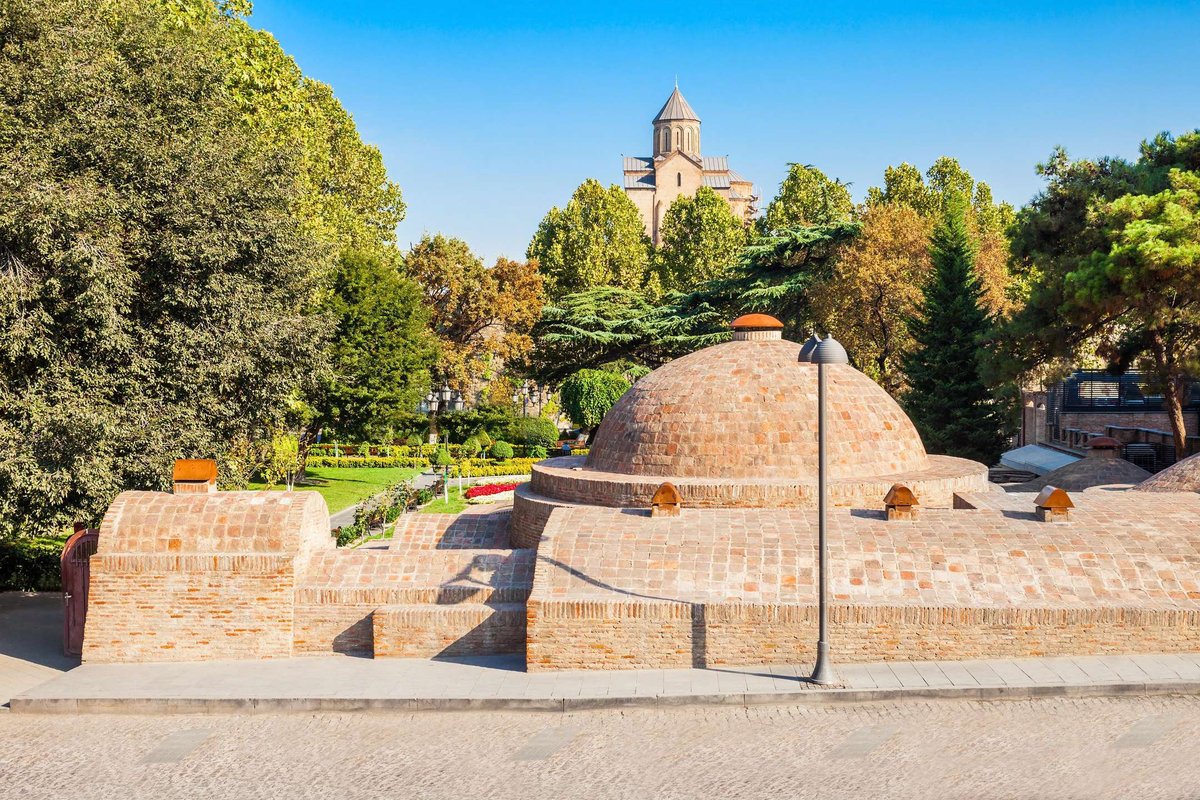
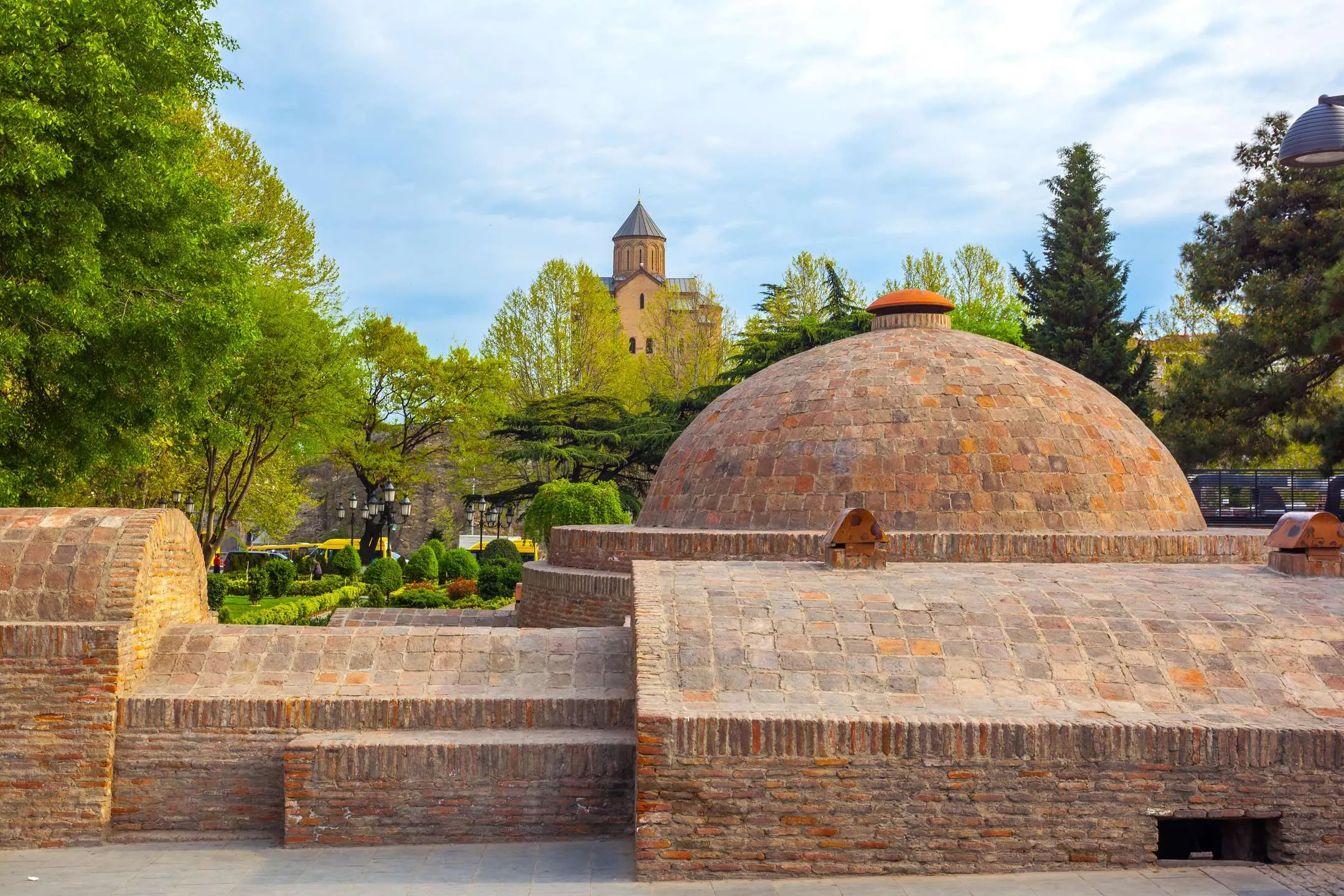
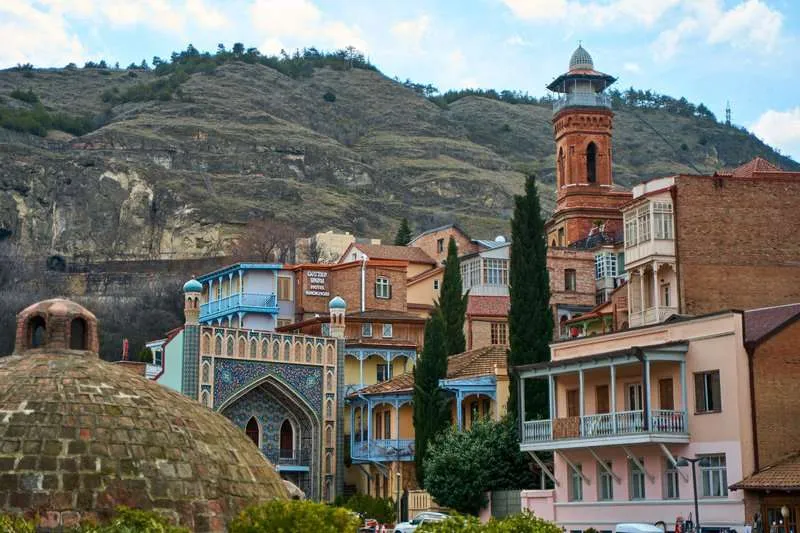
They are very similar to public baths, but are completely natural; hot hydrogen sulfide water flows into the pools from underground. On the outside, they feature spherical domes with stone windows. Inside, they are a semi-basement with pools.
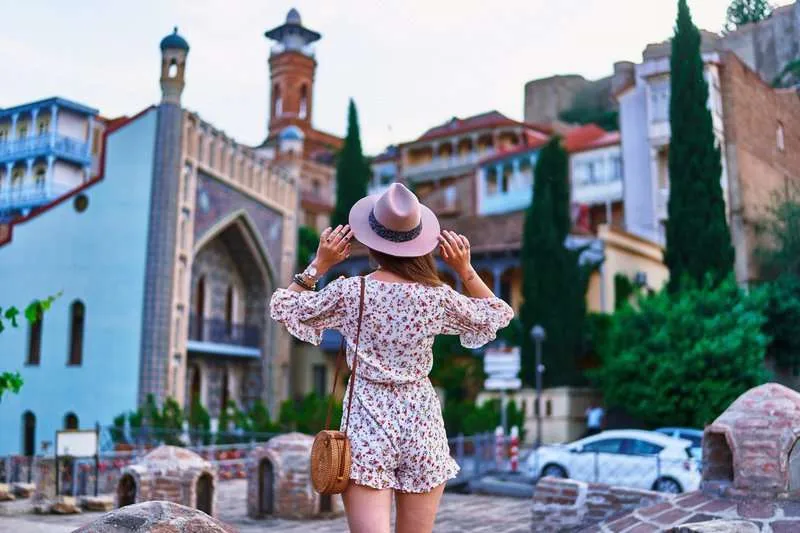
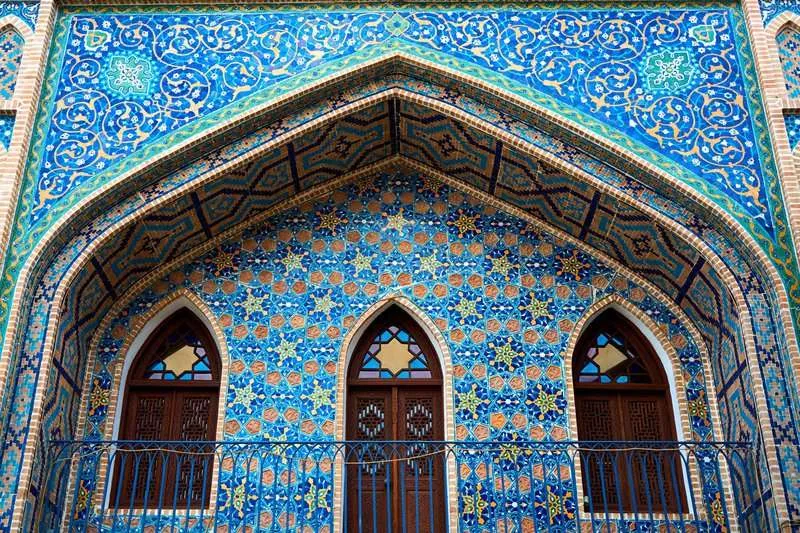
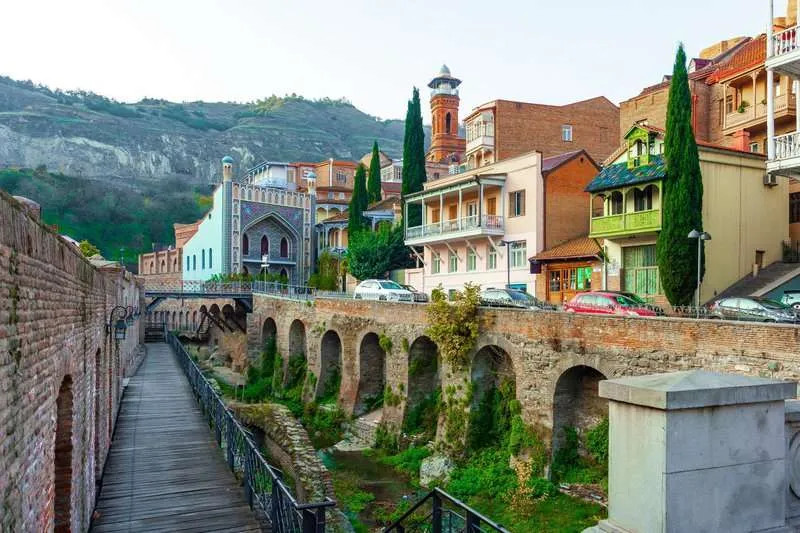
The Orbelianovskaya bathhouse, however, can be confused with a mosque, as it resembles a religious building. Built in 1840, it is decorated in an oriental style. It is the most popular and beautiful steam room. Prices for a bathhouse session range from 50 to 150 lari, which is 1,160 to 3,500 rubles. Some rooms at the Orbelian Bathhouse can cost as little as 500 lari (11,600 rubles). A visit to Abanotubani is guaranteed to reveal some of the most beautiful sights in Georgia. The steam rooms are located near the river and the descent into the gorge.
You can learn more about each bathhouse in the Madloba catalog in a special section. Here you'll find descriptions of the services offered, opening hours, and customer reviews.
Leave your comments, ask questions, and be sure to plan a visit to the sulfur baths while traveling in Tbilisi.
You can also learn more about life in Georgia on our website. We share our observations and tell you how to make your trip more exciting and enjoyable. Our reviews will help you plan your visit to the top attractions and the best tourist destinations in different regions of the country.

36 comments
Log in to leave a comment
Меня особенно впечатлило, как автор показывает, что серные бани — это не просто туристическая точка, а самое сердце истории Тбилиси. Легенда про царя Вахтанга Горгасали, аромат серы и старинная архитектура делают прогулку здесь настоящим путешествием во времени 📸.
Я сам не удержался и обязательно заглянул в ресторан Khvanchkara Winery, упомянутый в рейтинге — вино невероятное, а хинкали и блюда грузинской кухни дополняют впечатления 🍷🥟. Чувствуешь, что здесь всё пропитано историей, культурой и настоящим духом города!
Спасибо каталогу мадлобу за такие живые и вдохновляющие подборки — с ними каждое место раскрывается по‑новому и хочется скорее оказаться там.
А вы уже были в Абанотубани — что вас поразило сильнее: купола бань, легенды или та особая энергия старого Тбилиси? 🌟🛁