




Shalva Amiranashvili Museum: Fine Art and Golden Fund
🏛️ Museum of Art · ⏱️ 2–3 hours · 📍 1 Rustaveli Avenue, Tbilisi
🖼️ What You Need to Know Before Your Visit
| 📍 Address | 1 Rustaveli Avenue, Tbilisi. Opposite the Parliament Building |
| 📅 Founded | Officially in 1920. Collections began forming in the second half of the 19th century |
| 🏗️ Building | Architect: Italian Giuseppe Berdardacci. Commissioned by philanthropist Yakov Zubalashvili |
| 🗃️ Collection | Over 40,000 exhibits: Georgian, European, and Oriental art |
| 💎 Treasury (Gold Fund) | 500+ exhibits. 7th century BC – 19th century AD. Icons, triptychs, and the world's largest collection of cloisonné enamel |
| 🕐 Opening Hours | Daily except Mondays and public holidays |
| 💰 Admission | Adults: 3 GEL. Children under 6 and people with disabilities: Free. Please verify prices before visiting |
🧭 Who This Article Is For
The Amiranashvili Museum is not the kind of museum you can see in an hour. It is a place people come to for very specific masterpieces: to see Pirosmani as a whole, rather than one painting at a time across different galleries; to understand what cloisonné enamel is—and why the Georgian collection is the largest in the world; to come face-to-face with the Anchiskhati Icon and the Khakhuli Triptych. This article is for those who want to visit this museum with purpose and appreciation.
🏛️ The Building and History: An Italian, a Philanthropist, and a Treasure from Paris
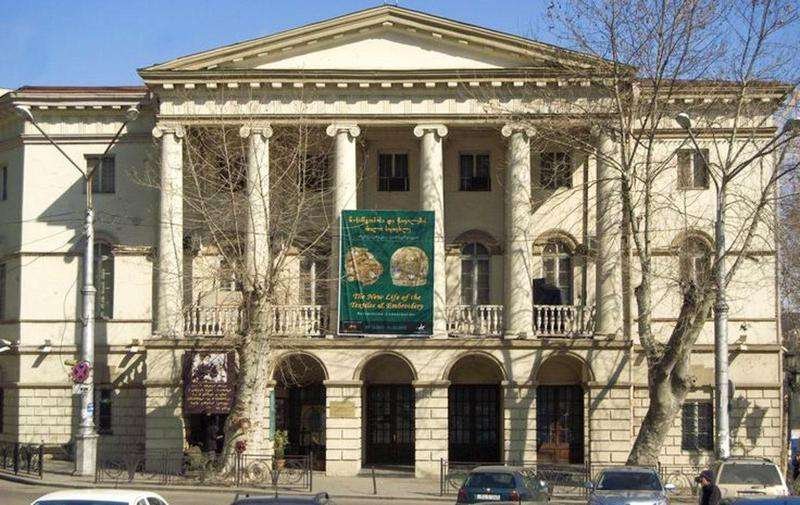
The museum building at 1 Rustaveli Avenue—opposite the Parliament—is not just beautiful. It was specially built for the exhibition of artworks. The project was designed by the Italian architect Giuseppe Berdardacci, who was invited to Georgia by the Georgian philanthropist and entrepreneur Yakov Zubalashvili.
The collections began to form as early as the second half of the 19th century, although the official year of the museum's foundation is 1920. From the very beginning, it was decided that this collection would be state-owned and open to everyone.
The collection was assembled from several sources—including the Society for the Spreading of Literacy, church and historical-ethnographic museums of Georgia, the National Gallery, the Museum of Ancient Georgian Art, and Metekhi.
The Story of the Treasure
In 1921, during their evacuation, the Menshevik government of Georgia took part of the gold fund to France. The exhibits stayed there for over twenty years and returned to their homeland only in 1945. Today, they are part of the permanent exhibition. Standing before an object that has traveled across two continents is a truly extraordinary experience.
Since 2004, the museum has been part of the Georgian National Museum network.
💎 The Treasury (Gold Fund): 500 Exhibits Across Thirty Centuries
"The Treasury" (Gold Fund) is the museum's main asset. Chronologically, it spans the period from the 7th century BC to the 19th century AD and contains more than 500 exhibits.
- The Khakhuli Triptych is a masterpiece of medieval Georgian goldsmithing, created in the 12th century during the era of King David Agmashenebeli (the Builder). The central icon features the image of the Virgin Mary in a gold setting adorned with enamels, precious stones, and pearls. It is one of the foundational artifacts of all Georgian culture.
- The miraculous Anchiskhati Icon is one of the oldest and most revered icons in Georgia. The museum houses its original.
- The Largest Collection of Cloisonné Enamel. This is a world record. Nowhere else in the world is there a collection of cloisonné enamel comparable to the one kept here. Cloisonné enamel is a labor-intensive technique where cells (cloisons) are created on a metal plate and then filled with vitreous enamel paste of various colors. In medieval Georgia, this technique reached the highest level of mastery.
🎨 Niko Pirosmani: The Most Complete Collection
The museum houses the most complete collection of works by Niko Pirosmani (Nikolai Pirosmanashvili, 1862–1918)—the self-taught Georgian artist who lived his life in poverty but left behind a body of work that is now studied all over the world.
Pirosmani is not just a point of national pride. He is a person who, through his way of looking at the world—simple, direct, and yet profoundly deep—created a unique artistic language. In the museum, you can trace his artistic path from his early works to his late ones.
Visitors coming here for the first time often admit that they never expected to stand in front of his paintings for so long.
🌍 What Else Is Kept in the Museum
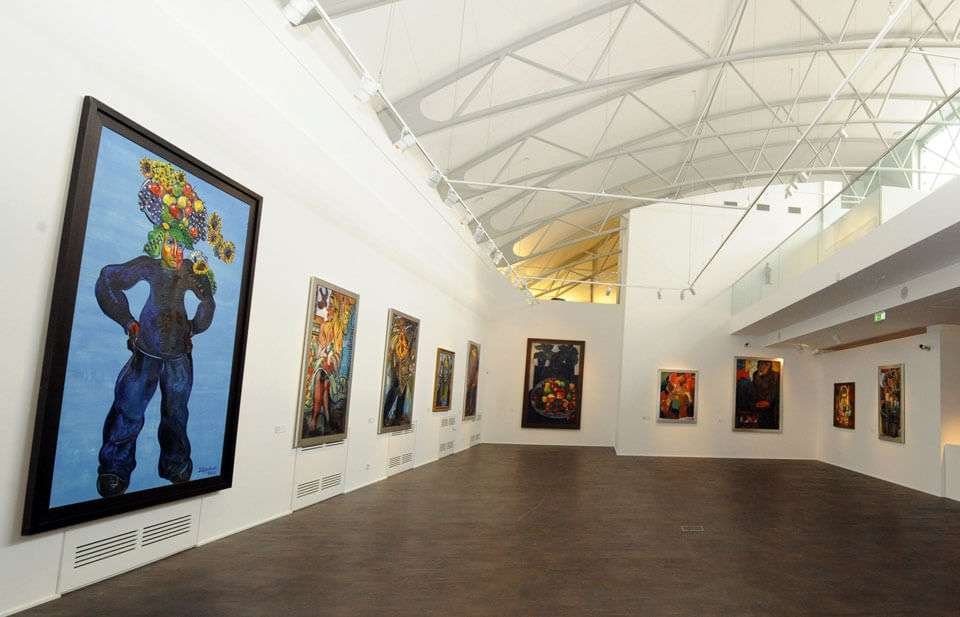
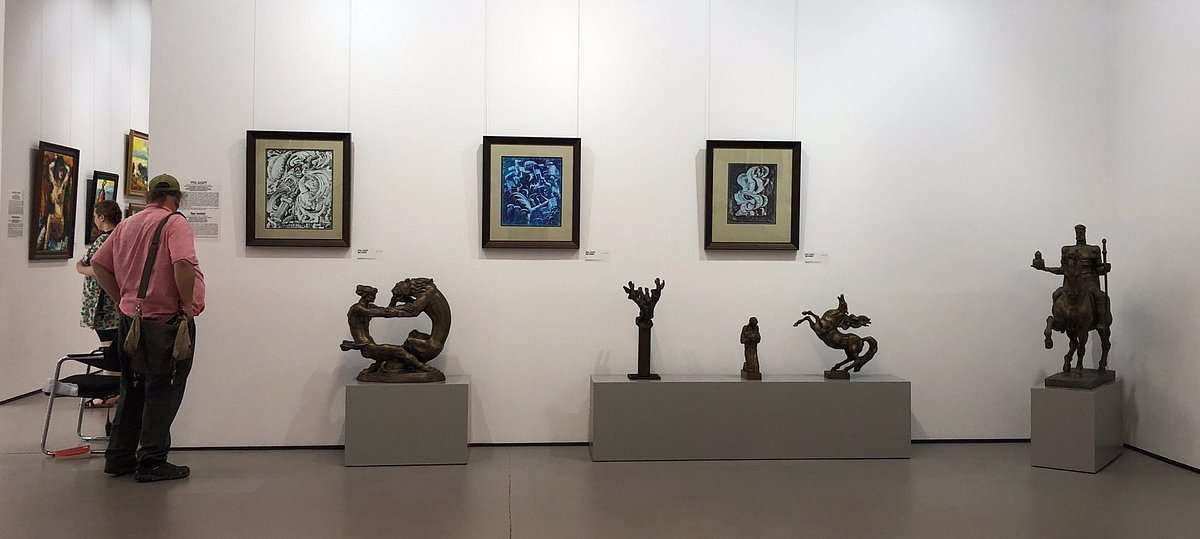
- Georgian Artists. In addition to Pirosmani, there is a collection of works by Lado Gudiashvili and other Georgian masters. This includes easel painting and chamber sculpture.
- European Art. Among the exhibits is a canvas by Lucas Cranach, the German Renaissance artist. There are also works by Ilya Repin and Ivan Aivazovsky.
- Egyptian, Iranian, Indian, Chinese, and Japanese Art. Oriental miniatures form a separate, exceptionally detailed section.
- The Oriental Collection includes carpets and tapestries. Weaving is presented as a distinct art form that requires dedicated time to explore.
- Research and Conservation Laboratory. Operating within the museum, it handles the study and preservation of historical valuables.
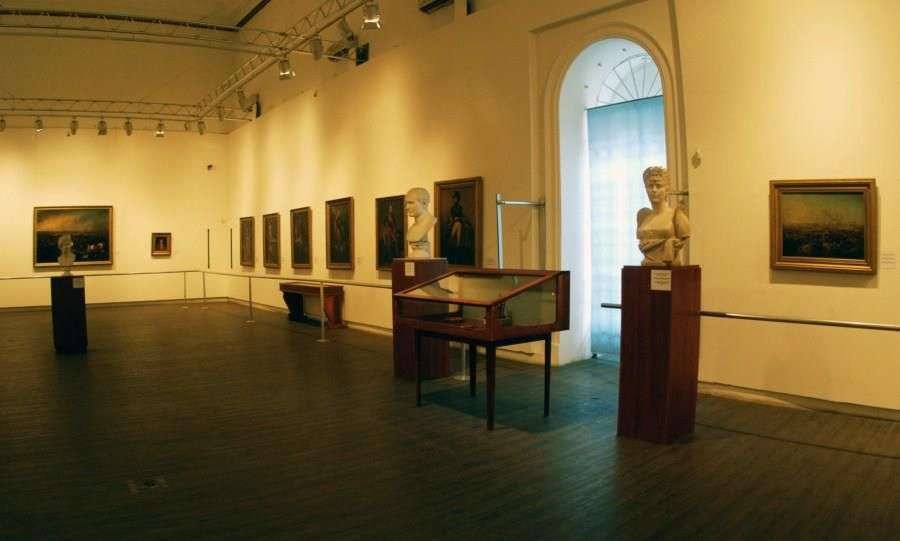
🐱 Marquis — The Museum Cat
The museum has its own living mascot: Marquis the cat, who lives in the building and has long been a favorite of visitors. If you are lucky, you might encounter him strolling through the galleries.
Do not try to cover the whole museum in one visit—40,000 exhibits require several trips. If you only have one day, choose your priorities in advance: either the Treasury (and plan at least an hour for it alone), or Pirosmani, or the European masters. Make sure to look into the cloisonné enamel hall—this is precisely the case where the phrase "the world's largest collection" turns out to be even more impressive in person than it sounds on paper.
🗺️ How to Plan Your Visit
1️⃣ Arrive at opening time—the museum is open daily except Mondays. There are fewer people on weekdays.
2️⃣ Start with the Treasury (Gold Fund)—the most dense and rich section. The Khakhuli Triptych and the cloisonné enamel collection require a peaceful, unhurried viewing.
3️⃣ Move on to the Niko Pirosmani section—give yourself time in front of each canvas. Do not rush.
4️⃣ Explore the European and Russian art section—Cranach, Repin, and Aivazovsky create a fascinating contrast with the Georgian works.
5️⃣ Take a look at the Oriental collection featuring carpets, tapestries, and miniatures.
6️⃣ The museum hosts temporary exhibitions—be sure to check what is on display during your visit.
💬 What Visitors Say
"I was particularly impressed by the presence of works by Niko Pirosmani and Lado Gudiashvili. It's wonderful that the museum is available at such affordable prices. I was pleasantly surprised that admission for children under 6 and people with disabilities is free."
"I visited and was amazed by the collection of works by Georgian artists. An excellent place for art lovers; the medieval icons and Oriental miniatures are especially spectacular."
"The sheer volume of art pieces gathered in one place is staggering. Personally, I am deeply interested in the work of Niko Pirosmani—such a talent who died in poverty. It was only after his death that his paintings were truly appreciated."
"I had also read that in addition to paintings by European masters and monuments of Egyptian, Iranian, Indian, Chinese, and Japanese art, the museum is famous for its exceptionally rich collection of Niko Pirosmani paintings."
🏁 Is It Worth Going?
The Amiranashvili Museum is one of the few places in Tbilisi that warrants multiple visits. A world record in cloisonné enamel, the dramatic history of a treasure in French emigration, the most complete collection of Pirosmani, a 12th-century Khakhuli Triptych, and Lucas Cranach all under one roof. Admission is just three GEL, and it is closed only on Mondays.
ℹ️ The museum is closed on Mondays and public holidays. Please check ticket prices and opening hours prior to your visit, as this information is subject to change. Entrance is free for children under 6 and people with disabilities. The museum is a member of the Georgian National Museum system. Information is current at the time of publication.
Have you been to the Amiranashvili Museum? What left the strongest impression on you—the Treasury, the Pirosmani collection, the cloisonné enamel, or something entirely unexpected? Tell us—we read all your comments ❤️
❓ Frequently Asked Questions
💬 Address: 1 Rustaveli Avenue, Tbilisi—opposite the Parliament building. The building was constructed specifically for the museum; it was designed by Italian architect Giuseppe Berdardacci and commissioned by Georgian philanthropist Yakov Zubalashvili.
💬 The official foundation year is 1920, though the collections began to take shape back in the second half of the 19th century. The museum was originally conceived as a public state collection open to everyone.
💬 The Khakhuli Triptych is one of the paramount masterpieces of medieval Georgian art. It was created in the 12th century during the reign of King David the Builder. The centerpiece is an icon of the Virgin Mary in a gold setting embellished with enamels, pearls, and gemstones. It is kept in the museum's Treasury.
💬 Cloisonné enamel is a technique in which medieval Georgia achieved extraordinary heights. Wire or metal strips formed cells on a plate, which were then filled with colored glass paste. Georgian masters of the 8th–12th centuries brought this art to perfection, and the assembly of these items in the Amiranashvili Museum is recognized as the largest in the world.
💬 The museum preserves the most complete collection of works by Niko Pirosmani (Nikolai Pirosmanashvili, 1862–1918)—the self-taught Georgian artist who died in poverty and was recognized only posthumously. This is the place where you can witness his full journey as an artist rather than seeing isolated works.
💬 In 1921, during their evacuation, the Menshevik government of Georgia temporarily transferred a portion of the museum's gold fund to France. The exhibits only returned to their homeland in 1945 and are now a cornerstone of the permanent exhibition.
💬 An adult ticket costs 3 GEL. Children under 6 and people with disabilities enter free of charge. Discounted rates apply for school students. Please check current prices before your visit. The museum is closed on Mondays and public holidays.
💬 Yes. Among the exhibits is a painting by the German Renaissance master Lucas Cranach, alongside works by Ilya Repin and Ivan Aivazovsky. The Oriental section of the collection spans Egyptian, Iranian, Indian, Chinese, and Japanese art, featuring exceptional miniatures and carpets.

46 comments
Log in to leave a comment
Bütün bu dokular arasında kaybolmak, derin düşüncelere dalmak ve geçmişe bir nebze de olsa tanıklık etmek kocaman bir deneyim. Zaman kavramı yok oluyor burada. 🤯 Kimi zaman hayran kalıyor, kimi zaman da düşündürüyor. Sanatın gücü işte tam burada, belki de en beklenmedik anlarda kendini gösteriyor. Tbilisi'ye yolunuz düştüğünde, bu müzeyi atlamayın. Sadece görsel bir şölen değil, duygusal bir yolculuk. 🔥🖼️