




Vakhtang Chabukiani House-Museum: History, Exhibits, Address
🩰 House-museum · ⏱️ 1–1.5 hours · 📍 Central Tbilisi, near Marjanishvili Square
🩰 Before you visit
| 📍 Location | Central Tbilisi, near Marjanishvili Square. Confirm the exact address before visiting |
| 📅 Founded | 1992. Officially opened 29 April 2003 (International Dance Day) |
| 🎭 Exhibition hall | Opened 27 February 2007 (Chabukiani's birthday). Photos, costumes, mini stage |
| 🎓 Programmes | Educational lectures Tue–Fri, different theme each day |
| 🗓️ Open | Weekdays from Tuesday. Confirm schedule before visiting |
| ⭐ Unique fact | A star in the Cygnus constellation is named after Chabukiani |
🧭 Who this article is for
The Vakhtang Chabukiani museum is one of the few places in the world where the history of ballet can be seen through a single person's life. Not through textbooks and encyclopaedias, but through the costumes he danced in, photographs from rehearsals, and personal effects. Chabukiani is a name the entire ballet world knows. In Tbilisi he is remembered as the founder of the national ballet school. This article is for those who want to understand what to look for in this unusual place.
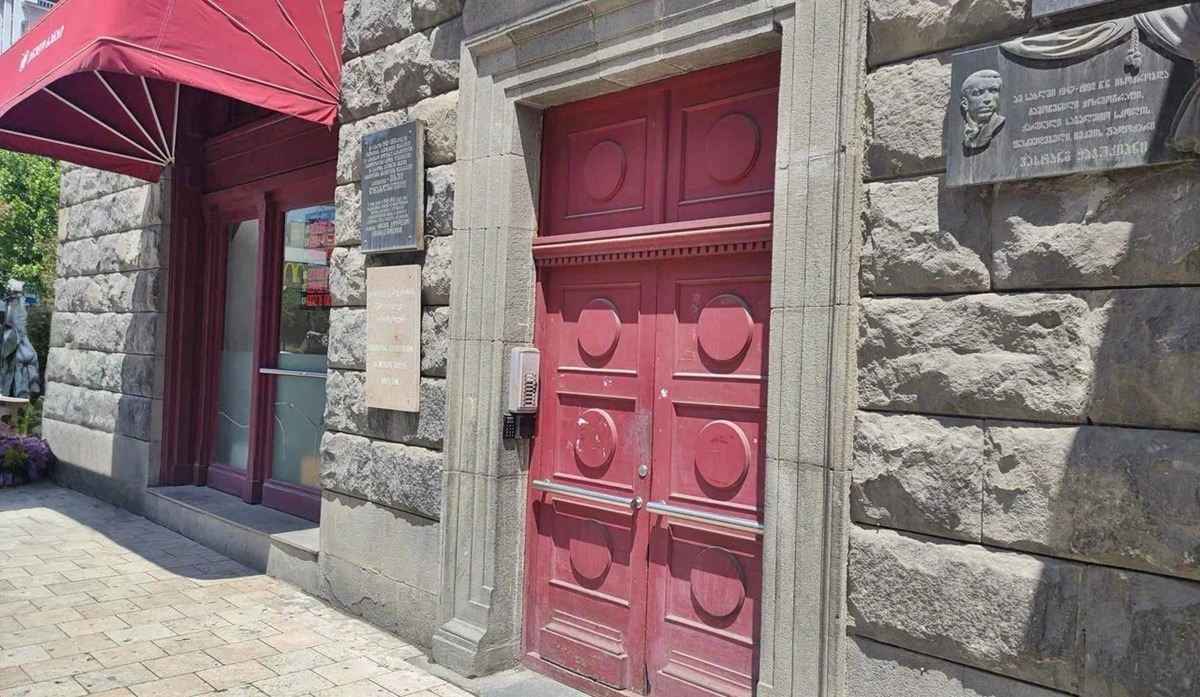
🩰 Vakhtang Chabukiani: biography in a few facts
Vakhtang Chabukiani was born on 27 March 1910 in Tbilisi. His first dance lessons — at teacher Marusia Perini's studio, at 16. Then the Leningrad Choreographic School. In 1929 he joined the company of the Leningrad State Academic Opera and Ballet Theatre (the Kirov, now the Mariinsky).
This is where his world fame began. Chabukiani became one of the greatest Soviet dancers — and the first to fundamentally rethink the role of the man in ballet. Until him, the male part was largely secondary. He made it the centrepiece.
Roles: Romeo, Spartacus, Othello, Laurencia, the Demon. In 1948 he returned to Georgia and became chief choreographer of the Tbilisi State Opera and Ballet Theatre named after Paliashvili — a position he held for almost forty years.
Vakhtang Chabukiani died on 6 April 1992 in Tbilisi.
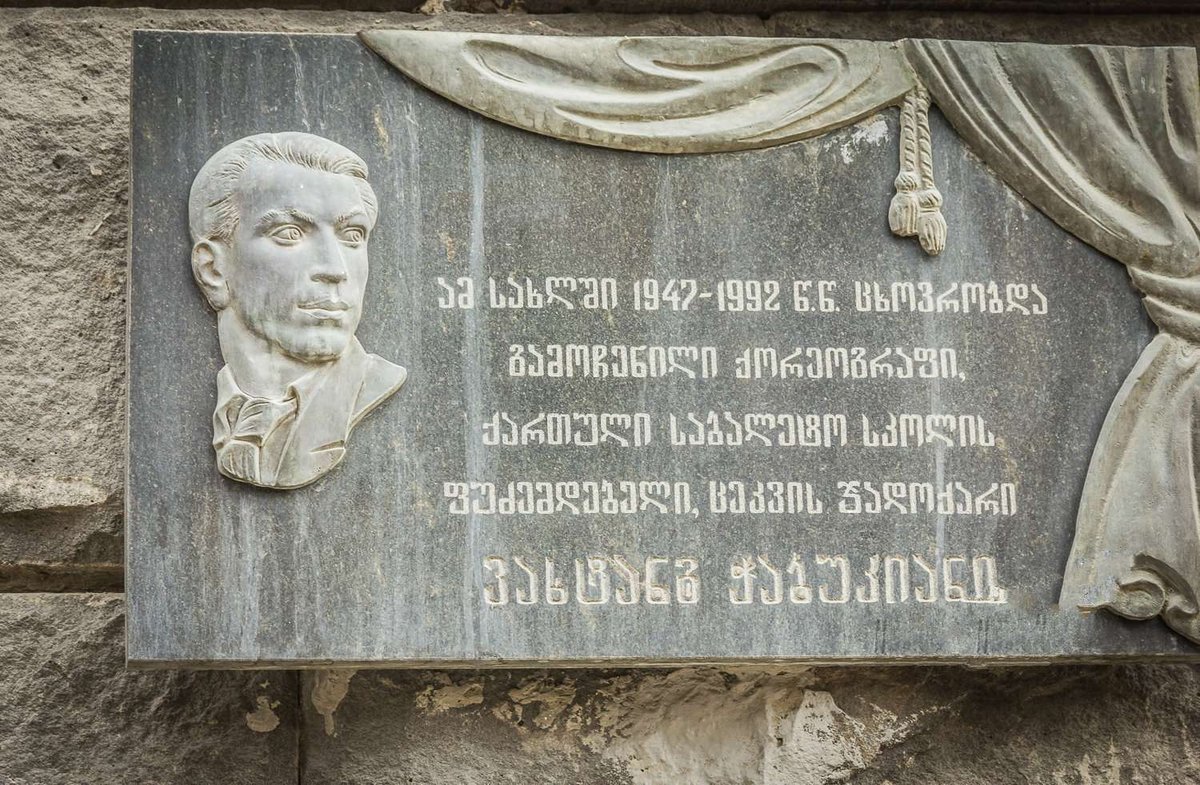
🏛️ What the museum holds
The Vakhtang Chabukiani Memorial House Museum exists in two formats.
🔵 Memorial rooms. Two rooms recreate the space in which the artist lived: furniture, library, piano. The exhibits were donated to the museum by Chabukiani's niece Tamara Gordon from her personal collection. There is no theatrical grandeur here — just the quiet, personal environment of someone who worked very hard.
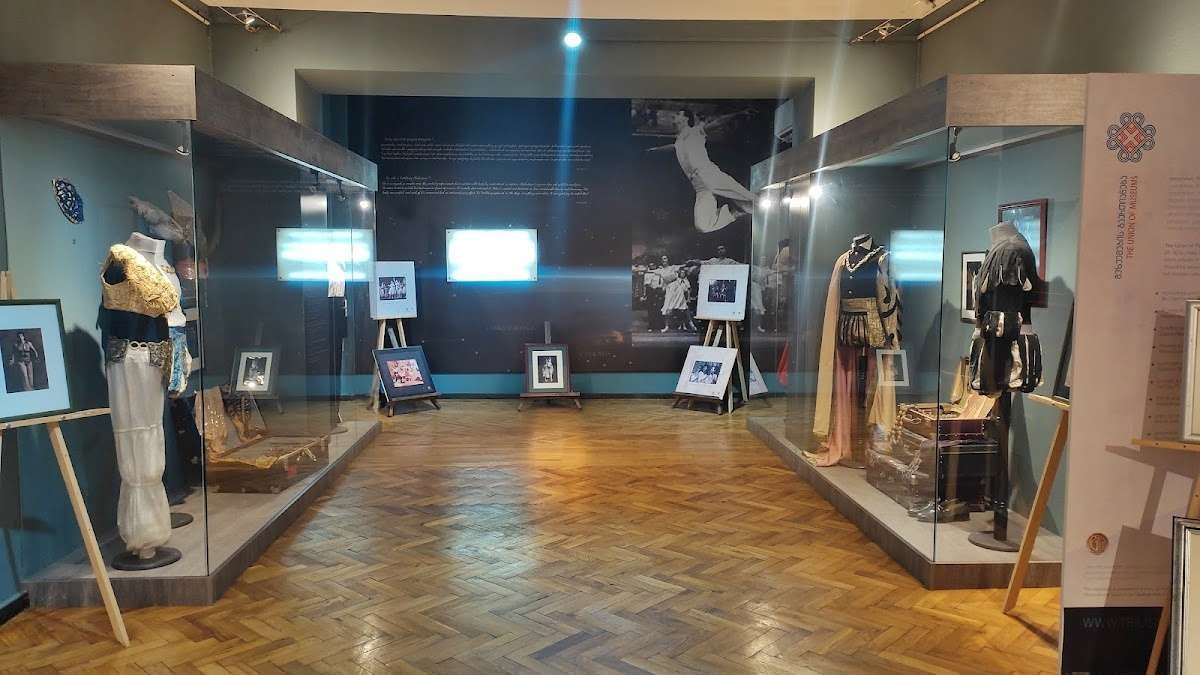
🔵 Exhibition hall. Opened 27 February 2007 — on Chabukiani's birthday. The hall holds a photo collection covering his entire life: childhood, youth, rehearsals, performances, tours. The portraits are arranged thematically.
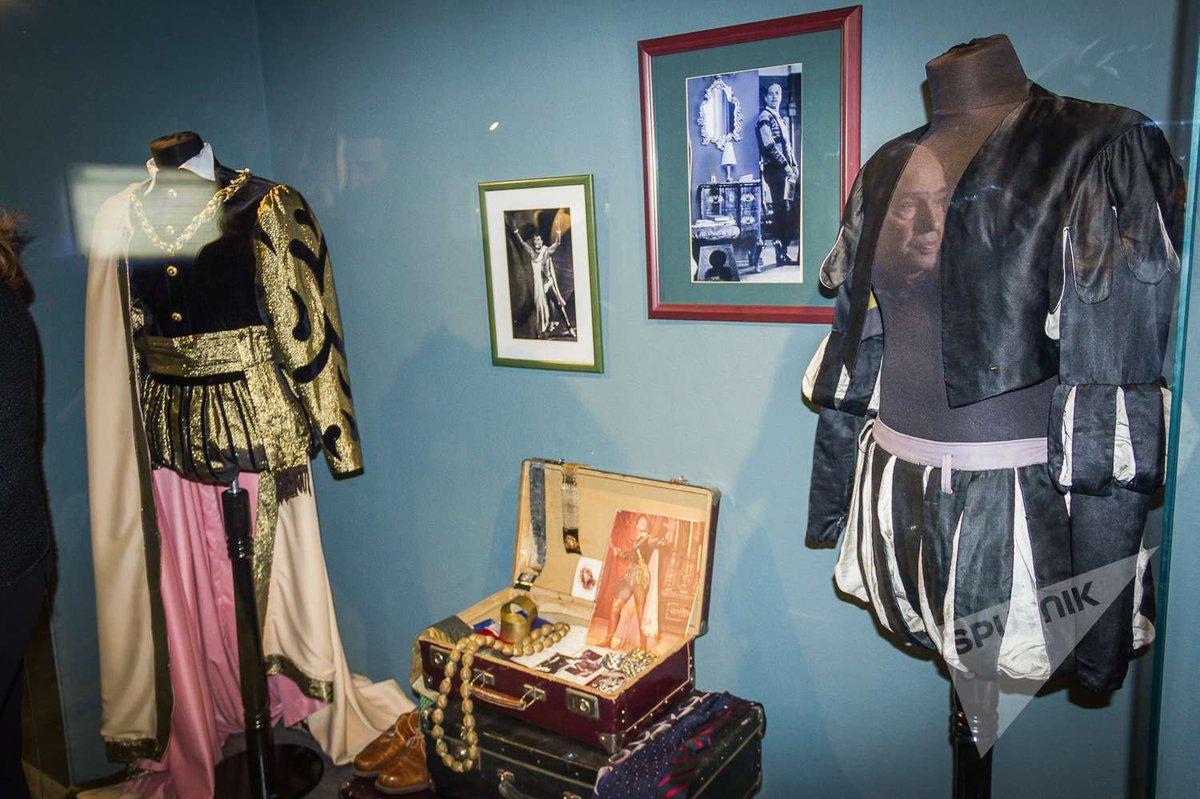
In the hall: stage costumes from his most famous productions. Each costume is a role, a performance, a story. At the end of the hall — a mini stage. At the centre — a life-size photograph of Chabukiani captured mid-movement.
A star in Cygnus
A star in the constellation Cygnus officially bears the name of Vakhtang Chabukiani. Why that particular star, how it happened and what it meant to the artist himself — you can find out at the museum.
Before you visit, find a video of Chabukiani performing — his leaps and the masculine force of his dancing genuinely changed the canons of ballet. When you then see the life-size photograph in the exhibition hall, it will feel completely different. Also check the educational programme schedule in advance — the theme changes every day of the week.
🗺️ How to plan your visit
1️⃣ Start with the memorial rooms — the piano, library and personal effects give a sense of the person behind the legend.
2️⃣ Move to the exhibition hall — look at the photographs in chronological order, from childhood to the peak of the career.
3️⃣ Find the section with stage costumes — pay attention to details: hand embroidery, materials, weight.
4️⃣ Stand before the life-size photograph at the end of the hall — this is where the physical scale of the artist's talent becomes real.
5️⃣ Ask the staff about the story of the star in Cygnus — it's not obvious from the exhibition but it's a striking detail.
💬 What visitors say
"The Chabukiani museum is a unique place where you can learn about his life and work and see various exhibits connected with his artistic activity. There is a lot to see here."
"The calmness that reigns here and the somewhat theatrical environment harmonise well with each other. The museum receives official representatives of foreign states — that speaks to its significance."
"The life-size photo of Chabukiani stays with you. You understand what an extraordinary artist he was."
🏁 Is it worth going
The Chabukiani House Museum appeals not only to ballet fans. It's the story of a man who changed the rules of his art and remained devoted to his home city. A mini stage, a star in outer space, a piano in a quiet room. In an hour and a half you can grasp something of what makes Georgian culture distinctive.
ℹ️ Opening hours: weekdays from Tuesday. The exact address and educational programme schedule should be confirmed before your visit. Information is current at the time of publication.
🏛️ What to see and where to go nearby


Have you visited the Vakhtang Chabukiani Memorial House Museum? What stayed with you most — the photo collection, the stage costumes, the mini stage, or the story of the star in Cygnus? Tell us — we read every comment ❤️
❓ Questions people ask most often
💬 Vakhtang Chabukiani (1910–1992) was one of the greatest dancers of the 20th century, People's Artist of the USSR, and the founder of the Georgian national ballet school. He danced at the Kirov (Mariinsky) and Bolshoi theatres and from 1948 was chief choreographer of the Tbilisi Opera and Ballet Theatre. He created the ballets "Laurencia," "Othello," "The Demon" and others.
💬 In central Tbilisi, near Marjanishvili Square. Confirm the exact address before your visit — the museum is open on weekdays from Tuesday.
💬 The museum was founded in 1992. Officially opened on 29 April 2003 — International Dance Day. The exhibition hall opened on 27 February 2007, timed to the anniversary of Chabukiani's birthday.
💬 Yes. A star in the constellation Cygnus officially bears the name of Vakhtang Chabukiani. The story behind this is part of the museum's exhibition.
💬 Two memorial rooms with personal effects (furniture, piano, library), donated by his niece Tamara Gordon. The exhibition hall: a photo collection from childhood to the career peak, stage costumes, a mini stage, and a life-size photograph. Rare recordings of his performances.
💬 Yes. Educational programmes run on weekdays from Tuesday to Friday, with the theme changing each day. For example, Tuesday has "Oh, Fashion, Fashion" and Thursday "In Ballet a Fairy Tale is Reborn." Check the current schedule before visiting.
💬 The memorial rooms were founded on items donated by Chabukiani's niece Tamara Gordon from her personal collection.

30 comments
Log in to leave a comment
Я мечтаю погрузиться в это место, пройтись по тем самым комнатам и почувствовать, как будто я увидел его танец. Тбилиси такой живой! Надеюсь, когда смогу выбраться в город, музей станет одной из первых точек на моём маршруте. Как же здорово, что такие места есть, позволяющие прикоснуться к культуре. Спасибо за такой чудесный рассказ!