




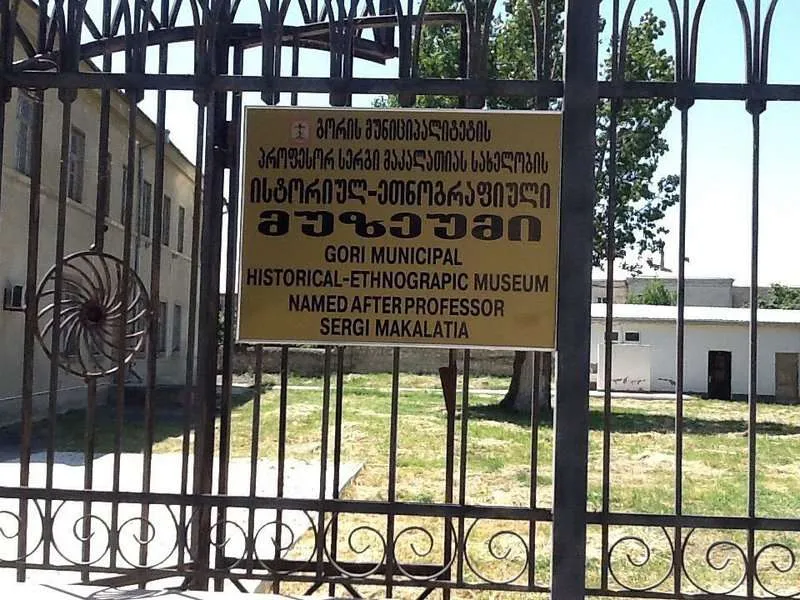
Sergi Makalatia Historical and Ethnographic Museum in Gori
The museum was founded in 1935 on the initiative and through the efforts of Georgian scholars Ivane Javakhishvili, Sergi Makalatia, and Joseph Kipshidze.
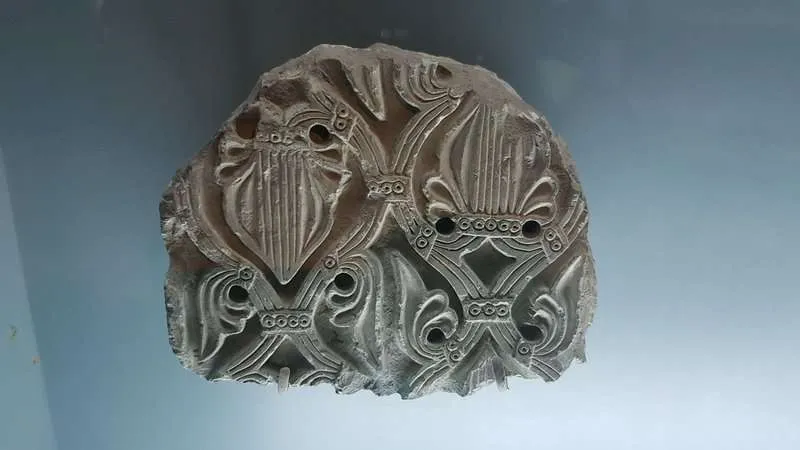
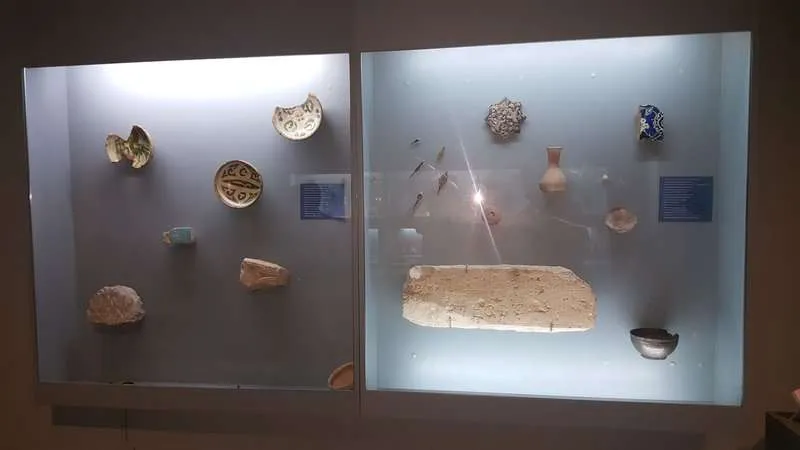
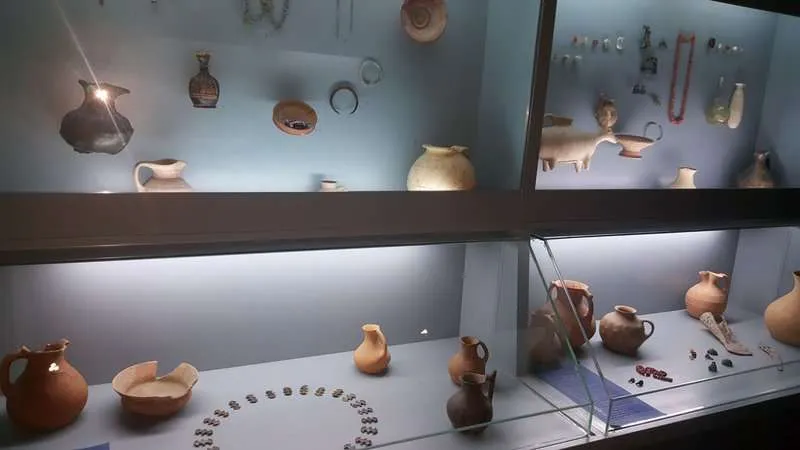
The museum's main collections were based on materials obtained during field expeditions and scientific research in Shida Kartli. The cultural heritage artifacts housed here are diverse and include important monuments of the material and spiritual culture of Georgia, the Middle East, and Western Asia.
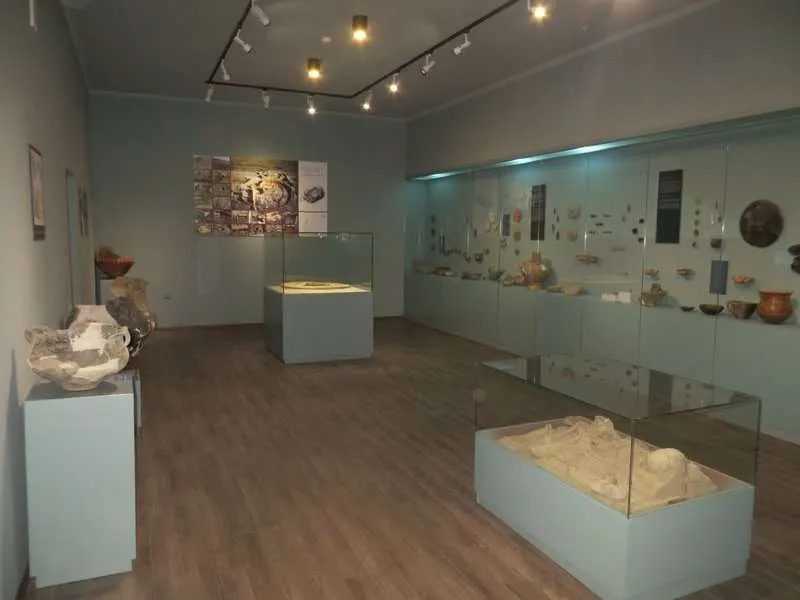
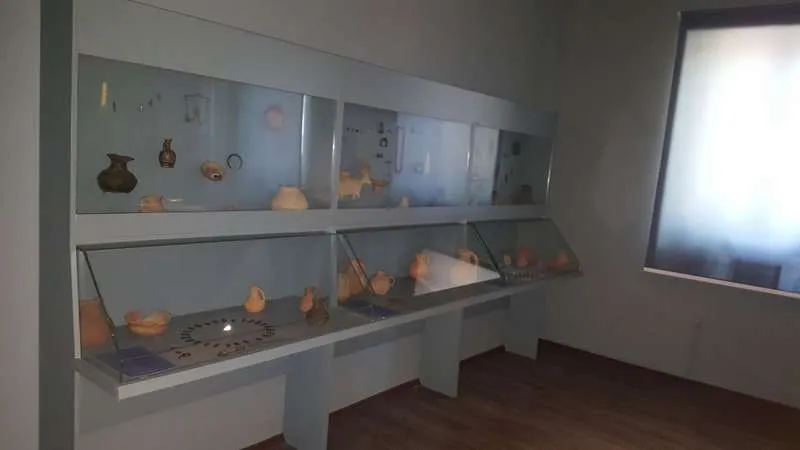
The museum houses and displays rich archaeological, ethnographic, and numismatic collections; examples of applied and fine art; Georgian and Arabic epigraphic monuments; manuscripts and early printed books; royal documents and charters; photo archives; a research library; and periodicals.
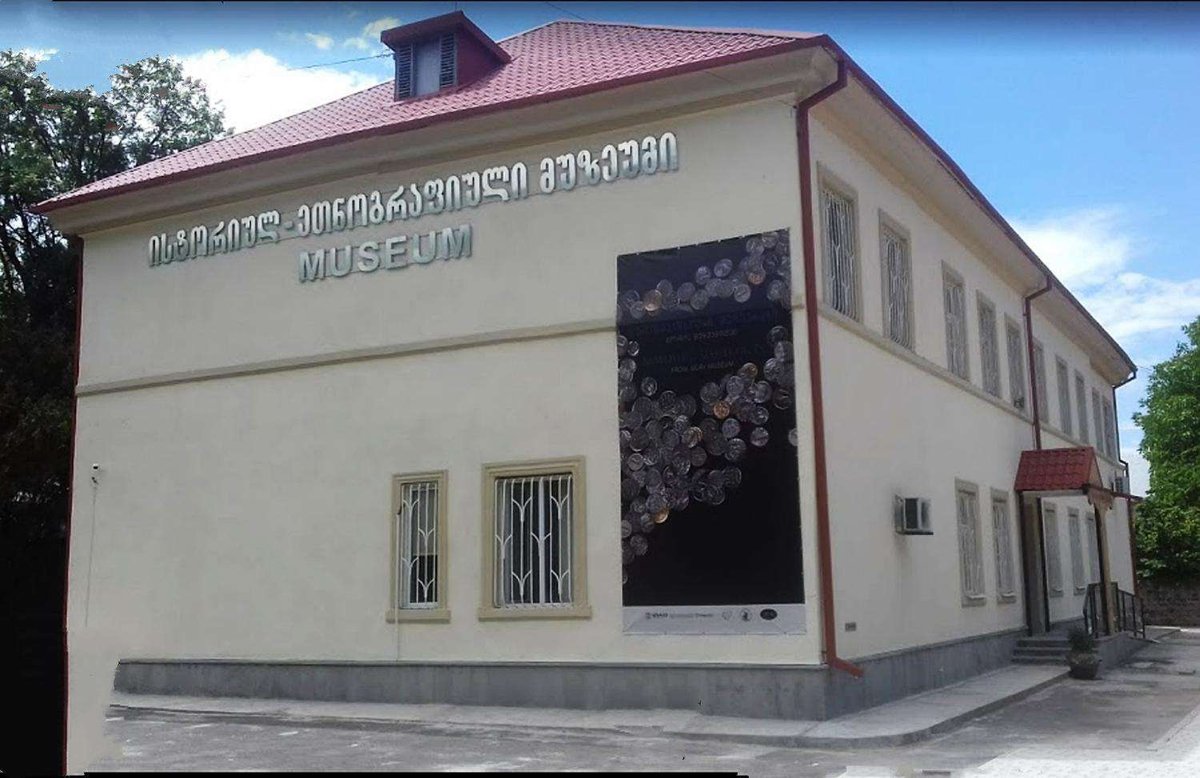
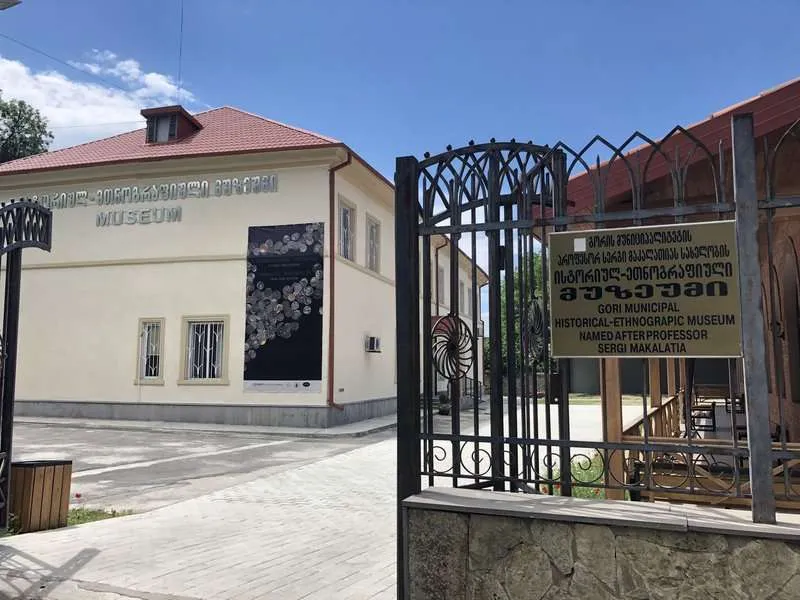
The Sergi Makalatia Historical and Ethnographic Museum is located in Gori, Georgia, and is renowned for its unique collection of archaeological and ethnographic artifacts. Founded in 1935 by Georgian scholars Ivane Javakhishvili, Sergi Makalatia, and Iosif Kipshidze, the museum is an important cultural center for the region and attracts tourists from around the world.
The museum's collections are based on materials obtained through field expeditions and scientific research conducted in Shida Kartli. These materials include unique collections discovered during archaeological excavations, graphic collections, applied art exhibits, manuscripts and printed books, and much more. The museum's exhibition features rich archaeological, ethnographic, and numismatic collections; examples of applied and fine art; Georgian and Arabic epigraphic monuments; manuscripts and early printed books; documents and royal charters; photo archives; a research library and periodicals.
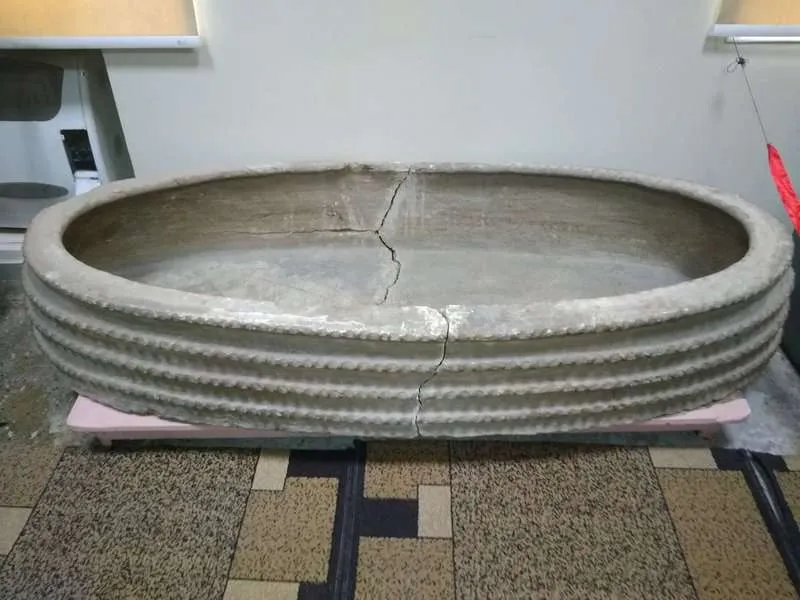
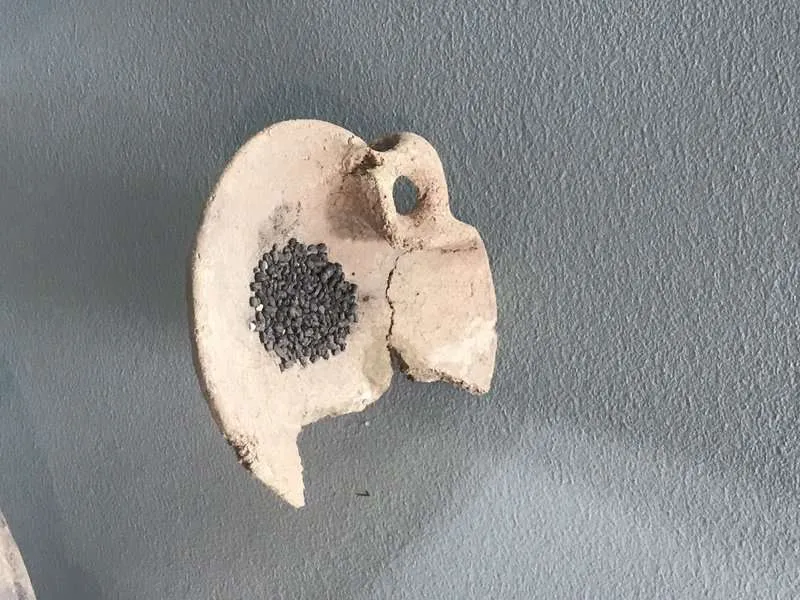
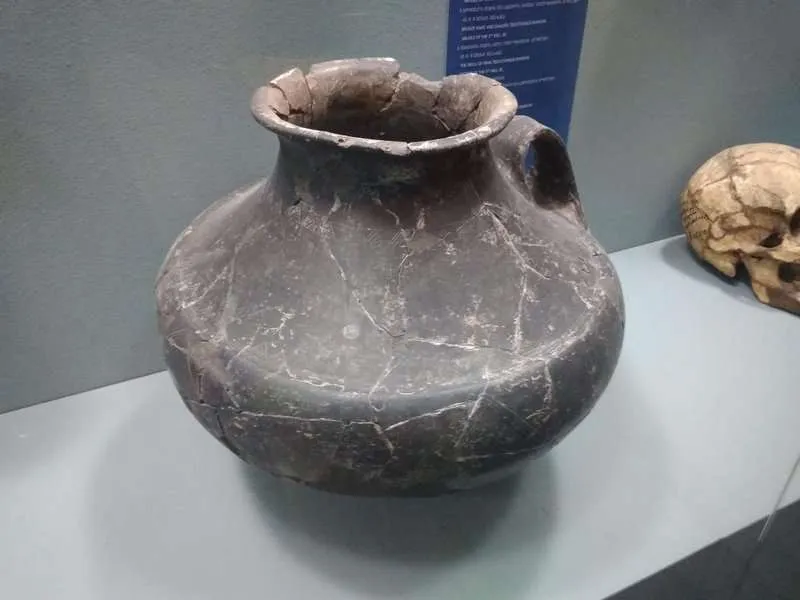
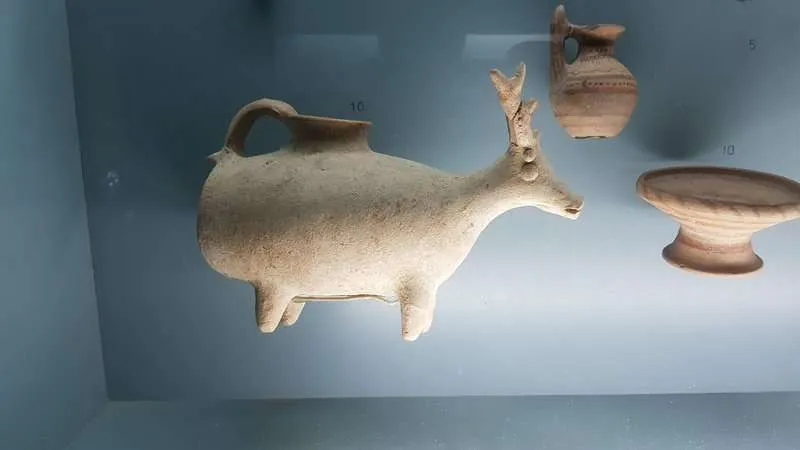
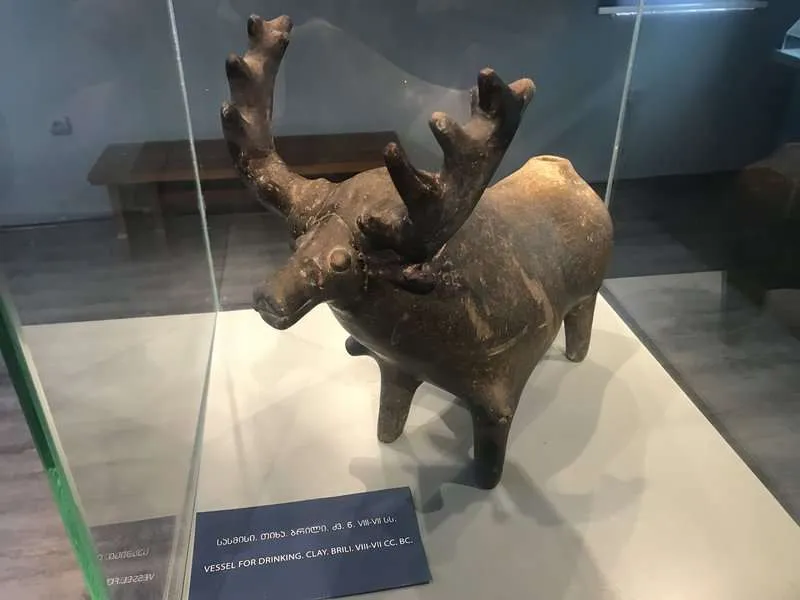
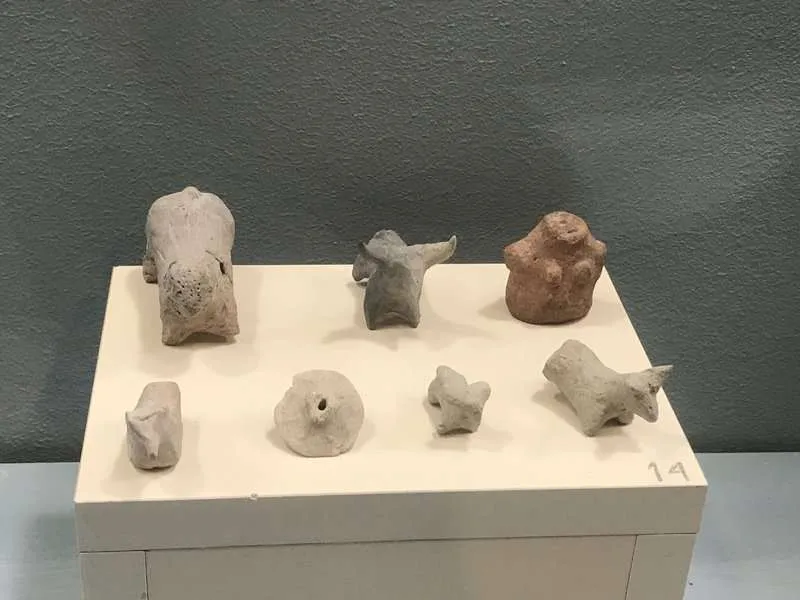
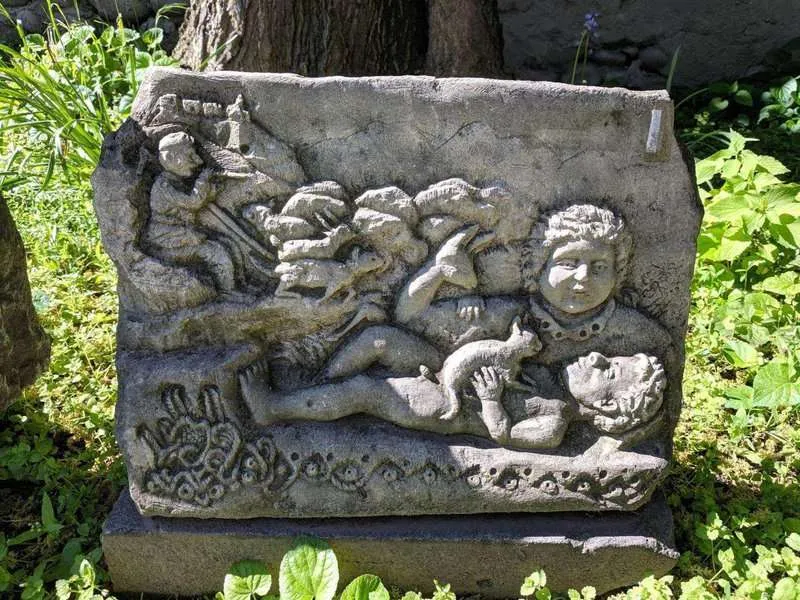
The museum is home to a variety of unique exhibits, including statues, ceramics, tools, jewelry, as well as books and manuscripts documenting Georgia's history and cultural heritage. One of the most striking exhibits in the museum is a collection of ceramic heads found during archaeological excavations in Georgia. These heads, representing various ethnic groups, are a clear example of the region's rich cultural and historical diversity.
Furthermore, the museum has a rich photo archive documenting Georgia's history and cultural heritage. The photographs depict the life and culture of the Georgian people throughout history and are an important source for studying Georgia's history.
Interestingly, the museum's collection also includes artifacts related to the various religions that have been present in Georgia throughout history. These exhibits demonstrate the influence of various cultures and religions on Georgian culture and history.
One of the most striking exhibits in the museum is a recreation of an ancient Georgian temple discovered during archaeological excavations. This temple was built in the 4th-5th centuries AD and showcases the unique architecture and art of that time.
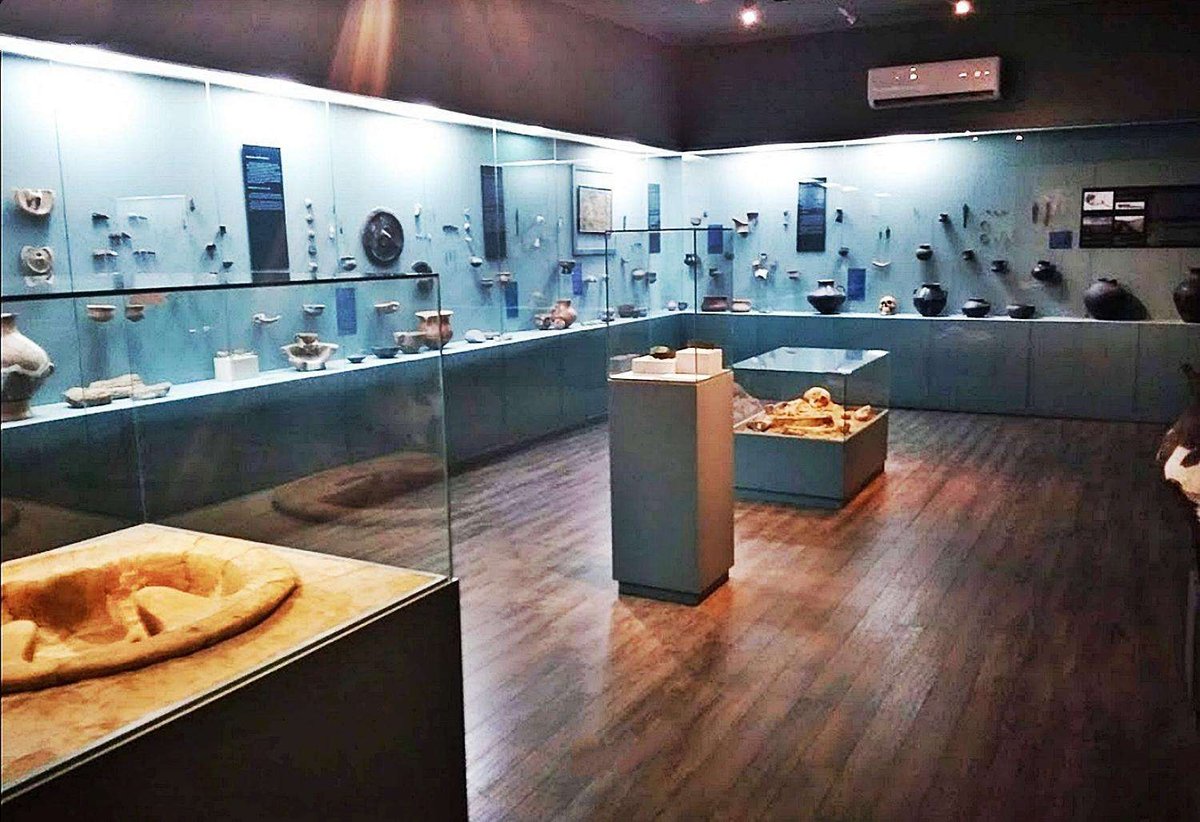
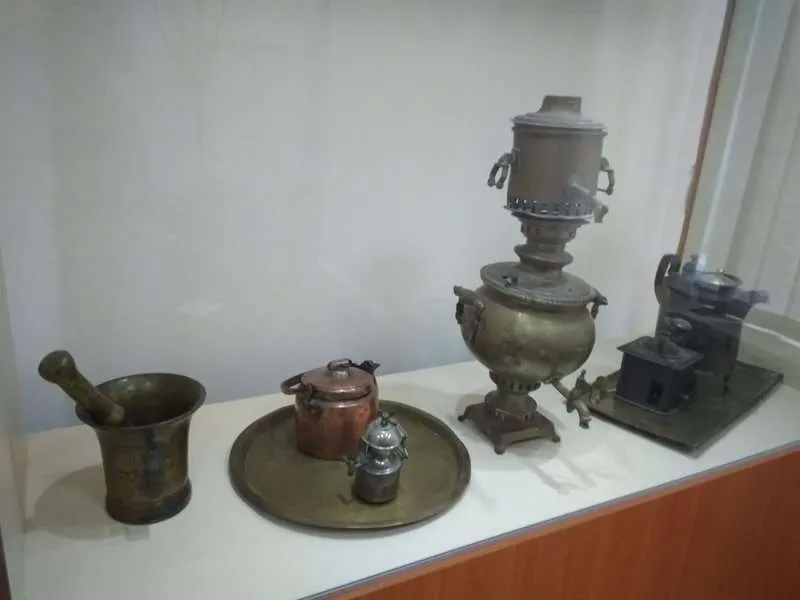
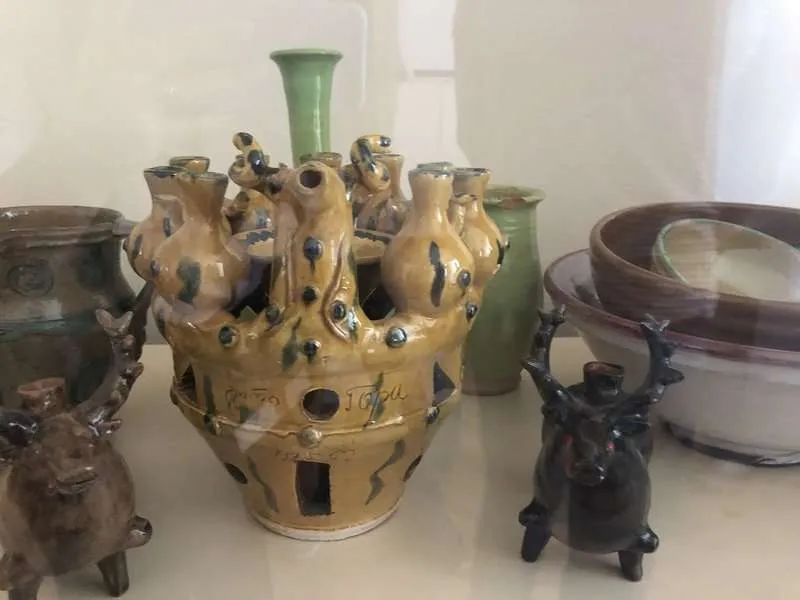
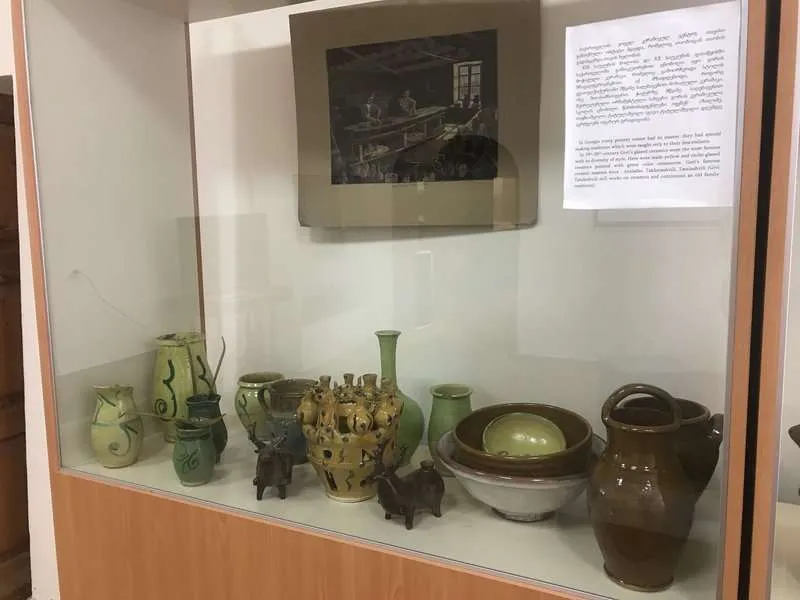
The museum also features numerous exhibits related to Georgian cuisine and folk crafts. The exhibition features traditional Georgian kitchen utensils, such as tandoors and dough mixers, as well as folk crafts such as pottery, carpets, and carvings.
One of the museum's most valuable exhibits is the "Marjanguli" manuscript, written in 1742 in Georgian. This manuscript is an important source for the study of Georgian literature and history, and demonstrates the beauty of Georgian writing of the time.
The museum also has a large collection of Georgian folk songs, collected over many years in various regions of Georgia. These songs are an important part of Georgian culture and history and reflect the folk customs, traditions, and way of life of the Georgian people.
The Sergi Makalatia Museum is one of the most important historical and ethnographic museums in Georgia, a true treasure trove of the region's cultural heritage. The museum displays artifacts from various eras and cultural traditions, from prehistoric times to the present day.
The museum is located in the city of Gori, which is located in the historical region of Shida Kartli in eastern Georgia. Gori, known in ancient times as Goris-Kortkhoni, was one of Georgia's most important centers during the Middle Ages. Fortresses and castles were key during wars and conflicts, as well as important hubs for trade and cultural exchange.
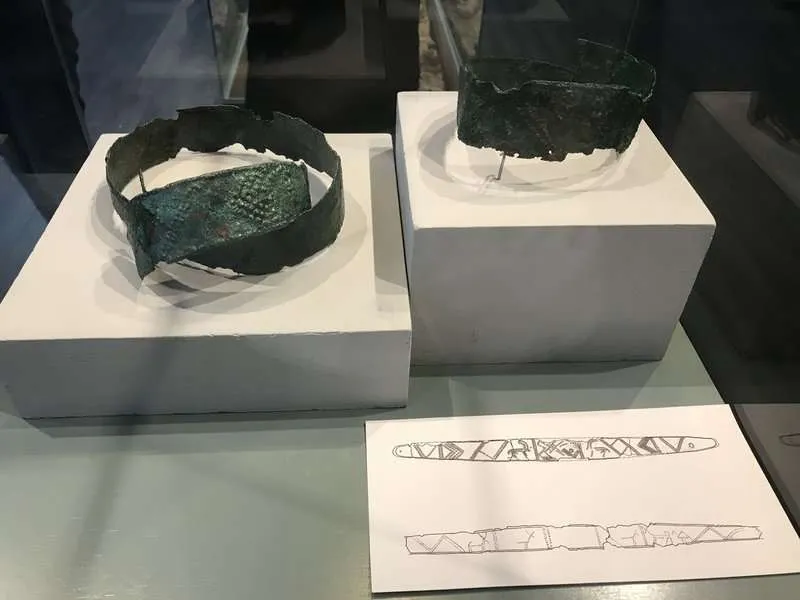
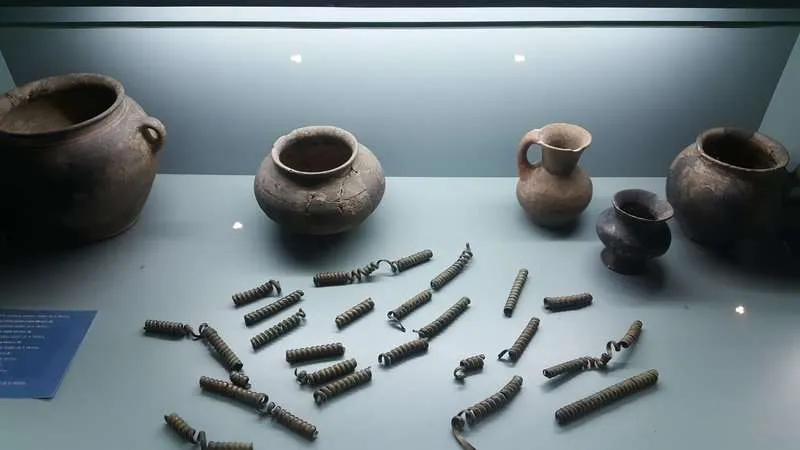
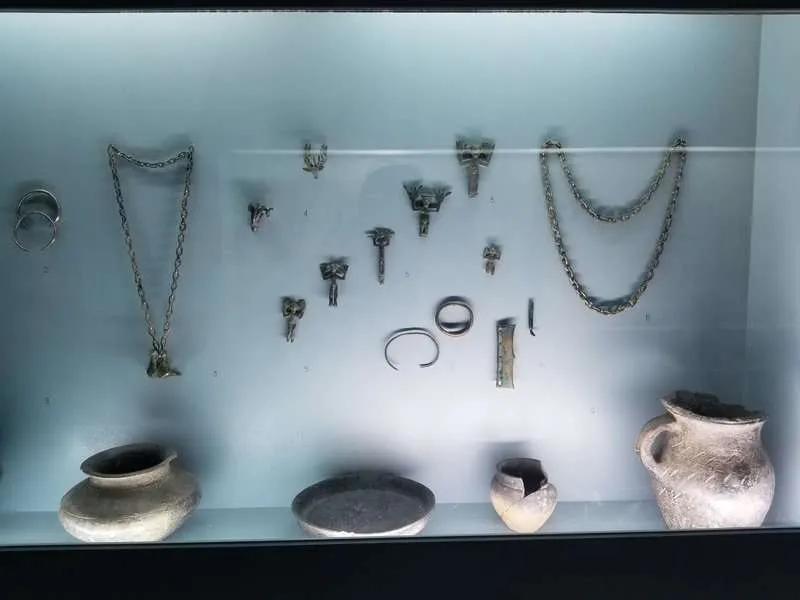
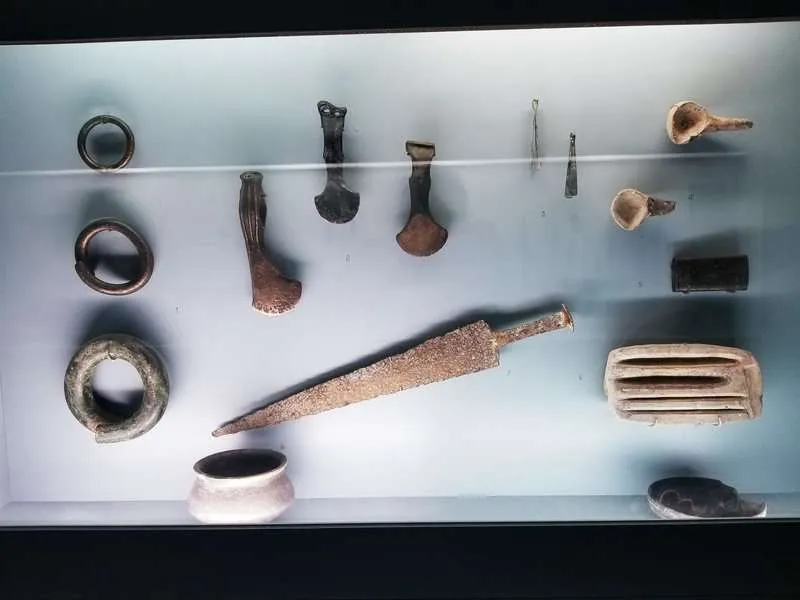
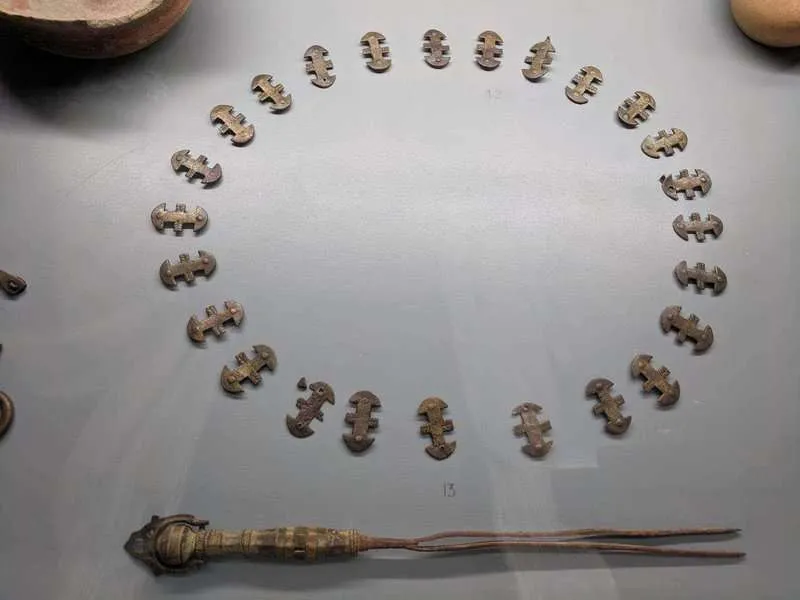
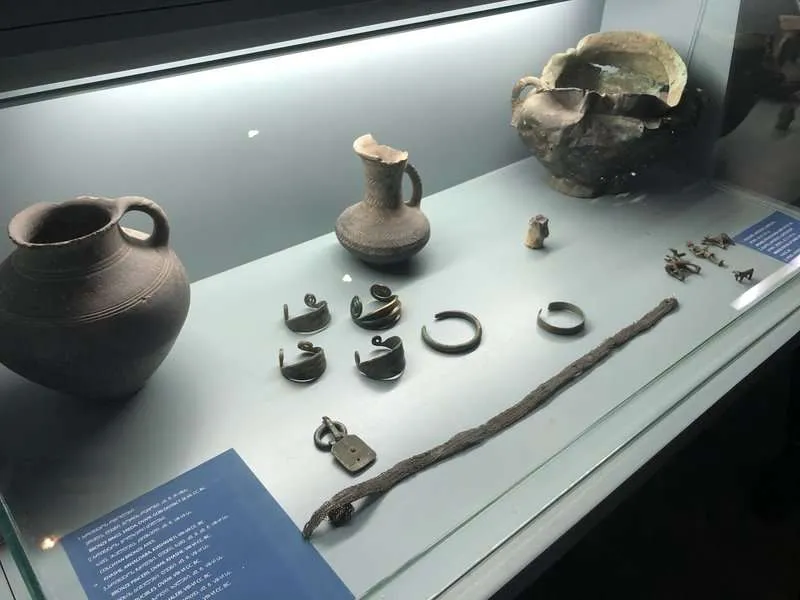
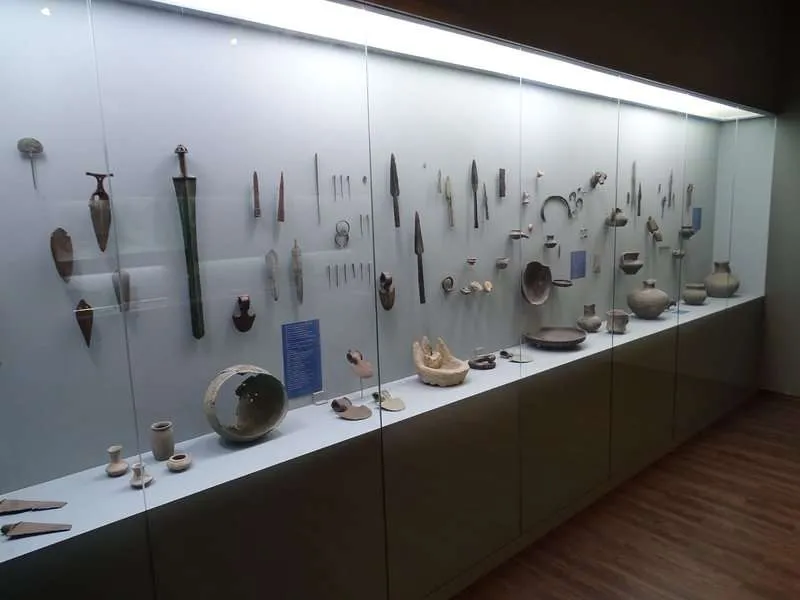
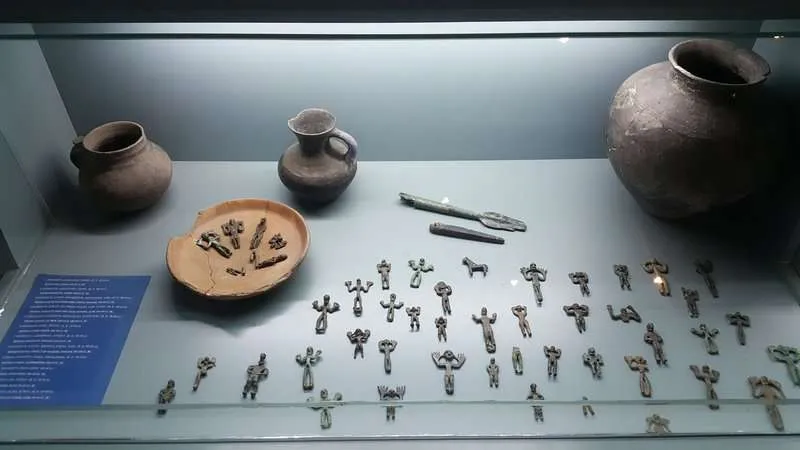
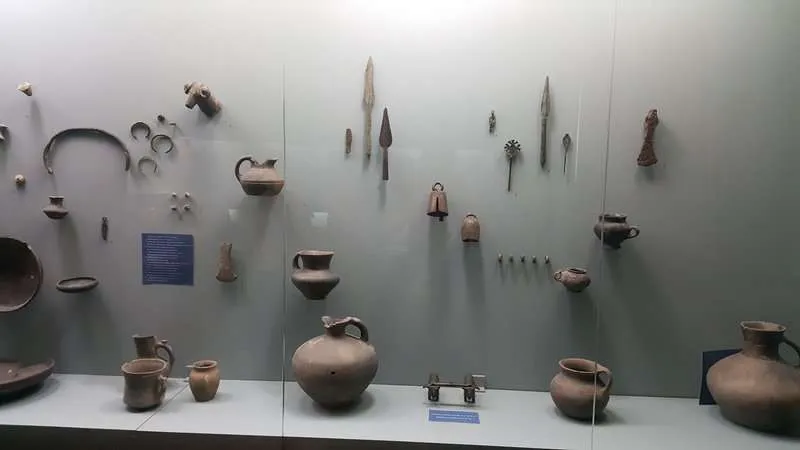
One of the museum's most famous exhibits is a collection of bronze and iron artifacts found in various parts of Shida Kartli. These objects were used as weapons, tools, and jewelry, and reflect the diversity of technologies and crafts of the region's ancient societies.
The museum also features a rich collection of Georgian and Arabic epigraphic monuments, manuscripts and early printed books, royal charters, and documents relating to the history of Georgia. These documents and artifacts provide a unique opportunity to study the history of Georgia and its cultural heritage.
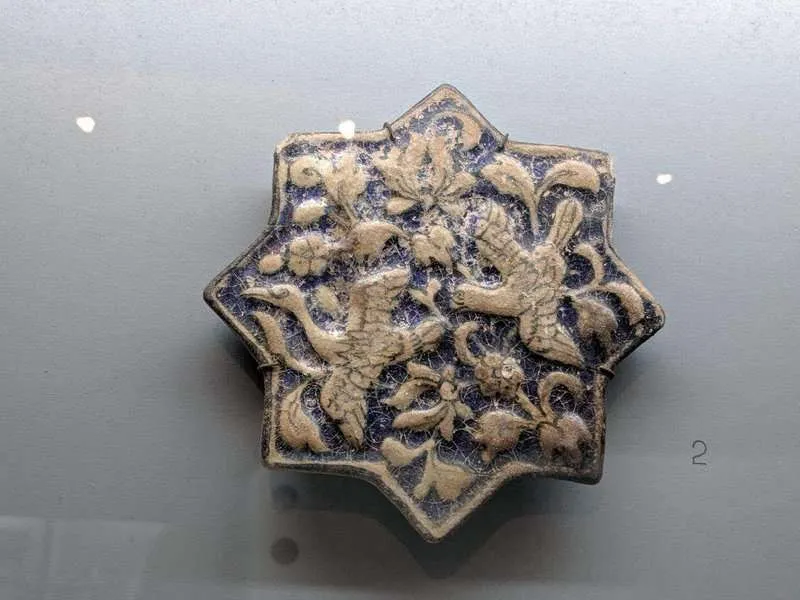
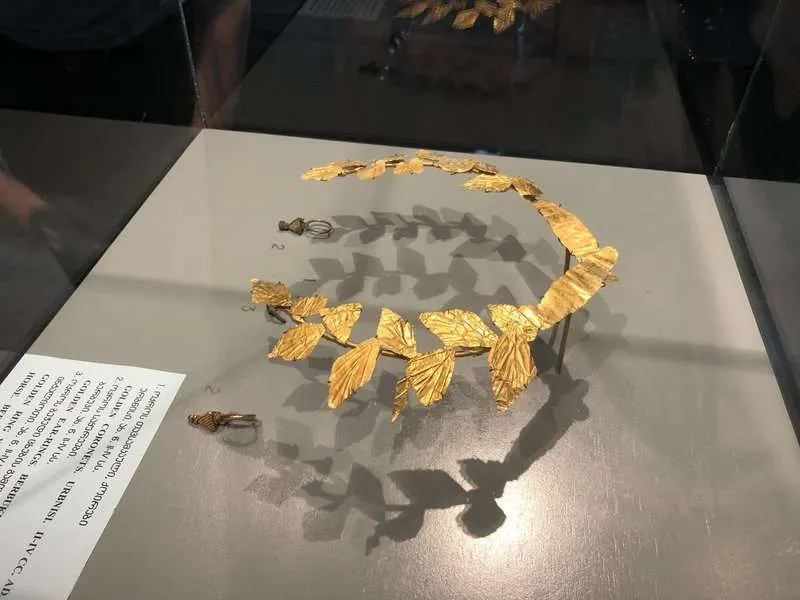
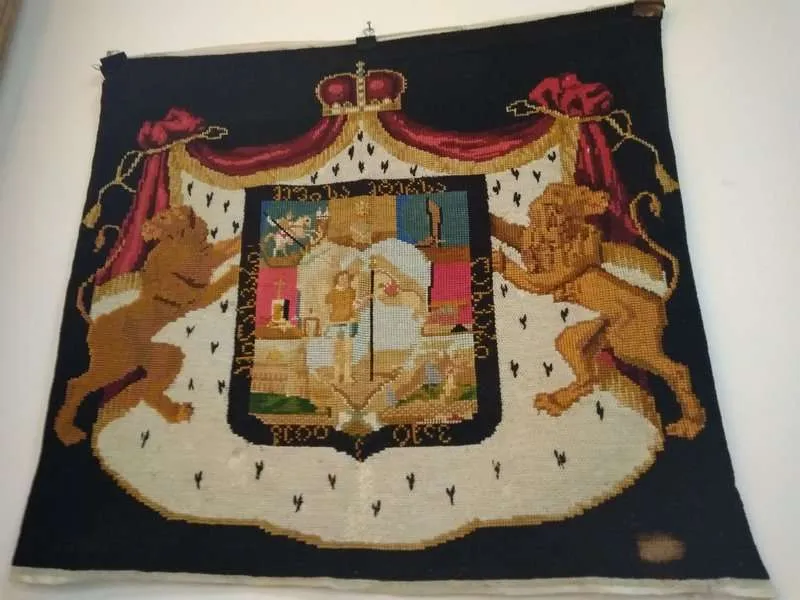
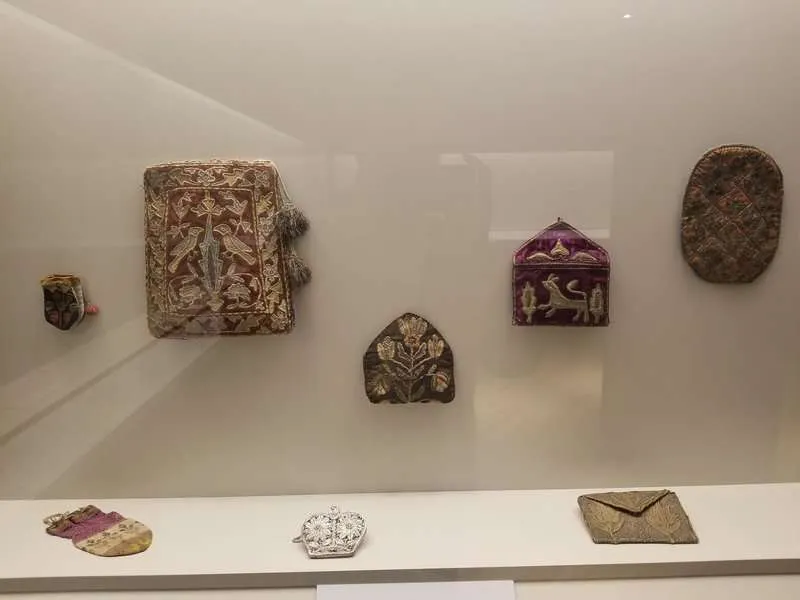
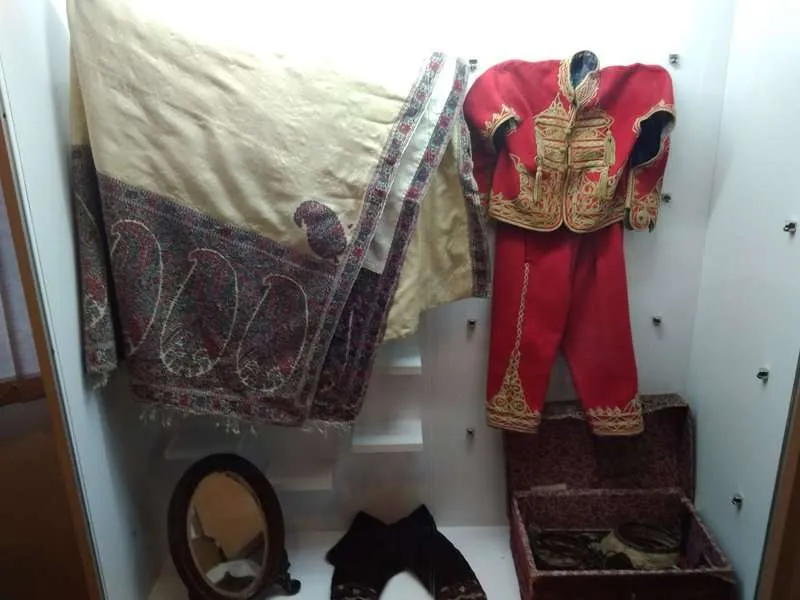
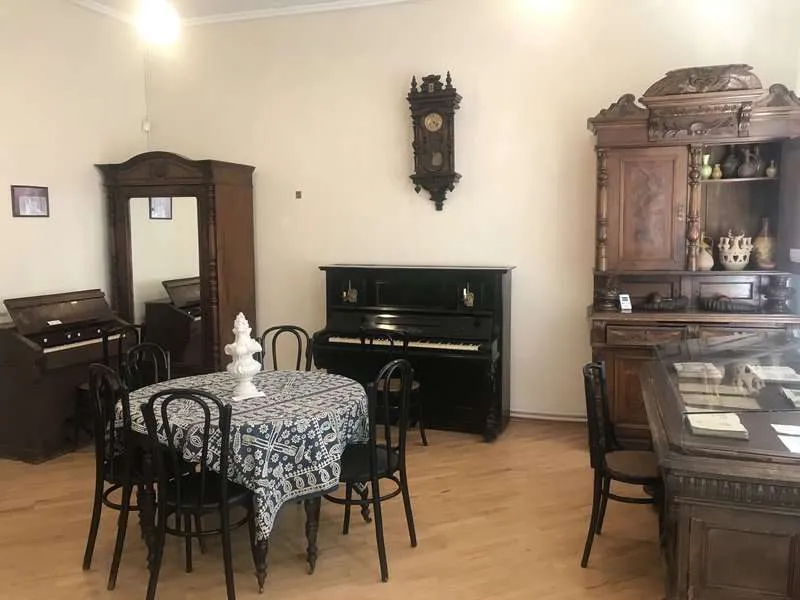
The Sergi Makalatia Museum is also renowned for its collection of applied and fine arts. Here, you can see luxury items such as carpets, textiles, silver, gold, porcelain, ceramics, jewelry, and much more, reflecting the mastery of Georgian artisans and artists of various eras and styles.
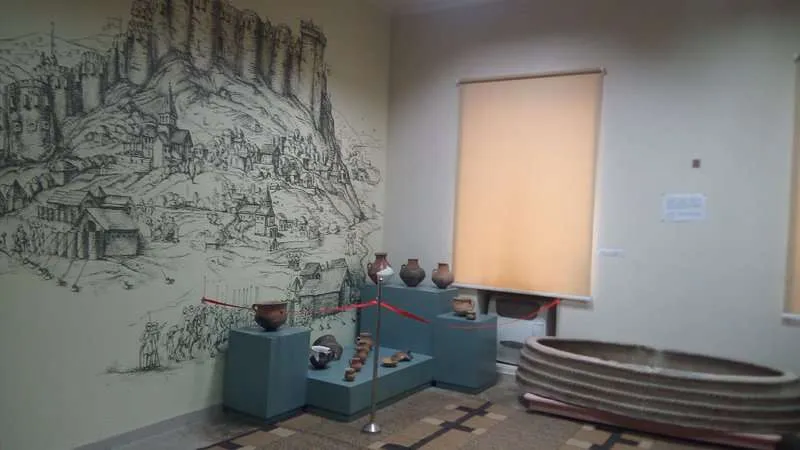
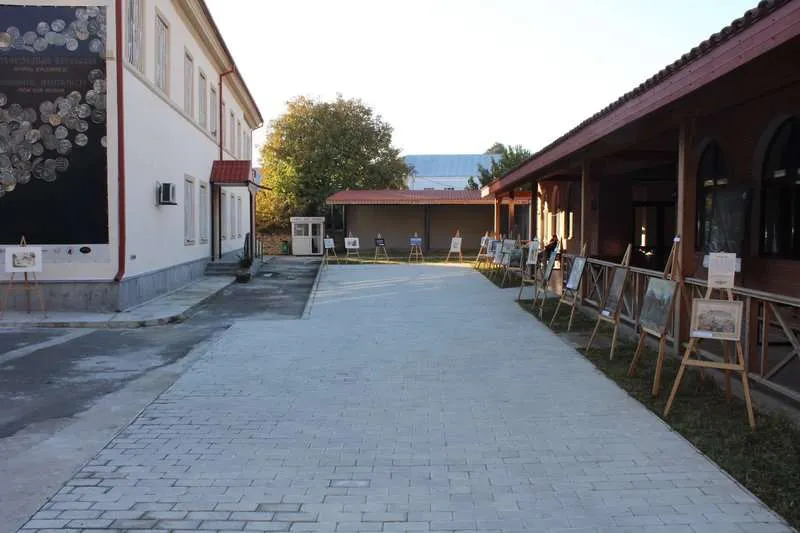
One of the museum's most interesting sections is the collection of graphic works, including paintings, engravings, and photographs. These exhibits illustrate how the perception and depiction of Shida Kartli has evolved over various eras and periods.
For example, photographs and engravings from the early 20th century show what Uplistsikhe Mountain looked like before the fortress was reconstructed there in the 1970s. Paintings and drawings from later periods depict beautiful landscapes and fortresses that were restored at various times.
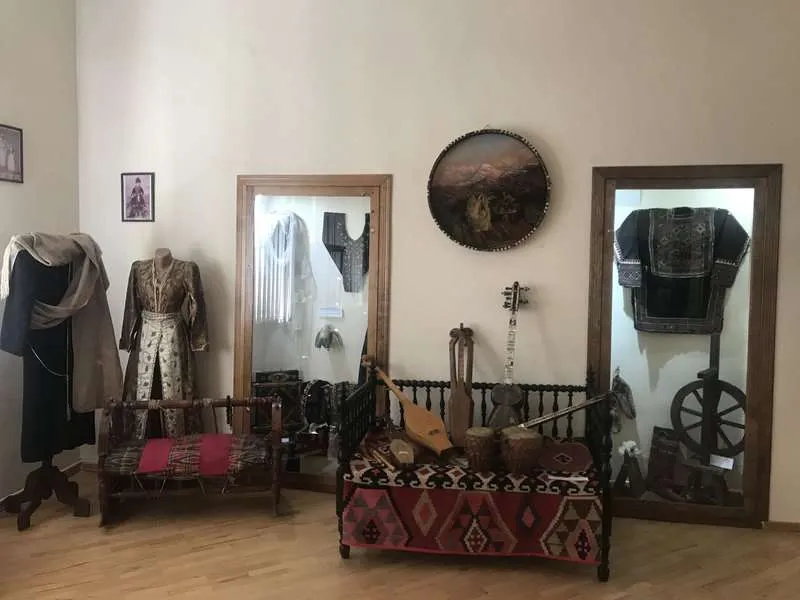
Another interesting section of the museum is the applied arts collection, which includes various household items created by Shida Kartli artisans. These exhibits illustrate the appearance of household items and clothing among the region's inhabitants during different historical periods.
The museum also has a significant collection of manuscripts and early printed books. Among them are books written in Georgian, Arabic, and Persian. Many of these are of historical value and reflect the region's cultural heritage.
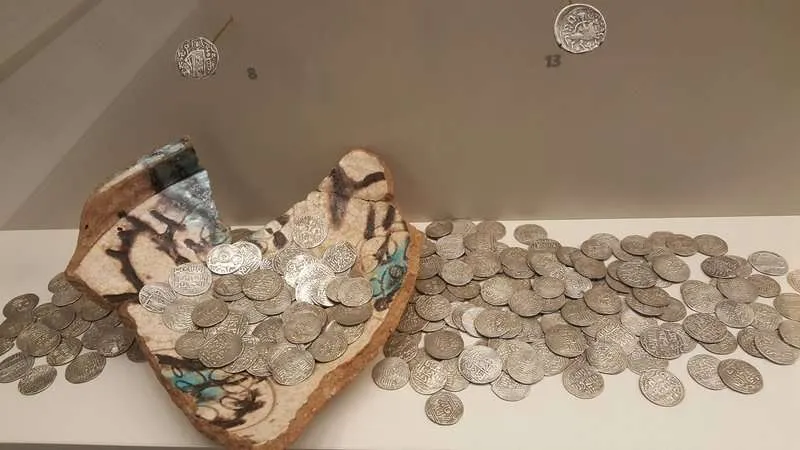
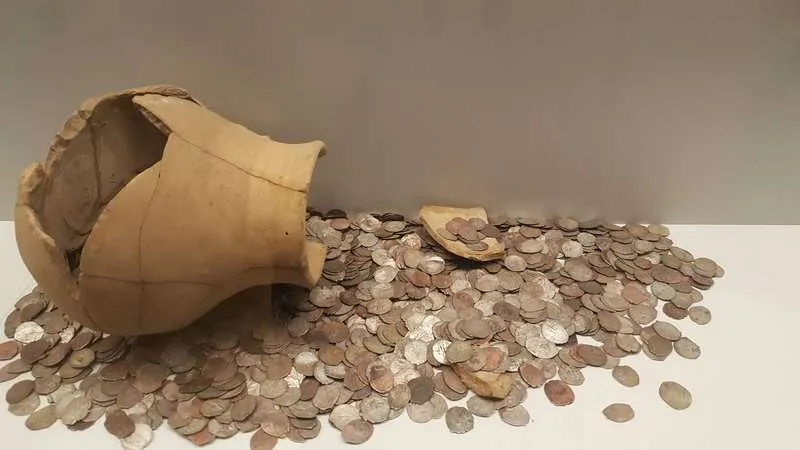
Furthermore, the museum has a collection of numismatic exhibits, including coins and medals used during various periods in the history of Shida Kartli and Georgia. These exhibits are an important source of information on the region's trade and economy during various historical periods.
The museum also contains a significant collection of documents, charters, and royal letters related to the history of Shida Kartli and Georgia as a whole. These include documents signed by the kings of Georgia, as well as correspondence between representatives of the Georgian government and foreign diplomats.
The museum also has a research library and archives containing numerous scholarly works and studies devoted to the history of Shida Kartli and Georgia. This archive is an important source of information for researchers and historians.
Overall, the Sergi Makalat I Historical and Ethnographic Museum in Gori is not only a place to learn more about the rich history of Shida Kartli and Georgia as a whole, but also a center for scientific research and the educational and cultural development of the region. The museum regularly hosts various events, such as exhibitions, conferences, seminars, and lectures, dedicated to the history and culture of Georgia and Shida Kartli, making it an important cultural and educational center for the region.
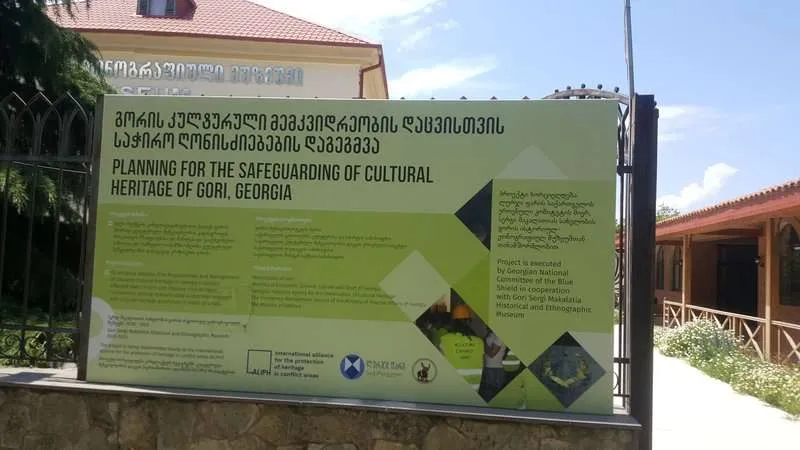
One of the museum's main goals is to preserve and present the region's rich cultural heritage. Thanks to the efforts of the museum's staff and support from government agencies, the museum is constantly updating its exhibitions, expanding its collections, and introducing new technologies to make them accessible to visitors from around the world.
The museum also holds an extensive collection of documents related to the history of the region and Georgia as a whole. The museum's archive contains documents, charters, photographs, manuscripts, and printed books relating to the history of Shida Kartli and Georgia from antiquity to the present day. This archive is an important source of information for researchers, historians, and anyone interested in the history and culture of Georgia.
Another interesting feature of the museum is its research center. The center's goal is to conduct scientific research in the history, culture, ethnography, and archaeology of Georgia and Shida Kartli. The museum actively collaborates with other scientific institutions and organizations, both in Georgia and abroad, to advance research in the region and share its findings.
One of the museum's main achievements is its role in preserving and promoting the cultural heritage of Shida Kartli.
The museum not only collects and preserves unique exhibits but also conducts research and organizes various events to educate the public about the region's cultural heritage. One such event is the Shida Kartli Traditional Culture Festival, held annually at the museum and attracting many visitors. The festival showcases the folk traditions and crafts of Shida Kartli, and also hosts master classes in folk crafts and cooking. The museum also organizes exhibitions, conferences, and lectures dedicated to the culture and history of Shida Kartli and the regions it influenced.
The museum also actively collaborates with other museums and institutions both in Georgia and abroad. This allows the museum to exchange exhibits and scientific ideas, which contributes to the improvement and expansion of the museum's collections and enhances its scientific standing.
An important goal of the museum is to preserve the history and culture of the region for future generations. To this end, the museum has developed a museum program that includes educating and educating younger generations about the culture and history of Shida Kartli. The museum actively engages schoolchildren and students, conducting tours and master classes to engage them in scientific and cultural research.
In conclusion, the Sergi Makalatia Historical and Ethnographic Museum in Gori is an important cultural center that not only preserves unique exhibits but also promotes the development of science and education in the region. The museum is a true treasure for all lovers of art, history, and ethnography. With its unique collection of historical and cultural artifacts, it allows visitors to gain a deep understanding and appreciation of the cultural and historical traditions of Shida Kartli and Georgia as a whole.
One of the museum's most interesting sections is its collection of graphic works, including paintings, engravings, and photographs. These exhibits illustrate how the perception and depiction of Shida Kartli has changed over the centuries, from antiquity to modern times.
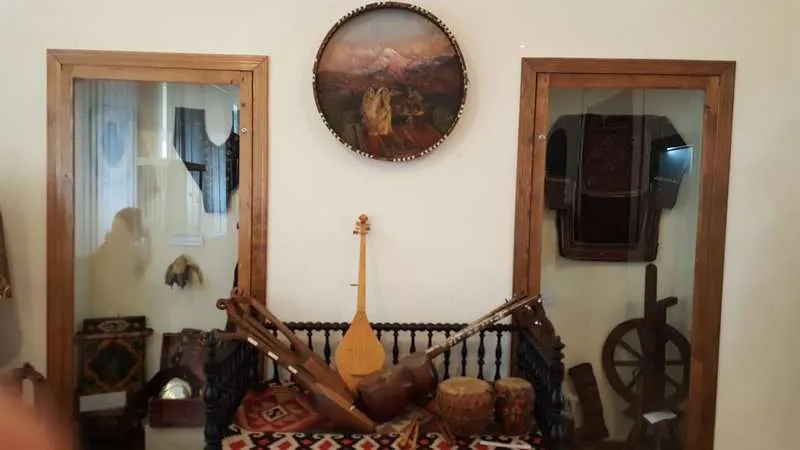
Furthermore, the museum offers visitors a unique opportunity to learn about the culture and everyday life of the Georgian peoples who inhabited Shida Kartli, past and present. The museum's collections include household items, national costumes, jewelry, ceramics, weaving, and much more related to the region's traditional culture.
But the museum's greatest achievement is its role in preserving and promoting the cultural heritage of Shida Kartli. The museum actively participates in scientific research and organizes various events aimed at raising awareness of the region's cultural heritage.
Furthermore, the museum is an important center of cultural life in Shida Kartli and Georgia as a whole. It frequently hosts exhibitions, concerts, lectures, seminars, and other cultural events, attracting visitors from various regions of Georgia and around the world.
A visit to the Sergi Makalatia Historical and Ethnographic Museum is an unforgettable experience for all lovers of art, history, and culture. It's a place where you can immerse yourself in the atmosphere of the past and learn a wealth of new cultural insights.
We'd love to hear your thoughts and answer any questions you may have about our article. Please leave comments and ask questions, and we'll be sure to answer them! Your feedback and opinions will help us make our content even better and more engaging.

35 comments
Log in to leave a comment
От якби ще знайти місце, де можна сховатися у цих книжках або спробувати розгадати таємниці стародавніх монет! А ви вже були в музеї? Яку річ вам вдалося побачити?