




State Museum of Folk and Applied Arts of Georgia
The Museum of Folk and Applied Art houses numerous collections of gold and silver items belonging to the peoples of Georgia and the Caucasus countries and dating back to the 19th and 20th centuries, as well as examples of artistic wood, bone, and metal craftsmanship (mainly necklaces, belts, weapons, and household items), silk, leather, and fabric items, Caucasian carpets, musical instruments, costumes, tapestries, embroidery samples, fine, graphic, and sculptural works by primitive artists, and sketches and drawings created by the Latvian artist Straume (1874-1970) on the theme of the Caucasus.
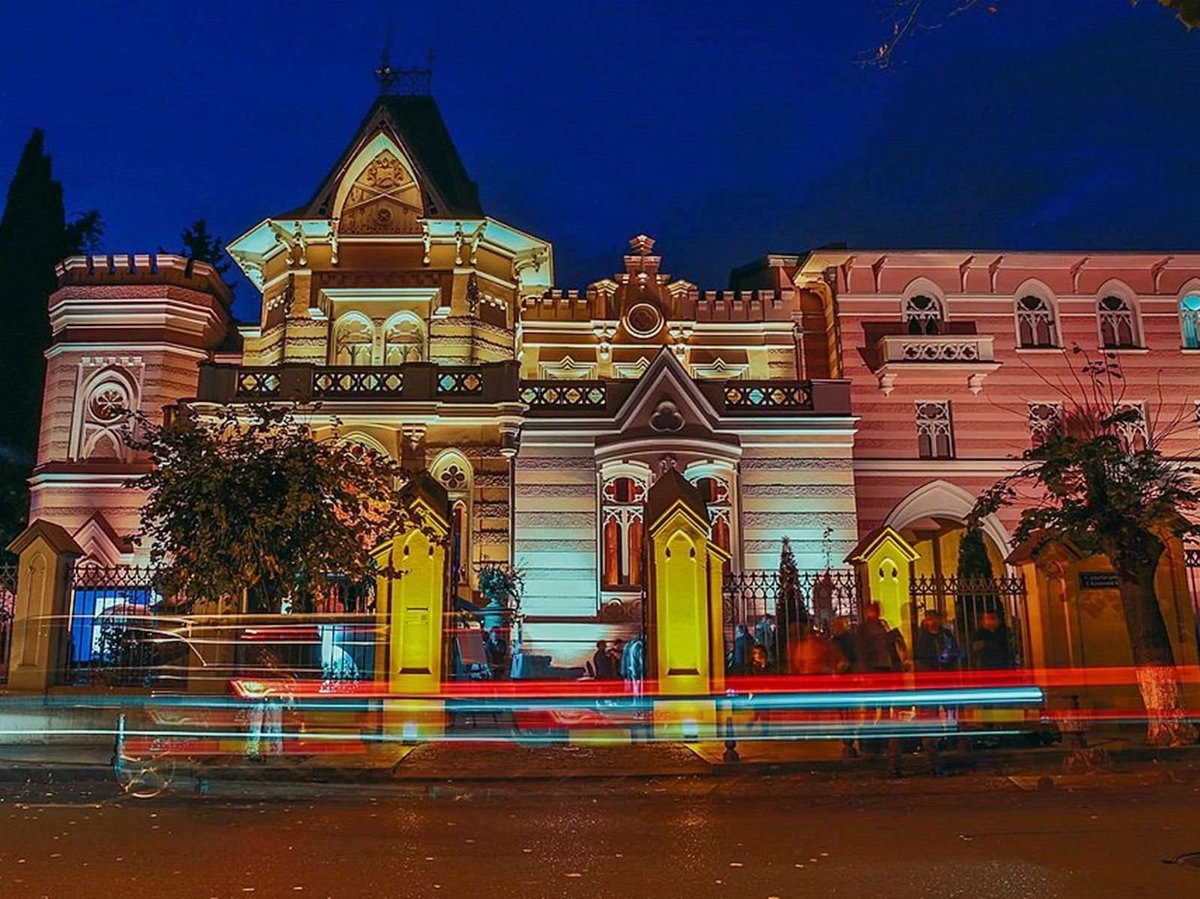
The proliferation of folk art masters in the second half of the 19th century and the development of their work made it possible to preserve and subsequently revive this unique culture. In 1899, on the initiative of A. Piralivshivili and I. Machabeli, the Caucasian Cultural Committee, founded in Tbilisi, established the Handicraft Museum of Domestic Industry. An art workshop was established at the museum, bringing together renowned figures of Georgian culture: A. Kakabadze, G. Gabashvili, I. Straume, O. Shmerling, R. Maralashvili, M. Grinevsky, N. Vogel, D. Tsitsiovili, M. Machavariani, and others.
The art workshop studied and collected the oldest original Caucasian ornaments and created sketches and designs. At the initiative of this workshop, an expedition was organized to the Caucasus region. Exact copies of the carpets were recorded and made using photography, sketches, and watercolor and gouache drawings. 450 originals of these works are housed in the State Museum of Folk and Applied Art of Georgia.
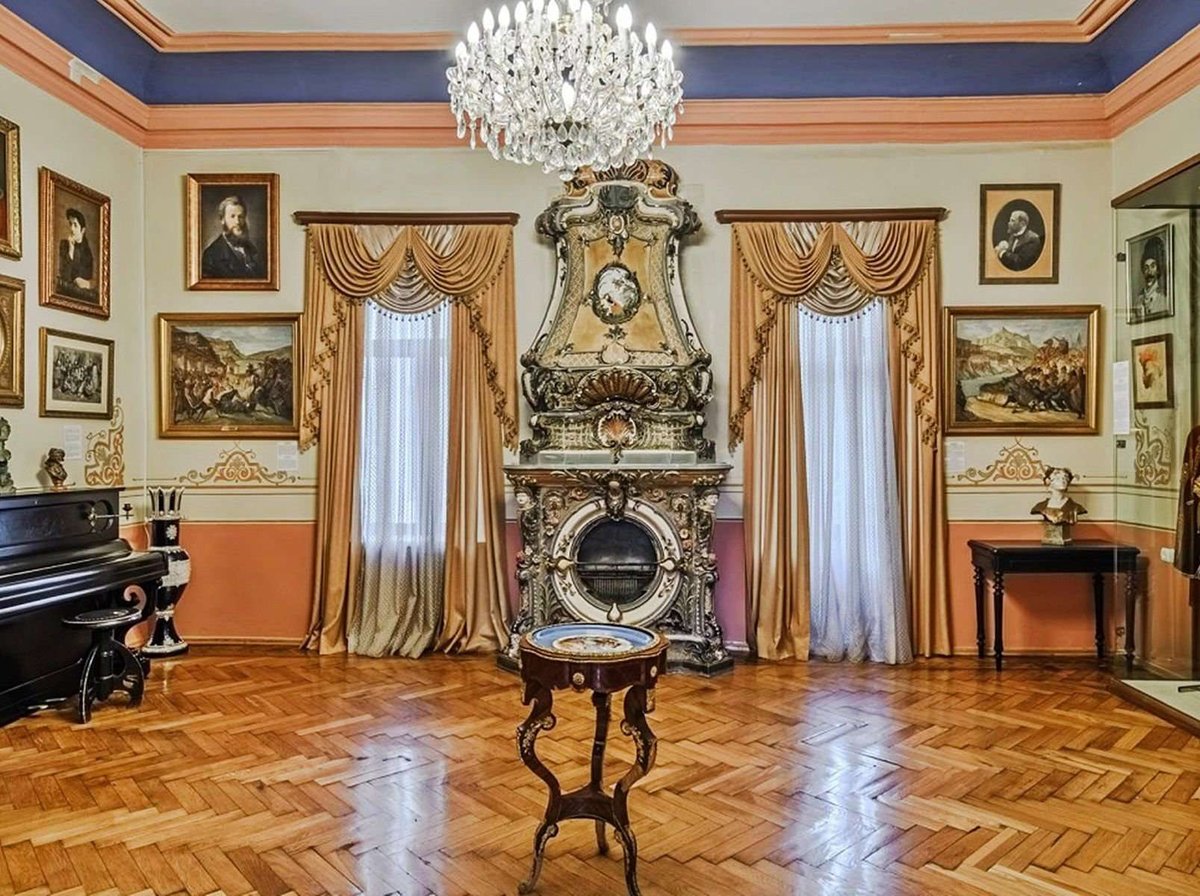
The Georgian State Museum of Folk and Applied Art is a must-see for anyone interested in the history of various forms of creative expression and the evolution of art in Georgia.
The museum houses a rich collection of artifacts from the 19th and 20th centuries, not only belonging to the Georgian people but also to the peoples of the Caucasus. These include gold and silver items, examples of artistic wood, bone, and metalwork (primarily necklaces, belts, weapons, and household items), silk, leather, and fabric items, Caucasian carpets, musical instruments, costumes, tapestries, embroidery samples, as well as fine art, graphic art, and sculpture by primitive artists.
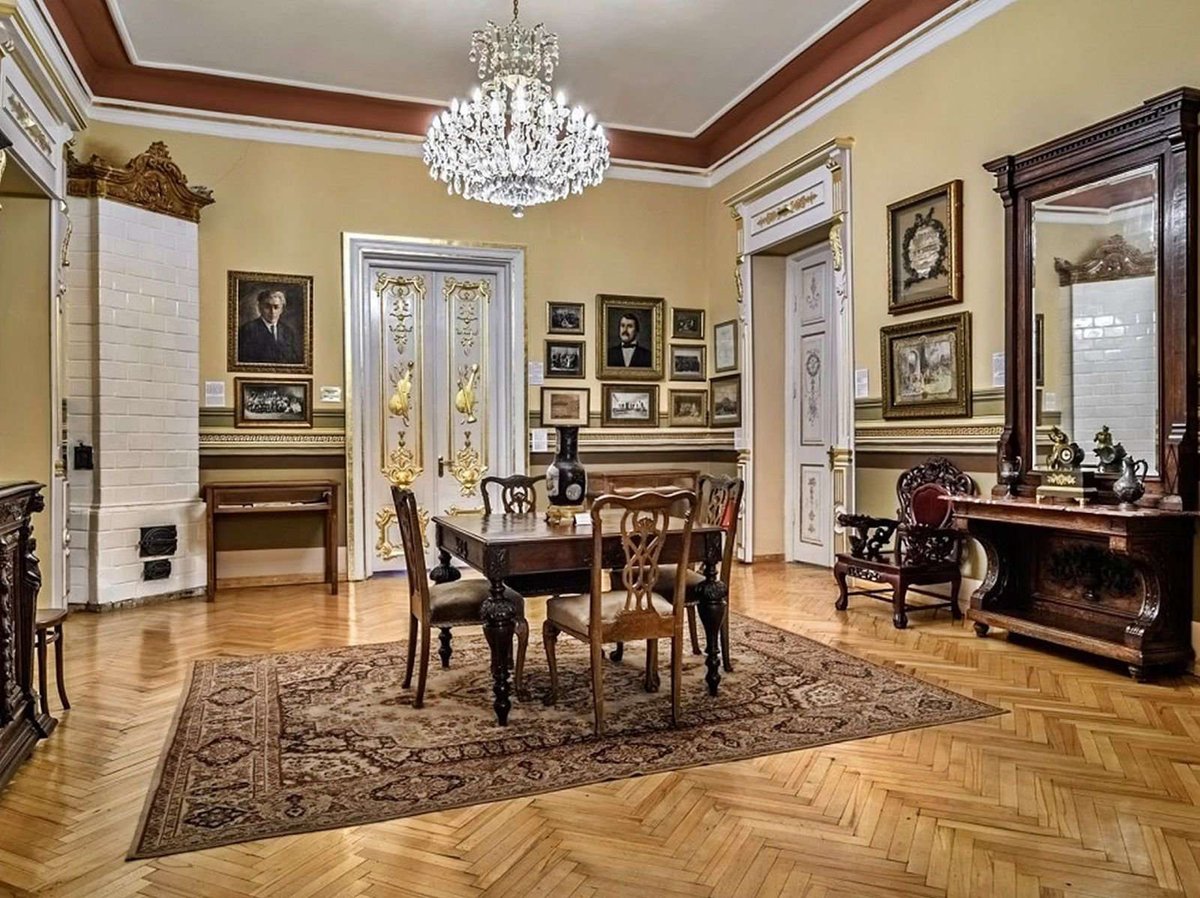
The collection of gold and silver jewelry deserves special attention. These are unique works of jewelry, created by artisans from various regions of Georgia and the Caucasus. These pieces are distinguished by their high craftsmanship and magnificent beauty. They often adorned the costumes of Georgian and Caucasian women and were an integral part of their national attire.
The museum also displays various examples of embroidery, employing various techniques, such as satin stitch, tapestry, cross stitch, blue embroidery, and many others. Colorful embroidery adorned costumes and textiles, lending them a special charm.
Another interesting exhibit is the Caucasian carpets, renowned for their unique beauty and craftsmanship. These carpets were woven from natural materials and adorned the homes and living rooms of noble Georgian and Caucasian families.
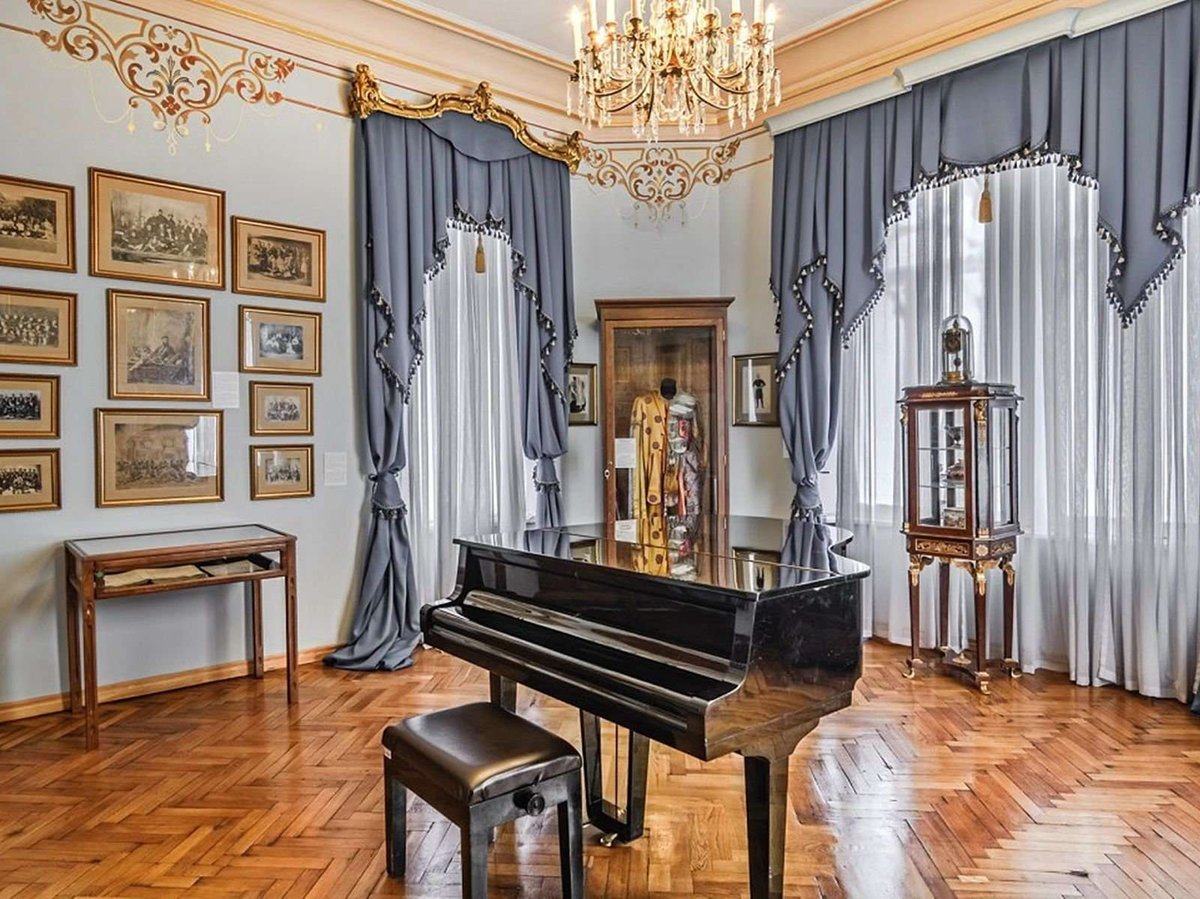
These carpets were woven from natural materials and adorned the homes and living rooms of noble Georgian and Caucasian families. Caucasian carpets, in particular, are among the most famous works of folk art in the region. Their patterns, colors, and shapes can convey numerous symbolic meanings and reveal the culture and traditions of the peoples of the Caucasus.
The museum also features exhibits made of bone, metal, and wood, demonstrating the skill of these artisans. In Georgian folk art, wood was one of the most common materials used to create a variety of items, ranging from decorative objects to household items and religious objects.
Overall, the State Museum of Folk and Applied Art of Georgia is one of the most important cultural sites in Georgia and a popular tourist destination. If you visit the State Museum of Folk and Applied Art of Georgia, you will see a wide range of unique exhibits, such as carpets, jewelry, clothing, musical instruments, and much more.
We'd love to hear your thoughts and questions about our article! Please leave your comments and questions below, and we'll respond as soon as possible.

36 comments
Log in to leave a comment
ребра, золота, кости,ковры из шелка.Множество экспонатов достойные внимания.Шикарное убранство залов.Интересный музей.В художест-
весной мастерской этого музея работают талантливые и творческие люди,что создают точные копии.После посещения таких музеев всегда ос-
таюсь долго под впечатлением.
Этому музею дал усовершенствоваться наличие большого количества
мастеров народного творчества, во второй половине девятнадцатого века.
Они реставрировали старые гончарные работы древней культуры.
По всему Грузии находили древние орнаменты, вышивки, рукодельные
работы срисовывали, фотографировали. Сделали точные копий ковров
с использованием зарисовок эскизов с акварелью и гуашью.
В музее есть множество произведений из золота и серебра украшений,
костные изделия, шёлковые, войлочные изделия, гобеленов.
Есть ещё эскизы кавказкой этнографии.