




State Museum of Theatre, Music, Cinema and Choreography
The Museum of Theater, Music, Film and Choreography is located in one of the most beautiful buildings in Tbilisi, which was designed by the German architect Paul Stern in 1895. The museum itself was founded in 1927.
The museum fund keeps unique exhibits, which reflect the history of Georgian theater, film, music and choreography, the number of which today exceeds 200,000. Among them there are costumes of outstanding masters of Georgian stage and directors, memorial items, audio and video recordings, posters, films, programs, art collections: personal letters, manuscripts and archival materials of I. Strauss, F. Chaliapin, K. Stanislavski, V. Nemirovich Danchenko, A. Smbatashvili-Yuzhin, K. Marjanishvili, S. Akhmeteli, Sh. Dadiani, D. Arakishvili, I. Chavchavadze, A. Tsereteli, paintings of 17th century, Persian miniatures, German and French engravings, works of E. Akhvlediani and I. Nikolaevich. Akhvlediani, Y. Nikoladze, L. Gudiashvili, S. Virsaladze, P. Otskheli, D. Kakabadze, V. Sidamon-Eristavi, S. Kobuladze, Ir. Parjiani, S. Parajanov, Al. Benoit, P. Leger, L. Bakst, K. Zdanevich and others.
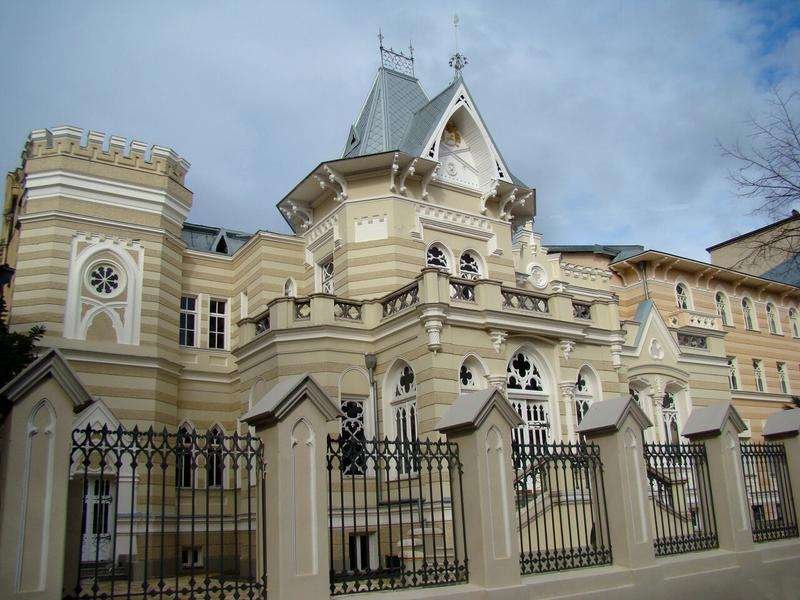
The State Museum of Theatre, Music, Cinema, and Choreography of Georgia is housed in a beautiful building designed by German architect Paul Stern in 1895 in central Tbilisi. Founded in 1927, the museum has become one of the largest cultural museums in the country and is today a popular destination for tourists and locals alike.
The museum features unique exhibits reflecting the development of Georgia's film, theater, music, and choreography industries. The museum's collection boasts over 200,000 pieces, including costumes worn by prominent Georgian stage performers and directors, memorabilia, audio and video recordings, posters, film reels, programs, art collections, and archival materials from renowned cultural and literary figures. These exhibits also include 17th-century paintings, Persian miniatures, German and French engravings, and works by E. Akhvlediani, Ya. Nikoladze, L. Gudiashvili, S. Virsaladze, P. Otskheli, D. Kakabadze, V. Sidamon-Eristavi, S. Kobuladze, I. Parjiani, S. Parajanov, A. Benois, P. Leger, L. Bakst, K. Zdanevich, and others.
The museum pays special attention to the history of Georgian cinema. The cinematography department displays unique artifacts related to the early stages of the Georgian film industry, such as the first Georgian motion picture camera, the "Demakova Camera," and the first Georgian full-length film, "The End of Sambiza." The museum also displays the personal belongings and archives of the renowned Georgian film director Otar Ioseliani, as well as examples of his work. Otar Ioseliani was born in 1934 in Tbilisi and devoted his entire life to cinema. He directed over 20 films, which received numerous awards at international film festivals. His film "Pastoral Symphony" won the Grand Prix at the Cannes Film Festival in 1984.
The museum displays not only the works of Otar Ioseliani but also those of other prominent Georgian directors, such as Mikheil Chiaureli, Giorgi Shengelia, Revaz Chkhikvadze, and others. Here you can see not only films but also posters, photographs from the set, director's scripts, and much more.
The museum is also a center for cultural events, hosting exhibitions, concerts, lectures, master classes, and other events related to the worlds of theater, music, cinema, and choreography. Every year, it hosts festivals and presentations of new works by Georgian and international artists, directors, and musicians. It's also worth noting that the museum has a library with books and journals on the history of art, film, theater, and music. Anyone can visit the library and explore the extensive collection.
Furthermore, the museum displays exhibits related to the history of Georgian theater and music. For example, the museum features an exhibition dedicated to the famous Georgian composer and pianist Gia Kancheli, one of the most renowned figures in contemporary Georgian music. The exhibition features his photographs, awards, manuscripts of musical works, and other interesting items.
Furthermore, the museum has a hall dedicated to the history of Georgian theater, displaying costumes, props, posters, and other materials related to theatrical activity in Georgia.
The museum also displays exhibits related to the history of Georgian cinema, including props, costumes, posters, and other items reflecting the development of the film industry in Georgia over the years. The exhibition features stills from films by renowned Georgian directors such as Nikolai Shengelaia, Giorgi Danelia, Teimuraz Babluani, and others.
While the museum is the primary repository of the history of Georgian theater, music, cinema, and choreography, it also actively hosts cultural events that are an important part of Tbilisi's cultural life. These events include thematic exhibitions, concerts, lectures, and other events that attract numerous visitors from around the world.
If you want to immerse yourself in the history of Georgian culture and art, visiting the Museum of Theater, Music, Cinema, and Choreography is an excellent choice. The museum offers a fascinating insight into the development of Georgian culture and offers the opportunity to admire unique exhibits related to its history.
--------------------------
We hope you found our article about the Museum of Theater, Music, Cinema, and Choreography in Tbilisi interesting and helpful. If you have any questions or comments, please leave them below. We'll be happy to answer your questions and take your feedback into account. Thank you for your attention!

28 comments
Log in to leave a comment