



Add organization

Georgian Literature Museum named after Giorgi Leonidze

📚 Literary museum · ⏱️ 1–2 hours · 📍 Tbilisi, former palace of the Russian viceroy's deputy

📖 Before you visit

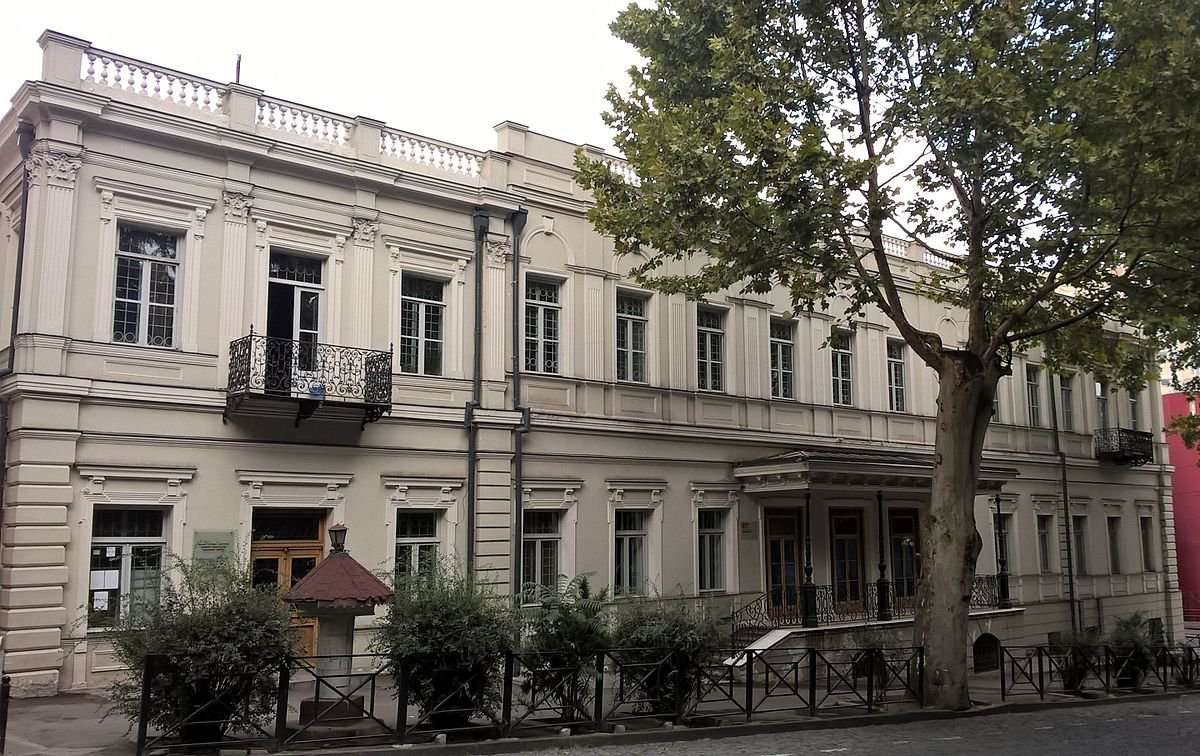
📍 Building Former palace of the Russian Emperor's deputy viceroy of the Caucasus (since 1938)
📅 Founded 1929. Officially opened 1930 on the initiative of Titsian Tabidze and the Writers' Federation
🗃️ Collection 130,000 manuscripts · 2,000 paintings/graphics · 27,000 photographs · 40,000+ books
💎 Unique exhibit "Book of Praise to the Georgian People," 17th c. (Khatia-Sofieysky Codex) — the only copy
🕐 Opening hours Daily except Mondays
🔄 Restoration 2018 — façade and interior restored, exhibitions updated
💰 Entry Free. Guided tours available for an additional fee
💡 130,000 manuscripts — that's not an exaggeration. Some of them are original documents that exist nowhere else in the world. Entry is free, and the building itself is a former imperial palace. More on that below 👇

🧭 Who this article is for

The Museum of Georgian Literature tends to stay in the shadow of Tbilisi's more "photogenic" attractions. But this is where 130,000 manuscripts are held, along with a 17th-century codex that has no second copy and the personal archives of every major Georgian writer. Entry is free. The building is a former viceroy's palace. This article is for those who want to understand what to look for in these rooms.
gosudarstvennyy-muzey-gruzinskoy-literatury

🏛️ History: from a jubilee exhibition to a viceroy's palace

In 1829 Tbilisi marked the centenary of Alexander Griboyedov with a jubilee exhibition. The objects displayed there became the first fund of the future museum.

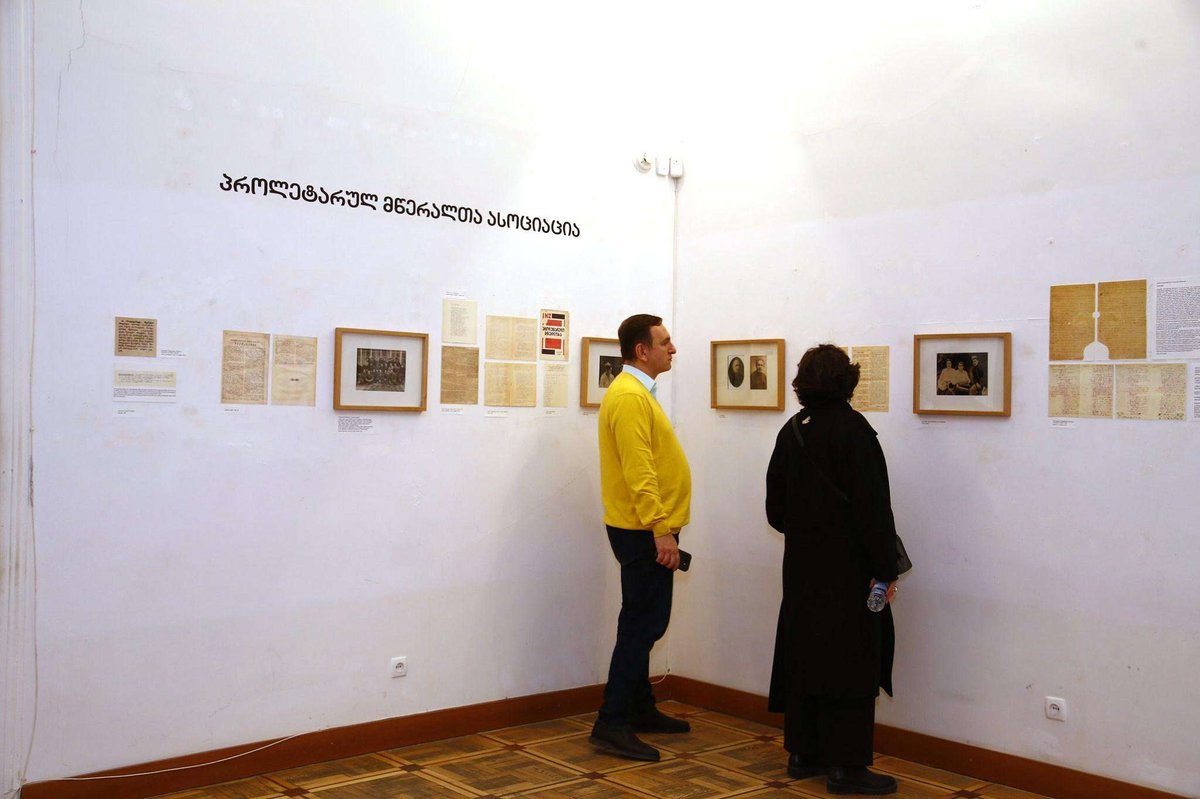
In 1930 the museum was officially opened on the initiative of poet Titsian Tabidze and the Georgian Writers' Federation. A systematic collection effort began immediately: personal archives of writers and public figures buried on Mtatsminda — Dmitry Kapiani, Ilia Chavchavadze, Akaki Tsereteli, Nino Nikoladze.

In 1931 the poet Giorgi Leonidze was appointed director — and under his leadership the bulk of the unique exhibits was assembled.

The name changed with the growing archive. In 1935 — "Mtatsminda Museum of Georgian Writers." In 1938 — "Georgian State Museum of Literature." That same year the museum moved to the former palace of the deputy of the Russian Emperor's Viceroy of the Caucasus, where it remains today. In 1967 it was named after Giorgi Leonidze.

In 2018 a major restoration was completed: the façade and interior were restored, exhibitions updated.
Museum-Giorgi-Leonidze

📖 What the collection holds

  • 130,000 manuscripts — the museum's core value. Original manuscripts, drafts, letters and documents of all the key Georgian writers.
  • 2,000 paintings and graphic works — portraits of writers, illustrations for their works, genre scenes from Georgian literary life.
  • 27,000 photographs — a documentary archive: images of writers, editorial offices, literary evenings, places connected with Georgian culture.
  • Over 40,000 books — the museum's library, including rare editions.
  • Around 1,000 memorial objects — personal effects, furniture, everyday objects belonging to writers.
Giorgi Leonidze State Museum of Georgian Literature, Georgia

The centrepiece

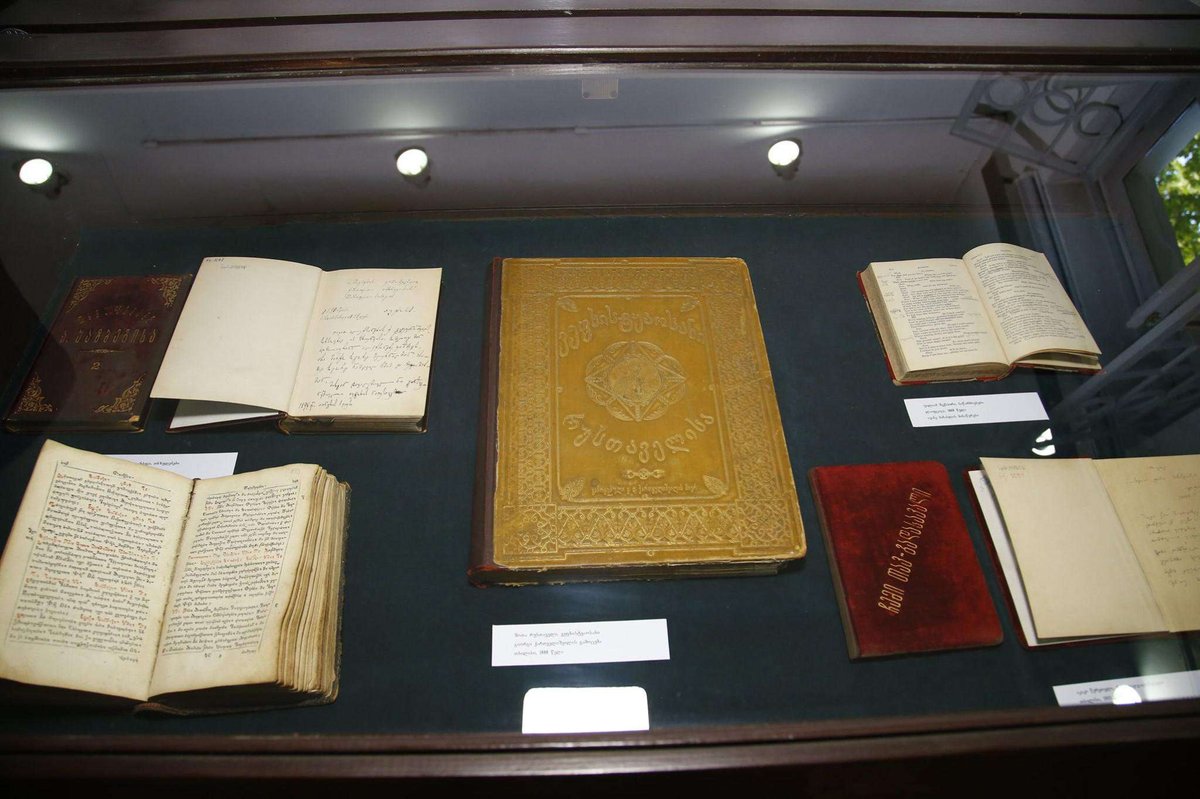
"Book of Praise to the Georgian People" (the Khatia-Sofieysky Codex, 17th century) — the only surviving manuscript describing life and culture in medieval Georgia. No second copy exists anywhere.

The Rustaveli exposition

Since 2014 a permanent exhibition "Dedication to Shota Rustaveli" has been on display — drawings, engravings and other materials connected with "The Knight in the Panther's Skin."

✍️ Editor's tip

Ask to see the Khatia-Sofieysky Codex — 17th century, the only copy in existence. Ask staff directly: they know the exhibition well and share details that aren't on the labels. If you want a full guided tour, book it in advance. Entry is free, and the manuscript room is worth taking slowly.

🗺️ How to plan your visit

1️⃣ Enter and look at the building — a former palace of the Russian deputy viceroy. The 19th-century architecture is interesting in its own right.

2️⃣ Start with the biographical halls — a chronology of Georgian literature from the Middle Ages to the 20th century through personal archives.

3️⃣ Find the Khatia-Sofieysky Codex — the only surviving 17th-century manuscript describing life in medieval Georgia.

4️⃣ Spend time with the photo archive — 27,000 documentary images give a vivid sense of Georgian literary life across different eras.

5️⃣ Visit the "Dedication to Shota Rustaveli" hall with drawings and engravings based on "The Knight in the Panther's Skin."

💬 What visitors say

"Absolutely striking — a collection of 130,000 manuscripts, 27,000 photographs, 40,000 books and 2,000 artworks. The Giorgi Leonidze State Museum of Literature is definitely a place you should visit."
"After visiting I spent the whole evening looking for Georgian writers' books. Georgian literature turned out to be much richer than I'd imagined."
"The guides told many interesting things and answered all my questions. The Khatia-Sofieysky Codex from the 17th century was of particular interest."

🏁 Is it worth going

Free entry to a 19th-century palace building, 130,000 manuscripts, the world's only copy of a medieval codex — and almost no queues. This is the kind of museum that opens a deeper understanding of a culture than any tourist route. An hour or two, and you'll know more about Georgian literature than most people who never came here.

ℹ️ Entry is free. The museum is closed on Mondays. Guided tours are bookable separately — confirm availability and language. Information is current at the time of publication.

🗨️ Now it's your turn

Have you been to the Leonidze Museum? Which exhibit made the biggest impression — the 17th-century codex, the manuscripts, the Rustaveli hall? Tell us — we read every comment ❤️

❓ Questions people ask most often

🤔 Where is the Giorgi Leonidze Museum of Georgian Literature?

💬 In the historic building of the former palace of the Russian Emperor's deputy viceroy of the Caucasus. The museum has been in this building since 1938. Confirm the exact address before your visit.

🤔 When was the museum founded?

💬 In 1929 — prompted by a jubilee exhibition marking Griboyedov's centenary. Officially opened in 1930 on the initiative of poet Titsian Tabidze and the Writers' Federation.

🤔 Is entry to the museum free?

💬 Yes. Entry is free for everyone. Guided tours with a professional guide can be booked for an additional fee.

🤔 What is the Khatia-Sofieysky Codex?

💬 The "Book of Praise to the Georgian People" — a 17th-century manuscript and the only surviving document describing life and culture in medieval Georgia. No second copy exists. It is held at the Leonidze Museum.

🤔 How many exhibits are in the museum?

💬 Up to 130,000 manuscripts, up to 2,000 paintings and graphic works, up to 27,000 photographs, around 1,000 memorial objects and over 40,000 books. One of the largest literary collections in the Caucasus.

🤔 Who was Giorgi Leonidze?

💬 A Georgian poet (1899–1966) who headed the museum from 1931. Most of the unique exhibits were assembled under his direction. The museum was named after him in 1967.

🤔 When is the museum closed?

💬 On Mondays. Open all other days. Confirm the current schedule before visiting.

Daria Kharchenko
By:

Daria Kharchenko

Post: Georgia Guide

Greetings! I'm Asya, a licensed guide, and your guide to the wonderful world of Georgia. I am delighted to show you the most vivid and memorable places of this…

Visit author

34 comments


Log in to leave a comment


  • T
    Thomas Garcia
    I stumbled upon this museum quite by chance, and I have to say, it’s a mixed bag. Sure, the idea of housing the works of great Georgian writers sounds noble, almost romantic. But then, you walk through those halls and wonder if it’s all a bit too curated for its own good. The former palace? It feels more like a monument to bureaucracy than a celebration of literature. Perhaps I expected the air to be thick with creative energy or something. Instead, it was... quiet. Too quiet. There are gems among the manuscripts, no doubt, but they almost seem lost in all that grandeur, like whispers drowned out by an echo of history. It leaves you questioning: is this really a haven for literature or just another relic dressed up to look important?
  • T
    Theo
    Does the museum offer any guided tours or activities in English for tourists? Also, I am curious if there are any special exhibits focused on modern Georgian writers.
  • Д
    Даниил Солдатов
    Музей грузинской литературы — настоящее сокровище в Тбилиси. Удивляет, как в одном месте собрано так много уникальных рукописей и произведений искусства. Интересно, часто ли музей обновляет свои выставки, чтобы привлечь новых посетителей?
  • ნ
    ნოდარ ფულიკაშვილი
    მიხარია, რომ საქართველოს ლიტერატურის სახელმწიფო მუზეუმი ასე დიდ როლს ასრულებს ჩვენი კულტურის განვითარებაში. საინტერესოა, რამდენად ხშირად ტარდება ახალი გამოფენები და ღონისძიებები მუზეუმში? ასევე, არის თუ არა შესაძლებელი მოწმენის მეშვეობით, იმ დაცული ექსპონატების შესახებ დამატებითი ინფორმაციის მიღება ან მათთან უშუალოდ გაცნობა?
  • А
    Александр Чернышёв
    Удивительно, что в музее собрана такая масштабная и ценная коллекция рукописей и произведений искусства, которая знакомит с богатством грузинской культуры.
  • რ
    რომან ღამბაშიძე
    გიორგი ლეონიძის სახელობის ქართული ლიტერატურის სახელმწიფო მუზეუმი ტბილისში უნიკალური ადგილია, სადაც შესაძლებელია წარუდგინდეს ლიტერატურული საგანძური, რომელიც მუდამ აღფრთოვანებას იწვევს თავის მრავალფეროვნებითა და წარსული ეპოქების სუნთქვით.
  • T
    Thomas Kelly
    Sounds like a fascinating place with an extensive collection of manuscripts and artwork; do they offer tours in English?
  • R
    RebeccaNelson
    The museum's collection seems incredibly extensive, especially with over 130,000 manuscripts. Are there any guided tours available that provide more context or stories behind some of these important pieces, like the "Book of Praise for the Georgian People"?
  • მ
    მარიამა
    გთხოვთ, განმარტოთ, თუ როგორ ხდება ეგზემპლარების დაცვა და მოვლა, განსაკუთრებით თუ გავითვალისწინებთ მნიშვნელოვან და იშვიათ წიგნებს, როგორიცაა "კнига похвалы грузинскому народу"? ასევე, მუზეუმი გეგმავს თუ არა ზოგიერთ ამ ნიმუშის ციფრულიზაციას, რათა ფართო საზოგადოებამაც ნახოს?
  • g
    galyalight
    Интересно, какие новые выставки и мероприятия планируются в музее, особенно связанные с грузинской культурой?
  • l
    loraflower
    Удивительно, что музей обладает такой богатой коллекцией рукописей и произведений искусства — обязательно стоит посетить при следующей поездке в Тбилиси.
  • ჩ
    ჩიჩიკო
    ვინაიდან გამოფენები და ღონისძიებები ხშირად ტარდება, არსებობს თუ არა კონკრეტული გრაფიკი რომელშიც ეს ღონისძიებები ხდება? მსურს ოჯახთან ერთად ვესტუმრო და საინტერესო რამე შევიტყო ჩვენი ქვეყნის ისტორიისა და კულტურის შესახებ. ასევე, "ხათია-სოფიევსკის კოდექსის" ხილვა შესაძლებელია ნებისმიერ დროს?
  • T
    Thatcher
    The museum's impressive collection of manuscripts and artworks offers a unique glimpse into Georgian literature and culture, making it a must-visit in Tbilisi.
  • ა
    ავთანდილ ჩანგელიშვილი
    მიხარია, რომ აღნიშნეთ გიორგი ლეონიძესთან დაკავშირებული დეტალები. ეს მუზეუმი ნამდვილად უნიკალურია თავისი კოლექციებით. ვისურვებდი, მეტი ადამიანიც ამ საუცხოო ადგილის სტუმრობადი, განსაკუთრებით მათ, ვისაც ქართული ლიტერატურა აინტერესებს.
  • d
    dyachenk0_4u
    Интересно, а действительно ли в коллекции музея насчитывается более 130 000 рукописей? Это же огромное количество, как они все помещаются в здании музея?
  • К
    Костя Гребнев
    Судя по статье, музей обладает впечатляющей коллекцией рукописей и произведений искусства. Интересно, есть ли возможность увидеть оригинальные документы и артефакты при посещении музея или все экспонаты представлены в виде копий и цифровых копий?
  • z
    zacharyhill1986
    The museum's collection sounds impressive with over 130,000 manuscripts and thousands of paintings. Does anyone know if they conduct tours in English for a better understanding of the exhibits?
  • z
    zacharyhill1986
    The museum's collection sounds impressive with over 130,000 manuscripts and thousands of paintings. Does anyone know if they conduct tours in English for a better understanding of the exhibits?
  • ლ
    ლუკა
    მუზეუმის მდიდარი კოლექცია ნამდვილად საინტერესოდ წარმოაჩენს ჩვენი ქვეყნის ლიტერატურულ მემკვიდრეობას და ისტორიას.
  • E
    Eleanor Abbott
    Are you sure that the museum holds over 130,000 manuscripts? That number seems incredibly large for a single collection.
  • F
    FrankWhite
    The museum in Tbilisi sounds fascinating, especially with its extensive collection of over 130,000 manuscripts and other cultural treasures. Learning about the "Praise to the Georgian People" from the 17th century is a highlight I wouldn't want to miss. It's impressive how they actively host exhibitions and events that showcase Georgian literature and culture. Truly a place to visit for a deep dive into the rich literary heritage of Georgia.
  • В
    Виктория Ласточкина
    Очень впечатляет коллекция музея, особенно интересен Хатиа-Софиевский кодекс XVII века.
  • E
    Elvina
    Грузинская литература всегда была для меня чем-то особенным. Музей имени Георгия Леонидзе — настоящий кладезь культуры и истории! Особенно впечатляют старинные рукописи и личные вещи великих писателей. Экспозиция о "Витязе в тигровой шкуре" потрясает. Такой музей дает уникальную возможность прикоснуться к глубоким корням грузинской культуры и ощутить связь с прошлым.
  • О
    Ольга
    Мне кажется, что очень удачно в 2014 году в Государственном музее грузинской литературы имени Георгия Леонидзе действует выставка, посвящённая знаменитому грузинскому поэту Шота Руставели и его произведению «Витязь в тигровой шкуре». Этот древний литературный шедевр считается национальным достоянием Грузии и привлекает тысячи туристов и поклонников литературы со всего мира.
  • К
    Кирилл
    После прочтения о Государственном музее грузинской литературы имени Георгия Леонидзе на madloba.info я был впечатлен. Музей предлагает уникальную коллекцию рукописей, работ по живописи и графике, фотографий и личных вещей писателей. Особый интерес вызвало первое издание "Книги похвалы грузинскому народу" XVII века. Музей проводит выставки, мероприятия и фестивали, предлагая посетителям погрузиться в грузинскую культуру и литературу. Он также является местом для лекций, конференций и литературных вечеров. Реставрация в 2018 году придала музею еще больше привлекательности.
  • g
    galina.gurikova
    В статье есть опечатка по году основания музея. Про его основание говорится дважды, и приводятся разные цифры: 1030 и 1929. Нужно немного подредактировать. Вообще интересный музей. Это наверное один из немногих музеев, который можно посетить абсолютно бесплатно. Я не беру дополнительные экскурсии с гидом. В основном всегда даже за вход нужно платить. Достаточно интересные собираются здесь экспозиции. Впечатляет коллекция рукописей.
  • Д
    Данил
    Классный музей для всех литературоведов, останетесь довольны точно 👍 Просто поражает коллекция из 130 ТЫСЯЧ рукописей, представить себе даже не могу как это много. А ещё 27 тысяч фотографий, 40 тысяч книг и 2 тысячи художественных изображений. Государственный музей литературы имени Георгия Леонидзе однозначно то место, которое вам стоит посетить.
  • g
    gjfroksit228
    Для любителей истории литературы место очень крутое, всем советую. Грузия сама по себе уникальная своей историей, но в этом музее вы сможете углубиться и узнать много нового. Множество различных фотокарточек, книг и другого связанного с Грузией.
  • b
    bikteeva94
    А вот еще одна достопримечательность, которая относится к древним, так как Государственный музей грузинской литературы имени Георгия Леонидзе работает с тридцатого года прошлого века. Здесь вы можете увидеть и восхититься произведениями известных грузинских писателей, их портреты, рукописи.
  • t
    tatyana.popovva
    Огромное удовольствие мне доставляют подобные учреждения, а если это литературные музеи, я испытываю невероятные эмоции и чувства, читаю их с огромным желанием, интересом, глубоко прониклась и в эту статью. Узнала о Государственном музее грузинской литературы имени Георгия Леонидзе. Интересно было узнать историю создания музея, дату открытия и чьи работы были выставлены.
  • b
    bikteeva94
    Признаюсь честно, я не поклонник литературы, читаю то, что очень нравится или по делу, для развития, для работы и так далее) Государственный музей литературы имени Георгия Леонидзе содержит до 130 тысяч рукописей, до 2 тысяч работ по живописи и графике, до 27 тысяч фотокарточек, до тысячи мемориальных предметов и более 40 тысяч книг. Наверное, если посещу подобное место, мое мнение поменяется.
  • С
    Свободен
    Я, как фанат литературы, посетила бы это место в первую очередь. Всегда интересно узнать какие-либо новые факты связанные с литературой, книгами, письменностью и Музей грузинской литературы идеально подходит для этого. Потрясающее место!
  • b
    belosl-irina
    Очень интересно как менялось название музея с ростом архива – в 1935 году Мтацминдский,“Музей писателей Грузии”, “Грузинский государственный музей литературы”. Великолепное собрание экспонатов - Государственный музей литературы содержит до 130 тысяч рукописей, до 2 тысяч работ по живописи и графике, до 27 тысяч фотокарточек, до тысячи мемориальных предметов и более 40 тысяч книг.
  • И
    Ира
    Я всем сердцем люблю литературу, поэтому музеи, связанные с ней, смотрю с большим удовольствием! Большинство уникальных экспонатов музея собрано в период руководства музеем Георгия Леонидзе, в 1967 году музею было присвоено его имя. Сегодня Государственный музей литературы содержит до 130 тысяч рукописей, до 2 тысяч работ по живописи и графике, до 27 тысяч фотокарточек, до тысячи мемориальных предметов и более 40 тысяч книг. Это действительно круто, что многие продолжают заниматься искусством)