




Khariton Akhvlediani Museum in Batumi: What to See in Adjara’s Main Local History Museum
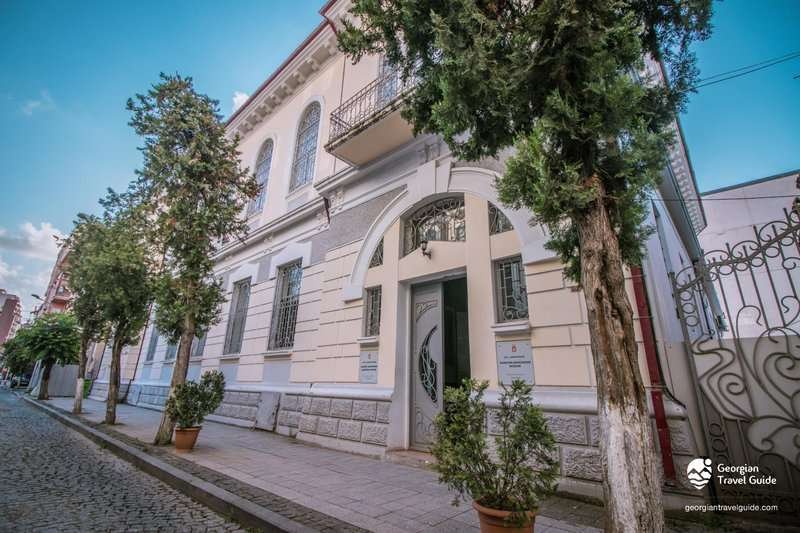
It is easy to get stuck in Batumi between the sea, the boulevard and cafés. But if you want to understand what was here before the resort towers, visit the Khariton Akhvlediani Museum.
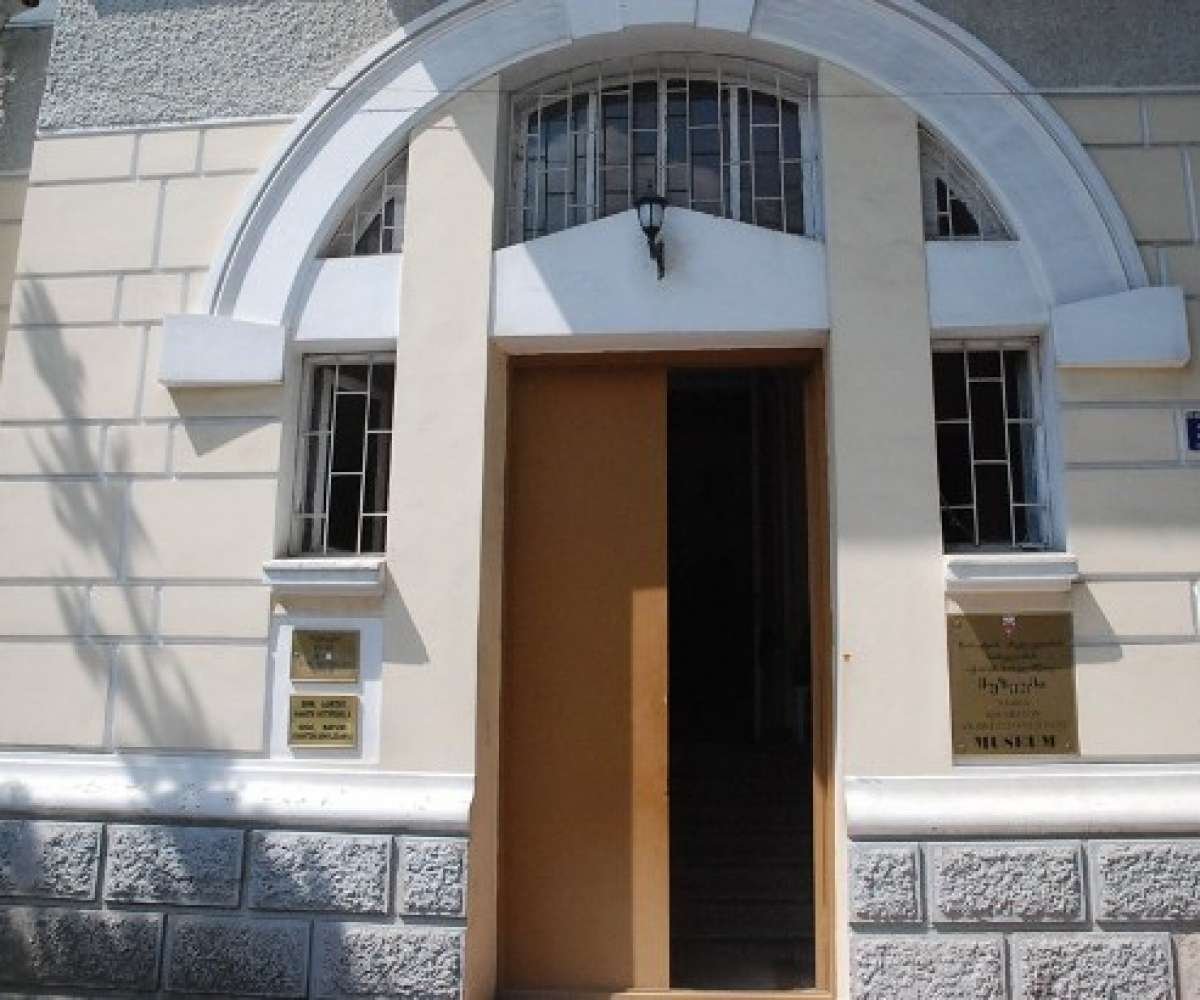
From the outside, the museum does not shout for attention. Inside, you will find archaeology, old photographs, weapons, manuscripts, natural history exhibits, household objects and the whale skeleton in the courtyard. This is not a half-day museum. It is more like an honest 1-1.5 hour stop if you want to see Adjara beyond the beach, khachapuri and evening Batumi.
Where the museum is and how to get there
The museum is located at 4 Khariton Akhvlediani Street in Batumi. This is a central part of the city, so it is easy to add the museum to a walk through the old streets, cafés and the seafront. If you are already in the center, you do not need to plan a separate half-day trip.
For a taxi, use “Khariton Akhvlediani Museum” or “Adjara Museum”. On foot, it is convenient to walk from old Batumi, Europe Square and the area around Gorgasali Street. If you are planning a cultural day, visit the museum first and then head toward Batumi Boulevard.
If you want to see several museums in one day, open the general category museums in Batumi. It helps you choose what to add nearby: archaeology, art, religious history or a technical museum.
Ticket price and how much time to plan
According to the official Adjara tourism portal, an adult ticket costs 6 GEL. Children aged 6-14 pay 1 GEL, children under 6 enter free, and the pensioner ticket is listed as 1.5 GEL. A guided tour costs 15 GEL.
Check prices before your visit, especially if you are coming with a group or want a guided tour. Museum websites and tourism pages in Batumi are not always updated at the same time, so it is better to confirm details through the official source or by phone.
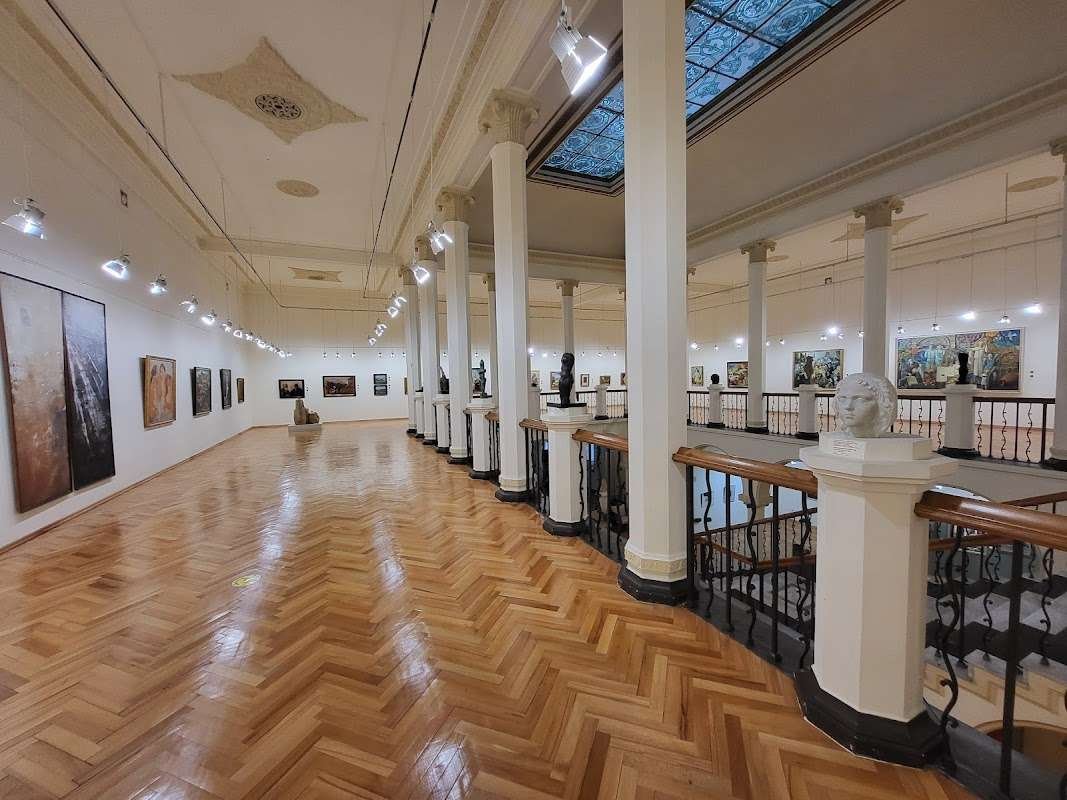
For a regular visit, plan 1-1.5 hours. If you like reading labels, looking closely at display cases and asking questions, it may take closer to two hours. With school-age children, the museum can work well, but younger kids may get bored without a guide or small tasks.
What to see inside the museum
The museum’s main value is that it shows Adjara in layers: ancient finds, Batumi’s city history, traditional life, nature, manuscripts and documents. It is not built around one giant wow object. Instead, the region comes together through many smaller details.
Archaeology and ancient Adjara
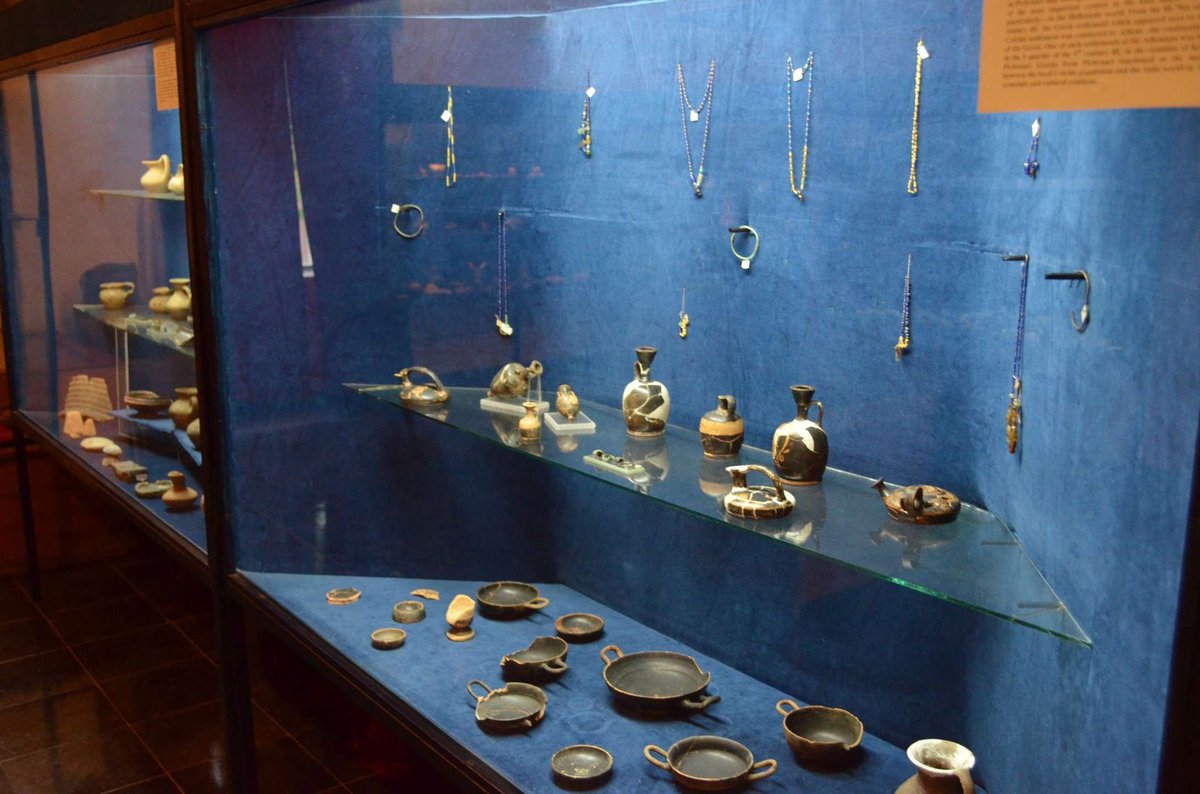
One of the most notable exhibits is linked to ancient history: a red-figure krater found in the Kobuleti district in 1967. It dates to the second quarter of the 5th century BC. Vessels like this were used to mix water and wine, and the decoration shows how closely this coastline was connected with the wider ancient world.
If this section makes you want to go deeper into archaeology, add the Batumi Archaeological Museum to your route. It focuses more directly on ancient finds, while the Akhvlediani Museum gives a wider view of the region.
Old Batumi and city life
The museum collections include materials about old Batumi: photographs, documents, a city map from 1910 and a model of old Batumi from 1870. For visitors, this is a good way to see the city before modern hotels, glass towers and the familiar resort postcard.
This section works especially well before a walk through the center. After the museum, you look differently at old houses, narrow streets, courtyards and the mix of eras. Batumi becomes not only sea and boulevard, but a port city with a dense past.
Ajarian household life, clothing and crafts
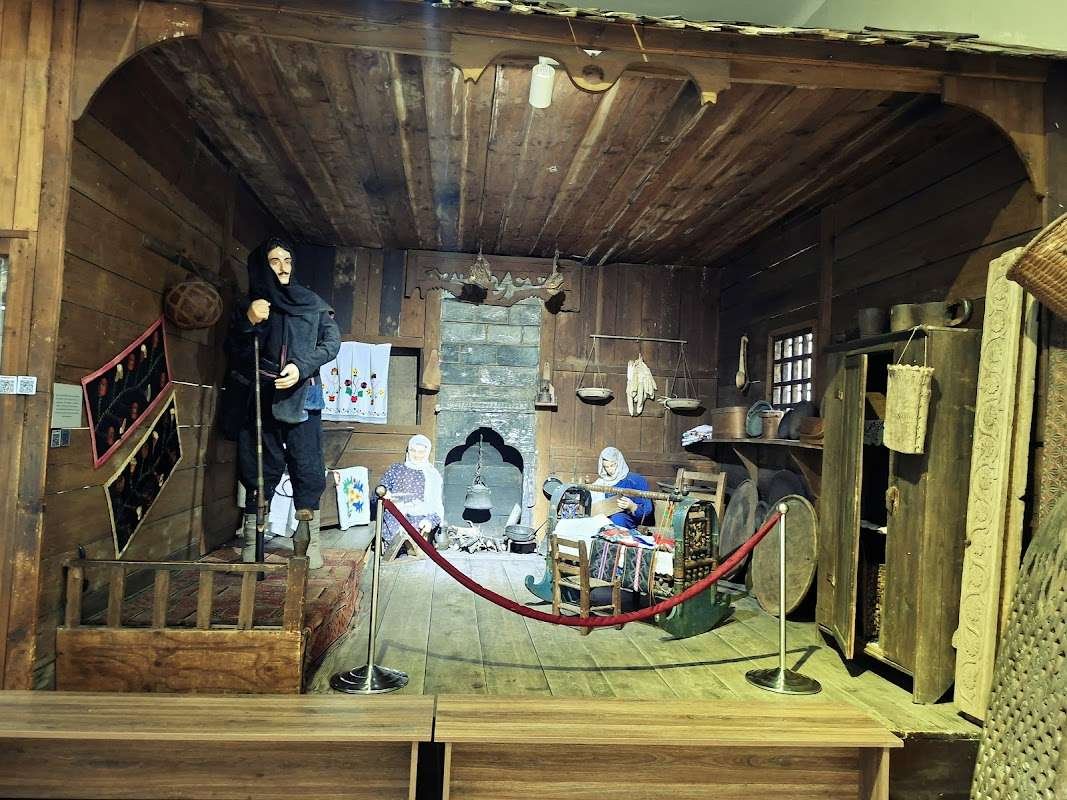
The ethnographic halls show Ajarian household objects, clothing, ornaments, handmade work, wooden items, musical instruments and objects from everyday family life. There is no showy staging or bright interactivity here, but there is calm texture: what people wore, used, cooked with and valued.
Do not rush this section. In these display cases, the small things matter: a silver belt, embroidery, the shape of a dish, an old tool. They speak about the region more quietly than big historical dates, but often more honestly.
Manuscripts and book collection
The museum holds rare manuscripts in Georgian, Russian, Armenian, Arabic, Turkish, Persian and other languages. Its library is also listed as having tens of thousands of books. For a regular visitor, this may not be the most visual section, but it helps you understand that the museum is not only an exhibition space. It is also a research collection.
Nature of Adjara
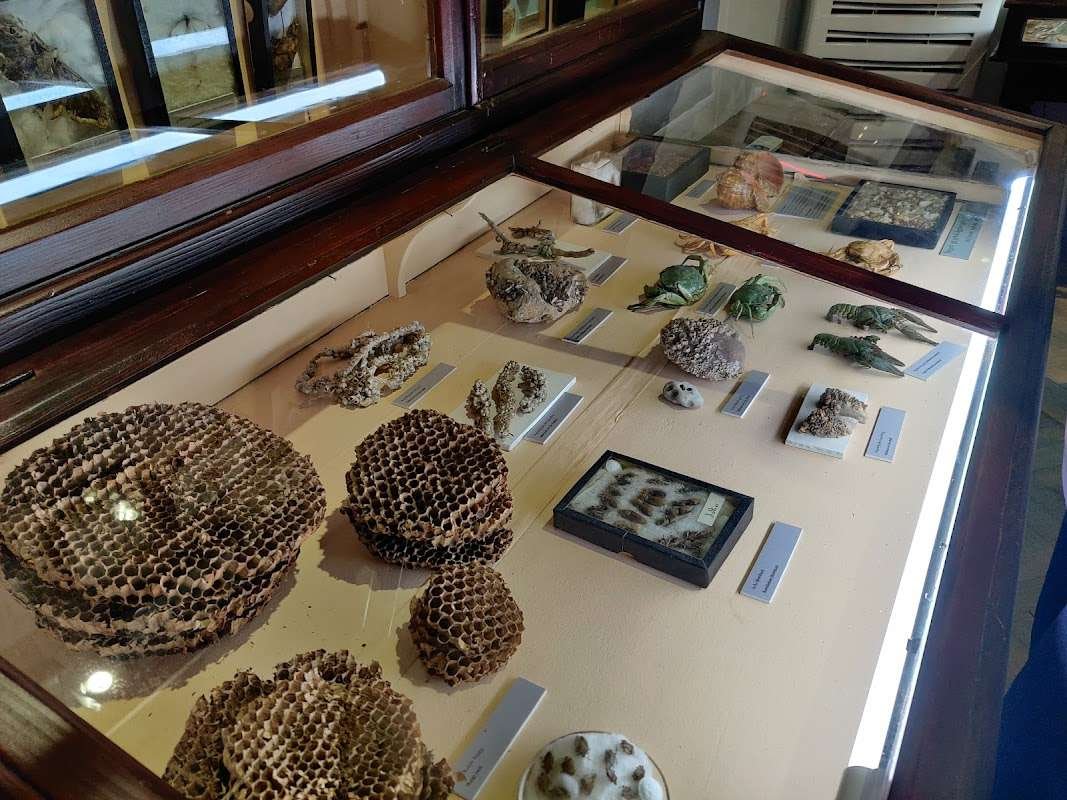
A separate part of the exhibition is dedicated to the region’s nature: geology, minerals, flora, fauna, the Black Sea and rare natural samples. Some reviews say this part looks old-fashioned. And yes, if you expect modern multimedia, you may be surprised. But for children and visitors who like old-style natural history museums, there is still plenty to notice.
The whale skeleton in the courtyard and other unexpected details
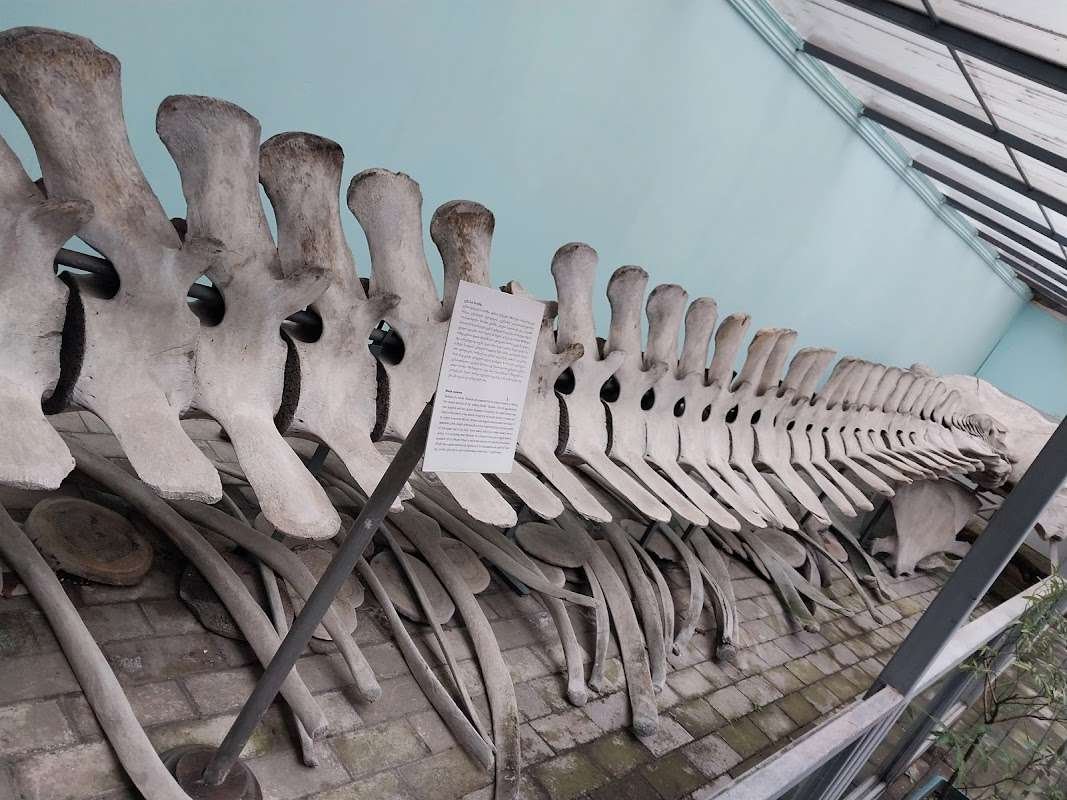
One detail that visitors often remember after the visit is not inside the halls, but in the courtyard. It is the whale skeleton. It is easy to miss if you move quickly through the museum and head straight to the exit, so take a separate look outside after the indoor rooms.
The courtyard and the building may feel less polished than some visitors expect from the region’s main museum. But that is also what makes the place feel alive. It does not look like a sterile tourist showcase. It feels more like an old city museum that collected Adjara piece by piece: objects, documents, bones, photographs, manuscripts, household things and odd finds.
Some visitors will find this presentation outdated. Others may like that it has not been polished into a shopping-mall museum. I would not go here for a loud wow effect. Go for quiet discoveries.
Who will enjoy the museum and who may want another place
The Khariton Akhvlediani Museum is a good choice for visitors who want to understand the region without taking a long excursion. It is a useful rainy-hour stop, a break from summer heat or a calm cultural addition to a route through central Batumi.
Families with school-age children may also enjoy it. Especially if the child likes animals, ancient objects, weapons, old maps and strange museum items. But if you need interactive screens, buttons and play zones, lower expectations in advance.
- visitors interested in Batumi and Adjara’s history;
- families with school-age children;
- tourists on a rainy or very hot day;
- people who enjoy local history museums;
- travellers who want a calm cultural hour.
- visitors expecting multimedia and interactivity;
- small children without a guide or adult explanation;
- people who dislike old-style museum displays;
- tourists with only two or three hours in Batumi;
- travellers looking only for the most photogenic places.
Visitor reviews: what people praise and what they criticize
Recent reviews often repeat the same points: the museum is small but dense, about an hour is enough for a visit, there are two floors and several halls, and the whale skeleton in the courtyard leaves a separate impression. Visitors also mention archaeology, weapons, ornaments, musical instruments, old photographs and English labels.
There are downsides too. Some guests say the exhibition feels outdated, especially in the nature section. Others mention a lack of Russian-language labels, unclear opening hours or a dry experience without a guide. This does not mean you should skip the museum. It means you should set the right expectations.
If you love modern museums with audio guides, interactive screens and dramatic lighting, this place may feel too quiet. If you enjoy local objects without much gloss, the museum gives more than the facade promises.
What to see nearby
After the museum, you can walk toward the old center, Europe Square and the boulevard. This route works well in the first half of the day: museum, coffee, city walk and then the sea.
If you want a cultural route, add the Batumi Archaeological Museum. It focuses more on ancient history and finds, while the Akhvlediani Museum gives a broader view of Adjara: city, nature, everyday life, documents and old collections.
If you have limited time, use the route what to see in Batumi in one day. The museum can work as a calm stop between a walk through the center and the seafront.
Is the Khariton Akhvlediani Museum worth visiting?
It is worth visiting if you want to see Batumi as more than a resort. The museum helps you understand that Adjara does not begin at the beach and does not end with seafront towers. It has ancient connections, city memory, mountain culture, crafts, manuscripts and nature that you usually miss behind the noise of the boulevard.
This is not the most modern museum in terms of presentation. It is also not a place where every hall screams, “photograph me”. But it has density. In a short visit, you get a lot of texture about the region, and then you look at the city differently.
The best plan is simple: come without rushing, take a guide or read the labels carefully, do not miss the courtyard and leave time for a walk afterward. Then the visit does not feel like a checkbox. It gives you a real sense of place.
Now it is your turn
Have you visited the Khariton Akhvlediani Museum? Share how long the visit took, whether the museum followed its schedule, whether you took a guide and what you remembered most.
Fresh details are especially useful: the current ticket price, tour language, condition of the halls, exhibit labels and whether the whale skeleton in the courtyard was easy to find. These comments help other travellers set the right expectations.
❓ FAQ
The museum is located at 4 Khariton Akhvlediani Street in Batumi. It is in the central part of the city, so it is easy to combine with a walk through old streets and a visit to the seafront.
According to the official Adjara tourism portal, an adult ticket costs 6 GEL, children aged 6-14 pay 1 GEL, and children under 6 enter free. A guided tour is listed separately at 15 GEL.
Usually 1-1.5 hours is enough. If you take a guide, read labels carefully and visit the courtyard, plan up to two hours.
Look for the red-figure krater from the 5th century BC, materials about old Batumi, Ajarian household culture, weapons, ornaments, manuscripts and the natural history section. After the halls, visit the courtyard with the whale skeleton.
Visitors often mention that English labels are available, though the depth of explanation may vary by hall. Russian-speaking visitors should ask about a guided tour in advance.
It works best for school-age children, especially if they like ancient objects, animals, old things and unusual exhibits. Younger children may get bored without a guide or an adult explaining the displays.
The official tourism portal lists opening hours as 10:00-18:00. Before visiting, check the schedule by phone or on the official museum page, especially on holidays.
After the museum, you can walk through central Batumi, head to the boulevard or add the Batumi Archaeological Museum to your route. For a first visit, combine the museum with old streets and the sea.
Information about prices, opening hours and visit conditions is current as of June 2, 2026. Before visiting, check details on the official museum website, the Adjara tourism portal or by phone.

33 comments
Log in to leave a comment