




Archaeological Museum-Reserve of Greater Mtskheta: Collections
Address: Mtskheta, David Agmashenebeli Street, No. 135
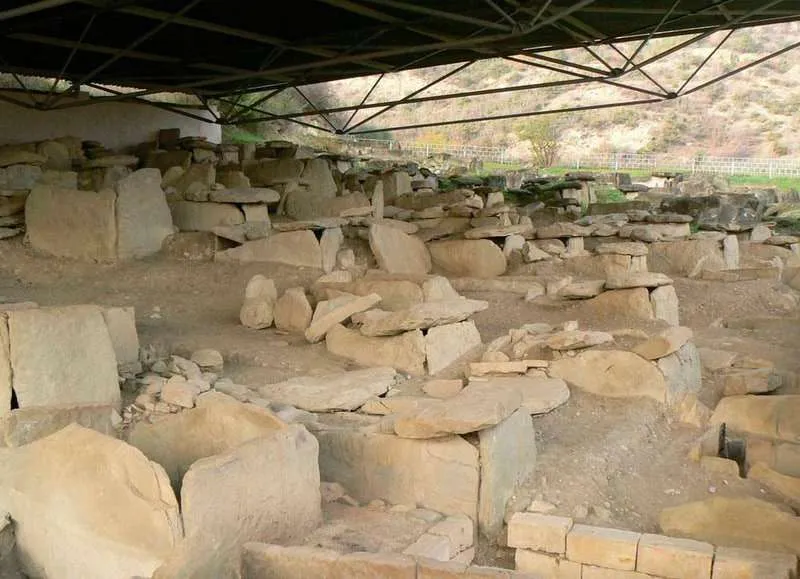
The museum-reserve unites archaeological sites of national and global significance: the Samtavro archaeological field (2nd millennium BC – early Middle Ages), Armaztsikhe-Bagineti – the Acropolis of Mtskheta and the residence of the kings of Kartli (Iberia) (1st century BC – 8th century AD), Armaziskhevi – the residence of the pitiakhshis (rulers) and burial grounds (2nd – 4th centuries AD), the royal tomb (1st century AD), and Bebris-Tsikhe.
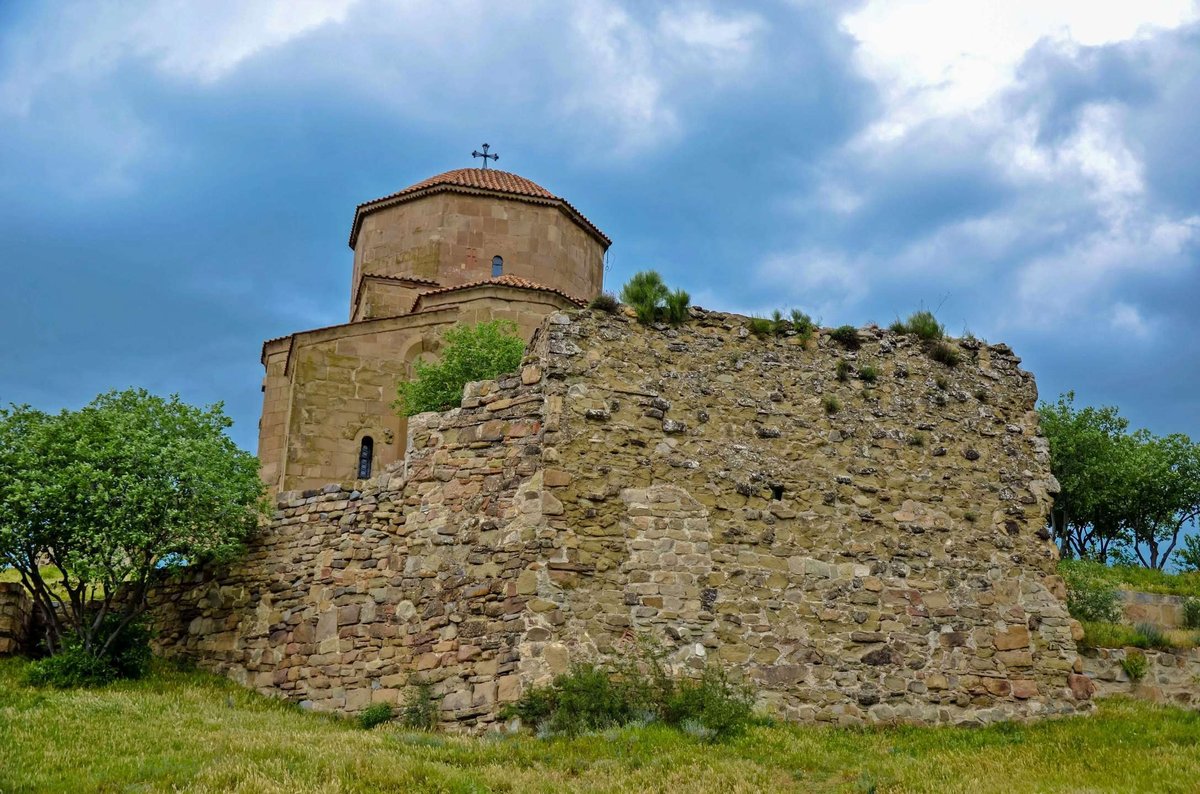
The museum's collections primarily consist of items discovered during archaeological excavations and surveys conducted on the territory of Mtskheta, the ancient capital of Georgia, and the surrounding region (Greater Mtskheta), as well as chance finds and acquired artifacts: tools of ancient farmers (4th-3rd millennia BC), children's toys from the Late Bronze Age (14th-13th centuries BC), bronze and early Iron Age sculptures and ceramics, gold and glass objects from the Classical period, and epigraphic monuments (Greek inscriptions from Armaztsikhe and the Temple of Antioch).
A special program for students—Children's Archaeology—is available at the Samtavro archaeological site (on the burial grounds).
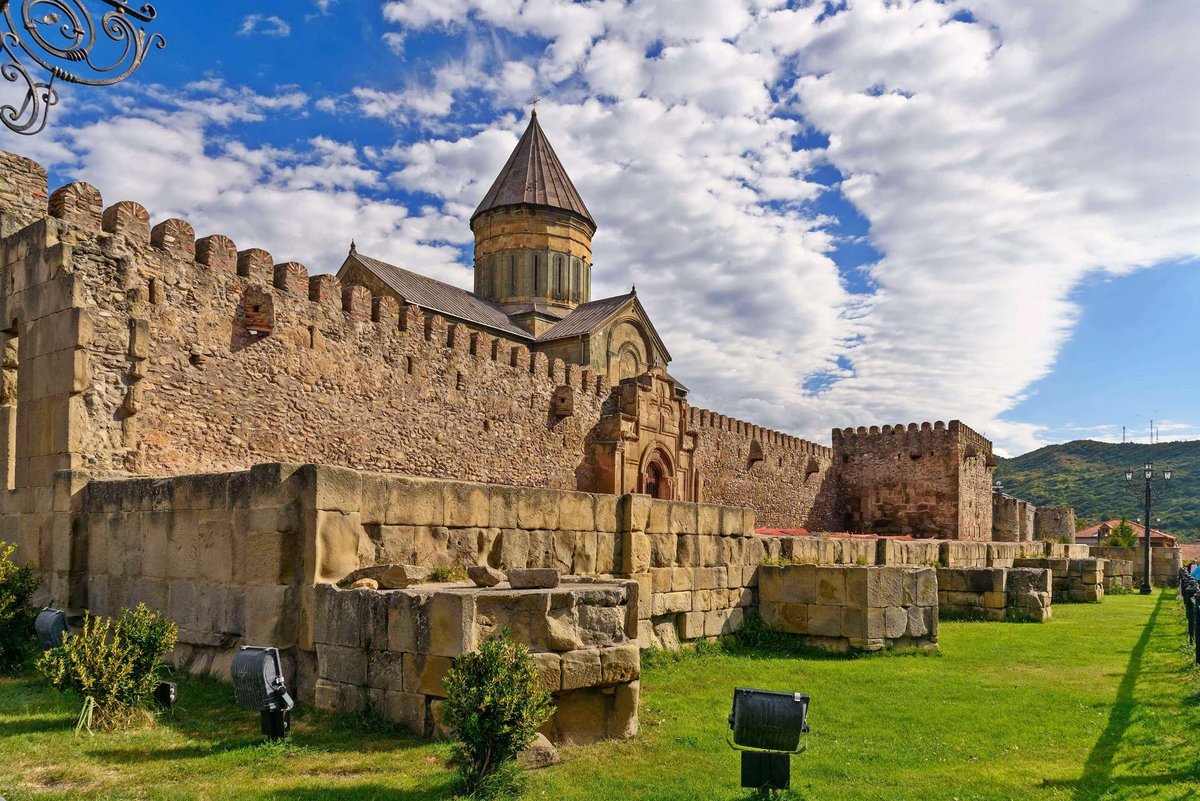
The Greater Mtskheta State Archaeological Museum-Reserve is one of the most fascinating museums in Georgia. Its collection contains the finest examples of archaeological art of global significance and is a must-see for anyone interested in the history and culture of ancient Georgia.
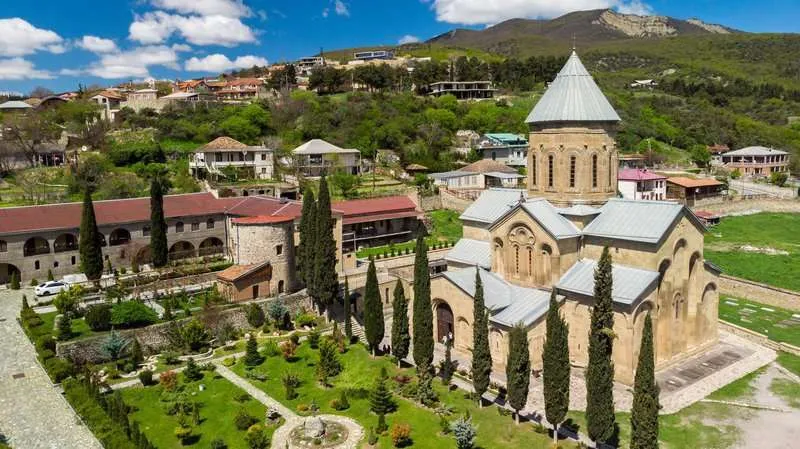
The museum's main exhibition hall is located in a building constructed in the Georgian national architectural style. Here, you can admire ancient agricultural tools, children's toys, bronze sculptures, jugs, ancient human bones, and other objects related to the history and culture of ancient Georgia.
The museum-reserve brings together archaeological sites of national and global significance, presenting a rich and diverse collection of artifacts spanning the period from the 2nd millennium BC to the Middle Ages. In particular, these include the Samtavro archaeological site, Armaztsikhe-Bagineti (the Acropolis of Mtskheta and the residence of the kings of Kartli (Iberia)), Armaziskhevi (the residence of the rulers), and burial grounds, including the royal tomb and Bebristsikhe.
The museum's collections primarily consist of objects discovered during archaeological excavations and surveys conducted on the territory of the ancient capital of Georgia, Mtskheta, and the surrounding region (Greater Mtskheta), as well as chance finds and acquired artifacts. The most significant items in the collection include tools of ancient landowners (4th-3rd millennia BC), children's toys from the Late Bronze Age (14th-13th centuries BC), bronze and early Iron Age sculptures and ceramics, gold and glassware from the Classical period, and epigraphic monuments (Greek inscriptions from Armaztsikhe and the Temple of Antioch). The State Archaeological Museum-Reserve in Greater Mtskheta is considered one of the most significant historical museums in Georgia. Its collections contain unique archaeological finds that provide insight into Georgia's history and culture. Farming tools and children's toys from the Late Bronze Age are examples of ancient crafts that have now disappeared. Bronze and iron sculptures are high-quality works of art, and epigraphic monuments offer insight into Georgia's history and culture over many centuries.
One of the most interesting collections is the Samtavro archaeological field, which contains artifacts dating from the 2nd millennium BC to the early Middle Ages. Artifacts from this period demonstrate the evolution of ancient Georgian culture and technology. The museum also contains monuments of national significance, such as the residence of the kings of Kartli, and global significance, such as burial grounds from the 2nd-4th centuries AD.
One of the interesting programs available for students is Children's Archaeology, which takes place at the Samtavro archaeological field. This program allows children and teenagers to learn more about the science of archaeology and the history of their country. Students can participate in expeditions, archaeological excavations, and other activities.
The State Archaeological Museum-Reserve in Greater Mtskheta is an important cultural heritage site for Georgia. It houses numerous archaeological sites related to the history and culture of Georgia, as well as exhibits from various eras and cultures around the world. The museum-reserve contains a rich collection of archaeological finds that help us understand the history of this amazing country and its peoples.
But this isn't the only museum in Georgia worth visiting. The country boasts many other fascinating museums and sites connected with history and culture. Tbilisi is home to the State Museum of Fine Arts of Georgia, which houses a rich collection of Georgian art from the Middle Ages to the present day. Also worth visiting is the Museum of the Georgian National Ballet and Opera, where you can enjoy performances by ballet troupes and opera singers.
If you're interested in architecture, you should definitely visit Shioli Castle, located in the town of Sighnaghi. It's a remarkable example of Georgian medieval architecture, built in the 12th century. Here you can see magnificent frescoes, carved doors, and enjoy stunning views of the surrounding area.
Georgia also has many beautiful natural sites worth visiting. Borjomi-Kharaagau National Park, located in the south of the country, is known for its mountainous landscapes, thermal springs, and magnificent mountain views. Also worth visiting are the Martvili Canyons, renowned for their beautiful nature and stunning waterfalls.
Don't miss the opportunity to visit Georgia and enjoy its amazing museum treasures, among which the State Archaeological Museum-Reserve in Greater Mtskheta holds a special place. This museum is not only a repository of numerous valuable artifacts but also an important showcase of Georgia's cultural heritage, a must-see for history and archaeology buffs.
One of the most iconic objects in the museum's collection are the tools of ancient farmers, dating back to the 4th-3rd millennia BC. These objects provide important evidence of how people of that time used various tools to cultivate the land and grow crops. The museum's collection also includes children's toys dating back to the Late Bronze Age (14th-13th centuries BC), providing a deeper understanding of the lifestyle and culture of ancient societies.
The museum is also renowned for its bronze and early Iron Age sculptures, discovered during archaeological excavations in Greater Mtskheta. They represent excellent examples of ancient Georgian sculpture and offer insight into the artistic taste of the period. Ceramics, gold jewelry, and glassware from the classical era, also on display in the museum, bear witness to the unique cultural mix that flourished in Georgia for centuries.
The Greater Mtskheta Museum-Reserve encompasses several archaeological sites of national and international significance. Among these sites is the Samtavro archaeological field, where numerous valuable artifacts dating back to the early Middle Ages were discovered. It is also worth noting that the museum-reserve hosts various exhibitions and events dedicated to the history and culture of Georgia. For example, here you can visit art exhibitions dedicated to various periods of Georgian history and learn more about Georgian culture and traditions.
Furthermore, the Greater Mtskheta State Archaeological Museum-Reserve is a popular venue for academic conferences and symposia on the archaeology, history, and culture of Georgia.
To visit the museum-reserve, it is best to book a tour in advance to avoid long lines at the entrance. Also, please note that photography and flash photography are prohibited in the museum.
Don't miss the opportunity to visit Georgia and enjoy its amazing sights, including a visit to the Greater Mtskheta State Archaeological Museum-Reserve, where you can immerse yourself in the history and culture of ancient Georgia, see unique artifacts, and experience the spirit of bygone times.
We encourage all our readers to leave their comments and questions under our articles. Your feedback will help us improve our content. We look forward to your comments and questions!

40 comments
Log in to leave a comment
Però, devo dire che mi sarei aspettato una presentazione un po' più dinamica. Sì, le esposizioni erano affascinanti, ma la narrazione poteva essere più coinvolgente. L'atmosfera, purtroppo, a tratti sembrava un po' rigida, come se il tempo si fosse fermato tra le mura del museo. Se solo riuscissero a rendere l'esperienza più immersiva, chissà, la storia potrebbe davvero rivivere.
Интересно, что на базе музея функционирует программа обучения Детской археологии. Также здесь проводят и научные конференции.
Скажите, пожалуйста, по какой причине в музее запрещено фотографировать?