




Zacharia Paliashvili House Museum: History and Exhibits
🎵 House-museum · ⏱️ 1–1.5 hours · 📍 10 Bakradze (Melikova) Street, Tbilisi
🎼 Before you visit
| 📍 Address | 10 Bakradze (Melikova) Street, Tbilisi |
| 📅 Founded | 1959. Paliashvili lived in this house from 1915 to 1922 |
| 🗃️ Collection | 5,000 items: scores, manuscripts, photographs, instruments, tailcoat, paintings, sculptures |
| 📚 Library | 3,000+ books in Georgian, Russian, English, French, Italian |
| 🎭 Events | Concerts, masterclasses, meetings with Paliashvili Prize laureates, academic conferences |
| 🏛️ Floors | 1st — exhibition hall (up to 50 people), 2nd — main exposition |
| 💰 Entry | Confirm prices before your visit |
🧭 Who this article is for
The Zakaria Paliashvili House Museum is for those interested not just in "music history" but in how one specific person, in one specific apartment, created something that became a national symbol. Three operas that defined the Georgian operatic tradition. Original manuscripts. Instruments. A tailcoat. And the Darbazi ensemble, which still performs here. This article is for those who want to understand what they're looking at.
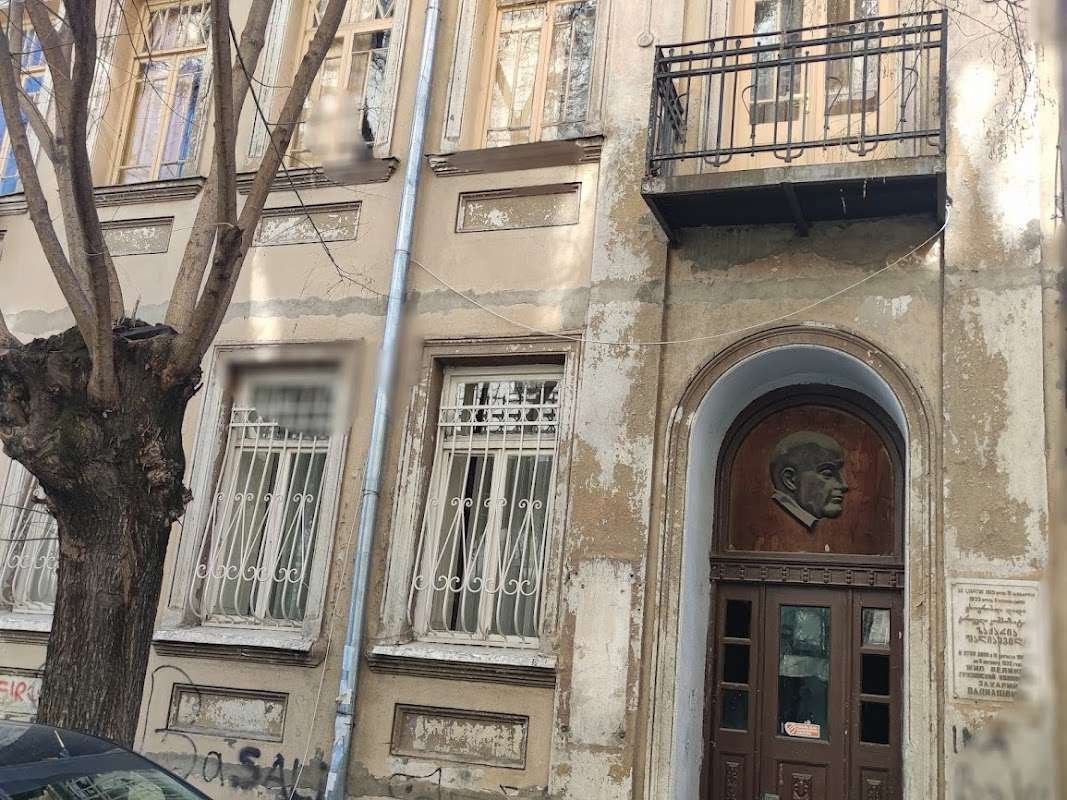
👤 Zakaria Paliashvili: the biography in a few facts
Zakaria Paliashvili (1871–1933) — founder of the modern Georgian national school of composition, conductor, folklorist, teacher, public figure. Born in Kutaisi into a family of musicians: his father sang in a Catholic church choir, four brothers and a sister also played music. From 1887 he sang in Lado Agniashvili's choir in Tbilisi. At the Tbilisi Music School he studied the French horn — a demanding instrument.
Higher education: Moscow Conservatory (1900–1903) under Taneyev. On returning to Georgia he did not limit himself to composition: he co-founded the Georgian Philharmonic Society, established a choir and orchestra, led a music school, collected and arranged Georgian folk songs. He published two collections: "Forty Georgian Folk Songs" and "Eight Georgian Folk Songs."
On 21 February 1919 the opera "Abesalom da Eteri" had its premiere — Paliashvili conducted himself. That was not merely a biographical event. It was the moment Georgia acquired a genuine national opera.
🎼 Three operas — three genres
Paliashvili created three fundamentally different types of Georgian opera:
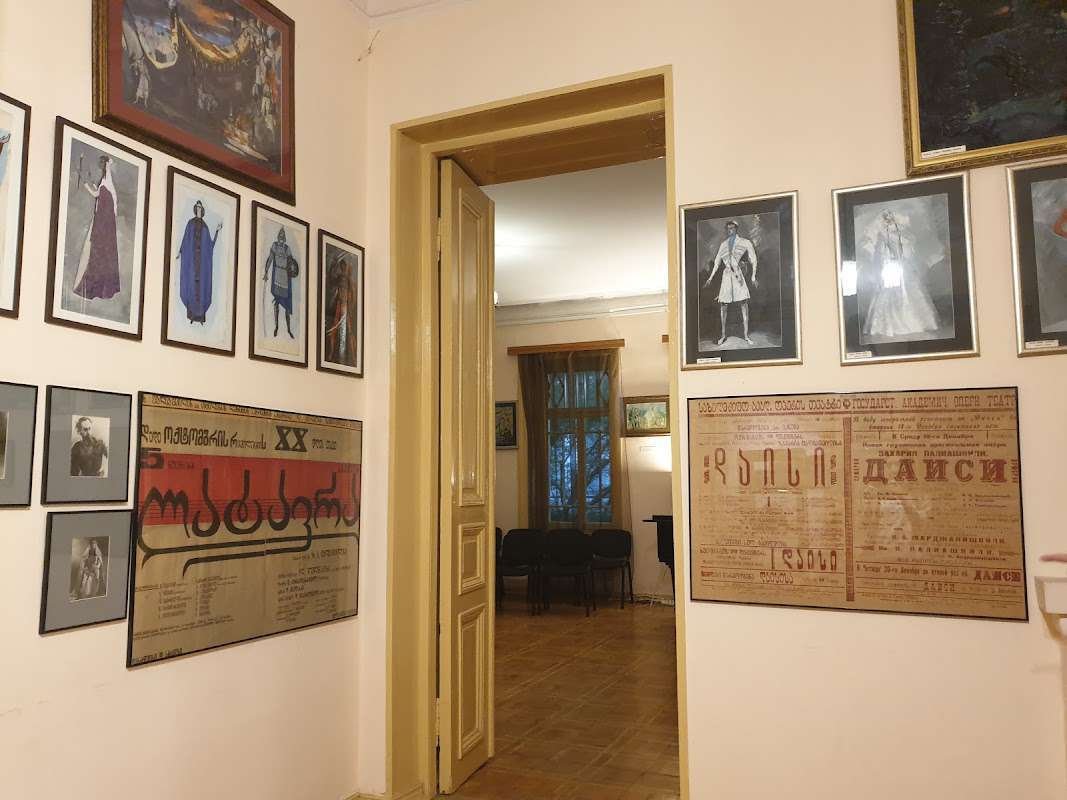
- "Abesalom da Eteri" (1919) — a monumental opera-tragedy. Based on the medieval Georgian epic "Eteriani." The most large-scale of the three.
- "Daisi" (literally "Twilight", 1923) — a literary-dramatic opera. More intimate, psychologically complex.
- "Latavra" (1928) — a heroic-patriotic opera. Based on Georgian history.
Three genres — three approaches to national material. The museum holds original scores of the first two.
🏛️ What the museum holds
🔵 First floor — exhibition hall (up to 50 seats): temporary exhibitions, concerts, meetings with Paliashvili Prize laureates, masterclasses, academic conferences. Also a museum shop — books, souvenirs, CDs with Georgian composers' works.
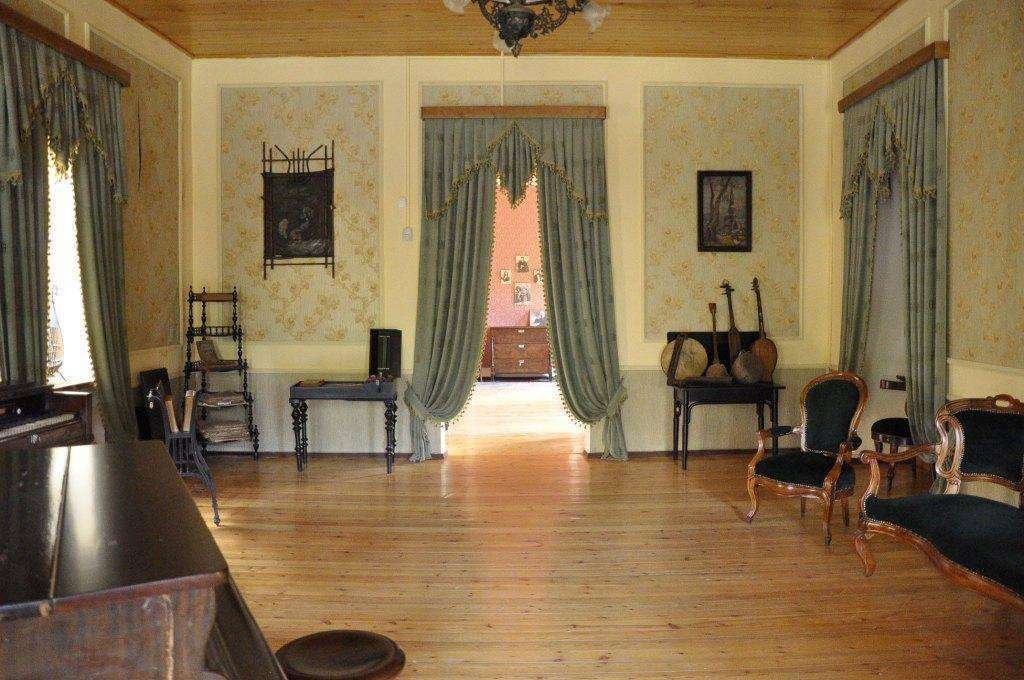
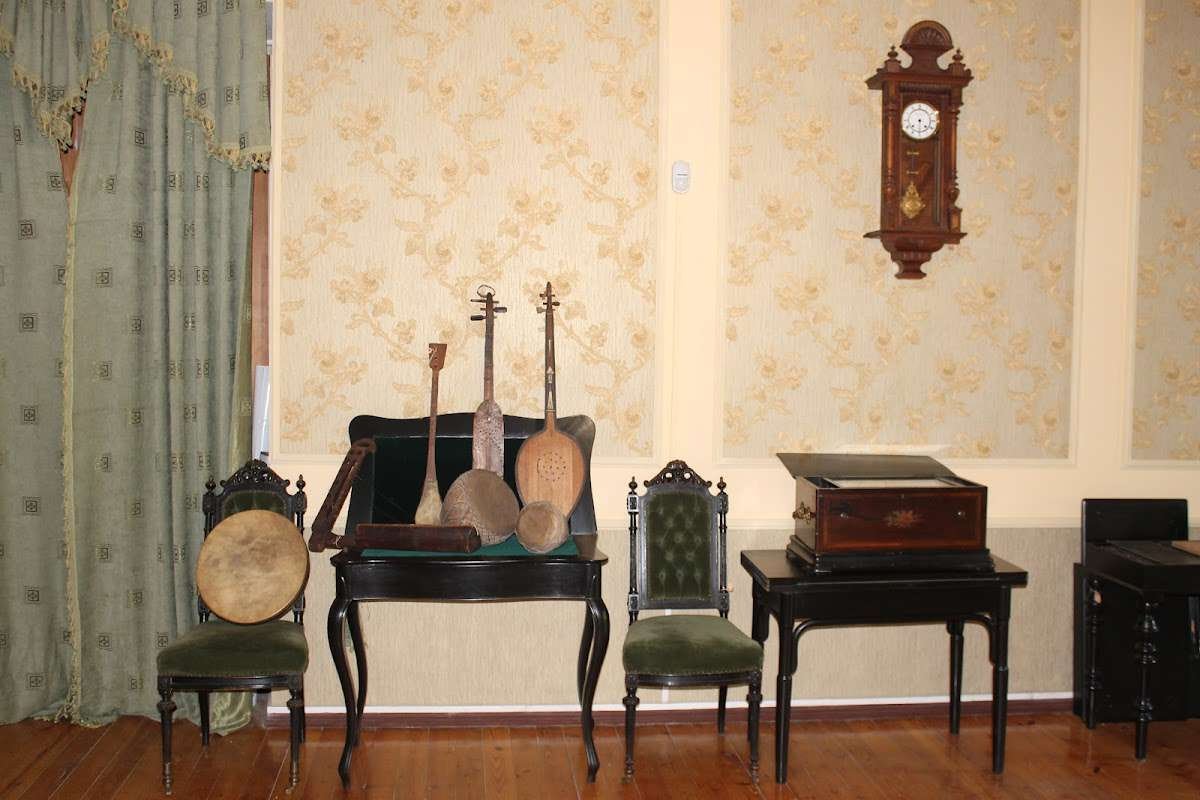
🔵 Second floor — main exposition: Original scores of "Abesalom da Eteri" and "Daisi" — manuscripts with the composer's own corrections. Posters from the first performances. Unique manuscripts, photographs. The tailcoat — the formal dress in which he conducted the premieres. Musical instruments — piano, organ, violins. Personal effects.
Paintings, graphics and sculptures by Georgian artists — images from the composer's life and motifs from his operas. Stage models of productions. An original manuscript of the poem "Stop for a Second by the Opera Garden" by Iosif Noneshvili, dedicated to Paliashvili.
🔵 Library — over 3,000 books in Georgian, Russian, English, French and Italian. Rare editions not previously accessible to the general public.
🎶 The Darbazi Ensemble
The museum founded a young musicians' ensemble called Darbazi, which performs Georgian folk songs and works by Paliashvili. The ensemble performs both in Georgia and abroad — living musical history directly connected to the museum.
Before you come, listen to a fragment of "Abesalom da Eteri" — the aria of Eteri or any of the key scenes. In the museum, standing next to the original manuscript score, you will understand exactly what you're looking at. It changes the experience completely. Check the concert and masterclass schedule in advance — sometimes catching a live performance in these rooms is worth more than any amount of looking at glass cases.
🗺️ How to plan your visit
1️⃣ Go up to the second floor — begin with the biographical section. Photographs of Paliashvili in youth and maturity give a sense of the period.
2️⃣ Find the original scores — they are under glass but clearly visible. These are the manuscripts used in rehearsals.
3️⃣ Look at the tailcoat and instruments — personal objects always convey a living person rather than a monument.
4️⃣ Step into the library — rare music editions in five languages.
5️⃣ Go down to the first floor — check the schedule of upcoming concerts or masterclasses. Catching a live performance is a separate experience in itself.
6️⃣ The museum shop stocks CDs of Paliashvili's operas and books on Georgian music that you won't find in standard souvenir shops.
💬 What visitors say
"The collection of original opera scores, personal archives and memorial items is extraordinary, and the lively atmosphere of the exhibition hall — with concerts and masterclasses — truly brings Paliashvili's legacy alive."
"His tailcoat was particularly striking — it transports you to the world where his great works were being created. The exhibition hall on the first floor was a pleasant surprise."
"The original manuscript scores are a real treasure. These exhibits speak volumes about the process of creating a masterpiece."
🏁 Is it worth going
If opera music seems distant and academic to you — this museum may change that. There are no grand display cases here, just a specific apartment, specific manuscripts, a specific tailcoat. The man who invented the Georgian national opera lived and worked precisely here. You can feel it.
ℹ️ Opening hours, ticket prices and event schedules should be confirmed before your visit. Information is current at the time of publication.
🏛️ What to see and where to go nearby


Have you been to the Paliashvili House Museum? What stayed with you most — the original scores, the tailcoat, the library, or a live concert in the museum halls? Tell us — we read every comment ❤️
❓ Questions people ask most often
💬 Address: 10 Bakradze (Melikova) Street, Tbilisi. Paliashvili lived here from 1915 to 1922. The museum has been open since 1959.
💬 Zakaria Paliashvili (1871–1933) — founder of the Georgian national school of composition, composer, conductor, folklorist. He created three operas — "Abesalom da Eteri," "Daisi" and "Latavra" — that became the foundation of the Georgian operatic tradition. He studied at the Moscow Conservatory under Taneyev.
💬 On 21 February 1919, conducted by Paliashvili himself. It was Georgia's first genuine national opera, and the one that brought him international recognition.
💬 Original scores of "Abesalom da Eteri" and "Daisi," personal archive, photographs, first-night posters, manuscripts, musical instruments (piano, organ, violins), the composer's tailcoat, paintings and sculptures by Georgian artists, stage models, and a library of over 3,000 books.
💬 Yes. The first-floor exhibition hall regularly hosts concerts, meetings with Paliashvili Prize laureates, masterclasses for Georgian composers and teachers, and academic conferences. Check the schedule in advance.
💬 A musical ensemble founded by the museum. Young musicians perform Georgian folk songs and works by Paliashvili. They perform both in Georgia and internationally.
💬 Confirm before your visit. The museum receives international visitors, but the availability of an English-speaking guide is worth checking in advance.

38 comments
Log in to leave a comment
Es hat eine ganz spezielle Atmosphäre, und ich habe einige Zeit damit verbracht, da einfach zu sein und die Kunstwerke zu betrachten. Das Museum könnte vielleicht ein bisschen mehr über die Einflüsse seiner Werke erzählen. Warst du schon mal dort? Wie fandest du die Ausstellungen?
Я всегда мечтала посетить такие места, погрузиться в атмосферу творчества. Может быть, повстречаться с духом Палиашвили, если он действительно там. Интересно, есть ли какие-то экскурсии, которые рассказывают о его жизни через музыку?
Я очень рекомендую посетить этот музей всем, кто интересуется музыкой и культурой Грузии. Он предлагает уникальную возможность погрузиться в творческий мир Захария Палиашвили и оценить его важное наследие. Спасибо madloba.info за предоставленную информацию, которая позволила мне узнать больше о этом замечательном месте!
В музее насчитывается 5000 экспонатов, связанные с жизнью и деятельностью композитора. Мемориальные предметы, личный архив, уникальные рукописи, фотоматериал, библиотека, образцы живописи, музыкальные инструменты композитора и многое другое!