




Ali and Nino Sculpture in Batumi: Truth, Fiction and the Best Time to Visit
Ali and Nino in Batumi: how to watch the sculpture
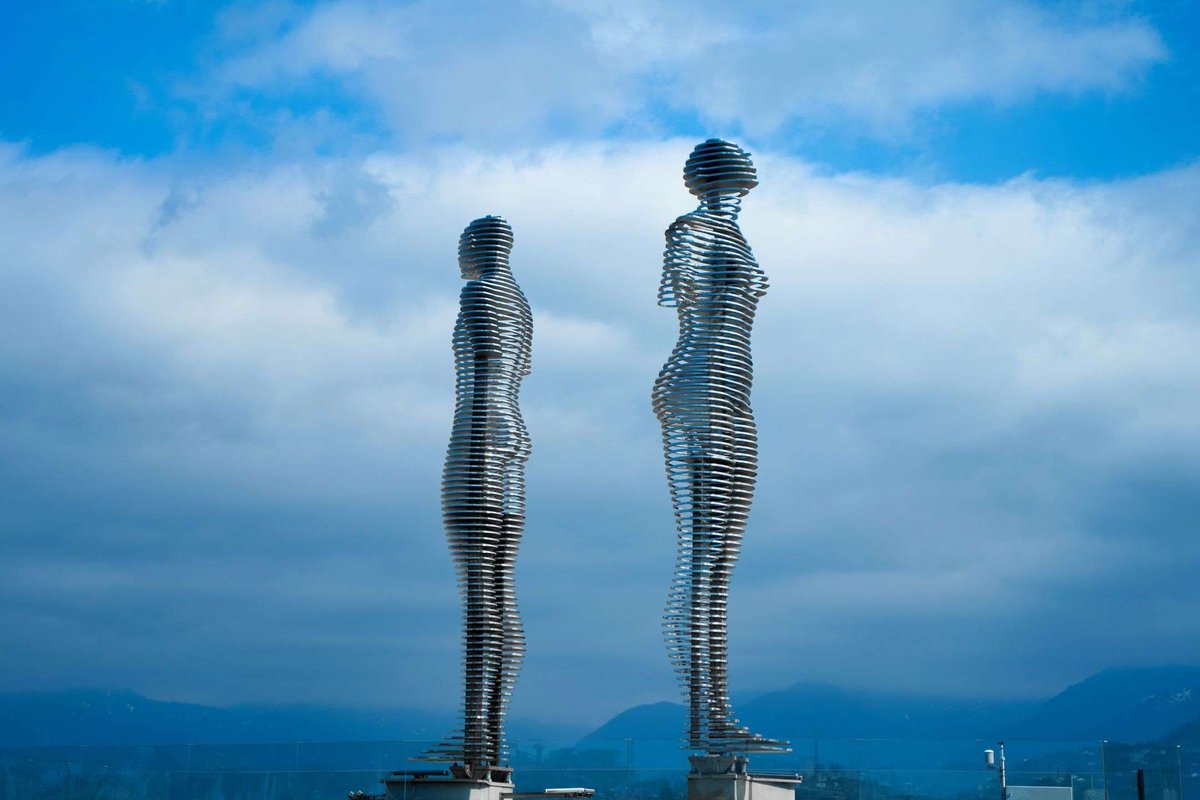
Almost everyone who has walked along Batumi in the evening has seen the two metal figures by the sea. They slowly move toward each other, become one silhouette for a few seconds, then separate again. This is the Ali and Nino sculpture, one of Batumi’s most recognizable public artworks.
There is one delicate point in this story. Visitors often ask: is it true, or is it a legend? Were Ali and Nino real people? Why is the monument in Batumi if the novel is tied to Baku and the Caucasus of the early 20th century? The answer is not as simple as many guided stories make it sound. The sculpture is real, the novel is real, but the “real love story” needs careful wording.
Where the Ali and Nino sculpture is in Batumi
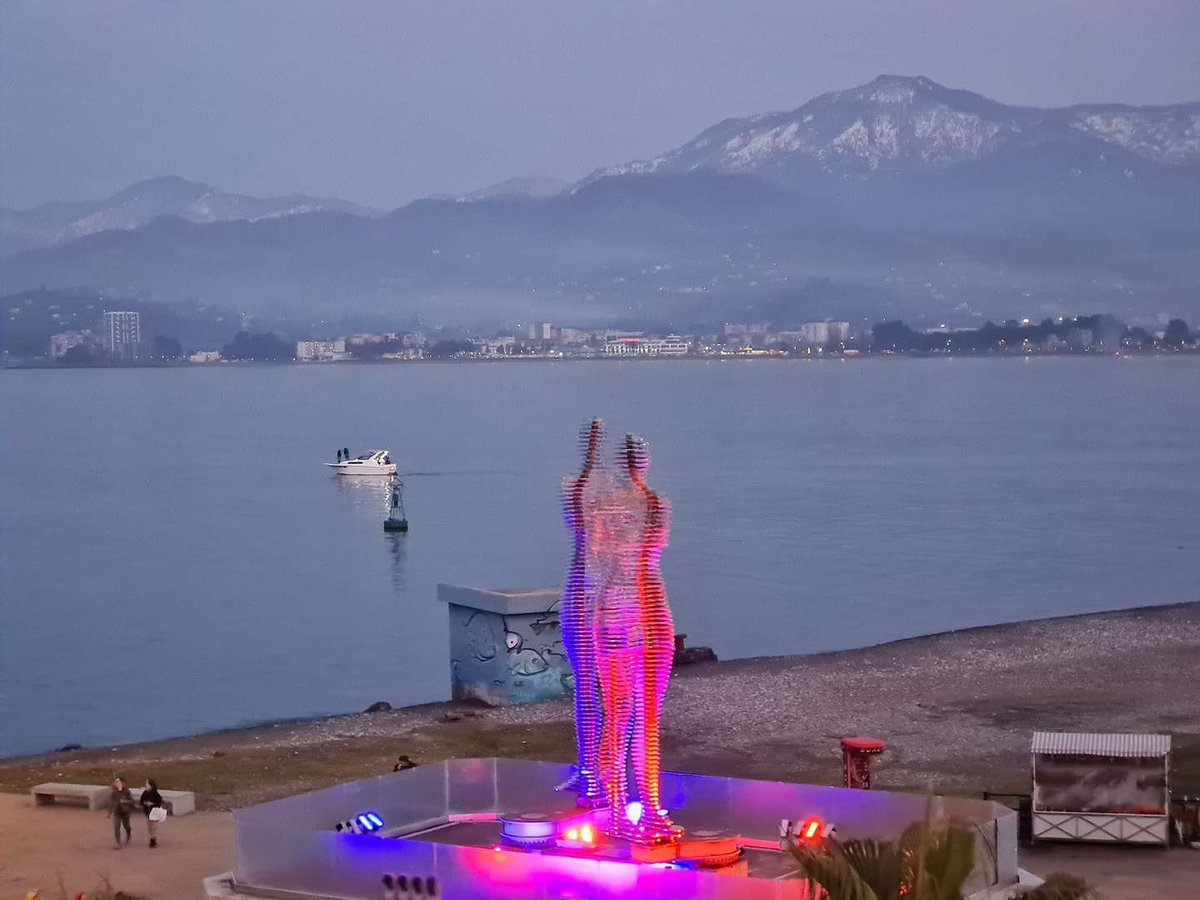
The sculpture stands on Batumi Boulevard, in Miracle Park, near the Ferris wheel, Alphabet Tower and the sea. It is one of the easiest places to add to an evening walk: you can reach it on foot from the old center, the port, Europe Square or the seafront.
If you are planning your first route, save the Ali and Nino monument on the map. During the day, it is not always as noticeable as people expect. There are many objects, lights, attractions, visitors, signs and the sea around it. In the evening, the sculpture almost gathers an audience by itself.
Several nearby places work well with the same walk: the Ferris wheel, Alphabet Tower, the seafront, the port area and the long promenade along the Black Sea. If you want a ready-made city plan, add the sculpture to the route what to see in Batumi in one day.
How Ali and Nino move
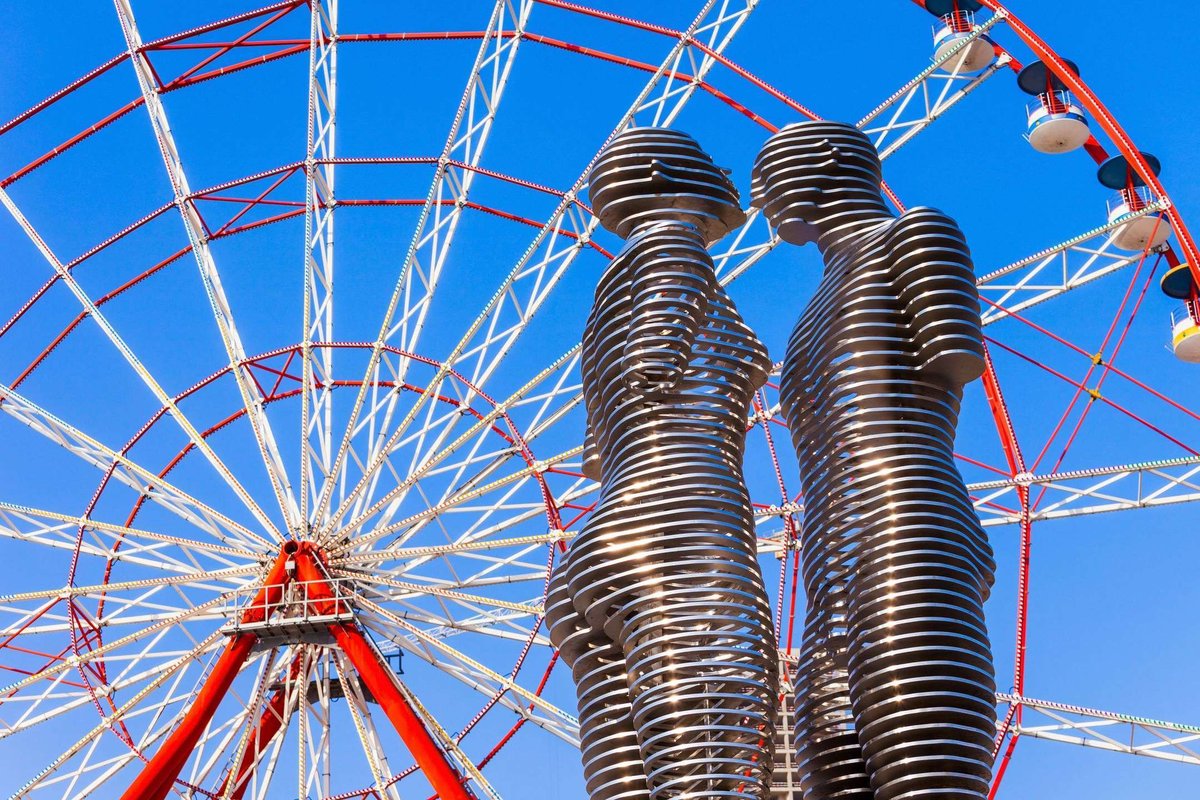
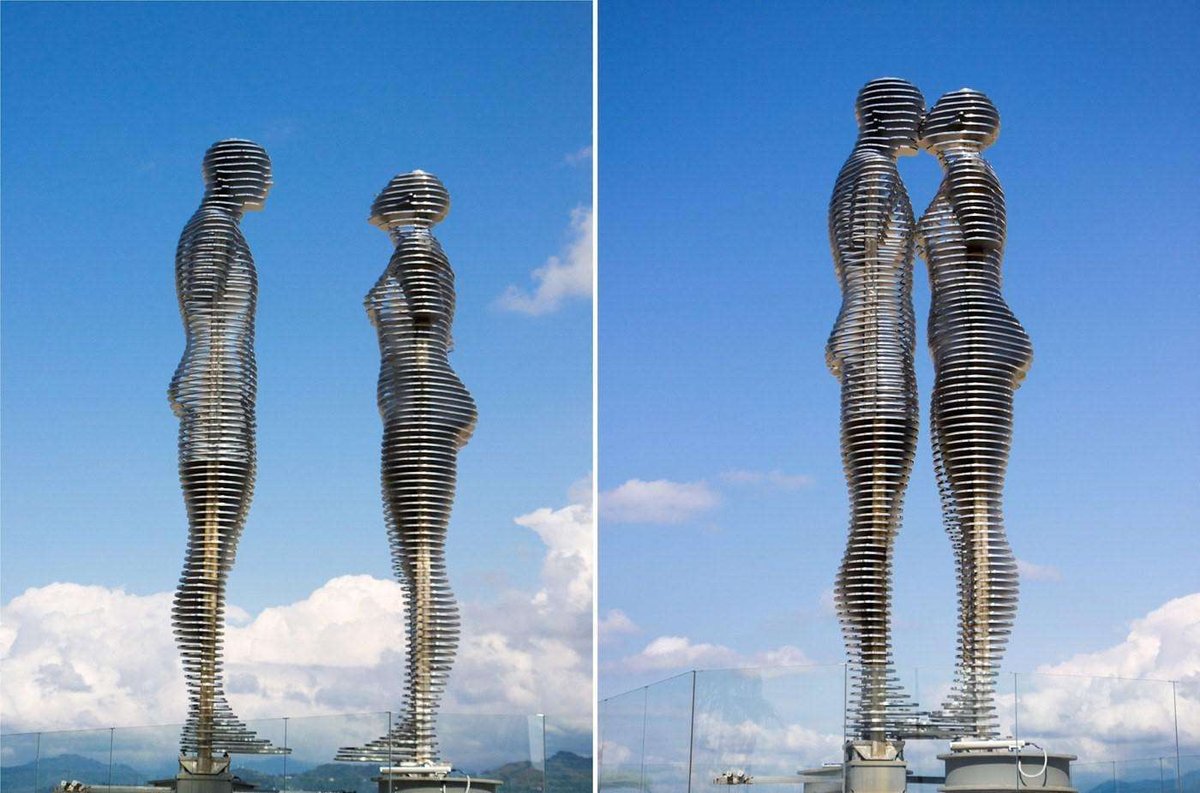
The figures are made from metal plates. They stand apart, then slowly move toward each other, merge into one silhouette, pass through one another and separate again. The whole scene takes about 10 minutes.
The idea is simple, but it works. Two people seem to meet, yet cannot stay together. It becomes a short story without words: meeting, closeness, loss. If you arrive at the right moment, the people around often go quiet for a few seconds. Then the phones, children, street noise and sea return.
During the day, the effect is weaker. You can see the metal clearly, but the drama of the movement gets lost in the sun, crowd and open space. In the evening, the sculpture feels more precise: lights, dark sea, silhouettes of visitors and the moving figures turn the scene into something almost theatrical.
- the novel Ali and Nino was published in 1937;
- Kurban Said is a pseudonym;
- the Batumi sculpture was created by Tamara Kvesitadze;
- the figures move and pass through each other;
- the monument stands by the sea on Batumi Boulevard.
- it is not proven that Ali and Nino were one specific real couple;
- the authorship of the novel is still debated;
- the novel is connected with the Caucasus and Baku, not Batumi;
- guided stories often sound more romantic than the sources;
- not every detail of the legend should be treated as fact.
What the novel Ali and Nino is about
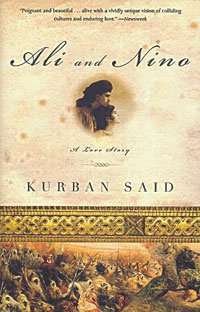
The novel Ali and Nino was published in German in 1937 under the pseudonym Kurban Said. Its story is connected with Baku and the Caucasus during the First World War, revolution and the collapse of the old order. The main characters are Ali Khan Shirvanshir, a Muslim from an Azerbaijani aristocratic family, and Nino Kipiani, a Georgian Christian woman from a noble family.
At the center of the book is not only love. It also deals with the choice between East and West, city and tradition, family and personal decision, religion and politics. That is why the novel has lasted longer than an ordinary melodrama. People read it as a love story, but behind it stands the Caucasus at a moment of sharp change in the early 20th century.
It is important to say this clearly: the events of the novel do not take place in Batumi. The sculpture on the seafront does not illustrate a specific Batumi legend. It takes the image of impossible love from the novel and turns it into a city symbol.
Truth or fiction: were Ali and Nino real people?
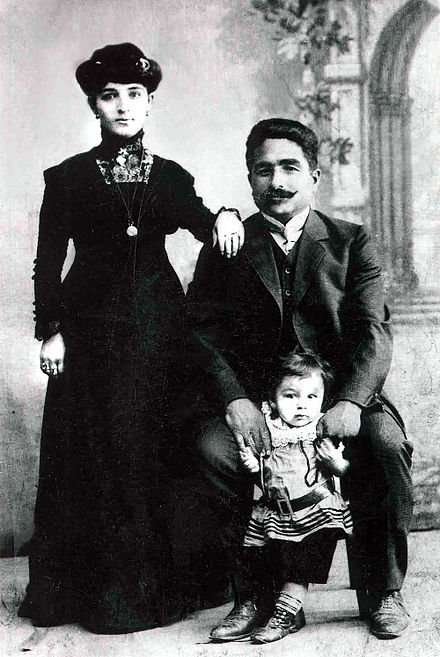
There are theories about possible prototypes for Ali and Nino, family stories and long-running debates about the author of the novel. The safer way to put it is this: Ali and Nino are literary characters, while the novel may have drawn on the atmosphere, biographies and conflicts of the Caucasus in the early 20th century.
Yes, Nino Kipiani in the novel is a Georgian woman from a noble family. Yes, Ali Khan Shirvanshir is an Azerbaijani Muslim. Yes, their love is shaped by religion, war, politics and family expectations. But that does not make the novel a documentary story about two clearly identified real people.
The authorship adds another layer of intrigue. Kurban Said is a pseudonym. The names most often discussed behind it are Lev Nussimbaum, who wrote as Essad Bey, Azerbaijani writer Yusif Vazir Chamanzaminli and Baroness Elfriede Ehrenfels. For a travel article, there is no need to go too deep into this literary detective story. It is enough to say honestly: the authorship is disputed, and the novel should not be retold as a biography.
Why the sculpture stands in Batumi
Batumi likes objects like this: a little theater, a little sea, a little memory photo. The Ali and Nino sculpture fits the city’s character almost too well. It does not require a ticket, does not ask you to read a long plaque and can be understood even without a guide.
There is another reason. Batumi is a city on the edge of cultures. Here, sea and mountains, old quarters and new towers, Georgian, Turkish, European and wider Caucasian tones sit next to each other. A love story between Muslim Ali and Christian Nino is easy to read here, even if the novel is not geographically tied to Batumi.
So the sculpture works not as a monument to a local event, but as a city symbol. Not “this happened here”, but “this makes sense here”.
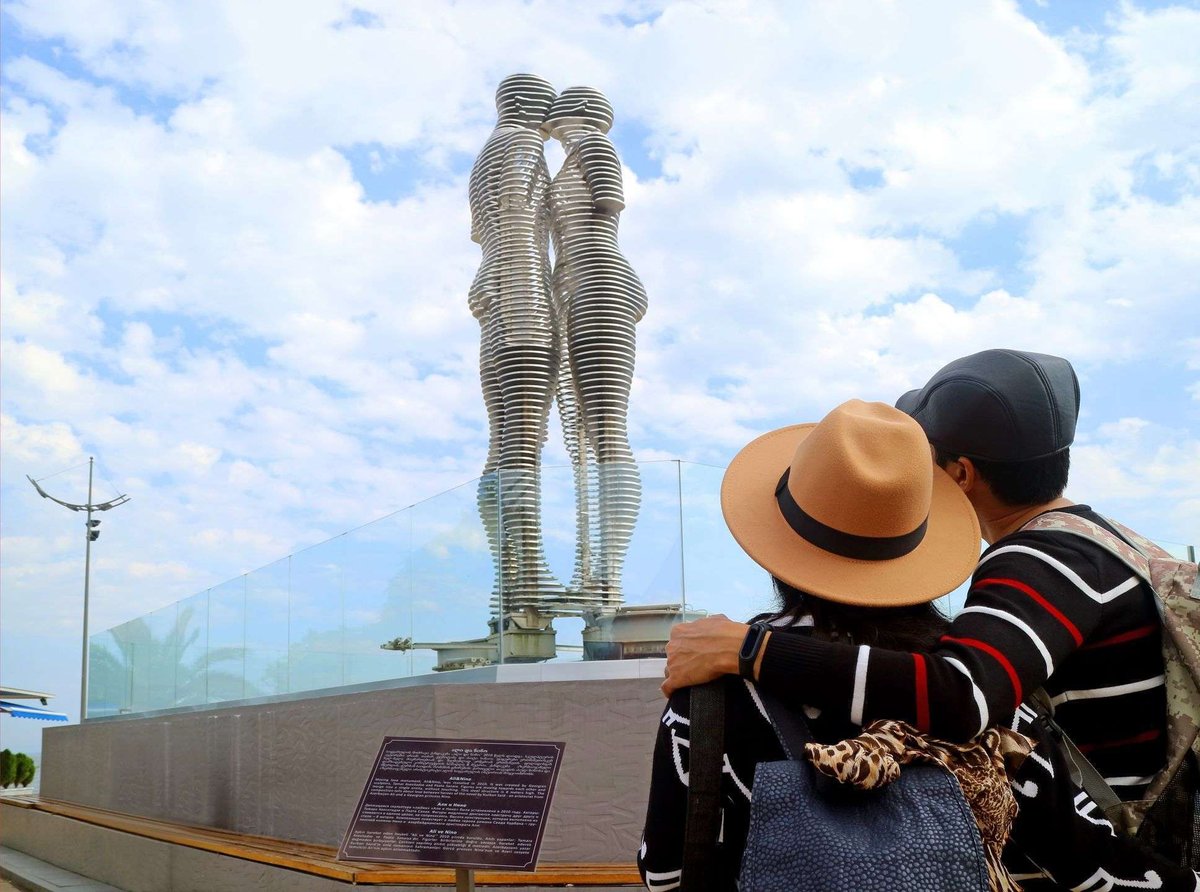
Best time to visit and where to take photos
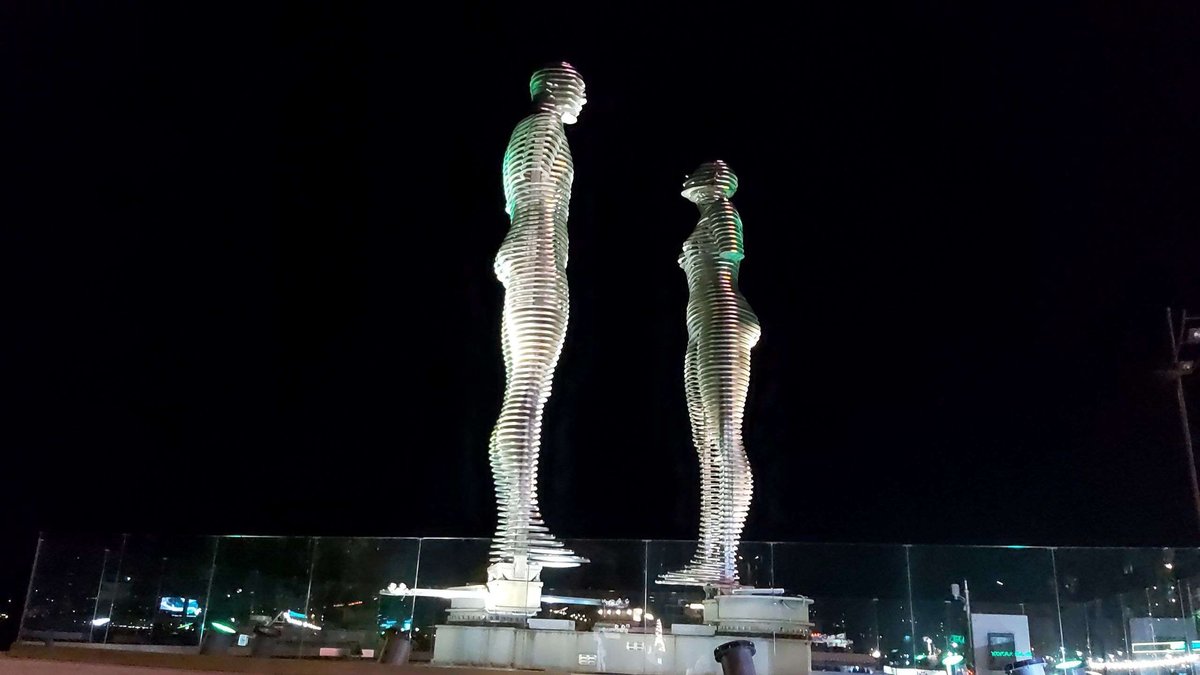
The best time is evening. Come at sunset or a little later, when the lights are on and the figures begin to feel like a scene. If you come during the day, you may be disappointed: the metal silhouettes look simpler, and the movement does not feel as strong without light and waiting.
There are three good photo angles. The first is right in front of the sculpture, before the figures merge. The second is from the side, with the sea and boulevard space in the frame. The third is from the Ferris wheel, if you want a higher angle and a sense of how the sculpture sits inside Miracle Park.
Do not come for exactly one minute. This is the most common mistake. People see the figures, take a photo, leave, and a few minutes later the movement begins. Wait for the full cycle. Ten minutes by the sea in Batumi is not a terrible sacrifice.
What visitors say: emotion, photos and mild disappointment
Reviews of the sculpture usually fall into two groups. Some visitors say it is one of the most touching places in Batumi, especially in the evening when the lights are on and the figures move. Others admit honestly that during the day the object looks smaller and simpler than in photos.
Both reactions are understandable. The Ali and Nino sculpture does not work the same way at every hour. Its power is not in size or metal, but in movement. If you see it standing still under bright sun, you may not understand why people talk about it so much. If you come in the evening and wait for the moment when the figures meet, the impression changes.
The location is another advantage. Even if the sculpture does not become your main memory of Batumi, you will still be in one of the best parts of the seafront: sea, Ferris wheel, Alphabet Tower, port lights, walking paths and photos.
What to see nearby
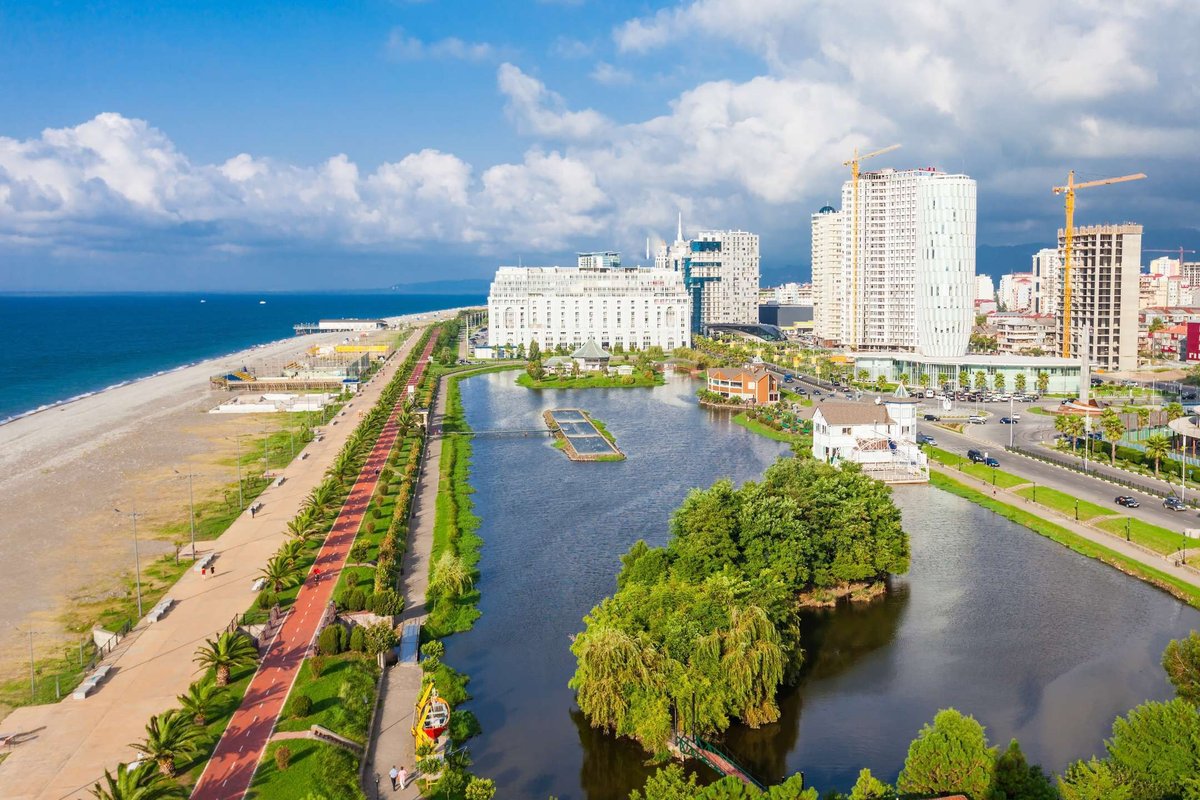
The sculpture is easy to combine with Batumi Boulevard. This is not a place where you need to cross the whole city for one object. Come at sunset, walk by the sea, watch the moving figures and continue along the promenade.
Nearby you will find the Ferris wheel, Alphabet Tower, the port, the seafront and Miracle Park. If you are building a route around city landmarks, open the category monuments and statues in Batumi. It is a convenient way to choose what to add to your walk.
For a first visit to the city, put Ali and Nino into the evening part of the route. Daytime is better for museums, the old center, cafés and the beach. Evening is for the sea, boulevard, lights and the slow movement of the figures.
Is Ali and Nino worth visiting?
Yes, if you understand the format. This is not an ancient landmark, not a museum and not a place where you need to spend an hour with a guide. It is a short city scene by the sea. You come, wait for the movement, watch two figures pass through each other and then continue along the boulevard.
The best plan is not to build the whole day around the sculpture. Let it be part of an evening walk. Then expectations match reality: not a grand monument for half a day, but a beautiful 10-20 minute moment.
And yes, the sculpture feels most romantic not when someone explains it for too long. It works best when the sea is making noise nearby, people around go quiet for a second and the two metal figures finally meet. Not for long. That is the whole story.
Now it is your turn
Did you see Ali and Nino moving in the evening, or did you come during the day? Share whether the reality matched your expectations, what time the cycle started, where you got the best photo and whether the view from the Ferris wheel was worth it.
Fresh impressions are especially useful here: movement schedule, lighting, crowds, repair works, good photo points and the condition of the site may change.
❓ Frequently Asked Questions
The sculpture is on Batumi Boulevard, in Miracle Park, near the Ferris wheel and Alphabet Tower. It is an open public location by the sea.
Tourism sources often mention evening movement, commonly from around 19:00. The cycle takes about 10 minutes, but it is better to check locally or come with extra time.
No. The sculpture stands on the open seafront, so you can see it during a regular walk along the boulevard.
The sculpture was created by Georgian artist and sculptor Tamara Kvesitadze. Her work has become one of Batumi’s most recognizable modern landmarks.
It is the story of Azerbaijani Muslim Ali Khan Shirvanshir and Georgian Christian Nino Kipiani against the background of the Caucasus in the early 20th century. The novel is about love, but also about culture, tradition, politics and a changing era.
It is safer to see them as literary characters. There are theories about prototypes, but there is no proven biography of one clearly identified couple, and the authorship of the novel remains debated.
Evening is best: at sunset, during the movement and after the lights turn on. During the day, the sculpture may look simpler and get lost against the busy seafront.
Nearby are the Ferris wheel, Alphabet Tower, Miracle Park, the port area and Batumi Boulevard. It is a good starting point for an evening walk by the sea.
Information about movement, lighting and access to the sculpture is current as of June 3, 2026. Before visiting, consider weather, boulevard repairs and possible changes to the movement schedule.

47 comments
Log in to leave a comment
Автор рассказывает о знаменитом романе «Ali and Nino», который впервые был опубликован в 1937 году под псевдонимом Kurban Said — сюжет о трагической любви азербайджанского мусульманина Али и грузинской христианки Нино разворачивается на фоне событий Первой мировой войны, революции и изменений на Кавказе. 
В рейтинге также упоминается, что за этой литературной историей стоит реальная пара прототипов — Нино Кипиани из грузинской дворянской семьи и Алекcандр Саканделидзе (Аликхан), богатый азербайджанец — и именно их судьба вдохновила автора романа. В книге есть вымысел, но основа любви этих двух людей действительно глубоко тронула воображение читателей. 
Особенно интересно, что в Батуми на набережной стоит знаменитая движущаяся скульптура «Али и Нино» от грузинской художницы Tamara Kvesitadze, где металлические фигуры медленно сближаются и расходятся — это визуальный символ их невозможной, но вечной любви. 
Рейтинг помогает понять, что между фактом и художественным вымыслом здесь тонкая грань: роман вдохновлён реальными событиями, но интерпретирует их так, чтобы создать сильный художественный образ — и сегодня эта история стала частью культурного наследия региона. 
Спасибо автору за такой живой и романтичный обзор!
А вы читали **«Али и Нино» или видели фильм или скульптуру в Батуми — какое впечатление эта история оставила у вас: больше трогательное чувство любви или глубину культурного контекста? 🍷✨
Множество раз попадались фотографии этого архитектурного произведения в интернете, журналах, и только сейчас я узнала, что это не просто интересная задумка инженера, но и персонажи, заимствованные из произведений и даже из вполне реального прошлого!
Красиво, символично и прогрессивно в сфере инженерии.
Реальная история конечно же показывает , что любовь сильнее всего вокруг. Дай бог всем так любить !
Скульптура Тамары Квеситадзе действительно нечто потрясающее. Она олицетворяет любовь, как движение к друг другу, а после сближения присходит как бы угасание чувств и отдаление героев. И так бесконечно по кругу.
У меня возник только один вопрос - почему у скульптур отсутствуют руки?