




🍷 Top 12 wine shops and tasting rooms in Tbilisi in 2026: where to buy Georgian wine
Tbilisi is a convenient place to get to grips with Georgian wine: one city holds chain shops, small tasting rooms and wineries' own outlets alike. People buy here for different reasons: some pick up a couple of bottles for dinner, some are looking for a gift that will survive the flight, and others come for rare wines from family estates. That is why this rating cares not only about scores, but about what sits behind the window: how many regions are represented, whether qvevri wines are stocked, whether you can taste before buying, how helpful the staff are and what packaging they offer for the journey. This guide will help you choose a shop not by its sign, but for a specific task: learning the grape varieties, taking a gift home or simply buying good wine near where you live.
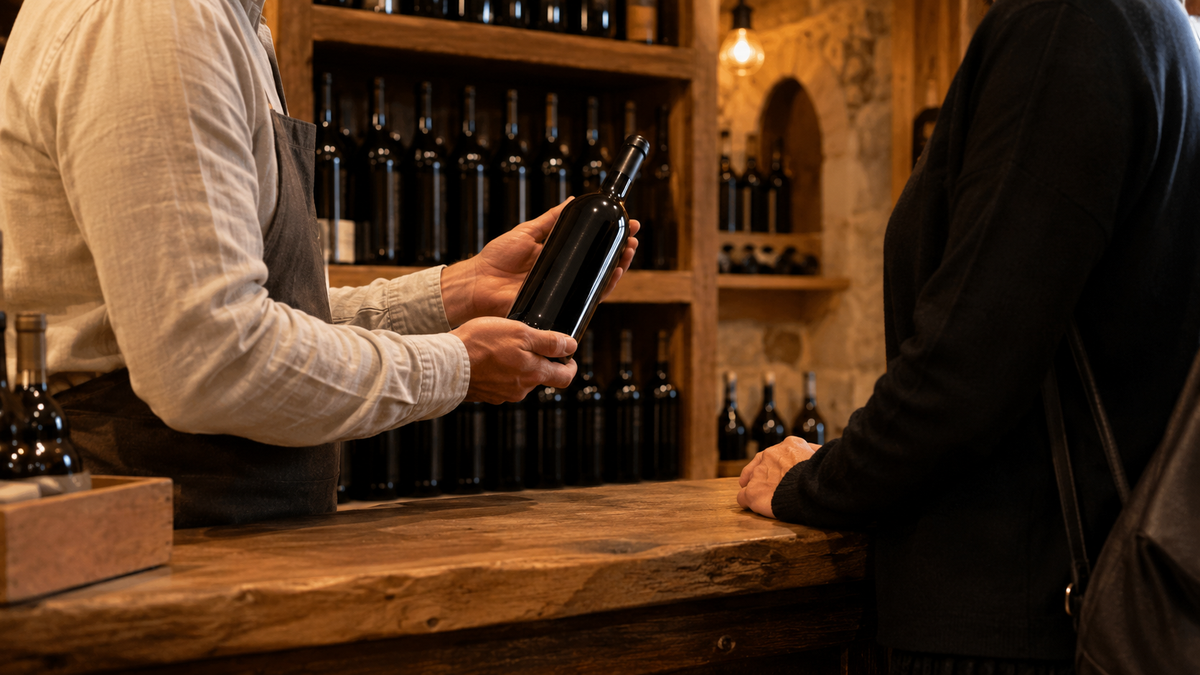
Who This Rating Is For
- Anyone who wants to take Georgian wine home and not regret the choice.
- Anyone new to the grape varieties who would like to taste before buying.
- Anyone looking for rare bottles from small family estates.
- Anyone who needs a gift set with packaging ready for a flight.
- Anyone living in Tbilisi who is simply after a good shop close to home.
📌 The shop listings in this rating were verified on 26 September 2026.
Verified by editor: Asenka Kim.
If you notice that a shop has closed, moved or changed its opening hours, let us know via the feedback form.
Before visiting, we recommend checking the current selection and tasting arrangements. ✨
🍷 The Best-Rated Wine Shops in Tbilisi


🍇 Four More Shops With a Wide Choice of Georgian Wines


🏺 Tasting Rooms, Galleries and Winery Shops


🗺️ Where the Shops From the Rating Are: A Map of Tbilisi
Most of the shops in this rating sit in the centre: the Old Town and the streets around Rustaveli Avenue can be walked in a single evening. A few outlets work in residential districts, which are easier to reach by taxi. If you are planning a tasting, a central spot makes more sense: driving afterwards is a bad idea, and a taxi is easier to find in the old streets.
🔍 How to Choose a Wine Shop in Tbilisi
What to look at first:
- the range: how many regions are represented and whether small estates are stocked;
- qvevri wines: whether amber and traditional amphora wines are available;
- tastings: whether you can try before buying and whether there is a charge;
- advice: whether staff can suggest a variety for your taste and budget;
- packaging: whether they provide protection for a flight and offer gift sets.
The main question here is not "who sells the cheapest bottle", but "what do you want to take away". For a gift the packaging and a clear label matter most; for getting to know Georgian wine it is the tasting and the conversation with the assistant; for the shelf at home it is simply a convenient shop nearby. The full list of outlets across the city is easy to browse in the Tbilisi wine shops catalogue, while this rating helps you narrow the choice down.
The second common mistake is buying by whichever name you recognise on a supermarket shelf. Georgia makes far more than a handful of famous labels: small estates work with varieties that barely reach mass retail. We wrote about those wines in detail in our article on the wines of Kartli.
And one more point: the best shop is not always the biggest. For one purchase what matters is an assistant who asks three questions and lands on your taste; for another it is a wide shelf and clear prices. The winner is not the one with the most bottles, but the one who helps you choose.
| Why You Are Going | What to Look At First | Which Format Usually Suits | What to Watch Out For |
|---|---|---|---|
| A gift or a souvenir | Gift sets, packaging | A shop with gift packaging | How you will carry it: checked luggage only |
| Getting to know Georgian wines | Advice, a tasting | A tasting room with a sommelier | Whether the tasting is paid or free |
| Rare bottles | Wines from small family estates | A specialist tasting room | How the bottles are stored on the floor |
| Wine from a specific region | Kakheti, Kartli, Racha, Imereti | A shop arranged by region | Whether qvevri wines are stocked |
| Straight from the producer | The range of a single estate | A winery's own shop | The choice is narrower than in a tasting room |
| Just something for dinner | Location, opening hours | A chain shop near home | Fewer rare Georgian wines on the shelf |
🧭 What to Check Before You Buy
What to look at in the shop:
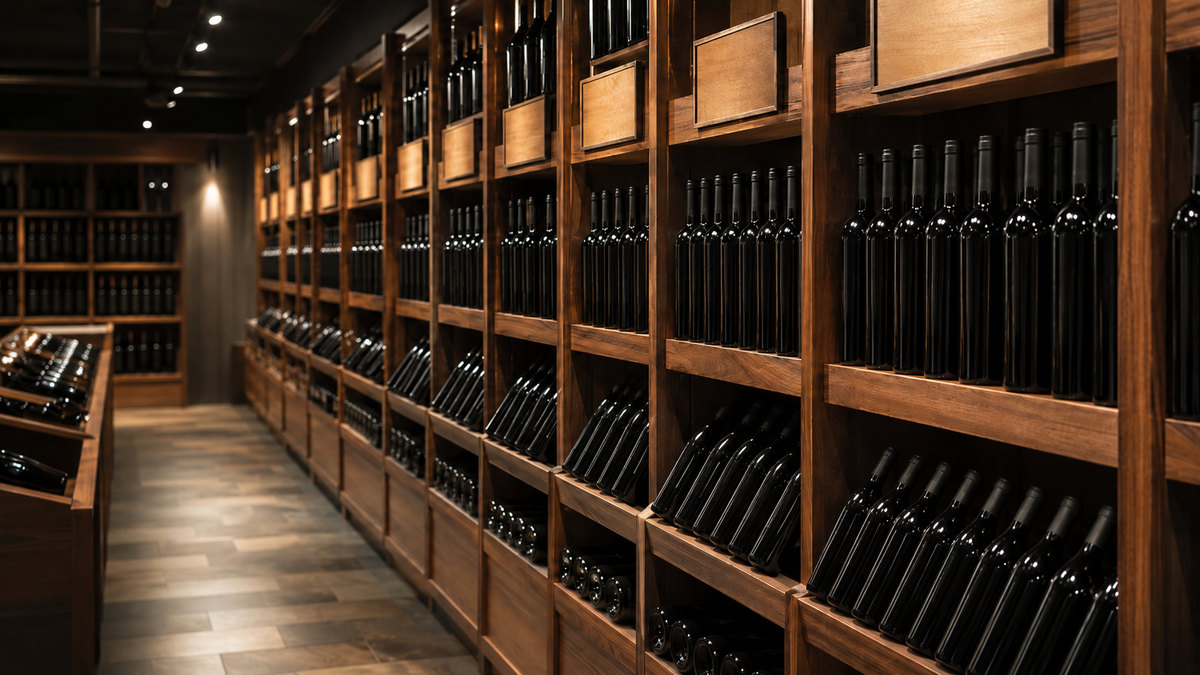
- how the bottles are stored: whether they lie down and whether the shelf sits in direct sun;
- whether there is a tasting and whether its cost counts towards a purchase;
- whether they provide packaging for a flight and whether wine sleeves are available;
- whether they take cards and offer delivery;
- what exactly you are buying: a bottled commercial wine or draught homemade wine.
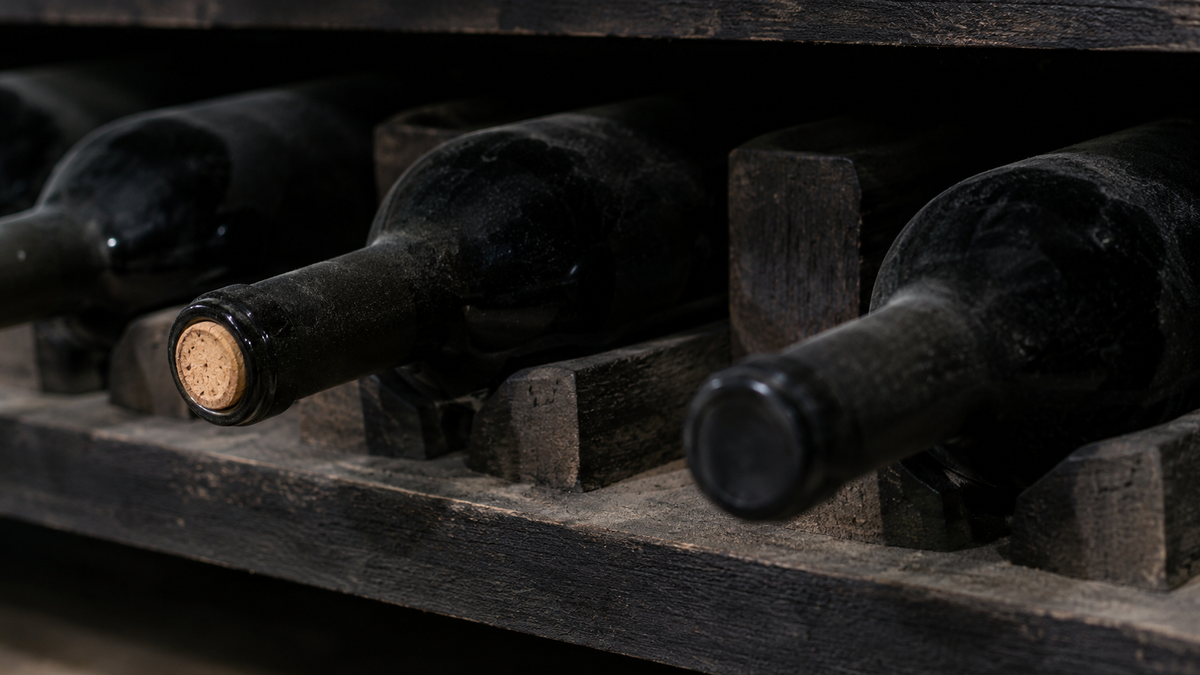
A couple of things can be checked on the spot. Look at how the bottles stand: wine with a natural cork is kept lying down so the cork does not dry out, and a shelf in direct sunlight is a bad sign. Ask about packaging in advance: bottles cannot go in hand luggage because of the liquid limits, so the wine travels in the hold and needs protection.
If you want to go deeper rather than simply buy, set aside time for a tasting. What a qvevri is and why the Georgian method differs from the European one is covered in our separate article on qvevri, while an overview of varieties, tastings and producers is gathered in our piece on Georgian wine.
🎯 Which Format to Choose: A Chain Shop, a Tasting Room or a Winery Outlet
What is important to understand:
- a chain shop wins on location and opening hours;
- a tasting room offers small estates and proper advice;
- a winery's own shop has a narrow range, but comes straight from the producer;
- a tasting room suits you if you want to try before deciding;
- draught wine is what locals buy for the table, but it does not keep long.
A chain shop solves the everyday problem: it is nearby, open late and stocks everything at once. The choice is wider on imports and spirits, though rare Georgian wines are usually thinner on the shelf. For a bottle with dinner that is plenty, but for a gift a specialist place is worth the trip.
A tasting room is a different scenario: a small floor, a curated selection, an assistant who knows the varieties and often the chance to try. People come here for gifts, for rare bottles and to understand how a Kakhetian wine differs from one from Racha. Tastings are sometimes charged for, and that is fair enough: it turns a guess into an informed choice.
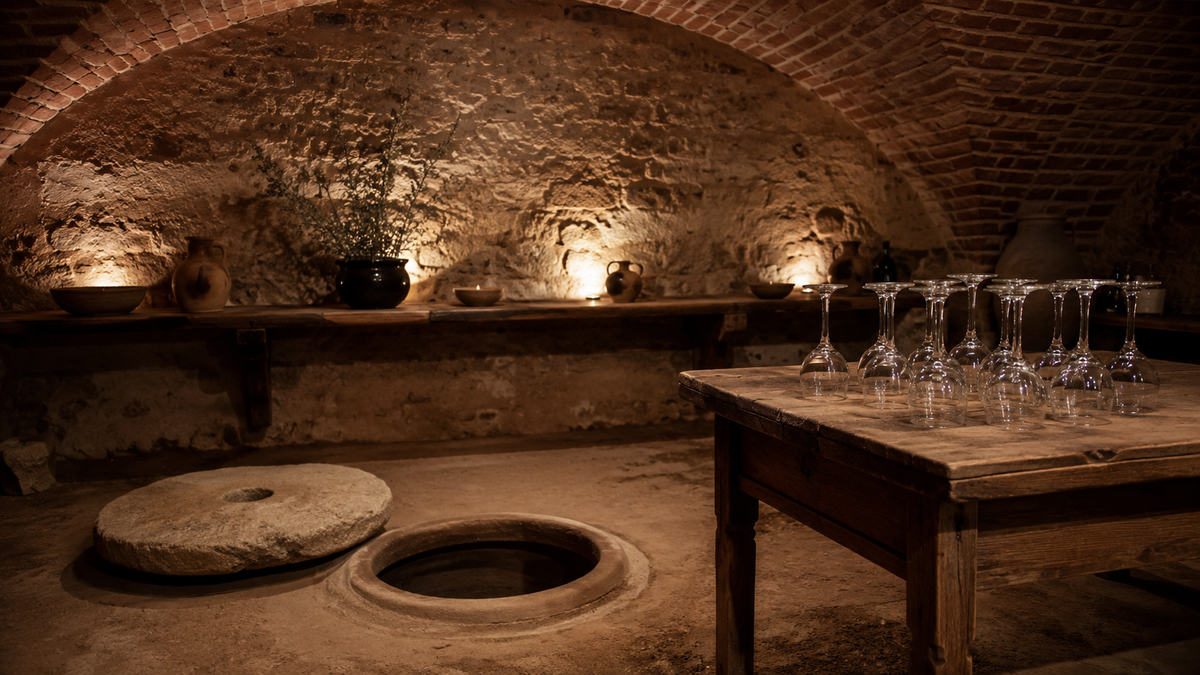
A separate case is winery outlets and draught wine. In the first you buy a single estate's range directly; in the second, locals fill their own containers for the table. Draught wine is cheaper, but it does not keep long and is no use for a flight. What else people drink in Georgia besides wine is gathered in our article on Georgian drinks.
A review from a catalogue reader
Olga Nikitina, Tbilisi
This is my second year living in Tbilisi, and every time guests arrive the same question comes up: what should they take home. I used to buy whatever name I recognised in the supermarket, but this time I followed the rating to a small tasting room. The assistant asked three questions about taste and budget, gave me two amber wines to try, and together we put together a set of four bottles. They wrapped it separately with protection for the hold. My guests got everything home intact, and I finally understood the difference between the qvevri method and the usual one.
❓ Frequently Asked Questions About Buying Wine in Tbilisi
It depends on the recipient's taste. If they like full-bodied reds, look at dry Kakhetian wines; if they prefer something unusual, take an amber qvevri wine, which is hard to find in European retail. Staff can help far more easily if you name a taste and a budget rather than asking for something good.
It is wine that ferments and matures in a clay vessel buried in the ground. White varieties made this way take on an amber colour and noticeable grip, so the taste differs sharply from a familiar European white. The method is on the UNESCO intangible heritage list.
The limits are usually set not by Georgia but by the country you are flying to: the European Union, the United Kingdom and other destinations each have their own duty-free allowances. Check the rules for your destination and your airline before buying, especially for more than a few bottles.
In checked luggage only: hand luggage is out because of the liquid limits, unless you buy in the duty-free area. Bottles are wrapped in clothing or carried in wine sleeves, and shops will often provide protective packaging on request.
For drinking in Georgia it is perfectly normal, and locals do exactly that. But it does not keep long, comes in plain containers and is unsuitable for a flight. If you buy some, plan to drink it within a few days.
In tasting rooms and wine cellars, where several samples are poured and the differences between regions and varieties explained. Tastings are sometimes charged for, and sometimes the cost counts towards a purchase, so it is worth asking straight away.
Somewhere cool and out of direct light, with natural-cork bottles lying down. Sharp swings in temperature do more harm than the temperature itself, so a kitchen next to the cooker is not the best spot.
In the range and the approach: a tasting room has fewer bottles but they are chosen, and the assistant can tell you about the estate and the variety. An ordinary shop has more mass-market lines, but rare wines are scarce.
📌 Help Us Keep the Rating Up to Date
Have you already bought wine at one of these shops in Tbilisi? Write in the comments what matched your expectations and what did not. Notes on the range, the advice you were given, the tasting arrangements and the packaging for a flight are especially useful. If you spot an inaccuracy in a listing or represent a suitable shop, our editors will check the information manually.
❓ How the Rating Is Compiled
This rating is compiled by the MADLOBA editorial team based on the criteria set out in the methodology for our shopping ratings: analysis of reviews and their dynamics in Russian, English and Georgian, popularity and mentions in open sources, the interest of the Madloba audience, and the accuracy of listings, the map and the description of the range.

6 comments
Log in to leave a comment