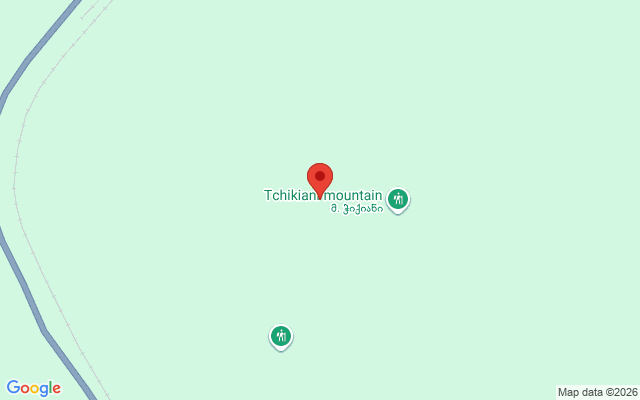




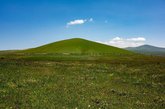


Mount Chikiani is located in Ninotsminda Municipality, in the northern part of the Javakheti Range, among the natural attractions of the region, at an elevation of 2,415 metres. The mountain is composed of Neogene liparite-dacites with obsidian veins and is Georgia's largest source of high-quality obsidian.
Excavations in 2016 uncovered hundreds of mining pits along the volcano's northern and northeastern slopes, along with several stone-working areas and workshops: obsidian arrowheads and spearheads were produced here during the Bronze Age. This makes Mount Chikiani one of the key archaeological sites in the entire Caucasus. Nearby stands a megalithic menhir, a stone pillar dating to the 2nd millennium BC, likely used for ritual purposes.
Impressions from visiting vary considerably. Part of the climb follows trails that can feel confusing, and finding further information on site isn't always easy; some visitors find the landscape disappointing and lacking particular charm. That said, the summit offers a panorama over Lake Paravani and the Samsari Range: the mountain itself forms part of the wider Javakheti Range, and on a clear day the view justifies the climb. Weather on the plateau is changeable, so it's worth checking the forecast before setting off.