



🤿 Underwater Georgia: Where to Scuba Dive and the Best Season
🤿 Where to dive in Georgia: the main spots
Almost all of Georgia's sea diving is concentrated along the southern coast, between Batumi and the Turkish border. For the experienced, there are caves further inland too.
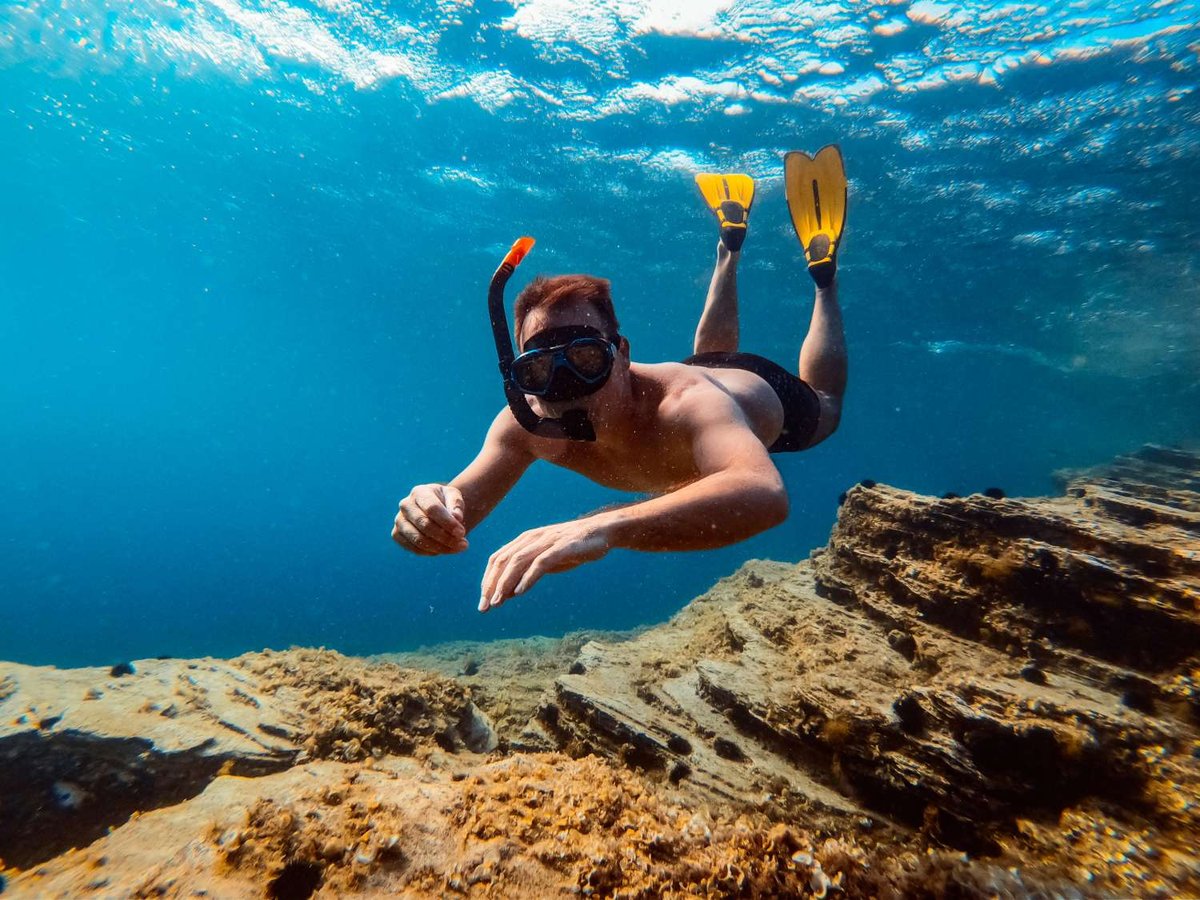
Say "diving in Georgia" and a lot of people do a double-take: people actually dive there? They do, and there's good reason to. It's just worth being upfront about what you'll actually find, so you don't spend the whole trip comparing Batumi to the Maldives and coming away disappointed.
Here's where people dive, what the sea looks like underwater, when to go, and how to start if you've never strapped on a tank.
🌊 What the Black Sea is actually like underwater
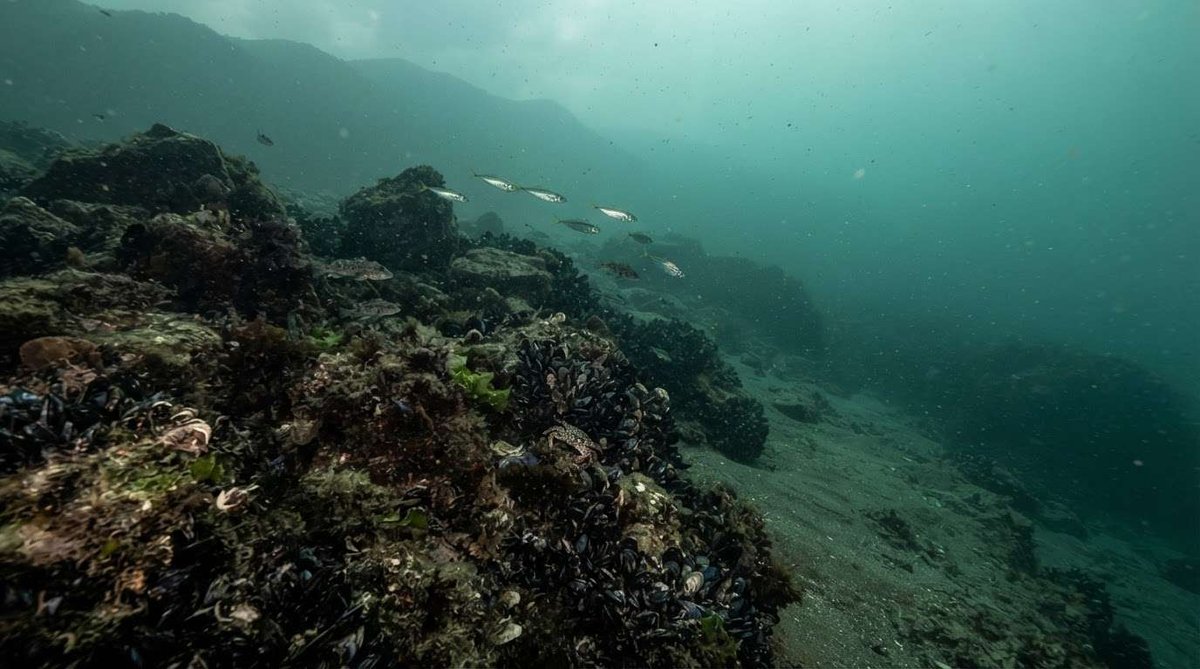
The main thing to know going in: the Black Sea is on the cool side, greenish, and fairly murky. Not in a bad way, it just has its own character.
Visibility. According to Georgia's tourism portal, it averages 5-10 metres near Batumi. Better on calm, clear days, noticeably worse after a storm or heavy rain. That's par for the course in the Black Sea, and experienced divers factor it in.
Depths near the coast. Divers themselves describe it this way: 10-15 metres at the popular spots, and beyond that a sandy bottom they jokingly call "the lunar surface." So the real draw sits close to shore, rocks, structures, and anything that's sunk there.
No coral. None at all in the Black Sea. Instead you get rocks covered in mussels and seaweed, crabs, shrimp, and small fish. Look closely, as local divers put it, and there's plenty to see, just a quieter, somewhat sterner underwater world.
There are upsides, though. No crowds of divers the way you'd find at popular resort destinations, short trips out from shore, and it's one of the few places where you can pair a dive with mountains and khachapuri in the same day.
📍 Diving at Kvariati, Gonio, and Sarpi
This is the heart of Georgian diving, southern Adjara, between Batumi and the Turkish border. The water here tends to be clearer, and the rocky shoreline makes for interesting terrain underwater.
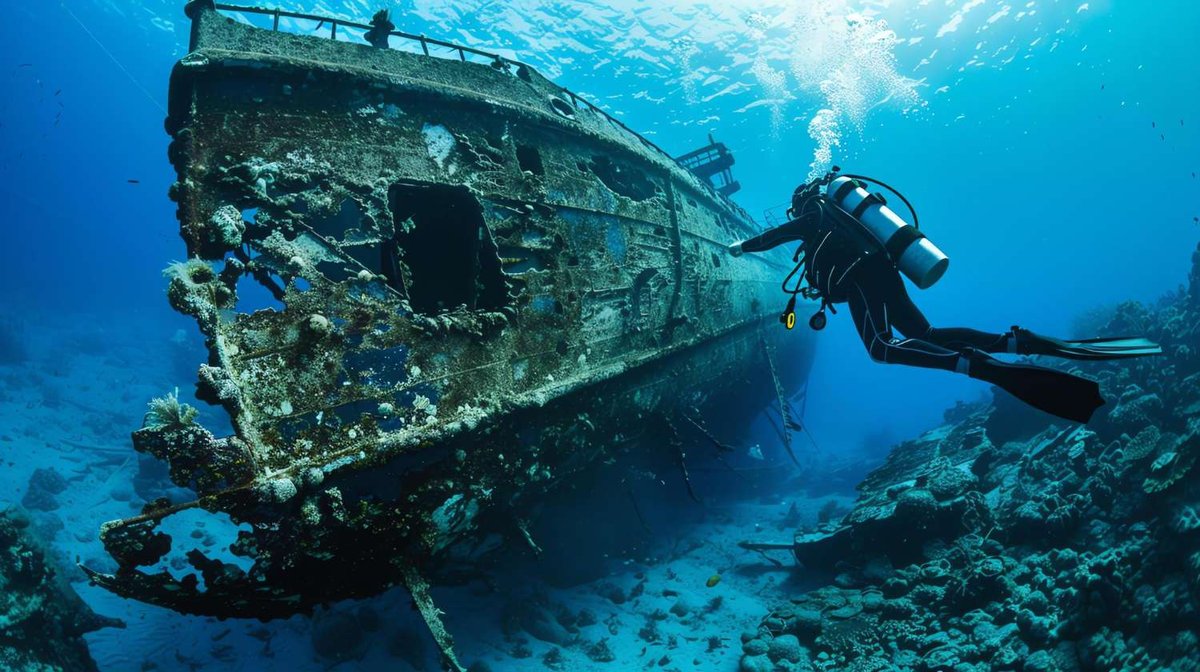
Divers know Kvariati primarily for its sunken ships. One of them, according to accounts on a dedicated diving forum, is a pleasure boat sunk deliberately for diving at around 15 metres. The aluminium superstructure has partly survived, and by the same accounts, you can swim inside. Dives typically launch from the far end of the beach, near the rocks below the mountain.
Between Gonio and Kvariati lies a sunken mussel farm, old structures on the seabed that have grown over time into a home for marine life.
Sarpi, right at the Turkish border, is known for Rock Alley. There are simple dives here for beginners as well as more advanced drift dives, where you move with the current. Drift diving takes solid skills; the current doesn't forgive mistakes.
The whole Adjara coastline, with its beaches and villages, is covered in our Adjara region directory.
🏙️ Diving in Batumi: dive clubs and swimming with dolphins
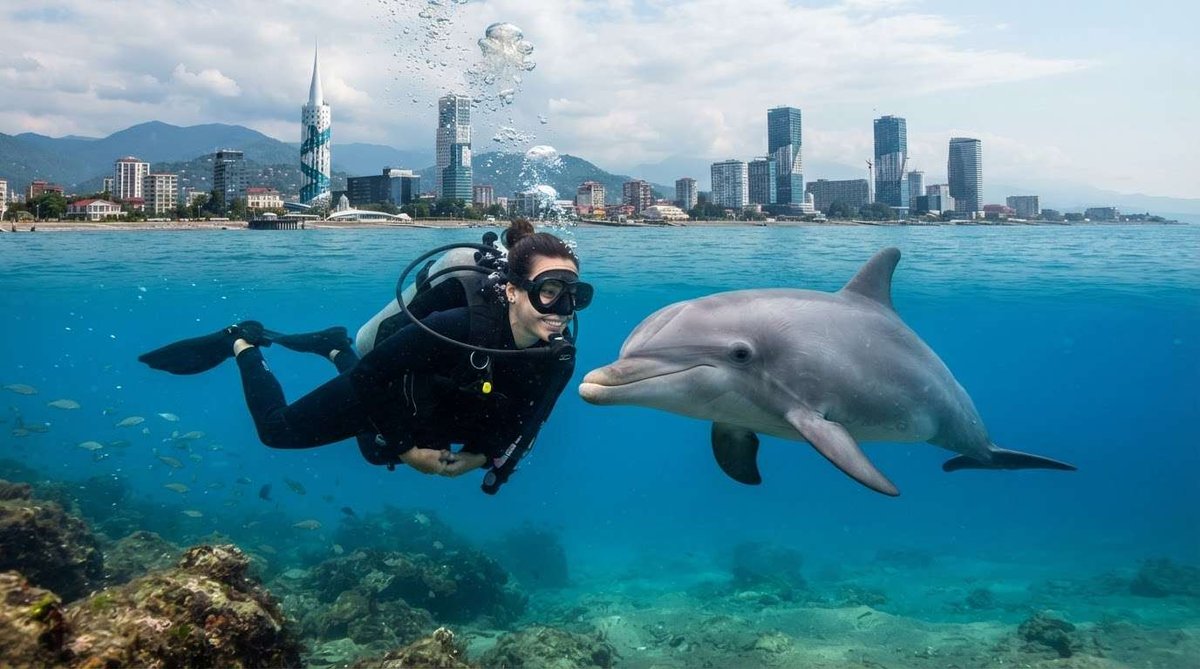
Batumi is the base most dives launch from. Dive centres here rent out gear, run boat trips, and offer courses.
Our directory lists two clubs: Poseidon's World and Batumi Diving Center. Batumi Diving Center, by its own description, runs PADI-system courses and trial dives for beginners. Check contact details, reviews, and current terms in each listing.
One option a lot of people don't expect to find in Georgia: diving with dolphins at the Batumi Dolphinarium. It's a completely different kind of experience, less about underwater scenery and more about meeting the animals, and it's often the choice for people trying diving for the very first time.
🏺 Tsikhisdziri and Anaklia
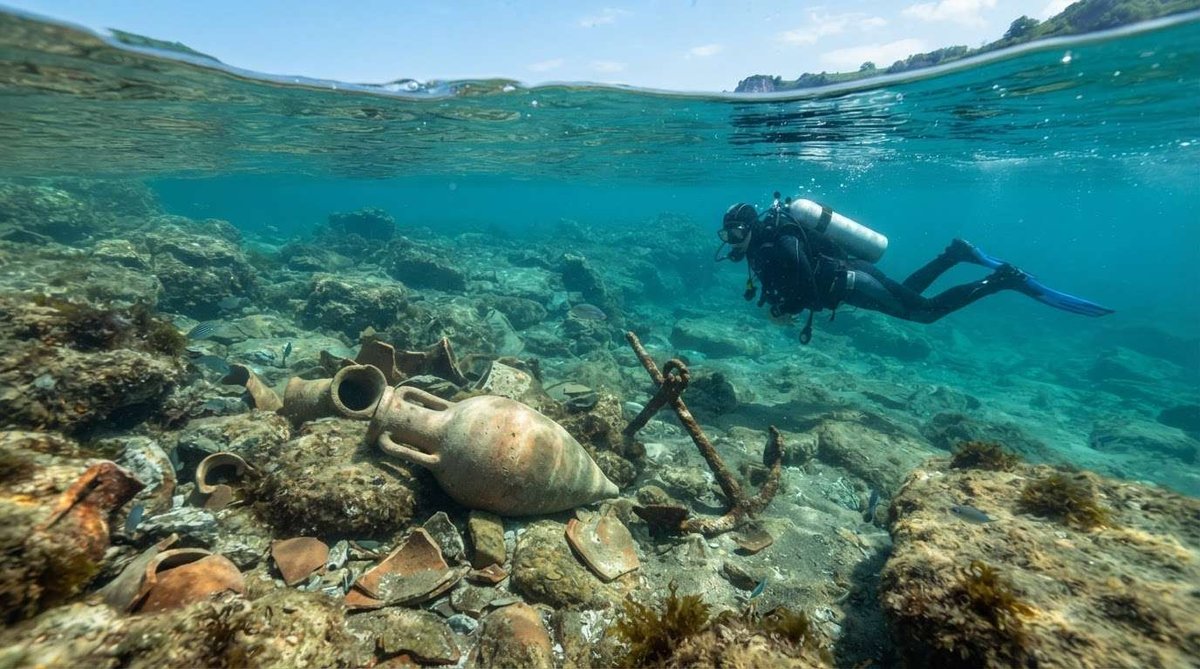
Two spots that get talked about less, but are worth knowing about.
Tour operators describe Tsikhisdziri, between Batumi and Kobuleti, as an interesting site for underwater archaeology: fragments of amphorae, jugs, anchors, and old vessels reportedly turn up on the seabed. Important: if you find something, don't bring anything up. Archaeological finds are protected, and removing them isn't allowed.
Anaklia, up the coast toward Samegrelo, is considered a newer diving zone. The area is best known for its summer music festivals, but divers have started exploring it too.
📅 The best diving season in Georgia
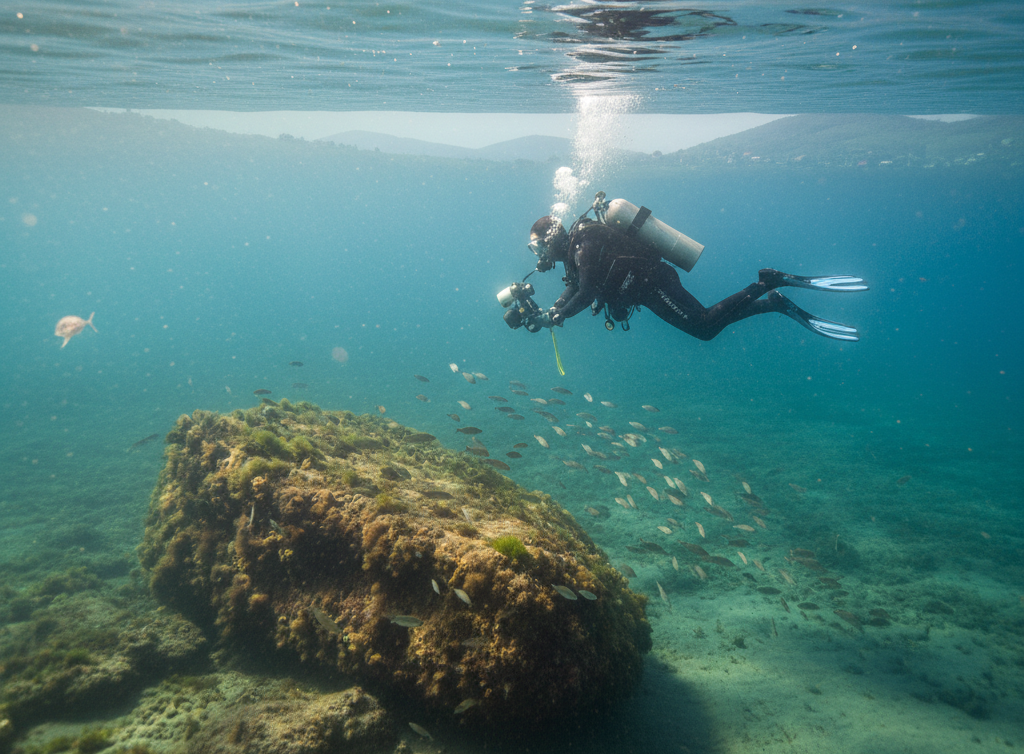
Short version: late June through September, and September is the sweet spot.
The warmest water comes in August. But August is peak beach season: hot, crowded, boats and swimmers everywhere.
September is the best trade-off. The water still holds August's warmth, the crowds thin out, and visibility on calm, clear days is often quite good. One caveat: September and October are among the rainiest months on the coast. After heavy downpours, rivers like the Chorokhi, which flows into the sea between Batumi and Gonio, carry sediment out with them, clouding the water near the river mouths. So plan a dive after a couple of dry days rather than right after a storm.
October works if you're ready for a thicker wetsuit, since the water cools noticeably. Winter diving is only for experienced divers in dry suits.
We've covered sea temperatures along the coast in autumn in more detail in the sea in September and October.
🕳️ Cave diving near Tskaltubo
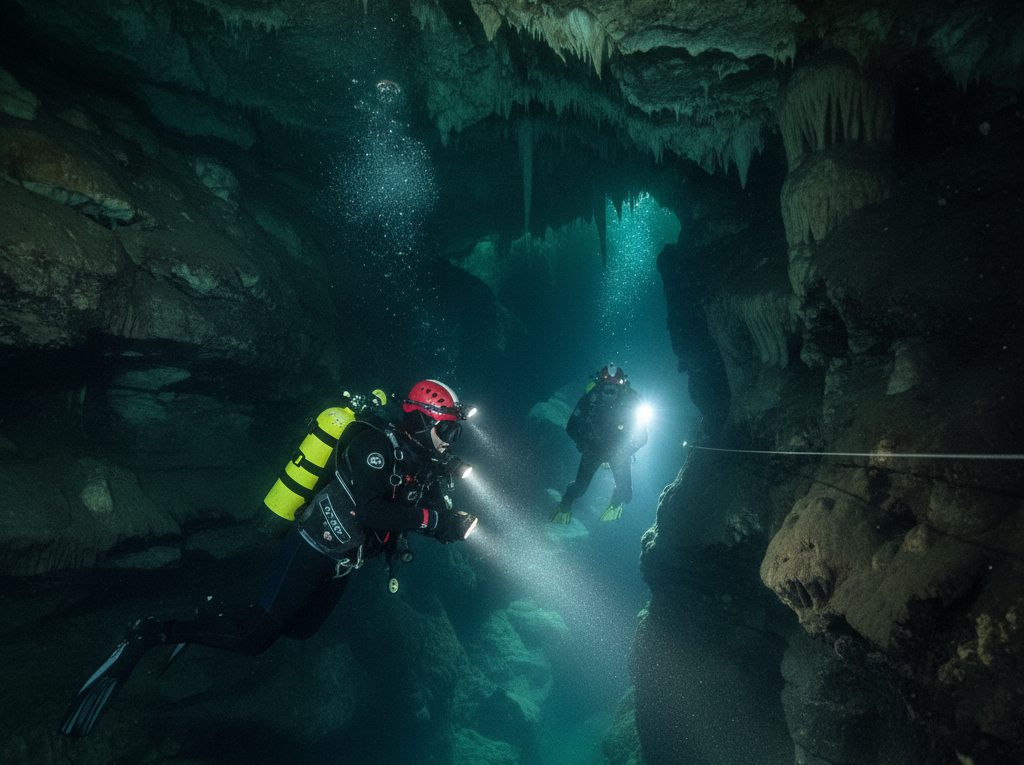
A completely different level, and worth flagging upfront: this isn't for beginners, and it isn't for regular divers either.
Near Prometheus Cave, below Tskaltubo, lie the siphons of the Kumi River, flooded sections of the cave system. By one operator's description, one route starts with a dive to around 7 metres, visibility runs up to 4 metres, and the water sits around 14°C. A second siphon is longer and more demanding.
Dives like this require specialised cave training, not just a basic certification, and can only be done with operators who specialise in cave diving. Tbilisi has schools that teach cave and technical diving among other courses.
We've covered Tskaltubo itself, including Prometheus Cave, in our piece on Tskaltubo.
🐟 What you might meet underwater, and what to watch for
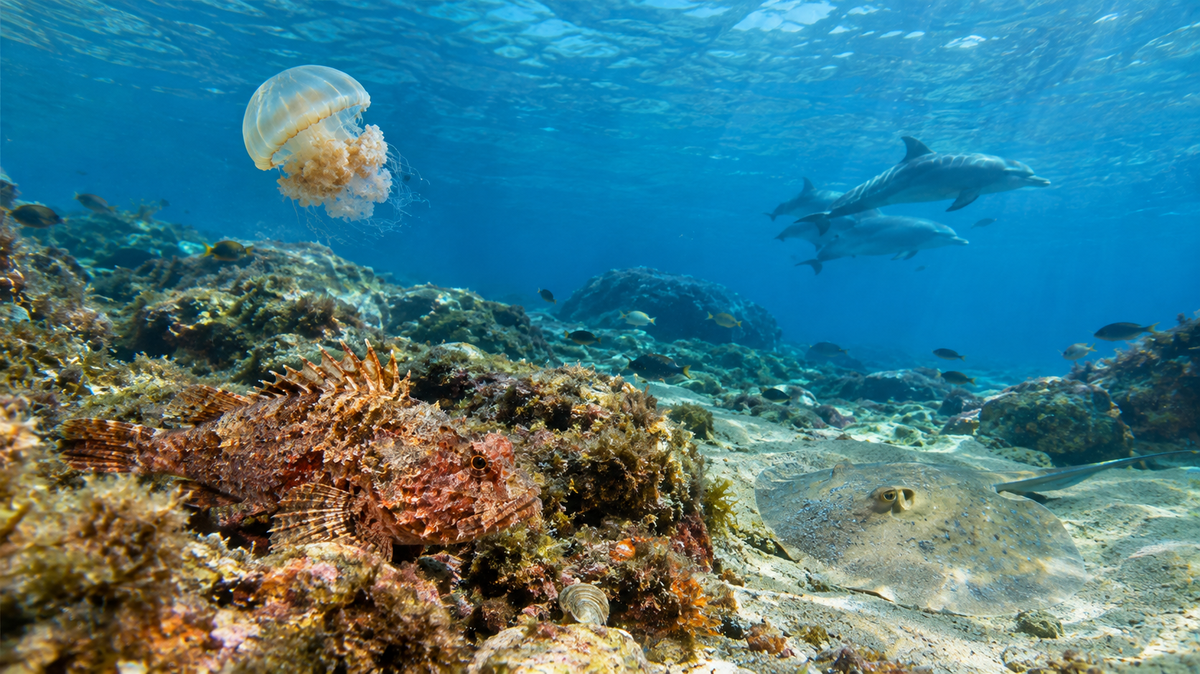
The Black Sea isn't dangerous, but a couple of its residents deserve some respect.
The lionfish, or scorpionfish, hides among the rocks and blends in remarkably well. Its spines are venomous, and a sting is genuinely painful. The rule is simple: don't touch rocks with your hands, and watch where you put your feet.
The stingray, buries itself in the sand. It carries a venomous barb on its tail. Move carefully over sandy stretches of seabed.
Jellyfish, especially the larger barrel jellyfish, can sting. Nothing serious, just unpleasant.
Dolphins occasionally show up near the coast, and that's probably the best surprise you could hope for.
💰 What diving costs in Georgia
Honestly: there are no current, reliable prices in open sources, and the ones that do turn up are years out of date. So instead of numbers, here's what the cost actually depends on, and confirm exact prices directly with a club.
A trial dive for first-timers is usually the most affordable option. It typically includes a briefing, gear, and one shallow dive alongside an instructor.
A dive for certified divers varies by location: launching from shore costs less, taking a boat out to a distant site costs more.
A certification course takes several days and costs noticeably more, but afterward you can dive independently with a buddy anywhere in the world.
Gear rental is sometimes bundled into the price and sometimes billed separately, worth checking upfront.
Club contacts for asking about pricing directly: Poseidon's World and Batumi Diving Center.
Can you dive without certification
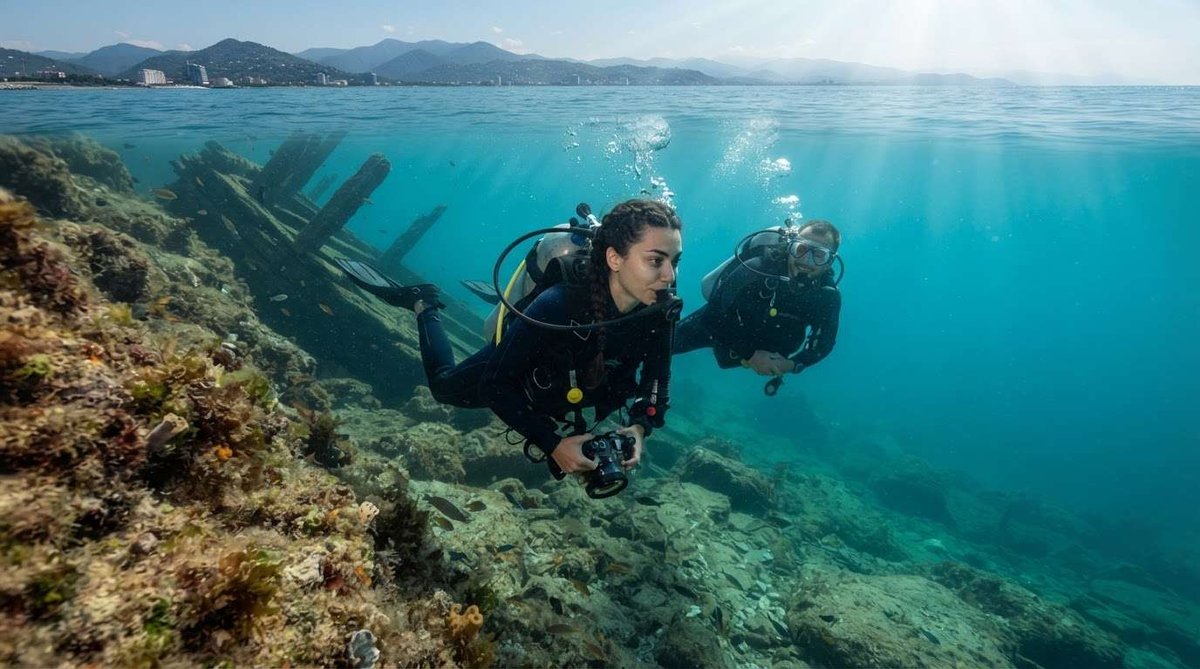
Yes, as a trial dive. In the PADI system it's called Discover Scuba Diving: you get a short briefing, learn to use the gear in shallow water, then dive alongside an instructor. No certification needed for this.
For independent diving, you'll need a certification, PADI Open Water for instance. You can get one through a course right in Batumi; the local clubs run the training.
On health. You'll usually be asked to fill out a medical questionnaire before diving. If you have heart, lung, ear, or blood pressure issues, or have had recent surgery, don't dive without checking with a doctor first. And remember: you can't fly right after diving, you need to wait a set amount of time, which your instructor will tell you based on your dives.
Don't book a dive right after heavy rain. Call the club the day before and ask about current visibility; local instructors know it better than any forecast and will tell you honestly whether tomorrow's worth it or you should wait a couple of days.
And set your expectations right. If you've dived the Red Sea, put the comparison aside. Georgian diving is about sunken ships, rock formations, calm water, and the absence of crowds. Come for that, and the sea won't disappoint you.
Dived in Georgia? Leave a review on Madloba: tell us where you dived, which club, what the visibility was like, and what you saw. Fresh reviews of specific sites are especially useful; conditions underwater in the Black Sea depend heavily on weather and season.
Information is current as of September 2026. Details on dive sites come from tourism portals, tour operators, and divers' own accounts; underwater conditions change over time. Prices for dives and courses aren't published in open sources, so confirm them directly with the clubs. Diving carries health risks: dive only with certified instructors, and check with a doctor first if you have a chronic condition.
❓Frequently Asked Questions
💬 Along the southern coast, between Batumi and the Turkish border: Kvariati for its sunken ships, near Gonio for the sunken mussel farm, and Sarpi for Rock Alley. Experienced divers can also try the cave siphons near Tskaltubo.
💬 According to Georgia's tourism portal, it averages 5-10 metres near Batumi. Better on calm, clear days, noticeably worse after a storm or heavy rain.
💬 No, the Black Sea has no coral at all. Instead there are rocks covered in mussels and seaweed, crabs, shrimp, and small fish. The real appeal of Georgian diving is the sunken ships and underwater terrain.
💬 Late June through September. The warmest water comes in August, but September is the best trade-off: still warm, fewer crowds. Heavy rain clouds visibility near river mouths, so plan a dive after a couple of dry days.
💬 Yes, as a trial dive, called Discover Scuba Diving in the PADI system. You get a briefing and dive alongside an instructor. Independent diving requires certification, which you can earn through a course in Batumi.
💬 There are no current prices published in open sources, so confirm directly with a club. A trial dive is usually the most affordable option; boat trips to distant sites and certification courses cost more.
💬 Almost nothing life-threatening, but watch for lionfish with venomous spines, stingrays with a barb on their tail, and jellyfish that can sting. The golden rule: don't touch rocks with your hands, and move carefully over sandy seabed.
💬 Yes, in the siphons of the Kumi River near Prometheus Cave, below Tskaltubo. But this is only for divers with specialised cave training, working with operators who focus specifically on that kind of diving.
💬 No. You need to wait before flying after a dive; your instructor will tell you exactly how long based on your number of dives and depth. Factor that in when planning a flight out of Batumi.

0 comments
Log in to leave a comment