




💧 Kumisi Lake: Georgia's Best Birdwatching Spot Near Tbilisi, Where People Fish and Harvest Healing Mud
💧 Kumisi Lake Near Tbilisi
A shallow lake 20 km from Tbilisi that people visit not to swim but to watch birds and fish. According to ornithologists it's the best birdwatching spot in all of Georgia: more than 250 species recorded here, with thousands of coots on the water in winter.
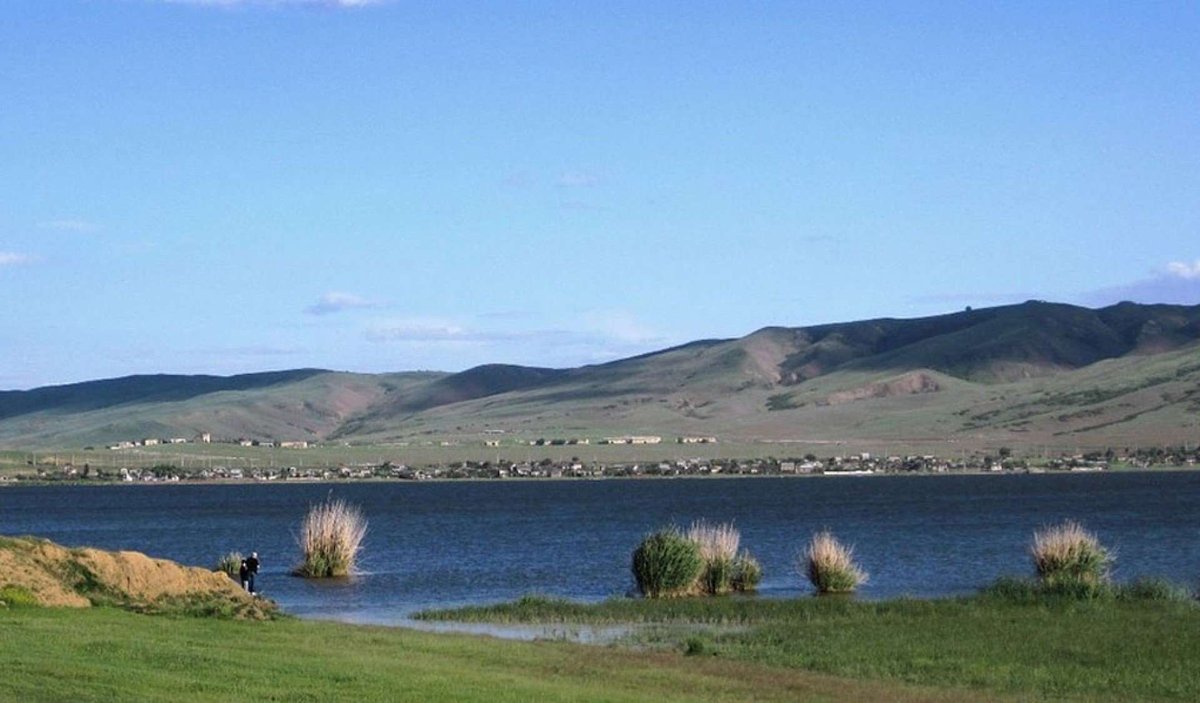
Kumisi Lake lies in the Gardabani Municipality of the Kvemo Kartli region, about 20 km southeast of Tbilisi, next to the village of the same name. Strictly speaking it's no longer a purely natural lake but a reservoir: in the 1960s the water level in the basin of an old salt lake was raised, and the body of water expanded. But for the people who come here, something else matters more: Kumisi stays shallow, reed-fringed and remarkably rich in birds.
Swimming isn't done here and there's no reason to: the water is murky, the bottom is silty, and there are no beaches. Kumisi's value lies elsewhere, in birdwatching, fishing and the healing mud on the bottom. That's why ornithologists and anglers mention it more often than ordinary holidaymakers.
🦅 Why Kumisi Is Called Georgia's Best Spot for Birds
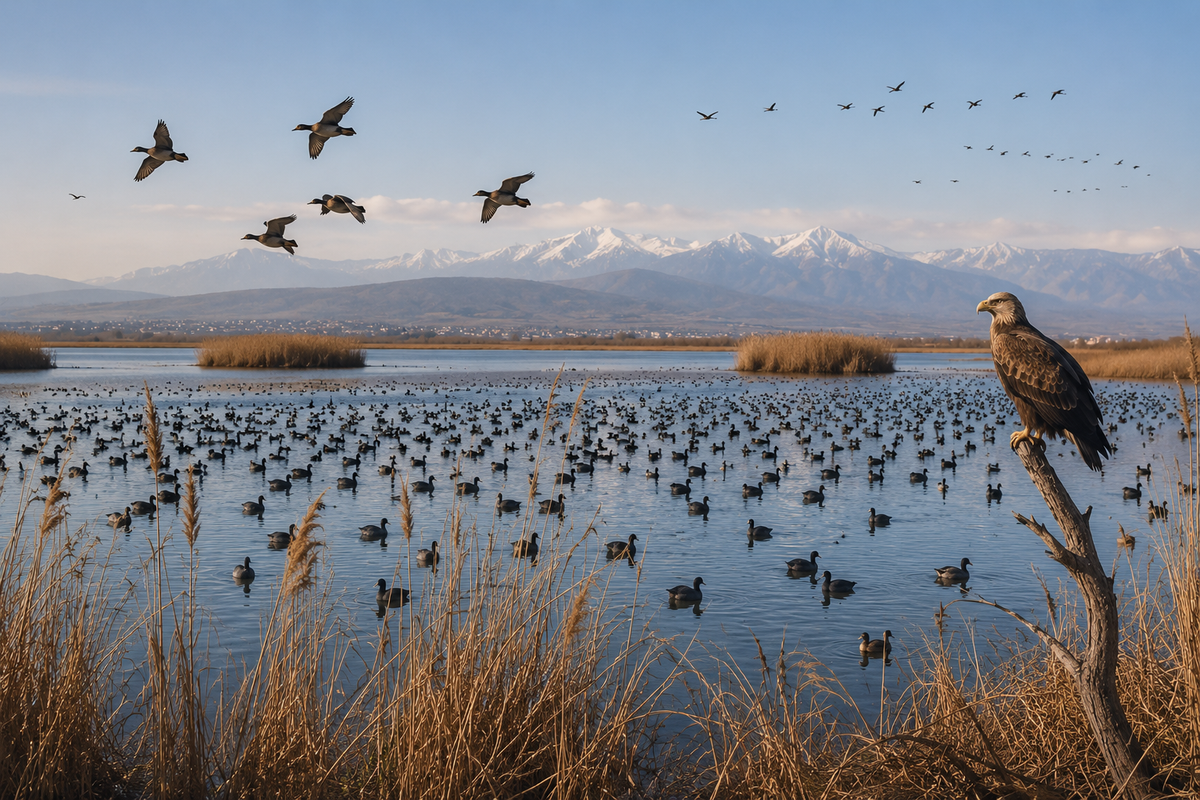
The main reason to come to Kumisi is the birds. According to the ornithology portal eBird, it's the most productive observation point in all of Georgia: more than 250 species have been recorded here. The shallow water, silty bottom and dense beds of sedge and reed along the shore create ideal conditions for waterfowl and waterside birds, which find both food and shelter here.
In winter huge flocks of coots gather on the water: numbers run into the thousands, and in some years estimates reach fifteen thousand birds or more. A migration route passes through Kumisi, so in spring and autumn you can catch passage birds that you won't see around Tbilisi at other times.
Beyond the mass species, raptors are regular here: common and lesser kestrels, and among the rarities the lake has even produced off-season sightings, like a cuckoo in November. For serious observation a spotting scope helps: the lake is wide, and small birds on distant water are hard to make out with binoculars alone.
The best time for birdwatching is the cold season and the migration periods. In summer there's less water and fewer birds, and the heat and open terrain make watching less comfortable.
🎣 Fishing at Kumisi
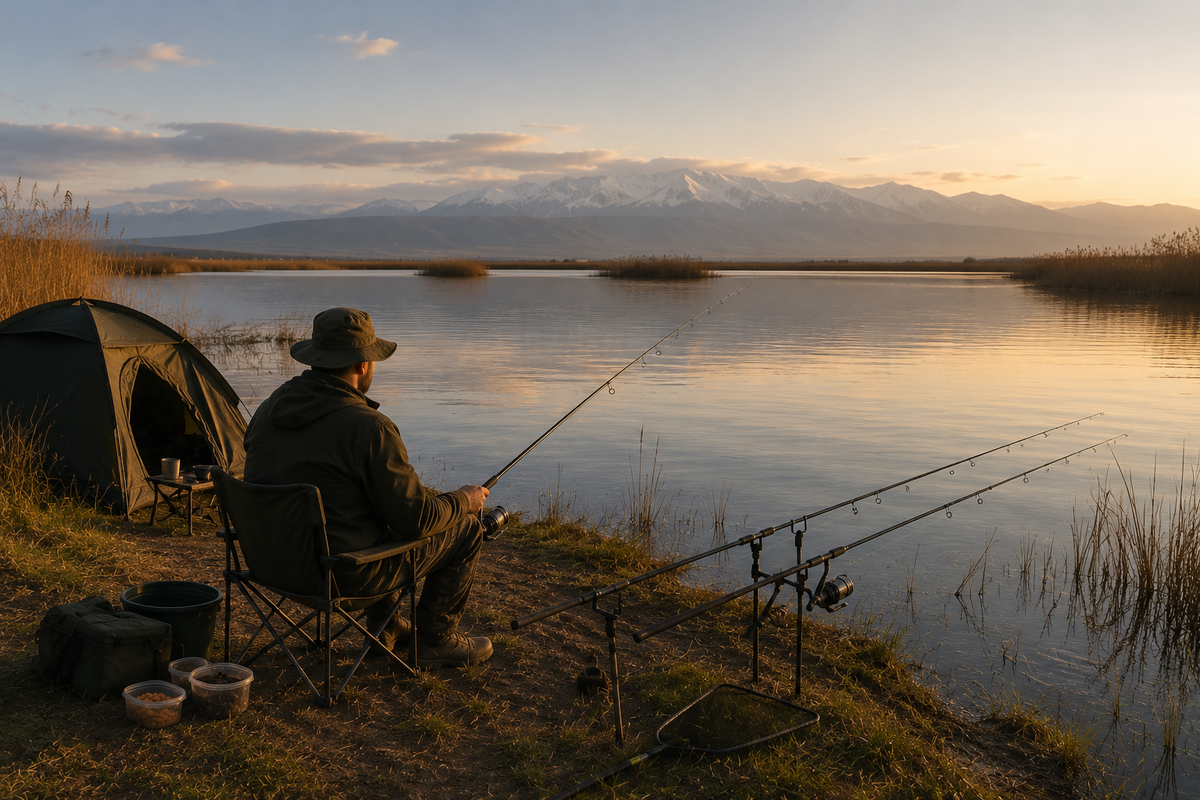
The second reason people come is fishing. The lake is stocked, and you can catch carp, silver carp, grass carp, khramuli, common barbel and other species. The shallows and calm water draw anglers who like a quiet day out, often with an overnight stay in a tent.
Fishing is mostly done from the shore. Keep in mind that the water level at Kumisi swings noticeably: in dry spells the lake drops a lot and the fishing spots shift. Before a trip it's worth checking the current situation with locals or fishing communities.
🌿 The Healing Mud and the Kumisi Resort
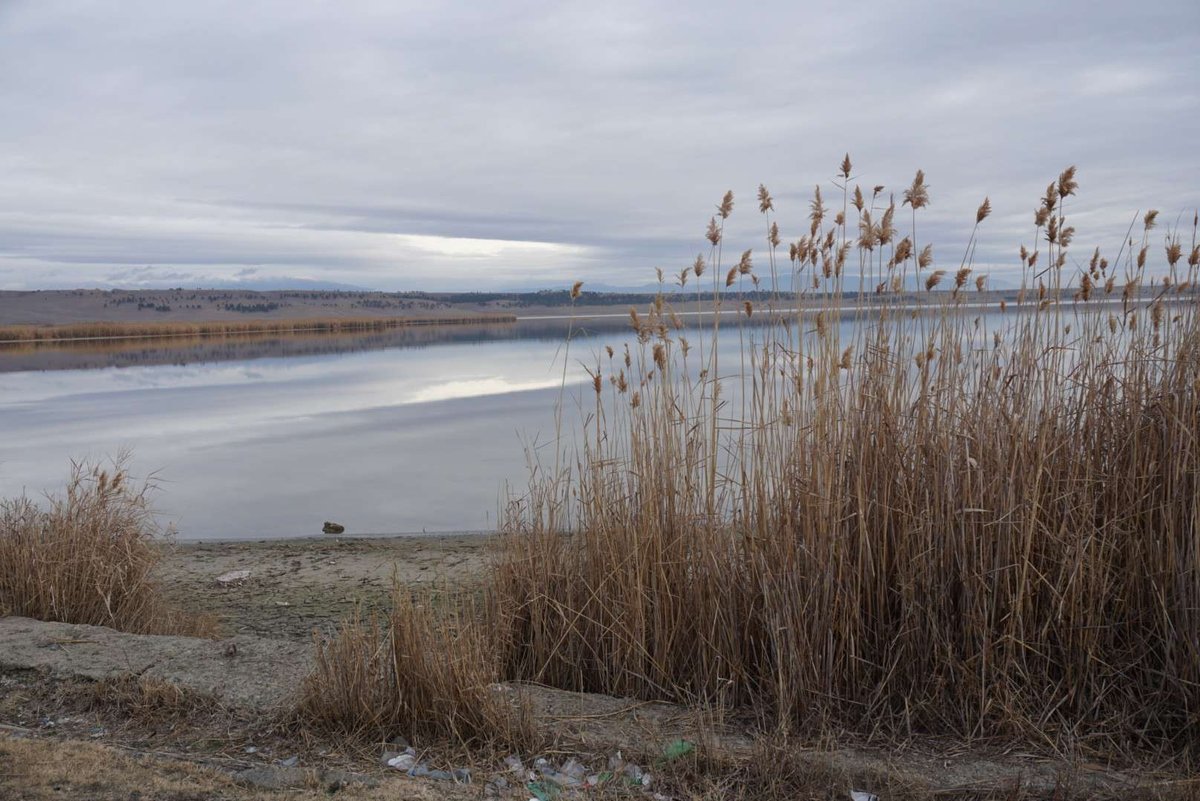
The lake bottom is covered in a thick layer of sulphide silt mud of pseudovolcanic origin, in places several tens of centimetres deep. This mud is valued for its healing properties and used not only on site but also taken to the Tbilisi balneological resort.
It was the mud that once gave rise to the resort village beside the lake. The climatic resort itself, its sanatoriums and mud therapy are covered in the resort section below: if you're interested in treatment rather than nature, that's the key part.
It's important to understand the distinction: mud therapy here means a procedure at a sanatorium, not swimming on your own. Smearing yourself with mud from the bottom of a wild lake without medical supervision isn't wise, and that's exactly what the clinics nearby are for.
📋 Kumisi Lake in Facts
🚗 Getting There and When to Go
From Tbilisi to Kumisi is about 20 km to the southeast. By car it's roughly half an hour. By public transport you can take a minibus toward the village of Kumisi, then walk a short way to the shore.
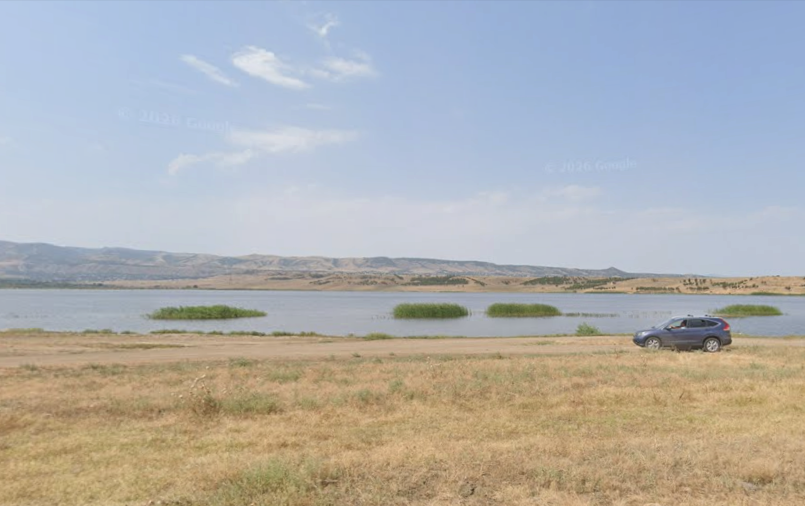
The timing depends on your goal. For birdwatching the best season is winter and the spring and autumn migrations: that's when the water holds the most birds. For fishing the warm season works, allowing for the water level. In summer the open, shadeless banks are hard going in the heat, so bring a hat and water.
There's not much infrastructure on the wild banks: there are spots for tents, but it's best to stock up on food, water and everything you need in advance. The nearest civilisation is the resort village and the clinics by the lake.
🗺️ Kumisi Lake on the Map
Open in Google Maps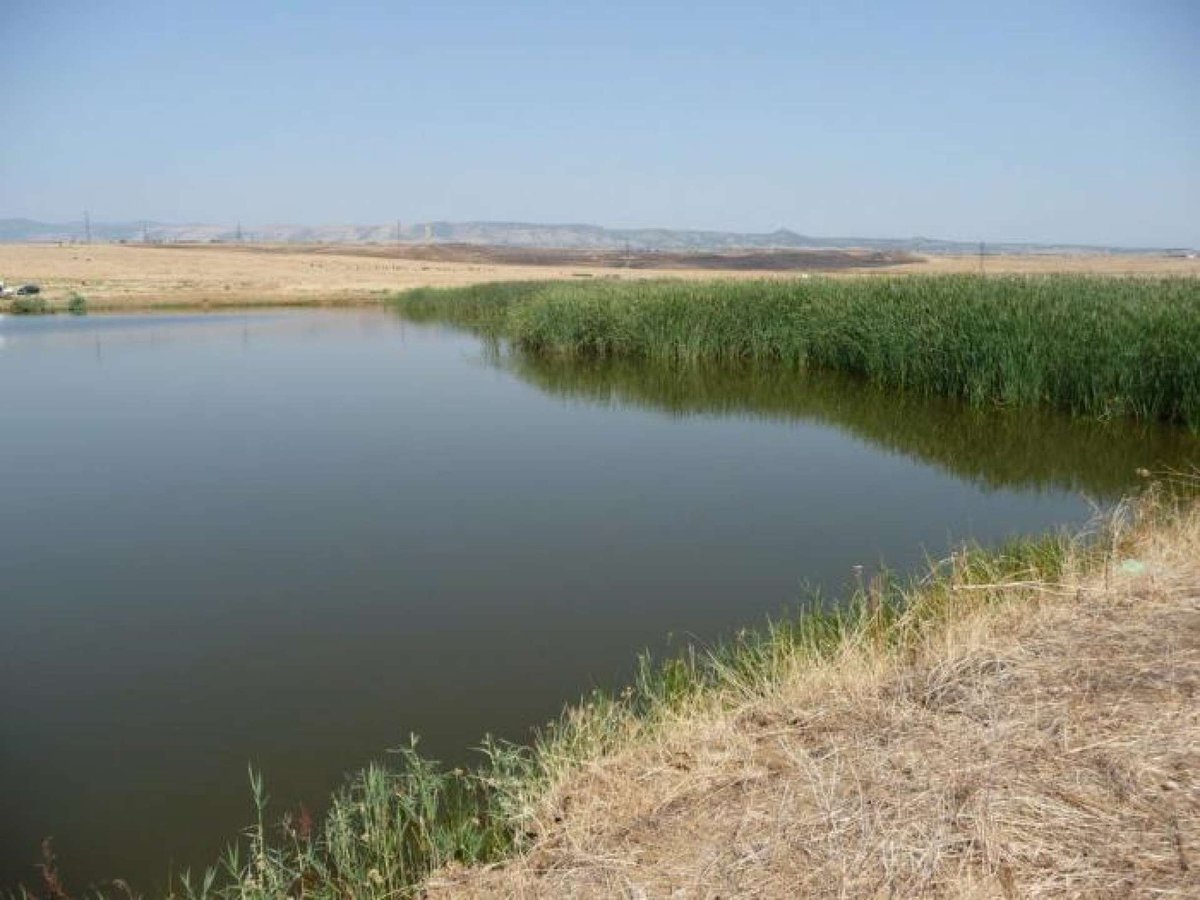
Kumisi is a rare case where a "not very touristy" lake turns out to be uniquely worthwhile in its own way. People don't come here for a beach or pretty photos by the water, but they do come for something you'll hardly find elsewhere near Tbilisi: thousands of birds in winter, quiet fishing and mud that's used for treatment at the neighbouring sanatoriums. If you're planning a trip with binoculars or a fishing rod, it's one of the best addresses near the capital.
Have you been to Kumisi Lake? Share in the comments on Madloba: which birds you managed to see, whether the fish were biting, and what state the water was in when you visited.
Information is current as of June 2026. The water level at Kumisi changes a lot by season and by year, so it's worth checking the current situation before a trip, especially if you're going for the fishing.
📚 Read Next nature and places of Georgia
❓ Frequently asked questions
In the Gardabani Municipality of the Kvemo Kartli region, about 20 km southeast of Tbilisi, next to the village of Kumisi. Around half an hour by car from the city centre.
Swimming isn't done here. The water is shallow and murky, the bottom is covered in a thick layer of silt and healing mud, and there are no beaches. The lake is valued for birds, fishing and mud therapy at sanatoriums, not for a beach day.
According to the ornithology portal eBird, it's the most productive observation point in the country: more than 250 species recorded here. In winter thousands of coots gather on the water, and a migration route passes through the lake.
In the cold season and during the spring and autumn migrations, when the water holds the most birds. A spotting scope helps for serious observation, since the lake is wide and small birds in the distance are hard to make out with binoculars.
Carp, silver carp, grass carp, khramuli, common barbel and other species. The lake is stocked, and fishing is mostly done from the shore. The water level fluctuates, so the fishing spots shift with the seasons.
Yes. The bottom is covered in sulphide silt mud of pseudovolcanic origin. It's used in balneological clinics, including being taken to the Tbilisi resort. But mud treatment is best done at a sanatorium under supervision, not on your own in a wild lake.
Both. In the 1960s the water level was raised in the basin of a small salt lake, creating a reservoir for irrigation. The name "Kumisi Lake" has stuck in everyday use.
By minibus from Tbilisi toward the village of Kumisi, then a short walk to the shore. A car is faster and more convenient, especially if you're carrying fishing or observation gear.

43 comments
Log in to leave a comment
Меня особенно поразило, что озеро, некогда небольшое солёное, превратилось в такой крупный пресноводный бассейн благодаря воде реки Куры — и теперь это не только природная красота, но и оздоровительная зона с мягким климатом и лечебной грязью толщиной в несколько десятков сантиметров. 
Мне очень понравился раздел с советами от местных и ответы на частые вопросы — такие детали делают поездку намного легче планировать, особенно если ехать впервые. 🌿
После прочтения этой статьи я точно хочу заглянуть в Кумиси в следующую поездку — попробовать процедуры и насладиться спокойствием природы у озера.
А вы бы предпочли посетить Кумиси ради лечебных грязевых процедур или больше ради спокойных прогулок у озера и наблюдения за птицами? 😊
Курорт предлагает не только лечение, но и возможность насладиться красотой природы и близлежащих достопримечательностей, что делает его идеальным местом для полноценного отдыха и оздоровления. Хотелось бы посеить!
даётся грязевыми ваннами. Раньше на месте озера Кумиси было маленькое озерцо
С содержанием глауберовой соли. Его в основном применяют для производства соды, и стекла. После его наполнили водой из реки Куры. Теперь она стала пресной водой.
Дно озера покрыто грязью вулканического происхождения. Эти грязи и применяют
в курорте для лечения в виде ванн, обвертывания и другое.
В этом курорте кроме сердечных заболеваний ещё и лечат гинекологические, заболевания мочеполовой системы,
суставные ишиас, и радикулит и другие.
Из статьи узнала что это местность находится на границе с Азербайджаном.
Излечиваются заболевания сердечно-сосудистой, костно-суставной системы, гинекологические заболевания, пиелонефрит и нефрит, цистит, гастрит, колит и энтероколит, гепатит, радикулит, ишиас, энцефалит и нервы.
С середины 19 века на месте озера Кумиси находилась небольшое солёное озеро псевдокарстового происхождения, содержащее глауберову соль.
В 1960-ых годах озеро заполнили водой из реки Куры, уровень воды поднялся и озеро стало пресным.
Прибрежная зона покрыта осокой и камышом, где укрываются водоплавающие птицы.
Дно этого озера покрыто грязями псевдовулканического происхождения, с лечебным эффектом. Толщина ила достигает несколько десятков сантиметров.
толстолобик, зеркальный сазан. А вот купаться здесь не рекомендуется.