




Simon Janashia Museum: Archaeology and Ancient Exhibits
Georgia's most important and oldest museum was founded in 1852 on the foundations of the Caucasus Museum. The building was designed by architect N. Neprintsev, and the façade was designed by N. Severov.
Today, the museum's extensive collections contain world-class exhibits reflecting the nature, history, art, and material culture of not only Georgia but also the Caucasus and the Middle East, numbering over one and a half million items. These include stereological material dating back to 1.8 million years ago, representing the earliest inhabitants of Eurasia (hominids), and their images (Zezva and Mzia) reconstructed in European scientific centers.
Archaeological collections—from prehistoric times to the end of antiquity—materials reflecting urban life in the Middle Ages, industry and agriculture, ethnographic and numismatic collections, geological, botanical, and zoological collections, a rare collection of epigraphy, collections of wooden doors, tools, metal utensils, and more. A special place is occupied by fine examples of gold jewelry, which are kept in the museum's safe-deposit box.
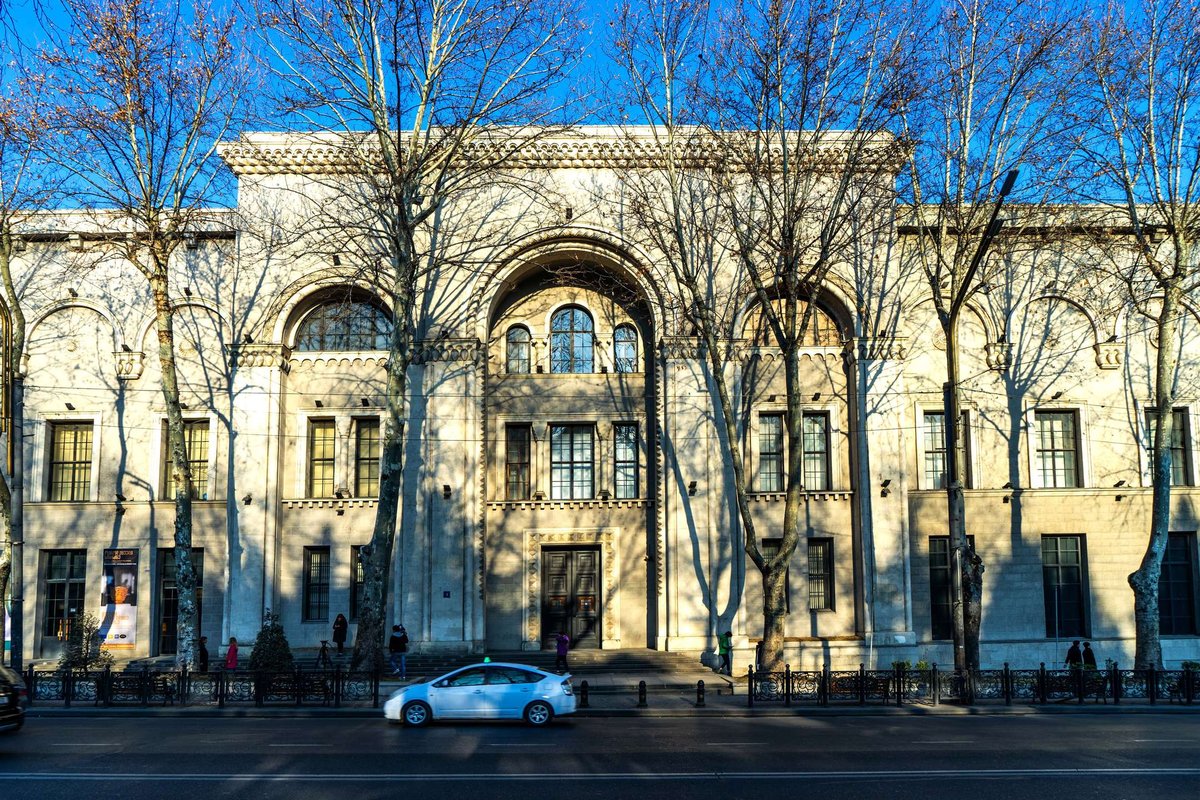
One of the oldest museums in Georgia, the Sion Janashia Museum, was founded in the mid-19th century, specifically in 1852. It is based on the Caucasus Museum, which was established in the 1820s. The first museum building was constructed under the direction of architect N. Neprintsev, and the façade was designed by N. Severov. Over the years, the museum has acquired valuable exhibits reflecting the nature, history, art, and material culture of not only Georgia but also the Caucasus and the Middle East. The museum's collection exceeds 1.5 million items.
The museum's holdings boast a truly rich collection, including archaeological finds dating back tens of thousands of years, elements of ancient industry and agriculture, and collections of doors and other household items. Among the most valuable exhibits of the Zion Dzhanashiya Museum are stereological material of the most ancient inhabitants of Eurasia (hominids), dated to approximately 1.8 million years ago, as well as their images (“Zezva” and “Mzia”) restored in scientific centers of Europe.
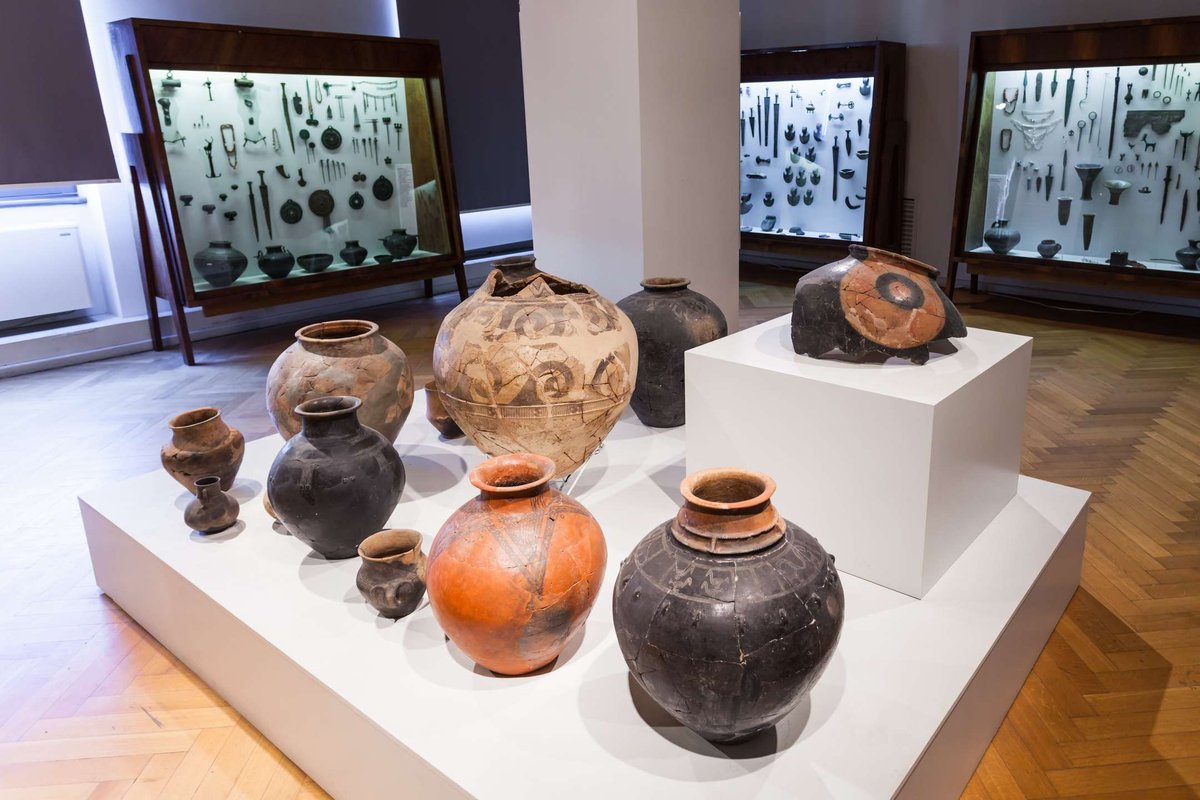
The archaeological collections of the Sion Janashia Museum reflect the history of Georgia from prehistoric times to the end of antiquity. These include finds from prehistoric sites, cultural layers of ancient ceramics, jewelry, coins, and other objects that bear witness to the everyday life and traditions of the ancient peoples who inhabited these lands. Geological, botanical, and zoological collections also constitute a valuable legacy of the museum.
The Sion Janashia Museum also possesses a rare collection of maps and engravings dating from the 16th to 19th centuries. These provide a unique opportunity to become acquainted with the region's topographic features and its historical monuments of the past.
Another interesting exhibit is the museum's collection of copper religious objects dating back to the 5th-4th centuries BC. The collection includes various objects, such as copper plaques depicting religious scenes, copper cast images of deities, and copper arrowheads. They demonstrate the unique skill of Georgian artisans and provide valuable insight into the religious and cultural practices of the time.
The museum also features a collection of painted Georgian ceramics, representing the art of the Georgian people over many centuries. Ceramic painting was widespread throughout Georgia and constituted an important element of culture and art. The exhibits housed in the museum showcase the wide range of techniques and styles used by Georgian artisans to create these works of art.
The Sion Janashia Museum also boasts a unique collection of ancient books and manuscripts dating from the 13th to 18th centuries. The books are written in Georgian, Arabic, and Persian and contain valuable information about the religious and cultural traditions of Georgia and other countries in the region.
Other interesting exhibits in the museum include a collection of carpets and textiles, representing masterful works of craftsmanship that flourished in Georgia for many centuries.
The collection includes carpets and textiles crafted in a variety of techniques and styles. Georgian carpets are among the most famous and valuable in the world, and the museum features numerous examples. The collection also includes rare examples of Armenian carpets, which are highly sought after by collectors and connoisseurs worldwide.
One of the most unique exhibits in the museum is a collection of ancient Georgian icons dating back to the Middle Ages. These icons were created in the traditions of the Georgian Orthodox Church and represent masterful examples of artistic craftsmanship.
The museum also houses valuable items related to the history of Georgia, including documents, coins, and medals from various periods of the country's history. The collection also includes rare manuscripts, including illustrated manuscripts of medieval Georgian literature, as well as a collection of photographs that reflect various aspects of Georgian life and culture.
The Sion Janashia Museum is also an active center for scientific research and conservation. Museum specialists are actively engaged in the study and preservation of valuable exhibits, using the most modern technologies and methods. Furthermore, the museum hosts various educational programs and exhibitions designed to introduce visitors to many aspects of Georgian history, culture, and art.
In 2018, the Sion Janashia Museum opened a new building, an addition to the existing museum building. The new building was constructed in a contemporary style and is equipped with the most advanced technologies to ensure the safety and security of its valuable exhibits. The museum building houses exhibition halls, laboratories, and storage facilities housing over 1.5 million exhibits, including archaeological finds, art, and cultural objects.
The Sion Janashia Museum is also renowned for its collection of Georgian carpets and fabrics, crafted in a variety of techniques and styles. Among them are carpets hand-woven by master weavers as early as the 18th and 19th centuries. They utilize a wide variety of materials, including silk, cotton, wool, and even gold and silver thread.
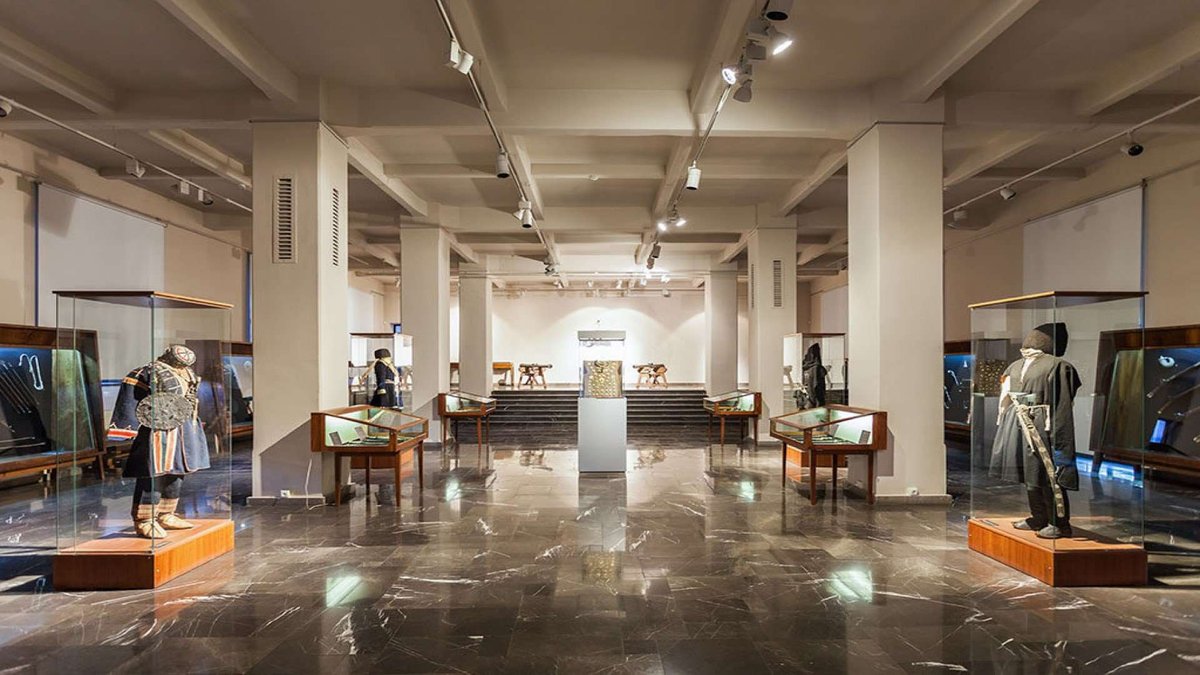
The museum boasts a unique collection of Georgian national clothing, reflecting the rich cultural history and traditions of this nation. The exhibition features attire worn by Georgian princely families as well as by ordinary peasants. Each garment is handcrafted and adorned with traditional patterns and embroidery.
The museum also displays historical weapons used by Georgian warriors throughout history, from ancient spears and swords to modern weaponry.
One of the museum's most unique exhibits is its collection of wooden doors. For centuries, Georgian master carpenters have crafted doors decorated with carvings and inlays, creating true works of art. The museum displays doors from churches, castles, and palaces, dating back to various eras.
The museum building houses not only exhibition halls but also laboratories where research and conservation of the exhibits are conducted. There are also storage facilities housing unique finds and objects accessible only for scientific research.
The Sion Janashia Museum continues to amaze visitors with its rich collections and unique exhibits.
It is not only the largest and oldest museum in Georgia, but also one of the most important cultural centers in the region. Over the years, the museum has attracted numerous visitors and scholars from around the world, a fact confirmed by the high praise it has received from international organizations.
The museum actively collaborates with other museums and scientific institutions in Georgia and abroad. These include the National Museum of Georgian Culture and History, the Georgian Academy of Sciences, the British Museum, the National Museum of Natural History in the United States, and many others.
With its extensive collection, the Sion Janashia Museum has become a true treasure trove for scholars, art historians, and archaeologists. It provides an opportunity to study the history and culture of Georgia and the region as a whole, and also enables research and experimentation in various fields of science and art.
This museum has not only scientific but also educational significance. It hosts numerous events and exhibitions, allowing visitors to delve deeper into the history and culture of Georgia and the surrounding regions. The museum also hosts master classes, lectures, and other educational events for everyone.
Despite its high status and importance, the Sion Janashia Museum continues to actively develop and expand its collection. The museum is currently working on digitalizing its collections to make them more accessible to the general public and for scholarly research.
We always welcome your comments and questions! Leave your thoughts below the article, and we will be happy to answer them.

38 comments
Log in to leave a comment