




Georgian Cuisine Recipes Museum: Tbilisi Tastings Tour
🍽️ Recipe Museum · ⏱ 45–90 minutes · 📍 22 Pavle Ingorokva Street, Tbilisi
🍲 What to know before you go
| 📍 Address | 22 Pavle Ingorokva Street, Tbilisi |
| 🕰️ Hours | sources list different hours: 10:00–18:00 except Monday or 12:00–19:00. Call before visiting |
| ☎️ Phone | +995 595 41 44 43 |
| 👩🍳 Format | recipe museum, food stories, cooking workshops, Georgian feast culture |
| 🥘 Inside | rare, traditional and original recipes, books, kitchen tools, spices and materials about Georgian food traditions |
| 📌 Coordinates | 41.69573, 44.79596 |
🧭 Who this guide is for
This guide is for travelers who have already tasted khinkali and khachapuri in Tbilisi and now want to understand the story behind the food. The Museum of Recipes is a good match for visitors who enjoy gastronomy, family traditions, spices, old recipes and small places where the experience feels personal.
🍽️ Why a recipe museum appeared in Tbilisi
For a long time, Georgian cuisine lived mostly inside homes. Recipes passed from grandmother to daughter, from neighbor to neighbor, from host to guest. That warmth is part of the charm. But it also means many recipes can disappear if nobody writes them down.
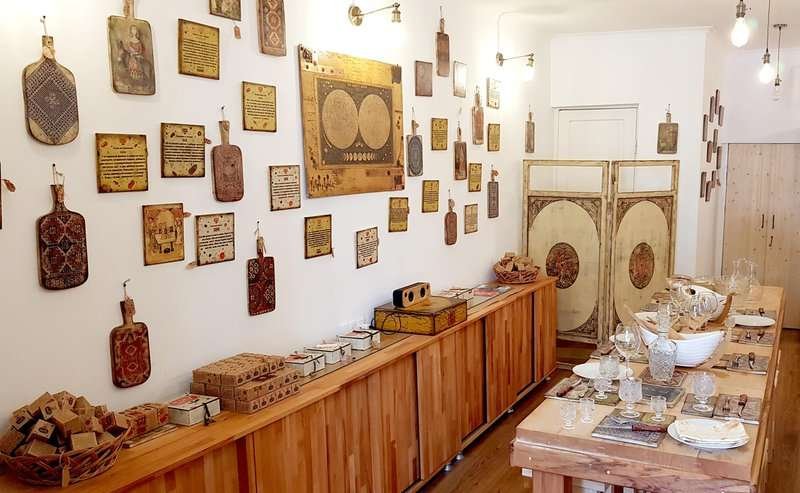
The Museum of Recipes opened in 2019 with exactly that concern in mind. It was created to collect old, traditional, modern and original recipes in one place. The idea came from Maka Kavtaradze, who wanted to preserve not only ingredients and instructions, but also the culture around them: how a dish is cooked, when it is served, who teaches it and why the same recipe can taste different from one family to another.
🥘 What to see inside
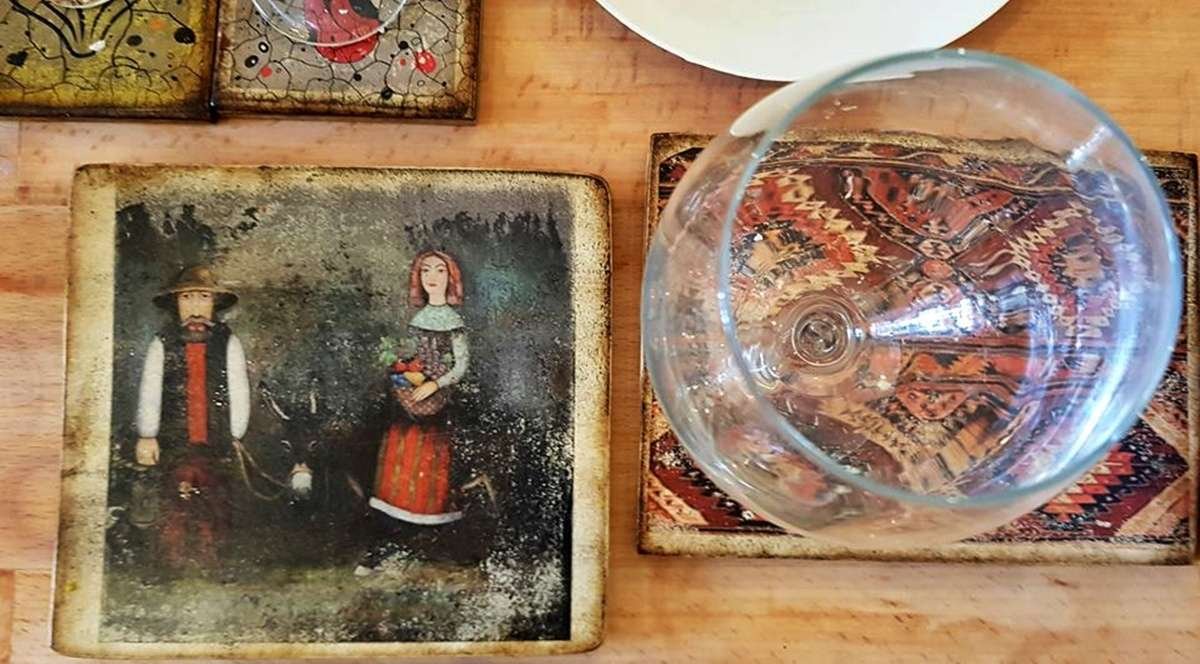
The Museum of Recipes in Tbilisi brings together Georgian recipes, cookbooks, kitchen tools, spices and materials connected with the Georgian feast. It shows food as cultural memory. Not just flour, cheese, beans, walnuts and herbs, but the story of a home, a region and a family.
The recipes are worth reading like small documents. One may describe a familiar dish. Another may preserve a nearly forgotten household preparation. A third may be an author’s version brought by someone who did not want it to vanish.
The main point here is simple and strong: a cuisine also needs an archive. Paintings and manuscripts are usually preserved. Family recipes often survive on loose paper, in phone notes or in the memory of older relatives. This museum gives those recipes a place.
👩🍳 Cooking workshops: the best reason to stay longer
The liveliest part of the museum is the chance to move from reading to cooking. Travel sources mention a showroom and cooking workshops where visitors can prepare dishes and drinks. For a traveler, this is one of the best ways to understand Georgian cuisine with your hands: how dough is folded, why herbs matter, how spices open up and why serving style is part of the dish.
The format works especially well when you first hear the story and then try the technique yourself. After that, khinkali in a restaurant will never look quite the same. You notice the folds, the dough, the broth and the filling much more carefully.
Do not treat this as a 15-minute museum stop. Call ahead and ask whether a workshop or tasting format is available on the day of your visit. If you can combine the exhibition with cooking, the experience becomes much stronger.
🧄 Why food lovers will enjoy it
The museum does not turn Georgian cuisine into a postcard. It reminds you that every dish has a character. Khinkali requires patience. Pkhali depends on the balance of walnuts, herbs and spices. Lobio without the right seasoning becomes just beans. Khachapuri looks simple only until you try to make the dough and filling yourself.
After a visit like this, the phrase “family recipe” sounds different. In Georgia, it is not just a menu description. It is a kind of family currency.
🗺️ How to plan your visit
1️⃣ First, call the museum and check the schedule. Open sources list different working hours, so a quick call can save time.
2️⃣ Arrive at Pavle Ingorokva Street a little early. The area is central, close to Freedom Square and Rustaveli Avenue, so the walk is easy.
3️⃣ Start with the recipes and food stories. Look not only at dish names, but also at ingredients, serving details and regional differences.
4️⃣ Pay attention to kitchen tools and books. They show how food existed in everyday life, not only on festive tables.
5️⃣ Ask about workshops. Even a short hands-on part will make the visit more memorable.
6️⃣ After the museum, plan lunch or dinner nearby. Ideally, order a dish you have just learned about.
💬 What visitors usually notice
“It is interesting to see a museum that preserves culture through recipes. It is not a typical museum, and that is exactly why it stays in your memory.”
“After visiting, you look at Georgian cuisine differently. You understand that every dish carries not only taste, but also a family story.”
“It is better to check the visit format in advance. If you catch a workshop, it becomes a full experience rather than just a quick look around.”
🏁 Why visit
The Museum of Recipes in Tbilisi is a good stop for travelers who want to go beyond the standard route of square, fortress and sulfur baths. Here the city opens through food: spices, notes, family habits and conversations around the table.
It is a small museum, but the idea is powerful. To preserve a recipe is to preserve someone’s home, voice and memory. That is the real reason to come.
ℹ️ Information about opening hours, address, phone number and visit format is current as of June 2026 and has been checked through open sources. Since listed opening hours differ between sources, call before visiting or check the museum’s current pages.
🏛️ What to see nearby


Have you visited the Museum of Recipes in Tbilisi? Did you join a workshop or just explore the exhibition? Share the recipe, spice or food story that stayed with you most — those details help other travelers plan better ❤️
❓ Frequently asked questions
💬 The Museum of Recipes is located at 22 Pavle Ingorokva Street, close to Freedom Square and Rustaveli Avenue. Map coordinates: 41.69573, 44.79596.
💬 Open sources list different hours: 10:00–18:00 except Monday and 12:00–19:00. It is best to call +995 595 41 44 43 before visiting.
💬 You can see rare, traditional, modern and original recipes, cookbooks, kitchen tools, spices and materials about Georgian feast culture.
💬 Yes, travel sources mention workshops and a format where visitors can prepare dishes and drinks. The schedule should be checked in advance.
💬 The idea belongs to Maka Kavtaradze. She started collecting recipes because many Georgian dishes were passed down orally and could gradually be lost.
💬 Plan 45–60 minutes for a regular visit. If you join a workshop, leave 1.5–2 hours.
💬 Yes, especially for children who enjoy cooking, smelling spices and learning where dishes come from. A workshop will be much more engaging than a simple exhibition visit.
💬 Nearby options include Experimentorium, the Georgian National Museum, the Georgian Museum of Fine Arts, the National Gallery, Freedom Square and Mtatsminda.

41 comments
Log in to leave a comment
Так что посетить музей рецептов - идея хорошая. И рецепты узнать можно, и специи приобрести.
Определённо стоит посещения!
Вот ещё одно место в моем пополнении. Частный музей рецептов в Тбилиси, открыла его обычная женщина Мака Кавтарадзе. А привлекло меня это заведение тем, что при его посещении, можно прослушать мастер- классы рецептов. Понравилось, что Мака не забыла о старых рецептах своих предков, собрала блюда грузинской кухни всех времен. Необычный музей,впервые о таком слышу. Думаю многие заинтересуются и не пройдут мимо.