




Borjomi Museum of Local Lore: History, Exhibits, and Visit
Address: Borjomi, St. Nino Street, No. 5
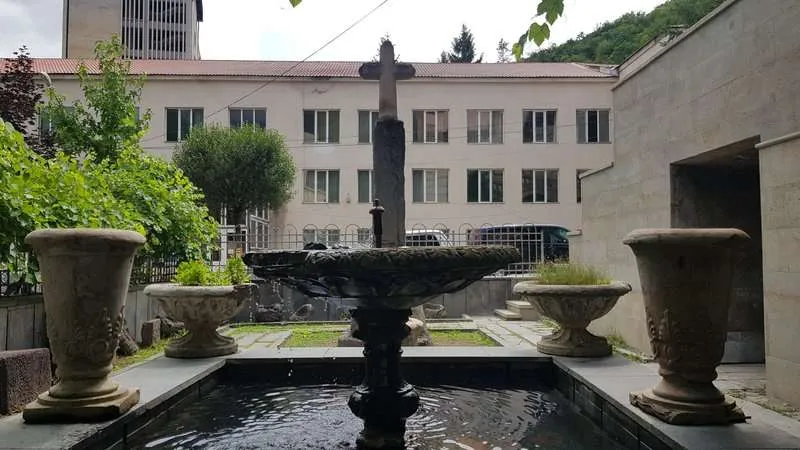
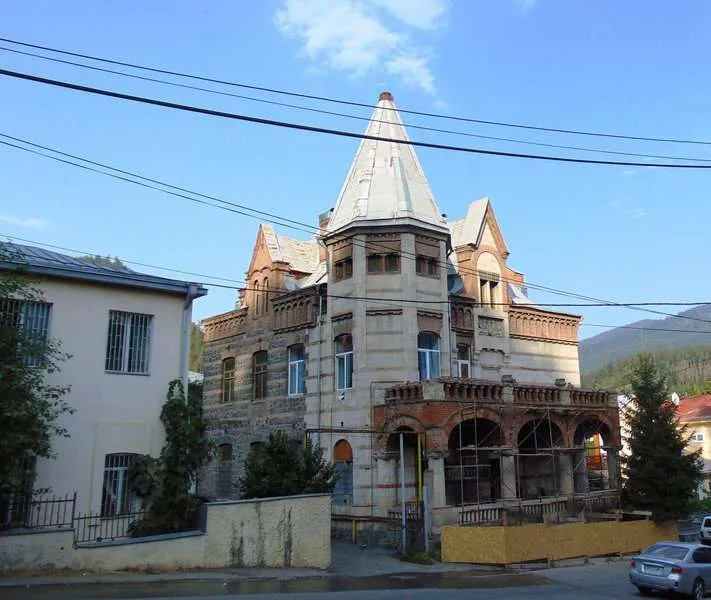
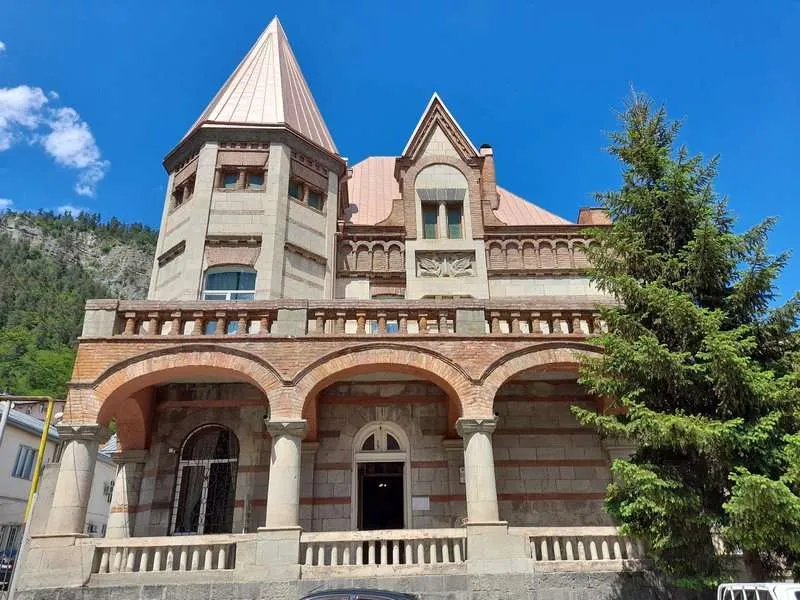
The museum is located in a Gothic-style building constructed in 1890 according to the designs of the German architect Vladimir Schweier, who represented the Borjomi estate administration of the Russian Emperor's viceroy in the Caucasus, Grand Duke Mikhail Romanov. The museum was founded in 1926.
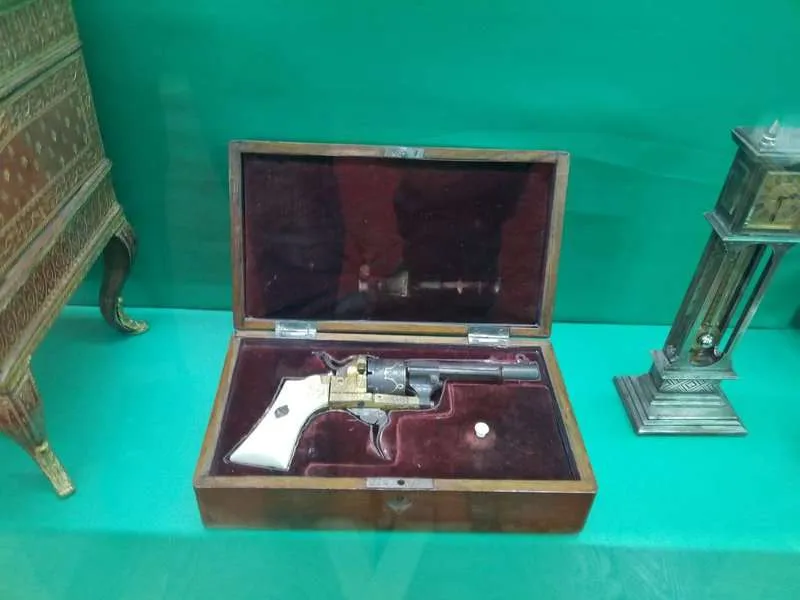
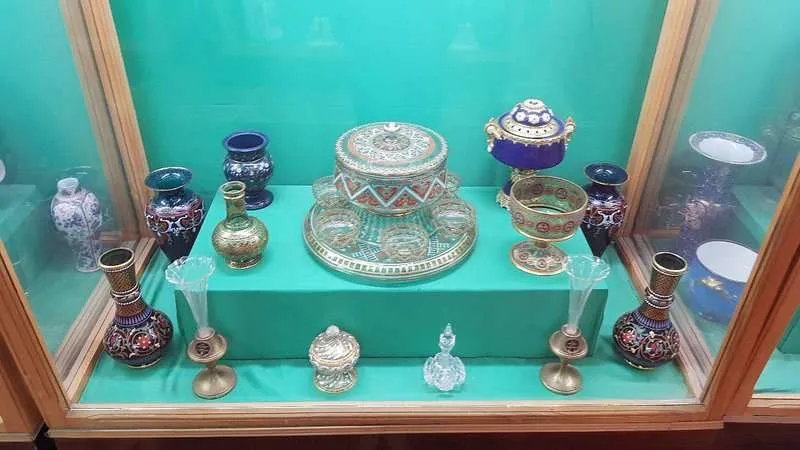
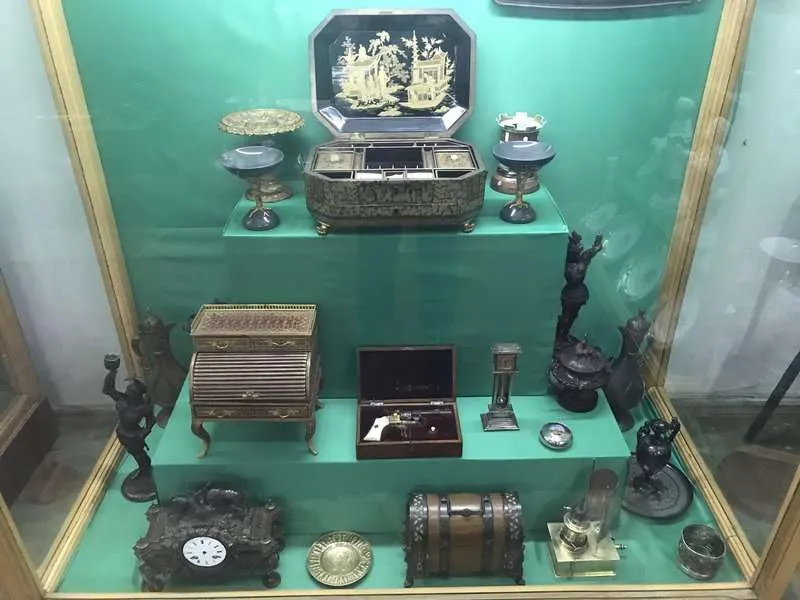
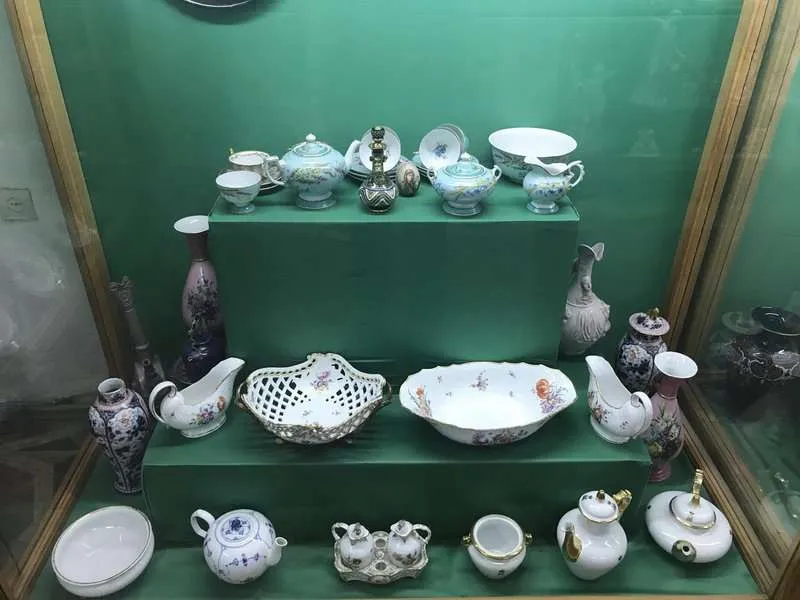
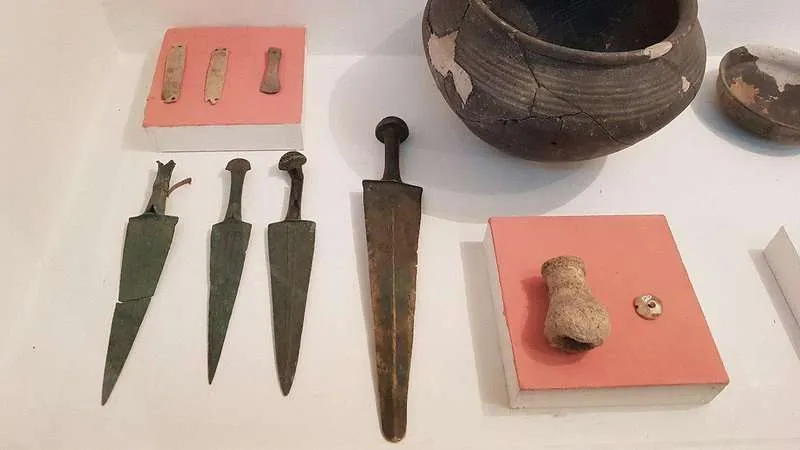
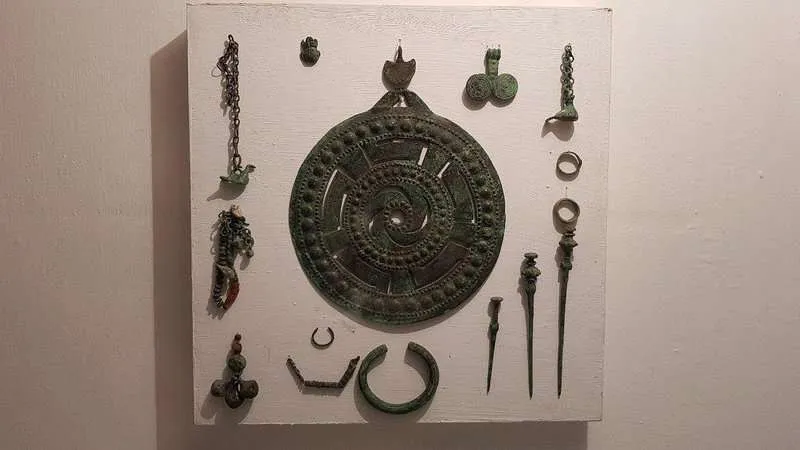
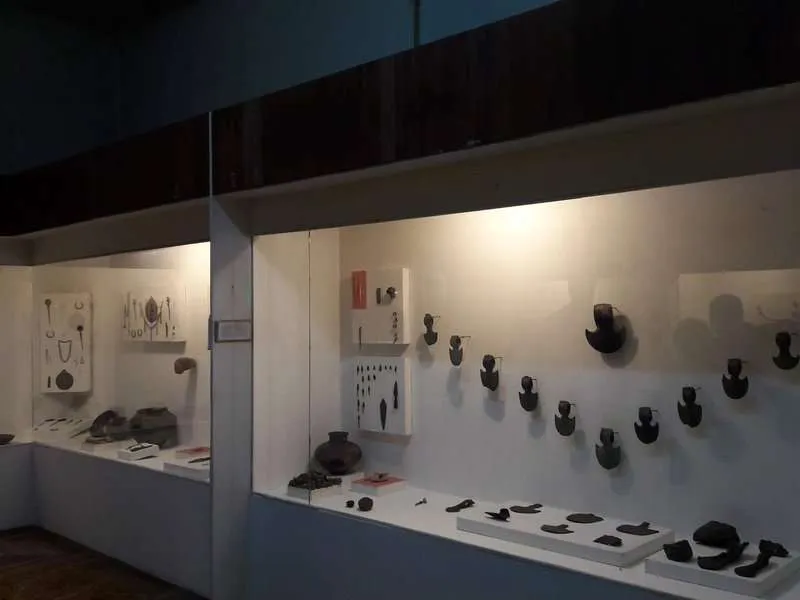
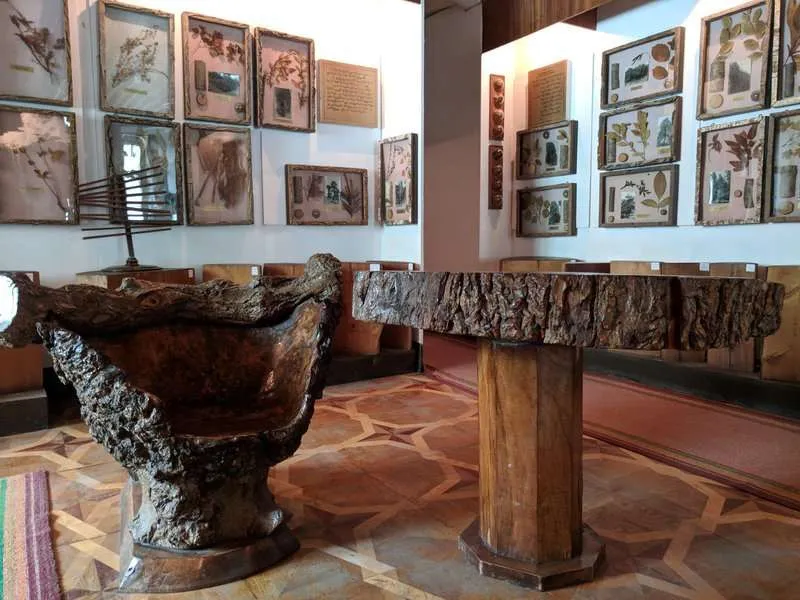
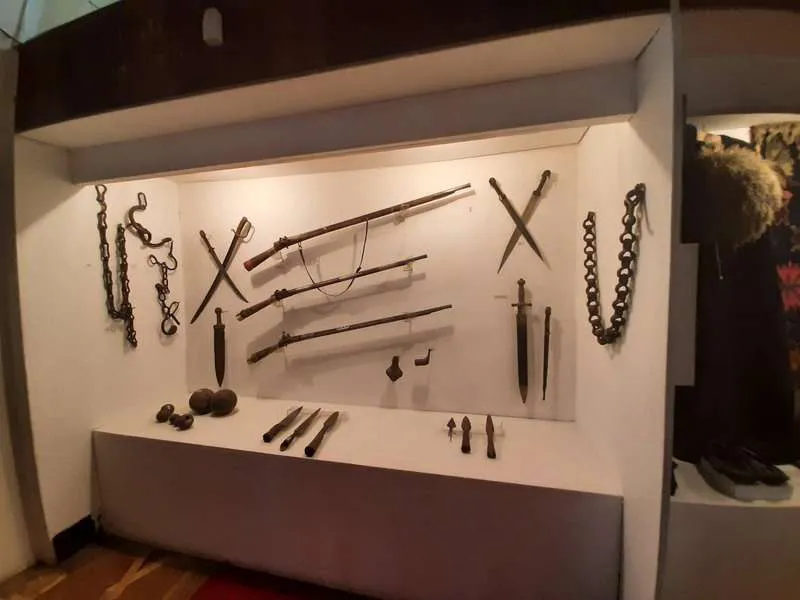
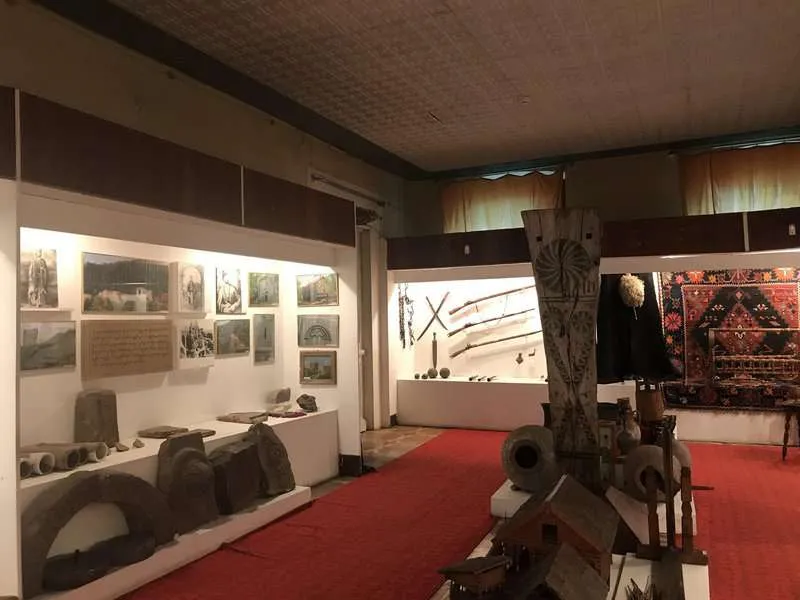
The Borjomi Museum of Local History consists of archaeology, history, ethnography, and local history departments, as well as exhibits of applied art. It houses a unique bronze necklace and weapon (2nd-1st millennia BC), a diverse numismatic collection (5th century BC – 20th centuries), and personal belongings of the Romanovs: European and Asian tableware, and works of fine art, the total number of which exceeds 37,000.
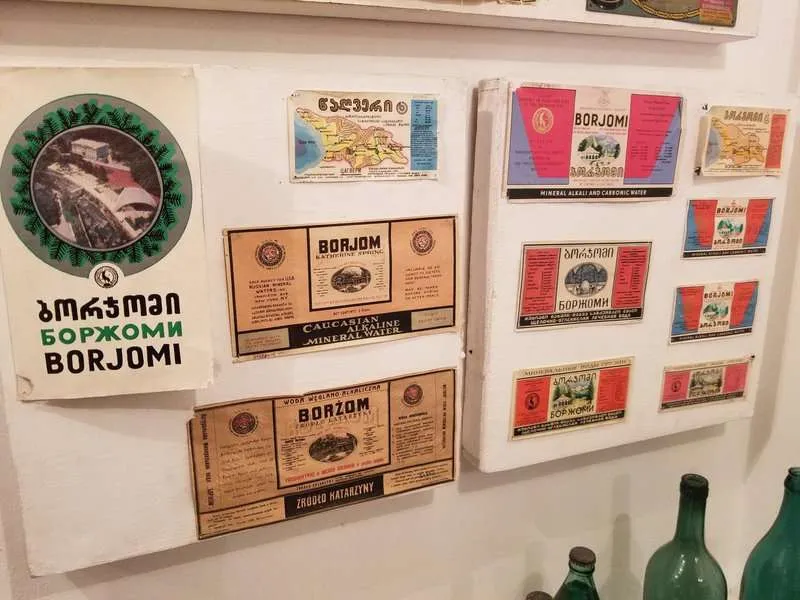
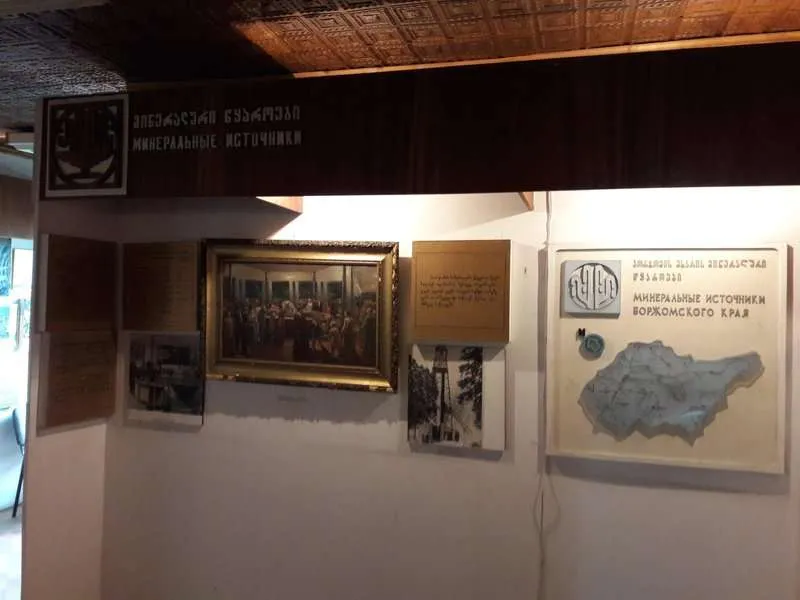
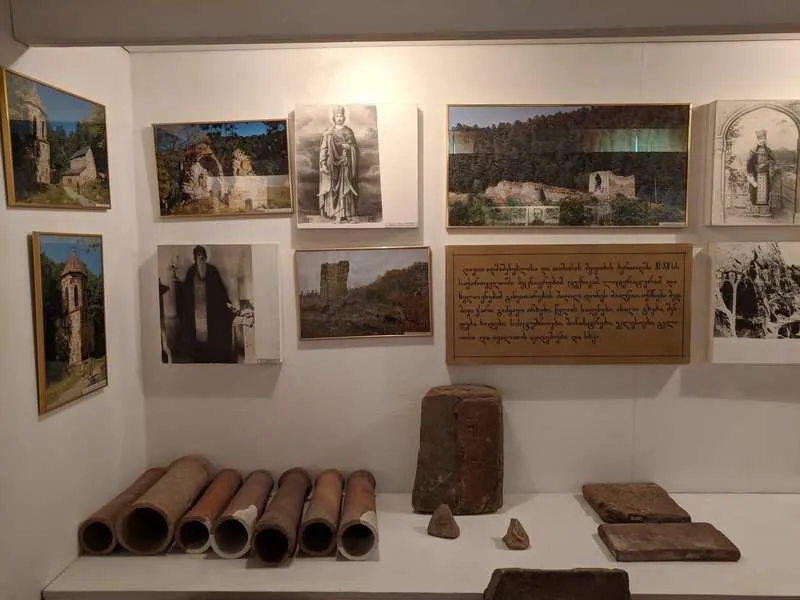
The history of Borjomi's unique mineral waters spans many centuries. In 1912-1913, the remains of an ancient bathhouse dating back to the 1st century, consisting of small pools, were excavated. The discovery of Borjomi's modern mineral waters is considered to be 1810.
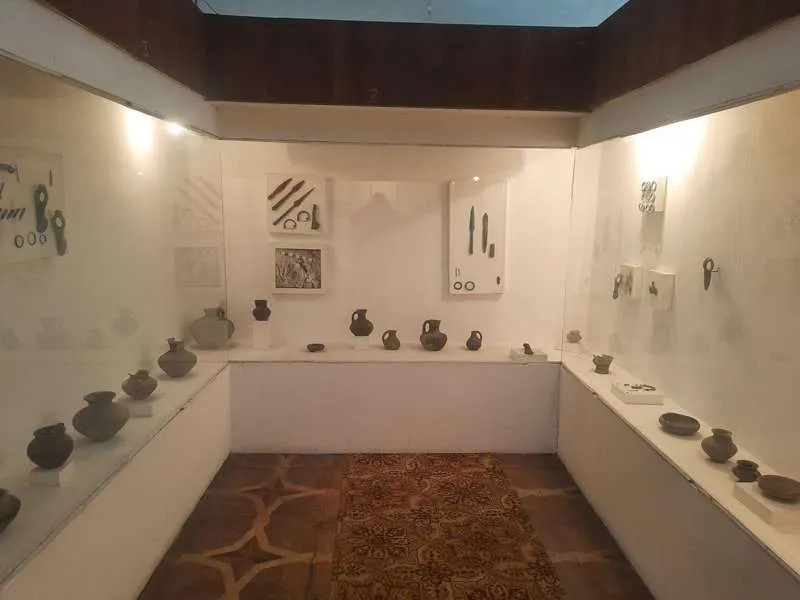
The museum's archaeological exhibition features a clay sculpture of a man, dated to the 6th-4th millennia BC, which experts believe is a sign of the transition to an early land-use culture. The exhibition begins with a broad representation of the so-called Middle Bronze Age culture, to which the museum's collections belong.
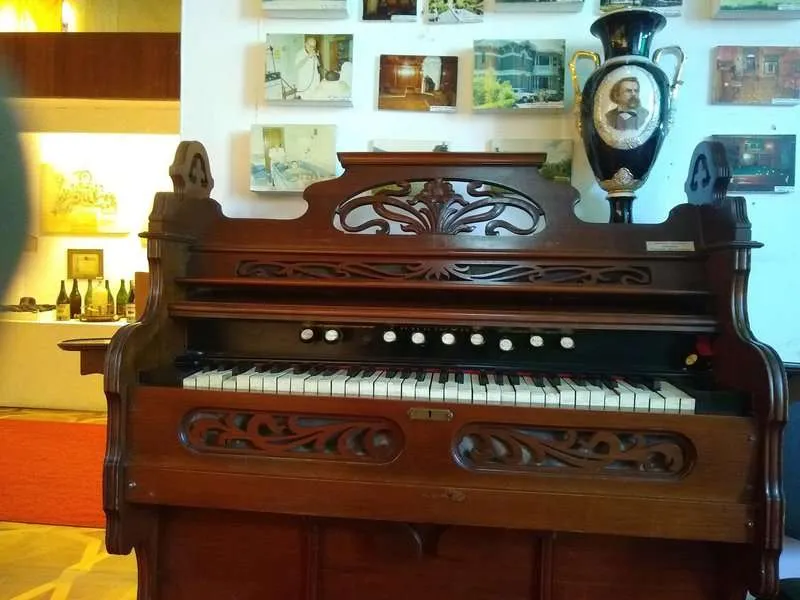
These objects were discovered in burials and date back to the 3rd-2nd millennia BC. Gold and silver bracelets, bronze weapons, and black polished ceramics are already found during this era. Of particular note are the finely crafted bronze buckles. Due to their highly cultural qualities, such buckles attracted the attention of antiquity enthusiasts as early as the last century, and for this reason, finely crafted Georgian buckles are held not only in museum collections in Georgia, but also in London and New York. The Applied Arts Department displays the finest examples of art, including original pieces made of porcelain, crystal, earthenware, terracotta, clay, bronze, copper, wood, and other materials, produced in various countries around the world: Germany, France, Italy, England, China, and elsewhere.
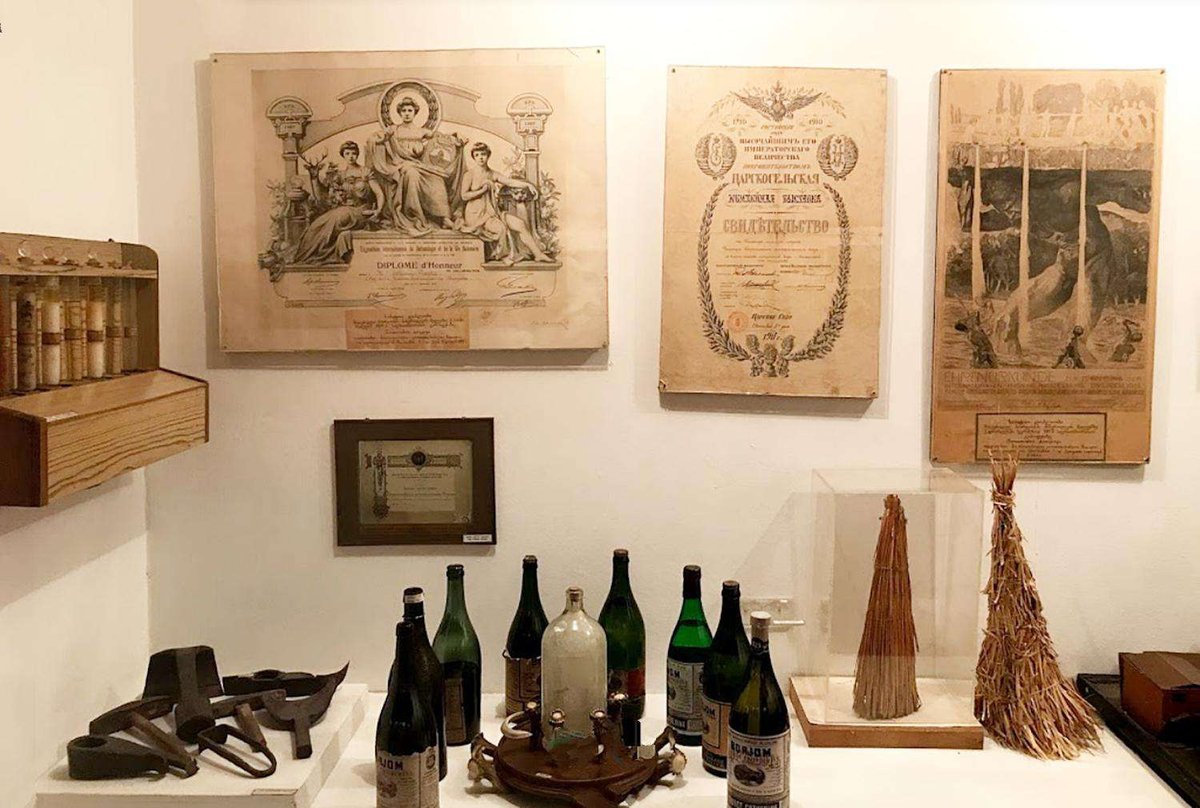
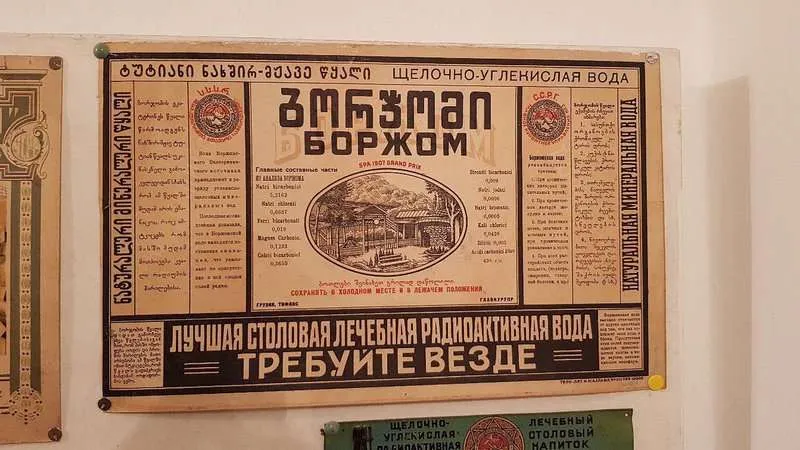
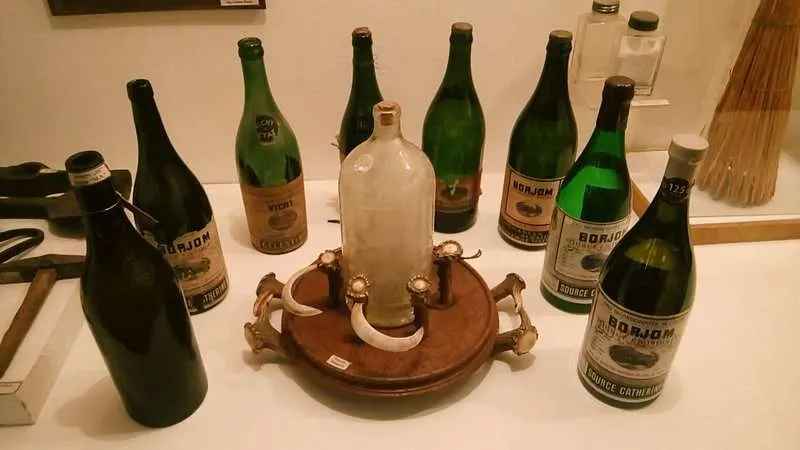
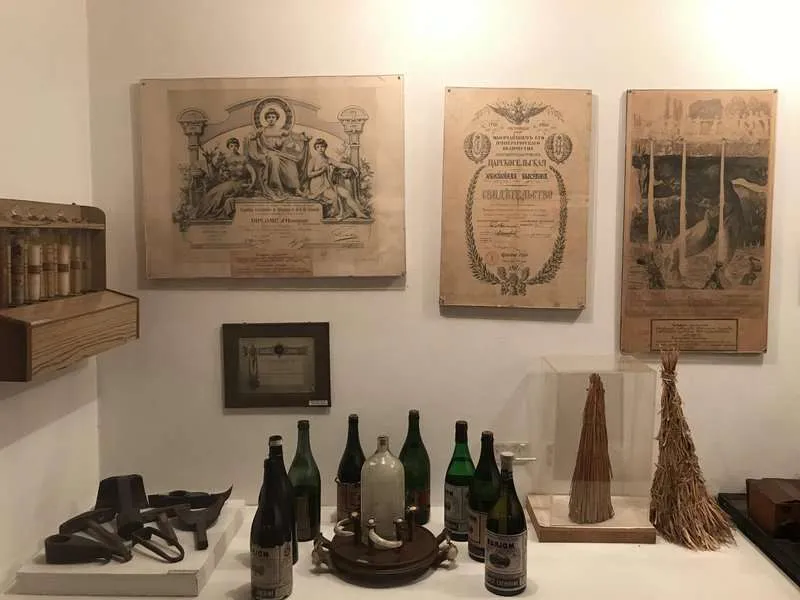
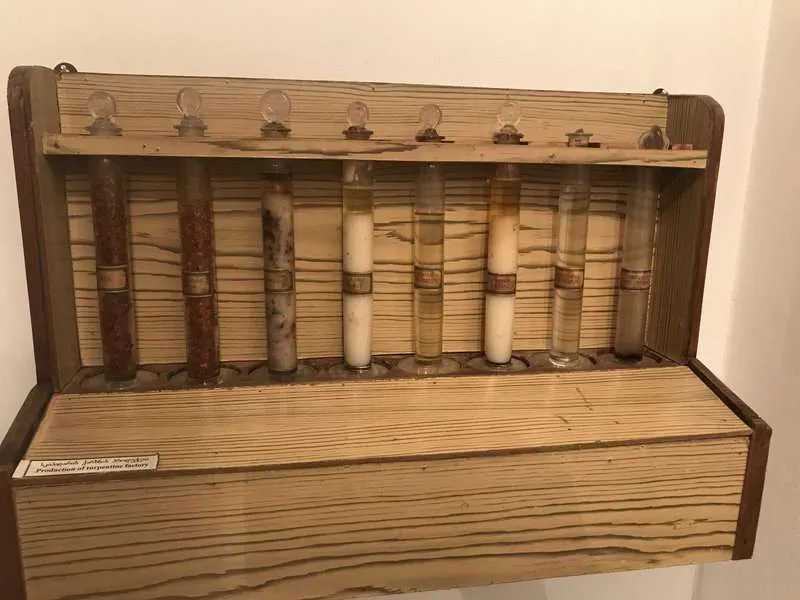
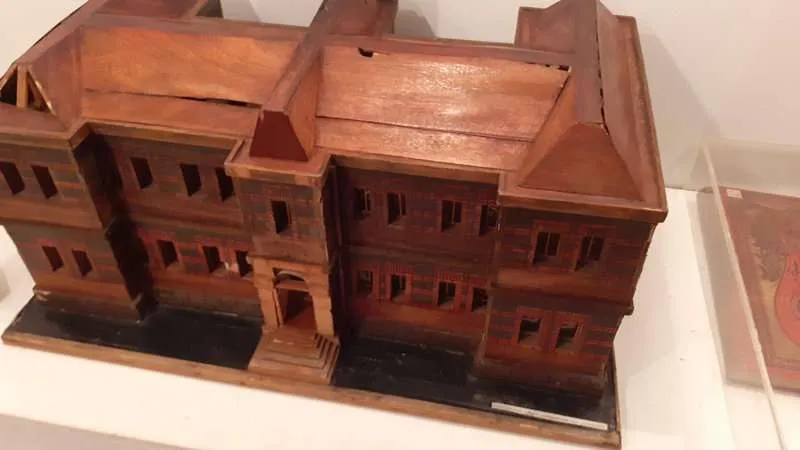
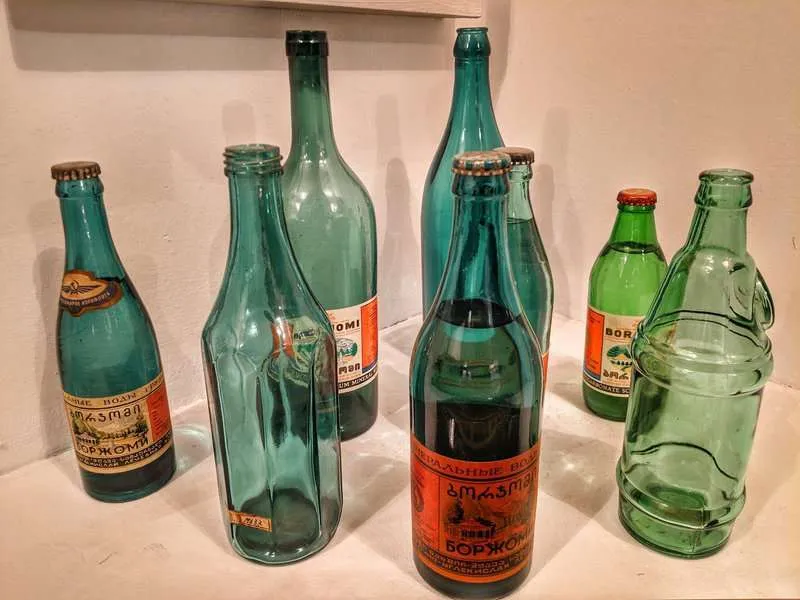
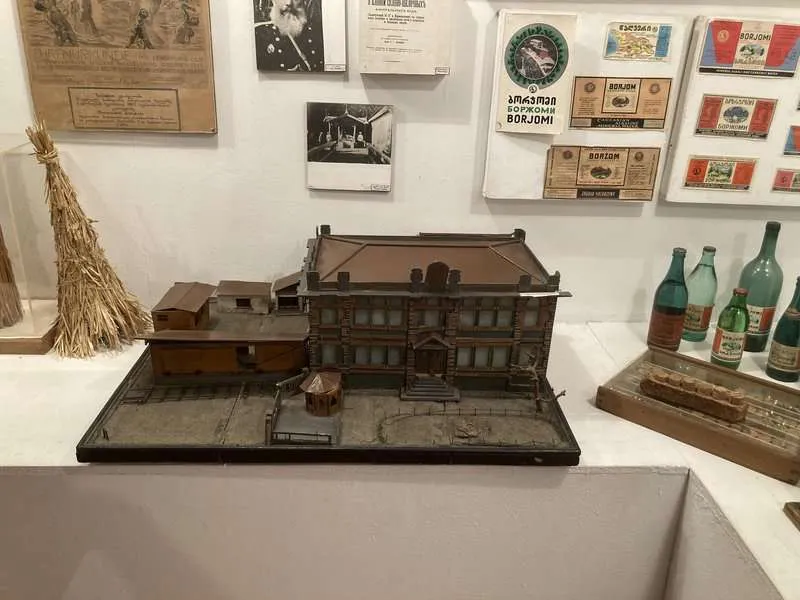
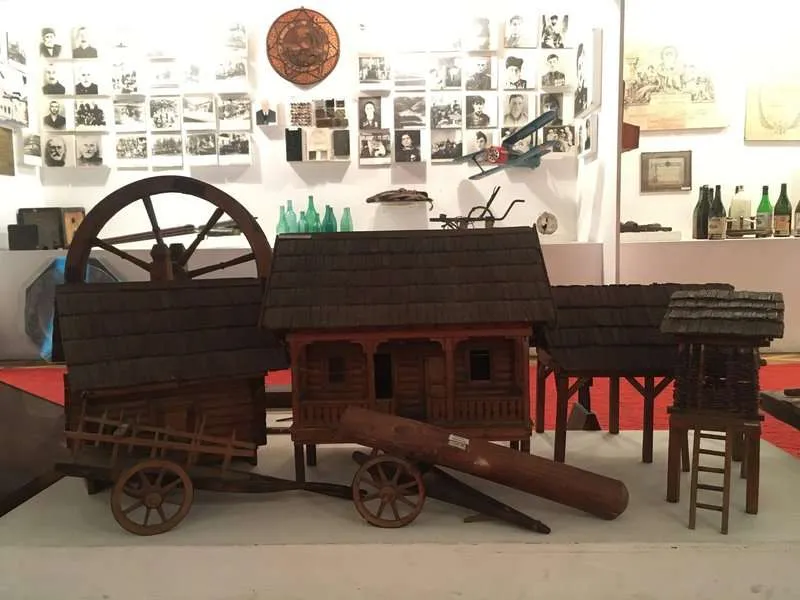
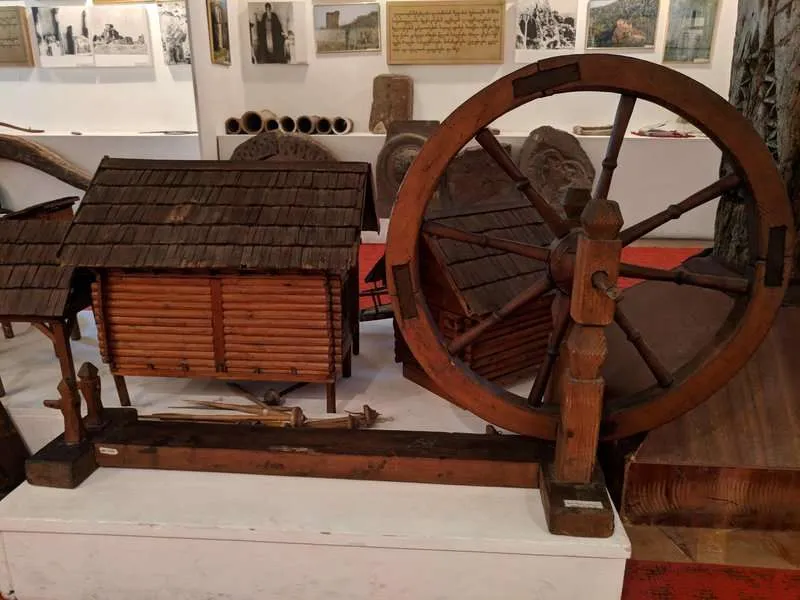
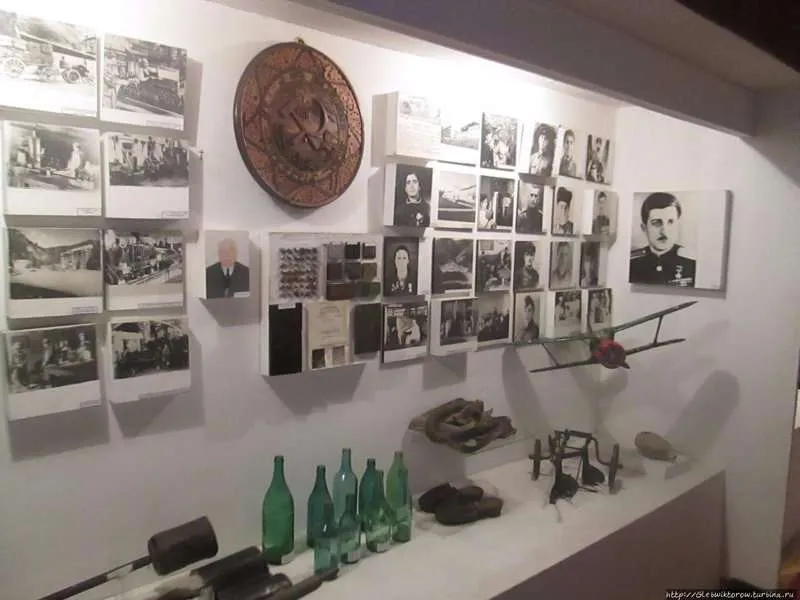
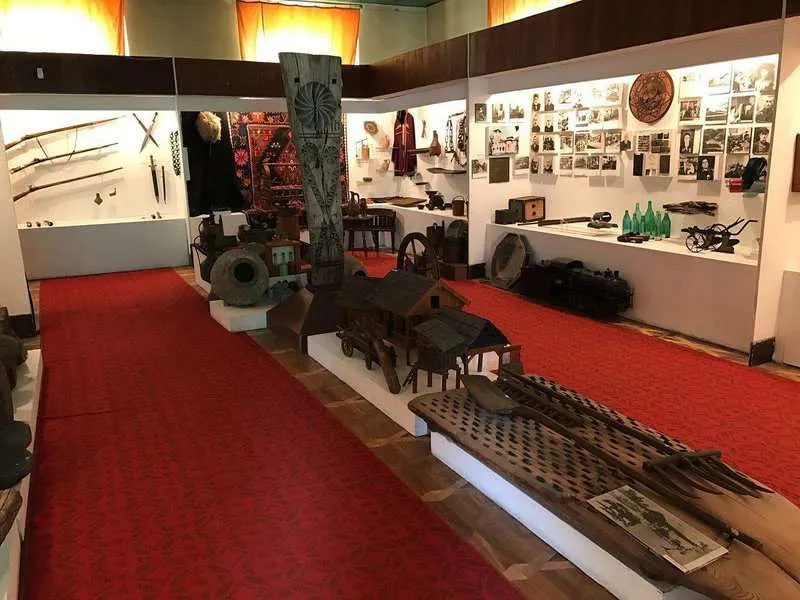
The exhibition includes a model of a glass factory furnace. Modern glass production in Georgia was first established in Borjomi in 1830. Additionally, materials reflecting the history of the mineral water bottling plant in 1894-95, a model of the building, and other items are on display.
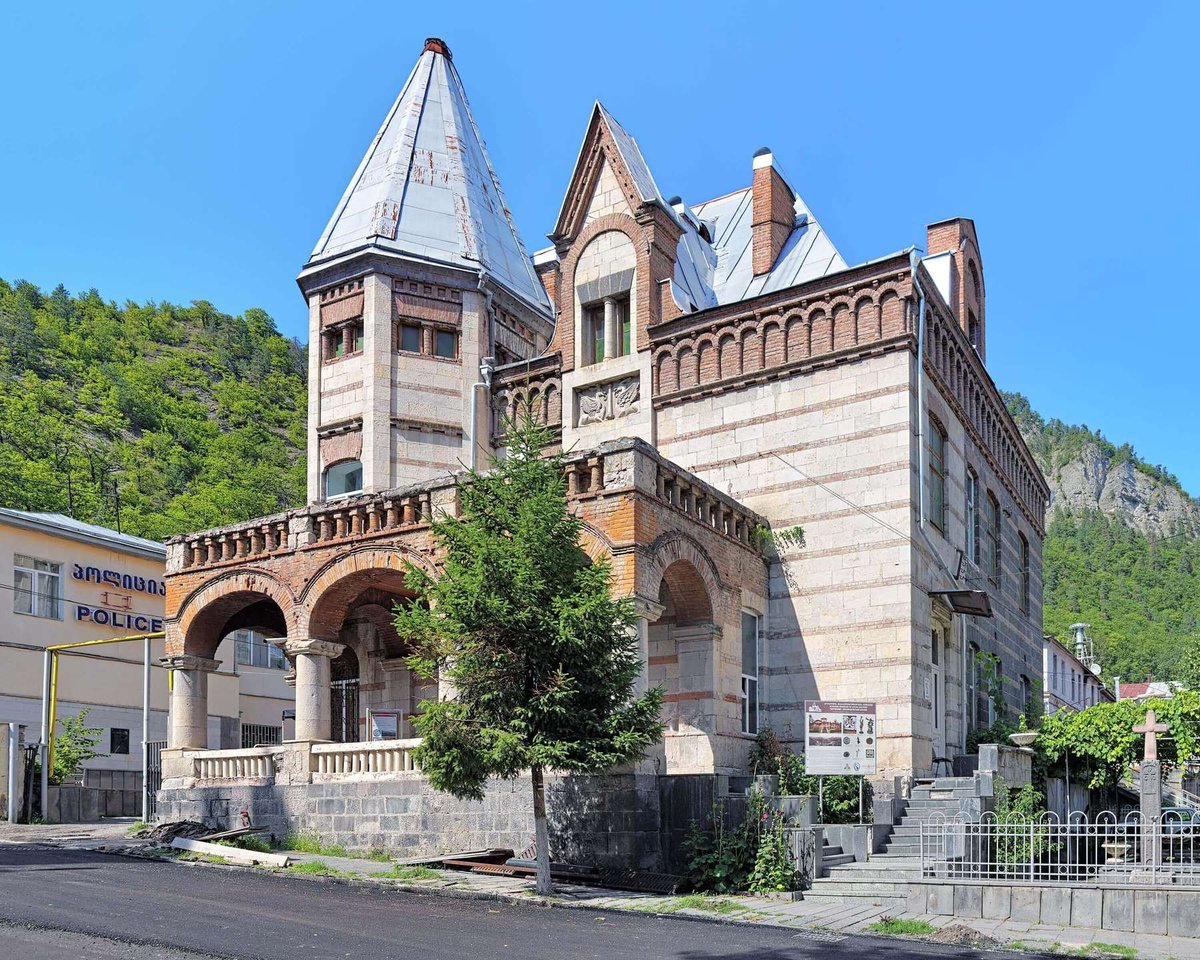
The Borjomi Museum of Local History, located in Borjomi, Georgia, occupies a Gothic-style building constructed in 1890 according to the designs of the German architect Vladimir Schweyer. This building was constructed to administer the Borjomi estate of the Russian Empire's viceroy of the Caucasus, Grand Duke Mikhail Romanov. The museum was founded in 1926 and currently consists of several departments, including archaeology, history and ethnography, and local history. It also has an applied arts department and houses a wealth of interesting exhibits.
One of the museum's most significant exhibits is a clay sculpture of a man, dated to the 6th-4th millennia BC. This artifact is a sign of the transition to an early agricultural culture. The museum also houses a unique bronze necklace and weapon from the 2nd-1st millennium BC, a diverse numismatic collection (5th century BC – 20th century), and personal belongings of the Romanovs: European and Asian tableware, and works of fine art, totaling over 37,000.
The museum halls also feature more recent exhibits, such as collections of items from the 18th-20th centuries. These include glass, ceramic, metal, and textile objects. The applied arts department features numerous original pieces made of porcelain, glass, bone, horn, and other materials. These exhibits showcase the skill of artisans from Georgia and neighboring regions.
While the Borjomi Museum is primarily known for its archaeological collection, it also presents the rich and diverse history of modern Georgia. The museum displays exhibits dedicated to the culture and traditions of the peoples who inhabited this land, from ancient times to the present day. One of the most interesting exhibits in the Borjomi Museum is its collection of items related to traditional Georgian cuisine. Here you'll find not only antique dishes and utensils but also recipes passed down from generation to generation.
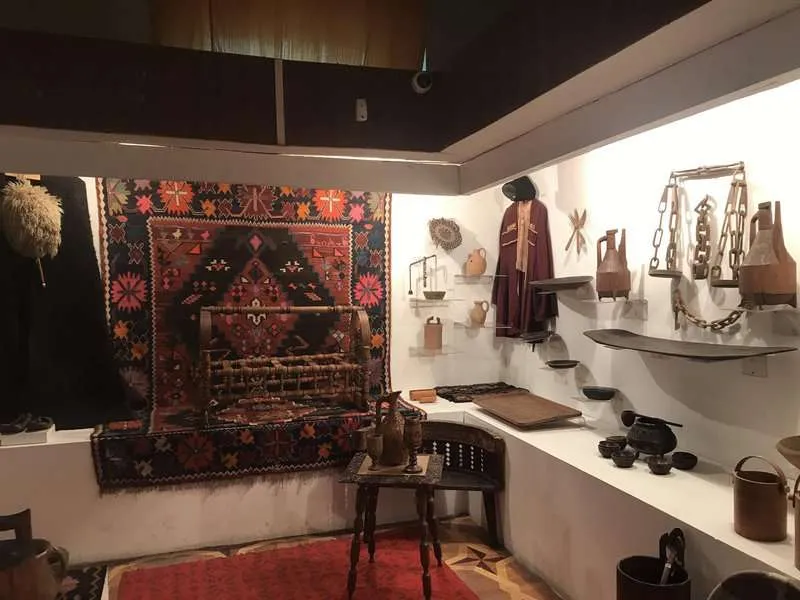
The museum also features a unique collection of national costumes, reflecting the culture and customs of Georgia's various regions. Costumes from various eras and styles, including traditional wedding attire, allow visitors to gain a deeper understanding of the diversity of this amazing country.
Another fascinating part of the Borjomi Museum is its collection of folk crafts, such as embroidery, weaving, ceramics, and pottery. These traditional crafts are still practiced in Georgia, and the Borjomi Museum displays not only finished products but also the techniques and tools used to create them.
Furthermore, the Borjomi Museum is home to various collections of national clothing, jewelry, and handicrafts. Here you can see rare examples of traditional Georgian costumes and jewelry dating from various historical periods. The museum also features exhibits dedicated to the culture and everyday life of the Georgian people. Visitors can learn about traditional holidays and rituals, music, dance, and religion in Georgia. For example, the museum displays exhibits dedicated to Christian worship, such as icons and crosses.
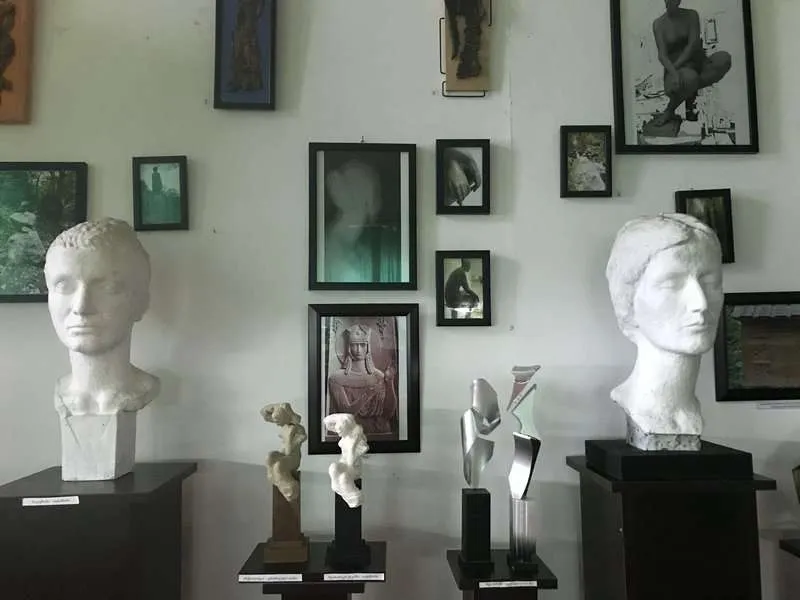
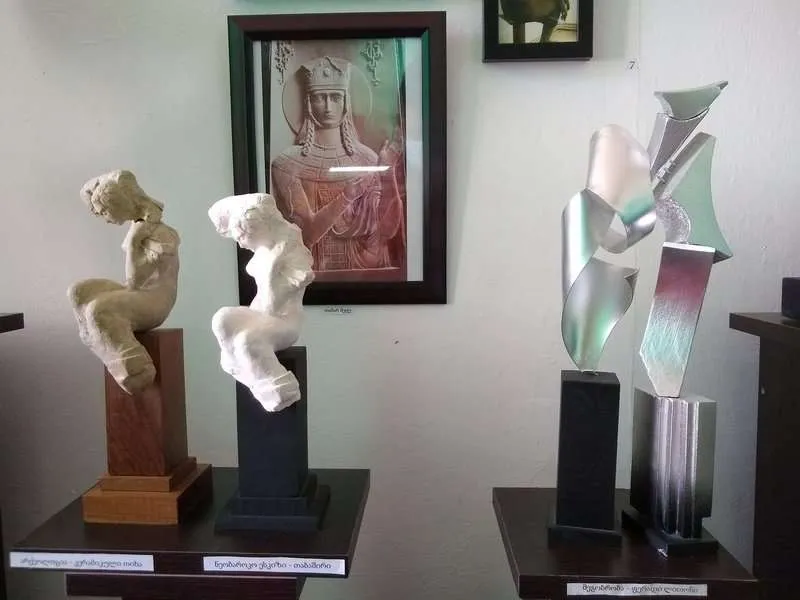
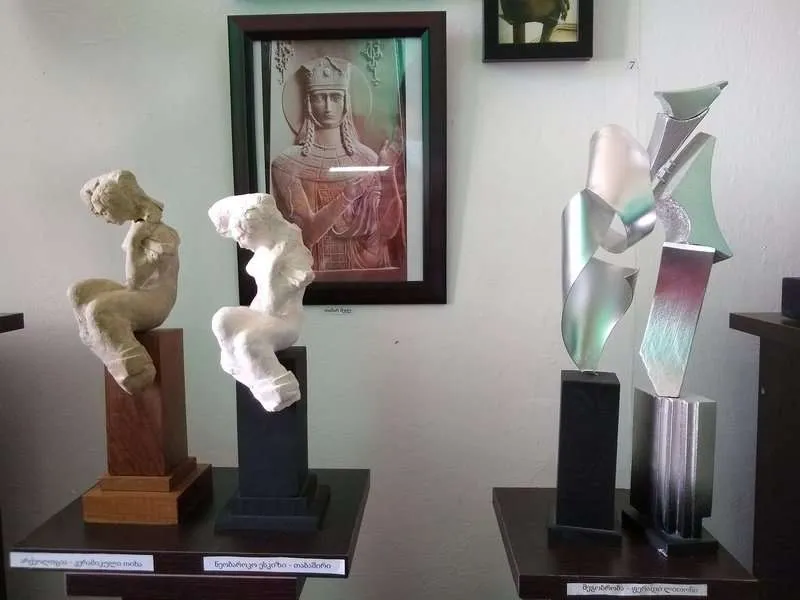
In addition, the Borjomi Museum boasts a rich collection of paintings and sculptures created by Georgian artists and sculptors. These works of art reflect the diverse styles and techniques used in Georgian art.
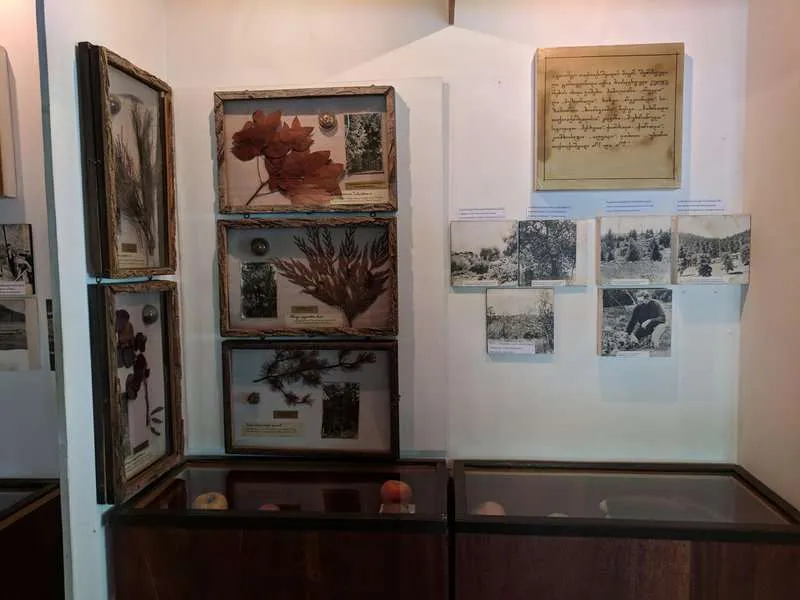
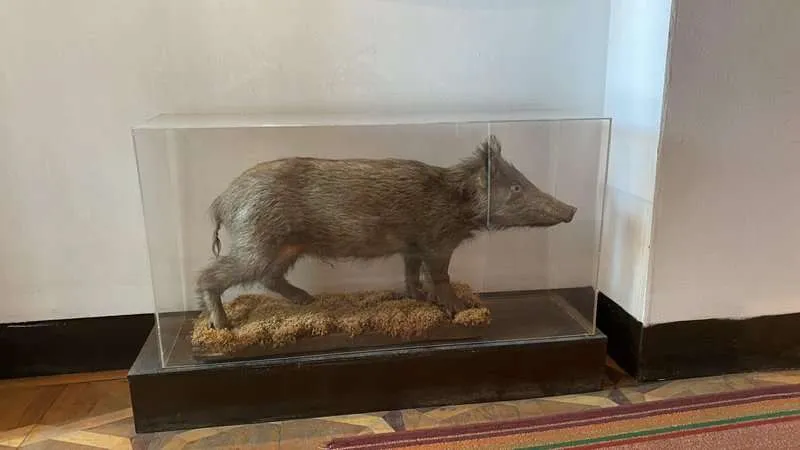
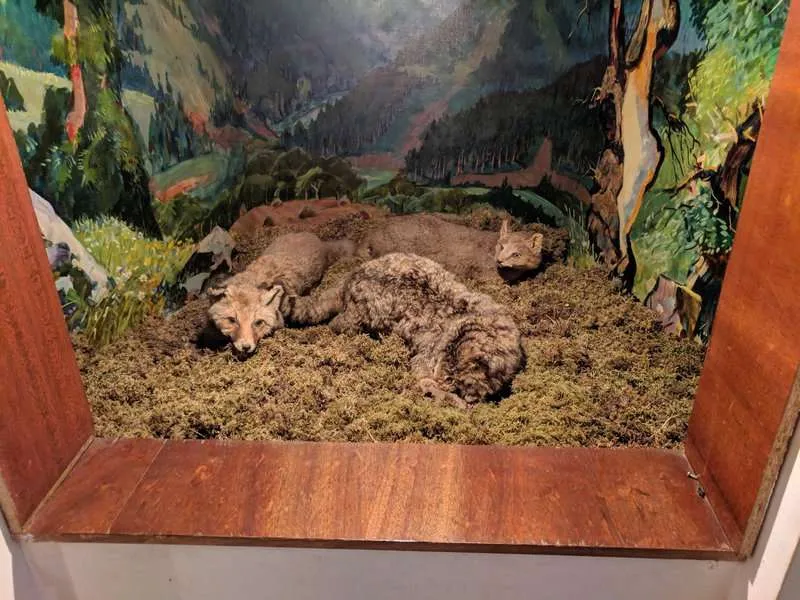
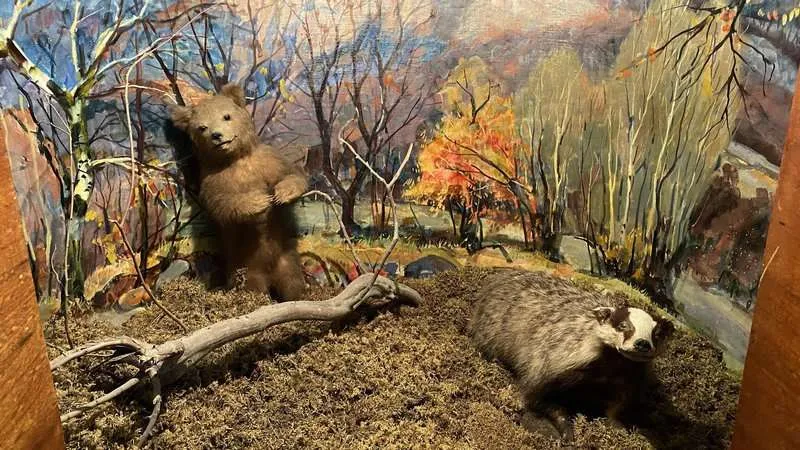
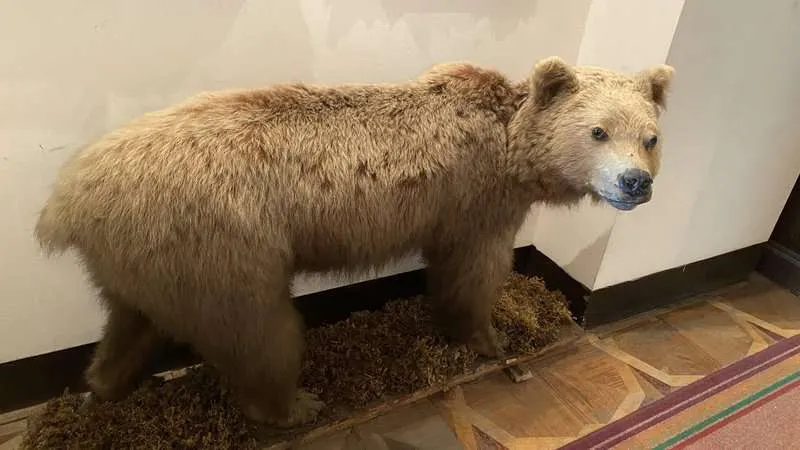
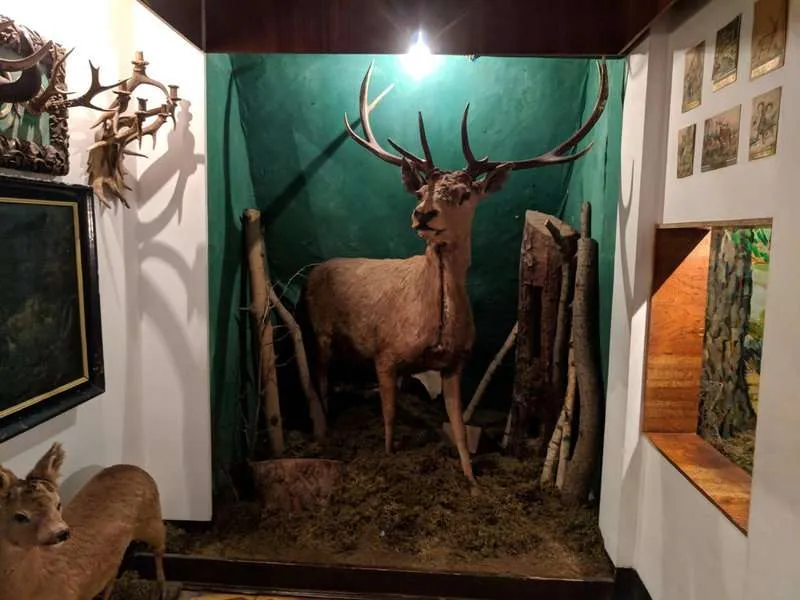
Finally, the Borjomi Museum offers visitors the opportunity to learn about the region's nature and geology. The museum features exhibits dedicated to the mountainous landscape and the animals that inhabit the Borjomi Gorge. This makes the Borjomi Museum a unique place to gain a comprehensive understanding of Georgian culture and nature.
We always welcome feedback from our readers and answer their questions. So feel free to leave them below our articles! Your opinion is important to us.

39 comments
Log in to leave a comment
Хотела бы побывать в этом музее, проникнуться духом того времени, так сказать.
Спасибо отдельное, что в таких постах выкладываете много фотографий. Я посмотрела и как будто немного окунулась в эту атмосферу, хотя в музее не побывала.