




Easter in Georgia: Traditions, Customs and How It Is Celebrated
Georgian traditions for Easter. How is the national holiday of Akhdgoma
One of the most beloved holidays among Georgian believers is, without a doubt, Easter. The bright Resurrection of Christ is celebrated with particular pomp, traditional feasts, and religious observances.
The Easter holidays begin on Friday and continue until Tuesday. For four days, Georgians devote their attention to religious services, church attendance, and cemeteries to commemorate the dead.
How to celebrate Easter in Georgia
As in the whole Christian world, the celebration begins at midnight from Saturday to Sunday in all churches and temples of the country. Believers gather for a solemn litany, congratulating each other with the phrases “Christ agdga” and responding with “Cheshmaritad adgda”.
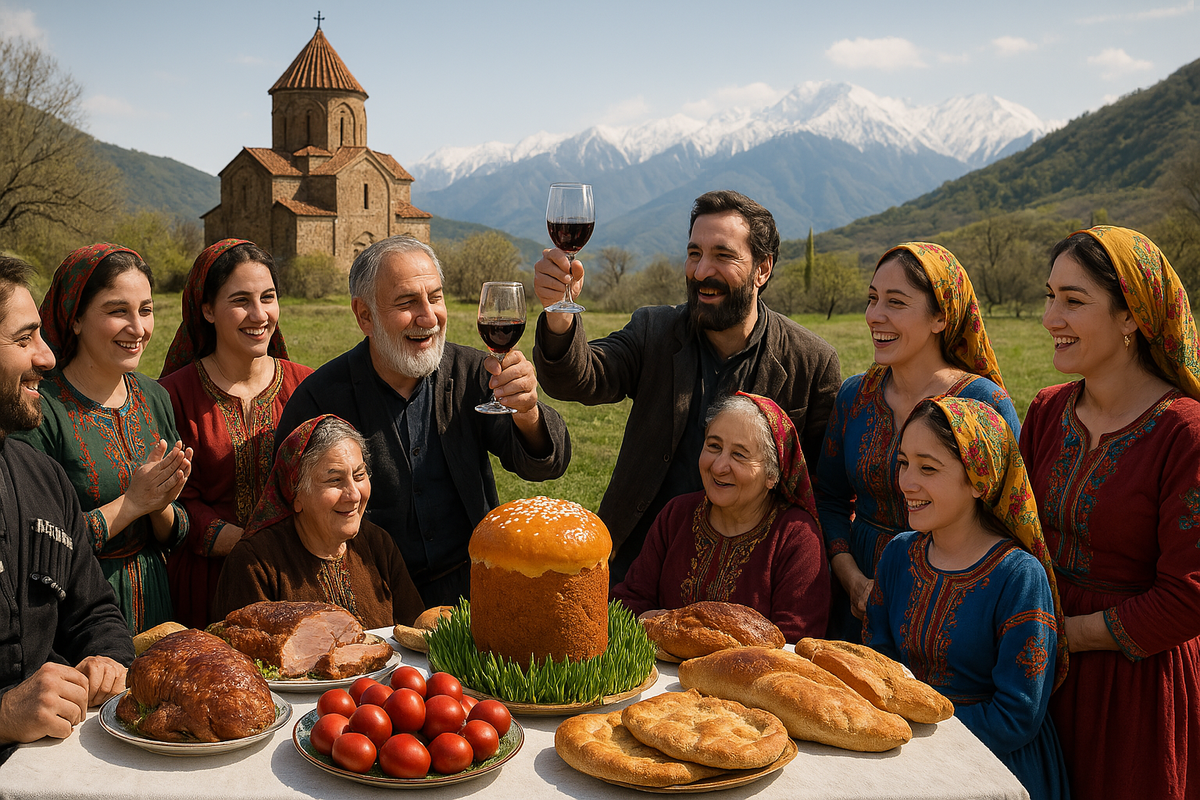
Immediately after the service , residents send for festive table, where they raise glasses to the health of those present, to the miraculous resurrection of Jesus Christ and to love for the Motherland. In Georgia, the memory of their ancestors is honored, and no one forgets how hard their ancestors managed to defend the right to profess Christianity during the seizure of lands by Muslims.
What is being prepared for Easter in Georgia
Georgian cuisine very diverse. The festive feast at Easter is also famous for the presence of a large number of different dishes. They are united by an abundance of spices and seasonings.
The main thing on the table is the Easter cake. In its manufacture, a lot of homemade eggs are used, which gives the baking a bright orange color. The cake should be heavy and sweet. From above, it is not decorated with anything.
Painted eggs are also located in the center of the festive feast, and they are placed on a special tray. A month before Easter, wheat grains are scattered on cotton pads soaked with water, and by the festive day, smooth greenery appears. It is called Djedjeli. It is on her that the eggs are laid out. Previously, they were painted only in red (a symbol of the blood shed by Christ), but now, as in the whole world, they are made multicolored.
Pork ham and homemade bread are also traditional dishes.
Easter traditions in different regions of Georgia
Almost every Georgian family has its own customs, which are passed down from generation to generation. Many of them are characteristic of certain regions of residence.
Residents of Guria necessarily arrange a men's game of lelo. The most preserved ancient rules of the game are in the village of Shuhuti. Lelo is a ball game with no special rules, but with one feature – the ball weighs 16 kilograms and is made by hand. The team that took possession of the ball crosses the river and, in memory of the ancestors, leaves it in the cemetery.
In Imereti, after morning services, bells are always rung, songs are sung loudly and people dance in the streets. There is no question of any dream.
In Kakheti, the prohibition against drinking wine on Good Friday is strictly observed. And on Easter Sunday, one part of the wine is given to the church.
In the mountainous regions of the country, archery competitions are held on targets, in the role of which painted eggs were placed. It is also customary to roll painted eggs on the graves of ancestors.
The residents of Samegrelo are distinguished by the fact that not just a pork ham, but a whole piglet flaunts on their festive table. His head is given to the one who will be chosen by the toastmaster. Usually this is a clergyman or the oldest and most respected person of the village.
Easter is the brightest and most joyful holiday for the entire Georgian people. Most of them are deeply religious Christians who strictly adhere to ancient customs. On this day, everyone tries to have the most joyful time and give happiness to every person.
Share in the comments what other traditions and customs of the Georgian people for the celebration of Easter you know. And you can read about how other national and state holidays of Georgia are held on the pages of the Madloba catalog.
How Easter Eggs Are Dyed in Georgia
In Georgia, Easter eggs turn into true works of art thanks to a traditional dyeing method. They are dyed on Good Friday using the roots of a plant known as madder, or endro in the local language. Symbolically, endro begins to be sold everywhere precisely during Holy Week, when every Georgian housewife starts creating her Easter masterpieces.
Eggs simmered in an endro decoction acquire a rich cherry-red color that stands out pleasantly from typical egg dyes. Some craftswomen also add onion skins to the broth to achieve a wider range of shades — from golden hues to deep brown tones.
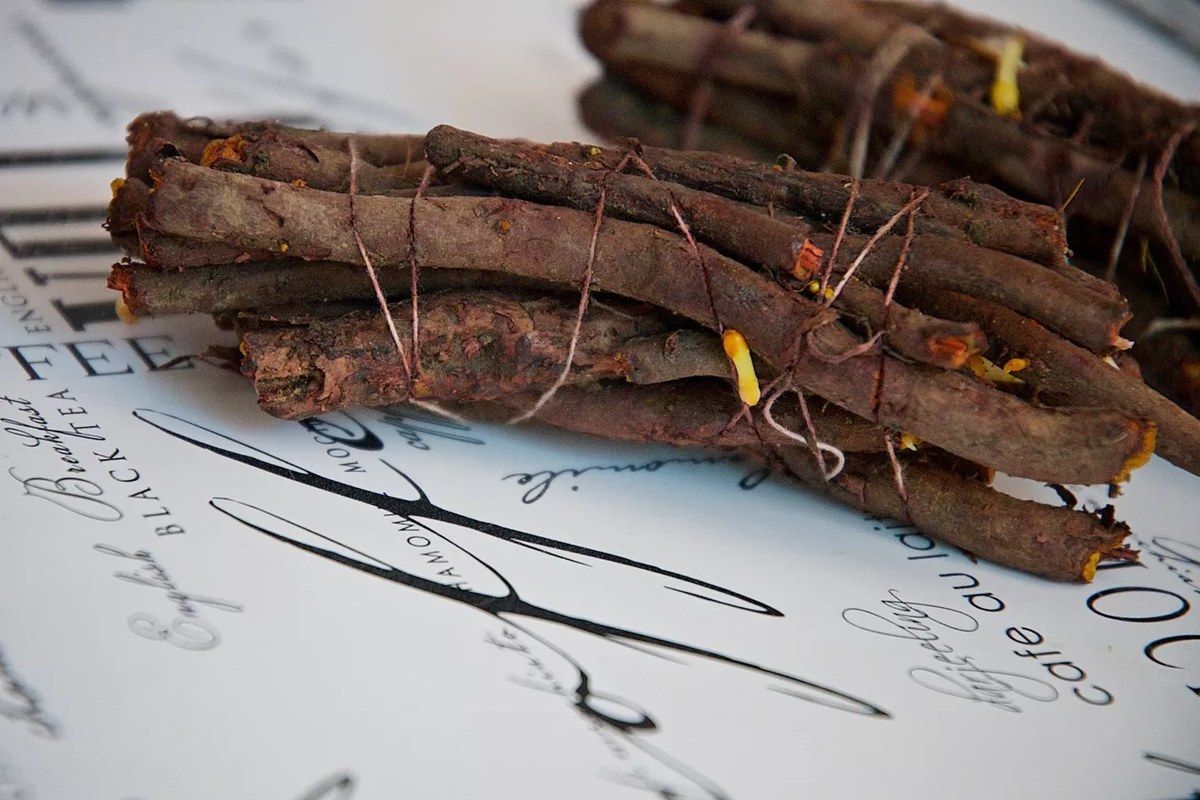
Would you like to try your hand at this ancient art? Here’s how you can dye eggs using endro roots:
- Start by chopping the roots into small pieces.
- Take the eggs out of the refrigerator so they absorb the dye more easily.
- Pour cold water over the roots and boil them for about 30 minutes.
- Let the decoction steep for approximately 2 hours.
- Place the eggs into the decoction, bring it to a boil, and cook for another 10–12 minutes.
- Then remove the eggs and place them in cold water to stop the dyeing process.
- Rub the eggs with vegetable oil to give them a glossy finish.
- Your Easter eggs are now ready — not only beautiful, but also filled with the spirit of Georgian tradition.

39 comments
Log in to leave a comment
არ აბსურდულია იმის თქმა, რომ ეს დღესასწაული მხოლოდ რელიგიური არაა, არამედ ოჯახური სითბოს და სიხარულის მომტანი. მაგიდა, სავსე ტრადიციული კერძებით, ახლობლებთან ერთად გაწვდილი, ეს არის იმ მომენტების სიმბოლო, როცა ერთად ვართ.
აღდგომის განუხრელი ძიების მიუხედავად, მაინც მაინტერესებს, როგორ აღნიშნავენ განსხვავებულ შემთხვევაში სხვა ადგილებში - აქვს სხვანაირი მნიშნველობა ამ დღესასწაულს მათთვის?
Автор чудесно передаёт не только суть религиозного праздника, но и то, как его переживают сами грузины — с глубоким уважением, семейным уютом и радостью, которая ощущается в каждом доме и в каждой церкви.
Мне особенно понравилось, как подробно описаны традиции приготовления куличей и крашение яиц красным цветом — это не просто обряд, а символ победы жизни над смертью и единства семьи.
Очень вдохновили рассказы местных жителей о том, как они идут в православный храм Святого Георгия в Тбилиси (или в любой старинный храм своего села) на пасхальную службу под колокольный звон, а затем собирают всех за большим столом, который ломится от хачапури, шашлыка и куличей с мёдом.
Отзывы других путешественников тоже помогли понять, что Пасха в Грузии — это не только богослужение, но и чувство глубокой общности: люди поют традиционные пасхальные песни, обмениваются яйцами, смеются и делятся теплом.
Спасибо автору за тёплый и живой обзор!
А вы когда‑нибудь встречали Пасху в Грузии? Какие традиции или моменты вам запомнились больше — радость службы, праздничный стол или красное яйцо в руке друга? 🐰🥚💛
Из данной статьи я узнала, что наши братья-грузины отмечают такой день с ещё большим размахом. В Грузии перед Пасхой начинаются четырёхдневные каникулы, во время которых верующие ходят в церковь и на кладбище. Потом, как и в России, они посещают ночную службу, а в воскресение садятся за праздничный стол. В Грузии ставят на стол те же традиционные куличи и яйца. Но грузины не могут без мяса, поэтому ещё одно пасхальное блюдо - это свиной окорок.
Удивительно, что несмотря на схожие традиции празднования, в каждом регионе и даже отдельных семьях есть свои уникальные обычаи на Пасху.
Ещё знаю, что традиционно в этот день важным символом является крашеное яйцо, которое символизирует новую жизнь и возрождение. Также праздник сопровождается богослужениями, пасхальными угощениями и визитами к близким. А ещё играют в традиционное яичное битву, где люди сталкивают свои крашеные яйца, победитель считается тем, у кого яйцо остается целым.
Мы, кстати, тоже делаем смоченные водой ватные диски рассыпаются зерна пшеницы, а также можно рассыпать чечевицу.
Может кто знает какие-нибудь ещё традиции во время празднования Пасхи?
1. Ночное богослужение: В вечернее время накануне Пасхи многие грузинские православные церкви проводят специальное пасхальное богослужение. В этот вечер люди приходят в церковь, принимают священное пасхальное освящение и слушают праздничные песнопения.
2. Хлеб и яйца: Главными символами праздника являются хлеб и яйца. Накануне Пасхи, люди готовят особый пасхальный хлеб, называемый "Ламаджо". Он имеет форму круга или креста и украшается пасхальными символами. Также готовятся крашеные яйца, которые после утреннего богослужения обмениваются в знак радости и обновления.
3. Праздничный стол: После ночного богослужения, семьи собираются вместе на праздничный стол. Главным блюдом пасхального стола является "Чудо дня Воскресения", это пасхальная блинная торта, наполненная изюмом, орехами и сливочным кремом. Также на столе могут быть другие блюда, такие как пасхальное говяжье, куры или баранина.
4. Пасхальные игры: Следуя древним традициям, грузинские семьи играют в пасхальные игры. Одна из таких игр называется "Лело", в которой участвуют команды, пытающиеся забрать пасхальное яйцо с поля. Также играется "Чагана", в которой люди бросают друг другу крашеные яйца, пытаясь разбить яйцо соперника.
5. Поздравления и визиты: В день Пасхи грузинская культура предусматривает обмен поздравлениями и визитами у родственников, соседей и друзей. Люди ходят друг к другу, желают радости и благословения и обмениваются яйцами и пасхальными сладостями.
Празднование Пасхи в Грузии - это время радости, семейного собрания и веры. Люди отмечают воскрешение Иисуса Христа с большим энтузиазмом и преданностью, соблюдая старинные традиции и ритуалы.
Во-первых, статья очень информативная. Больше всего мне понравилось то, что здесь есть оригинальные названия.
Во-вторых, очень радует, что грузины так трепетно относятся к "Ахдгоме", потому что не каждый народ может сохранить эти многовековые традиции.
В-третьих, я заметил, что несмотря на то, что все одинаково празднуют Светлое Христово Воскресенье, но грузины умеют внести свою изюминку, которая и отличает их видение на праздник.
Для себя я подчеркнул, что нужно беречь традиции предков, особенно для этого праздника.