



⚓ What to See in Poti in One Day: Lighthouse, Cathedral, Paliastomi and the Port
Poti sits on the coast of Samegrelo, where the Rioni River meets the Black Sea. It is Georgia’s main sea gate, and it packs a lot into a small town: a working port, a lighthouse cast in London in 1862, a Byzantine-style cathedral and the vast Kolkheti wetlands, where migrating birds stop twice a year. The town is compact, so the main sights fit into a single day. You will find the full list in the Poti catalog.
Four things worth knowing before you go.
🌧 Bring an umbrella
Poti is one of the rainiest places in Georgia, with roughly 2,000 mm of rain a year. Even in summer a sunny morning can turn into a downpour.
📜 History of Poti: From Phasis to a Modern Port

People have lived on this spot since the days of the ancient Greeks. In the 7th–6th centuries BC, settlers from Miletus founded a colony at the mouth of the Rioni and called it Phasis. The name is tied to the river and, according to tradition, to the pheasant, whose name in many European languages comes from Phasis. From the 16th century the coast was controlled by the Ottomans.
Modern Poti owes a great deal to Niko Nikoladze. He served as mayor from 1894 to 1912, drained the marshes, expanded the port and turned Poti into a European-looking town. Today about 41,000 people live here. Since 2008 Poti has also had a free industrial zone.
🚢 The Port of Poti
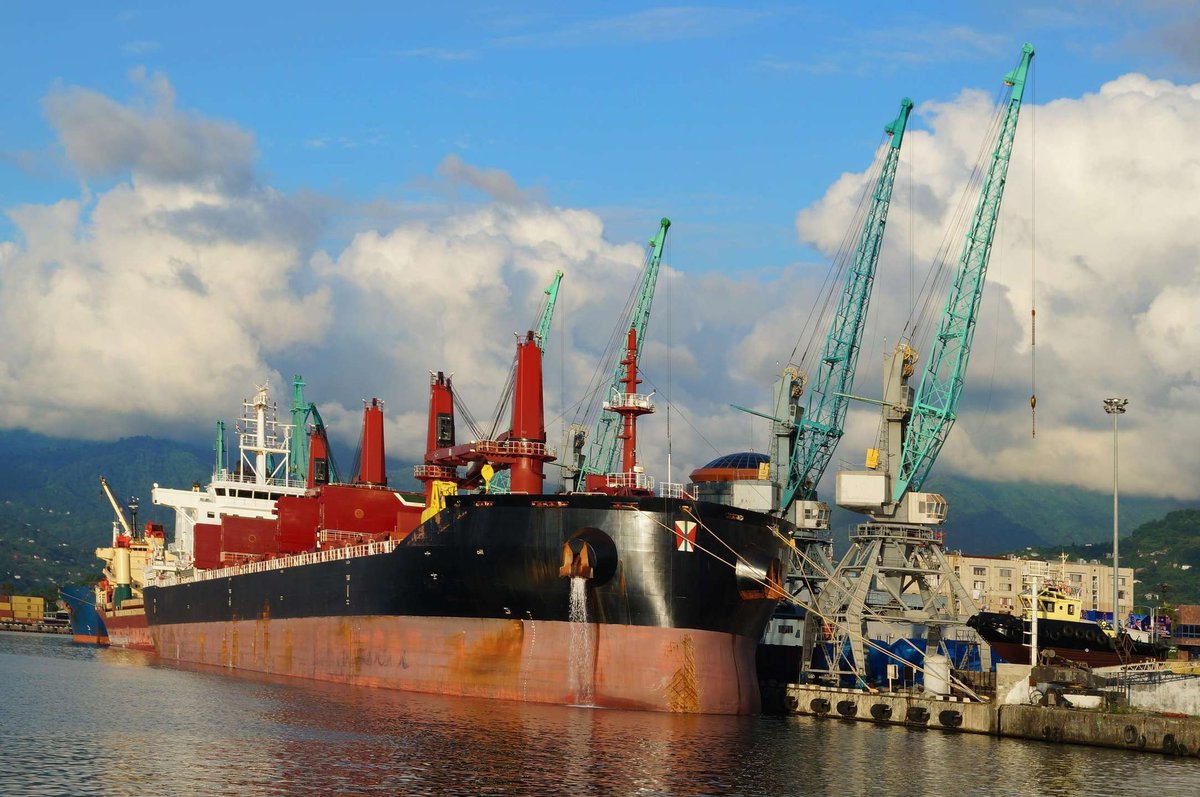
The port is a working industrial area and is closed to tourists, so you cannot walk in. You can still see it: from the embankment, the waterfront and the area around the lighthouse you get a good view of the ships and cranes. For background, see the Seaport of Poti page, and for the history of the harbor visit the Museum at the Poti Seaport.
There are no regular cruise calls in Poti. The ferry link to Constanța has been unreliable, so check the current schedule before you plan around it.
🗼 Poti Lighthouse
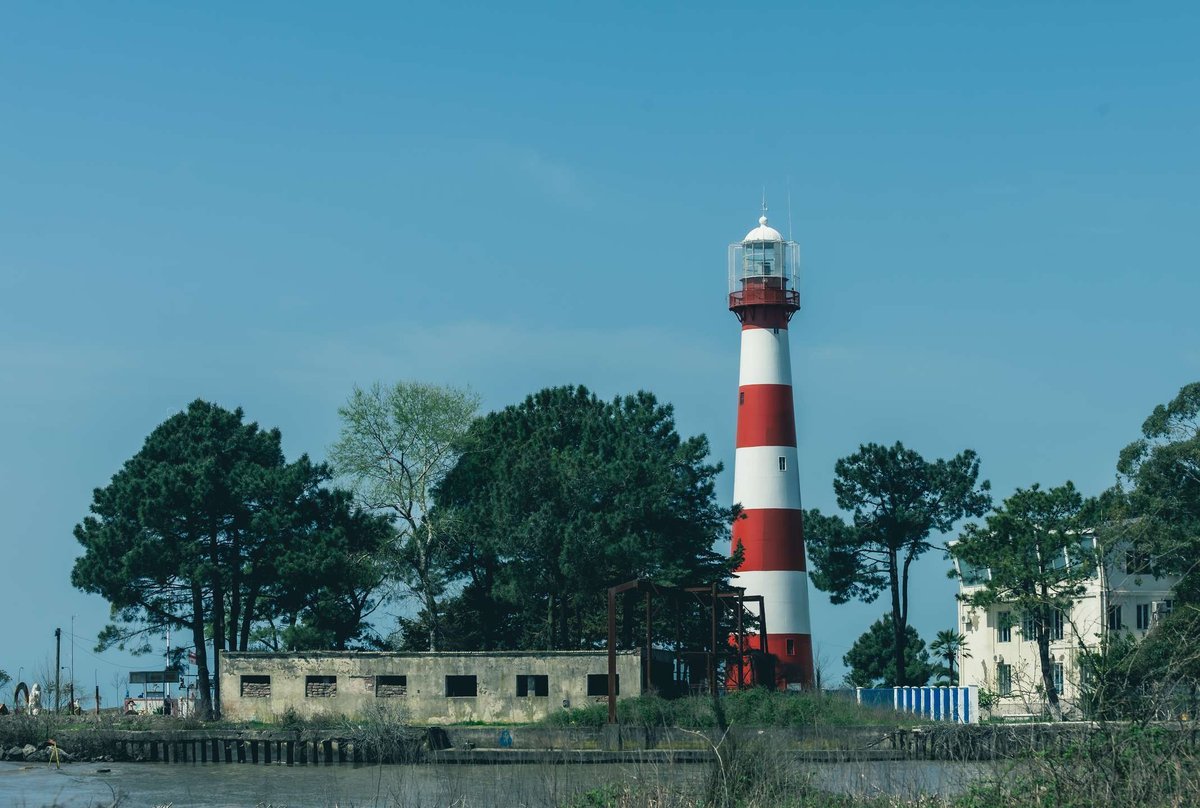
The Poti Lighthouse is 36.6 meters tall. It was cast in London and erected in 1862, and the lamp was first lit on November 1, 1864. The light can be seen from about 17 nautical miles away. Entry is free, it is open from roughly 09:00 to 18:00, and the climb is about 160 steps.
In rain or strong wind the lighthouse is often closed, so ask the guard on site before you start climbing. For the history and a walking route, read our separate guide: Poti Lighthouse: History, Photos, Route.
⛪ Poti Cathedral
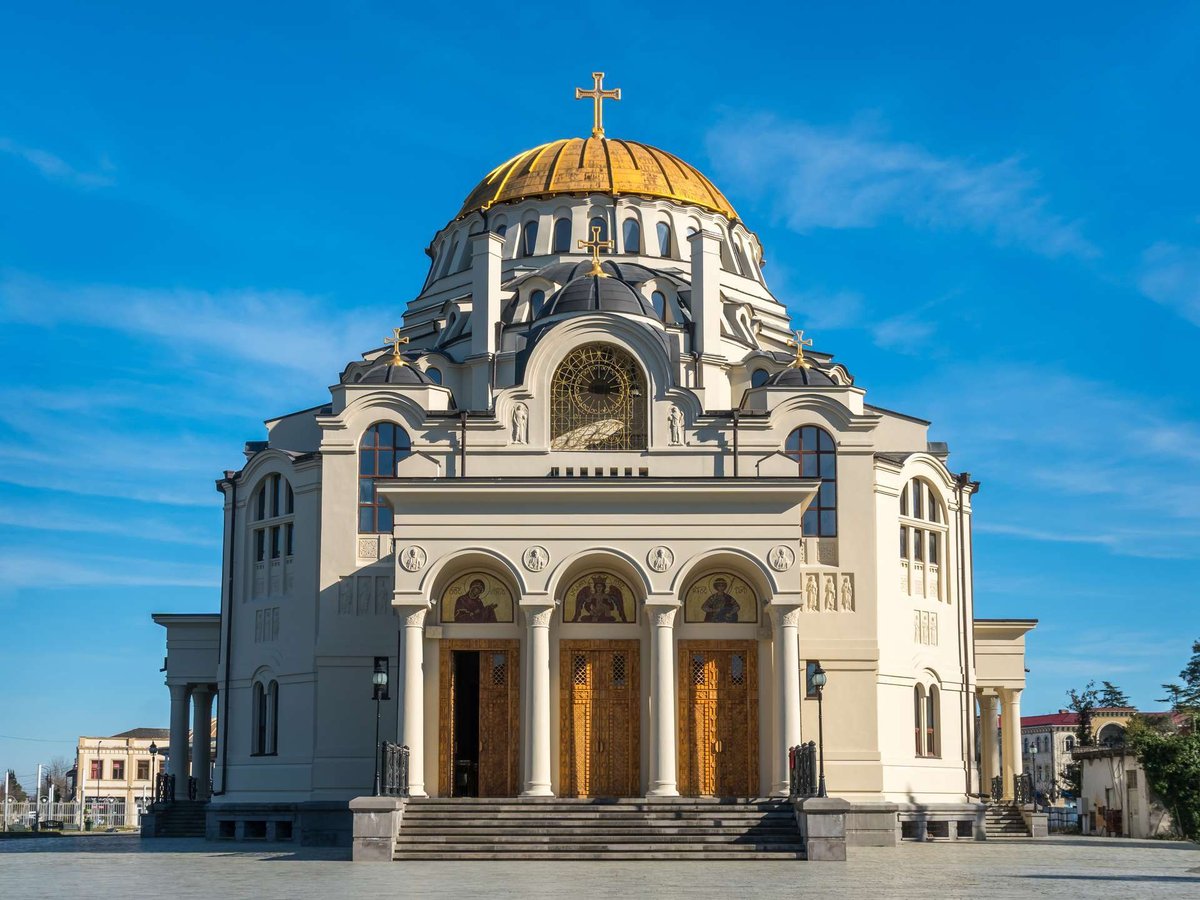
The Cathedral in Poti was built in 1906–1907 on the initiative of Niko Nikoladze. The model was Hagia Sophia in Istanbul, so the building is neo-Byzantine and holds about 2,000 people. In Soviet times it served as a theater, and in 2005 it was returned to the church. The original frescoes did not survive.
Dress modestly: women need a headscarf and a long skirt, men should wear long trousers rather than shorts. More detail is in our article Poti Cathedral.
🏛 Museums and the Niko Nikoladze Tower
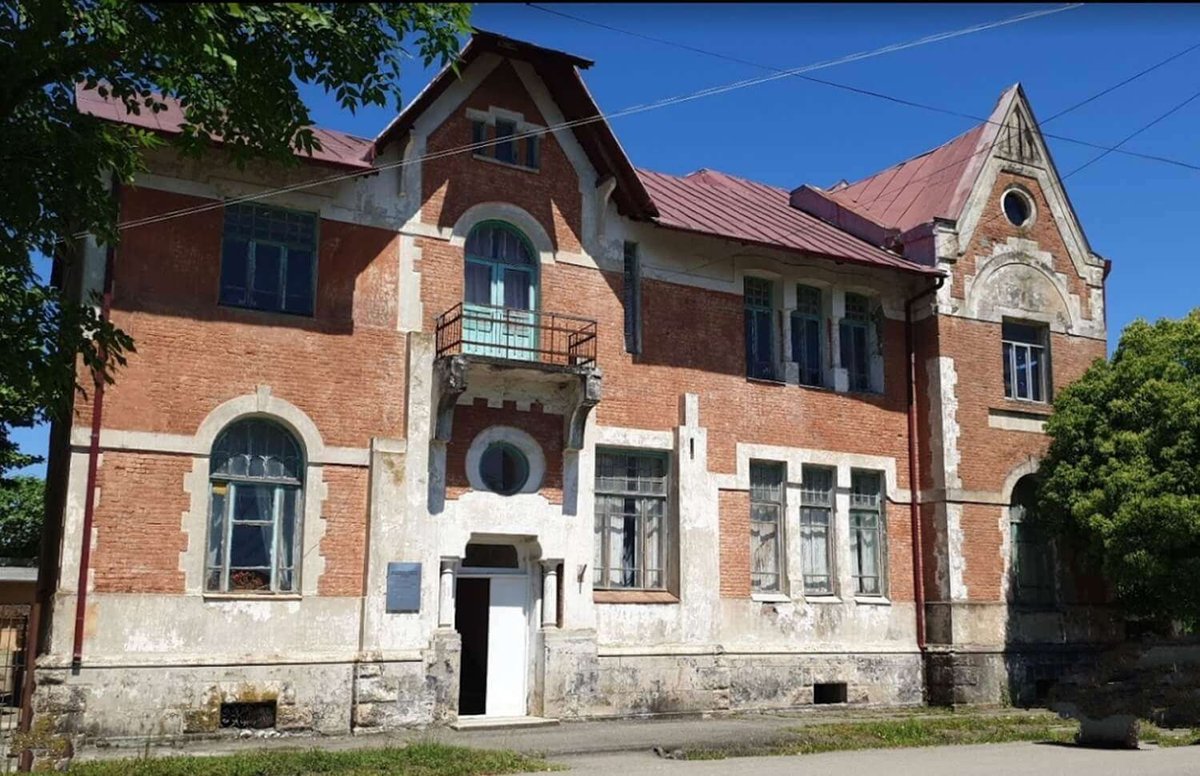
The Poti Museum of Colchian Culture is at 9 May 26 Street. It was founded in 1933 and is closed on Mondays. The Niko Nikoladze Museum (Poti Clock Tower) stands at the Rustaveli roundabout. We deliberately do not list ticket prices here because they change often, so confirm on site. More options are on the Poti museums page.
🦢 Lake Paliastomi and Kolkheti National Park
Paliastomi lies about 5 km from the town center. The lake covers 18 km² and is up to 3 meters deep. It is part of Kolkheti National Park, which spans roughly 44,000 hectares. Boat trips run across the lake, through the channels and into the wetlands. For the lake itself, read Paliastomi Lake: Birds, Fish and Colchis Views Near Poti, and for the park see the Kolkheti National Park page.

Pick the one that matches the time you have.
🏖️ Poti Beaches and the Nearest Resorts
Poti has a city beach, but people swim here less than in Batumi. The Rioni mouth and the port are right next to it, the water near the shore is often cloudy, and there is almost always a wind. Locals prefer to drive south, where the beaches with black magnetic sand begin. In Georgia this sand is considered good for health.

Maltakva. The nearest beach, in the southern part of the town, 3–5 km from the center. There is a forest park next to it, and it borders Grigoleti. The infrastructure is modest, so bring water and a towel with you. More details on the Poti city beach page.
Grigoleti. About 15 km to the south, already in Guria. A quiet village with a wide black-sand beach and a pine forest along the shore.
Ureki. About 25 km away, the best-known magnetic-sand resort, where families with children go.
Shekvetili. About 30 km, next to Ureki, with a well-kept promenade and parks.
Kobuleti. About 45 km, a large resort with developed infrastructure, already in Adjara.
Anaklia. About 40 km to the north, one of the cleanest beaches in Georgia, with a long promenade.
On the beaches of Poti and in Maltakva, cafes and catamaran rentals operate in summer, and for children there are sometimes inflatable slides and pools. The sea here is warm and shallow near the shore, but the waves pick up quickly, especially in the second half of the day.

🐟 The Market and Where to Eat in Poti
Poti is not a tourist town, so prices here are noticeably lower than in Batumi. The most interesting food spot is the market on Chanturia Street, with its fish rows. In the morning they sell fresh Black Sea fish, and right next to it you can have it fried. You will find the address on the Poti market page.
In the restaurants of Poti, try Megrelian cooking, because you are in Samegrelo. That means Megrelian khachapuri with cheese inside and on top, elarji (a cornmeal porridge with sulguni cheese), gebzhalia and Megrelian kupati. Among general Georgian dishes, the kitchens here do chashushuli well, made from veal with tomatoes, as well as khashlama, khinkali and Adjarian khachapuri. All the places with reviews are collected on the Poti restaurants page.

🌦️ Poti Climate: When to Go
Poti has a humid subtropical climate: winters rarely drop below freezing, and summers are hot and muggy, with July the warmest month. But the main thing to know is the rain. About 2,000 mm of precipitation falls here every year, and downpours happen even in summer.
The best time to travel is from May to October. Swimming is comfortable from June to September, and for boat trips on Paliastomi and birdwatching the best seasons are spring and autumn, when there is less heat and fewer mosquitoes.
🗺️ Poti in One Day: A Ready-Made Route
🚐 How to Get to Poti
Poti stands on the highway between Batumi and Zugdidi, and the railway connects it with Tbilisi. The easiest way is to travel from Batumi or Kutaisi.
| From | Transport | Price | Travel time |
|---|---|---|---|
| Batumi, 70 km | Minibus from the bus station, about once an hour | 5–10 GEL | 1–1.5 hours |
| Kutaisi, 100 km | Minibus from the central bus station, 07:00–19:00 | 7–10 GEL | about 2 hours |
| Tbilisi, 320 km | Direct train once a day, around 17:30 | from 14–20 GEL | about 5.5 hours |
| Tbilisi | Minibus from the Didube bus station | about 30 GEL | 5–6 hours |
| Batumi airport | Taxi or transfer | by agreement | about 1.5 hours |
| Kutaisi airport | Taxi or minibus via Kutaisi | by agreement | about 1.5–2 hours |
In Poti, minibuses arrive at the bus station on Rekvava Street, and the railway station is 400 meters from it. Minibuses to Batumi leave from their own stop, and you will find the details on the minibus stop to Batumi page. For the station details, see Bus station Poti and Poti railway station. Around town it is convenient to use a taxi app: rides in the center cost a few lari.
🏔️ Where to Go Next from Poti: Mestia and Svaneti
Many travelers pass through Poti on the way to the mountains. Via Zugdidi it is about 200 km and 4 hours to Mestia, the capital of Upper Svaneti. If that is your plan, here is what is worth seeing.

For several centuries Mestia was the religious center of Svaneti, and today it is the main base for trekking, cycling and driving routes in the mountains. The History and Ethnography Museum holds photographs by Vittorio Sella, old weapons, dishes and church objects.
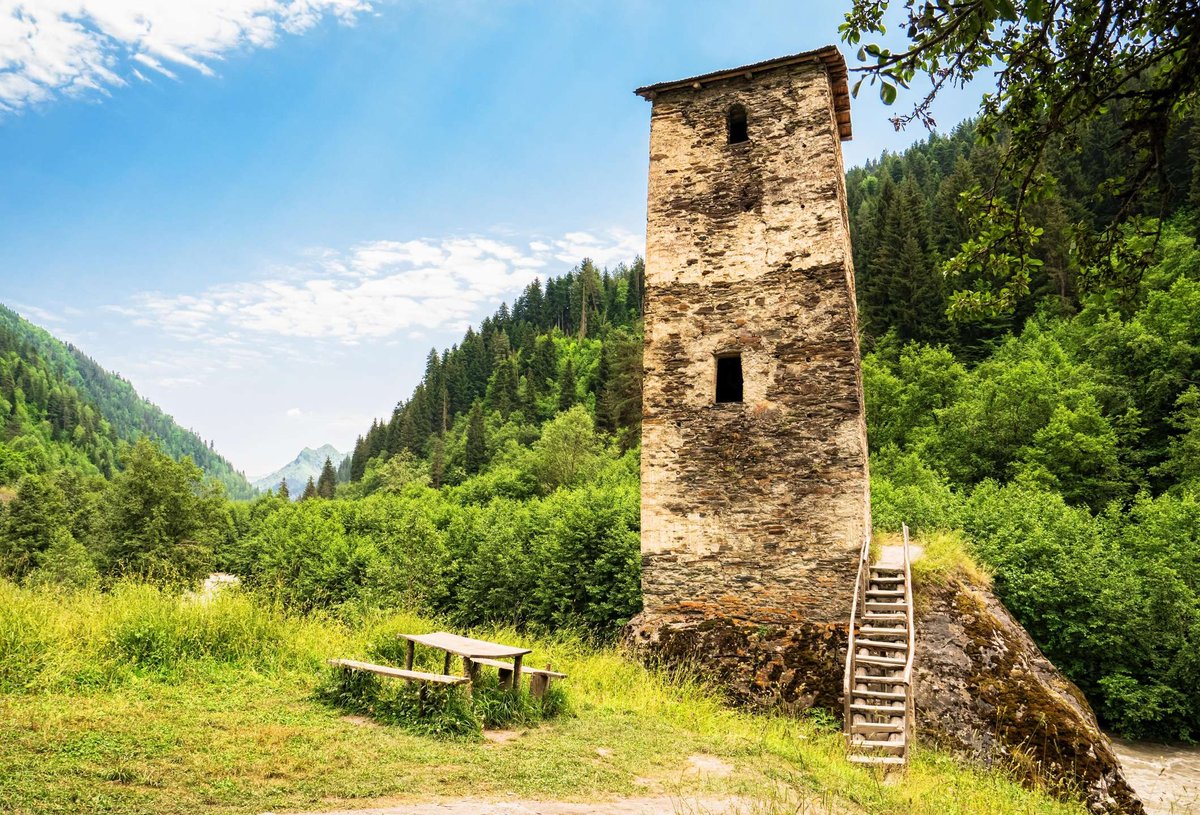
The Margiani house-museum is set inside a real Svan tower: you can see the everyday life and furniture of past centuries and climb the floors of the tower itself.
The Hatsvali ski resort above Mestia works all year round: in winter people ski here, and in summer they ride the lift for views of the Caucasus. At the top there is a restaurant with an open terrace and a view of the snowy ridges. You can also fly into Mestia, and the Queen Tamar Airport building is worth a look in itself. For trips around Svaneti, it is better to take an SUV.

Call Kolkheti National Park the day before your trip and book the boat for the second half of the day. Keep the morning for the lighthouse, the cathedral and the market, and after the boat you will still make the sunset in Maltakva. If the wind is strong, change the day: in that weather both the lighthouse and the boats do not run.
Been to Poti this summer or autumn? Tell us in the comments whether you managed to climb the lighthouse and how much the boat on Paliastomi cost: we update the article from your messages.
Last updated: October 2026. Transport prices and opening hours were checked against 2025–2026 data.
❓ Frequently Asked Questions About Poti
💬 The 1862 lighthouse, the cathedral modeled on Hagia Sophia, the Museum of Colchian Culture, the market with its fish rows, and a boat trip on Lake Paliastomi in Kolkheti National Park.
💬 Yes, for free, from about 9:00 to 18:00. About 160 steps lead to the top. In rain and strong wind the lighthouse is closed, and at the entrance you sometimes need to ask the guard for permission.
💬 No, it is a closed cargo area. The port is easy to see from the embankment at the Rioni mouth and from the upper platform of the lighthouse.
💬 By phone with Kolkheti National Park, +995 552 223 222, in advance. Tours run all year, but they are canceled in bad weather. They depart from the visitor center in Maltakva.
💬 By minibus from the Batumi bus station, about once an hour. The trip takes 1–1.5 hours and costs 5–10 GEL.
💬 Yes, a direct train runs once a day, in the evening, around 17:30. The trip takes about 5.5 hours, and a second-class ticket costs from 14–20 GEL.
💬 You can, but the city beach by the port is not the best. It is better to drive south to Maltakva, Grigoleti or Ureki, where the beaches have black magnetic sand.
💬 From May to October. June to September suits the beach, and spring and autumn suit boat trips on Paliastomi and birdwatching. You need an umbrella in any season, because Poti gets a lot of rain.
💬 Megrelian cooking: Megrelian khachapuri, elarji, gebzhalia and kupati. At the market, try the fresh Black Sea fish, which they fry on the spot.
💬 About 200 km via Zugdidi, roughly 4 hours by car.

37 comments
Log in to leave a comment
Но вот вопрос: стоит ли ехать в Поти в июле? Не слишком ли жарко будет, а?