




Tbilisi Off the Postcards: 5 Unusual City Tours
Tbilisi is often tried to be fit into one sightseeing walk: the old center, the fortress, the bath district, a viewpoint, a couple of beautiful streets, and a quick story about the city. This format is convenient, but after it Tbilisi often remains a set of points, rather than a whole place with its own logic.
Much more interesting are narrow routes. When a walk is built around one theme, the city opens up more precisely. Not just “to see the sights,” but to understand how old Tiflis lived, why the bath district is important for the city’s history, how the market explains everyday life, and the left bank — changes in the urban environment.
Before the trip, it is useful to look in advance at tours in Tbilisi and choose not only by duration, but also by theme: one guide leads through front staircases, another — through markets, a third — through old quarters and the city’s religious traces.
There are no standard sightseeing tours in this selection. Here, only those routes are included after which Tbilisi is remembered not by a general impression, but by a specific meaning. One is about houses and staircases. Another is about hot springs and the origin of the city. The third is about the market, taste, and things. The fourth is about the coexistence of cultures. The fifth is about the Tbilisi that usually remains beyond the limits of the first walk.
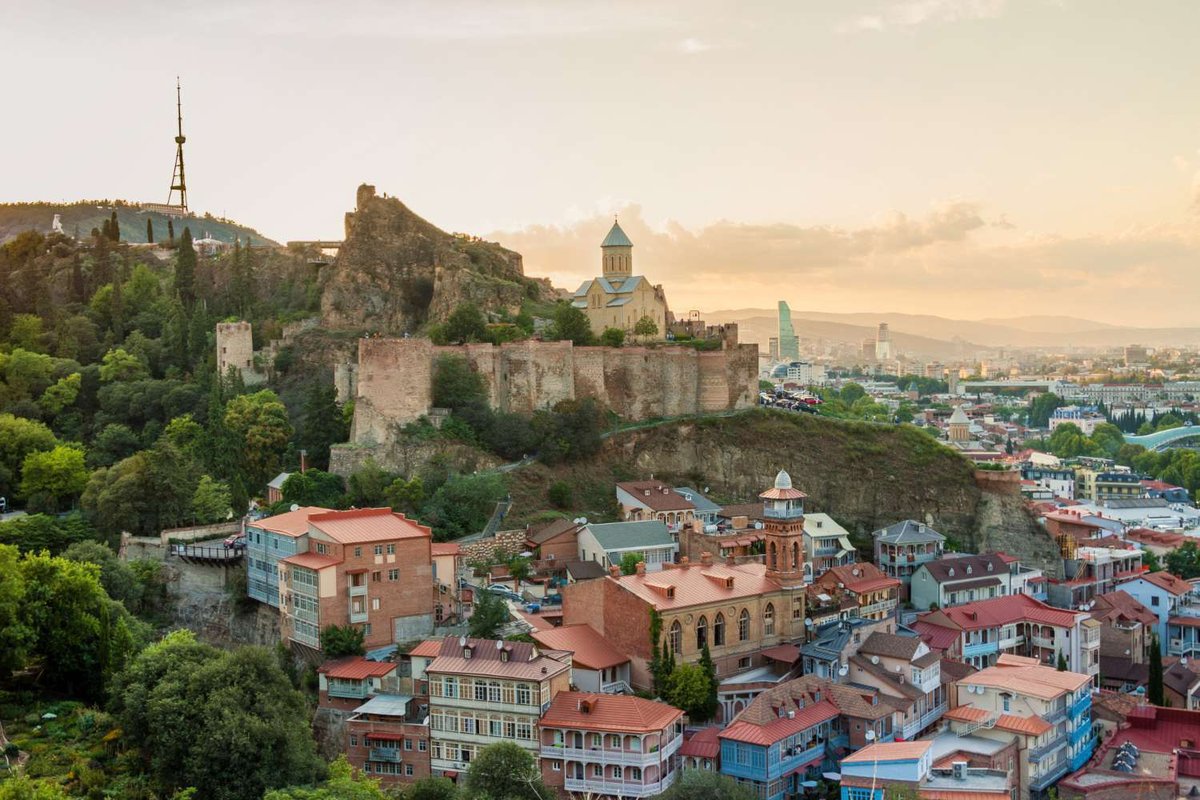
🏛️ Sololaki front staircases: a route where Tbilisi opens up from within
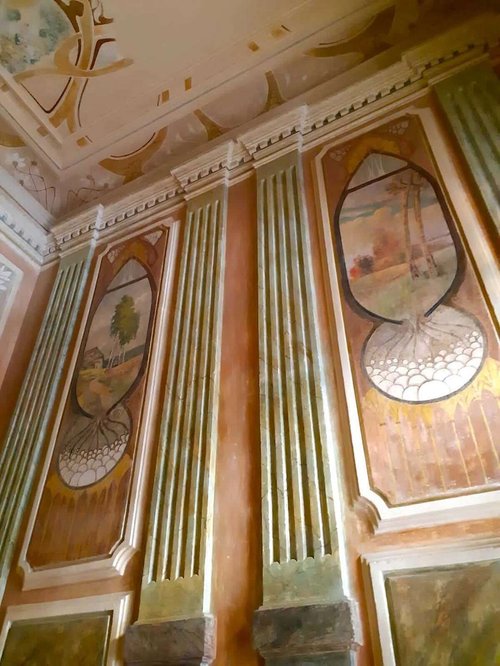
Sololaki is one of those districts that is best seen not from the outside, but from within. From the street, this is old Tbilisi with balconies, gates, curved facades, and uneven terrain. But the true meaning of the district begins when you enter an entrance hall, go up the staircase, and notice how much history has been preserved not on postcards, but in everyday details.
A narrow route through front staircases is good because it shifts the взгляд from the facade to the inner life of the house. It immediately becomes clear where decoration ends and urban everyday life begins. Here, not only the stucco, old doors, and stair flights are important, but also the traces of alterations, later repairs, and the contrast between the front entrance and the ordinary life behind it. It is through such details that the old urban way of life is best read.
Sololaki is especially suitable for those who have already walked through the center and do not want to listen to a general story about the city for a second time. This is a walk for those who are interested in Tbilisi as an architectural text. In such a route, a guide is needed not simply to open a gate into a courtyard, but to explain why the same house can at the same time be beautiful, slightly ruined, residential, and historically important.
The best time for this walk is daytime. Daylight helps you see stained glass, paintings, the texture of the walls, old woodwork, and those little things for which it is worth coming here. If you want to see not ceremonial Tbilisi, but its inner rhythm, this selection can be started precisely with Sololaki.
♨️ Abanotubani and Leghvtakhevi: a route through the place where Tbilisi begins
There are districts that are simply beautiful, and there are districts without which the city cannot be explained. Abanotubani is exactly such a case. If Sololaki tells about a later urban layer, then the bath district takes you back to the very beginning. It is here that it becomes clearest why Tbilisi grew exactly in this place and how water, terrain, and the trade route influenced its development.
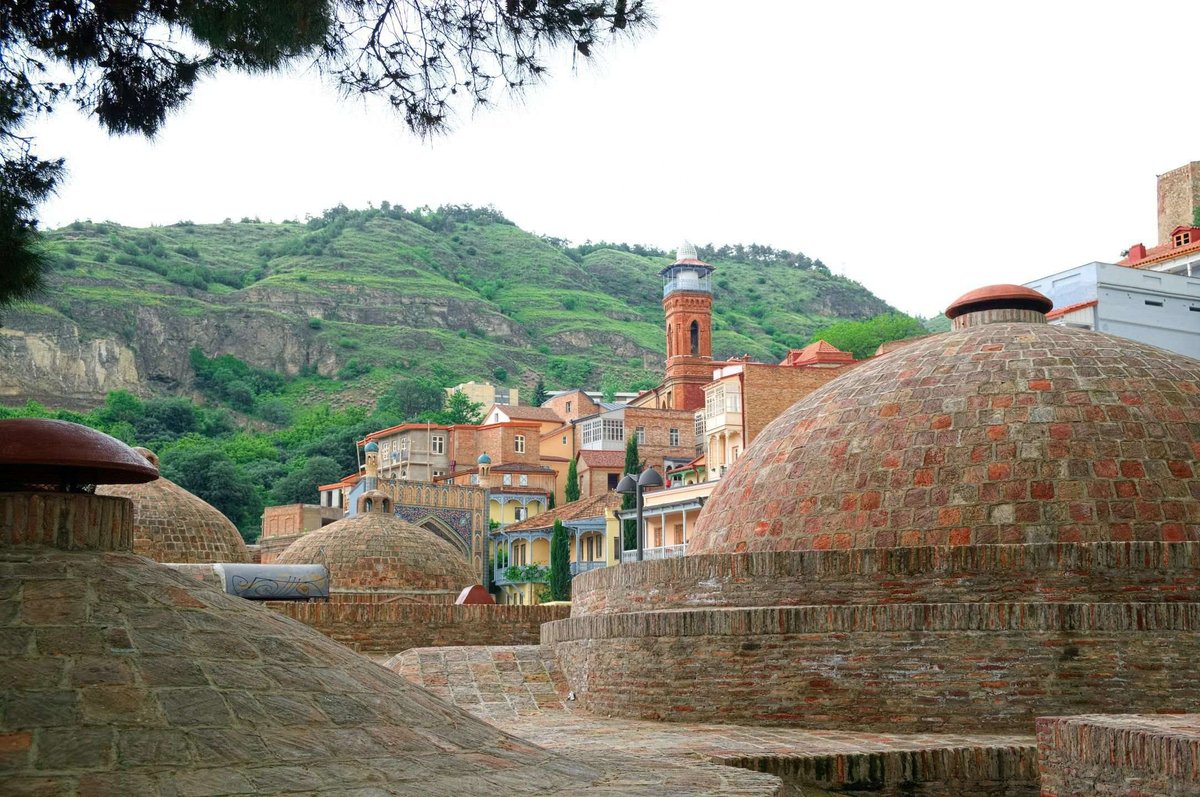
A route through Abanotubani is strong because it comes together as a story. First you see the domes of the sulfur baths and understand that this is not just a famous location for photographs. This is a district around which urban life was built for a long time. Then the walk leads farther: toward the gorge, the waterfall, old passages, bridges, stone slopes, and streets where the density of old Tbilisi can be felt.
Such a tour does not overload with facts if it is built correctly. It unfolds very naturally: first — the story of the warm springs, then — a conversation about bath culture, after that — a transition to the surrounding sights and to the very feeling of a city that grew on a slope and around water. This is one of those routes where walking itself works as the structure of the story.
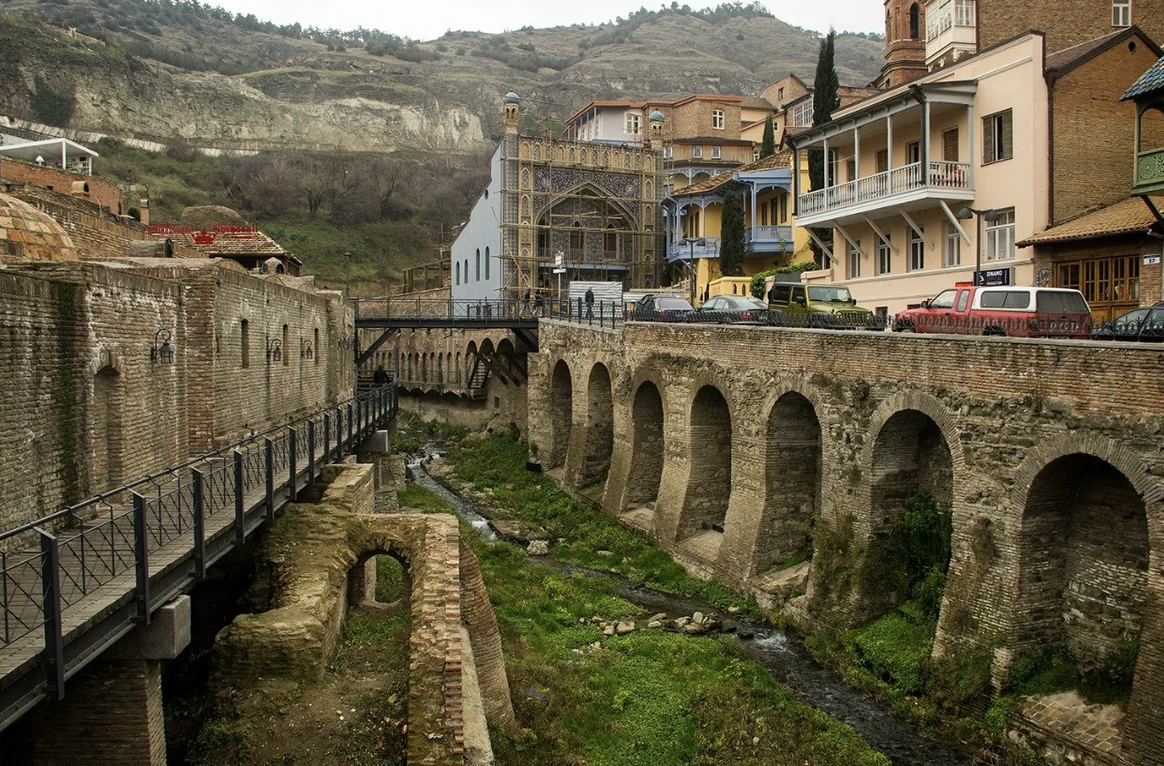
For a first trip to Tbilisi, this is almost an ideal option. It gives a foundation: not just “what to see,” but where the conversation about the city begins at all. And this route also has a good pace: it is not too abstract, not too museum-like, and does not come down to a set of points just for the sake of ticking them off.
🧺 Deserter Market and Dry Bridge: a route about food, things, and urban memory
If you want to understand Tbilisi not as a set of symbols, but as a living organism, you should go where the city trades, argues, chooses, tastes, and remembers. In this sense, the route through Deserter Market and Dry Bridge works almost flawlessly. It shows the capital without a shop window — through food, objects, habits, and intonations.
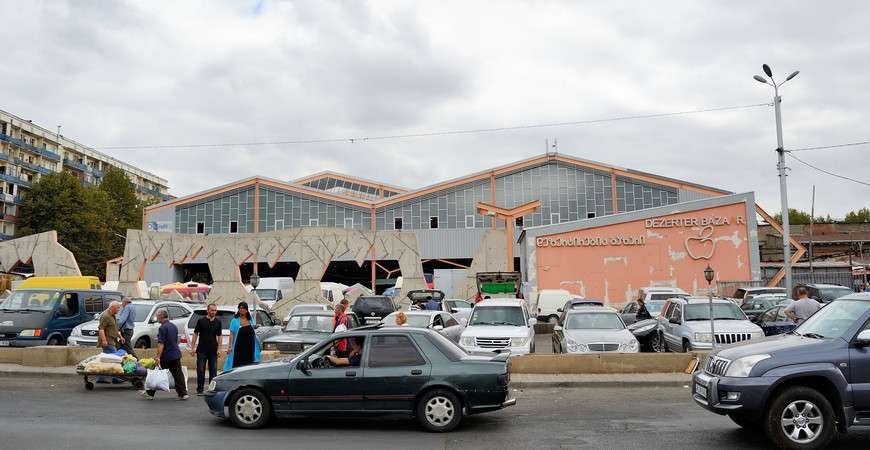
It is better to start with the market. In the morning it is especially expressive: cheeses, greens, spices, homemade sauces, seasonal vegetables, nuts, sweets, bundles of herbs, noisy vendors, short bargaining, quick advice on what to buy today and what is better to leave until evening. Such a route is interesting not only for those who love gastronomy. It is also important for those who want to feel everyday Tbilisi — not polished, not staged, but real.
Then it is logical to move on to Dry Bridge. There the city already speaks not through taste, but through things. Old records, dishes, photographs, coins, watches, Soviet objects, paintings, books, accidental and non-accidental finds. Here it is especially clear how in Tbilisi an antique market, flea trading, street art, and the ordinary habit of keeping the past not in a museum, but next to oneself, coexist.
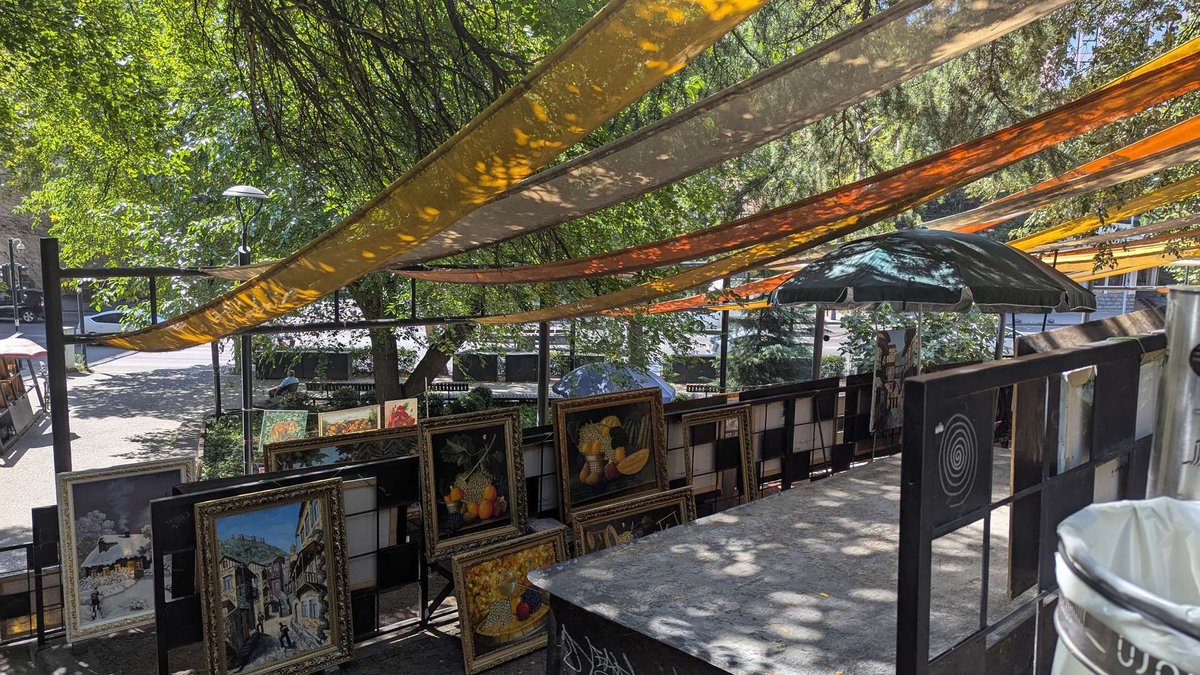
Such a route is also possible without a guide, but with a guide it becomes much more precise. Because then the market stops being just a noisy space, and Dry Bridge stops being just a row of old things nearby. A connection appears: what and why people eat, how they choose products, which things appear more often than others, what they say about the city, about generations, about the habit of living among memory rather than separately from it.
🕍 Multinational Tiflis: a route through quarters where different traditions coexist
Tbilisi has a rare quality: it can be read not only through architecture or relief, but also through the coexistence of cultures. In the old quarters, the city is seen especially well as a place where languages, communities, religious traditions, and different ways of urban life intersect. That is why a narrow route through multinational Tiflis often turns out to be deeper than an ordinary walk through the center.
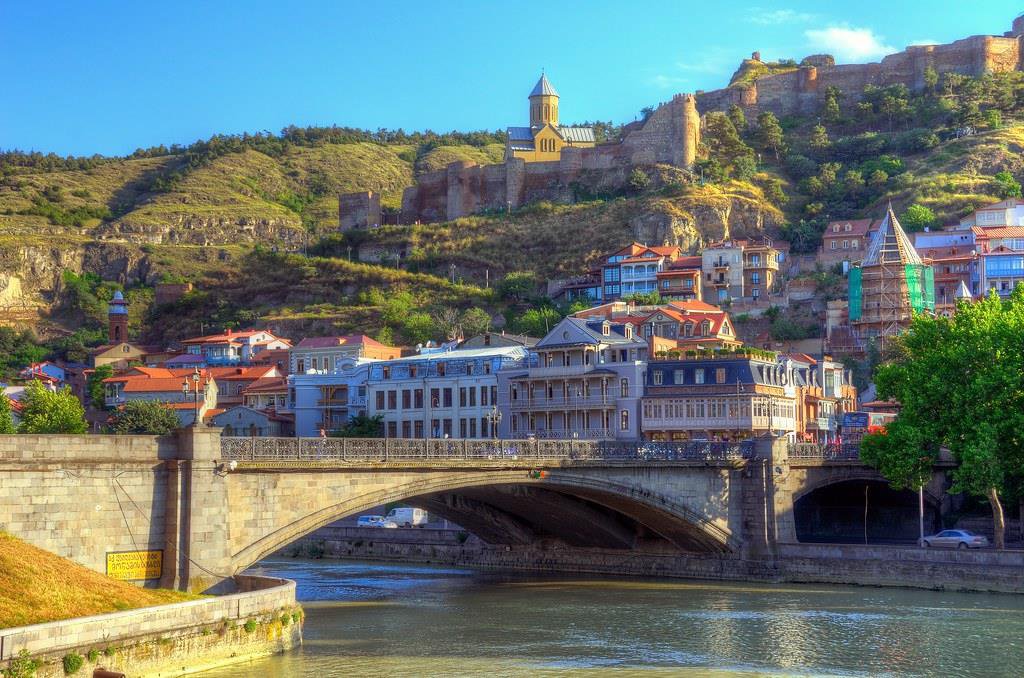
Such a route is best built through quarters, and not through a dry list of buildings. Avlabari, the old streets around the center, the synagogue, the mosque, ancient religious traces, the Armenian urban layer — all this is important not separately, but in combination. When the walk is put together properly, it becomes clear that Tbilisi is not only a Georgian old city, but also a space where different communities existed side by side, and each left its own trace in the city.
The main mistake in such a theme is to turn it into a dry lecture. A good tour works differently: you walk along the streets, look at the buildings, notice how the fabric of the district changes, where the city becomes denser, where it becomes calmer, where a trading trace is felt, and where the trace of an old community is felt. And already through the route itself you understand what is usually lost in a sightseeing walk: Tbilisi is a city of coexistence, not a city of one line.
This option is especially suitable for those who love not only sights, but also urban context. After such a walk, old Tbilisi is perceived differently: not as a beautiful decoration, but as a complex urban organism with many voices.
🏘️ Noy Tiflis and the left bank: a route through the district where the city changes its character
For many people, getting to know Tbilisi ends where the old center ends. But the left bank is needed at least to see that the city does not consist of a single visual image. Here the scale changes, the rhythm of the streets changes, the type of development changes, and the very intonation of the walk changes as well. If old Tbilisi is a bend, a slope, a courtyard, and a balcony, then the left bank more often speaks through the facade, the avenue, the quarter, and the urban line.
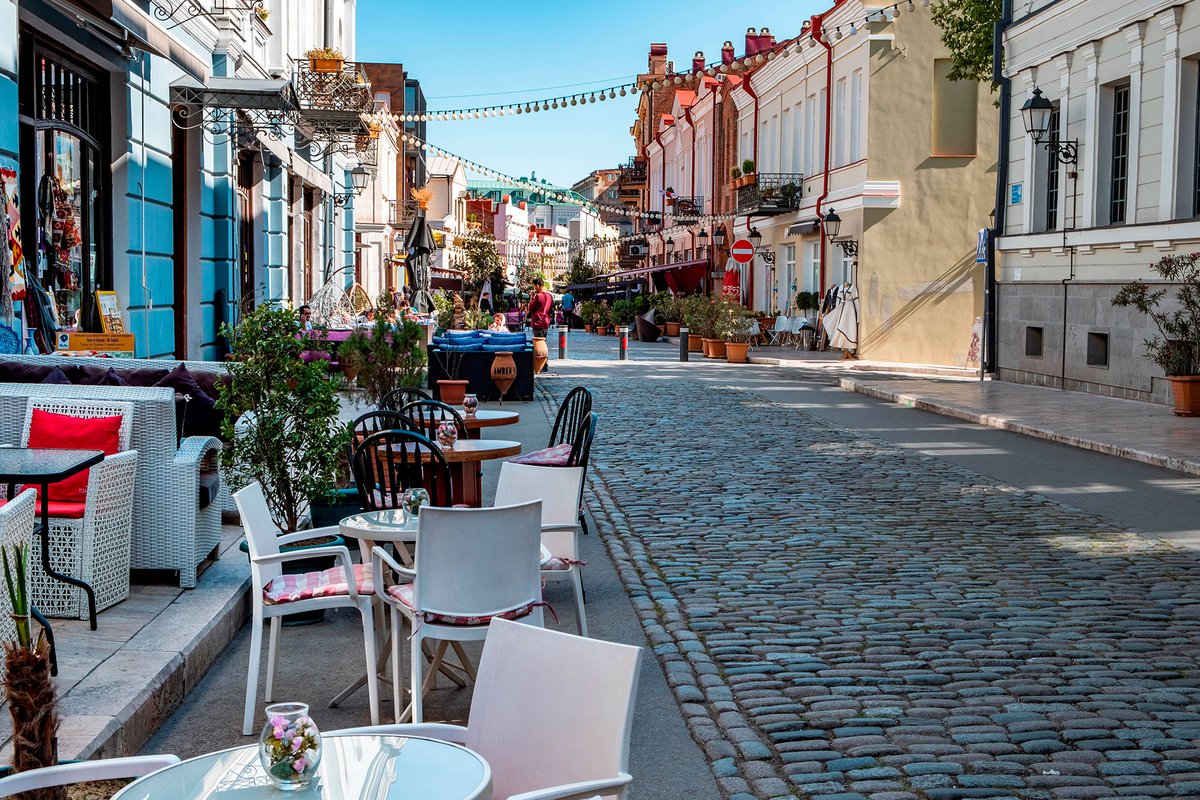
A route through Noy Tiflis and the area around Agmashenebeli Avenue is good precisely because of this contrast. Here it is easier to feel how Tbilisi entered a new era, expanded, changed its appearance, and absorbed European approaches in architecture and urban planning. This does not make the district “more correct” or “more beautiful” — it is simply different, and that is its value.
Such a walk is especially loved by those who are interested not only in the past as a romantic picture, but also in the very process of the city changing. On the left bank, transitions are read better: from old to new, from local to more pan-European, from a cozy courtyard to a street front, from the memory of a quarter to a conversation about urban modernization.
If you have already been to the bath district, walked through the center, and want to see not another set of familiar sights but a different Tbilisi, this is the route to choose. It completes this selection well, because it shows that the city is not exhausted by a single historical core.
| If you are more interested in... | It is better to choose |
|---|---|
| architecture, details, old houses | Sololaki front staircases |
| the history of the city’s foundation | Abanotubani and Leghvtakhevi |
| food, market, urban everyday life | Deserter Market and Dry Bridge |
| quarters, communities, cultural layers | Multinational Tiflis |
| urbanism, the left bank, a different rhythm of the city | New Tiflis and the Agmashenebeli district |
🎙️ How to choose a tour and a guide so that you do not get just another sightseeing walk
When choosing a route, it is useful to look not at the number of points, but at the idea. If the program promises to show all of Tbilisi in two hours, most likely you will simply quickly pass by the most famous places. It is much better when a tour has one clear theme and one clear focus.
For Sololaki, you need a guide who knows how to talk about architecture and the everyday life of an old house. For the bath district — a person who feels the terrain, the history of the place, and knows how to build a story through the route. For the market, a guide is important who understands not only the city, but also food, habits, and seasonality. For old quarters and religious traces, you need a guide who will not simplify the theme into a set of loud phrases. And for the left bank, it is important that the person understands the city as an environment, and not only as a set of beautiful facades.
Before choosing, it is worth asking yourself a few simple questions: what exactly do I want to understand after the walk, which district is more interesting to me, do I need a slow pace, do I want to take photos along the way, is architecture, food, or the history of quarters important to me. The more precise the answer, the less chance there is of ending up on an ordinary sightseeing walk under a different name.
💬 What to choose in the end and where to start
If you are in Tbilisi for the first time and want to feel the foundation of the city, start with Abanotubani. If you want to look closely at details and old houses — go to Sololaki. If you need a lively urban rhythm, it is better to choose the market and Dry Bridge. If you are interested in cultural layers and quarters, the route through multinational Tiflis will work best. And if you have already seen the center and want a different view of the capital, choose the left bank.
Narrow walks are good because after them there remains not just a list of what was seen, but an understanding of the city. That is exactly why in 2026 they look more interesting than standard sightseeing routes: less fuss, more meaning, more attention to what Tbilisi really consists of.
If you have already been on one of these walks in Tbilisi, share your impressions in the comments. Write which route worked best for you: architectural, historical, gastronomic, or district-based. And if you have your own favorite non-trivial route around the city, tell us about it too — such experience is always more useful than dry lists.
❓ FAQ: what else is important to know before such a walk
By the fact that it is built around one theme. Not “a little bit of everything,” but one urban layer — architecture, the history of a place, the market, quarters, or left-bank development.
Most often, it is more convenient to start with Abanotubani. Such a route gives a feeling of the old city and helps you understand where to begin the conversation about Tbilisi at all.
For those who love old houses, details, staircases, courtyards, doors, urban texture, and walks where what matters is not the pace, but attentiveness.
Yes, if not only the market itself is important to you, but also the explanation. With a guide, it is easier to understand what to look for, what to pay attention to, and how the market is connected with the everyday life of the city.
Yes, if they are not too similar in rhythm. For example, in the morning — the market, and in the second half of the day — Sololaki. But two long historical routes in a row can be tiring.
Usually, daytime is more convenient. The light is better, more details are visible, and the walk through staircases, courtyards, and streets turns out calmer.
Yes, if the tour is built through the district and movement through the city, and not through a dry set of dates. The main thing is to choose a route where history comes through streets and buildings.
Yes, and it is exactly after the old center that it is perceived more strongly. The left bank shows a different character of the city and helps you see Tbilisi more broadly.
Comfortable shoes and clothes appropriate for the season. Tbilisi has many uphill stretches, staircases, cobblestones, and sections where it is better to walk slowly and confidently.

4 comments
Log in to leave a comment
Мне особенно близко, что в рейтинге есть советы от местных жителей: где лучше начинать прогулку, какие улочки Салолаки скрывают старинные дворцы и тихие дворики, какие рынки действительно стоит посетить, чтобы почувствовать колорит тбилисской жизни. Я уже прошёл часть маршрута через серные бани Абано, где атмосфера и запахи истории буквально заставляют остановиться, глубоко вдохнуть и услышать эхо прошлого.
Отзывы читателей помогают не только выбрать маршрут, но и понять, какие остановки на нём особенно запоминаются: от шумного базара с фруктами до уютных мастерских ремесленников, где можно пообщаться на любом языке и почувствовать, что Тбилиси — это мультикультурная история, продолжающаяся и сегодня.
После такой прогулки город раскрылся мне с новых сторон: я открыл для себя улочки, которые раньше не примечал, и перспективы, которые хочется изучить ещё глубже.
А вы бы выбрали экскурсию по старинным кварталам с гидом, чтобы услышать истории из первых уст, или предпочли бы самостоятельно бродить по улочкам, открывая их в своём темпе?