









Medicine is a science that has been improved over the centuries and acquired unique features in different countries. Georgian researchers have made significant contributions to the development of this field. Mikhail Shengelia was an outstanding medical researcher who had a huge influence on Georgian medicine.
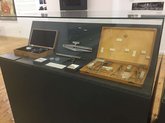
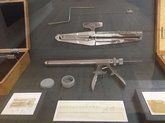
The museum, founded in 1963, today welcomes not only tourists, but also serves as a training base for students of the country's medical colleges. More than 19,000 different exhibits are collected here: medical devices, important documents and archaeological finds.
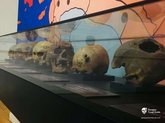
Two large halls span an era of several thousand years. Here you can see ancient figurines associated with the cult of fertility, medieval medical manuscripts and collections of skulls subjected to surgical operations. Among the exhibits there are truly prehistoric artifacts, such as a paw print of an amphicyon, which is 15 million years old.
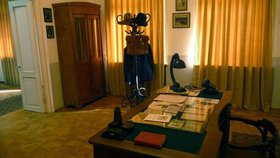
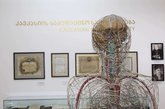
Particularly noteworthy are the reconstructions: a pharmacy in the cave city of Vardzia and a doctor’s office from the mid-20th century. The dummies of the human body and brain, made in France and brought to Tiflis during the Georgian Democratic Republic, resemble works of modern art.
Each stand has QR codes leading to YouTube, where brief descriptions are presented in Georgian and English. If you speak these languages, use them - this can be an excellent alternative to a tour guide.
This place is ideal for those who are interested in the history of medicine and love to discover new cultural horizons. By visiting this museum, you will not only expand your knowledge, but also immerse yourself in the fascinating world of medical discoveries and achievements.