




🏛️ TOP-16 architectural attractions of Kvemo-Kartli 2026
Kvemo-Kartli is not only natural beauty, but also a unique architectural heritage. Ancient fortresses, old churches, monasteries and museums have been preserved here, telling about the rich history of the region. This region is especially appreciated by those who love to explore ancient buildings and immerse themselves in the atmosphere of the past. Our rating will introduce you to the 16 main architectural pearls of Kvemo Kartli.
🏰Fortresses and monuments
Architectural Landmarks of Kvemo-Kartli on the Map
⚔️Symbols of Power and Memory
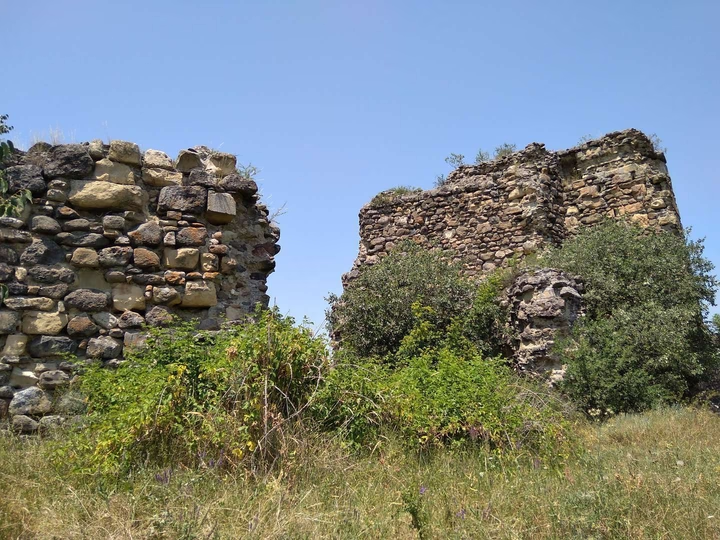
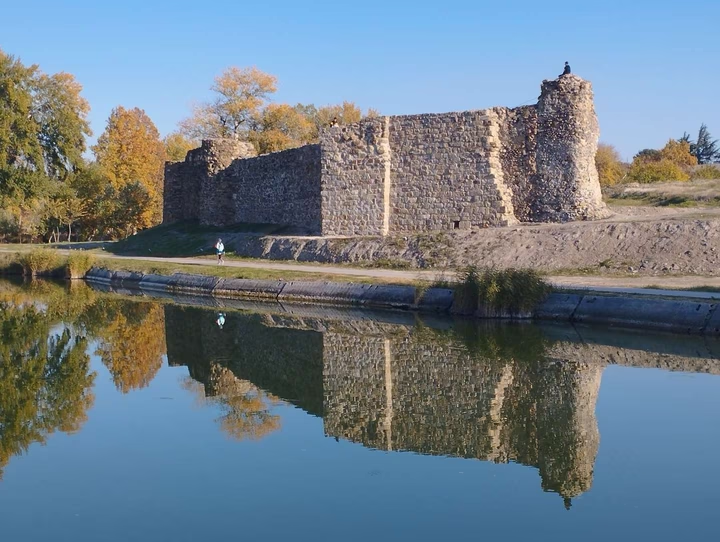
The fortifications and monuments of Kvemo Kartli are testaments to the greatness and struggle for independence.
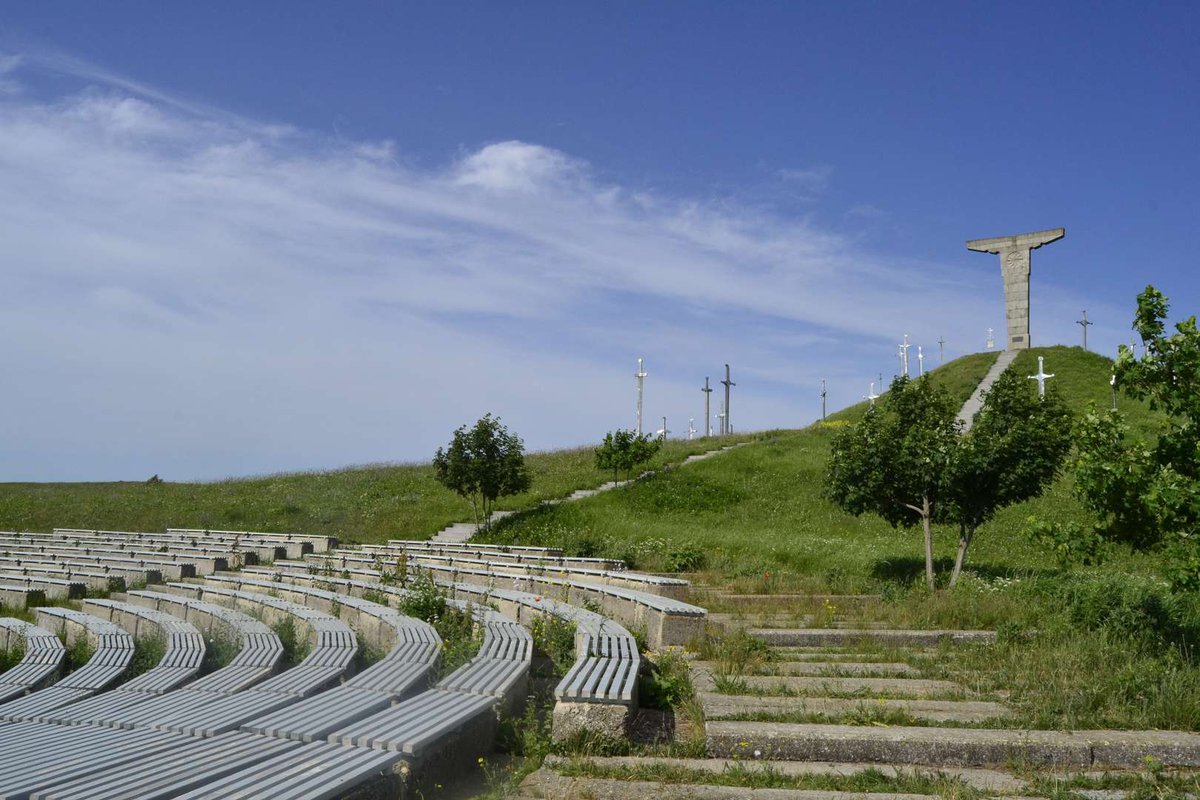
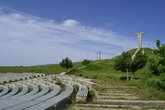
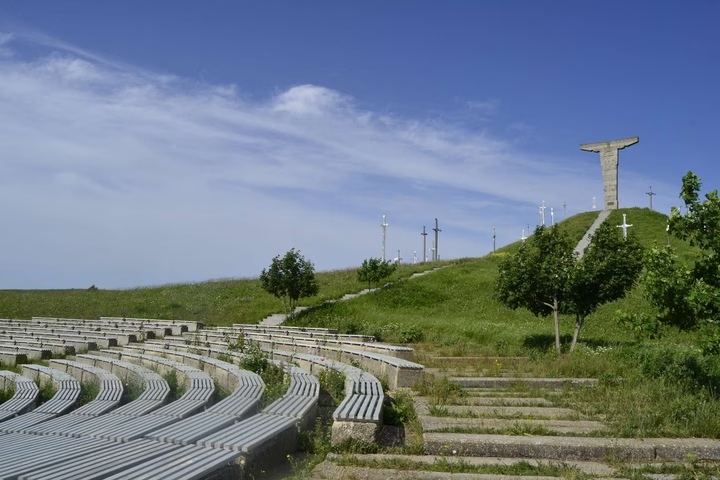
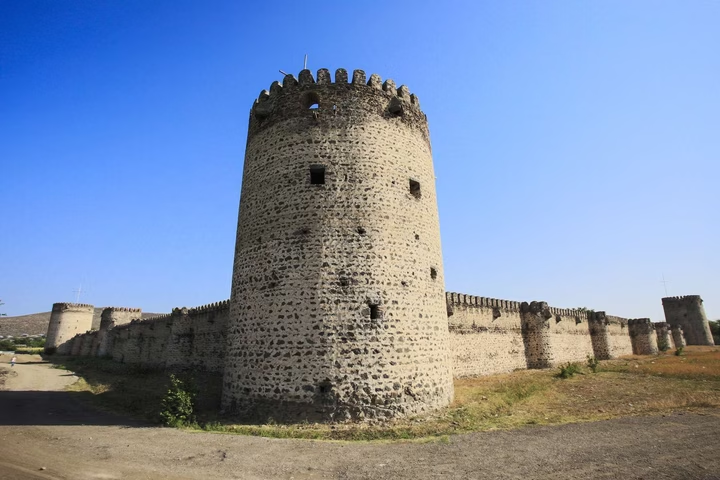
The Didgori Monument is a place of power, offering breathtaking views of the hills and plains. Kolagiri and Partskhisi tell of times when every hill was a strategic point, and every wall a barrier against enemies. The Rustavi Fortress is a living reminder of the region's military might and a symbol of its history. These places are worth visiting not only for the architecture, but also for the opportunity to feel like a part of Georgian history.
👉 Advice for tourists: choose clear days for excursions 🌞 - then the panoramas are especially impressive. Take comfortable shoes 👟 for the climbs, as well as some water 💧 if you plan to spend more time here.
Review from a reader of the catalogue
Lukas, 36, Berlin:
"Visiting the fortresses of Kvemo Kartli was a real journey through time for me. The Didgori monument impresses with its scale and energy: you look at it and imagine how important this battle was for the history of the country. The Kolagiri fortress opened up a view of the valleys for me, and it became clear why such structures were built here. In the Rustavi fortress, I felt the spirit of the Middle Ages, as if the walls were storing memories of thousands of years. This was one of the most powerful impressions from the trip to Georgia."
⛪Monasteries and churches
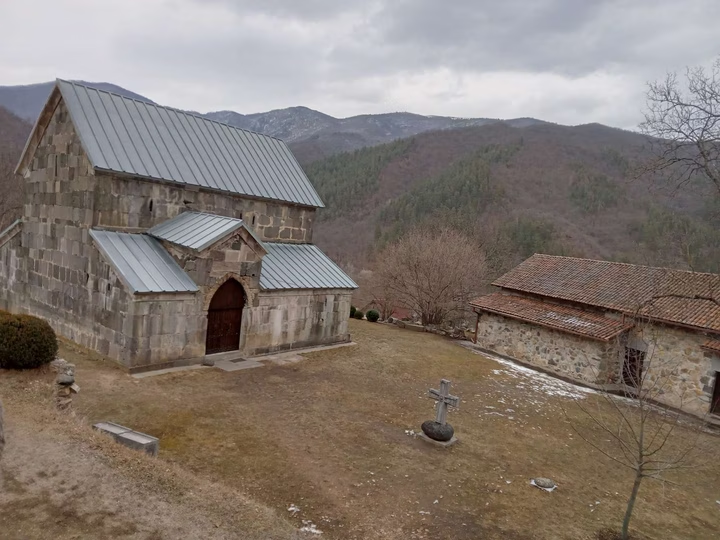
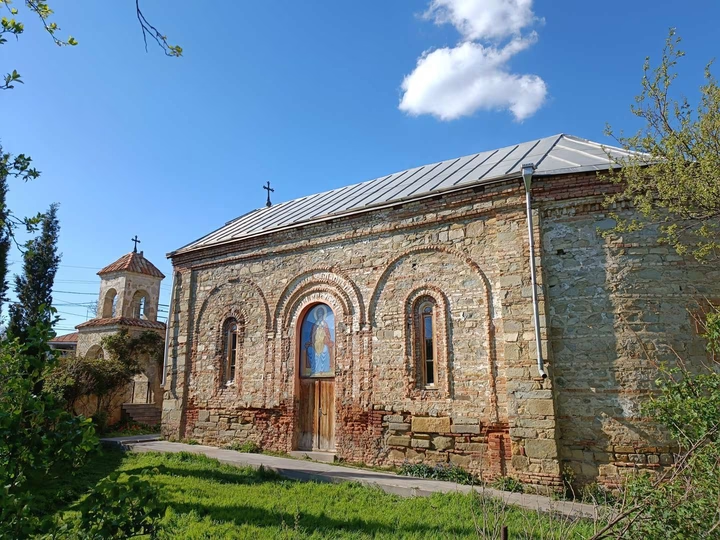
🙏Spiritual centers of the region
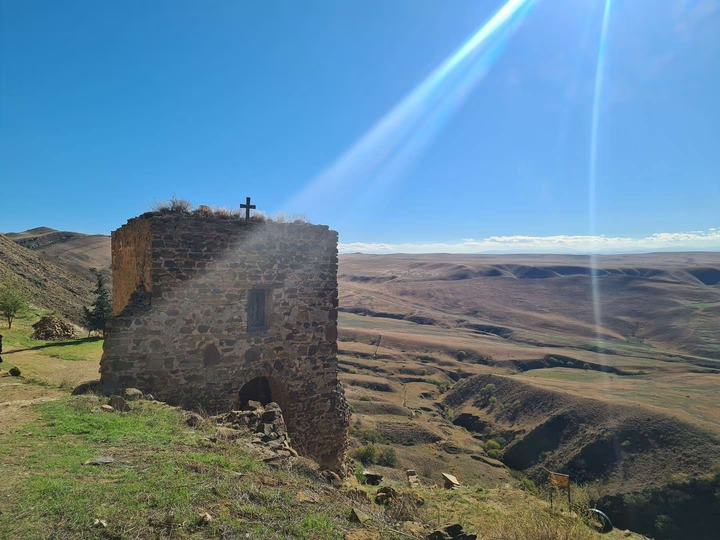
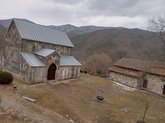
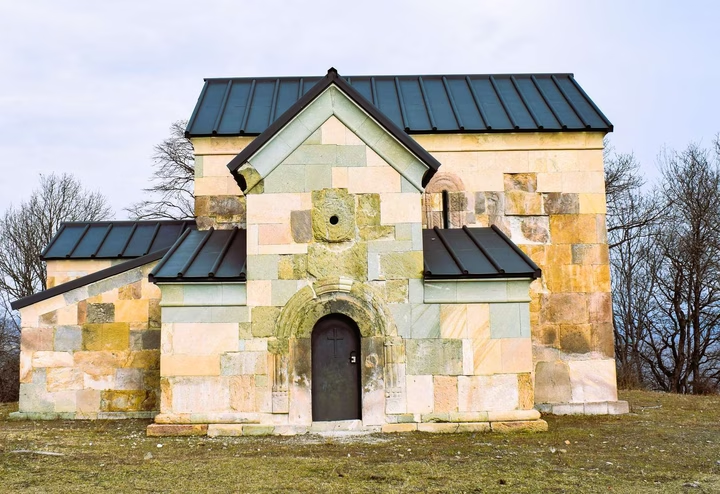
The temples and monasteries of Kvemo Kartli are the heart of the spiritual life of the region. The Monastery of St. John the Baptist in Gareji preserves the traditions of ancient monks, its desert landscapes seem to be created for prayer and solitude.
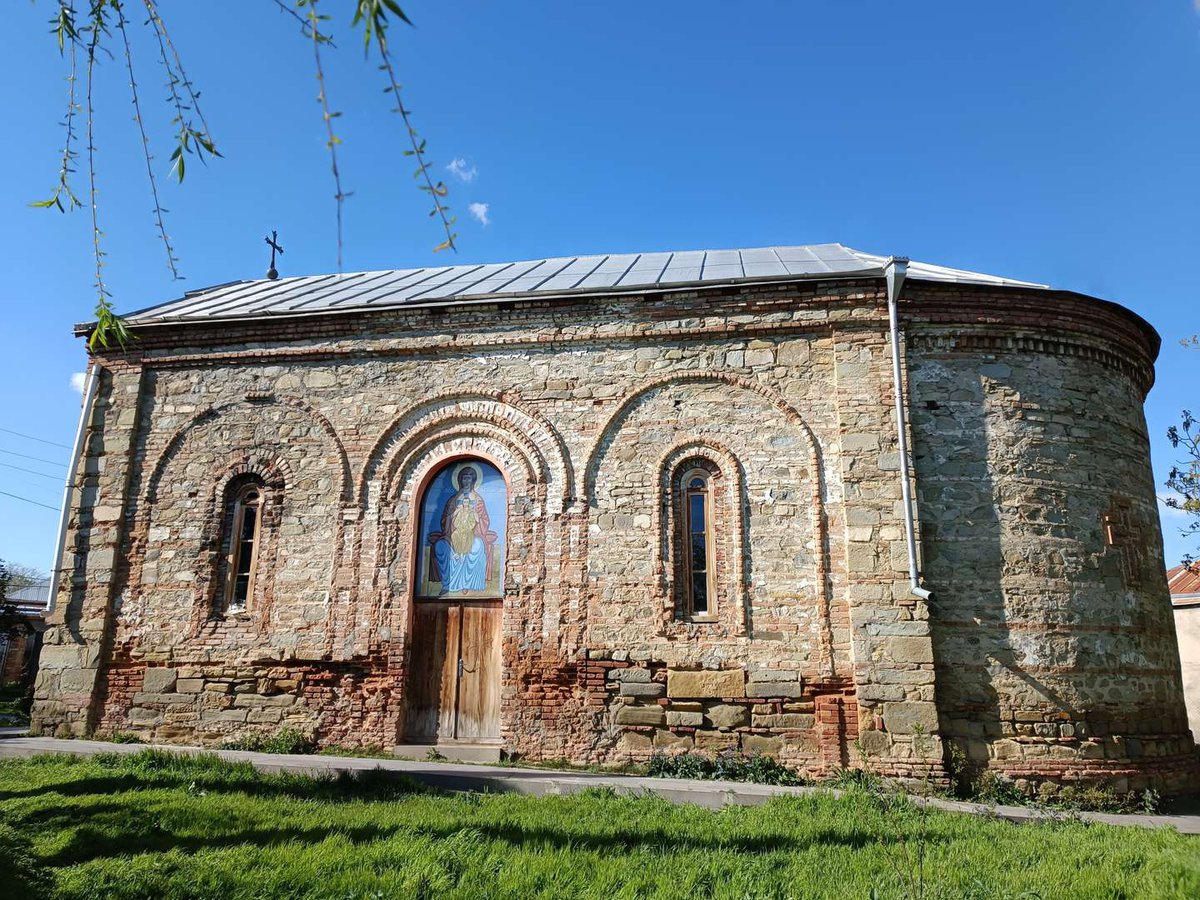
The church in Bediani surprises by preserving parts of ancient frescoes telling about religious subjects. The temple in Norio is distinguished by its cozy location among the hills, and the church in Darbazi will amaze even the most sophisticated traveler with its stone carvings. These places are not only attractions, but also living monuments of faith.
👉 Advice for tourists: choose a convenient morning time 🕊️ to visit churches and monasteries - then there are fewer tourists and you can fully enjoy the atmosphere. Women are advised to have a scarf 🧣 with them to cover their heads.
🏛️Museums and cultural centers

📖 Keepers of history and science
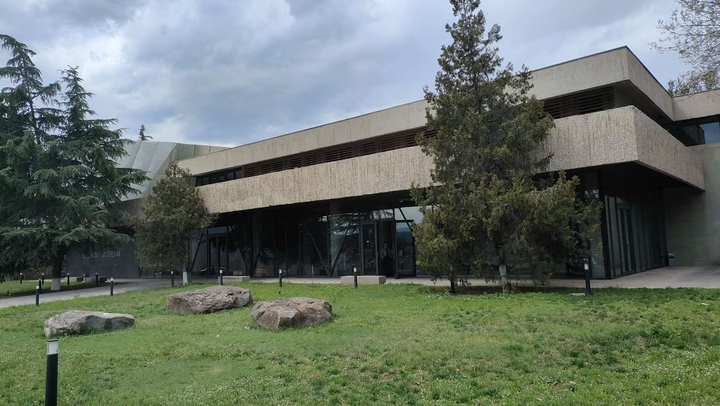
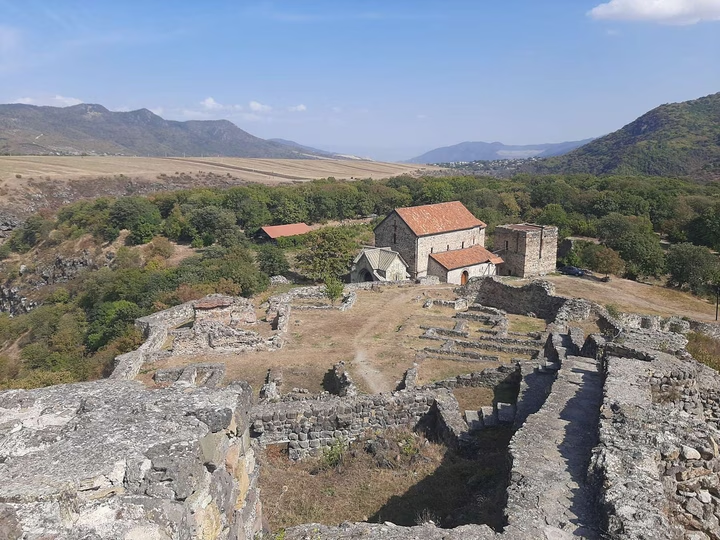
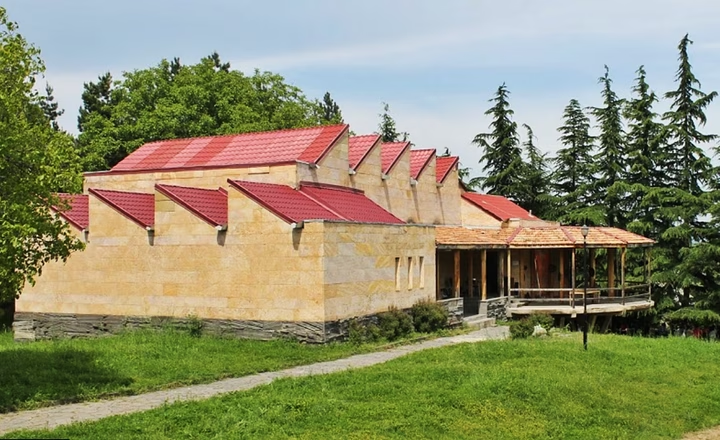
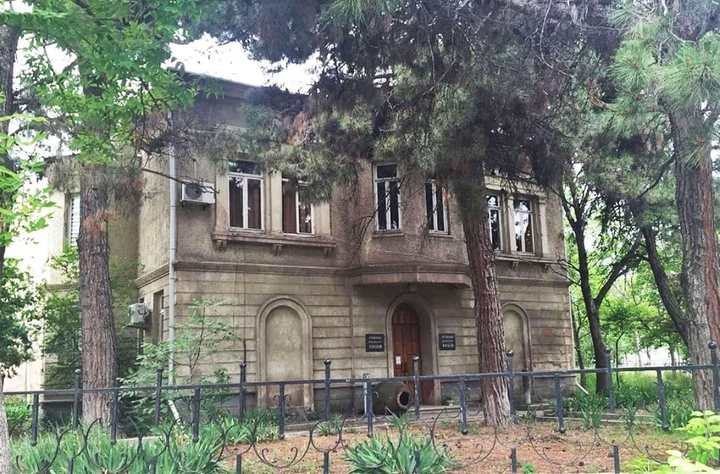
Kvemo Kartli museums are storehouses of knowledge, where each exhibit tells its own story. Bolnisi Museum amazes with archaeological finds that allow us to trace the life of the region from ancient times. The Sulkhan-Saba Orbeliani Literary Museum introduces the works of the great thinker, whose works made a huge contribution to Georgian literature. Dmanisi Museum-Reserve became a worldwide sensation thanks to the finds of the oldest human remains in Europe - this place changed the understanding of human history. The History Museum in Rustavi houses exhibits related to the industrial era of the 20th century and the formation of the city.
👉 Advice for tourists: set aside a whole day for Dmanisi ⏳, a walk through the reserve will take a lot of time. In the literary museum, be sure to take a guide 👩🏫 - his stories make the exhibition even more interesting.
A review from a reader of the catalogue
Emma, 25, Paris:
"The Dmanisi Museum has been one of the most powerful impressions for me. Seeing finds that are more than a million years old and understanding that this is connected with the history of all mankind is incredible. The Bolnisi Museum surprised me with its rich collection of artifacts, and in the Sulkhan-Saba Orbeliani Literary Museum I discovered Georgian literature from a new side. These places left a feeling of pride that Georgia so carefully preserves its cultural heritage."
🏡House-museums and architectural complexes

🎶Cultural heritage in detail
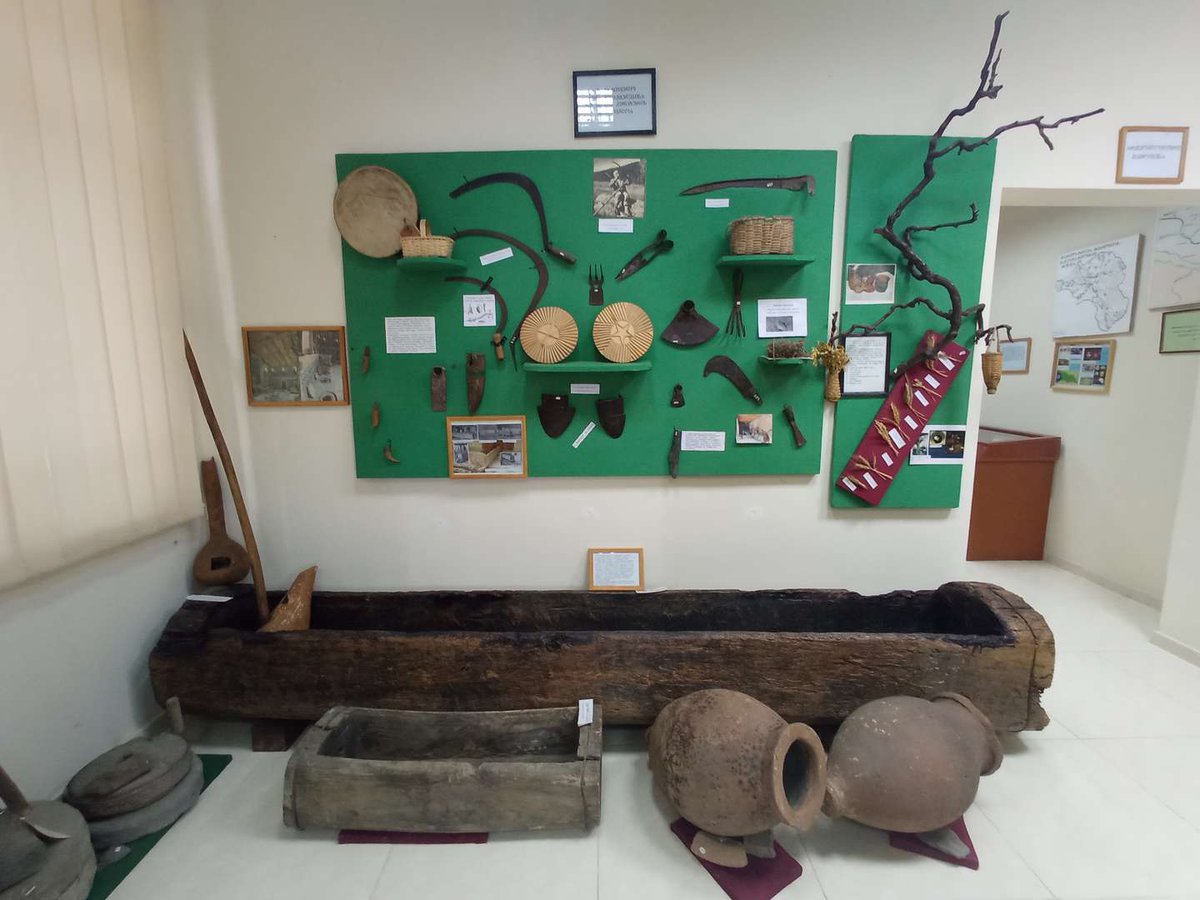
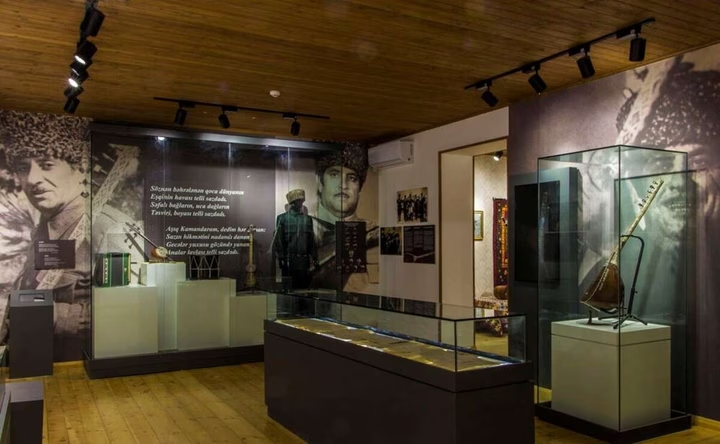
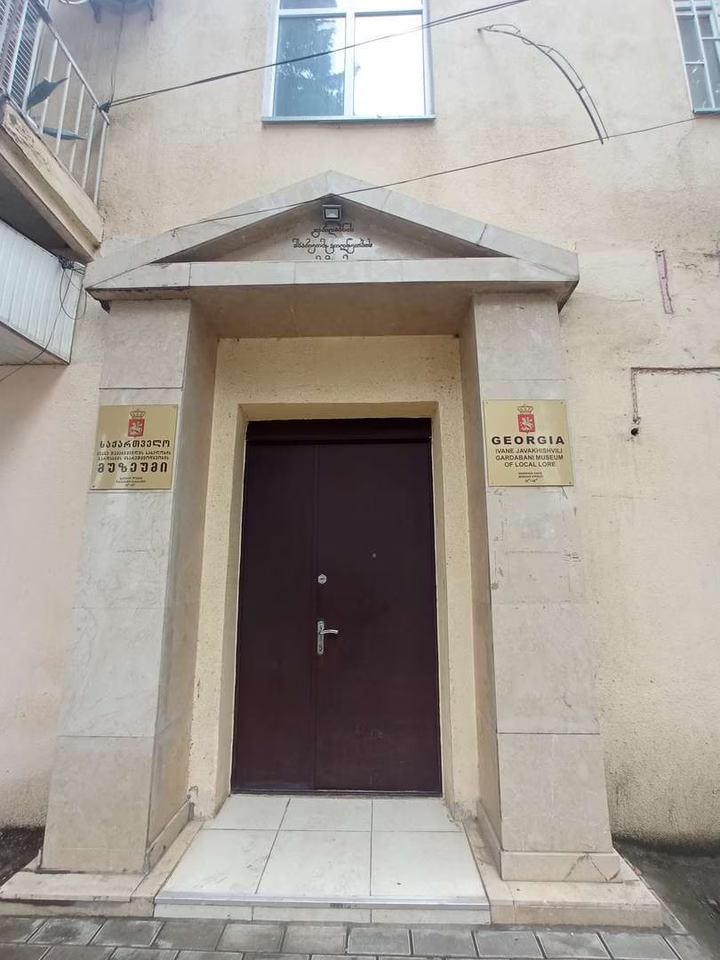
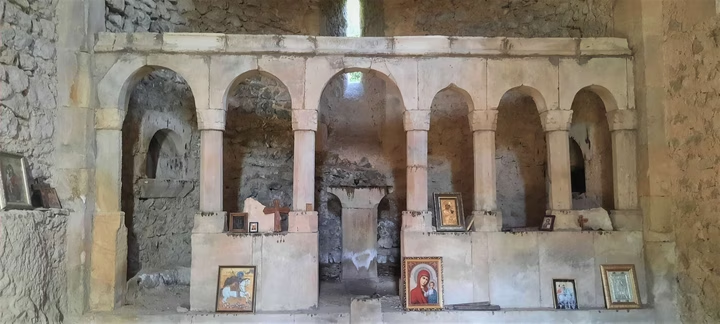
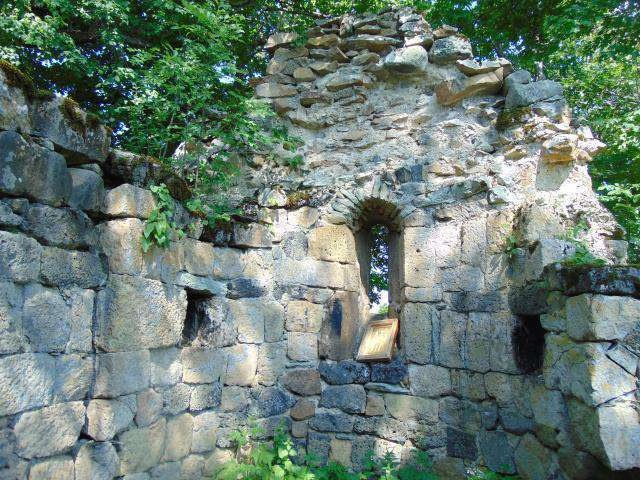
House-museums and architectural complexes allow you to feel the atmosphere of everyday life and creativity. In the Ashugh Kamandari Museum, you can hear about the traditions of Georgian oral poetry and musical culture. The local history museum in Gardabani stores materials about the history of the city and ethnographic items that introduce the life of the region in different eras. The Amlivi complex is an ensemble of temples and buildings, each stone of which preserves traces of antiquity. Jvara in Dumanisi is a unique example of temple architecture, where the power of faith is still felt.
👉 Advice for tourists: such museums and complexes are especially interesting with a guide 🎤. The guide will help you see details that you might miss during an independent inspection.
FAQ
Because it is a region where you can see ancient fortresses, monasteries, museums and monuments in one route.
Spring and autumn have a mild climate, convenient for walks and excursions.
From Tbilisi, most places in Kvemo Kartli can be reached in 1-2 hours by car.
Optimally, 2-3 days to visit fortresses, museums and monasteries.
Comfortable shoes, a light jacket, a camera 📸. For churches - modest clothing.
Yes, but it is important to follow the rules: modest clothing, respectful behavior and silence.
Dmanisi Museum-Reserve and Bolnisi Museum of Local History.
Yes, the Ashugh Kamandari House Museum introduces Georgian song traditions.
Yes, especially for excursions to museums and walks around fortresses. Children are interested in living history.
In Bolnisi and Rustavi, you can find excellent cafes and restaurants with traditional Georgian cuisine: khinkali, mtsvadi and local wine 🍷.

0 comments
Log in to leave a comment