


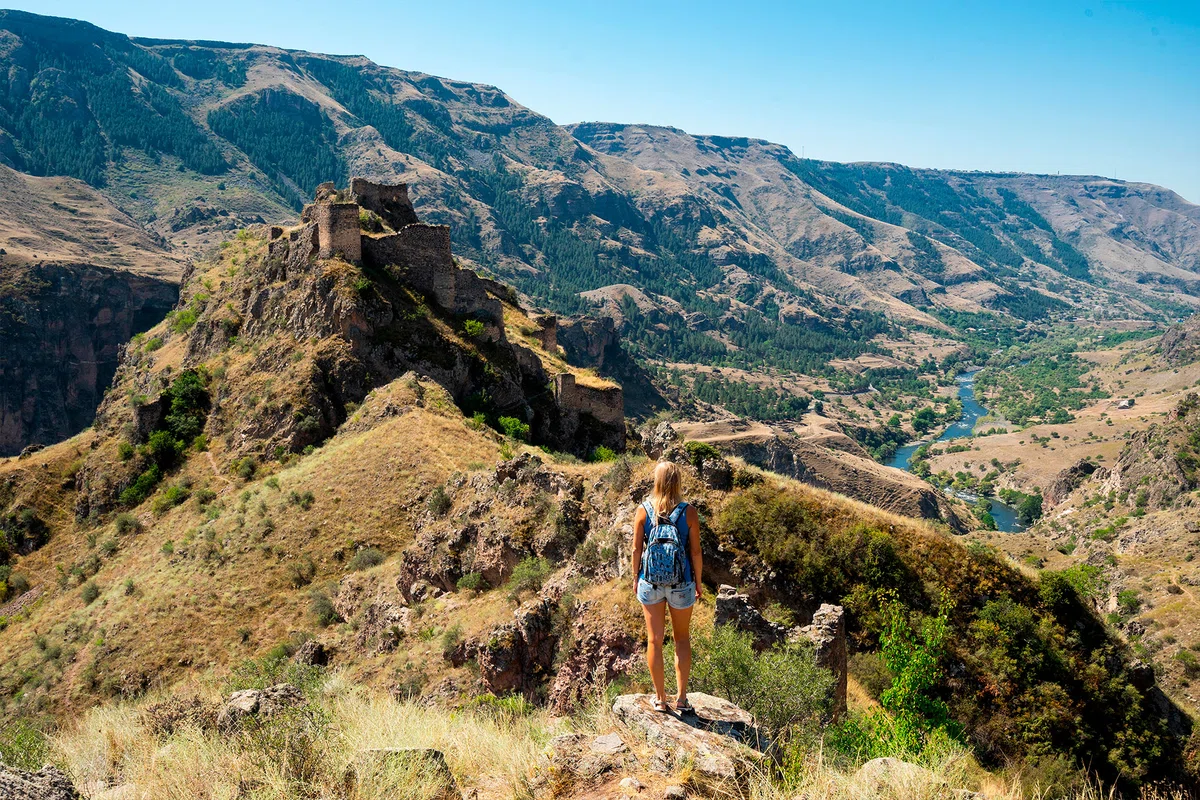
Medieval fortress Tmogvi, combat citadels in Georgia, ancient fortresses on the river Mtkvari

Getting acquainted with the history of Georgia, you should definitely visit the Medieval fortress of Tmogvi in the south of Georgia. Find out what awaits you on an unforgettable journey through the oldest place in the country from our article. If you love ancient citadels and battle fortresses - go straight to the lands of Samtskhe-Javakheti in the village of Tmogvi.
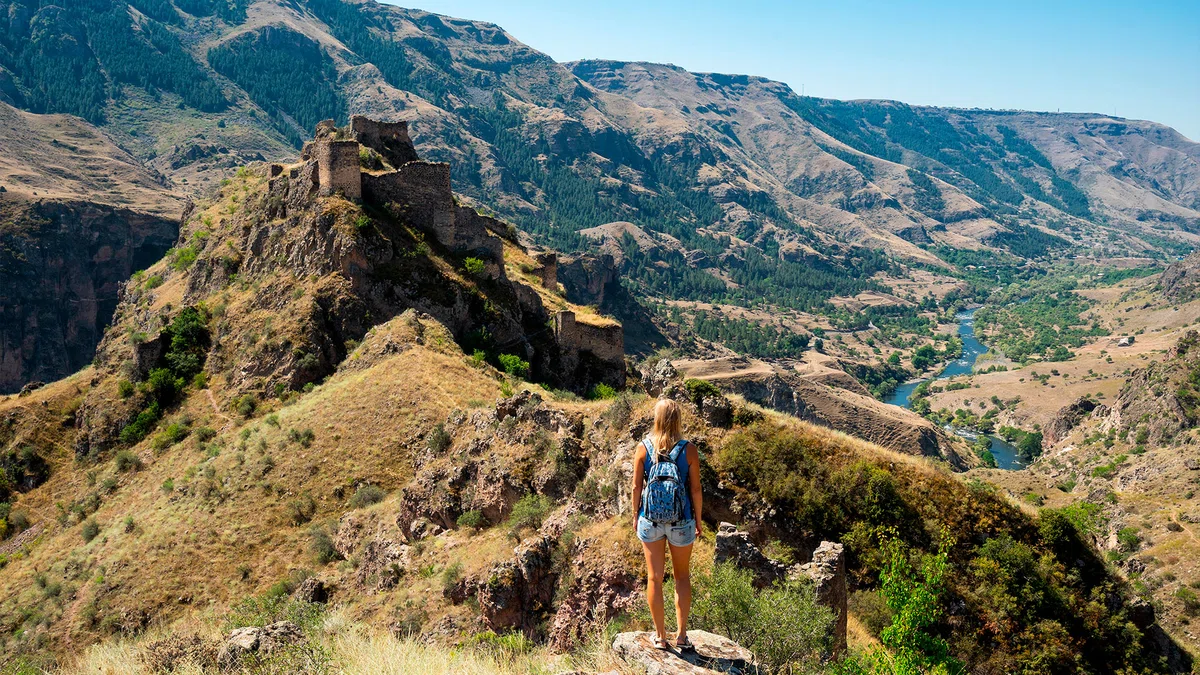

Средневековая Крепость Тмогви

Tmogvi Fortress is an honorary representative of the Middle Ages, a knight's fortress, at one time a military citadel, in the southern part of Georgia, on the land of Samtskhe-Javakheti. It is located on the left side of the Mtkvari River bank. On the territory of Aspindz municipality, near the village of Tmogvi named after the fortress. It is also worth noting that a Kurgan field was found near the fortress, the age of creation of the III - II millennia BC. The landscape composition created by nature and the man-made, now ruins, fortress classify this place as the most beautiful places in Georgia.

History.

Tmogvi got its name from Gruz. the words “mogvi“, which can be deciphered as "pagan priest" or “magician”. The battle citadel of Tmogvi originates from the ancient sources of antiquity of the IX century. It served as a defensive structure protecting the ancient trade route connecting ancient Georgia and Asia through the Mtkvari Valley. The first mention of the fortress and its history dates back to 914 and is associated with the conquest of the eastern and southern territories of Georgia by the Arab emir. After taking several fortresses, the emir approached Tmogvi, but because of such a majestically designed defensive structure, he realized that the assault on this citadel would remain fruitless and retreated.

At the end of the X century - the beginning of the XI century, the fortress was under the rule of the monarchy. Since 1073, it has been owned by many feudal families, such as Niania Kuabulisdze and her heirs, and after that by the Torels, Mkhargdzelis, Shalikashvili and Dzhakels families. The fortress was captured by the Ottoman Empire in 1578, later the fortress and its surroundings were under the control of the Akhalkalaki Liwa. After the Russian-Ottoman War of 1828-1829, according to the Treaty of Adrianople signed, the Ottomans lost the citadel and other adjacent territories. Such a rich and rich history of the life of the building and its surroundings refers this object to the sights of Georgia, which is worth looking at.

Architecture.

Tmogvi Fortress is built on a high rocky mountain and is surrounded by three hills surrounded by a wall. Security towers were erected on all three elevations for the best view of the surrounding areas. Because of the difference in the landscape, the walls stand at different heights. The fortress has partially preserved its appearance. The western part looks the best, on the slope of which there are three stages of fortifications. The walls of the south-eastern side of the structure rest on a cave, under which a secret passage is hidden, connecting the upper part of the fortress with the Mtkvari River from below. The central square of the fortress is completely occupied by various buildings.

From the remains of buildings, it is possible to trace how the buildings were erected, repaired and updated. The earlier layers consist mainly of smoothed tuff squares, with alignment in even rows, while the rough-hewn stone walls indicate a later time of their renovation. Outside the walls of the fortress, in particular in the western ravine, there is the church of St. Ephraim, which was carved together with the iconostasis in the rock. The second dome church of the XIII century, unfortunately, has lost its former beauty, but fragments of the painting are still preserved in its ruins. I hope after reading this article you have no doubts about the question: What to see in Georgia.


Do you want to increase the number of clients by 5 times?

Choose premium placement on Madloba and attract customers who are currently leaving for your competitors.

I want
Increase the number of clients
to rate this post.

28 comments

  • M
    Madison
    Exploring the Tmogvi Fortress sounds fascinating! The location on a cliff with three fortified elevations must offer incredible views. The history from its first mention in 914 through its capture by the Ottoman Empire in 1578 adds so much depth to its story. I'm particularly intrigued by the rock-carved Church of St. Ephraim. Are there guided tours available for visitors who want to learn more about the reconstructed buildings and the church with its XIII-century frescoes?
  • A
    Ana
    ტმოგვის ციხის ისტორია მართლაც შთამბეჭდავია, მისი მდებარეობა კი უნიკალური. სამცხე-ჯავახეთში, მტკვარზე გადმოსული ის კლდის მწვერვალებზე დგას. საოცარ ატმოსფეროს ქმნის წმინდა ეფრემის კლდოვანი ეკლესია, რომელსაც შემორჩენილი აქვს XIII საუკუნის ფრესკები. მართალია, იგი არაერთხელ გადავიდა ხელიდან ხელში, მაგრამ დღემდე რჩება საქართველოს ისტორიის სიმბოლოდ. დიდი მადლობა სტატიისთვის, ასეთ წვდომითი სასწაულების შესახებ ჩვენი ქვეყნის შესახებ წაკითხვა ყოველთვის მახალისებს.
  • М
    Маша
    В статье упоминается церковь Святого Ефрема, высеченная в скале. Можно ли её посетить в настоящее время, и какова её сохранность внутри?
  • W
    Wolcott
    The fortress of Tmogvi is an impressive testament to Georgia's rich history. Situated on the Mtkvari River in Samtskhe-Javakheti, its strategic location made it a pivotal protector of trade routes between Georgia and Asia. It's fascinating that its history dates back to 914, and it saw various rulers, including the Ottoman Empire after 1578. The architecture, with its fortified hilltops and rock-hewn church of Saint Ephrem, is remarkable. The reconstructed buildings and the 13th-century church with its frescoes are highlights that any history enthusiast should explore.
  • როსტომი
    შთაბეჭდილებას ტოვებს, რამდენად კარგადაა დაცული მტკვრის ნაპირზე აღმართული ტმოგვის სიმაგრე. მისი მდიდარი ისტორია, დაწყებული IX საუკუნიდან ოსმალური იმპერიის პერიოდამდე, გვახსენებს საქართველოს მნიშვნელობას ვაჭრობის გზებზე. განსაცვიფრებელია, როგორ შეუნარჩუნდა ამდენ ხანს კლდეზე ამოჭრილი წმინდა ეფრემის ეკლესია. ულამაზესი გზის ფასადები ნამდვილად დამსახურებულ ყურადღებას იწვევს.
  • А
    Алексей
    Что особенно впечатляет, так это то, как крепость Тмогви сохранила в себе следы различных культур и эпох, от церквей до фрагментов росписи.
  • Н
    Настя
    Интересно, насколько хорошо сохранились росписи в церкви XIII века. Часто ли они подвергались реставрации? Хочется понять, сколько из оригинального ещё можно увидеть.
  • ლალი
    რა საინტერესოა, რომ ციხე ტმოგვი ასეთი მნიშვნელოვანი დასაცავი იყო სავაჭრო გზებისთვის საქართველოში. მაინტერესებს, არის თუ არა რომელიმე შენობა ან დეტალი, რომელიც იმ პერიოდიდან მkodenaa? იქნებ სადმე შემხვდეს რესტავრირებული ფრაგმენტები?
  • F
    Faith
    Are there any recommendations for reaching the Tmogvi Fortress? I'm curious about the best route to take to fully appreciate both the scenery and the historical aspect.
  • Г
    Григорий
    Интересно, как крепость Тмогви сумела сохранить свою архитектурную уникальность, несмотря на столько сменяющих её владельцев и эпох.
  • R
    Ryan
    Visiting the medieval fortress in Tmogvi was like stepping back in time. Nestled on the cliffs by the Mtkvari River, this impressive site has witnessed centuries of history. The ancient churches, particularly the one carved into the rock, are awe-inspiring. Knowing that it once defended vital trade routes gives the visit an exciting historical context. The remains of the fortress with its three fortified heights offer a stunning view of the surrounding Georgian landscape. The restoration work, especially in the XIII-century church, allows you to appreciate the intricate details of the frescoes. A must-see for history enthusiasts.
  • გუგე
    Крепость Тмогви впечатляет своей архитектурой и историей. Интересно, сохранились ли какие-нибудь артефакты внутри церквей, особенно в той, что вырезана в скале?
  • А
    Артемий
    Недавно посещал Тмогви и был поражен архитектурным решением крепости — она буквально сливается с окружающими скалами. Особенно впечатлила церковь Святого Ефрема, вырезанная в скале. Задумался, как строители того времени справлялись с таким сложным рельефом. Интересно, какие ещё материалы использовались при строительстве укреплений?
  • T
    tanyagutnik9
    Интересно будет увидеть место, которое имело такое стратегическое значение для Грузии. Крепость на скале с высеченной церковью Святого Ефрема — это звучит захватывающе. Дух средневековья до сих пор живет в этих стенах. Обязательно добавлю Тмогви в свой список мест для посещения.
  • არჩილ
    მაინტერესებს, არის თუ არა ტმოგვის ციხე დღესდღეობით განაწესვატი ტურისტებისთვის? ასევე, ხომ არ არის რაიმე გეგმები მისი ისტორიული მნიშვნელობის გათვალისწინებით სარეაბილიტაციო სამუშაოების ჩატარებაზე?
  • არჩილ
    მაინტერესებს, არის თუ არა ტმოგვის ციხე დღესდღეობით განაწესვატი ტურისტებისთვის? ასევე, ხომ არ არის რაიმე გეგმები მისი ისტორიული მნიშვნელობის გათვალისწინებით სარეაბილიტაციო სამუშაოების ჩატარებაზე?
  • J
    Jess
    Are the reconstructed buildings and the church from the 13th century open to the public for tours? I'm curious to know if the ancient frescoes can be seen up close.
  • С
    Саша
    Какие мероприятия сегодня проходят в крепости Тмогви? Возможно ли попасть на экскурсии, чтобы увидеть восстановленные здания и фрагменты росписи?
  • M
    Marshall
    The description of the Tmogvi Fortress was fascinating. I didn't know it played such a crucial role in defending trade routes between Georgia and Asia. It's incredible to learn that the fortress has been around since 914 and has such a layered history, passing through different feudal hands. The churches, especially the one carved into the rock, sound amazing. I'm curious to see the restored buildings and the 13th-century church with its fresco fragments. Thank you for sharing this historical gem.
  • E
    Elvina
    Как же завораживает история таких мест! Тмогви – это не просто крепость, а живая летопись целой эпохи. Представить, как здесь проходили сражения, как стояли в дозоре воины, охраняя торговый путь… От таких мыслей пробегают мурашки! Грузия умеет удивлять – каждый ее уголок наполнен духом времени, красотой природы и тайнами прошлого. Обязательно возьму Тмогви в список мест, которые мечтаю посетить!
  • Е
    Елена
    Средневековая крепость Тмогви на юге Грузии – это обязательное место для посещения для всех, кто интересуется историей страны. Расположенная на берегу реки Мтквари, эта древняя крепость впечатляет своей архитектурой и исторической значимостью. Любители древних цитаделей и боевых крепостей обязательно должны отправиться в село Тмогви в регионе Самцхе-Джавахети. Спасибо за информацию о таком интересном месте!
  • А
    Аделина
    Очаровательная статья о средневековой крепости Тмогви! Впечатляющее описание исторического наследия Южной Грузии, которое заставляет сердце биться быстрее от восторга. Кажется, что каждый камень этой крепости несет на себе тысячелетнюю историю и таинственные легенды. Спасибо за такое увлекательное путешествие в прошлое!
  • К
    Клара
    Я не понимаю, как вообще у людей могли возникать мысли нападать на такие крепости - это же такие неприступные строения! Читая о средневековой крепости Тмогви, я поражаюсь не только ее величию, но и непоколебимой силе, которая была необходима для ее построения и защиты. Эти крепостные стены, словно олицетворение стойкости и выносливости, говорят о том, что люди были готовы защищать свои земли и свою культуру любой ценой. Посещение таких исторических мест напоминает нам о важности сохранения нашего прошлого и уважения к нашим предкам, которые смогли создать такие впечатляющие сооружения.
  • Y
    yshorts0.078
    Когда я впервые вошла в средневековую крепость Тмогви на юге Грузии, меня охватило чувство восхищения и величия этого исторического места. Старинные каменные стены и башни вызывают восхищение своей непреодолимой мощью и прочностью. Я прогуливалась по узким переходам и поднималась на высокие смотровые площадки, наслаждаясь прекрасными видами на окружающие горы и долины. Внутри крепости я обнаружила удивительные архитектурные детали и древние фрески, которые рассказывают историю этого места. Было так волнующе ощущать себя частью богатого культурного наследия и представлять, как здесь жили и творили люди в те времена. Посещение средневековой крепости Тмогви стало для меня незабываемым путешествием в прошлое, которое я рекомендую всем, кто интересуется историей и красотой Грузии.
  • G
    gjfroksit228
    Очень красивое место, сама крепость Тмогви находится на горном хребте, что придают ей величество и привлекает к себе туристов. Жалко конечно, что крепость не дожила до наших времен, но ее все равно стоит посетить хотя бы ради видов, которые открываются рядом с крепостью
  • B
    bikteeva94
    Когда смотришь на подобные сооружения, сразу начинаешь представлять что здесь происходило много лет назад, какой первозданный облик имела крепость. Еще по остаткам на сегодняшний день зданий, можно проследить, как возводились, ремонтировались и обновлялись строения. Средневековая крепость Тмогви находится на юге Грузии.
  • И
    Иван
    Крепость стратегически очень удачно расположили, однако представьте как туда было трудно доставлять стройматериалы. Меня как историка и археолога эти исторические и архитектурные памятники-крепости очень завораживают своей уникальностью и духом средневековья. Очень интересна историческая справка про крепость.
  • И
    Ира
    Очень хотелось бы увидеть средневековую крепость Тмогви. Ведь тут можно будет также увидеть руины курганского поля, возрастом создания III - II тысячелетиями до н.э. тем самым попасть в языческие временя, когда были волшебники и колдуны. Это прекрасное место может отправить дальний магический мир и оставить незабываемые очищения на долгое время после которого захочется еще раз приехать в Грузию.